
Monarch Butterfly Conservation Efforts: A Powerful Guide

Quick Summary: Monarch butterfly populations are declining, but you can help! Conservation efforts include planting milkweed (the only food for monarch caterpillars), providing nectar sources for adult butterflies, reducing pesticide use, protecting overwintering habitats, and supporting organizations dedicated to monarch research and conservation. Every action, big or small, contributes to saving these iconic butterflies.
Have you noticed fewer monarch butterflies fluttering around your garden? It’s not just your imagination. Monarch populations have been declining for years, and it’s a serious concern. These beautiful creatures play a vital role in our ecosystem, and we can’t afford to lose them. The good news is that there are many things we can do to help bring them back. I’ll guide you through simple, effective steps you can take to support monarch butterfly conservation efforts, making a real difference in their survival.
Why Monarch Butterfly Conservation Matters
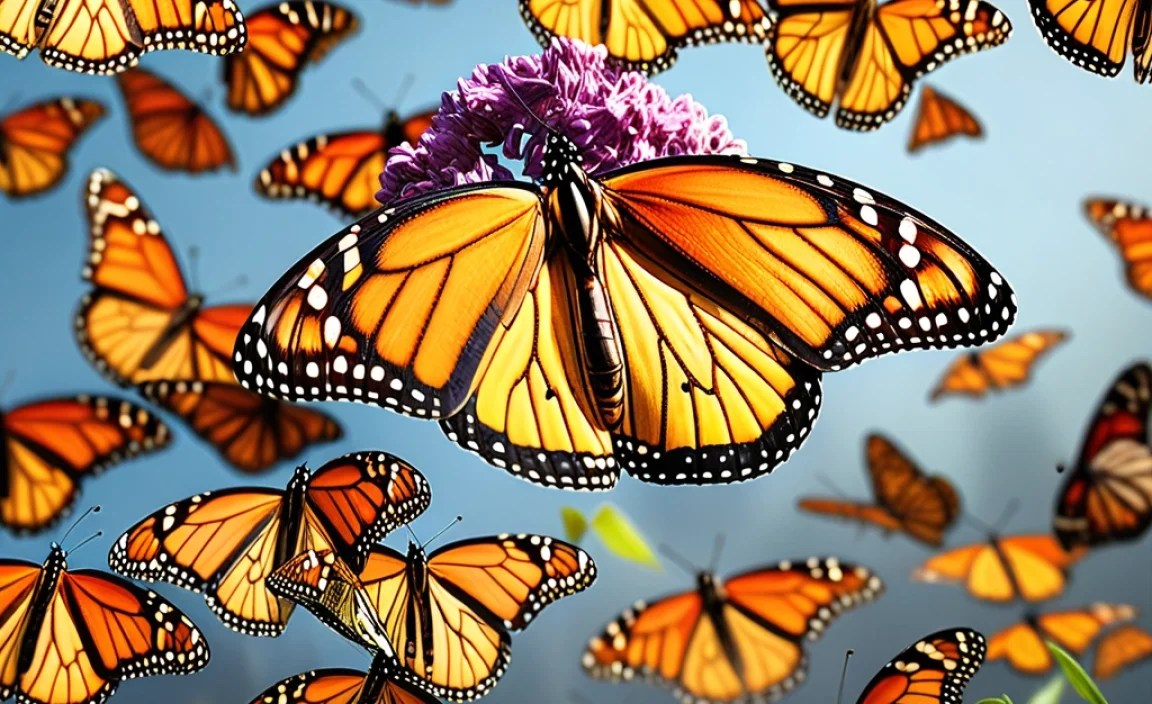
Monarch butterflies are more than just pretty insects; they’re crucial pollinators and indicators of environmental health. Their incredible multi-generational migration is one of the most remarkable feats in the natural world. When monarch populations decline, it signals broader problems in our environment, such as habitat loss and pesticide use. Protecting monarchs helps safeguard other pollinators and the ecosystems they support.
The Monarch’s Amazing Migration
Imagine a butterfly that travels thousands of miles to spend the winter in a warmer climate. That’s exactly what monarch butterflies do! Eastern monarchs migrate from Canada and the United States to the oyamel fir forests of central Mexico. Western monarchs migrate to overwintering sites along the California coast. These journeys are fraught with danger, and habitat loss at breeding and overwintering grounds, along with climate change, has made their survival increasingly difficult. You can learn more about the Monarch Butterfly migration at National Geographic.
Threats to Monarch Butterflies
Several factors contribute to the decline of monarch butterflies:
- Habitat Loss: Development, agriculture, and deforestation destroy milkweed and nectar sources.
- Pesticide Use: Insecticides, especially neonicotinoids, can harm or kill monarch butterflies.
- Climate Change: Extreme weather events and changing temperatures disrupt migration and breeding patterns.
- Disease and Parasites: Ophryocystis elektroscirrha (OE) is a protozoan parasite that can weaken monarchs.
Step-by-Step Guide to Monarch Butterfly Conservation Efforts

Ready to take action? Here’s a step-by-step guide to help you make a difference in monarch butterfly conservation:
Step 1: Plant Milkweed
Milkweed is the only plant that monarch caterpillars eat. Without it, they cannot survive. Planting milkweed is the single most important thing you can do to help monarch butterflies.
- Choose Native Milkweed: Select milkweed species native to your region. Native plants are best adapted to your local climate and support local ecosystems. You can find a list of native milkweed species for your area at the Xerces Society website.
- Plant in Sunny Locations: Milkweed needs at least six hours of sunlight per day.
- Avoid Pesticides: Never use pesticides on or near your milkweed plants.
- Consider a Milkweed Patch: Plant a cluster of milkweed plants to provide ample food for caterpillars.
Step 2: Provide Nectar Sources
Adult monarch butterflies need nectar for energy. Plant a variety of nectar-rich flowers that bloom throughout the growing season.
- Choose Native Flowers: Native flowers are best suited to your local climate and attract a wider variety of pollinators.
- Plant a Variety: Select flowers with different shapes and colors to attract monarchs and other butterflies.
- Succession Planting: Plant flowers that bloom at different times to provide a continuous source of nectar.
- Avoid Hybrids: Some hybrid flowers have been bred for appearance rather than nectar production.
Step 3: Reduce Pesticide Use
Pesticides can harm or kill monarch butterflies and other beneficial insects. Reduce or eliminate pesticide use in your garden and yard.
- Use Natural Pest Control: Encourage beneficial insects, such as ladybugs and lacewings, to control pests.
- Handpick Pests: Remove pests by hand whenever possible.
- Use Insecticidal Soap: If you must use a pesticide, choose insecticidal soap or horticultural oil, which are less harmful to beneficial insects.
- Avoid Neonicotinoids: Neonicotinoid pesticides are particularly harmful to pollinators.
Step 4: Protect Overwintering Habitats
Monarch butterflies rely on specific overwintering habitats in Mexico and California. Support organizations that work to protect these areas.
- Donate to Conservation Groups: Support organizations like the Monarch Butterfly Fund or the Xerces Society.
- Educate Others: Raise awareness about the importance of protecting overwintering habitats.
- Reduce Deforestation: Support sustainable forestry practices and reduce your consumption of products that contribute to deforestation.
Step 5: Create a Butterfly-Friendly Garden
Design your garden to provide everything monarch butterflies need: food, water, shelter, and a safe place to reproduce.
- Provide Water: Place a shallow dish of water with pebbles or marbles for butterflies to land on.
- Offer Shelter: Plant shrubs and trees to provide shelter from wind and predators.
- Avoid Herbicides: Herbicides can kill milkweed and other host plants.
- Leave Leaf Litter: Leaf litter provides overwintering habitat for many beneficial insects.
Step 6: Monitor Monarchs and Report Sightings
Help scientists track monarch populations by monitoring monarchs in your area and reporting your sightings.
- Join a Citizen Science Project: Participate in programs like Monarch Watch or Journey North.
- Report Sightings: Report your monarch sightings to online databases.
- Tag Monarchs: Learn how to tag monarch butterflies to help track their migration.
Step 7: Educate Others and Raise Awareness
Share your knowledge and passion for monarch butterflies with others. Educate your friends, family, and community about the importance of monarch conservation.
- Share Information: Share information about monarch butterflies on social media.
- Give Presentations: Give presentations to local schools or community groups.
- Organize Events: Organize monarch-themed events, such as butterfly releases or garden tours.
Tools and Resources for Monarch Conservation
Here are some helpful tools and resources to aid your monarch butterfly conservation efforts:
| Resource | Description | Link |
|---|---|---|
| Xerces Society | Provides information on monarch conservation, milkweed, and nectar plants. | https://www.xerces.org/ |
| Monarch Watch | Offers educational resources, tagging programs, and a monarch waystation registry. | https://monarchwatch.org/ |
| Journey North | Tracks monarch migration and provides educational resources. | https://journeynorth.org/monarchs |
| Monarch Joint Venture | A partnership of organizations working to protect monarch butterflies. | https://monarchjointventure.org/ |
| U.S. Fish and Wildlife Service | Provides information on monarch conservation efforts and regulations. | https://www.fws.gov/species/monarch-butterfly-danaus-plexippus |
The Benefits of Monarch Conservation
Conserving monarch butterflies has many benefits:
- Environmental Health: Protecting monarchs helps safeguard other pollinators and ecosystems.
- Educational Opportunities: Monarchs provide valuable learning experiences for students and adults.
- Aesthetic Value: Monarch butterflies are beautiful and bring joy to our lives.
- Economic Benefits: Pollinators support agriculture and contribute to the economy.
Common Mistakes to Avoid
Here are some common mistakes to avoid when trying to help monarch butterflies:
- Planting Non-Native Milkweed: Non-native milkweed species can disrupt monarch migration patterns and harbor pests.
- Using Pesticides: Pesticides can harm or kill monarch butterflies.
- Neglecting Nectar Sources: Adult monarchs need nectar for energy.
- Disturbing Overwintering Sites: Disturbing overwintering sites can harm monarch populations.
FAQ About Monarch Butterfly Conservation
Here are some frequently asked questions about monarch butterfly conservation:
What kind of milkweed should I plant?
Plant native milkweed species that are best suited to your local climate. The Xerces Society has a helpful list of native milkweed species by region.
How can I attract monarch butterflies to my garden?
Plant milkweed and nectar-rich flowers, provide water, and avoid using pesticides.
What is OE, and how can I prevent it?
OE (Ophryocystis elektroscirrha) is a protozoan parasite that can weaken monarchs. To prevent OE, clean up leaf litter and debris around milkweed plants, and avoid overcrowding milkweed patches.
How can I tell the difference between a male and female monarch butterfly?
Male monarch butterflies have a black spot on each hindwing, while females do not.
What do monarch caterpillars eat?
Monarch caterpillars eat only milkweed leaves.
When do monarch butterflies migrate?
Eastern monarchs migrate from August to October, and western monarchs migrate from September to November.
How can I help protect monarch overwintering habitats?
Support organizations that work to protect overwintering habitats, reduce deforestation, and educate others about the importance of these areas.
Conclusion
Monarch butterfly conservation is a collective effort, and every action, no matter how small, contributes to their survival. By planting milkweed and nectar sources, reducing pesticide use, protecting overwintering habitats, and educating others, you can help bring back these iconic butterflies. Let’s work together to ensure that future generations can marvel at the beauty of monarch migration. As a butterfly enthusiast, I believe in the power of individuals to make a difference. Start today, and let’s create a world where monarch butterflies thrive!


