
Butterfly Diversity & Endangered Species: A Powerful Guide

Butterflies are more than just pretty insects; they’re vital indicators of environmental health. Sadly, many butterfly species are facing threats. Protecting butterfly diversity and endangered species involves understanding the challenges they face and taking action to conserve their habitats. From habitat loss to climate change, learning about these issues helps us make a real difference.
Butterflies flutter into our lives, bringing beauty and joy. But did you know that many butterfly species are in trouble? Habitat loss, climate change, and pesticide use are all taking a toll on these delicate creatures. It can feel overwhelming to know where to start helping. But don’t worry! This guide breaks down the challenges butterflies face and provides simple steps you can take to support their survival.
We’ll explore the fascinating world of butterfly diversity, identify endangered species, and discover practical ways to protect these beautiful insects. Get ready to become a butterfly champion!
Understanding Butterfly Diversity
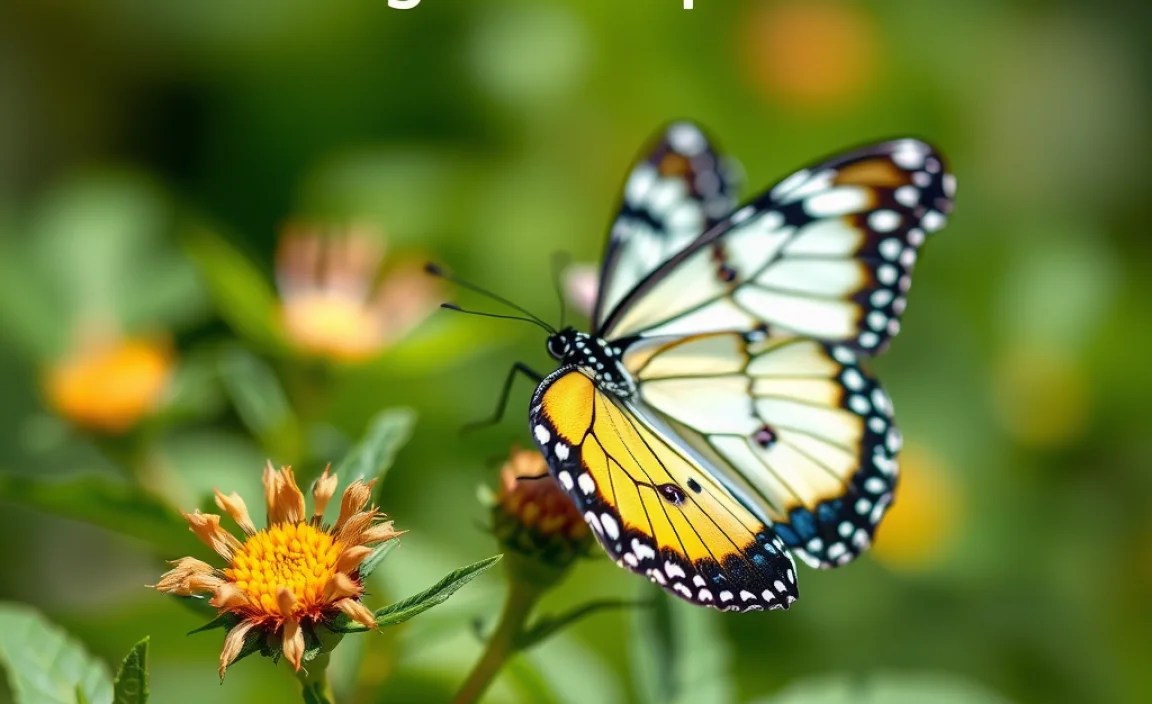
Butterfly diversity refers to the variety of butterfly species in a specific region or across the globe. This diversity is essential for healthy ecosystems because butterflies play a crucial role in pollination and act as a food source for other animals.
Why Butterfly Diversity Matters
- Pollination: Butterflies pollinate various plants, helping them reproduce.
- Food Source: They serve as food for birds, reptiles, and other insects.
- Indicator Species: Butterfly populations reflect the health of their environment. A decline in butterfly numbers can signal broader ecological problems.
Factors Influencing Butterfly Diversity
Several factors influence the diversity of butterfly populations:
- Habitat Availability: The presence of suitable habitats, including host plants for larvae and nectar sources for adults.
- Climate: Temperature and rainfall patterns affect butterfly distribution and life cycles.
- Land Use: Agriculture, urbanization, and deforestation can reduce or fragment butterfly habitats.
- Pesticide Use: Insecticides can directly harm butterflies and their food sources.
Endangered Butterfly Species: A Closer Look

Many butterfly species are now classified as endangered, meaning they face a high risk of extinction in the near future. Several organizations, like the International Union for Conservation of Nature (IUCN), maintain lists of endangered species to track their status and promote conservation efforts.
Notable Endangered Butterfly Species
Here are a few examples of endangered butterfly species and the primary threats they face:
| Species | Geographic Location | Threats |
|---|---|---|
| Monarch Butterfly (Danaus plexippus) | North America | Habitat loss (deforestation of overwintering sites, decline of milkweed), climate change, pesticide use |
| Palos Verdes Blue Butterfly (Glaucopsyche lygdamus palosverdesensis) | California, USA | Habitat loss (urban development), invasive plant species |
| Miami Blue Butterfly (Cyclargus thomasi bethunei) | Florida, USA | Habitat loss (coastal development), pesticide use, hurricanes |
| Oregon Silverspot Butterfly (Speyeria zerene hippolyta) | Pacific Northwest, USA | Habitat loss (coastal development), invasive plant species |
| Lange’s Metalmark Butterfly (Apodemia mormo langei) | California, USA | Habitat loss (sand mining, invasive plants), limited habitat range |
Threats to Butterfly Populations
Understanding the threats butterflies face is the first step in protecting them.
- Habitat Loss: This is one of the most significant threats. As natural habitats are converted for agriculture, housing, and other uses, butterflies lose their homes and food sources.
- Climate Change: Changing temperatures and rainfall patterns can disrupt butterfly life cycles and alter the distribution of their host plants. According to the EPA, climate change is already affecting butterfly populations.
- Pesticide Use: Insecticides used in agriculture and gardening can directly kill butterflies or harm their larvae.
- Invasive Species: Non-native plants can outcompete native host plants, reducing food availability for butterfly larvae.
- Disease: Viral and bacterial diseases can impact butterfly populations, especially in areas with high population density or stressed habitats.
How to Support Butterfly Diversity: Practical Steps
Even small actions can make a big difference in supporting butterfly populations. Here are some practical steps you can take:
1. Create a Butterfly Garden
A butterfly garden provides essential resources for butterflies, including nectar sources for adults and host plants for larvae.
- Choose Native Plants: Native plants are best adapted to your local climate and provide the most nutritious food for butterflies. Consult local nurseries or native plant societies for recommendations.
- Include Host Plants: Host plants are essential for butterfly larvae. For example, Monarch butterflies rely on milkweed.
- Provide Nectar Sources: Plant flowers that provide nectar throughout the growing season. Include a variety of colors and shapes to attract different butterfly species.
- Offer a Water Source: Butterflies need water to stay hydrated. Provide a shallow dish of water with pebbles for them to land on.
- Avoid Pesticides: Pesticides can harm or kill butterflies and other beneficial insects. Use organic gardening practices instead.
2. Support Local Conservation Efforts
Many organizations are working to protect butterfly habitats and promote conservation. Support their efforts by volunteering, donating, or participating in citizen science projects.
- Volunteer: Many conservation organizations need volunteers to help with habitat restoration, butterfly surveys, and educational programs.
- Donate: Financial contributions can support research, habitat management, and conservation initiatives.
- Participate in Citizen Science: Citizen science projects allow you to contribute valuable data to scientific research. For example, you can participate in butterfly counts or monitor butterfly populations in your area.
3. Reduce Pesticide Use
Pesticides can harm butterflies and other beneficial insects. Reduce your reliance on pesticides by using organic gardening practices and supporting pesticide-free agriculture.
- Use Organic Gardening Practices: Avoid using synthetic pesticides and herbicides. Instead, use natural pest control methods, such as introducing beneficial insects or using organic sprays.
- Support Pesticide-Free Agriculture: Buy organic produce and support farmers who use sustainable farming practices.
- Advocate for Reduced Pesticide Use: Contact your elected officials and advocate for policies that reduce pesticide use and protect pollinators.
4. Educate Others
Raising awareness about butterfly conservation is crucial for protecting these important insects. Share your knowledge with friends, family, and community members.
- Share Information: Share articles, videos, and other resources about butterfly conservation on social media and in your community.
- Organize Events: Host workshops, presentations, or butterfly walks to educate others about butterfly diversity and conservation.
- Engage Children: Teach children about the importance of butterflies and how they can help protect them.
5. Support Habitat Preservation
Protecting and restoring butterfly habitats is essential for their survival. Support organizations and initiatives that work to preserve natural areas and restore degraded habitats.
- Support Land Conservation: Donate to land trusts or conservation organizations that protect butterfly habitats.
- Participate in Habitat Restoration Projects: Volunteer to help restore degraded habitats by planting native plants, removing invasive species, and creating butterfly gardens.
- Advocate for Habitat Protection: Contact your elected officials and advocate for policies that protect butterfly habitats from development and other threats.
The Role of Host Plants

Host plants are crucial for butterfly larvae, as they provide the sole source of food for caterpillars. Without the right host plants, butterflies cannot complete their life cycle. Understanding the specific host plants for different butterfly species is essential for creating effective butterfly gardens and conservation efforts.
Examples of Butterfly Host Plants
| Butterfly Species | Host Plant |
|---|---|
| Monarch Butterfly (Danaus plexippus) | Milkweed (Asclepias spp.) |
| Black Swallowtail (Papilio polyxenes) | Parsley, dill, fennel, carrot |
| Spicebush Swallowtail (Papilio troilus) | Spicebush, sassafras |
| Spring Azure (Celastrina ladon) | Various trees and shrubs, including dogwood, blueberry, and New Jersey tea |
| Gulf Fritillary (Agraulis vanillae) | Passionflower (Passiflora spp.) |
How to Incorporate Host Plants into Your Garden
- Research Local Butterfly Species: Identify the butterfly species in your area and determine their host plant preferences.
- Plant a Variety of Host Plants: Offer a diverse selection of host plants to support a wide range of butterfly species.
- Provide a Continuous Supply of Host Plants: Ensure that host plants are available throughout the growing season by planting different species that mature at different times.
- Protect Host Plants from Pesticides: Avoid using pesticides on or near host plants, as they can harm or kill butterfly larvae.
Butterfly Conservation: A Global Perspective
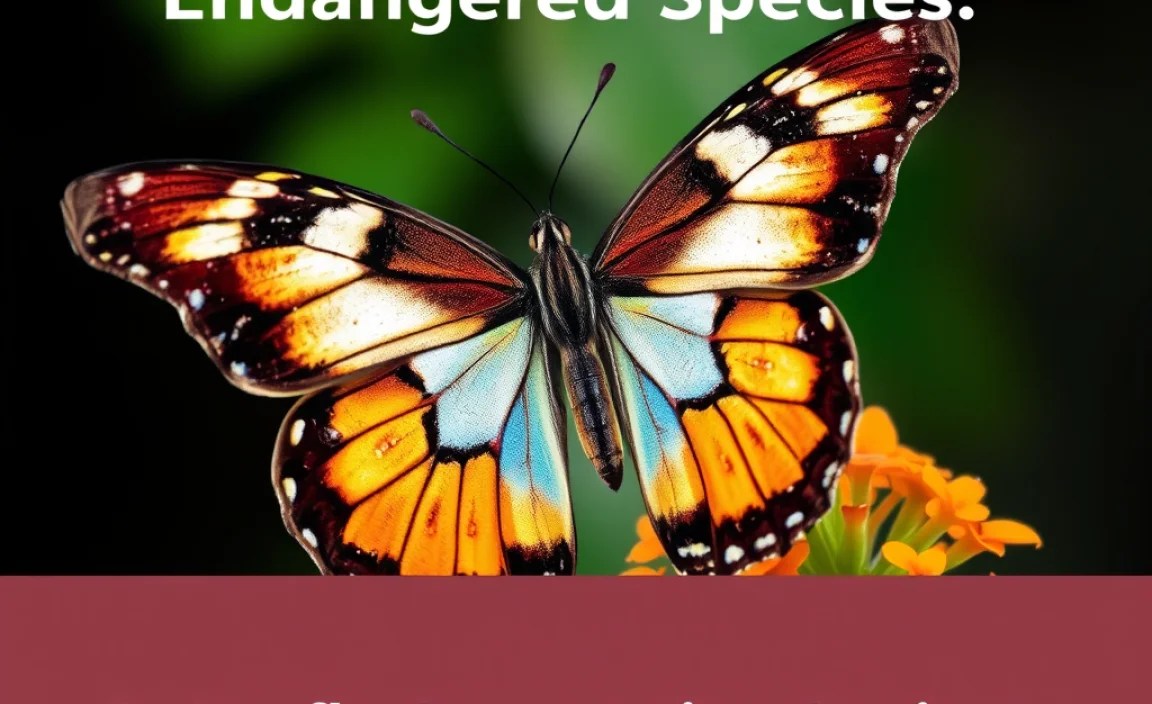
Butterfly conservation is a global effort, with organizations and individuals around the world working to protect these important insects. Understanding the challenges and successes of butterfly conservation efforts in different regions can inform and inspire local actions.
Conservation Strategies Around the World
- Habitat Restoration: Restoring degraded habitats by planting native plants, removing invasive species, and creating butterfly corridors.
- Captive Breeding Programs: Breeding endangered butterfly species in captivity and releasing them into the wild to boost populations.
- Protected Areas: Establishing protected areas, such as national parks and wildlife refuges, to safeguard butterfly habitats.
- Community Engagement: Involving local communities in butterfly conservation efforts through education, outreach, and sustainable livelihood programs.
Success Stories in Butterfly Conservation
- The Reintroduction of the Large Blue Butterfly in the UK: After becoming extinct in the UK in 1979, the Large Blue Butterfly was successfully reintroduced through habitat management and captive breeding programs.
- The Conservation of the Monarch Butterfly in Mexico: Efforts to protect the overwintering sites of the Monarch Butterfly in Mexico have helped to stabilize the population, although ongoing threats remain.
- The Recovery of the Palos Verdes Blue Butterfly in California: Through habitat restoration and captive breeding programs, the Palos Verdes Blue Butterfly has been brought back from the brink of extinction.
FAQ: Butterfly Diversity and Endangered Species
Why are butterflies important?
Butterflies are important pollinators, helping plants reproduce. They’re also a food source for birds and other animals, playing a vital role in the ecosystem.
What does it mean when a butterfly species is endangered?
When a butterfly species is endangered, it means its population is very low, and it’s at risk of disappearing forever if we don’t take action.
What is habitat loss, and how does it affect butterflies?
Habitat loss happens when natural areas like forests and meadows are destroyed for farming, housing, or industry. This removes the places where butterflies live and find food.
How does climate change threaten butterflies?
Climate change can change the timing of butterfly life cycles and move or kill their food plants. Extreme weather events can also destroy butterfly habitats.
What are host plants, and why are they important to butterflies?
Host plants are the specific plants that butterfly caterpillars eat. Without these plants, the caterpillars can’t grow and turn into butterflies.
What can I plant in my garden to help butterflies?
Plant native flowers that provide nectar for adult butterflies and host plants for their caterpillars. Milkweed is great for Monarchs, and parsley is good for Black Swallowtails.
How can I help protect endangered butterflies in my community?
You can support local conservation groups, avoid using pesticides, create butterfly-friendly habitats, and educate others about the importance of butterfly conservation.
Conclusion
Butterfly diversity is not just about admiring pretty wings; it’s about maintaining healthy ecosystems. Endangered butterfly species are a sign that our environment is under stress. By understanding the threats these creatures face and taking practical steps to support their conservation, we can all make a difference. Whether it’s planting a butterfly garden, supporting local conservation efforts, or educating others, every action counts.
Let’s work together to ensure that future generations can enjoy the beauty and ecological benefits of a vibrant butterfly population. The time to act is now, and even small changes in our gardens and communities can create a lasting impact. By becoming advocates for butterfly conservation, we contribute to a healthier planet for all.


