
Rare Butterflies Conservation Status IUCN: Find Out Now

Do you love butterflies? They are so pretty and colorful. But some rare butterflies need our help. They are in danger. Their conservation status is important. The IUCN helps us understand this. Let’s learn about how we can protect them. It is important to keep them safe.
Butterflies face many dangers. People change their homes. Weather changes can also hurt them. We need to learn about these problems. Then we can help these amazing creatures. We can all make a difference.
Key Takeaways
- The IUCN assesses the conservation status of rare butterflies worldwide.
- Habitat loss is a major threat to rare butterfly populations.
- Climate change impacts butterfly life cycles and habitats.
- Protecting butterfly habitats is crucial for their survival.
- Everyone can help with butterfly conservation efforts.
Understanding Rare Butterflies Conservation Status IUCN

The IUCN, or International Union for Conservation of Nature, is very important. It helps us understand the conservation status of many animals. This includes rare butterflies. The IUCN looks at how many butterflies are left. They also look at where they live. They check if their homes are safe. If a butterfly is in trouble, the IUCN tells us. They use special words to explain how much danger the butterfly is in. Some butterflies are “endangered.” This means there are very few left. Other butterflies are “vulnerable.” This means they could become endangered soon. The IUCN helps us know which butterflies need the most help. This information is used to make plans. These plans help protect the butterflies and their homes.
- The IUCN assesses species’ risk of extinction.
- “Endangered” means a species faces a high risk.
- “Vulnerable” means a species could become endangered.
- Data helps prioritize conservation efforts.
- Conservation status guides protection plans.
Understanding the IUCN‘s work is important for everyone. It helps scientists, governments, and regular people. When we know a butterfly’s conservation status, we can act. We can help protect their homes. We can help them find food. We can make sure they have a safe place to live. The IUCN‘s work is like a warning sign. It tells us when a butterfly needs our help. By paying attention, we can make a big difference. We can help these beautiful creatures survive. Protecting rare butterflies helps protect our planet too.
Fun Fact or Stat: The IUCN Red List includes over 147,500 species, assessing their risk of extinction!
Why is the IUCN Important?
Have you ever wondered who decides if an animal is in danger? The IUCN does this important job. They are like detectives for nature. They gather information from all over the world. They look at how many animals are left. They study where these animals live. They check if their homes are safe. They also look at what dangers the animals face. Are people cutting down their forests? Is the weather changing too much? The IUCN puts all this information together. Then, they decide if an animal is “endangered,” “vulnerable,” or “safe.” This helps everyone know which animals need the most help.
How Does the IUCN Classify Butterflies?
Imagine you are sorting butterflies into different groups. Some butterflies are very common. You see them everywhere. Others are very rare. You only see them in special places. The IUCN does something similar. They put butterflies into different groups based on how much danger they are in. If there are very few butterflies left, they might be “critically endangered.” This means they need help right away. If there are more butterflies, but they are still in danger, they might be “vulnerable.” This means we need to watch them carefully. The IUCN uses these groups to help people understand which butterflies need the most protection.
What Can We Learn From the IUCN?
The IUCN is like a teacher for the world. It teaches us about the plants and animals around us. It shows us which ones are in trouble. It helps us understand why they are in trouble. Are they losing their homes? Is the weather changing too much for them? The IUCN helps us see the big picture. It shows us how everything in nature is connected. When we learn from the IUCN, we can make better choices. We can help protect the plants and animals that need our help. We can make the world a better place for everyone.
Fun Fact or Stat: The IUCN was founded in 1948 and is the world’s largest environmental network!
Threats to Rare Butterflies and Their Habitats

Rare butterflies face many dangers. One of the biggest is losing their homes. People cut down forests to build houses or farms. This takes away the butterflies’ food and shelter. Climate change is another big problem. The weather is changing in ways that make it hard for butterflies to survive. Some butterflies can only live in certain places. If those places get too hot or too dry, the butterflies can’t live there anymore. Pollution also hurts butterflies. Pesticides, used on farms, can poison them. Other kinds of pollution can make their food plants sick. All these things make it hard for rare butterflies to survive. We need to help them by protecting their homes and reducing pollution.
- Habitat destruction reduces butterfly homes.
- Climate change alters butterfly habitats.
- Pollution harms butterflies and their food.
- Pesticides can poison butterflies.
- Invasive species compete with native butterflies.
- Over-collection can harm populations.
Protecting rare butterflies means protecting their habitats. We can help by planting native plants. These plants give butterflies food and shelter. We can also reduce pollution. Using less pesticides can help. We can also support organizations that protect butterfly habitats. Even small actions can make a big difference. By working together, we can help these beautiful creatures survive. It is important to remember that butterflies are a part of our world. Protecting them helps protect everything.
Fun Fact or Stat: Some butterfly species migrate thousands of miles each year!
How Does Farming Affect Butterflies?
Imagine a big, green field where butterflies used to live. Now, it is a farm with only one kind of plant. This is what happens when forests become farms. Butterflies need different kinds of plants to eat and lay their eggs. When there is only one kind of plant, they can’t survive. Also, farmers sometimes use pesticides. These chemicals can kill butterflies. Even if they don’t kill them, they can make them sick. Farming can also change the soil. This can make it hard for butterfly food plants to grow. We need to find ways to farm that are better for butterflies.
What is Climate Change Doing to Butterflies?
The weather is getting warmer. This is because of climate change. For butterflies, this can be a big problem. Some butterflies can only live in cool places. If those places get too warm, they have nowhere to go. Climate change can also change when plants bloom. Butterflies need to eat nectar from flowers. If the flowers bloom at the wrong time, the butterflies might not have enough food. Climate change can also cause more storms and droughts. These extreme weather events can destroy butterfly habitats. We need to stop climate change to protect butterflies.
Can Pollution Harm Butterflies?
Pollution is like a dirty cloud that covers everything. It can hurt butterflies in many ways. Air pollution can make it hard for butterflies to breathe. Water pollution can poison their food plants. Soil pollution can make it hard for plants to grow. Pesticides are a special kind of pollution. They are designed to kill insects. But they can also kill butterflies. Even small amounts of pollution can hurt butterflies. We need to reduce pollution to protect these beautiful creatures.
Fun Fact or Stat: Butterflies taste with their feet!
Specific Examples of Butterflies Conservation Status IUCN

Let’s look at some real examples. The Homerus swallowtail is a very rare butterfly. It lives in Jamaica. The IUCN says it is “endangered.” This means there are very few left. Its biggest threat is losing its forest home. Another example is the Palos Verdes blue butterfly. It lives in California. It is also “endangered.” It lost its habitat to development. The El Segundo blue butterfly is another California butterfly. It is “endangered” too. It lives in a special kind of sandy habitat. This habitat is being destroyed by people. These examples show how important it is to protect butterfly habitats. Without safe homes, these beautiful creatures can disappear forever. The IUCN helps us track these butterflies. It tells us how they are doing and what we can do to help.
- Homerus swallowtail is “endangered” due to habitat loss.
- Palos Verdes blue butterfly is “endangered” from development.
- El Segundo blue butterfly is “endangered” due to habitat destruction.
- IUCN status highlights species in critical need.
- Conservation efforts target specific threats.
- Habitat protection is essential for survival.
These stories show us that conservation is not just about numbers. It is about real places and real creatures. When we protect a butterfly’s habitat, we are protecting more than just the butterfly. We are protecting the whole ecosystem. We are protecting the plants, animals, and even the water and soil. Conservation is about taking care of our planet. It is about making sure that future generations can enjoy these beautiful creatures. The IUCN gives us the information we need. It helps us make smart choices about conservation. It helps us protect the rare butterflies that need our help.
Fun Fact or Stat: Butterflies can see ultraviolet light, which humans cannot!
Homerus Swallowtail: A Jamaican Treasure
Imagine a beautiful butterfly with black and yellow wings. This is the Homerus swallowtail. It is one of the biggest butterflies in the world. It only lives in Jamaica. Sadly, there are very few left. They are “endangered.” People are cutting down their forest home. This butterfly needs our help. We can help by protecting the forests in Jamaica. We can also help by supporting conservation groups. These groups are working to save this amazing butterfly.
Palos Verdes Blue Butterfly: A California Story
Once, this small, blue butterfly lived all over California. Now, it only lives in a few small places. It is “endangered.” People built houses and roads where it used to live. This butterfly needs a special kind of plant to eat. When its habitat was destroyed, it lost its food. People are working to restore its habitat. They are planting the special plants it needs. They are also protecting it from being crushed. This butterfly is a symbol of hope.
El Segundo Blue Butterfly: A Sandy Home
This butterfly lives in a special kind of sandy habitat near the beach. It is “endangered.” This habitat is being destroyed by people. People build houses and roads on the sand. This butterfly needs this special habitat to survive. People are working to protect this habitat. They are also trying to restore it. They are planting special plants that the butterfly needs. This butterfly shows us how important it is to protect even small habitats.
Fun Fact or Stat: Butterflies undergo complete metamorphosis, transforming from a caterpillar to a butterfly!
How the IUCN Determines Conservation Status
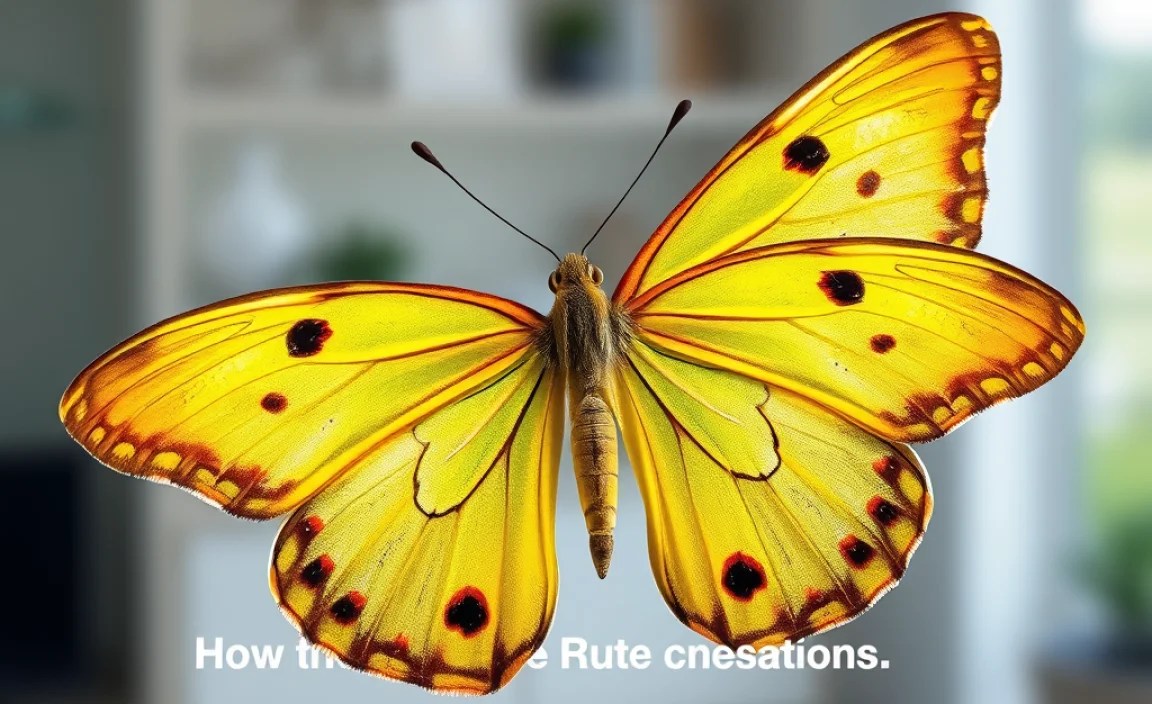
The IUCN has a special system. It helps them decide the conservation status of animals. This includes rare butterflies. First, they gather information. They look at how many butterflies there are. They look at where they live. They check if their homes are safe. Then, they use rules to decide how much danger the butterfly is in. If there are very few butterflies, they might be “critically endangered.” If there are more, but they are still in danger, they might be “vulnerable.” The IUCN uses these rules to make sure everyone is using the same system. This helps people understand which butterflies need the most help. It also helps people make plans to protect them.
| Category | Definition | Example |
|---|---|---|
| Extinct (EX) | No known individuals remaining. | – |
| Critically Endangered (CR) | Extremely high risk of extinction in the wild. | Homerus Swallowtail |
| Endangered (EN) | Very high risk of extinction in the wild. | Palos Verdes Blue Butterfly |
| Vulnerable (VU) | High risk of extinction in the wild. | – |
- IUCN uses a standardized assessment process.
- Data is gathered on population size and range.
- Threats to the species are identified.
- Criteria are applied to determine risk level.
- Regular reassessments track changes.
The IUCN‘s system is very important. It helps us understand the dangers that rare butterflies face. It also helps us make plans to protect them. By using the same system, everyone can work together. Scientists, governments, and regular people can all help. We can all make a difference. We can help these beautiful creatures survive. The IUCN gives us the tools we need. It is up to us to use them.
Fun Fact or Stat: There are over 20,000 species of butterflies in the world!
How is Data Collected for the IUCN?
Imagine you are a scientist studying butterflies. You would need to count them. You would need to see where they live. You would need to check if their homes are safe. This is what scientists do for the IUCN. They go out into the field. They count butterflies. They measure their habitat. They talk to local people. They gather all this information. Then, they send it to the IUCN. The IUCN uses this data to decide the conservation status of the butterflies. This is a lot of hard work. But it is very important.
What are the Different IUCN Categories?
The IUCN uses different words to describe how much danger an animal is in. “Extinct” means there are none left. “Critically endangered” means they are almost gone. “Endangered” means they are in danger. “Vulnerable” means they could become endangered soon. “Near threatened” means they are not in danger yet. But they could be soon. “Least concern” means they are safe for now. The IUCN uses these words to help people understand how much help an animal needs.
Who Uses the IUCN Red List?
The IUCN Red List is used by many different people. Scientists use it to study animals. Governments use it to make laws. Conservation groups use it to plan their work. Regular people can use it to learn about animals. The IUCN Red List is a tool for everyone. It helps us understand the world around us. It helps us protect the plants and animals that need our help.
Fun Fact or Stat: Butterflies have taste receptors on their feet to help them find food!
What Can Be Done to Improve Butterfly Conservation Status IUCN?

There are many things we can do to help rare butterflies. Protecting their habitats is very important. We can help by planting native plants. These plants give butterflies food and shelter. We can also reduce pollution. Using less pesticides can help. We can also support organizations that protect butterfly habitats. Educating others is also important. Tell your friends and family about rare butterflies. Teach them about the dangers they face. Encourage them to help. Even small actions can make a big difference. By working together, we can improve the conservation status of these beautiful creatures. The IUCN provides information. We must use it to create action plans.
- Protect and restore butterfly habitats.
- Plant native plants for food and shelter.
- Reduce pesticide use to protect butterflies.
- Support conservation organizations.
- Educate others about butterfly conservation.
- Create butterfly gardens in your community.
Remember, every action counts. Even planting a single flower can help. Reducing your use of pesticides can help. Supporting conservation groups can help. Spreading the word can help. By working together, we can make a big difference. We can help rare butterflies survive and thrive. We can protect these beautiful creatures for future generations. Butterfly conservation is important for our planet. Butterflies help pollinate plants. They are also a part of the food chain. By protecting butterflies, we are protecting everything.
Fun Fact or Stat: Butterflies can fly at speeds of up to 30 miles per hour!
How Can We Protect Butterfly Habitats?
Imagine a forest filled with flowers and butterflies. This is what a healthy butterfly habitat looks like. We can protect these habitats by not cutting down trees. We can also protect them by not building houses or roads there. We can also restore damaged habitats. We can plant native plants. We can remove invasive species. Protecting butterfly habitats is like protecting their homes. It gives them a safe place to live.
Why is Reducing Pesticide Use Important?
Pesticides are like poison for butterflies. They can kill them. Even if they don’t kill them, they can make them sick. Reducing pesticide use is very important. We can use natural ways to control pests. We can also buy organic food. This means the food was grown without pesticides. Reducing pesticide use protects butterflies. It also protects our health.
How Can Education Help Butterfly Conservation?
When people know about butterflies, they are more likely to help them. We can teach people about butterflies. We can teach them about the dangers they face. We can teach them how to help. We can do this by talking to our friends and family. We can also do this by supporting conservation groups. Education is a powerful tool. It can help us protect butterflies.
Fun Fact or Stat: Some butterflies can mimic the appearance of poisonous butterflies to protect themselves!
The Future of Rare Butterflies Conservation Status IUCN
The future of rare butterflies depends on us. Will we protect their habitats? Will we reduce pollution? Will we educate others? The IUCN will continue to track their conservation status. They will tell us which butterflies need the most help. But it is up to us to take action. If we work together, we can make a difference. We can help these beautiful creatures survive. We can create a future where rare butterflies thrive. We must act now. Time is running out. The IUCN provides the knowledge. We must provide the action.
- Future depends on continued conservation efforts.
- IUCN will continue to monitor conservation status.
- Increased awareness can drive action.
- Habitat restoration is crucial for long-term survival.
- Collaborative efforts are essential for success.
- Sustainable practices can protect butterflies.
Imagine a world filled with colorful butterflies. They flit and flutter through the air. They bring joy and beauty to our lives. This is the future we can create. But it will take hard work. We must be willing to make changes. We must be willing to protect our planet. We must be willing to work together. The IUCN is our guide. It shows us the way. Let’s follow it. Let’s create a brighter future for rare butterflies. Let’s create a brighter future for everyone.
Fun Fact or Stat: Butterflies are important pollinators, helping plants reproduce!
What Will Happen if We Don’t Act?
If we don’t act, rare butterflies could disappear forever. They will become extinct. This would be a great loss. Butterflies are important for our planet. They help pollinate plants. They are also a part of the food chain. If we lose butterflies, we could lose other plants and animals too. We must act now to protect these beautiful creatures. We must not let them disappear.
How Can We Make a Bigger Impact?
We can make a bigger impact by working together. We can join conservation groups. We can support organizations that protect butterfly habitats. We can also talk to our leaders. We can tell them to protect butterflies. We can tell them to reduce pollution. We can tell them to support conservation. Working together makes us stronger. It helps us make a bigger difference.
What is the Long-Term Vision for Butterfly Conservation?
The long-term vision is a world where butterflies thrive. A world where they are safe from harm. A world where they can live in healthy habitats. A world where people appreciate and protect them. This vision is possible. But it will take hard work. We must be committed to conservation. We must be willing to make changes. We must be willing to work together.
Fun Fact or Stat: The largest butterfly in the world is the Queen Alexandra’s Birdwing!
Summary
Rare butterflies are facing many threats. Habitat loss, climate change, and pollution are all hurting them. The IUCN assesses the conservation status of these butterflies. They use a special system to decide how much danger they are in. This helps us understand which butterflies need the most help. We can all help protect these beautiful creatures. We can protect their habitats. We can reduce pollution. We can educate others. Even small actions can make a big difference. The IUCN helps us understand the problems.
By working together, we can improve the conservation status of rare butterflies. We can create a future where they thrive. The IUCN‘s work is very important. It helps us know which butterflies need our help the most. It also helps us make plans to protect them. We all have a role to play in protecting these amazing insects.
Conclusion
Rare butterflies are a precious part of our world. They are beautiful and important. They face many threats. But we can help them. We can protect their habitats. We can reduce pollution. We can educate others. The IUCN gives us the information we need. By working together, we can improve the conservation status of rare butterflies. Let’s all do our part to protect these amazing creatures.
Frequently Asked Questions
Question No 1: What does “conservation status” mean?
Answer: Conservation status tells us how likely a plant or animal is to disappear. If a butterfly has a bad conservation status, it means it might become extinct. Extinct means there will be none of that animal left in the world. The IUCN looks at many things to decide the conservation status. This includes how many butterflies are left. It also looks at where they live and what dangers they face. It is like giving the butterfly a grade to show how well it is doing.
Question No 2: How does the IUCN help butterflies?
Answer: The IUCN helps butterflies in many ways. They study butterflies to find out which ones are in trouble. They use this information to create a list called the Red List. This list tells us which butterflies are endangered or vulnerable. The IUCN also works with governments and other organizations. They help them create plans to protect butterflies. These plans might include protecting butterfly habitats. They might also include reducing pollution. The IUCN also educates people about butterflies. They help people understand why it is important to protect them. The IUCN helps scientists and governments to know which butterflies are most at risk.
Question No 3: What are some things that hurt butterflies?
Answer: Many things can hurt butterflies. One of the biggest dangers is losing their homes. This happens when people cut down forests or build houses where butterflies live. Another danger is climate change. The weather is changing, and this can make it hard for butterflies to survive. Pollution can also hurt butterflies. Pesticides, used on farms, can poison them. Other kinds of pollution can make their food plants sick. These are some of the things that affect the conservation status.
Question No 4: How can I help butterflies?
Answer: You can do many things to help butterflies. You can plant native plants in your yard. These plants give butterflies food and shelter. You can also reduce pollution. Use less pesticides in your garden. You can also support organizations that protect butterfly habitats. Tell your friends and family about butterflies. Teach them about the dangers they face. Even small actions can make a big difference. You can also learn about the IUCN and how they are working to improve the conservation status.
Question No 5: What is a “butterfly garden”?
Answer: A butterfly garden is a garden that is designed to attract butterflies. It has plants that butterflies like to eat. It also has plants that butterflies use to lay their eggs. A butterfly garden provides food and shelter for butterflies. It can be a small garden in your backyard. It can also be a big garden in a park. Creating a butterfly garden can help improve the conservation status of butterflies. It can also be a fun and beautiful way to learn about nature.
Question No 6: Why are butterflies important?
Answer: Butterflies are important for many reasons. They help pollinate plants. This means they help plants make seeds and grow. Butterflies are also a part of the food chain. They are food for birds and other animals. Butterflies are also beautiful and bring joy to people. Protecting butterflies is important for our planet. It is also important for our own well-being. Without the work of the IUCN, many butterflies would be in an even worse conservation status.


