
Butterfly Collections: Are Endangered Species Safe?

Collecting butterflies can harm endangered species. Responsible collecting follows ethical guidelines, focusing on common species and avoiding rare or threatened ones. Habitat loss, climate change, and pesticide use are bigger threats to butterflies. Supporting conservation efforts and protecting habitats are key to preserving these beautiful creatures.
Butterflies! Aren’t they just the most wonderful creatures? We all love seeing them flutter around our gardens. But have you ever wondered if collecting butterflies could actually be bad for them, especially the ones that are already in trouble? It’s a question that many nature lovers ask, and it’s important to understand the impact our actions can have.
In this article, we’ll explore the world of butterfly collecting and its connection to endangered species. We’ll look at the right and wrong ways to collect, and more importantly, what we can do to help protect these delicate insects. Ready to learn how to appreciate butterflies without harming them? Let’s get started!
Is Butterfly Collecting a Threat to Endangered Species?

As a lifelong butterfly enthusiast, I understand the allure of collecting these beautiful insects. But it’s crucial to consider the impact our actions have on their populations, especially when it comes to endangered species. So, is butterfly collecting a threat? The short answer is: it depends.
Here’s a more detailed look:
- Responsible Collecting: When done responsibly, butterfly collecting poses minimal risk. This means focusing on common species, collecting only a few specimens, and avoiding areas where butterfly populations are already struggling.
- Unethical Collecting: On the other hand, unethical collecting can be harmful. This includes collecting endangered or rare species, taking large numbers of butterflies from a single area, and damaging habitats in the process.
- Bigger Threats: It’s important to remember that habitat loss, climate change, and pesticide use are far greater threats to butterflies than responsible collecting. These factors can wipe out entire populations, while ethical collecting has a much smaller impact.
Ultimately, the key is to be mindful of our impact and prioritize the conservation of butterflies and their habitats. Let’s dive into some specific ways to ensure our collecting practices are ethical and sustainable.
Ethical Butterfly Collecting: A Step-by-Step Guide
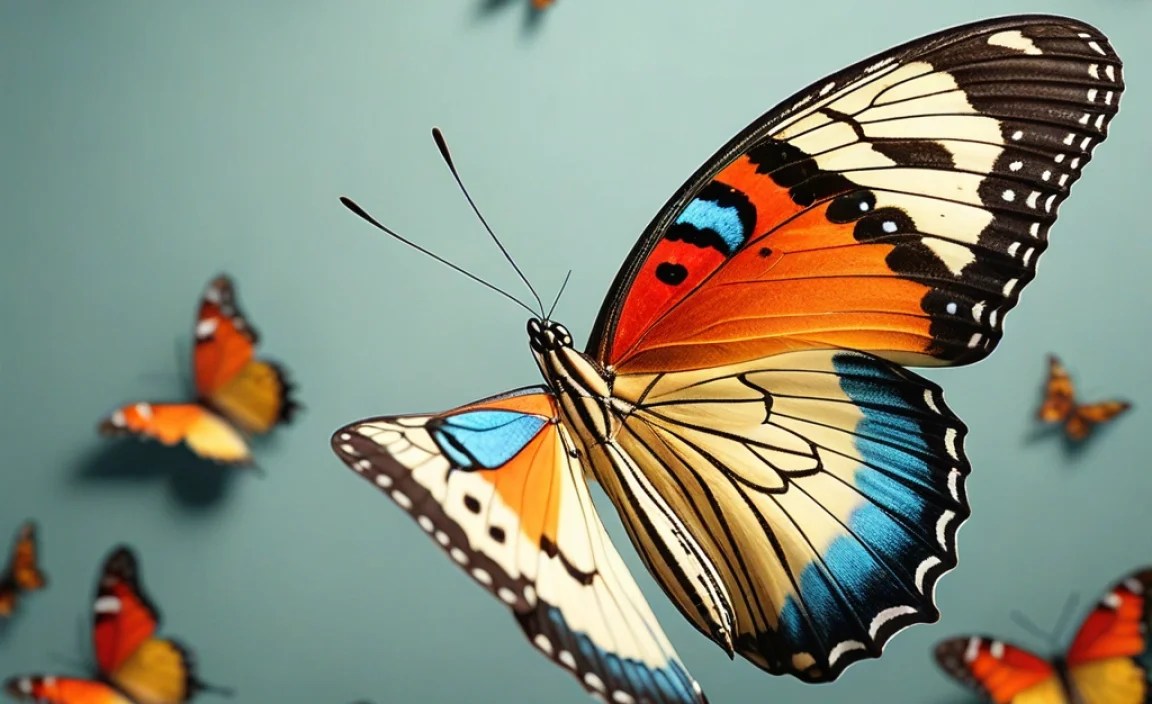
If you’re passionate about butterfly collecting, it’s essential to do it ethically. Here’s a step-by-step guide to ensure your hobby doesn’t harm endangered species or their habitats:
Step 1: Know the Laws and Regulations
Before you even think about catching a butterfly, familiarize yourself with the local, regional, and national laws regarding butterfly collecting. Many areas have restrictions on collecting certain species or in specific locations, such as national parks or nature reserves. Ignorance of the law is no excuse, so do your homework!
- Check with your local wildlife agency or conservation department.
- Research any permits or licenses required for collecting.
- Be aware of protected areas where collecting is prohibited.
Step 2: Identify Common vs. Endangered Species
This is perhaps the most crucial step. Learn to identify the butterflies in your area and distinguish between common and endangered species. Never, ever collect an endangered species. These butterflies are already struggling to survive, and removing even one individual can have a significant impact on their population.
- Use field guides, online resources, and local experts to help you identify butterflies.
- Focus on collecting common, widespread species.
- If you’re unsure about a species, leave it alone.
Step 3: Collect Responsibly and Sustainably
If you’ve identified a common species and are certain it’s legal to collect, do so responsibly. Only take what you need for your collection, and never collect more than you can properly preserve and study. Over-collecting can deplete local populations and disrupt the ecosystem.
- Limit the number of specimens you collect from a single area.
- Avoid collecting during peak breeding season.
- Never collect from small, isolated populations.
Step 4: Respect Habitats
Butterflies depend on specific habitats for food, shelter, and reproduction. When collecting, be mindful of the environment and avoid damaging or disturbing these habitats. Stay on established trails, avoid trampling vegetation, and never remove plants or other natural materials.
- Avoid collecting in sensitive areas like wetlands or meadows.
- Leave the habitat as you found it, or even better, improve it.
- Support habitat conservation efforts in your area.
Step 5: Document Your Collection
Detailed documentation is essential for any scientific collection. Label each specimen with the date, location, and habitat where it was collected. This information is valuable for researchers and can help track changes in butterfly populations over time.
- Use archival-quality labels and ink.
- Record GPS coordinates whenever possible.
- Share your data with researchers or conservation organizations.
Step 6: Support Conservation
The best way to ensure the future of butterflies is to support conservation efforts. Donate to conservation organizations, participate in citizen science projects, and advocate for policies that protect butterfly habitats. By giving back to the butterfly community, you can help ensure that these beautiful creatures thrive for generations to come.
- Join a local butterfly club or conservation group.
- Volunteer for habitat restoration projects.
- Educate others about butterfly conservation.
The Real Threats to Butterflies: Beyond Collecting

While unethical butterfly collecting can pose a threat to local populations, it’s important to recognize that the biggest dangers to butterflies come from much larger forces. Habitat loss, climate change, and pesticide use are the primary drivers of butterfly decline worldwide.
Habitat Loss
Butterflies need specific habitats to survive, including meadows, forests, and wetlands. As these habitats are destroyed or fragmented by development, agriculture, and logging, butterflies lose their food sources, breeding grounds, and shelter. Habitat loss is the single greatest threat to butterfly populations globally.
Climate Change
Butterflies are highly sensitive to changes in temperature and precipitation. As the climate warms, butterflies are forced to shift their ranges, alter their breeding cycles, and face increased risks from extreme weather events. Climate change is already impacting butterfly populations around the world, and the effects are only expected to worsen in the future.
Pesticide Use
Pesticides are designed to kill insects, and they can have devastating effects on butterfly populations. Even pesticides that are not directly toxic to butterflies can harm them by killing their host plants or reducing their food sources. Neonicotinoid insecticides, in particular, have been linked to widespread declines in butterfly populations.
To illustrate the impact, consider this:
| Threat | Impact on Butterflies | Examples |
|---|---|---|
| Habitat Loss | Reduces food, breeding sites, and shelter | Deforestation, urbanization, agricultural expansion |
| Climate Change | Disrupts life cycles, shifts ranges, increases extreme weather risks | Warmer temperatures, altered rainfall patterns, increased frequency of droughts and floods |
| Pesticide Use | Direct toxicity, reduces food sources, harms host plants | Neonicotinoids, herbicides, insecticides |
How You Can Help Protect Endangered Butterflies

Even though the threats to butterflies seem daunting, there are many things you can do to help protect these beautiful creatures. Here are some simple but effective actions you can take:
- Plant a Butterfly Garden: Create a butterfly-friendly habitat in your own backyard by planting native wildflowers, shrubs, and trees that provide food and shelter for butterflies.
- Avoid Pesticides: Say no to pesticides in your garden and encourage others to do the same. Choose organic gardening methods and use natural pest control solutions whenever possible.
- Support Conservation Organizations: Donate to or volunteer with organizations that are working to protect butterfly habitats and promote conservation.
- Educate Others: Spread the word about the importance of butterfly conservation and encourage others to take action. Share your knowledge with friends, family, and community members.
- Advocate for Change: Contact your elected officials and urge them to support policies that protect butterflies and their habitats.
- Participate in Citizen Science: Join a citizen science project and help collect data on butterfly populations. Your observations can help researchers track changes and develop effective conservation strategies.
- Reduce Your Carbon Footprint: Take steps to reduce your carbon footprint, such as driving less, using public transportation, and conserving energy. Climate change is a major threat to butterflies, so reducing your impact can make a big difference.
The Importance of Butterfly Conservation

Why should we care about butterfly conservation? Butterflies play a vital role in the ecosystem, serving as pollinators, food sources, and indicators of environmental health. They also bring joy and beauty to our lives, enriching our connection to nature.
Here’s a closer look at their importance:
- Pollination: Butterflies pollinate many plants, helping to ensure the production of fruits, vegetables, and other crops.
- Food Source: Butterflies are an important food source for birds, bats, and other animals.
- Environmental Indicators: Butterflies are sensitive to changes in their environment, making them valuable indicators of habitat quality and ecosystem health.
- Aesthetic Value: Butterflies are beautiful and inspiring creatures that bring joy to people of all ages.
By protecting butterflies, we’re not just saving a single species. We’re protecting entire ecosystems and preserving the natural world for future generations.
Butterfly Symbolism and Cultural Significance
Beyond their ecological importance, butterflies also hold deep symbolic and cultural significance in many societies around the world. They are often associated with transformation, rebirth, and hope.
Consider these cultural interpretations:
- Transformation: The butterfly’s life cycle, from egg to caterpillar to chrysalis to butterfly, is a powerful metaphor for personal growth and transformation.
- Rebirth: In many cultures, butterflies symbolize rebirth and renewal. They are seen as a reminder that even after periods of darkness and difficulty, new life and hope are always possible.
- Hope: Butterflies are often associated with hope and optimism. Their delicate beauty and graceful flight remind us to appreciate the simple joys of life and to never give up on our dreams.
Understanding the symbolism of butterflies can deepen our appreciation for these creatures and inspire us to protect them. They are not just insects; they are symbols of hope, transformation, and the interconnectedness of all living things.
FAQ About Butterfly Collecting and Conservation
Here are some frequently asked questions about butterfly collecting and conservation:
Is it illegal to collect butterflies?
It depends on the location and the species. Some areas have restrictions on collecting certain species or in specific locations. Always check local laws and regulations before collecting any butterflies.
What is the most significant threat to butterflies?
Habitat loss is the most significant threat to butterflies, followed by climate change and pesticide use.
How can I help butterflies in my backyard?
Plant a butterfly garden with native wildflowers, shrubs, and trees that provide food and shelter for butterflies. Avoid using pesticides and provide a water source.
Is it okay to collect dead butterflies?
Collecting dead butterflies is generally considered less harmful than collecting live ones, as it doesn’t directly impact living populations. However, it’s still important to be mindful of the source of the dead butterflies and avoid taking them from protected areas.
What is a butterfly host plant?
A butterfly host plant is a specific plant species that a butterfly larva (caterpillar) feeds on. Different butterfly species have different host plant preferences. Planting host plants in your garden is a great way to support butterfly populations.
Are butterfly farms good for conservation?
Butterfly farms can be beneficial for conservation if they are managed sustainably and ethically. They can provide habitat for butterflies, educate the public about conservation, and support local economies. However, it’s important to ensure that butterfly farms are not contributing to habitat loss or the spread of invasive species.
What should I do if I find an injured butterfly?
If you find an injured butterfly, you can try to help it by providing it with a sugar-water solution (one part sugar to four parts water) in a shallow dish or on a cotton ball. You can also try to protect it from predators by placing it in a sheltered location. However, it’s important to remember that butterflies are delicate creatures, and not all injuries are treatable.
Conclusion: Protecting Butterflies for Future Generations
Butterflies are more than just pretty insects; they are vital components of our ecosystems and symbols of hope and transformation. While responsible butterfly collecting can be a harmless hobby, it’s crucial to be aware of the potential impacts on endangered species and their habitats. By following ethical collecting practices, supporting conservation efforts, and taking action to address the larger threats of habitat loss, climate change, and pesticide use, we can help ensure that these beautiful creatures thrive for generations to come.
Let’s all do our part to protect butterflies and the natural world they inhabit. Plant a butterfly garden, educate others about conservation, and advocate for policies that protect these delicate creatures. Together, we can make a difference and create a brighter future for butterflies and all living things.


