
Glasswing Butterfly Climate Change Impact: The Secret?

Quick Summary: Climate change affects glasswing butterflies (Greta oto) by disrupting their habitat, altering food availability, and increasing extreme weather events. Rising temperatures and changing rainfall patterns can shrink their natural environments, impacting their ability to find suitable host plants for caterpillars and nectar sources for adults. Conservation efforts are crucial to help these delicate creatures adapt to a warming world.
Have you ever marveled at the almost invisible wings of a glasswing butterfly? These incredible insects are not only beautiful but also very sensitive to changes in their environment. As our climate changes, these delicate creatures face increasing challenges. You might be wondering how exactly climate change affects glasswing butterflies and what we can do to help them. Don’t worry; we’ll explore the specific impacts and practical steps you can take to protect these fascinating butterflies. Together, we can make a difference!
Understanding the Glasswing Butterfly
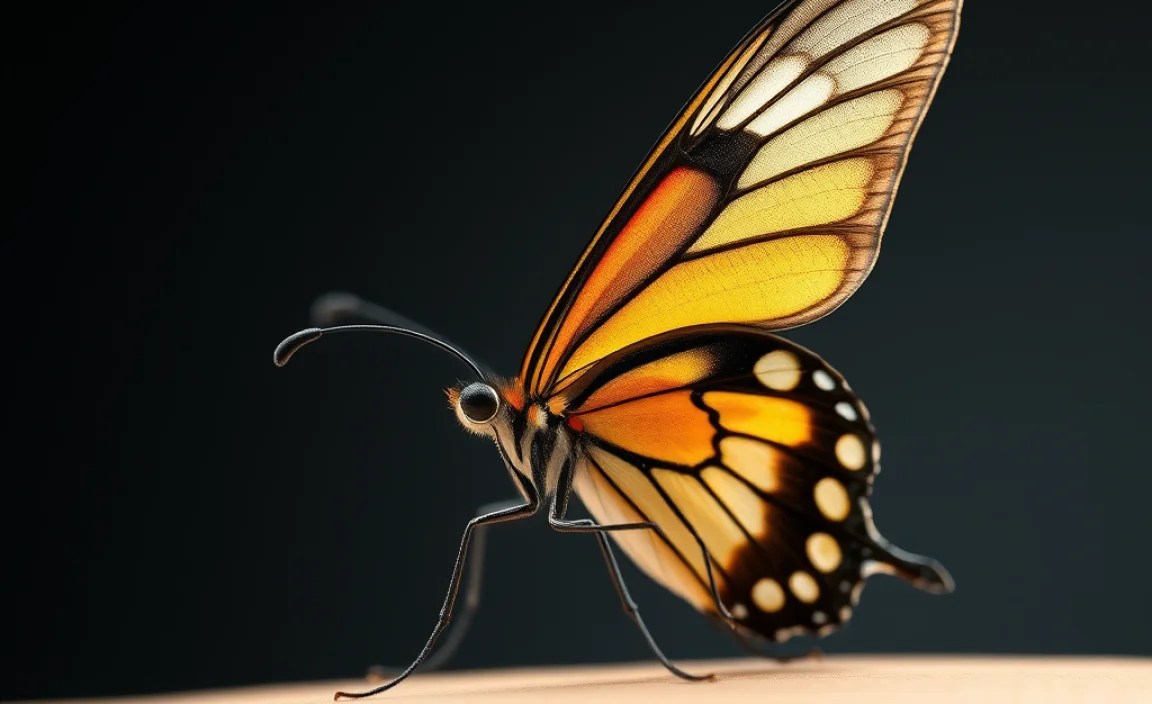
Before we dive into the impacts of climate change, let’s get to know the glasswing butterfly a little better. Understanding their unique characteristics and habitat needs will help us appreciate why they are particularly vulnerable.
What Makes the Glasswing Butterfly Special?
The glasswing butterfly (Greta oto) is renowned for its transparent wings, which allow it to blend seamlessly into its environment. This remarkable adaptation helps it evade predators and navigate its tropical habitat. Here are some key features:
- Transparent Wings: The wings are mostly transparent due to the lack of colored scales, making them nearly invisible.
- Habitat: They are primarily found in the rainforests of Central and South America, from Mexico to Panama and Colombia.
- Diet: Adult glasswing butterflies feed on nectar from various flowering plants, while their caterpillars feed on specific host plants.
- Life Cycle: They undergo a complete metamorphosis, from egg to larva (caterpillar), pupa (chrysalis), and finally, adult butterfly.
Habitat and Distribution
Glasswing butterflies thrive in the understory of tropical rainforests. These environments provide the ideal conditions for their survival, including:
- Specific Host Plants: Caterpillars rely on certain plants, like those in the Cestrum genus, for food.
- Nectar Sources: Adults need a variety of flowering plants to provide the nectar they feed on.
- Shelter: The dense foliage offers protection from predators and harsh weather.
Any disruption to these conditions can significantly impact the glasswing butterfly population.
The Impacts of Climate Change on Glasswing Butterflies

Climate change poses a significant threat to glasswing butterflies, affecting their habitat, food sources, and overall survival. Let’s examine the specific ways these changes impact them.
Habitat Loss and Fragmentation
One of the most significant threats to glasswing butterflies is the loss and fragmentation of their rainforest habitat. Climate change exacerbates this issue through:
- Deforestation: Rising temperatures and altered rainfall patterns can lead to increased deforestation as land becomes less suitable for agriculture, pushing farmers to clear more forest.
- Habitat Degradation: Changes in temperature and humidity can degrade the quality of the remaining habitat, making it less suitable for glasswing butterflies.
- Increased Frequency of Wildfires: Drier conditions increase the risk of wildfires, which can destroy large areas of rainforest and the butterflies’ food sources.
Disruption of Food Sources
Glasswing butterflies depend on specific host plants and nectar sources for survival. Climate change can disrupt these food sources in several ways:
- Changes in Plant Phenology: Warmer temperatures can alter the timing of plant flowering and leafing, potentially leading to a mismatch between when caterpillars need food and when host plants are available.
- Decline in Host Plant Availability: Some host plants may become less abundant or disappear altogether due to changing climate conditions.
- Impact on Nectar Production: Droughts and extreme heat can reduce the nectar production of flowering plants, affecting the adult butterflies’ food supply.
Extreme Weather Events
Climate change is increasing the frequency and intensity of extreme weather events, which can have devastating effects on glasswing butterfly populations:
- Hurricanes and Tropical Storms: Strong winds and heavy rainfall can destroy habitats, wash away caterpillars, and disrupt butterfly breeding cycles.
- Droughts: Prolonged droughts can lead to dehydration, reduced food availability, and increased mortality rates.
- Heatwaves: Extreme heat can stress butterflies, making them more susceptible to disease and reducing their reproductive success.
Altered Migration Patterns
While glasswing butterflies are not known for long-distance migrations like monarch butterflies, they do move within their local habitats to find food and suitable breeding sites. Climate change can disrupt these movements by:
- Shifting Habitat Ranges: As temperatures rise, suitable habitats may shift to higher elevations or latitudes, forcing butterflies to move or face extinction.
- Disrupted Seasonal Cues: Changes in temperature and rainfall patterns can confuse butterflies, leading to mistimed movements and reduced survival rates.
| Climate Change Impact | Effect on Glasswing Butterflies |
|---|---|
| Habitat Loss | Reduces available breeding and feeding grounds. |
| Disrupted Food Sources | Leads to starvation and reduced reproductive success. |
| Extreme Weather Events | Causes direct mortality and habitat destruction. |
| Altered Migration Patterns | Disrupts breeding cycles and reduces survival rates. |
How Climate Change Affects Butterfly Life Cycle
The life cycle of a butterfly is finely tuned to environmental cues, making them particularly vulnerable to climate change. Let’s explore how each stage of the glasswing butterfly’s life cycle is affected.
Egg Stage
The egg stage is crucial for the survival of the next generation. Climate change impacts this stage through:
- Temperature Sensitivity: Extreme temperatures can affect egg development and hatching rates. Eggs may dry out in heatwaves or fail to develop in prolonged cold spells.
- Host Plant Availability: If host plants are stressed or unavailable due to drought or other climate-related factors, females may be unable to find suitable places to lay their eggs.
Larval (Caterpillar) Stage
Caterpillars are voracious eaters, and their survival depends on having access to sufficient food. Climate change affects caterpillars by:
- Food Quality and Quantity: Changes in temperature and rainfall can affect the nutritional content and availability of host plants. Stressed plants may produce fewer leaves or leaves with lower nutritional value.
- Increased Predation: Changes in habitat structure can alter predator-prey relationships, potentially increasing predation rates on caterpillars.
- Synchrony with Host Plants: Mismatches between caterpillar emergence and host plant availability can lead to starvation and reduced survival.
Pupal (Chrysalis) Stage
The pupal stage is a period of rapid transformation. Climate change can impact pupae through:
- Temperature Regulation: Pupae are sensitive to temperature fluctuations. Extreme heat or cold can disrupt development and lead to deformities or death.
- Desiccation: Dry conditions can cause pupae to dry out, especially if they are not adequately sheltered.
Adult Stage
Adult butterflies need nectar for energy and to reproduce. Climate change affects adult butterflies by:
- Nectar Availability: Changes in flowering times and nectar production can reduce the availability of food for adult butterflies.
- Water Stress: Droughts can lead to dehydration, especially in hot, dry environments.
- Reproductive Success: Stressed butterflies may have reduced reproductive success, laying fewer eggs or producing less viable offspring.
Conservation Efforts and What You Can Do

Protecting glasswing butterflies from the impacts of climate change requires a multi-faceted approach, including habitat conservation, sustainable practices, and community involvement. Here are some ways we can help.
Supporting Habitat Conservation
Protecting and restoring rainforest habitats is crucial for the survival of glasswing butterflies. Here’s how you can support these efforts:
- Support Conservation Organizations: Donate to or volunteer with organizations that work to protect rainforests and other critical habitats. The Nature Conservancy and the Rainforest Alliance are excellent examples.
- Promote Sustainable Land Use: Encourage sustainable agriculture and forestry practices that minimize habitat destruction.
- Advocate for Protected Areas: Support the creation and expansion of protected areas, such as national parks and reserves, to safeguard butterfly habitats.
Creating Butterfly-Friendly Gardens
Even small-scale efforts can make a big difference. Creating butterfly-friendly gardens can provide essential resources for glasswing butterflies and other pollinators:
- Plant Host Plants: Include host plants like those in the Cestrum genus to provide food for caterpillars.
- Provide Nectar Sources: Plant a variety of flowering plants that bloom at different times of the year to ensure a continuous supply of nectar.
- Avoid Pesticides: Use organic gardening practices to avoid harming butterflies and other beneficial insects.
- Offer Water Sources: Provide a shallow dish of water with pebbles or sand for butterflies to drink from.
Reducing Your Carbon Footprint
Addressing climate change requires reducing our greenhouse gas emissions. Here are some ways you can reduce your carbon footprint:
- Conserve Energy: Use energy-efficient appliances, turn off lights when you leave a room, and reduce your heating and cooling needs.
- Reduce, Reuse, Recycle: Minimize waste by reducing consumption, reusing items whenever possible, and recycling materials.
- Eat Sustainably: Choose locally sourced, plant-based foods to reduce the environmental impact of your diet.
- Travel Responsibly: Walk, bike, or use public transportation whenever possible. If you must drive, choose a fuel-efficient vehicle or consider carpooling.
Supporting Sustainable Products
Choosing sustainable products can help reduce the demand for products that contribute to deforestation and habitat destruction:
- Buy Certified Products: Look for products certified by organizations like the Forest Stewardship Council (FSC) to ensure they come from sustainably managed forests.
- Choose Eco-Friendly Brands: Support companies that prioritize environmental sustainability and use eco-friendly materials and practices.
| Action | Description | Benefit to Glasswing Butterflies |
|---|---|---|
| Habitat Conservation | Protecting and restoring rainforest habitats. | Provides essential breeding and feeding grounds. |
| Butterfly-Friendly Gardens | Creating gardens with host plants and nectar sources. | Offers food and shelter for butterflies. |
| Reducing Carbon Footprint | Lowering greenhouse gas emissions through sustainable practices. | Mitigates climate change impacts on butterfly habitats. |
| Supporting Sustainable Products | Choosing products from sustainably managed sources. | Reduces deforestation and habitat destruction. |
The Role of Citizen Science

You can also contribute to butterfly conservation through citizen science projects. These projects allow you to collect valuable data that can help scientists monitor butterfly populations and track the impacts of climate change.
Participating in Butterfly Surveys
Many organizations conduct butterfly surveys to monitor population trends and habitat use. By participating in these surveys, you can help gather valuable data on glasswing butterflies and other species.
Reporting Sightings
Report any sightings of glasswing butterflies to local conservation organizations or online databases. This information can help scientists track their distribution and identify important habitats.
Monitoring Host Plants
Keep an eye on the health and abundance of host plants in your area. Report any declines or changes in plant phenology to local experts.
Inspiring Stories of Conservation Success
Despite the challenges, there are many inspiring stories of successful conservation efforts that demonstrate the potential for positive change. These stories highlight the importance of collaboration, innovation, and dedication.
Community-Based Conservation in Costa Rica
In Costa Rica, local communities have been actively involved in protecting rainforest habitats and promoting sustainable tourism. These efforts have helped conserve biodiversity and improve the livelihoods of local people.
Reforestation Projects in the Amazon
Several organizations are working to reforest degraded areas in the Amazon rainforest. These projects not only help restore habitats but also sequester carbon and mitigate climate change.
Butterfly Farming and Ecotourism
Butterfly farming and ecotourism initiatives provide economic incentives for local communities to protect butterfly habitats. These sustainable practices can help conserve biodiversity while providing income and employment opportunities.
FAQ About Glasswing Butterfly Climate Change Impact
Here are some frequently asked questions about the impact of climate change on glasswing butterflies:
- What is a glasswing butterfly?
- A glasswing butterfly (Greta oto) is a unique species known for its transparent wings, which help it camouflage in rainforest environments.
- Where do glasswing butterflies live?
- They are primarily found in the rainforests of Central and South America, from Mexico to Panama and Colombia.
- How does climate change affect glasswing butterflies?
- Climate change impacts their habitat, food sources, and life cycle through habitat loss, disrupted food availability, and extreme weather events.
- What can I do to help glasswing butterflies?
- You can support habitat conservation, create butterfly-friendly gardens, reduce your carbon footprint, and participate in citizen science projects.
- Why are host plants important for glasswing butterflies?
- Host plants are essential because glasswing butterfly caterpillars feed exclusively on them. Without these plants, the caterpillars cannot survive.
- How do extreme weather events impact glasswing butterflies?
- Extreme weather events like hurricanes, droughts, and heatwaves can destroy habitats, reduce food availability, and cause direct mortality to butterflies.
- What is citizen science, and how can it help butterfly conservation?
- Citizen science involves public participation in scientific research. By participating in butterfly surveys and reporting sightings, you can help scientists monitor populations and track the impacts of climate change.
Conclusion
The glasswing butterfly, with its delicate, transparent wings, serves as a poignant reminder of the fragility of our ecosystems. Climate change poses a significant threat to these enchanting creatures, impacting their habitat, food sources, and life cycle. However, by understanding these impacts and taking proactive steps, we can make a difference. Whether it’s supporting habitat conservation, creating butterfly-friendly gardens, reducing our carbon footprint, or participating in citizen science, every action counts. Let’s work together to protect these beautiful butterflies and ensure they continue to grace our world for generations to come.


