
Papilio Chikae Rare Swallowtail: Find Yours!

Have you ever seen a butterfly so rare it feels like a dream? The Papilio chikae rare swallowtail is just that! It’s a butterfly found only in the Philippines. Many people have never even heard of it. This butterfly is special and needs our help.
Imagine a butterfly with wings of dark velvet. Now picture it flitting through a misty mountain forest. Sadly, this beautiful sight is becoming less common. The Papilio chikae rare swallowtail faces many dangers. We must learn about it to protect it.
Why is this butterfly so important? What makes it different from other butterflies? Keep reading to discover the amazing world of the Papilio chikae rare swallowtail. You’ll learn about its life, its home, and how we can help it survive.
Key Takeaways
- The Papilio chikae rare swallowtail is a very rare butterfly found only in the Philippines.
- Habitat loss due to deforestation is the biggest threat to this butterfly’s survival.
- Conservation efforts are crucial to protect the butterfly and its unique environment.
- This butterfly plays an important role in its ecosystem as a pollinator.
- Learning about this butterfly helps us appreciate the importance of biodiversity.
About Papilio Chikae Rare Swallowtail
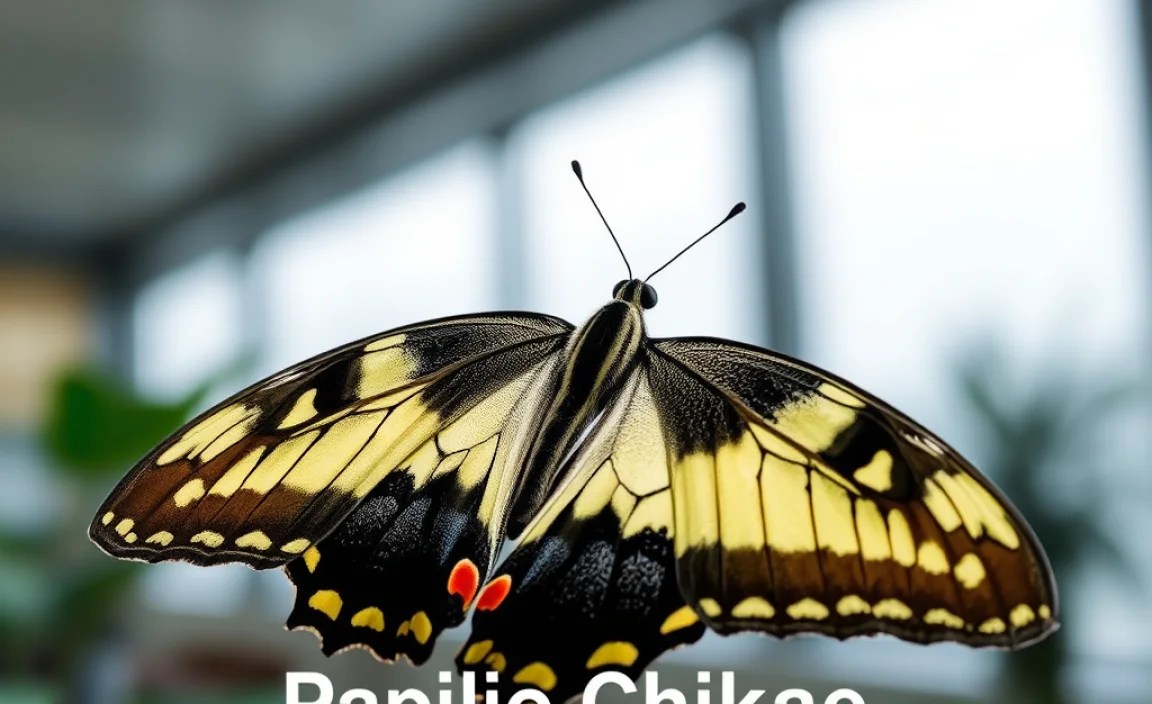
The Papilio chikae rare swallowtail is truly special. It is only found in the mountains of Luzon, Philippines. This makes it an endemic species. These butterflies live in forests high up in the mountains. They need these forests to survive. The butterfly was first discovered in 1965. Two Japanese scientists, Mr. Chikae and Mr. Shinkawa, found it. That is how it got its name, Papilio chikae. It is a member of the swallowtail family of butterflies. Swallowtails are known for their beautiful colors and patterns. The Papilio chikae is a smaller swallowtail. Its wings are mostly black with iridescent blue or green markings. These markings make it shimmer in the sunlight. The butterfly’s beauty and rarity make it a symbol of conservation efforts in the Philippines.
- It is only found in the mountains of Luzon, Philippines.
- It was discovered in 1965 by two Japanese scientists.
- It belongs to the swallowtail family of butterflies.
- Its wings are mostly black with blue or green markings.
- The butterfly is a symbol of conservation in the Philippines.
The Papilio chikae rare swallowtail faces many challenges. Its habitat is being destroyed by logging and farming. People cut down the forests where it lives. This leaves the butterfly with nowhere to live and feed. Climate change also affects the butterfly. Changes in temperature and rainfall can disrupt its life cycle. Conservation groups are working hard to protect the butterfly. They are trying to save its habitat. They also educate people about the importance of protecting this rare creature. By learning about the Papilio chikae, we can all help to save it. Every small action can make a big difference. Protecting this butterfly helps protect the whole ecosystem.
Fun Fact or Stat: The Papilio chikae is so rare that it is considered one of the most endangered butterflies in the world!
What Does It Look Like?
Have you ever imagined a butterfly dressed in velvet? The Papilio chikae might be what you pictured! Its wings are mostly black, like dark velvet fabric. But there’s more to the story! Shimmering blue or green scales decorate its wings. These colors catch the light as it flies. The males and females look a bit different. Males have brighter blue markings. Females have more green. The wingspan of this butterfly is about 3 to 4 inches. That’s smaller than some other swallowtail butterflies. The Papilio chikae has a delicate beauty. Its colors help it blend in with the forest. This camouflage protects it from predators.
Where Does It Live?
Imagine climbing a tall mountain into a misty forest. This is the kind of place where the Papilio chikae calls home! This butterfly only lives in the high-altitude forests of Luzon, Philippines. It needs the cool, damp environment of these forests. The trees provide shelter and food for the butterfly. The forests are also home to many other plants and animals. They all depend on each other to survive. Sadly, these forests are disappearing. People are cutting down trees for wood and to make room for farms. This destroys the butterfly’s habitat. Protecting these forests is crucial for the Papilio chikae and other creatures.
Why Is It So Special?
Why is everyone so worried about one little butterfly? The Papilio chikae is more than just a pretty insect! It’s a symbol of the Philippines’ unique wildlife. It is also an indicator species. This means its health tells us about the health of the forest. If the butterfly is struggling, the forest is probably in trouble too. Protecting the Papilio chikae helps protect the whole ecosystem. This butterfly also has cultural importance. Some people see it as a symbol of beauty and resilience. Its rarity makes it even more special. We must work together to ensure it doesn’t disappear forever.
Life Cycle Of Papilio Chikae

Like all butterflies, the Papilio chikae goes through a fascinating life cycle. It starts as a tiny egg laid on a specific plant. This plant is the food source for the caterpillar. When the egg hatches, a small caterpillar emerges. The caterpillar eats and grows, shedding its skin several times. This process is called molting. After growing, the caterpillar transforms into a pupa, also called a chrysalis. Inside the pupa, a magical change happens. The caterpillar turns into a butterfly. Finally, the butterfly emerges from the pupa. It flies off to find a mate and lay its own eggs. This cycle continues, but it’s threatened by habitat loss. Protecting each stage is important for the butterfly’s survival.
- It starts as an egg laid on a specific plant.
- The egg hatches into a caterpillar that eats and grows.
- The caterpillar molts, shedding its skin several times.
- It transforms into a pupa (chrysalis).
- The butterfly emerges from the pupa.
- It flies off to mate and lay eggs.
The Papilio chikae life cycle is closely tied to its environment. The specific plants it needs for food are only found in its mountain habitat. Changes in temperature and rainfall can also affect the life cycle. For example, if it gets too dry, the plants might not grow. This would leave the caterpillars with nothing to eat. If the forests are cut down, the butterfly loses its home. It becomes harder for it to find mates and lay eggs. Conservation efforts focus on protecting the butterfly’s habitat. This ensures that all stages of its life cycle can continue. By understanding its life cycle, we can better protect this rare butterfly.
Fun Fact or Stat: The entire life cycle of the Papilio chikae, from egg to butterfly, takes about two months!
Egg Stage
Have you ever seen a butterfly egg? They are tiny and often hard to spot. The Papilio chikae lays its eggs on specific host plants. These plants are the only food the caterpillars will eat. The eggs are usually laid on the underside of leaves. This protects them from the sun and rain. The eggs are small and round. They might be pale green or yellow. The mother butterfly carefully chooses where to lay her eggs. She needs to make sure there is enough food for her babies. The egg stage is a vulnerable time for the butterfly. They are easily eaten by predators or damaged by the weather.
Caterpillar Stage
Imagine a tiny, hungry caterpillar munching on leaves. The caterpillar of the Papilio chikae spends its time eating and growing. It eats the leaves of its host plant. As it grows, it sheds its skin. This happens several times. Each time it sheds, it gets bigger. The caterpillar has different colors and patterns. These patterns help it blend in with the leaves. This camouflage protects it from birds and other predators. The caterpillar stage is all about eating and growing. It is preparing for the next stage of its life.
Pupa Stage
What happens inside a chrysalis? It’s like a magical transformation! The Papilio chikae caterpillar turns into a pupa, or chrysalis. The pupa is usually green or brown. It blends in with the leaves and branches. Inside the pupa, the caterpillar changes into a butterfly. This process takes several weeks. The pupa is a resting stage. But inside, amazing things are happening. The caterpillar’s body breaks down. New cells form the wings, legs, and other parts of the butterfly. When the time is right, the pupa will split open. The butterfly will emerge, ready to fly.
Threats to Papilio Chikae Survival

The Papilio chikae faces many dangers that threaten its survival. The biggest threat is habitat loss. This means that the forests where it lives are being destroyed. People cut down trees for logging and to make room for farms. This leaves the butterfly with nowhere to live and feed. Climate change is another threat. Changes in temperature and rainfall can disrupt the butterfly’s life cycle. Illegal collecting also hurts the butterfly population. Some people collect these rare butterflies to sell them. This further reduces their numbers. These threats make it hard for the butterfly to survive. We need to take action to protect it.
- Habitat loss due to deforestation is a major threat.
- Climate change disrupts their life cycle.
- Illegal collecting reduces their numbers.
- Pesticide use in nearby farms can harm them.
- Natural disasters like typhoons can destroy habitats.
The combination of these threats makes the Papilio chikae rare swallowtail very vulnerable. Habitat loss not only reduces their living space but also isolates populations. This makes it harder for them to find mates. Climate change can affect the availability of their host plants. If the plants die, the caterpillars have nothing to eat. Illegal collecting takes away adult butterflies that can reproduce. Pesticides can poison the butterflies and their caterpillars. Natural disasters can wipe out entire populations in a single event. To protect this butterfly, we need to address all these threats.
Fun Fact or Stat: The Papilio chikae population has declined by more than 80% in the last few decades due to these threats!
Deforestation
Imagine your home being torn down. That’s what deforestation is like for the Papilio chikae. People cut down the forests where it lives. They need the wood for building and fuel. They also clear the land for farming and mining. This destroys the butterfly’s habitat. Without forests, the butterfly has nowhere to live, feed, or breed. Deforestation also affects the climate. Trees help to absorb carbon dioxide. When they are cut down, this gas goes into the atmosphere. This contributes to climate change, which further threatens the butterfly.
Climate Change
Have you noticed the weather changing? Climate change is affecting the whole world. It also threatens the Papilio chikae. Changes in temperature and rainfall can disrupt its life cycle. For example, if it gets too hot, the host plants might die. This would leave the caterpillars with nothing to eat. Changes in rainfall can also cause floods or droughts. These events can destroy the butterfly’s habitat. Climate change makes it harder for the butterfly to survive. We need to reduce our carbon footprint to help protect it.
Illegal Collecting
Imagine someone stealing a precious treasure. Illegal collecting is like that for the Papilio chikae. Some people collect these rare butterflies to sell them. They can get a lot of money for them. This reduces the number of butterflies in the wild. It also disrupts the butterfly’s life cycle. Each butterfly plays a role in its ecosystem. Removing them can harm the whole environment. Illegal collecting is a serious threat to the butterfly’s survival. We need to stop it to protect this rare creature.
Conservation Efforts for the Butterfly
Many people are working hard to protect the Papilio chikae. Conservation organizations are raising awareness about the butterfly. They are also working to protect its habitat. They support reforestation projects. These projects plant trees to replace the ones that have been cut down. This helps to restore the butterfly’s habitat. They also work with local communities. They teach them about the importance of protecting the butterfly. Sustainable farming practices help reduce deforestation. These practices allow farmers to grow food without destroying the forests. Laws and regulations are also important. They help to prevent illegal logging and collecting.
- Conservation organizations raise awareness.
- Reforestation projects restore habitats.
- Community involvement is crucial for success.
- Sustainable farming reduces deforestation.
- Laws and regulations prevent illegal activities.
These conservation efforts are making a difference. The Papilio chikae rare swallowtail is still rare, but its population is stabilizing in some areas. More protected areas are being created. These areas provide safe havens for the butterfly. Education programs are helping people understand the importance of biodiversity. By working together, we can help ensure the butterfly’s survival. Every action, no matter how small, can make a difference. We can support conservation organizations. We can also reduce our carbon footprint. Together, we can protect this beautiful creature.
Fun Fact or Stat: Some conservation groups are using drones to monitor Papilio chikae populations and their habitat!
Protected Areas
Imagine a safe haven for butterflies. Protected areas are like that for the Papilio chikae. These areas are set aside to protect the butterfly’s habitat. Logging and farming are restricted in these areas. This allows the forests to recover. The protected areas provide a safe place for the butterfly to live and breed. They also help to protect other plants and animals. Creating and managing protected areas is crucial for conservation. It ensures that the butterfly has a place to call home.
Reforestation
What if we could bring back the forests? Reforestation is the answer! It involves planting trees to replace the ones that have been cut down. This helps to restore the Papilio chikae‘s habitat. Reforestation projects also help to absorb carbon dioxide. This helps to reduce climate change. Planting native trees is important. These trees provide the right food and shelter for the butterfly. Reforestation is a long-term effort. But it is essential for the butterfly’s survival.
Community Involvement
What if everyone worked together to protect the butterfly? Community involvement is key! Local communities live near the butterfly’s habitat. They can play a big role in its conservation. Conservation organizations work with these communities. They teach them about the importance of protecting the butterfly. They also help them develop sustainable farming practices. This allows them to grow food without destroying the forests. Community involvement empowers people to become stewards of the environment.
How You Can Help Papilio Chikae
Even if you live far away, you can help the Papilio chikae. One way is to support conservation organizations. You can donate money or volunteer your time. You can also reduce your carbon footprint. This helps to slow down climate change. Use less energy at home. Recycle and reuse materials. Eat sustainable foods. Spread the word about the Papilio chikae. Tell your friends and family about this rare butterfly. The more people who know about it, the more likely it is to be protected. Every little bit helps!
- Support conservation organizations with donations.
- Reduce your carbon footprint to fight climate change.
- Educate others about the Papilio chikae.
- Buy products from companies that support conservation.
- Participate in citizen science projects.
Your actions can have a ripple effect. When you reduce your carbon footprint, you help protect the butterfly’s habitat. When you educate others, you raise awareness about the importance of conservation. When you support conservation organizations, you help fund their important work. Even small actions like using less plastic or planting a tree can make a difference. By working together, we can create a better future for the Papilio chikae rare swallowtail and other endangered species. Remember, every effort counts.
Fun Fact or Stat: Sharing information about the Papilio chikae on social media can reach thousands of people and raise awareness!
Reduce Your Carbon Footprint
What if we all tried to use less energy? Reducing your carbon footprint is a great way to help the Papilio chikae. Climate change is a major threat to the butterfly. By using less energy, you can help slow down climate change. Turn off lights when you leave a room. Use public transportation or ride your bike. Eat less meat. These actions can make a big difference. Every small change helps protect the butterfly’s habitat.
Support Conservation Groups
Imagine helping the people who are saving the butterfly. Supporting conservation groups is a great way to do that. These groups are working hard to protect the Papilio chikae. They need money to fund their projects. You can donate money to these groups. You can also volunteer your time. Even a small donation can make a big difference. Your support helps them protect the butterfly’s habitat and educate others.
Educate Others
What if everyone knew about the Papilio chikae? Educating others is a powerful way to help. Tell your friends and family about this rare butterfly. Share information on social media. Write a letter to your local newspaper. The more people who know about the butterfly, the more likely it is to be protected. Education raises awareness and inspires action. Together, we can make a difference.
Papilio Chikae and Ecotourism
Ecotourism can help protect the Papilio chikae. Ecotourism is travel that benefits the environment and local communities. When tourists visit the butterfly’s habitat, they bring money to the area. This money can be used to fund conservation efforts. Ecotourism also creates jobs for local people. They can work as guides, drivers, or in hotels. This gives them an incentive to protect the environment. Ecotourism can also educate tourists about the butterfly. They can learn about its life cycle and the threats it faces. This can inspire them to take action to help.
- Ecotourism brings money to local communities.
- It creates jobs for local people.
- It educates tourists about the butterfly.
- It promotes sustainable practices.
- It helps to protect the butterfly’s habitat.
However, ecotourism must be done responsibly. Too many tourists can damage the environment. It is important to limit the number of visitors. Tourists should also follow guidelines to minimize their impact. They should stay on marked trails. They should not litter. They should respect the local culture. When ecotourism is done well, it can be a win-win situation. It benefits the environment, the local communities, and the tourists. Ecotourism can help ensure the long-term survival of the Papilio chikae rare swallowtail.
Fun Fact or Stat: Some ecotourism operators donate a portion of their profits to Papilio chikae conservation projects!
Benefits of Ecotourism
What good can tourism do for a rare butterfly? Ecotourism can bring many benefits! It provides funding for conservation efforts. It creates jobs for local communities. It educates tourists about the Papilio chikae. This raises awareness about the butterfly’s plight. Ecotourism can also promote sustainable practices. This encourages people to protect the environment. When done right, ecotourism can help save the butterfly.
Responsible Tourism
What if tourism could help instead of hurt? Responsible tourism is the key! It means traveling in a way that minimizes your impact on the environment. Stay on marked trails. Do not litter. Respect the local culture. Support local businesses. Choose tour operators that are committed to sustainability. By being a responsible tourist, you can help protect the Papilio chikae and its habitat.
Ecotourism Challenges
Is ecotourism always good? Not always! Too many tourists can damage the environment. They can trample plants and disturb wildlife. They can also create pollution. It is important to manage ecotourism carefully. Limit the number of visitors. Enforce regulations to protect the environment. Educate tourists about responsible behavior. By addressing these challenges, we can make ecotourism a force for good.
Comparing Swallowtail Butterflies
The swallowtail family of butterflies is large and diverse. It includes many beautiful and interesting species. The Papilio chikae rare swallowtail is just one member of this family. Other well-known swallowtails include the Monarch butterfly and the Anise Swallowtail. Each species has its own unique characteristics. They vary in size, color, and habitat. Some are common, while others are rare. Studying these different swallowtails can help us understand the importance of biodiversity. It can also inspire us to protect them.
| Butterfly Species | Wingspan | Habitat | Conservation Status |
|---|---|---|---|
| Papilio chikae | 3-4 inches | Mountains of Luzon, Philippines | Endangered |
| Monarch Butterfly | 3.5-4 inches | North America | Near Threatened |
| Anise Swallowtail | 2.5-3.5 inches | Western North America | Common |
| Old World Swallowtail | 3-4 inches | Europe, Asia, North America | Common |
This table shows how the Papilio chikae rare swallowtail compares to other swallowtail butterflies. It is smaller than the Monarch butterfly. Its habitat is much more restricted than the Anise Swallowtail. Its conservation status is also much more precarious. The Monarch butterfly is near threatened. The Anise Swallowtail is common. This comparison highlights the unique challenges facing the Papilio chikae. It also underscores the importance of conservation efforts.
Fun Fact or Stat: There are over 550 species of swallowtail butterflies in the world!
Monarch Butterfly
Have you ever seen a Monarch butterfly migrate? It’s an amazing sight! Monarchs are known for their long migrations. They travel thousands of miles each year. They fly from Canada and the United States to Mexico. They spend the winter in the warm forests of Mexico. Monarchs are also known for their bright orange and black wings. They are a symbol of conservation. Their populations have declined in recent years. This is due to habitat loss and climate change. Protecting Monarchs helps protect other butterflies too.
Anise Swallowtail
Imagine a butterfly with a sweet smell. The Anise Swallowtail smells like anise, a licorice-like herb. This butterfly is common in western North America. It is found in gardens, fields, and forests. The Anise Swallowtail is yellow with black markings. Its caterpillars feed on anise plants. This butterfly is not currently threatened. But it still faces challenges. Habitat loss and pesticide use can harm its populations.
Swallowtail Differences
What makes each swallowtail unique? Swallowtail butterflies come in many shapes and sizes. They have different colors and patterns. They live in different habitats. Some are common, while others are rare. Each species plays a role in its ecosystem. They pollinate flowers and provide food for other animals. Protecting these butterflies helps protect the whole environment. By learning about their differences, we can better appreciate their importance.
Summary
The Papilio chikae rare swallowtail is a unique butterfly. It lives only in the mountains of Luzon, Philippines. This butterfly faces many threats. Deforestation, climate change, and illegal collecting put it at risk. Conservation efforts are underway to protect it. These efforts include reforestation and community involvement. You can help by reducing your carbon footprint. You can also support conservation organizations. By working together, we can help ensure the survival of this beautiful creature.
Conclusion
The Papilio chikae is more than just a butterfly. It is a symbol of the Philippines’ natural heritage. It is also a reminder of the importance of conservation. We must act now to protect this rare creature. We can all make a difference. Let’s work together to ensure that the Papilio chikae rare swallowtail continues to fly for generations to come. Our planet will be better for it.
Frequently Asked Questions
Question No 1: What makes the Papilio chikae so special?
Answer: The Papilio chikae is special because it is only found in the mountains of Luzon, Philippines. This makes it an endemic species. Its beautiful black wings with iridescent blue or green markings make it unique. It’s also very rare. Habitat loss and other threats have made it one of the most endangered butterflies in the world. Its rarity and beauty make it a symbol of conservation efforts. Protecting it helps protect the whole ecosystem. This butterfly also has cultural importance to the people of the Philippines.
Question No 2: What are the biggest threats to the Papilio chikae?
Answer: The biggest threat to the Papilio chikae is habitat loss. Deforestation for logging and farming destroys the forests where it lives. Climate change is another major threat. Changes in temperature and rainfall can disrupt its life cycle. Illegal collecting also reduces its numbers. Some people collect these rare butterflies to sell them. These threats make it hard for the butterfly to survive. Conservation efforts are needed to protect it from these dangers. We must work together to save this species.
Question No 3: How can I help protect the Papilio chikae?
Answer: There are many ways you can help protect the Papilio chikae. You can support conservation organizations that are working to protect its habitat. You can reduce your carbon footprint by using less energy and recycling. You can also educate others about the butterfly and its plight. Spread the word about the importance of conservation. Even small actions can make a big difference. Together, we can help ensure the survival of this beautiful creature. We must act now to protect its future.
Question No 4: What is being done to protect the Papilio chikae?
Answer: Conservation organizations are working to protect the Papilio chikae. They are supporting reforestation projects to restore its habitat. They are also working with local communities to promote sustainable farming practices. These practices help reduce deforestation. Laws and regulations are in place to prevent illegal logging and collecting. Protected areas are being created to provide safe havens for the butterfly. These efforts are helping to stabilize its population. More work is needed to ensure its long-term survival. The Papilio chikae depends on our dedication.
Question No 5: Where does the Papilio chikae live?
Answer: The Papilio chikae lives only in the high-altitude forests of Luzon, Philippines. It needs the cool, damp environment of these forests to survive. The trees provide shelter and food for the butterfly. These forests are home to many other plants and animals. They all depend on each other to survive. Sadly, these forests are disappearing due to deforestation. Protecting these forests is crucial for the Papilio chikae and other creatures. The butterfly’s survival depends on the health of its habitat.
Question No 6: What does the Papilio chikae eat?
Answer: The caterpillars of the Papilio chikae eat the leaves of specific host plants. These plants are only found in its mountain habitat. The adult butterflies feed on nectar from flowers. They use their long tongues to reach the nectar inside the flowers. The availability of these food sources is crucial for the butterfly’s survival. Habitat loss can reduce the amount of food available. This can harm the butterfly population. Protecting the butterfly’s habitat also protects its food sources. The Papilio chikae needs a healthy forest to thrive.


