
Rare Butterflies in Central Africa: A Secret Guide

Did you know some butterflies are super rare? They live in special places. Central Africa is one of those places. Imagine seeing a butterfly no one else has! These rare butterflies in Central Africa need our help. Let’s learn about them!
Butterflies are beautiful. They fly around and make us smile. But some butterflies are hard to find. These rare butterflies in Central Africa are special. They live in forests and jungles. They need our help to stay safe.
Have you ever looked for a treasure? Finding rare butterflies in Central Africa is like that. Scientists look for them in the wild. They want to learn about them. They also want to protect them. It is important work. These butterflies are part of our world.
Why are these butterflies so rare? Sometimes their homes are destroyed. Sometimes people catch them. We need to be careful. We can help these butterflies survive. Let’s find out how. It’s time to learn about rare butterflies in Central Africa.
Key Takeaways
- Protecting habitats is key to saving rare butterflies in Central Africa.
- Many rare butterflies in Central Africa face threats from habitat loss.
- Climate change impacts the delicate ecosystems these butterflies need.
- Conservation efforts are vital for the survival of these unique species.
- Learning about these butterflies helps us care for our planet better.
Discovering Rare Butterflies In Central Africa

Central Africa is home to many amazing creatures. Among them are some very special butterflies. These butterflies are not found anywhere else in the world. They are called rare butterflies in Central Africa. Finding them is like finding hidden treasure. These butterflies have bright colors and unique patterns. They fly through the rainforests and jungles. They are a sign of a healthy environment. But these butterflies are in danger. Their homes are being destroyed. People are cutting down the forests. This makes it hard for the butterflies to live. We need to protect these special places. We can help the butterflies by planting trees. We can also learn more about them. The more we know, the better we can help. Saving these butterflies is important. They are part of our planet’s beauty.
- Many species are only found in specific regions.
- Deforestation threatens their habitats.
- Climate change affects their food sources.
- Conservation projects help protect them.
- Local communities play a key role.
Imagine walking through a dense forest. Sunlight filters through the leaves. You hear the sounds of birds and insects. Suddenly, a flash of color catches your eye. It’s a rare butterfly, unlike any you’ve seen before. It flits and flutters, a jewel of the forest. This is the magic of Central Africa. These butterflies are a reminder of the beauty of nature. They show us why it’s so important to protect our planet. We must work together to ensure these creatures survive. Our actions can make a big difference. We can help save these amazing butterflies for future generations.
Fun Fact or Stat: Did you know that some rare butterflies have wingspans of over 8 inches?
What Makes Them Rare?
What makes these butterflies so rare? Several things contribute to their rarity. One major factor is habitat loss. As forests are cut down for farming and logging, the butterflies lose their homes. They need specific plants to feed on and lay their eggs. When these plants disappear, so do the butterflies. Another factor is climate change. Changes in temperature and rainfall can affect the butterflies’ life cycle. It can also affect the plants they depend on. Sometimes, people collect these butterflies. This can further reduce their numbers. Protecting these butterflies requires a multi-faceted approach. We need to protect their habitats. We also need to address climate change. And we need to stop illegal collecting.
The Importance of Habitat
Why is habitat so important for these butterflies? Butterflies need specific environments to survive. They rely on certain plants for food and shelter. The rare butterflies in Central Africa are especially sensitive. They often depend on very specific habitats. For example, some butterflies only live in old-growth forests. These forests have a rich diversity of plants and insects. When these forests are destroyed, the butterflies have nowhere to go. Other butterflies live in swamps or wetlands. These areas are also under threat from development. Protecting these habitats is crucial. We must work to conserve these special places. By doing so, we can help ensure the survival of these butterflies.
Climate Change Impact
How does climate change affect these butterflies? Climate change is a major threat to rare butterflies in Central Africa. Changes in temperature and rainfall can disrupt their life cycle. Butterflies are very sensitive to temperature. If it gets too hot or too cold, they may not be able to survive. Changes in rainfall can also affect their food supply. Many butterflies feed on nectar from flowers. If there is not enough rain, the flowers may not bloom. This can leave the butterflies without food. Climate change can also lead to more extreme weather events. Droughts, floods, and storms can all damage butterfly habitats. We need to take action to reduce climate change. By doing so, we can help protect these vulnerable butterflies.
Threats To Rare Butterfly Species

Rare butterfly species face many dangers. These dangers can make it hard for them to survive. One of the biggest threats is habitat destruction. When forests are cut down, butterflies lose their homes. They also lose the plants they need for food. Another threat is climate change. Changes in temperature and rainfall can harm butterflies. Pollution is also a problem. Pesticides and other chemicals can poison butterflies. Sometimes, people collect butterflies. This can also reduce their numbers. We need to protect these butterflies from these threats. We can do this by conserving their habitats. We can also reduce pollution and climate change. By working together, we can help these butterflies survive.
- Habitat loss is a primary threat.
- Climate change disrupts their life cycle.
- Pollution harms their health.
- Over-collection reduces populations.
- Invasive species compete for resources.
Imagine a butterfly trying to find a place to live. Its forest is gone. It flies and flies, but it can’t find a new home. This is the reality for many rare butterflies. They are struggling to survive in a changing world. We need to help them. We can plant trees and create new habitats. We can also reduce pollution and climate change. Every little bit helps. By working together, we can make a difference. We can help these butterflies thrive. They are an important part of our planet’s biodiversity. Let’s protect them for future generations.
Fun Fact or Stat: Some butterfly species have declined by over 50% in the last few decades.
Deforestation Dangers
Why is deforestation so dangerous for butterflies? Deforestation is the cutting down of forests. Forests are the homes of many butterflies. When forests are cut down, butterflies lose their homes. They also lose the plants they need for food. Rare butterflies in Central Africa are especially vulnerable. They often live in specific types of forests. When these forests are destroyed, the butterflies have nowhere to go. Deforestation also leads to soil erosion. This can pollute streams and rivers. It can also harm the plants that butterflies need. We need to stop deforestation. We can do this by supporting sustainable forestry practices. We can also plant trees to replace the ones that have been cut down.
The Impact of Pollution
How does pollution affect butterflies? Pollution can harm butterflies in many ways. Pesticides are a major threat. These chemicals are used to kill insects. But they can also kill butterflies. Air pollution can also harm butterflies. It can damage their wings and make it hard for them to breathe. Water pollution can also be a problem. Polluted water can harm the plants that butterflies need. It can also poison the butterflies themselves. We need to reduce pollution. We can do this by using less pesticides. We can also drive less and use more public transportation. By reducing pollution, we can help protect butterflies.
Over-Collection Concerns
Why is over-collection a concern? Some people collect butterflies as a hobby. But if too many butterflies are collected, it can harm their populations. Rare butterflies are especially vulnerable. They are already in danger of extinction. Collecting them can push them closer to the brink. Over-collection can also disrupt ecosystems. Butterflies play an important role in pollination. They help to spread pollen from flower to flower. This helps plants to reproduce. If there are not enough butterflies, it can affect plant populations. We need to be careful about collecting butterflies. We should only collect them if we have a permit. We should also make sure that we are not harming their populations.
Central African Butterfly Habitats
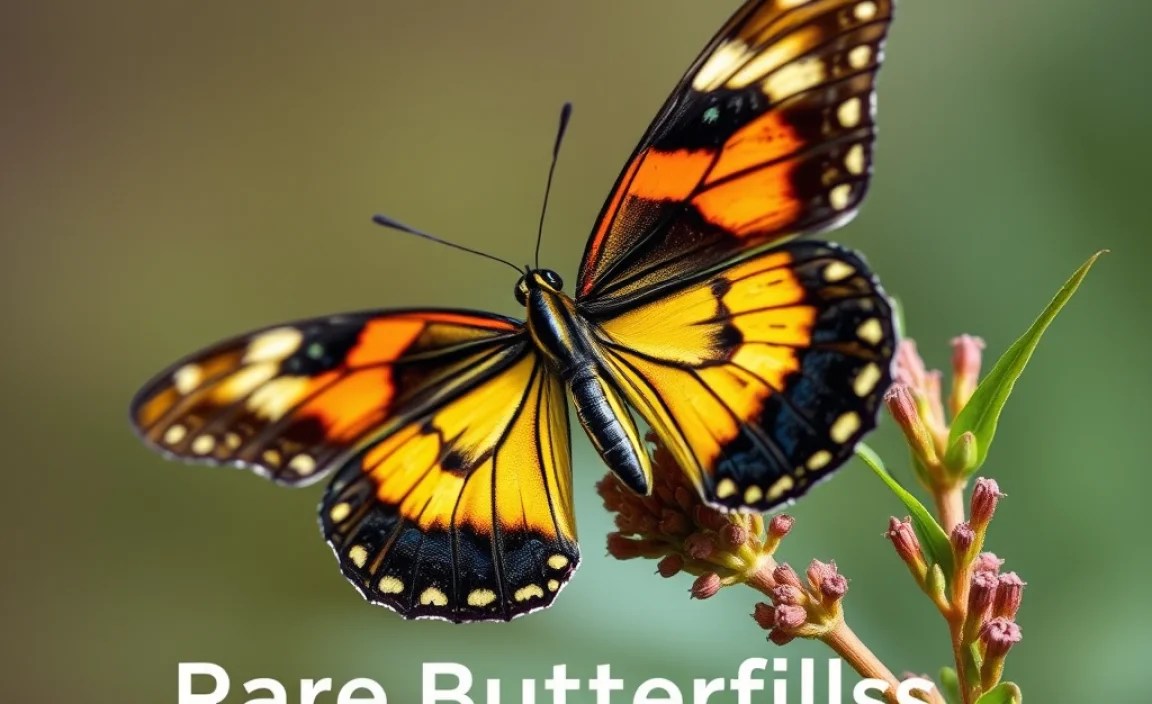
Central Africa has many different habitats. These habitats are home to a variety of butterflies. Some butterflies live in rainforests. Others live in savannas. Still others live in mountains. Each habitat has its own unique set of butterflies. The rare butterflies in Central Africa often live in specific habitats. They may only be found in one type of forest or one type of mountain. This makes them especially vulnerable to habitat loss. Protecting these habitats is crucial for the survival of these butterflies. We need to conserve forests, savannas, and mountains. By doing so, we can help ensure that these butterflies have a place to live.
- Rainforests are home to many species.
- Savannas support unique butterfly communities.
- Mountains provide specialized habitats.
- Wetlands are important breeding grounds.
- Riversides offer diverse food sources.
Imagine a butterfly flying through a rainforest. It flits from tree to tree, sipping nectar from flowers. This is the life of a butterfly in Central Africa. These butterflies are adapted to their specific habitats. They have evolved to thrive in these environments. But their habitats are under threat. Forests are being cut down. Savannas are being converted to farmland. Mountains are being mined. We need to protect these habitats. We can do this by supporting conservation organizations. We can also educate others about the importance of protecting biodiversity.
Fun Fact or Stat: Some butterfly habitats in Central Africa are among the most biodiverse places on Earth.
Rainforest Biodiversity
Why are rainforests so important for butterflies? Rainforests are home to a huge variety of plants and animals. This is called biodiversity. Butterflies are an important part of rainforest biodiversity. They help to pollinate plants. They also serve as food for other animals. The rare butterflies in Central Africa often live in rainforests. These forests provide them with the food and shelter they need. Rainforests are also important for climate regulation. They help to absorb carbon dioxide from the atmosphere. This helps to reduce climate change. We need to protect rainforests. We can do this by supporting sustainable forestry practices. We can also reduce our consumption of products that come from rainforests.
Savanna Butterfly Life
What is life like for butterflies in the savanna? Savannas are grasslands with scattered trees. They are home to a different set of butterflies than rainforests. Savanna butterflies are often adapted to dry conditions. They may have long legs to help them walk on the ground. They may also have camouflage to help them blend in with the grasses. Rare butterflies can also be found in savannas. These butterflies are often adapted to specific types of grasses or trees. Savannas are under threat from overgrazing and conversion to farmland. We need to protect savannas. We can do this by supporting sustainable grazing practices. We can also help to restore degraded savannas.
Mountain Habitats
How do mountain habitats support butterflies? Mountains provide unique habitats for butterflies. They have a variety of microclimates. This means that different parts of the mountain have different temperatures and rainfall. This allows for a wide variety of plants and animals to live on the mountain. Rare butterflies can also be found in mountain habitats. These butterflies are often adapted to cold temperatures and high altitudes. Mountains are under threat from mining and deforestation. We need to protect mountain habitats. We can do this by supporting sustainable tourism practices. We can also help to reforest degraded mountains.
Conservation Efforts For Butterflies

Many people are working to protect rare butterflies. These conservation efforts are important. They help to ensure that these butterflies survive. Conservation efforts can include protecting habitats. They can also include breeding butterflies in captivity. Another important effort is education. People need to learn about butterflies. They need to understand why they are important. When people care about butterflies, they are more likely to help protect them. Conservation efforts require collaboration. Scientists, governments, and local communities need to work together. By working together, we can make a difference. We can help to save these amazing creatures.
- Habitat preservation is a key strategy.
- Captive breeding programs help boost populations.
- Education raises awareness.
- Community involvement is crucial.
- Research provides vital information.
Imagine a group of people working together. They are planting trees and restoring a forest. This is an example of conservation in action. These people care about butterflies. They know that butterflies need healthy habitats. They are working to create those habitats. Conservation is not always easy. It can be hard work. But it is important work. It is work that makes a difference. By supporting conservation efforts, we can help to save butterflies. We can also help to protect the planet.
Fun Fact or Stat: Some conservation projects have successfully increased butterfly populations by over 200%.
Habitat Restoration
Why is habitat restoration important? Habitat restoration is the process of repairing damaged habitats. This can include planting trees, removing invasive species, and restoring wetlands. Habitat restoration is important for butterflies because it provides them with the food and shelter they need. Rare butterflies often live in degraded habitats. These habitats have been damaged by deforestation, pollution, or other factors. Habitat restoration can help to improve these habitats. It can also help to create new habitats. Habitat restoration requires careful planning. It is important to choose the right plants and animals. It is also important to monitor the restoration process. By carefully planning and monitoring, we can ensure that habitat restoration is successful.
Captive Breeding Programs
What are captive breeding programs? Captive breeding programs are programs that breed animals in captivity. This can help to increase their populations. Captive breeding programs are often used for endangered species. Rare butterflies are sometimes bred in captivity. This can help to increase their numbers. The butterflies are then released back into the wild. Captive breeding programs can be challenging. It can be hard to create the right conditions for butterflies to breed. It is also important to make sure that the butterflies are healthy. Captive breeding programs require a lot of expertise. They also require a lot of resources. But they can be an effective way to help save endangered butterflies.
Community Engagement
Why is community engagement important? Community engagement is the process of involving local communities in conservation efforts. This is important because local communities often have a deep understanding of their environment. They can also be valuable partners in conservation. Rare butterflies often live in areas where people are poor. These people may rely on the forest for their livelihoods. Conservation efforts need to take these needs into account. It is important to work with local communities. We need to find ways to help them improve their lives while also protecting the environment. Community engagement can be challenging. It requires building trust and working together. But it is essential for successful conservation.
The Role Of Research In Butterfly Conservation
Research plays a big role in helping rare butterflies. Scientists study butterflies to learn about their needs. They study their habitats, their food, and their life cycles. This information helps conservationists to protect butterflies. Research can also help to identify threats to butterflies. Scientists can study the effects of pollution and climate change. They can also study the impact of habitat loss. This information helps conservationists to address these threats. Research requires funding. It also requires skilled scientists. But it is an essential part of butterfly conservation.
| Research Area | Importance | Example |
|---|---|---|
| Habitat Studies | Understanding butterfly needs | Mapping butterfly distribution |
| Threat Assessment | Identifying dangers | Studying pesticide effects |
| Population Monitoring | Tracking butterfly numbers | Counting butterflies in a forest |
| Climate Change Impacts | Assessing climate effects | Analyzing temperature changes |
Imagine a scientist studying a butterfly. She is carefully observing its behavior. She is recording its movements and its feeding habits. This is an example of research in action. The scientist is learning about the butterfly’s needs. This information will help conservationists to protect the butterfly. Research is a key part of conservation. It helps us to understand the world around us. It also helps us to protect it.
Fun Fact or Stat: Research has helped identify key butterfly habitats that need immediate protection.
Studying Butterfly Behavior
Why is it important to study butterfly behavior? Studying butterfly behavior helps us understand how butterflies interact with their environment. We can learn about their feeding habits, their mating rituals, and their migration patterns. This information can help us to protect butterflies. Rare butterflies often have unique behaviors. These behaviors may make them more vulnerable to threats. By studying these behaviors, we can learn how to protect them. Studying butterfly behavior requires patience and skill. It also requires the right equipment. But it is an essential part of butterfly conservation.
Assessing Habitat Quality
How do scientists assess habitat quality? Scientists use a variety of methods to assess habitat quality. They may study the plants that grow in the habitat. They may also study the soil and the water. They may also look for signs of pollution or degradation. This information can help them to determine whether the habitat is suitable for butterflies. Rare butterflies often require specific types of habitats. These habitats may need to have certain plants or certain soil conditions. By assessing habitat quality, we can identify areas that need to be protected. We can also identify areas that need to be restored.
Monitoring Populations
Why is it important to monitor butterfly populations? Monitoring butterfly populations helps us to track their numbers over time. This can help us to identify declines in populations. It can also help us to assess the effectiveness of conservation efforts. Rare butterflies are often difficult to monitor. They may live in remote areas. They may also be difficult to identify. But it is important to monitor their populations. This information can help us to protect them. Monitoring butterfly populations requires a lot of effort. It also requires skilled volunteers. But it is an essential part of butterfly conservation.
How You Can Help Protect Butterflies
You can help protect rare butterflies in Central Africa. There are many things that you can do. You can learn more about butterflies. You can also support conservation organizations. You can also make changes in your own life. You can reduce your use of pesticides. You can also reduce your carbon footprint. Every little bit helps. By working together, we can make a difference. We can help to save these amazing creatures.
- Plant butterfly-friendly gardens.
- Reduce pesticide use.
- Support conservation organizations.
- Educate others about butterflies.
- Reduce your carbon footprint.
Imagine planting a garden full of flowers. Butterflies will come to visit your garden. They will sip nectar from the flowers. They will also lay their eggs on the plants. This is a simple way to help butterflies. You can also talk to your friends and family about butterflies. You can tell them why they are important. You can also encourage them to take action. By working together, we can make a big difference. We can help to protect butterflies and the planet.
Fun Fact or Stat: Planting a butterfly garden can increase local butterfly populations by up to 50%.
Creating Butterfly Gardens
Why are butterfly gardens important? Butterfly gardens provide food and shelter for butterflies. They also provide a place for butterflies to lay their eggs. Butterfly gardens can be created in your own backyard. You can plant flowers that attract butterflies. You can also provide a water source for butterflies. Rare butterflies may not be able to visit your garden. But you can still help to support butterflies in your area. By creating a butterfly garden, you can make a difference.
Reducing Pesticide Use
How does pesticide use harm butterflies? Pesticides are chemicals that are used to kill insects. But they can also harm butterflies. Pesticides can poison butterflies. They can also kill the plants that butterflies need for food. Rare butterflies are especially vulnerable to pesticides. They may live in areas where pesticides are heavily used. By reducing your use of pesticides, you can help to protect butterflies. You can use natural methods to control pests in your garden. You can also buy organic food. This will help to reduce the amount of pesticides that are used in agriculture.
Supporting Conservation
Why is it important to support conservation organizations? Conservation organizations work to protect butterflies and their habitats. They conduct research, restore habitats, and educate the public. Rare butterflies often live in areas where conservation organizations are working. By supporting these organizations, you can help to protect these butterflies. You can donate money to conservation organizations. You can also volunteer your time. Every little bit helps.
Summary
Rare butterflies in Central Africa are truly special. They face many threats, including habitat loss and climate change. These butterflies need our help. Conservation efforts are crucial for their survival. We can all play a part in protecting them. By learning about these butterflies and supporting conservation, we can make a difference. We can help to ensure that these amazing creatures continue to thrive. Every action, no matter how small, contributes to their future. Let’s work together to protect these beautiful insects.
Conclusion
Protecting rare butterflies in Central Africa is very important. These butterflies face many dangers. We must help them survive. We can learn about them and their homes. We can support groups that protect them. Even small actions can make a big difference. Let’s work together to save these amazing butterflies. They are a precious part of our world.
Frequently Asked Questions
Question No 1: Why are some butterflies in Central Africa considered rare?
Answer: Some butterflies in Central Africa are rare because they live in specific habitats. These habitats are often threatened by deforestation and climate change. They may also have very specific food requirements. This means they can only survive if certain plants are present. When these plants disappear, so do the butterflies. Illegal collecting of rare butterflies can also reduce their populations. Protecting these butterflies requires careful conservation efforts.
Question No 2: What are the biggest threats to these rare butterflies?
Answer: The biggest threats include habitat loss, climate change, and pollution. Deforestation destroys the forests where these butterflies live. Climate change alters their food sources and breeding cycles. Pollution from pesticides and other chemicals can directly harm the butterflies and their habitats. These threats combine to create a very difficult environment for these rare butterflies in Central Africa to survive.
Question No 3: How does climate change affect butterflies?
Answer: Climate change can affect butterflies in several ways. Changes in temperature and rainfall can disrupt their life cycle. It can also affect the plants they depend on for food. Extreme weather events, such as droughts and floods, can damage butterfly habitats. Climate change can also cause changes in the timing of flowering. This can lead to a mismatch between when butterflies emerge and when their food sources are available.
Question No 4: What can I do to help protect these butterflies?
Answer: You can do many things to help. You can learn more about butterflies and their importance. You can also support conservation organizations that work to protect butterfly habitats. Planting a butterfly garden with native plants can provide food and shelter for butterflies in your area. Reducing your use of pesticides and other chemicals can also help. Spreading awareness about the importance of rare butterflies in Central Africa is also important.
Question No 5: Are there any specific conservation projects focused on these butterflies?
Answer: Yes, several conservation projects are focused on protecting these butterflies. These projects often involve habitat restoration, captive breeding programs, and community engagement. Some projects focus on protecting specific butterfly species or habitats. Others work to raise awareness about the importance of butterfly conservation. These projects often rely on the support of volunteers and donors.
Question No 6: Why is it important to protect even small butterfly populations?
Answer: Even small butterfly populations play an important role in their ecosystems. They help to pollinate plants, which is essential for plant reproduction. They also serve as a food source for other animals. Protecting these populations helps to maintain biodiversity and the health of the ecosystem. Losing even a small population of rare butterflies in Central Africa can have cascading effects throughout the food web.


