
Rare Butterflies Biodiversity Loss: Why It Matters

Have you ever seen a butterfly so bright, it takes your breath away? Imagine if those colors disappeared forever. The rare butterflies are in danger. Their loss shows a bigger problem: biodiversity loss. It means the Earth is losing its amazing variety of life.
What if we could not see these beautiful creatures? What if the flowers they loved vanished? We need to understand why rare butterflies and biodiversity loss matter. We can learn how to protect them.
Key Takeaways
- Protecting rare butterflies helps maintain a healthy and balanced ecosystem.
- Biodiversity loss threatens not just butterflies but all living things.
- Habitat destruction is a major cause of declining butterfly populations.
- Climate change impacts the food and homes of rare butterflies.
- Simple actions like planting native flowers can aid butterfly conservation.
Understanding Rare Butterflies Biodiversity Loss

Rare butterflies face many problems. One big problem is biodiversity loss. This means there are fewer types of plants and animals on Earth. When we lose different species, the whole ecosystem suffers. Butterflies are a key part of many food chains. They also help pollinate flowers. Without them, plants cannot make seeds. Many animals depend on these plants for food and shelter. When butterfly populations shrink, it affects everything around them. We must understand how biodiversity loss hurts these fragile creatures. Then, we can work together to find solutions. Protecting their habitats is important. We can plant native flowers and reduce pesticide use. Every little bit helps these beautiful insects survive and thrive. Butterflies are an important part of our world.
- Butterflies pollinate many plants.
- They are food for birds and other animals.
- Biodiversity loss weakens ecosystems.
- Healthy ecosystems need many species.
- Rare butterflies are indicators of ecosystem health.
Biodiversity loss weakens the whole system. Imagine a tower made of blocks. Each block is a different species. If you remove some blocks, the tower becomes wobbly. If you remove too many, the tower falls. In nature, when we lose species, the ecosystem becomes less stable. It is harder for it to handle changes like pollution or climate change. Rare butterflies are like the canaries in a coal mine. They are very sensitive to changes in their environment. When their numbers decline, it is a warning sign that something is wrong. We need to pay attention to these signs and take action to protect biodiversity. Our planet depends on it, and so do we.
Fun Fact or Stat: Some butterflies migrate thousands of miles each year!
Why Are Butterflies Important?
Butterflies are more than just pretty insects. They play a big role in our world. They are important pollinators. This means they help plants make seeds. They fly from flower to flower, carrying pollen with them. Pollen is needed for plants to reproduce. Without butterflies, many plants would struggle to survive. Butterflies are also a food source for other animals. Birds, lizards, and even some mammals eat butterflies. They are part of the food chain. This means they help keep the ecosystem balanced. Can you imagine a world without butterflies? It would be less colorful and less healthy. We need to protect these amazing creatures. They are important for our planet.
How Does Biodiversity Loss Affect Them?
Biodiversity loss has a big impact on butterflies. When we lose different types of plants and animals, the environment changes. Butterflies need specific plants to survive. Some butterflies only lay their eggs on one type of plant. If that plant disappears, the butterfly cannot reproduce. Habitat loss is a major cause of biodiversity loss. When we destroy forests and meadows, we take away the butterflies’ homes. Pollution also hurts butterflies. Pesticides can kill them directly. Other pollutants can harm the plants they need to survive. Climate change is another threat. It can change the timing of when plants bloom. This can make it hard for butterflies to find food. We must stop the biodiversity loss. We need to protect the homes and food of rare butterflies.
What Can We Do to Help?
We can all help protect butterflies and biodiversity. One important thing is to plant native flowers. Native flowers are plants that naturally grow in your area. They provide food and shelter for butterflies. You can also avoid using pesticides. Pesticides can harm butterflies and other insects. Another way to help is to protect natural habitats. Support organizations that work to conserve forests and meadows. Educate your friends and family about the importance of butterflies. Tell them why biodiversity loss is a problem. Every little bit helps. Together, we can make a difference for rare butterflies. We can create a world where they can thrive.
Fun Fact or Stat: Butterflies taste with their feet!
Habitat Destruction and Rare Butterflies

Habitat destruction is a huge problem for rare butterflies. It is one of the main reasons for biodiversity loss. When we destroy forests, meadows, and wetlands, we take away the homes of these butterflies. Many butterflies need specific habitats to survive. Some live only in old-growth forests. Others need sunny meadows with lots of wildflowers. When these habitats are destroyed, the butterflies have nowhere to go. They cannot find food or shelter. They cannot reproduce. This leads to a decline in their populations. Habitat destruction happens for many reasons. Sometimes it is for agriculture. Other times it is for housing or industry. We need to find ways to balance our needs with the needs of nature. Protecting habitats is essential for saving rare butterflies.
- Forests are cleared for farming.
- Meadows are turned into housing.
- Wetlands are drained for development.
- Pollution harms butterfly habitats.
- Climate change alters habitats.
- Habitat fragmentation isolates populations.
Imagine a beautiful forest filled with colorful butterflies. Now imagine bulldozers coming in and tearing down the trees. This is what habitat destruction looks like. It is happening all over the world. When we destroy habitats, we not only hurt butterflies, but we also hurt other animals and plants. Everything is connected in an ecosystem. When one part is damaged, the whole system suffers. We need to think about the consequences of our actions. We need to find ways to protect habitats. We can create parks and nature reserves. We can also promote sustainable development. This means finding ways to build and grow without destroying nature. Protecting habitats is crucial for saving rare butterflies and preserving biodiversity.
Fun Fact or Stat: The Schaus’ swallowtail butterfly was once down to just 23 individuals!
What Causes Habitat Destruction?
Habitat destruction has many causes. One major cause is agriculture. Farmers often clear forests and meadows to create fields for crops. This destroys the habitats of many butterflies. Another cause is logging. When trees are cut down, it removes the shelter and food source for butterflies. Urban development also destroys habitats. When cities and towns grow, they often spread into natural areas. This destroys forests and meadows. Mining is another cause of habitat destruction. Mining can pollute the land and water, making it impossible for butterflies to survive. We need to find ways to reduce habitat destruction. We can promote sustainable agriculture. We can use less wood. We can build smarter cities. We can protect our natural areas.
How Does It Impact Butterfly Populations?
Habitat destruction has a big impact on butterfly populations. When their habitats are destroyed, butterflies lose their homes and food sources. They cannot find places to lay their eggs. They cannot find food for their caterpillars. This leads to a decline in their numbers. Some butterfly species are very specific about their habitats. They need a certain type of plant to lay their eggs on. If that plant disappears, the butterfly cannot survive. Other butterflies need specific types of forests or meadows. If those habitats are destroyed, the butterflies have nowhere to go. Habitat destruction can also isolate butterfly populations. This means that butterflies in one area cannot breed with butterflies in another area. This can lead to genetic problems and make the butterflies more vulnerable to extinction. Rare butterflies are already vulnerable. Habitat destruction makes things even worse.
What Can Be Done to Prevent It?
There are many things we can do to prevent habitat destruction. One important thing is to protect existing habitats. We can create parks and nature reserves. We can also pass laws to protect forests and wetlands. Another thing we can do is to promote sustainable development. This means finding ways to build and grow without destroying nature. We can use green building techniques. We can reduce our consumption of resources. We can also support sustainable agriculture. This means farming in a way that protects the environment. We can also educate people about the importance of habitats. We can teach them about the value of butterflies and other wildlife. We can encourage them to take action to protect our planet. Protecting habitats is essential for saving rare butterflies and preserving biodiversity.
Fun Fact or Stat: Some butterflies can fly up to 30 miles per hour!
Climate Change and Rare Butterfly Decline

Climate change is a growing threat to rare butterflies. It is a major driver of biodiversity loss. As the Earth warms, the habitats of butterflies are changing. Some areas are becoming too hot or too dry for butterflies to survive. Other areas are experiencing more extreme weather events, such as floods and droughts. These events can destroy butterfly habitats and kill butterfly populations. Climate change is also affecting the timing of plant growth. Some plants are blooming earlier in the year. This can make it difficult for butterflies to find food. Butterflies need to be able to synchronize their life cycles with the plants they depend on. If the plants bloom at the wrong time, the butterflies may starve. We need to take action to address climate change. We need to reduce our greenhouse gas emissions. We need to protect and restore butterfly habitats. This is essential for saving rare butterflies.
- Rising temperatures alter habitats.
- Extreme weather kills butterflies.
- Plant blooming times are changing.
- Butterflies struggle to adapt quickly.
- Climate change causes range shifts.
- Ocean acidification affects food chains.
Imagine a butterfly trying to find food in a world where the flowers are blooming at the wrong time. This is the reality for many butterflies today. Climate change is disrupting the delicate balance of nature. It is making it harder for butterflies to survive. We need to understand the impact of climate change on butterflies. Then, we can take action to protect them. We can reduce our carbon footprint by driving less, using less energy, and eating less meat. We can also support policies that promote clean energy and protect forests. Protecting forests is especially important because they absorb carbon dioxide from the atmosphere. This helps to slow down climate change. By working together, we can create a more sustainable future for rare butterflies.
Fun Fact or Stat: Butterflies use the sun to help them navigate!
How Is Climate Change Affecting Habitats?
Climate change is affecting habitats in many ways. Rising temperatures are causing some areas to become drier. This can lead to the loss of forests and meadows. In other areas, climate change is causing more frequent and intense storms. These storms can damage habitats and kill butterflies. Climate change is also causing sea levels to rise. This is flooding coastal habitats, such as salt marshes and mangroves. These habitats are important for many species of butterflies. Ocean acidification is another problem caused by climate change. As the ocean absorbs carbon dioxide from the atmosphere, it becomes more acidic. This can harm marine life, including the plankton that butterflies depend on for food. We need to take action to address climate change. We need to reduce our greenhouse gas emissions. We need to protect and restore habitats. This is essential for saving rare butterflies and preserving biodiversity.
What Happens When Plants Bloom at the Wrong Time?
When plants bloom at the wrong time, it can be a disaster for butterflies. Butterflies depend on plants for food. They need nectar to fuel their flight. They also need specific plants to lay their eggs on. If plants bloom too early or too late, butterflies may not be able to find food or lay their eggs. This can lead to a decline in their populations. Climate change is causing plants to bloom at different times. In some areas, plants are blooming earlier in the year. In other areas, plants are blooming later. This is making it difficult for butterflies to synchronize their life cycles with the plants they depend on. We need to take action to address climate change. We need to reduce our greenhouse gas emissions. We need to protect and restore habitats. This is essential for saving rare butterflies and preserving biodiversity.
What Can Butterflies Do to Adapt?
Butterflies can try to adapt to climate change in several ways. One way is to shift their ranges. This means moving to areas that are more suitable for them. However, this is not always possible. Butterflies may not be able to fly long distances. They may also be blocked by mountains or other barriers. Another way that butterflies can adapt is to change their life cycles. They may try to emerge earlier in the year or later in the year. However, this can be risky. If they emerge at the wrong time, they may not be able to find food or lay their eggs. Some butterflies may also be able to evolve and adapt to new conditions. However, this takes time. Climate change is happening very quickly. It may be too fast for butterflies to adapt. We need to help butterflies adapt to climate change. We can protect and restore habitats. We can reduce our greenhouse gas emissions. This will give butterflies a better chance of survival. Rare butterflies and biodiversity loss is a serious problem. We must address it quickly.
Fun Fact or Stat: Butterflies have been around for over 50 million years!
Pesticide Use and its Impact on Rare Butterflies

Pesticide use poses a significant threat to rare butterflies. It directly contributes to biodiversity loss. These chemicals, designed to kill pests, can also harm or kill butterflies. Butterflies come into contact with pesticides in several ways. They may ingest them while feeding on nectar. They may also absorb them through their skin. Pesticides can affect butterflies in many ways. They can kill them directly. They can also weaken them, making them more susceptible to disease. Pesticides can also harm butterfly caterpillars. Caterpillars are very sensitive to pesticides. Even small amounts can kill them. Pesticide use is a major problem for butterfly populations. We need to reduce our reliance on pesticides. We can use more sustainable methods of pest control. We can also support organic farming. This will help to protect rare butterflies and other beneficial insects.
- Pesticides kill butterflies directly.
- They weaken butterflies.
- Caterpillars are highly vulnerable.
- Pesticides contaminate nectar sources.
- They disrupt butterfly reproduction.
- Pesticide runoff pollutes habitats.
Imagine a world without butterflies because of pesticides. It is a scary thought. Butterflies are not the only insects that are harmed by pesticides. Bees, ladybugs, and other beneficial insects are also at risk. These insects play an important role in our ecosystem. They pollinate plants, control pests, and help to decompose organic matter. When we use pesticides, we are not only harming butterflies, but we are also harming the entire ecosystem. We need to find ways to control pests without using harmful chemicals. We can use natural predators, such as ladybugs and lacewings. We can also use traps and barriers to keep pests away from our plants. By reducing our reliance on pesticides, we can protect rare butterflies and other beneficial insects. We can also create a healthier environment for ourselves and our planet. Rare butterflies need our help to survive this biodiversity loss.
Fun Fact or Stat: The largest butterfly in the world is the Queen Alexandra’s birdwing!
What Types of Pesticides Are Most Harmful?
Some types of pesticides are more harmful to butterflies than others. Neonicotinoids are a class of pesticides that are particularly harmful. They are systemic pesticides, which means that they are absorbed by the plant and distributed throughout its tissues. This means that butterflies can be exposed to neonicotinoids even if they are not directly sprayed with them. Neonicotinoids can kill butterflies directly. They can also weaken them and make them more susceptible to disease. Other harmful pesticides include organophosphates and pyrethroids. These pesticides can also kill butterflies directly or indirectly. We need to avoid using these harmful pesticides. We can use safer alternatives, such as insecticidal soaps and oils. We can also use natural predators to control pests. By reducing our reliance on harmful pesticides, we can protect rare butterflies and other beneficial insects. We must protect rare butterflies. Biodiversity loss is a big threat.
How Do Pesticides Affect Butterfly Caterpillars?
Pesticides can have a devastating effect on butterfly caterpillars. Caterpillars are very sensitive to pesticides. Even small amounts can kill them. Pesticides can also weaken caterpillars, making them more susceptible to disease. Caterpillars come into contact with pesticides in several ways. They may ingest them while feeding on leaves. They may also absorb them through their skin. Pesticides can disrupt the development of caterpillars. They can cause them to grow abnormally. They can also prevent them from pupating. If caterpillars are exposed to pesticides, they may not be able to survive to adulthood. This can lead to a decline in butterfly populations. We need to protect butterfly caterpillars from pesticides. We can avoid using pesticides in areas where caterpillars are present. We can also use safer alternatives to pesticides. By protecting caterpillars, we can help to ensure the survival of rare butterflies.
What Alternatives Can We Use?
There are many alternatives to pesticides that we can use to control pests. One alternative is to use natural predators. Ladybugs, lacewings, and other beneficial insects can help to control pests. We can also use traps and barriers to keep pests away from our plants. Another alternative is to use insecticidal soaps and oils. These are less harmful to butterflies and other beneficial insects than traditional pesticides. We can also practice crop rotation. This means planting different crops in the same area each year. This can help to prevent pests from building up in the soil. We can also use cover crops. These are plants that are grown to protect the soil and suppress weeds. By using these alternatives to pesticides, we can protect rare butterflies and other beneficial insects. We can also create a healthier environment for ourselves and our planet. We can fight biodiversity loss by not using pesticides.
Fun Fact or Stat: Some butterflies hibernate as caterpillars!
Conservation Efforts for Rare Butterflies
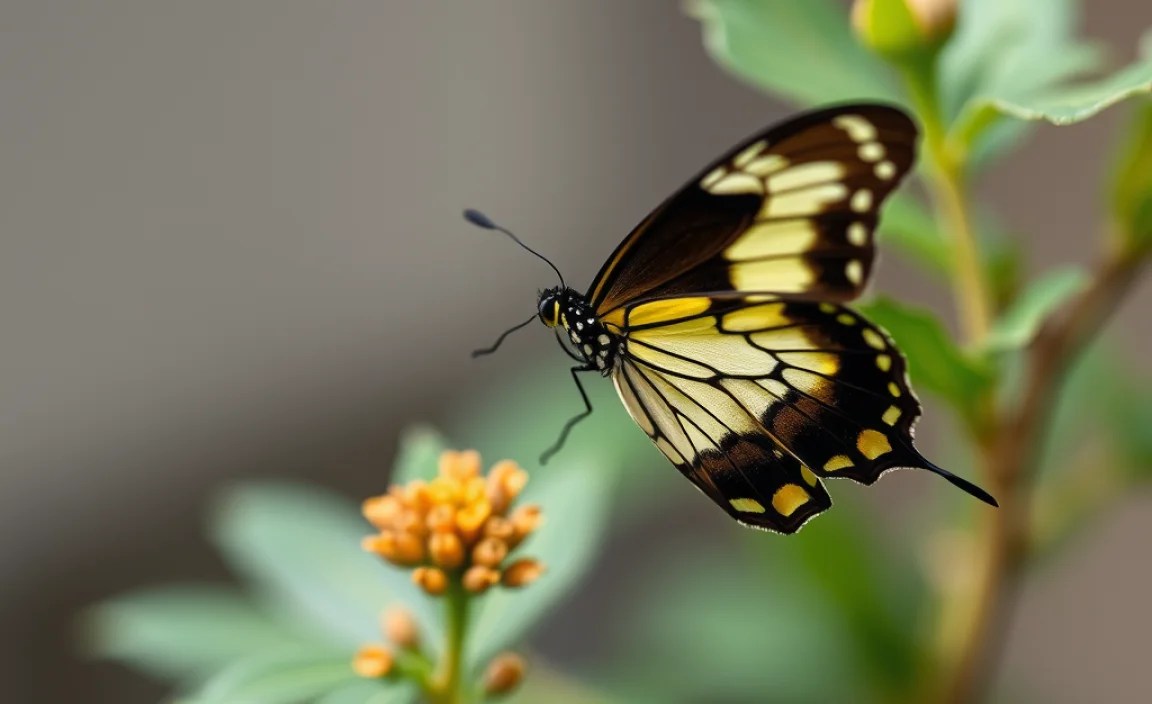
Many people are working hard to protect rare butterflies. These conservation efforts are vital for fighting biodiversity loss. Scientists, conservationists, and volunteers are all involved. They work to protect butterfly habitats. They also try to restore damaged habitats. Captive breeding programs are another important tool. These programs raise butterflies in a safe environment. Then, they release them back into the wild. Education is also key. By teaching people about butterflies, we can inspire them to help. We can all do our part to support butterfly conservation. We can plant native flowers in our gardens. We can avoid using pesticides. We can also support organizations that work to protect butterflies. Together, we can make a difference for these beautiful creatures.
- Habitat restoration is crucial.
- Captive breeding helps boost populations.
- Education raises awareness.
- Research informs conservation strategies.
- Community involvement is essential.
- Protected areas safeguard habitats.
Imagine a group of people working together to plant native flowers in a meadow. They are creating a butterfly garden. This is just one example of the many conservation efforts that are underway to protect rare butterflies. These efforts are often led by dedicated individuals who are passionate about butterflies. They spend countless hours working to protect these creatures. They face many challenges, including habitat destruction, climate change, and pesticide use. However, they remain optimistic. They believe that we can save rare butterflies from extinction. By supporting their work, we can help to make their vision a reality. We can help to create a world where butterflies can thrive. Protecting rare butterflies is important for our planet’s biodiversity loss.
Fun Fact or Stat: Some butterflies mimic other animals to avoid predators!
What Are Some Successful Conservation Projects?
There have been many successful conservation projects for rare butterflies. One example is the reintroduction of the Karner blue butterfly in New York. This butterfly was once common in the state, but it had declined due to habitat loss. Conservationists worked to restore its oak savanna habitat. They also reintroduced butterflies from other populations. As a result, the Karner blue butterfly is now thriving in several areas of New York. Another successful project is the conservation of the Schaus’ swallowtail butterfly in Florida. This butterfly was once on the brink of extinction. Conservationists worked to protect its habitat in the Florida Keys. They also implemented a captive breeding program. As a result, the Schaus’ swallowtail butterfly has made a remarkable recovery. These are just two examples of the many successful conservation projects that are helping to protect rare butterflies.
How Can People Get Involved?
There are many ways that people can get involved in butterfly conservation. One way is to volunteer with a local conservation organization. Many organizations need volunteers to help with habitat restoration, butterfly monitoring, and education. Another way to get involved is to plant native flowers in your garden. This will provide food and shelter for butterflies. You can also avoid using pesticides. Pesticides can harm butterflies and other beneficial insects. You can also support organizations that work to protect butterflies. By donating money or time, you can help these organizations to continue their important work. You can also educate your friends and family about butterflies. By raising awareness about the importance of butterflies, you can inspire others to help. We can help rare butterflies survive biodiversity loss.
| Conservation Action | Description | Benefits | How to Get Involved |
|---|---|---|---|
| Plant Native Flowers | Create butterfly gardens with native plants. | Provides food and habitat for butterflies. | Research native plants in your area and plant them. |
| Avoid Pesticides | Do not use harmful chemicals in your garden. | Protects butterflies and other beneficial insects. | Use natural pest control methods instead. |
| Volunteer with Organizations | Help with habitat restoration and monitoring. | Supports conservation efforts directly. | Contact local conservation groups for volunteer opportunities. |
| Donate to Conservation | Support organizations working to protect butterflies. | Provides funding for important projects. | Give money to a butterfly conservation group. |
Why Is Community Involvement Important?
Community involvement is essential for successful butterfly conservation. When local communities are involved in conservation efforts, they are more likely to support them. They are also more likely to take ownership of the projects. This can lead to more sustainable outcomes. Community involvement can also help to raise awareness about butterflies. When people learn about the importance of butterflies, they are more likely to take action to protect them. Community involvement can also help to build trust between conservationists and local communities. This can lead to more effective collaboration. By working together, conservationists and local communities can achieve more than they could alone. Rare butterflies need our help. Biodiversity loss is a problem we must solve. Community involvement is key to success.
Fun Fact or Stat: A group of butterflies is called a flutter!
The Future of Rare Butterflies: What Lies Ahead?
The future of rare butterflies depends on our actions today. If we continue to destroy habitats, use pesticides, and ignore climate change, many butterfly species will disappear. However, if we take action to protect butterflies, we can help them to thrive. We need to protect and restore butterfly habitats. We need to reduce our reliance on pesticides. We need to address climate change. We also need to educate people about the importance of butterflies. By working together, we can create a brighter future for rare butterflies. We can help to ensure that these beautiful creatures continue to grace our planet for generations to come. Preventing biodiversity loss is crucial for the future.
- Habitat protection is paramount.
- Sustainable practices are necessary.
- Climate action is essential.
- Continued research is vital.
- Global cooperation is needed.
- Public awareness must increase.
Imagine a world where butterflies are thriving. This is the future that we can create. It will require hard work and dedication. It will also require a change in our mindset. We need to recognize that we are part of nature, not separate from it. We need to treat the Earth with respect. We need to protect its resources. By doing so, we can create a more sustainable future for all living things. We can create a world where rare butterflies can flourish. We can reverse the trend of biodiversity loss. This is a future worth fighting for. Rare butterflies help make our world beautiful. We must protect them.
Fun Fact or Stat: Butterflies’ wings are covered in tiny scales!
What Are the Biggest Challenges?
The biggest challenges facing rare butterflies are habitat destruction, pesticide use, and climate change. These threats are all interconnected. Habitat destruction makes butterflies more vulnerable to pesticides. Climate change exacerbates the effects of habitat destruction and pesticide use. Addressing these challenges will require a multi-faceted approach. We need to protect and restore butterfly habitats. We need to reduce our reliance on pesticides. We need to address climate change. We also need to educate people about the importance of butterflies. By working together, we can overcome these challenges and create a brighter future for rare butterflies. We must fight biodiversity loss for the sake of these animals.
What Technologies Can Help?
Technology can play a role in helping to protect rare butterflies. For example, drones can be used to monitor butterfly populations and habitats. This can help conservationists to identify areas that are in need of protection or restoration. GPS tracking can be used to track the movements of butterflies. This can help scientists to understand how butterflies use their habitats. It can also help them to identify important migration corridors. DNA sequencing can be used to study the genetics of butterflies. This can help scientists to understand how butterflies are adapting to climate change. It can also help them to identify populations that are in need of conservation. Technology can be a valuable tool in the fight to protect rare butterflies. We must use it wisely to protect biodiversity loss.
How Can We Ensure a Brighter Future?
We can ensure a brighter future for rare butterflies by taking action today. We need to protect and restore butterfly habitats. We need to reduce our reliance on pesticides. We need to address climate change. We also need to educate people about the importance of butterflies. By working together, we can create a world where butterflies can thrive. We can help to ensure that these beautiful creatures continue to grace our planet for generations to come. We must act now to save rare butterflies. We can all help to stop biodiversity loss. Every small action makes a difference.
Fun Fact or Stat: Butterflies have four wings, not two!
Summary
Rare butterflies are facing many threats, including habitat destruction, pesticide use, and climate change. These threats are causing biodiversity loss. This means there are fewer types of plants and animals on Earth. This loss weakens ecosystems. Butterflies play an important role in our world. They pollinate plants and are food for other animals. We need to take action to protect butterflies and their habitats. We can plant native flowers, avoid using pesticides, and support conservation organizations. By working together, we can create a brighter future for rare butterflies. We can also help to ensure the health of our planet.
Conclusion
Rare butterflies are important indicators of the health of our planet. Their decline is a warning sign that something is wrong. We must take action to protect these beautiful creatures. We need to protect their habitats, reduce our reliance on pesticides, and address climate change. By doing so, we can help to ensure that rare butterflies continue to grace our planet for generations to come. Let’s work together to reverse biodiversity loss and create a world where butterflies can thrive.
Frequently Asked Questions
Question No 1: Why are rare butterflies important?
Answer: Rare butterflies are important for many reasons. They help pollinate plants, which is important for food production. They are also a food source for other animals, such as birds and lizards. Butterflies are also beautiful and add to the diversity of our planet. They are a part of the natural world. The disappearance of rare butterflies is a sign of biodiversity loss. This can indicate something is wrong with our environment. They also play a role in the food web, so their presence ensures the health of other species.
Question No 2: What is biodiversity loss?
Answer: Biodiversity loss means that the number of different types of plants and animals on Earth is decreasing. This can happen for many reasons, such as habitat destruction, pollution, and climate change. When we lose biodiversity, the ecosystem becomes less healthy and less resilient. It is less able to handle changes in the environment. This can have a negative impact on all living things, including humans. Protecting biodiversity is important for the health of our planet. Protecting the rare butterflies that are affected by biodiversity loss is important.
Question No 3: What can I do to help rare butterflies?
Answer: There are many things you can do to help rare butterflies. You can plant native flowers in your garden. This will provide food and shelter for butterflies. You can also avoid using pesticides. Pesticides can harm butterflies and other beneficial insects. You can also support organizations that work to protect butterflies. By donating money or time, you can help these organizations to continue their important work. Even small actions can make a difference. You can also educate your friends and family about butterflies. Make sure you are fighting biodiversity loss, which is affecting rare butterflies.
Question No 4: How does climate change affect butterflies?
Answer: Climate change can have a big impact on butterflies. Rising temperatures can cause butterflies to emerge earlier in the year. This can disrupt their life cycles. It can also make it difficult for them to find food. Climate change can also lead to more extreme weather events, such as droughts and floods. These events can destroy butterfly habitats and kill butterfly populations. Climate change is a serious threat to rare butterflies. We must take action to reduce our greenhouse gas emissions. This will help to protect butterflies and other wildlife. We can help reduce biodiversity loss and climate change.
Question No 5: What are some examples of rare butterflies?
Answer: There are many examples of rare butterflies around the world. Some examples include the Karner blue butterfly, the Schaus’ swallowtail butterfly, and the monarch butterfly. These butterflies are all facing threats from habitat destruction, pesticide use, and climate change. Conservation efforts are underway to protect these butterflies. They need our help to survive. We must help these rare butterflies survive so we can stop biodiversity loss. Every butterfly species plays an important role.
Question No 6: Why should we care about biodiversity loss?
Answer: We should care about biodiversity loss because it threatens the health of our planet. When we lose different types of plants and animals, the ecosystem becomes less stable. It is harder for it to handle changes in the environment. This can have a negative impact on all living things, including humans. Biodiversity loss can lead to food shortages, water scarcity, and increased disease. Protecting biodiversity is important for our own survival. Rare butterflies are also affected by biodiversity loss. We must protect them!


