
How to Easily Identify Sulphur vs White Butterflies

Have you ever seen a butterfly and wondered what kind it was? Many butterflies are white or yellow. It can be tricky to tell them apart. Today, we will learn how to identify sulphur vs white butterflies. It’s like being a butterfly detective!
Butterflies are important. They help flowers make seeds. Knowing what kind of butterfly you see is fun. It also helps scientists learn about nature. Let’s explore the world of butterflies!
These insects flutter all around us. They add color to our gardens and parks. Learning about them is a great adventure. Are you ready to become a butterfly expert? Let’s get started and find out how to identify sulphur vs white butterflies.
Key Takeaways
- Look at the wing color: sulphurs are yellow, whites are mostly white.
- Check for dark markings: whites often have more black spots than sulphurs.
- Observe the size: some sulphurs are larger than many common white butterflies.
- Consider the location: certain species live in specific areas. This helps with how to identify sulphur vs white butterflies.
- Caterpillar food plants can give clues about the butterfly’s identity.
How to Identify Sulphur vs White Butterflies

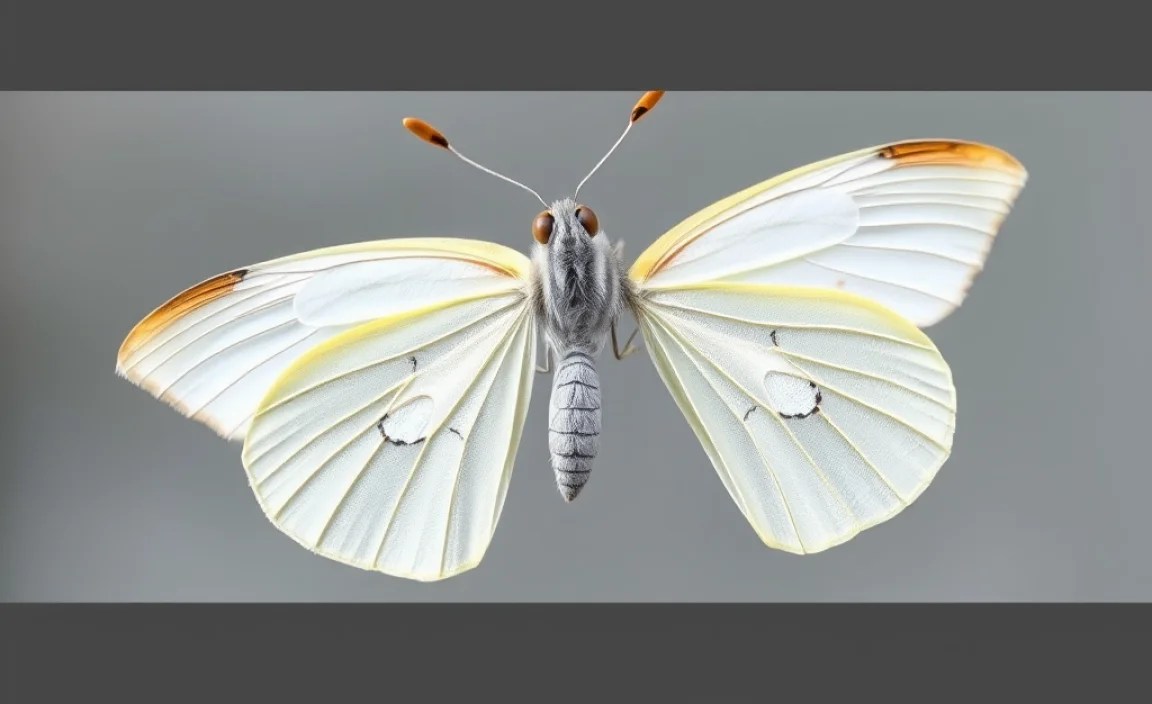
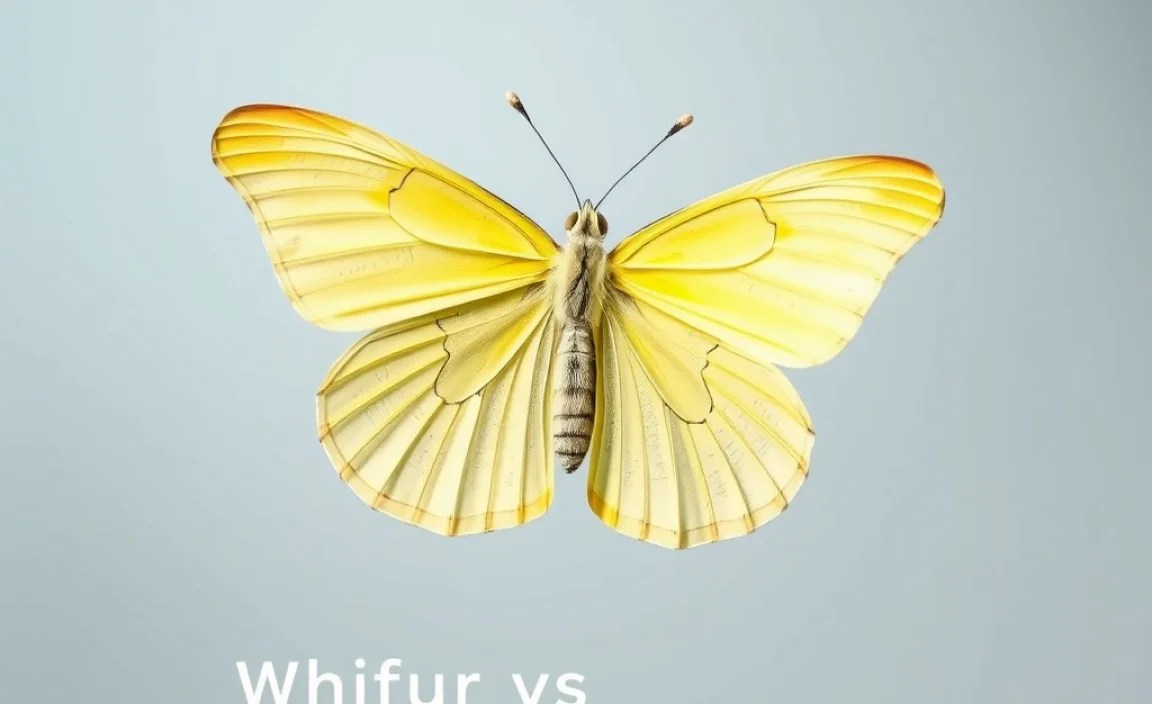
How to identify sulphur vs white butterflies can seem hard. But, there are some easy ways. First, look at the color. Sulphur butterflies are usually yellow. Their wings can be bright yellow or a pale yellow. Some even have orange on them. White butterflies are mostly white. They might have some black spots or tips on their wings. Look closely at the shape of the wings. Sulphurs often have pointed wings. White butterflies usually have rounder wings. Think about where you see the butterfly. Some kinds of butterflies live in certain places. This can help you know which kind it is. You can use a butterfly book or website. These have pictures and information to help. Have fun looking for butterflies! Learning about them is a great way to enjoy nature.
- Check the main wing color.
- Look for spots or markings.
- Notice the shape of the wings.
- Consider the butterfly’s size.
- Think about where you saw it.
Remember, practice makes perfect. The more butterflies you see, the easier it will be. You will learn to notice small differences. These small differences can help you tell them apart. Don’t be afraid to make mistakes. Even experts sometimes get confused. The important thing is to keep learning and exploring. Butterflies are all around us. Take some time to watch them. You might be surprised at what you discover. Have fun learning about these amazing insects! Now you have some tips on how to identify sulphur vs white butterflies.
Fun Fact or Stat: There are over 20,000 different species of butterflies in the world!
What Wing Colors Do They Have?
What colors do these butterflies show? Sulphur butterflies often have bright yellow wings. Some can be orange or have yellow spots. White butterflies are usually white. However, they can have black spots. Some white butterflies have green or gray on their wings. Look closely at the colors. Even small differences can help you. Some sulphurs have pink edges on their wings. Some whites have yellow undersides. These small details are important. Use a magnifying glass to get a better look. You might see colors you didn’t notice before. Paying attention to wing colors helps greatly with how to identify sulphur vs white butterflies.
Do Markings Help Tell Them Apart?
Do markings help in figuring out how to identify sulphur vs white butterflies? Yes, markings are very helpful. White butterflies often have black spots. These spots can be big or small. They can be on the top or bottom of the wings. Sulphur butterflies usually have fewer spots. They might have a small black border. Some have a spot in the middle of the wing. Look at the shape of the spots. Are they round or oval? Are they close together or far apart? All these details can help you. Some butterflies have lines or stripes. Pay attention to all the markings you see. They are important clues.
What About Wing Shape?
Does wing shape matter? It certainly does. Sulphur butterflies often have pointed wings. Their wings look like triangles. White butterflies usually have rounder wings. Their wings are more curved. Look at the edges of the wings. Are they smooth or jagged? Some butterflies have tails on their wings. These tails can be long or short. Wing shape is a good way to tell butterflies apart. Remember to look closely at the wings. Wing shape is another factor in how to identify sulphur vs white butterflies.
Examining Size Differences
Size is another clue in how to identify sulphur vs white butterflies. Sulphur butterflies are often medium-sized. Some sulphur species can be quite large. White butterflies are usually smaller. But, some white butterflies can be medium-sized too. It’s important to compare the size to other butterflies you see. If you only see one butterfly, it can be hard to tell its size. Try to see a few butterflies together. Then you can compare their sizes. Remember that caterpillars become butterflies. A big caterpillar might become a big butterfly. Size is just one piece of the puzzle. Use it with other clues to identify butterflies. It helps to compare sizes to common objects. For example, is it bigger or smaller than a quarter?
- Compare the wingspan.
- Notice the body size.
- Consider the overall size compared to other butterflies.
- Think about whether it seems large or small for its type.
- Remember some species are just naturally bigger or smaller.
Also, think about how the butterfly flies. Big butterflies often fly faster. Small butterflies might flutter more. Watching how they move can give you clues. Take notes about what you see. Write down the size, color, and markings. Draw a picture of the butterfly. All these things will help you remember. You will become a better butterfly identifier. Keep practicing and keep learning. Soon, you will be an expert. Size, along with other factors, is key for figuring out how to identify sulphur vs white butterflies.
Fun Fact or Stat: The largest butterfly in the world, the Queen Alexandra’s Birdwing, has a wingspan of over 11 inches!
How Big Are Sulphur Butterflies?
How big are sulphur butterflies? Sulphur butterflies are usually medium-sized. Their wingspan is often between 1.5 and 2.5 inches. Some species, like the Cloudless Sulphur, can be larger. They can have a wingspan of up to 3 inches. Remember that sizes can vary. It depends on the species and where they live. Some sulphur butterflies are smaller. The Little Yellow butterfly is only about 1 inch across. So, sulphur butterflies come in different sizes. Knowing the size range can help you identify them. Size is always important for how to identify sulphur vs white butterflies.
How Big Are White Butterflies?
Let’s look at white butterflies. White butterflies are usually smaller than sulphur butterflies. Their wingspan is often between 1 and 2 inches. The Cabbage White is a common white butterfly. It is usually about 2 inches across. Some white butterflies are smaller. The West Virginia White is only about 1.5 inches across. So, white butterflies are generally smaller. But remember, there can be exceptions. Always look at other clues too. Size is just one part of the puzzle when figuring out how to identify sulphur vs white butterflies.
Does Size Depend on Location?
Does the location make a butterfly bigger or smaller? Yes, it can. Butterflies in warmer places might be bigger. Butterflies in colder places might be smaller. This is because of the food they eat. It also depends on how long they have to grow. Butterflies need warmth to grow quickly. So, location can affect their size. Remember this when you are identifying butterflies. Also, the amount of food available influences this. Location matters when learning how to identify sulphur vs white butterflies.
Understanding Habitat and Location

Where a butterfly lives can help you learn how to identify sulphur vs white butterflies. Some butterflies like open fields. Others prefer forests. Some live near water. The place where you see a butterfly can be a clue. Sulphur butterflies often live in sunny, open areas. They like fields and meadows. White butterflies can live in gardens and parks. They are also found in forests. Think about the plants that grow there. Some butterflies only eat certain plants. If you know the plants, you might know the butterfly. Location is an important piece of the puzzle. It helps you narrow down the possibilities. Pay attention to the habitat when you see a butterfly.
- Note the type of habitat (field, forest, garden).
- Consider the plants that are growing there.
- Think about the elevation.
- Check if it’s near water.
- Remember some species are only found in certain areas.
- Consider what time of year it is.
Also, think about the time of year. Some butterflies only fly in the spring. Others fly in the summer or fall. The time of year can help you identify them. Use a field guide to learn about different butterflies. Field guides have pictures and information. They can help you identify butterflies in your area. You can also use websites and apps. These resources can be very helpful. Learning about butterflies is fun and rewarding. Keep exploring and keep learning. Habitat and location play a big part in how to identify sulphur vs white butterflies.
Fun Fact or Stat: Some butterflies migrate thousands of miles each year, like the Monarch butterfly!
Do Sulphurs Prefer Open Fields?
Do sulphur butterflies like open fields? Yes, they often do. Sulphur butterflies like sunny, open areas. They need lots of sunlight to stay warm. Fields and meadows are perfect for them. These areas have lots of flowers for them to eat. Sulphurs also like disturbed areas. These are places where the ground has been dug up. You might see them near roads or construction sites. Sulphurs are often seen flying low to the ground. They are looking for nectar and mates. So, if you see a yellow butterfly in a field, it might be a sulphur. This habitat preference is key for figuring out how to identify sulphur vs white butterflies.
Are Whites More Common in Gardens?
Are white butterflies often found in gardens? Yes, they are. White butterflies like gardens and parks. These places have lots of flowers for them to feed on. They also like vegetable gardens. The Cabbage White butterfly is a common pest. It lays its eggs on cabbage and broccoli plants. White butterflies can also be found in forests. They like shady areas with lots of trees. So, white butterflies are found in many places. Gardens are one of their favorite spots. Keeping an eye out in gardens aids in how to identify sulphur vs white butterflies.
Does Elevation Matter?
Does it matter how high up you are? Yes, elevation can matter. Some butterflies live only in the mountains. Others live only in lowlands. The elevation affects the temperature and plants. These things affect where butterflies can live. Some sulphur butterflies live in high mountain meadows. Some white butterflies live in valleys. If you are in the mountains, look for mountain species. If you are at sea level, look for lowland species. Elevation helps in figuring out how to identify sulphur vs white butterflies.
Observing Flight Patterns and Behavior
How a butterfly flies and acts can help you with how to identify sulphur vs white butterflies. Some butterflies fly quickly. Others flutter slowly. Some stay close to the ground. Others fly high in the air. Sulphur butterflies are often fast fliers. They zip around quickly. They can be hard to follow with your eyes. White butterflies often flutter more slowly. They seem to float through the air. Watch how the butterfly moves. Does it fly in a straight line? Does it zigzag? Is it always moving, or does it stop to rest? All these things can give you clues. Pay attention to how the butterfly behaves. This will help you identify it.
- Notice how fast or slow they fly.
- Watch if they fly in a straight line or zigzag.
- See if they stay close to the ground or fly high up.
- Observe if they stop to rest often.
- Consider whether they are social or solitary.
Also, think about what the butterfly is doing. Is it feeding on a flower? Is it laying eggs on a plant? Is it just resting in the sun? Butterflies have different behaviors. These behaviors can help you identify them. For example, some butterflies like to bask in the sun. They spread their wings wide to warm up. Others like to hide in the shade. They are trying to stay cool. Pay attention to all these details. They will help you become a better butterfly identifier. Understanding flight patterns helps in how to identify sulphur vs white butterflies.
Fun Fact or Stat: Butterflies taste with their feet!
Are Sulphurs Fast Fliers?
Do sulphur butterflies fly fast? Yes, they are known for their speed. Sulphur butterflies are often fast fliers. They can zip around quickly. This makes them hard to catch with a net. They fly quickly to find food and mates. They also fly fast to escape predators. If you see a yellow butterfly flying quickly, it might be a sulphur. Their rapid flight is helpful in how to identify sulphur vs white butterflies.
Do Whites Flutter More Slowly?
Do white butterflies flutter more slowly? Yes, they often do. White butterflies often flutter more slowly than sulphurs. They seem to float through the air. Their flight is more graceful and gentle. This is because they are smaller and lighter. They don’t need to fly as fast to find food. If you see a white butterfly fluttering slowly, it is likely a white. This information helps in how to identify sulphur vs white butterflies.
Do They Have Different Resting Habits?
Do they rest differently? Yes, butterflies have different resting habits. Some butterflies rest with their wings open. They are basking in the sun. Others rest with their wings closed. They are hiding from predators. Sulphur butterflies often rest with their wings closed. This helps them blend in with their surroundings. White butterflies sometimes rest with their wings open. They are trying to warm up. Pay attention to how butterflies rest. This can help you identify them. Their resting habits can give clues for how to identify sulphur vs white butterflies.
Using Field Guides and Resources
Using tools can make it easier to learn how to identify sulphur vs white butterflies. Field guides are books with pictures of butterflies. They also have information about them. You can use a field guide to compare the butterfly you see. Websites and apps can also help. These resources often have pictures and descriptions. Some apps let you take a picture of a butterfly. Then, the app tells you what kind it is. Remember to use reliable sources. Look for information from experts. Practice using these tools. The more you use them, the better you will get. Field guides and resources can make learning fun.
- Get a good butterfly field guide for your area.
- Use websites and apps with butterfly information.
- Join a local butterfly watching group.
- Visit a butterfly garden or conservatory.
- Take pictures of butterflies and compare them to photos online.
Also, consider joining a butterfly watching group. These groups go on field trips. They can help you identify butterflies. You can learn from experienced butterfly watchers. They can share their tips and tricks. Butterfly gardens are also great places to learn. You can see many different kinds of butterflies. You can also learn about the plants they need. Learning about butterflies is a lifelong journey. There is always something new to discover. These tools make it easier than ever to learn how to identify sulphur vs white butterflies.
Fun Fact or Stat: A group of butterflies is sometimes called a flutter!
What Makes a Good Field Guide?
What should a good field guide have? A good field guide should have clear pictures. The pictures should show different views of the butterfly. It should also have descriptions of each butterfly. The descriptions should include size, color, and markings. The field guide should also tell you where the butterfly lives. It should also tell you when it flies. A good field guide is easy to use. It should be organized in a logical way. It should also be small enough to carry with you. This makes it easier to learn how to identify sulphur vs white butterflies.
Are Butterfly Apps Helpful?
Do butterfly apps really help? Yes, they can be very helpful. Butterfly apps can identify butterflies from photos. You just take a picture of the butterfly. The app compares it to pictures in its database. Then, the app tells you what kind of butterfly it is. Some apps also have information about each butterfly. They tell you where it lives and what it eats. Butterfly apps are a great way to learn. They can help you identify butterflies quickly and easily. But remember to use reliable apps. And double-check the results with other resources. This is important for learning how to identify sulphur vs white butterflies.
Where Can I Find Local Butterfly Groups?
Where can you find butterfly watchers near you? You can find local butterfly groups online. Search for butterfly groups in your area. You can also ask at local nature centers. Nature centers often have information about local groups. Libraries might also have information. Butterfly groups often go on field trips. They can help you identify butterflies. They can also teach you about butterfly conservation. Joining a butterfly group is a great way to learn. It’s also a great way to meet new friends. This is great for learning how to identify sulphur vs white butterflies.
Caterpillar Food Plants as Identification Clues
What the caterpillar eats can help you learn how to identify sulphur vs white butterflies. Butterflies lay their eggs on specific plants. These plants are food for the caterpillars. If you know the caterpillar’s food plant, you can guess the butterfly. Sulphur butterflies often lay their eggs on legumes. Legumes are plants like beans and clover. White butterflies often lay their eggs on mustard plants. Mustard plants include cabbage and broccoli. Look for caterpillars on these plants. If you find a caterpillar, try to identify it. This can help you identify the butterfly later. Knowing the food plants gives important clues. It’s like being a detective for butterflies!
| Butterfly Group | Common Food Plants | Examples |
|---|---|---|
| Sulphur Butterflies | Legumes (beans, clover) | Cloudless Sulphur, Orange Sulphur |
| White Butterflies | Mustard family (cabbage, broccoli) | Cabbage White, Mustard White |
| Swallowtail Butterflies | Citrus trees, milkweed | Giant Swallowtail, Black Swallowtail |
| Monarch Butterflies | Milkweed | Monarch Butterfly |
- Learn the common food plants in your area.
- Look for caterpillars on these plants.
- Identify the caterpillar.
- Watch for butterflies near the food plants.
- Remember different butterflies use different plants.
Also, consider planting butterfly-friendly plants. Plant the food plants that caterpillars need. Plant nectar plants for adult butterflies. This will attract butterflies to your yard. You can watch them and learn about them. You can also help butterflies by providing food and shelter. This is a great way to help the environment. Plus, you can learn so much more about how to identify sulphur vs white butterflies.
Fun Fact or Stat: Some caterpillars can eat poisonous plants without being harmed!
Do Sulphur Caterpillars Eat Legumes?
Do sulphur caterpillars eat legumes? Yes, they often do. Sulphur caterpillars eat legumes like beans and clover. These plants are high in protein. They help the caterpillars grow quickly. If you see a caterpillar on a bean plant, it might be a sulphur caterpillar. Look for yellow or green caterpillars. These are common colors for sulphur caterpillars. This is a key piece of information for how to identify sulphur vs white butterflies.
Do White Caterpillars Eat Mustard Plants?
Do white caterpillars eat mustard plants? Yes, they often do. White caterpillars eat mustard plants like cabbage and broccoli. This is why they are pests in vegetable gardens. They can eat a lot of leaves. If you see a caterpillar on a cabbage plant, it might be a white caterpillar. Look for green caterpillars. These are common colors for white caterpillars. Knowing this helps in learning how to identify sulphur vs white butterflies.
How Can I Attract Butterflies with Food Plants?
How can you bring butterflies to your yard? Plant their favorite food plants. Plant legumes for sulphur butterflies. Plant mustard plants for white butterflies. Also, plant nectar plants for adult butterflies. These plants provide food for the butterflies. They will also lay their eggs on the food plants. This will bring more butterflies to your yard. You can watch them and enjoy their beauty. Providing food plants aids in how to identify sulphur vs white butterflies.
Summary
Learning how to identify sulphur vs white butterflies can be easy. You can look at the color of the wings. Sulphur butterflies are usually yellow. White butterflies are mostly white. Markings can also help. White butterflies often have black spots. Sulphur butterflies have fewer spots. Size is another clue. Sulphur butterflies are often medium-sized. White butterflies are usually smaller. Where you see the butterfly matters. Sulphur butterflies like open fields. White butterflies like gardens and forests. How the butterfly flies is also important. Sulphur butterflies are fast fliers. White butterflies flutter more slowly.
Field guides and apps can help you. These tools have pictures and information. They can make learning fun. Knowing what caterpillars eat helps too. Sulphur caterpillars eat legumes. White caterpillars eat mustard plants. By using these tips, you can become a butterfly expert. Keep practicing and keep learning. Have fun exploring the world of butterflies.
Conclusion
Identifying butterflies is a fun and rewarding hobby. By looking at color, size, and location, you can learn to tell them apart. Remember to use field guides and apps to help you. Pay attention to the plants that caterpillars eat. Keep practicing and exploring. Soon you will be able to spot the differences and know how to identify sulphur vs white butterflies.
Frequently Asked Questions
Question No 1: What is the easiest way to tell a sulphur butterfly from a white butterfly?
Answer: The easiest way is to look at the color of their wings. Sulphur butterflies are typically yellow or orange. Their wings often have a vibrant, sunny hue. White butterflies, on the other hand, are mostly white. They may have some black spots or markings. The overall color is the quickest way to distinguish them. This initial observation is a key step in figuring out how to identify sulphur vs white butterflies.
Question No 2: Are there any white butterflies that are actually yellow?
Answer: While most white butterflies are predominantly white, some can have a yellowish tint or markings. These are not truly yellow like sulphur butterflies. The color is more of a pale cream or light yellow. This can sometimes make identification tricky. Always look for other identifying features. Check for wing shape, markings, and habitat. This will help you accurately identify the butterfly. Remember to consider multiple factors to understand how to identify sulphur vs white butterflies.
Question No 3: Do sulphur and white butterflies live in the same areas?
Answer: Yes, sulphur and white butterflies can often be found in the same geographic areas. However, they might prefer slightly different habitats. Sulphurs often favor open fields and meadows. Whites can be found in gardens, parks, and woodlands. Knowing the preferred habitat in your area can help you. It can narrow down the possibilities when identifying butterflies. Considering location aids in learning how to identify sulphur vs white butterflies.
Question No 4: What do sulphur and white butterfly caterpillars eat?
Answer: Caterpillar food preferences are very helpful in identifying butterflies. Sulphur butterfly caterpillars primarily feed on legumes. These include plants like clover, alfalfa, and beans. White butterfly caterpillars typically eat plants in the mustard family. This includes cabbage, broccoli, and other leafy greens. Knowing the food plants in your garden can give you a clue. It can help you identify the butterflies you see. Food plant identification is a key element for how to identify sulphur vs white butterflies.
Question No 5: Are sulphur or white butterflies more common?
Answer: The commonness of sulphur and white butterflies varies. It depends on your geographic location and the time of year. In many areas, the Cabbage White butterfly is quite common. It can often be seen fluttering around gardens and fields. Sulphur butterflies can also be abundant. It particularly depends on the local plant life and weather conditions. Checking local butterfly counts can give you an idea. It can help you figure out which is more common in your specific area. This is helpful in understanding how to identify sulphur vs white butterflies.
Question No 6: Can weather affect butterfly colors and markings?
Answer: Weather conditions can affect butterfly colors and markings. Temperature and sunlight exposure during development can play a role. It can influence the intensity of wing colors. Extreme weather events can also impact butterfly populations. These fluctuations can make identification slightly more challenging. However, the core characteristics remain consistent. Always consider multiple factors when trying to identify a butterfly. And remember that natural variations can occur. Considering this will help you learn how to identify sulphur vs white butterflies.


