
Monarch Butterfly Life Stages: An Amazing Journey

Monarch butterfly life stages go through a complete metamorphosis: egg, larva (caterpillar), pupa (chrysalis), and adult butterfly. The entire process takes about a month. Each stage has unique characteristics and plays a vital role in the monarch’s life cycle. Understanding these stages is key to appreciating and protecting these amazing creatures!
Have you ever wondered how a tiny egg transforms into a beautiful monarch butterfly? It’s a fascinating journey, but understanding the stages can sometimes feel a bit overwhelming. Don’t worry! We’ll walk through each step, from the moment an egg is laid to the emergence of a vibrant adult. You’ll learn what to look for and how to support monarchs at every stage of their life. Get ready to discover the amazing transformation of the monarch butterfly!
The Incredible Life Cycle of the Monarch Butterfly

Monarch butterflies undergo a complete metamorphosis, meaning they transform through four distinct life stages. Each stage is crucial for the monarch’s survival and successful reproduction. Let’s explore each of these stages in detail:
Stage 1: The Egg
The monarch butterfly life cycle begins with the egg. Here’s what you need to know:
- Appearance: Monarch eggs are tiny, about the size of a pinhead. They are typically a creamy white or pale yellow color and have a ribbed texture.
- Location: Female monarchs lay their eggs exclusively on milkweed plants. They usually deposit a single egg on the underside of a milkweed leaf, but sometimes they can be found on the top of the leaf or on the stem.
- Duration: The egg stage lasts approximately 3 to 5 days, depending on the temperature. Warmer temperatures can shorten the incubation period.
- Function: The egg contains all the nutrients and genetic material needed for the caterpillar to develop.
How to Spot Monarch Eggs:
- Carefully inspect milkweed leaves, especially the undersides.
- Look for small, white or yellow specks. A magnifying glass can be helpful!
- Check milkweed plants regularly during the monarch breeding season (spring and summer).
Stage 2: The Larva (Caterpillar)
Once the egg hatches, the larva, or caterpillar, emerges. This is the eating and growing stage of the monarch’s life. Here’s what to expect:
- Appearance: Monarch caterpillars are brightly colored with distinctive black, yellow, and white stripes. They have six true legs and several pairs of prolegs (fleshy, unsegmented legs) that help them grip onto leaves.
- Eating Habits: Monarch caterpillars are voracious eaters, consuming milkweed leaves almost constantly. Milkweed is essential for their survival because it contains toxins (cardenolides) that make the caterpillars poisonous to many predators.
- Growth and Molting: As the caterpillar grows, it sheds its skin (molts) several times. Each molt is called an instar. Monarch caterpillars go through five instars before pupating.
- Duration: The larval stage lasts approximately 2 weeks. During this time, the caterpillar increases in size dramatically.
Caterpillar Instars:
Each instar represents a significant growth spurt for the caterpillar. Here’s a brief overview:
- First Instar: The newly hatched caterpillar is very small, only a few millimeters long. It eats its eggshell and begins feeding on milkweed.
- Second Instar: The caterpillar grows larger and develops more distinct stripes.
- Third Instar: The caterpillar continues to grow and becomes more active.
- Fourth Instar: The caterpillar’s stripes become more vibrant, and it consumes a large amount of milkweed.
- Fifth Instar: The caterpillar is now fully grown, reaching a length of about 2 inches. It stops eating and begins to search for a suitable place to pupate.
Fun Fact: Monarch caterpillars can increase their body weight by as much as 2,000 times during the larval stage!
Stage 3: The Pupa (Chrysalis)
After the fifth instar, the caterpillar enters the pupa stage, also known as the chrysalis. This is a period of dramatic transformation.
- Appearance: The chrysalis is a jade green color with small gold dots. It is typically suspended upside down from a milkweed leaf or stem.
- Formation: The caterpillar spins a silk pad and attaches itself to it using its cremaster (a hook-like structure). It then sheds its skin one last time, revealing the chrysalis.
- Transformation: Inside the chrysalis, the caterpillar undergoes a complete metamorphosis. Its tissues break down and reorganize to form the adult butterfly.
- Duration: The pupa stage lasts approximately 10 to 14 days, depending on the temperature.
Signs of Impending Emergence:
- The chrysalis becomes transparent, and you can see the butterfly’s wings through the casing.
- The chrysalis may darken in color.
Stage 4: The Adult Butterfly
The final stage is the emergence of the adult butterfly. This is a moment of beauty and wonder.
- Emergence: The butterfly emerges from the chrysalis, splitting the casing open. It hangs upside down, allowing its wings to expand and dry.
- Appearance: Adult monarch butterflies are easily recognizable by their bright orange wings with black veins and white spots along the edges. They have a wingspan of about 3 to 4 inches.
- Feeding: Adult monarchs feed on nectar from flowers, using their long proboscis (a straw-like tongue) to sip the nectar.
- Reproduction: Adult monarchs reproduce, with the females laying eggs to start the cycle anew.
- Migration: Monarch butterflies are famous for their incredible migration. Eastern monarchs migrate thousands of miles from Canada and the United States to overwinter in Mexico. Western monarchs migrate to overwintering sites along the California coast.
- Lifespan: The lifespan of an adult monarch butterfly varies depending on the generation. Summer generations live for about 2 to 6 weeks, while the migrating generation can live for up to 8 or 9 months.
Distinguishing Males from Females:
- Males have two black spots on their hindwings, while females do not.
- Males have slightly thicker veins on their wings than females.
Supporting Monarch Butterflies at Each Stage

Monarch butterflies face many challenges, including habitat loss, pesticide use, and climate change. You can help support monarchs by providing them with the resources they need at each stage of their life cycle.
Supporting the Egg Stage
- Plant Milkweed: Milkweed is the only food source for monarch caterpillars, so planting milkweed is the most important thing you can do to support monarchs. Choose native milkweed species that are appropriate for your region.
- Protect Milkweed: Avoid using pesticides or herbicides near milkweed plants.
Supporting the Larva (Caterpillar) Stage
- Provide Plenty of Milkweed: Ensure that caterpillars have access to a continuous supply of milkweed.
- Create a Safe Habitat: Protect caterpillars from predators by providing shelter, such as shrubs and other plants.
- Avoid Pesticides: Never use pesticides on or near milkweed plants, as they can harm or kill caterpillars.
Supporting the Pupa (Chrysalis) Stage
- Leave Chrysalises Undisturbed: If you find a chrysalis, do not move it. Allow it to remain in its natural location until the butterfly emerges.
- Protect from Predators: If necessary, you can cover the chrysalis with a mesh bag to protect it from predators.
Supporting the Adult Butterfly Stage
- Plant Nectar-Rich Flowers: Provide adult butterflies with a source of nectar by planting a variety of flowers that bloom throughout the growing season. Choose native flowers that are attractive to butterflies.
- Provide Water: Butterflies need water to stay hydrated. Provide a shallow dish of water with pebbles or stones for them to land on.
- Avoid Pesticides: Avoid using pesticides in your garden, as they can harm or kill adult butterflies.
Creating a Monarch-Friendly Garden
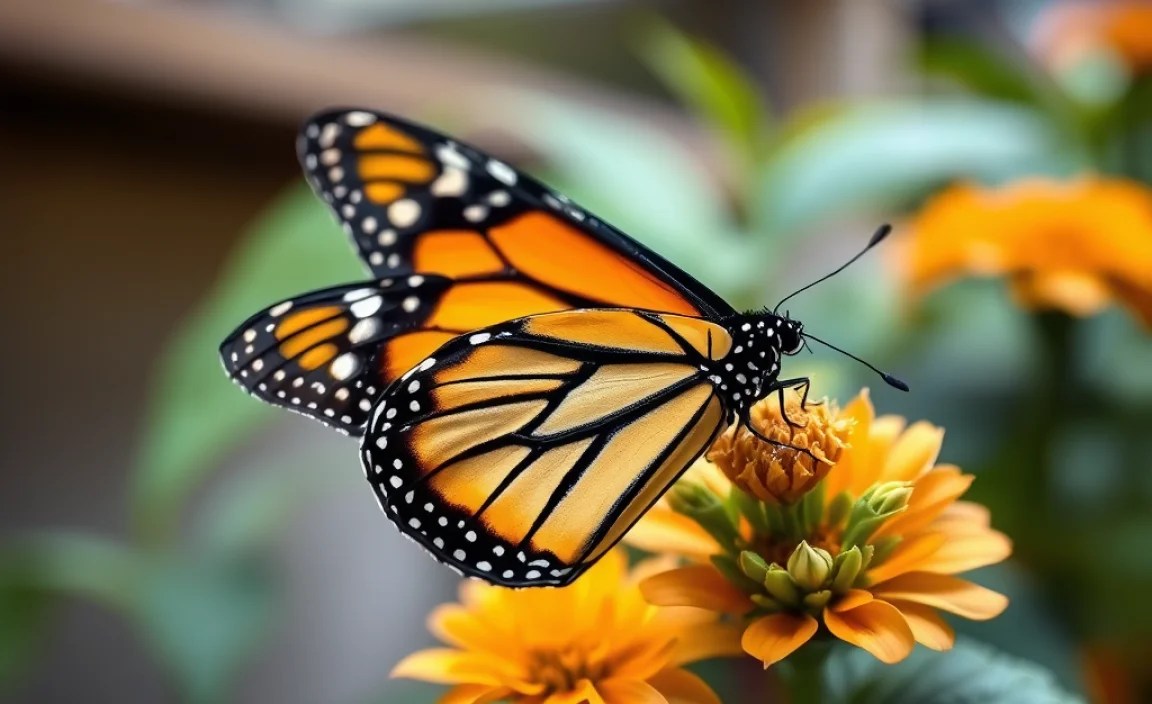
Creating a monarch-friendly garden is a rewarding way to support these beautiful creatures. Here are some tips:
- Choose Native Milkweed: Select milkweed species that are native to your region. Native milkweed is more likely to be used by monarch butterflies and will thrive in your local climate.
- Plant a Variety of Nectar Flowers: Choose a variety of flowers that bloom at different times throughout the growing season. This will provide a continuous source of nectar for adult butterflies.
- Provide Shelter: Plant shrubs and other plants to provide shelter for caterpillars and adult butterflies.
- Avoid Pesticides: Never use pesticides in your garden, as they can harm or kill monarch butterflies and other beneficial insects.
- Provide a Water Source: Provide a shallow dish of water with pebbles or stones for butterflies to land on.
- Certify Your Garden: Consider certifying your garden as a monarch-friendly habitat through organizations like Monarch Watch or the National Wildlife Federation.
Recommended Native Milkweed Species:
| Milkweed Species | Region | Description |
|---|---|---|
| Common Milkweed (Asclepias syriaca) | Eastern and Central US | Tall plant with large leaves and fragrant pink flowers. |
| Swamp Milkweed (Asclepias incarnata) | Eastern and Central US | Prefers moist soil and has clusters of pink or purple flowers. |
| Butterfly Weed (Asclepias tuberosa) | Eastern and Central US | Drought-tolerant plant with bright orange flowers. |
| Showy Milkweed (Asclepias speciosa) | Western US | Large plant with showy pink flowers. |
| Narrowleaf Milkweed (Asclepias fascicularis) | Western US | Adaptable to various soil types and has clusters of white or pink flowers. |
The Monarch Butterfly Migration

One of the most remarkable aspects of the monarch butterfly’s life cycle is its incredible migration. Here’s a closer look:
- Eastern Monarchs: Eastern monarch butterflies migrate from Canada and the United States to overwinter in the oyamel fir forests of central Mexico. This journey can be as long as 3,000 miles!
- Western Monarchs: Western monarch butterflies migrate to overwintering sites along the California coast.
- Generational Migration: The monarch migration is a multi-generational event. The butterflies that make the journey to the overwintering sites are not the same ones that started the journey. It takes several generations of monarchs to complete the round trip.
- Navigation: Monarch butterflies use a combination of environmental cues, including the position of the sun and the Earth’s magnetic field, to navigate during their migration.
Threats to the Monarch Migration:
- Habitat Loss: Deforestation and development are destroying monarch overwintering habitats in Mexico and California.
- Climate Change: Extreme weather events, such as droughts and storms, can disrupt the monarch migration and reduce their populations.
- Pesticide Use: Pesticides can harm or kill monarch butterflies and their caterpillars.
Monarch Butterfly Conservation
Monarch butterflies are facing many challenges, but there are many things you can do to help protect them. Here are some conservation efforts you can support:
- Plant Milkweed and Nectar Flowers: Provide monarchs with the food and habitat they need to survive.
- Avoid Pesticides: Protect monarchs from harmful chemicals by avoiding pesticide use.
- Support Conservation Organizations: Donate to organizations that are working to protect monarch butterflies and their habitats.
- Educate Others: Share your knowledge about monarch butterflies with others and encourage them to take action.
- Participate in Citizen Science Projects: Contribute to monarch research by participating in citizen science projects, such as Monarch Watch and Journey North.
Citizen Science Projects:
- Monarch Watch: A program that engages citizens in monarch research, including tagging monarchs and monitoring their populations.
- Journey North: A citizen science project that tracks the migration of monarchs and other wildlife.
- iNaturalist: A platform where you can record your observations of monarch butterflies and other species, contributing to scientific research.
Frequently Asked Questions (FAQ)
Here are some frequently asked questions about monarch butterfly life stages:
- Q: What is the most important thing I can do to help monarch butterflies?
- A: Planting milkweed is the single most important thing you can do. Monarch caterpillars can only eat milkweed, so providing this food source is essential for their survival.
- Q: How long does it take for a monarch butterfly to complete its life cycle?
- A: The entire life cycle, from egg to adult, takes about a month.
- Q: What do monarch butterflies eat?
- A: Monarch caterpillars eat milkweed leaves exclusively. Adult butterflies feed on nectar from flowers.
- Q: How can I tell the difference between a male and female monarch butterfly?
- A: Males have two black spots on their hindwings, while females do not.
- Q: What is the monarch butterfly migration?
- A: The monarch migration is a multi-generational journey that takes place each year. Eastern monarchs migrate from Canada and the United States to overwinter in Mexico, while western monarchs migrate to overwintering sites along the California coast.
- Q: Are monarch butterflies endangered?
- A: Monarch butterfly populations have declined significantly in recent years, and they are currently listed as endangered by the International Union for Conservation of Nature (IUCN). Protecting their habitat and providing them with the resources they need is crucial for their survival.
- Q: Where can I learn more about monarch butterflies?
- A: Excellent resources include Monarch Watch, the Xerces Society, and the National Wildlife Federation. These organizations offer a wealth of information about monarch butterflies and their conservation.
Conclusion
The life cycle of the monarch butterfly is a testament to the wonders of nature. From the tiny egg to the majestic adult, each stage is a critical part of this incredible transformation. By understanding the monarch’s life stages and providing them with the resources they need, we can all play a part in protecting these beautiful creatures for generations to come. So, plant some milkweed, nurture a butterfly garden, and share the magic of monarchs with others. Together, we can make a difference!


