Painted Lady Butterfly Development Stages: A Quick Guide

Have you ever seen a butterfly flutter by? It’s like a tiny, colorful airplane. Butterflies weren’t always butterflies. They go through amazing changes. These changes are called painted lady butterfly development stages.
Imagine a caterpillar turning into a butterfly. It sounds like magic, right? Let’s learn about how a painted lady butterfly grows. We will explore each stage of its life. Get ready for a fun adventure!
Butterflies start as tiny eggs. Then, they become caterpillars. Next, they form a chrysalis. Finally, they emerge as beautiful butterflies. Each stage is important for their survival. Are you ready to learn more about this process?
Key Takeaways
- Painted lady butterfly development stages include egg, larva (caterpillar), pupa (chrysalis), and adult.
- Caterpillars eat a lot to grow big and strong before changing.
- The chrysalis is a safe place where the caterpillar transforms.
- Adult butterflies drink nectar from flowers using a long straw.
- These butterflies are important pollinators for many plants.
Understanding Painted Lady Butterfly Life Cycle

The life cycle of a painted lady butterfly is truly amazing. It has four main painted lady butterfly development stages. These stages are egg, larva (caterpillar), pupa (chrysalis), and adult butterfly. Each stage looks very different. The butterfly changes a lot during its life. First, the female butterfly lays her eggs on leaves. These eggs are tiny and often laid on thistle plants. When the egg hatches, a small caterpillar comes out. The caterpillar eats and grows. It sheds its skin many times as it grows bigger. After growing, the caterpillar forms a chrysalis. Inside the chrysalis, the caterpillar changes into a butterfly. Finally, a beautiful butterfly emerges from the chrysalis. It flies away to find food and lay eggs. The cycle starts again.
- Eggs are laid on leaves.
- Caterpillars eat and grow.
- Caterpillars shed their skin.
- A chrysalis is formed.
- A butterfly emerges.
- Butterflies find food and lay eggs.
The transformation from a tiny egg to a flying butterfly is incredible. Each stage plays a vital role in the butterfly’s life. The egg stage is the beginning. The larva stage is all about eating and growing. The pupa stage is where the magic happens. The adult stage is for reproduction and spreading life. Butterflies are important pollinators. They help flowers make seeds. Without butterflies, many plants would not survive. Understanding the butterfly’s life cycle helps us appreciate nature. We can learn how to protect these amazing creatures. They add beauty and wonder to our world. Protecting their habitats is very important.
Fun Fact or Stat: A painted lady butterfly can fly up to 100 miles in a single day!
What Do Painted Lady Eggs Look Like?
Have you ever seen a butterfly egg? They are very small. Painted lady butterfly eggs are usually green or yellowish. They are laid on the leaves of plants. Often, the eggs are laid on thistle plants. The eggs have tiny ridges on them. These ridges help the baby caterpillar break out. The mother butterfly chooses the right plant. This is because the caterpillar will eat that plant. She wants to make sure her babies have food. The eggs are usually laid alone. Sometimes, they are laid in small groups. The eggs are very delicate. They need the right temperature and humidity. If it is too dry, the eggs might not hatch. If it is too cold, the eggs might not hatch. The painted lady butterfly eggs are a small start to a big journey.
How Long Does the Egg Stage Last?
The egg stage of a painted lady butterfly is short. It usually lasts about three to seven days. The exact time depends on the weather. Warmer temperatures make the eggs hatch faster. Colder temperatures slow down the process. During this time, the tiny caterpillar is growing inside the egg. It is getting ready to break out and start eating. The egg provides everything the caterpillar needs to grow. It is like a tiny apartment with food inside. Once the caterpillar is ready, it chews its way out of the egg. It is hungry and ready to eat the leaf it was born on. The short egg stage is a very important part of the butterfly’s life. It is the beginning of the amazing transformation.
Why Are Eggs Laid on Specific Plants?
Why do painted lady butterflies lay their eggs on specific plants? It is all about food for the caterpillars. The mother butterfly knows what her babies need to eat. Painted lady caterpillars love to eat thistle plants. They also eat other plants like mallow and sunflowers. The mother butterfly lays her eggs on these plants. This ensures that the caterpillars have a good food source. The caterpillars eat a lot. They need to grow quickly. If the mother butterfly laid her eggs on the wrong plant, the caterpillars would not survive. They would not have the right food to eat. So, the mother butterfly is very careful. She chooses the right plant to give her babies the best start in life. This is a great example of how nature works to protect its young.
Caterpillar Stage of Painted Lady Butterflies

The caterpillar stage is a very busy time. It’s a time of eating and growing. The painted lady butterfly development stages show this clearly. Once the egg hatches, a tiny caterpillar emerges. This caterpillar is also called a larva. The main job of the caterpillar is to eat. It eats leaves all day long. Caterpillars grow very fast. As they grow, they shed their skin. This shedding is called molting. They do this several times. Each time they shed, they get bigger. Painted lady caterpillars are spiky and have different colors. These colors can help protect them from predators. After a few weeks, the caterpillar is ready to change. It finds a safe place to form a chrysalis. This is the next big step in its life cycle. The caterpillar stage is all about getting ready for the amazing transformation to come.
- Caterpillars eat leaves.
- They grow very fast.
- Caterpillars shed their skin.
- This is called molting.
- They find a safe place.
- They form a chrysalis.
Caterpillars have an interesting way of defending themselves. Some caterpillars have spines or hairs. These make them less appealing to predators. The painted lady caterpillar has spines. These spines help to protect it from birds and other animals. The caterpillar also blends in with its surroundings. This is called camouflage. It makes it harder for predators to see them. Caterpillars also have a special trick. They can spit out a liquid that tastes bad. This can scare away predators. The caterpillar stage is full of challenges. But the caterpillar has many ways to survive. These adaptations help the caterpillar grow big and strong. This prepares it for the next stage of its life. It’s an amazing example of survival in nature.
Fun Fact or Stat: A caterpillar can increase its weight by over 1,000 times during its growth!
What Do Painted Lady Caterpillars Eat?
What do painted lady caterpillars eat? They have a big appetite for leaves. Their favorite food is thistle. They also eat mallow, sunflower, and other plants. The caterpillars munch on leaves all day long. They need to eat a lot to grow. They have strong jaws that help them chew the leaves. As they eat, they grow bigger and bigger. They need the energy from the leaves. This energy helps them transform into a butterfly. The mother butterfly chooses the right plants. This ensures the caterpillars have plenty of food. Without enough food, the caterpillars would not survive. They need a constant supply of fresh leaves. This helps them grow into healthy butterflies. Their diet is very important for their development.
How Many Times Do Caterpillars Molt?
Caterpillars grow quickly. As they grow, their skin gets too tight. So, they shed their skin. This is called molting. Painted lady caterpillars molt about five times. Each time they molt, they grow bigger. They also look a little different. After each molt, they have a new, larger skin. The old skin is left behind. It looks like a tiny, empty shell. The molting process is important for growth. It allows the caterpillar to get bigger and bigger. Each stage between molts is called an instar. So, a painted lady caterpillar goes through five instars. The final molt is when the caterpillar turns into a chrysalis. This is the biggest change of all. Molting is a natural part of the caterpillar’s life.
How Do Caterpillars Protect Themselves?
Caterpillars face many dangers. Birds, insects, and other animals want to eat them. So, caterpillars have ways to protect themselves. Some caterpillars have camouflage. They blend in with the leaves. This makes it hard for predators to see them. Other caterpillars have spines or hairs. These make them less appealing to eat. Painted lady caterpillars have spines. These spines help to protect them. Some caterpillars taste bad. This makes predators avoid them. Some caterpillars can even spit out a liquid. This can scare away predators. Caterpillars use different strategies. These strategies help them survive. They need to stay safe so they can grow. They need to grow into beautiful butterflies. Their survival depends on these defenses.
Pupa Stage: Chrysalis Formation in Painted Ladies

The pupa stage is a time of big change. This is one of the most fascinating painted lady butterfly development stages. After growing as a caterpillar, the painted lady prepares to transform. It finds a safe place, often hanging upside down from a leaf or stem. The caterpillar then forms a chrysalis around itself. The chrysalis is a hard shell. It protects the caterpillar inside. Inside the chrysalis, the caterpillar changes completely. It turns into a butterfly. This process is called metamorphosis. It takes about one to two weeks. The chrysalis might look still, but a lot is happening inside. When the butterfly is ready, the chrysalis splits open. The butterfly emerges. This is a magical moment. The pupa stage is a time of amazing transformation.
- Caterpillar finds a safe place.
- It hangs upside down.
- A chrysalis forms around it.
- The butterfly changes inside.
- This is called metamorphosis.
- The chrysalis splits open.
- A butterfly emerges.
The chrysalis of a painted lady butterfly is a beautiful sight. It is usually brown or tan in color. It has small spots and lines on it. These markings help to camouflage it. The chrysalis blends in with its surroundings. This makes it harder for predators to see. The shape of the chrysalis is also interesting. It is smooth and rounded. It looks like a small, curled-up leaf. Inside the chrysalis, the butterfly is forming. The wings, legs, and other body parts are developing. The chrysalis provides a safe and protected environment. This allows the butterfly to grow and change. It is a temporary home for the developing butterfly. The chrysalis is an important part of the butterfly’s life cycle.
Fun Fact or Stat: The pupa stage can last from a few days to two years, depending on the butterfly species!
What Happens Inside the Chrysalis?
What happens inside the chrysalis? It is a time of amazing transformation. The caterpillar’s body breaks down. Then, it rebuilds itself into a butterfly. This process is called metamorphosis. Special cells called imaginal discs are responsible. These cells contain the instructions for building a butterfly. They use the caterpillar’s body as building blocks. The wings, legs, and other body parts form. The caterpillar’s organs change. They become the organs of a butterfly. The process is complex and amazing. Scientists are still learning about it. The chrysalis provides a safe environment. This allows the transformation to happen. It is a time of great change and growth. The result is a beautiful butterfly.
How Long Does the Chrysalis Stage Last?
The chrysalis stage does not last very long. For a painted lady butterfly, it usually lasts about one to two weeks. The exact time depends on the temperature. Warmer temperatures make the process faster. Colder temperatures slow it down. During this time, the butterfly is developing inside. It is changing from a caterpillar to a butterfly. The chrysalis provides protection. It keeps the developing butterfly safe from harm. After one to two weeks, the butterfly is ready. It breaks out of the chrysalis. It emerges as a beautiful, winged insect. The short chrysalis stage is a critical part of the butterfly’s life cycle.
How Does the Butterfly Emerge from the Chrysalis?
The moment when the butterfly emerges is special. The chrysalis starts to become clear. You can see the butterfly’s wings inside. The chrysalis splits open along the seams. The butterfly slowly crawls out. Its wings are wet and crumpled. They are not yet ready for flight. The butterfly pumps fluid into its wings. This makes them expand. It takes about an hour for the wings to dry and harden. Then, the butterfly can fly away. The butterfly is vulnerable at this time. It needs to be careful of predators. The emergence from the chrysalis is a delicate process. It is a sign of new life and transformation. It is a beautiful sight to see.
Adult Stage: The Painted Lady Butterfly Emerges
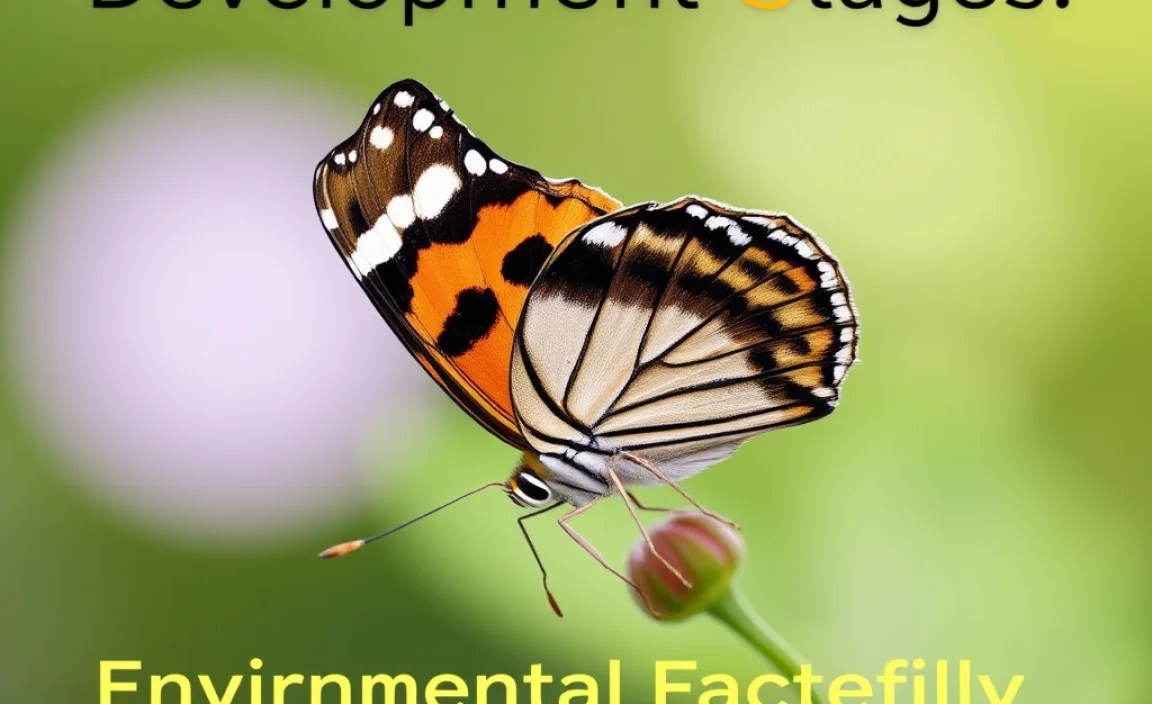
The adult stage is the final stage. It is one of the most beautiful painted lady butterfly development stages. The butterfly emerges from the chrysalis. Its wings are wet and crumpled at first. It takes a few hours for them to dry and expand. Once the wings are dry, the butterfly can fly. Adult painted lady butterflies are orange and brown. They have white spots on their wings. They are beautiful and graceful. The main job of the adult butterfly is to reproduce. They find a mate and lay eggs. They also drink nectar from flowers. They use a long, straw-like tongue called a proboscis. Adult butterflies live for about two to four weeks. They bring beauty and joy to our world. They are important pollinators for many plants.
- Butterfly emerges from chrysalis.
- Wings are wet and crumpled.
- Wings dry and expand.
- Butterflies are orange and brown.
- They drink nectar from flowers.
- They lay eggs.
- They live for a few weeks.
Painted lady butterflies are known for their long migrations. They can travel thousands of miles. They fly from one place to another in search of food and breeding grounds. These butterflies are very strong fliers. They can fly long distances without stopping. They often migrate in large groups. This makes it easier for them to find food and avoid predators. The migration of painted lady butterflies is an amazing sight. It shows the strength and resilience of these creatures. Scientists study their migration patterns. This helps them understand how butterflies adapt to different environments. It also helps them protect these important pollinators.
Fun Fact or Stat: Painted lady butterflies migrate longer distances than any other butterfly species!
What Do Adult Butterflies Eat?
What do adult painted lady butterflies eat? They drink nectar from flowers. They use a long, straw-like tongue called a proboscis. They unroll their proboscis and sip the nectar. Nectar is a sweet liquid made by flowers. It is full of energy. This energy helps the butterflies fly and reproduce. Butterflies also drink water. They get water from dew on plants or from puddles. They need water to stay hydrated. Some butterflies also drink sap from trees. They get minerals and nutrients from the sap. Adult butterflies need a variety of food sources. This helps them stay healthy and strong. Their diet is essential for their survival.
How Do Butterflies Find a Mate?
How do butterflies find a mate? They use different strategies. Some butterflies use sight. The males look for females with bright colors. Other butterflies use scent. The females release chemicals called pheromones. The males can smell these pheromones from far away. Some butterflies use both sight and scent. They combine these strategies to find a mate. Once a male finds a female, they may perform a courtship dance. This dance helps them get to know each other. If the female is interested, she will mate with the male. Finding a mate is important for reproduction. It ensures that the butterfly’s genes are passed on. These strategies help them continue their life cycle.
Where Do Butterflies Lay Their Eggs?
Butterflies are very careful about where they lay their eggs. They want to make sure their babies have a good start in life. Painted lady butterflies lay their eggs on specific plants. They often lay their eggs on thistle plants. They also lay eggs on mallow and sunflower plants. The mother butterfly chooses these plants. This ensures that the caterpillars have plenty of food. The caterpillars will eat the leaves of these plants. The mother butterfly lays her eggs one at a time. She attaches them to the underside of the leaves. This protects the eggs from the sun and rain. The mother butterfly is very selective. She wants to give her babies the best chance of survival.
Environmental Factors Affecting Painted Lady Development
Several environmental factors can affect painted lady butterfly development stages. Temperature is a big one. Warm temperatures speed up development. Cold temperatures slow it down. If it is too cold, the eggs or caterpillars might not survive. Sunlight is also important. Butterflies need sunlight to stay warm. They also need sunlight for their metabolism. Rain can also affect butterflies. Too much rain can wash away eggs or caterpillars. Lack of rain can dry out their food source. The availability of food is crucial. Caterpillars need plenty of leaves to eat. Adult butterflies need nectar from flowers. Pollution can also harm butterflies. Pesticides can kill them. Loss of habitat is another big threat. Butterflies need places to live and breed. Protecting the environment is important for butterfly survival.
- Temperature affects development.
- Sunlight is needed for warmth.
- Rain can wash away eggs.
- Food availability is crucial.
- Pollution can harm butterflies.
- Habitat loss is a threat.
Climate change is having a big impact on butterflies. Warmer temperatures are changing their migration patterns. Butterflies are flying to new areas in search of cooler temperatures. Changes in rainfall are affecting their food sources. Some plants are blooming earlier or later than usual. This can make it hard for butterflies to find nectar. Extreme weather events, such as droughts and floods, can also harm butterflies. These events can destroy their habitats and food sources. Climate change is a serious threat to butterflies. We need to take action to reduce our carbon footprint. This will help protect butterflies and other wildlife. It will also help preserve the beauty of our planet.
Fun Fact or Stat: Climate change is causing some butterfly species to shift their ranges northward!
How Does Temperature Affect Development?
Temperature plays a big role in butterfly development. Warm temperatures speed up the process. The eggs hatch faster. The caterpillars grow faster. The chrysalis stage is shorter. Cold temperatures slow everything down. The eggs take longer to hatch. The caterpillars grow more slowly. The chrysalis stage is longer. If it is too cold, the eggs or caterpillars might not survive. They can freeze or starve. Butterflies are cold-blooded. This means their body temperature depends on the environment. They need warmth to be active. They need warmth to fly and reproduce. Temperature is a critical factor in their survival. Changes in temperature can have a big impact on their populations.
What Role Does Sunlight Play?
Sunlight is very important for butterflies. They need sunlight to stay warm. Butterflies are cold-blooded. They rely on the sun to raise their body temperature. When they are warm, they can fly and be active. Sunlight also helps them with their metabolism. It helps them digest food and produce energy. Butterflies also use sunlight to navigate. They can see polarized light. This helps them find their way during migration. Sunlight is essential for butterfly survival. Without sunlight, they cannot thrive. They need sunny days to be active and healthy. This makes sunlight a vital resource for them.
How Does Rainfall Affect Butterfly Populations?
Rainfall can have both positive and negative effects on butterflies. Too much rain can wash away eggs and caterpillars. It can also damage their food sources. Lack of rain can cause drought. This can dry out the plants that caterpillars eat. Adult butterflies also need water. They get water from dew on plants or from puddles. Rainfall is important for maintaining healthy plant life. This provides food for caterpillars and nectar for adult butterflies. The right amount of rainfall is essential for butterfly populations. Too much or too little can be harmful. A balanced ecosystem is needed for butterflies to thrive. This includes the right amount of rainfall.
Threats to Painted Lady Butterfly Populations
Painted lady butterfly development stages face many threats. Habitat loss is a major problem. As humans build more houses and roads, butterflies lose their homes. Pesticides are also harmful. These chemicals can kill butterflies and their caterpillars. Climate change is another threat. Warmer temperatures and changes in rainfall can disrupt their life cycle. Pollution can also harm butterflies. Air and water pollution can damage their habitats and food sources. Invasive species can compete with butterflies for food. They can also prey on butterfly eggs and caterpillars. Protecting butterfly populations requires addressing these threats. We need to conserve their habitats, reduce pesticide use, and combat climate change.
| Threat | Description | Impact on Butterflies |
|---|---|---|
| Habitat Loss | Destruction of natural areas | Loss of breeding and feeding grounds |
| Pesticides | Chemicals used to kill insects | Direct poisoning and food source contamination |
| Climate Change | Changes in temperature and rainfall | Disruption of life cycle and migration patterns |
| Pollution | Contamination of air and water | Damage to habitats and food sources |
| Invasive Species | Non-native species that compete with butterflies | Competition for resources and predation |
Conservation efforts are crucial for protecting butterfly populations. These efforts include habitat restoration, planting native plants, and reducing pesticide use. Habitat restoration involves restoring damaged or destroyed habitats. This can provide butterflies with new places to live and breed. Planting native plants provides food for caterpillars and nectar for adult butterflies. Reducing pesticide use helps to protect butterflies from harmful chemicals. Educating the public about the importance of butterflies is also important. This can help to raise awareness and encourage people to take action. By working together, we can help protect butterfly populations and ensure their survival for future generations. Every small action makes a difference.
Fun Fact or Stat: Over 20% of butterfly species are at risk of extinction!
What is Habitat Loss?
Habitat loss is a big problem for butterflies. It happens when their homes are destroyed. This can be caused by building houses, roads, and shopping centers. It can also be caused by farming and logging. When habitats are destroyed, butterflies lose their breeding grounds. They also lose their food sources. Caterpillars need plants to eat. Adult butterflies need nectar from flowers. Without these resources, butterflies cannot survive. Habitat loss is a major threat to butterfly populations. It is important to protect and restore their habitats. This will help them thrive. It is also important to create new habitats. This can be done by planting native plants in gardens and parks. Protecting butterfly habitats is essential for their survival.
How Do Pesticides Harm Butterflies?
Pesticides are chemicals used to kill insects. They can be very harmful to butterflies. Pesticides can kill butterflies directly. They can also poison their food sources. Caterpillars eat plants that have been sprayed with pesticides. This can kill them. Adult butterflies drink nectar from flowers that have been sprayed with pesticides. This can also kill them. Pesticides can also harm butterflies indirectly. They can reduce the number of plants that caterpillars eat. They can also reduce the number of flowers that adult butterflies need. Reducing pesticide use is important for protecting butterfly populations. We can use natural methods to control pests. We can also plant native plants that are resistant to pests. This will help to create a safer environment for butterflies.
What Can Be Done to Help Butterflies?
There are many things we can do to help butterflies. We can plant native plants in our gardens. This will provide food for caterpillars and nectar for adult butterflies. We can avoid using pesticides. This will protect butterflies from harmful chemicals. We can create butterfly-friendly habitats. This can be done by providing shelter and water sources. We can also educate others about the importance of butterflies. This will help to raise awareness and encourage people to take action. Supporting conservation organizations is also important. These organizations work to protect butterfly habitats and promote butterfly conservation. Every small action can make a big difference. By working together, we can help protect butterflies and ensure their survival.
Conserving Painted Lady Butterflies and Their Habitats
Conserving painted lady butterfly development stages and their habitats is vital. These butterflies play an important role in our ecosystem. They are pollinators. They help plants reproduce. Protecting their habitats is key. We can create butterfly gardens with native plants. These gardens provide food and shelter. Reducing pesticide use is crucial. Pesticides can harm butterflies and other beneficial insects. Supporting local conservation organizations helps. They work to protect butterfly habitats. Educating others about butterflies is also important. Raising awareness can inspire action. We can all make a difference in protecting these beautiful creatures. Even small actions can have a big impact. Conserving butterflies benefits the entire ecosystem.
- Create butterfly gardens.
- Plant native plants.
- Reduce pesticide use.
- Support conservation organizations.
- Educate others about butterflies.
- Protect butterfly habitats.
Creating a butterfly garden is a fun and easy way to help butterflies. Choose a sunny spot in your yard. Plant a variety of native plants that provide nectar for adult butterflies. Include plants that caterpillars can eat. Provide a water source, such as a shallow dish of water with pebbles. Avoid using pesticides in your garden. These chemicals can harm butterflies. Provide shelter, such as shrubs or trees. This will give butterflies a place to rest and hide from predators. A butterfly garden can be a beautiful and beneficial addition to your yard. It can also provide a valuable habitat for butterflies and other pollinators. It is a great way to connect with nature.
Fun Fact or Stat: A single butterfly garden can attract dozens of butterfly species!
How to Create a Butterfly Garden?
Creating a butterfly garden is easy. First, choose a sunny spot. Butterflies need sunlight to stay warm. Next, plant native plants. Native plants are best for butterflies. They provide the right food and shelter. Include plants for caterpillars. Caterpillars need specific plants to eat. Also, include plants for adult butterflies. Adult butterflies need nectar from flowers. Provide a water source. Butterflies need water to drink. A shallow dish of water with pebbles works well. Avoid using pesticides. Pesticides can harm butterflies. Finally, provide shelter. Shrubs and trees give butterflies a place to rest. Creating a butterfly garden is fun and rewarding. It helps butterflies and beautifies your yard.
Why Are Native Plants Important?
Native plants are very important for butterflies. They have evolved together. Butterflies have adapted to eat native plants. Native plants provide the right nutrients. They also provide the right habitat. Non-native plants may not be suitable. Caterpillars may not be able to eat them. Adult butterflies may not be able to find nectar. Native plants also support other wildlife. They provide food and shelter for birds and insects. Planting native plants is good for the environment. It helps to create a healthy ecosystem. It also helps to conserve water. Native plants are adapted to the local climate. They do not need as much watering as non-native plants. Planting native plants is a great way to help butterflies and the environment.
How Can We Reduce Pesticide Use?
Reducing pesticide use is important for butterflies. Pesticides can harm butterflies and other beneficial insects. There are many ways to reduce pesticide use. First, use natural methods to control pests. This includes using beneficial insects and hand-picking pests. Second, choose plants that are resistant to pests. These plants do not need as much pesticide. Third, use pesticides sparingly. Only use them when necessary. Fourth, use targeted pesticides. These pesticides only kill specific pests. Fifth, avoid spraying pesticides on flowers. This will protect adult butterflies. Sixth, educate others about the dangers of pesticides. This will help to raise awareness and encourage people to reduce their pesticide use. Reducing pesticide use is good for butterflies and the environment.
Summary
The painted lady butterfly development stages are an amazing transformation. It begins with a tiny egg. The egg hatches into a caterpillar. The caterpillar eats and grows. It molts several times. Then, it forms a chrysalis. Inside the chrysalis, the caterpillar changes into a butterfly. The butterfly emerges with beautiful wings. It flies off to find food and reproduce. Each stage is important for the butterfly’s survival. Environmental factors play a role in their growth. Threats like habitat loss and pesticides can harm them. We can help butterflies by planting native plants. We can also reduce pesticide use. Conserving butterflies benefits our ecosystem. They are important pollinators. They add beauty to our world.
Conclusion
The life cycle of a painted lady butterfly is a fascinating journey. From a tiny egg to a beautiful butterfly, each stage is unique and important. Understanding the painted lady butterfly development stages helps us appreciate these amazing creatures. We can take action to protect their habitats and ensure their survival. By planting native plants, reducing pesticide use, and supporting conservation efforts, we can make a difference. Let’s all do our part to help painted lady butterflies thrive for generations to come. They are a valuable part of our natural world.
Frequently Asked Questions
Question No 1: What are the four main stages of a painted lady butterfly’s life cycle?
Answer: The four main stages of the painted lady butterfly development stages are egg, larva (caterpillar), pupa (chrysalis), and adult. The egg is laid on a leaf. The larva hatches and eats a lot. The pupa forms a protective shell. The adult butterfly emerges and flies away. Each stage is important for the butterfly’s survival. These stages show the incredible transformation that butterflies undergo during their lives. The process is truly amazing and beautiful to observe in nature.
Question No 2: How long does it take for a painted lady butterfly to complete its life cycle?
Answer: The time it takes for a painted lady butterfly to complete its life cycle depends on the temperature. In warmer temperatures, the life cycle can be completed in about a month. In colder temperatures, it can take longer. The egg stage lasts a few days. The caterpillar stage lasts a few weeks. The pupa stage lasts about a week or two. The adult butterfly lives for a few weeks. The entire process is relatively quick compared to other insects. The speed of the painted lady butterfly development stages allows for multiple generations in a single year.
Question No 3: What do painted lady caterpillars eat?
Answer: Painted lady caterpillars are not picky eaters. They eat a variety of plants. Their favorite food is thistle. They also eat mallow, sunflower, and other plants. They munch on leaves all day long. They need to eat a lot to grow big and strong. The mother butterfly chooses the right plants to lay her eggs on. This ensures that the caterpillars have a good food source. Without enough food, the caterpillars would not survive. They need a constant supply of fresh leaves. Therefore, the food they eat is very important for their development during the painted lady butterfly development stages.
Question No 4: How can I attract painted lady butterflies to my garden?
Answer: To attract painted lady butterflies to your garden, plant their favorite flowers. Some good choices include thistle, butterfly bush, coneflowers, and zinnias. These flowers provide nectar for the adult butterflies. Also, plant plants that the caterpillars can eat, such as thistle and mallow. Avoid using pesticides in your garden. These chemicals can harm butterflies and other beneficial insects. Provide a water source, such as a shallow dish of water with pebbles. Create a sunny spot in your garden. Butterflies need sunlight to stay warm. By providing the right food, water, and shelter, you can create a butterfly-friendly habitat.
Question No 5: Are painted lady butterflies migratory?
Answer: Yes, painted lady butterflies are known for their long migrations. They can travel thousands of miles. They fly from one place to another in search of food and breeding grounds. These butterflies are very strong fliers. They can fly long distances without stopping. They often migrate in large groups. This makes it easier for them to find food and avoid predators. The migration of painted lady butterflies is an amazing sight. Scientists study their migration patterns to learn more about their behavior and painted lady butterfly development stages. The migration helps them to survive in different environments.
Question No 6: What are some threats to painted lady butterfly populations?
Answer: Painted lady butterfly populations face several threats. Habitat loss is a major problem. As humans build more houses and roads, butterflies lose their homes. Pesticides are also harmful. These chemicals can kill butterflies and their caterpillars. Climate change is another threat. Warmer temperatures and changes in rainfall can disrupt their life cycle. Pollution can also harm butterflies. Invasive species can compete with butterflies for food. It is important to protect butterfly habitats and reduce pesticide use. These actions will help to ensure the survival of painted lady butterflies. Conservation efforts can help to protect the painted lady butterfly development stages from negative impacts.