
Identify Butterfly Species United States: Easy Guide

Have you ever seen a butterfly and wondered what kind it was? Butterflies are beautiful. They fly around in gardens and parks. It can be fun to {identify butterfly species united states}. There are so many different kinds. Some are big, and some are small. Some have bright colors. Others have patterns that help them hide.
Learning about butterflies is interesting. Each type has its own name. They also have unique markings. Knowing these things helps us {identify butterfly species united states}. It’s like being a butterfly detective. We can learn about their lives and where they live. This makes watching them even more special.
Imagine you’re walking in a field. A bright yellow butterfly flits past. You want to know what it is. There are tools and guides to help. These resources let you {identify butterfly species united states} easily. You can discover its name and its favorite plants. This turns a simple walk into an adventure.
Key Takeaways
- Using field guides helps you {identify butterfly species united states} accurately.
- Butterfly identification apps are useful tools for quick species lookups.
- Paying attention to color, size, and markings aids in butterfly identification.
- Different butterfly species live in various habitats across the United States.
- Learning about local butterflies enhances appreciation for nature.
How to Identify Butterfly Species United States

Identifying butterflies can be a fun hobby. It helps us learn about nature. Many factors help us tell them apart. These include color, size, and patterns. The shape of their wings is also important. Where you see the butterfly matters too. Some butterflies live only in certain areas. Knowing these things helps you {identify butterfly species united states}. There are many resources available. Books and websites offer pictures and descriptions. These tools make identifying butterflies easier. You can also join a local butterfly club. Experts there can help you learn. You will soon be able to name many butterflies! It takes time and practice. But it’s a rewarding way to connect with nature. So grab a field guide and start exploring!
- Check the butterfly’s size.
- Note the colors on its wings.
- Look for unique patterns.
- Observe its behavior.
- Consider the location.
- Use a field guide for reference.
The more you observe, the better you get. Start with common butterflies in your area. Learn their names and markings. Then, move on to less common ones. Use online resources to compare your observations. Many websites have photos of different species. Some even have interactive keys. These keys ask you questions about the butterfly. Then, they suggest possible matches. Remember to be patient. Butterfly identification can be tricky. Some species look very similar. But with practice, you’ll become an expert at {identify butterfly species united states}. Enjoy the journey of discovery!
Fun Fact or Stat: There are over 750 butterfly species in the United States!
What Makes Butterfly Identification Tricky?
Butterfly identification can be tricky. Some species look very alike. Their colors and patterns might be similar. This can make it hard to tell them apart. Also, butterflies can change. They look different at different stages of their lives. A caterpillar looks nothing like a butterfly. Even adult butterflies can vary. Males and females sometimes have different markings. Weather can also affect butterflies. Their colors might fade in the sun. Or their wings might get damaged. All of these things make {identify butterfly species united states} a challenge. But don’t give up! With practice, you’ll get better at spotting the differences.
Best Apps to Identify Butterfly Species
Do you want to {identify butterfly species united states} easily? There are apps for that! Many apps can help you identify butterflies. You just take a photo. The app compares it to its database. Then, it tells you the butterfly’s name. Some apps also give you information about the butterfly. You can learn about its habitat and food. These apps are great for beginners. They make identification quick and easy. However, they are not always perfect. The app might make a mistake. So, it’s always good to double-check. Use a field guide to confirm the identification. But apps can be a fun and helpful tool.
Why Location Matters When Identifying
Have you ever wondered why location matters? It’s very important when {identify butterfly species united states}. Different butterflies live in different places. Some live in forests. Others live in deserts. Some live only in specific areas. For example, a certain butterfly might live only in California. If you see that butterfly in Florida, it’s probably not that species. Location helps narrow down the possibilities. It gives you clues about what to look for. So, always note where you saw the butterfly. This will make identification much easier. It’s like being a detective! You use clues to solve the mystery.
Butterfly Wing Patterns for Identification
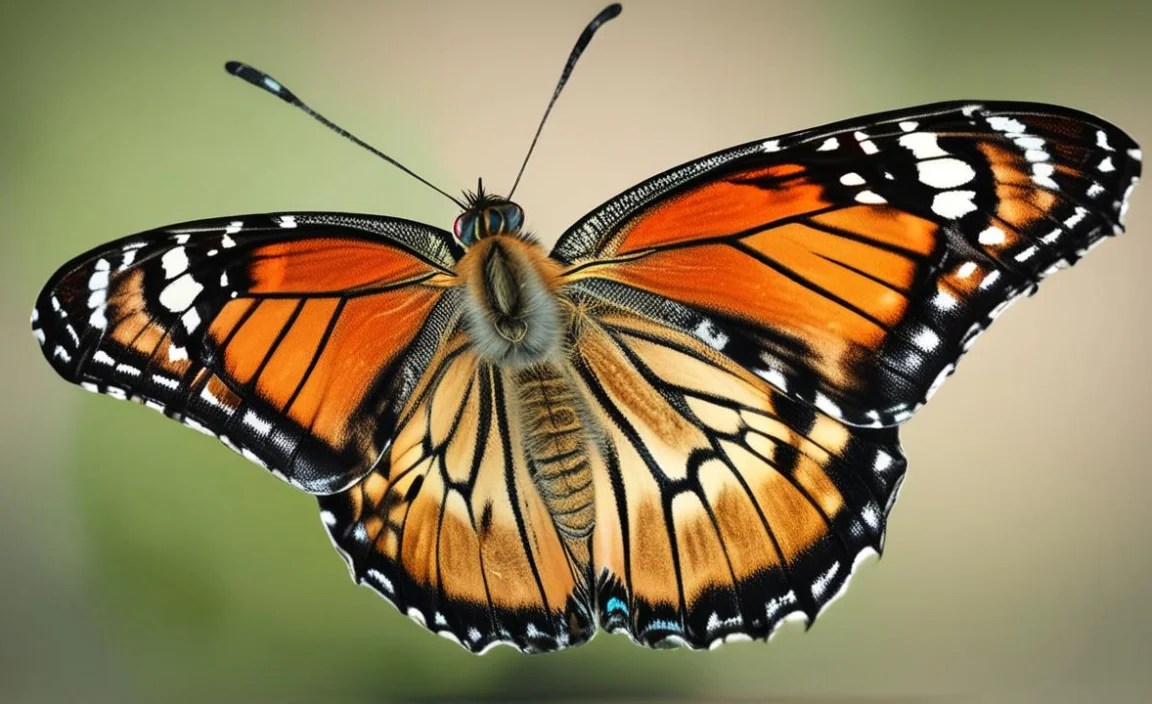
Butterfly wings are amazing. They come in many colors and patterns. These patterns help us {identify butterfly species united states}. Some butterflies have spots. Others have stripes or bands. Some have intricate designs. Look closely at the wing patterns. Notice the shapes and colors. Are there any unique markings? These details can help you identify the butterfly. For example, the Monarch butterfly has orange wings with black lines. The Viceroy butterfly looks similar. But it has an extra black line on its hindwing. Learning these differences takes time. But it’s a fun way to explore the world of butterflies. So, next time you see a butterfly, take a good look at its wings!
- Pay attention to the colors on the wings.
- Note any spots, stripes, or bands.
- Look for unique markings or patterns.
- Compare the patterns to those in a field guide.
- Consider the size and shape of the wings.
- Check if the patterns are symmetrical.
Wing patterns are not just for show. They also serve other purposes. Some patterns help butterflies camouflage. This means they blend in with their surroundings. This protects them from predators. Other patterns warn predators that the butterfly is poisonous. For example, Monarch butterflies eat milkweed. Milkweed makes them taste bad to birds. The Monarch’s bright colors warn birds to stay away. Some butterflies even mimic other species. They copy the patterns of poisonous butterflies. This tricks predators into avoiding them. Wing patterns are a fascinating part of butterfly biology. They play a role in survival and reproduction. It’s amazing how much information is packed into those tiny wings. {Identify butterfly species united states} involves learning to recognize these patterns.
Fun Fact or Stat: Butterfly wings are covered in thousands of tiny scales!
What Are the Main Types of Wing Patterns?
Butterfly wings have different types of patterns. Some have spots. These spots can be round or oval. They can be different colors. Some wings have stripes. Stripes are long lines. They can run across the wing. Other wings have bands. Bands are wider than stripes. They can also be different colors. Some wings have intricate designs. These designs can be complex and detailed. They might include swirls or other shapes. The type of wing pattern helps us {identify butterfly species united states}. It’s like reading a secret code. Each pattern tells us something about the butterfly.
How Do Wing Patterns Help Butterflies Survive?
Wing patterns help butterflies survive in many ways. Some patterns help them camouflage. This means they blend in with their surroundings. This protects them from predators. Other patterns warn predators that the butterfly is poisonous. Bright colors can signal danger. Some butterflies mimic other species. They copy the patterns of poisonous butterflies. This tricks predators into avoiding them. Wing patterns also help butterflies attract mates. Males and females might have different patterns. These patterns help them recognize each other. So, wing patterns are essential for survival. They help butterflies avoid danger and find mates. It’s amazing how much they rely on their wings. When you {identify butterfly species united states}, consider this.
Why Do Some Butterflies Mimic Others?
Some butterflies mimic others for protection. This is called mimicry. It’s a clever trick to fool predators. Some butterflies are poisonous. They taste bad to birds and other animals. These butterflies often have bright colors. The colors warn predators to stay away. Other butterflies are not poisonous. But they copy the colors and patterns of the poisonous ones. This makes predators think they are poisonous too. So, they avoid eating them. This is called Batesian mimicry. It’s a form of disguise. The non-poisonous butterfly is pretending to be something it’s not. This helps it survive in a dangerous world. This is a key factor when you {identify butterfly species united states}.
Using Color to Identify Butterfly Species

Color is a key factor in {identify butterfly species united states}. Butterflies come in many colors. Some are bright and vibrant. Others are dull and muted. The colors can help you narrow down the possibilities. For example, Monarch butterflies are orange and black. Blue Morpho butterflies are a brilliant blue. Swallowtail butterflies often have yellow and black markings. Pay attention to the colors you see. Are they solid colors? Or are they mixed with other colors? Are the colors bright or dull? Do the colors change depending on the light? All of these details can help you identify the butterfly. Color is just one piece of the puzzle. But it’s an important one.
- Note the dominant color of the wings.
- Look for any secondary colors or patterns.
- Consider the intensity of the colors.
- Check if the colors are iridescent.
- Compare the colors to those in a field guide.
- Observe how the colors change in different light.
Color in butterflies is created by tiny scales on their wings. These scales reflect light in different ways. Some scales contain pigments. Pigments are substances that absorb certain colors. Other scales create structural colors. Structural colors are created by the way light bounces off the scales. The combination of pigments and structural colors creates the wide range of colors we see in butterflies. Color also plays a role in communication. Male and female butterflies might have different colors. These colors help them recognize each other. Color can also warn predators that a butterfly is poisonous. So, color is not just for show. It’s an important part of butterfly biology. When you {identify butterfly species united states}, color can be your first clue.
Fun Fact or Stat: Some butterfly wings have iridescent colors that change depending on the angle you view them from!
How Do Butterflies Get Their Colors?
Butterflies get their colors from tiny scales on their wings. These scales contain pigments. Pigments are substances that absorb certain colors. For example, a butterfly with red scales has a red pigment. The pigment absorbs all colors except red. It reflects the red light back to our eyes. Other scales create structural colors. Structural colors are created by the way light bounces off the scales. The scales have tiny ridges and grooves. These ridges and grooves bend the light. This creates different colors. The combination of pigments and structural colors creates the wide range of colors we see in butterflies. When you {identify butterfly species united states}, remember this process.
Do Male and Female Butterflies Have Different Colors?
Yes, male and female butterflies often have different colors. This is called sexual dimorphism. It means that the two sexes look different. In some species, the male is brightly colored. The female is duller. This helps the male attract a mate. In other species, the female is brightly colored. This helps her warn predators that she is poisonous. Sometimes, both sexes have the same colors. But they might have different patterns. For example, the male might have more spots than the female. Or the female might have larger wings. These differences help them recognize each other. When you {identify butterfly species united states}, check for differences between males and females.
Can Butterfly Colors Change?
Butterfly colors can change slightly. This can happen for a few reasons. One reason is fading. Over time, the pigments in the scales can fade. This is especially true if the butterfly is exposed to sunlight. Another reason is damage. The scales on the wings can get damaged. This can change the way they reflect light. The colors might appear duller or different. A third reason is temperature. Temperature can affect the development of the scales. Butterflies that develop in warmer temperatures might have different colors than those that develop in cooler temperatures. However, these changes are usually small. The butterfly will still be recognizable as the same species. To {identify butterfly species united states} properly, consider these minor variations.
Butterfly Size as an Identification Clue

Size is another clue to {identify butterfly species united states}. Butterflies come in different sizes. Some are tiny, like the Western Pygmy Blue. It is less than an inch wide. Others are large, like the Queen Alexandra’s Birdwing. It can be almost a foot wide. Most butterflies fall somewhere in between. Pay attention to the size of the butterfly you see. Is it small, medium, or large? Compare it to other butterflies you know. This can help you narrow down the possibilities. Size is not the only factor. But it’s a helpful piece of information. Use it along with color, patterns, and location.
- Estimate the wingspan of the butterfly.
- Compare the size to common objects.
- Consider the size relative to other butterflies.
- Check if the size matches descriptions in a field guide.
- Note if the size is typical for the species.
- Be aware that size can vary slightly.
Butterfly size is determined by genetics. The genes of a butterfly determine how big it will grow. But environment also plays a role. A butterfly that has plenty of food will grow larger than one that is starved. Temperature can also affect size. Butterflies that develop in warmer temperatures might be smaller than those that develop in cooler temperatures. Size can also be a factor in survival. Larger butterflies might be better able to defend themselves from predators. Smaller butterflies might be better able to hide. So, size is an important part of butterfly biology. It’s a factor to consider when you {identify butterfly species united states}.
Fun Fact or Stat: The smallest butterfly in the world is the Western Pygmy Blue, with a wingspan of only about half an inch!
What Is the Average Size of Butterflies?
The average size of butterflies varies a lot. It depends on the species. Some butterflies are tiny, less than an inch wide. Others are huge, almost a foot wide. Most butterflies are somewhere in between. A typical butterfly might have a wingspan of 2-3 inches. This is about the size of your hand. However, there is a lot of variation. It’s important to consider the size relative to other butterflies. A butterfly that seems large might be small compared to another species. When you {identify butterfly species united states}, remember that size is relative.
How Does Size Affect Butterfly Flight?
Size affects butterfly flight in several ways. Larger butterflies tend to be stronger fliers. They can fly faster and farther. They can also carry heavier loads. This is important for migration. Smaller butterflies tend to be more maneuverable. They can turn and twist more easily. This is important for avoiding predators. Size also affects how butterflies use their wings. Larger butterflies tend to flap their wings more slowly. Smaller butterflies tend to flap their wings more quickly. These differences in flight style help them survive in different environments. {Identify butterfly species united states} requires understanding these adaptations.
Do Caterpillars Affect Butterfly Size?
Yes, caterpillars definitely affect butterfly size. The size of the caterpillar determines the size of the butterfly. A well-fed caterpillar will grow larger. It will have more energy to develop into a large butterfly. A starved caterpillar will grow smaller. It will have less energy to develop. The type of food the caterpillar eats also matters. Some foods are more nutritious than others. Caterpillars that eat nutritious foods will grow larger. So, the caterpillar stage is crucial for butterfly development. It’s when the butterfly gets the resources it needs to grow big and strong. To {identify butterfly species united states}, consider the caterpillar’s role.
Butterfly Behavior and Habitat Identification
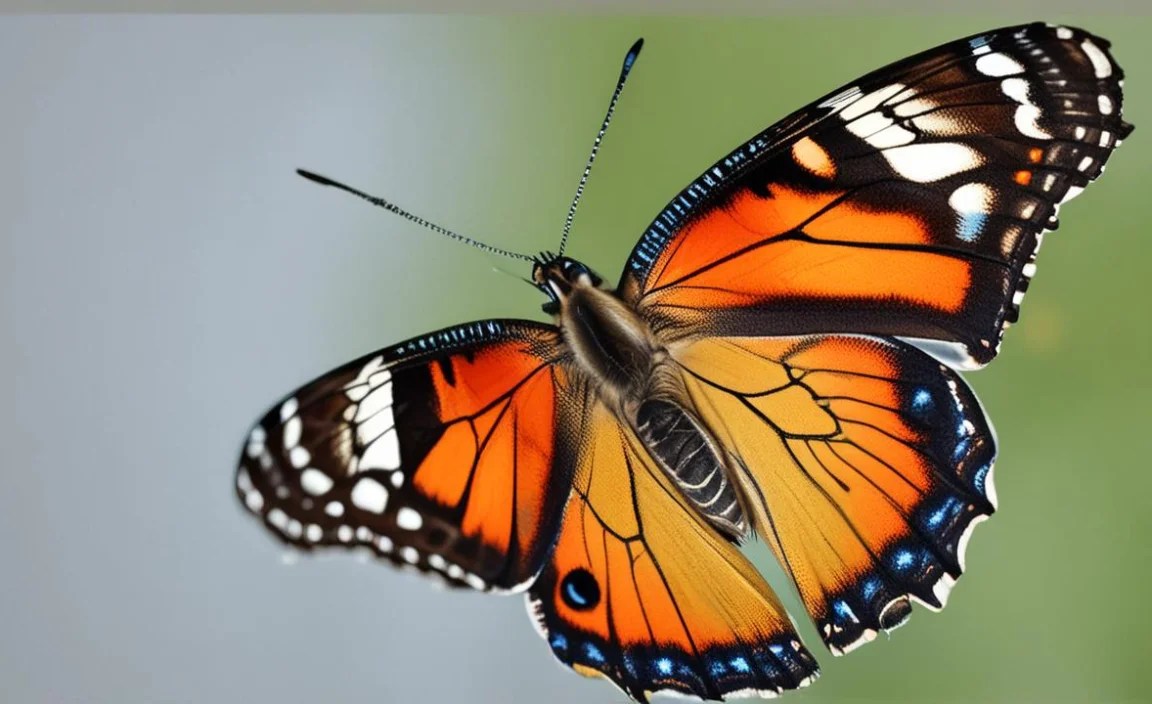
Butterfly behavior and habitat can help you {identify butterfly species united states}. Some butterflies are active during the day. Others are active at night. Some butterflies fly quickly. Others fly slowly. Some butterflies visit flowers. Others feed on tree sap or rotting fruit. Some butterflies live in forests. Others live in meadows. Some butterflies are common. Others are rare. Pay attention to the butterfly’s behavior. What is it doing? Where is it doing it? This can give you clues about its identity. Combine this information with other clues. Use color, patterns, and size to make a positive identification. This combination of clues will greatly assist you.
- Observe the butterfly’s flight pattern.
- Note what the butterfly is feeding on.
- Consider the type of habitat it’s in.
- Check if the butterfly is solitary or social.
- Look for any unique behaviors.
- Compare the behavior to descriptions in a field guide.
Butterfly behavior is influenced by many factors. These include genetics, environment, and learning. Some behaviors are instinctive. This means they are hardwired into the butterfly’s brain. Other behaviors are learned. This means the butterfly learns them from its parents or other butterflies. Butterfly behavior is also influenced by the weather. Butterflies are more active on warm, sunny days. They are less active on cold, cloudy days. Habitat also plays a role. Butterflies that live in forests have different behaviors than those that live in meadows. So, behavior is a complex and fascinating aspect of butterfly biology. When you {identify butterfly species united states}, consider these factors.
Fun Fact or Stat: Some butterflies migrate thousands of miles each year!
What Are Common Butterfly Behaviors?
Common butterfly behaviors include flying, feeding, and mating. Butterflies fly to find food and mates. They also fly to escape predators. Butterflies feed on nectar from flowers. They use their long, straw-like tongues to suck up the nectar. Butterflies mate to reproduce. The male butterfly fertilizes the female’s eggs. The female lays her eggs on a plant. The eggs hatch into caterpillars. Caterpillars eat plants and grow. They then turn into pupae. Pupae are encased in a hard shell. Inside the shell, the caterpillar transforms into a butterfly. The butterfly emerges from the shell and flies away. These are the basic steps in the butterfly life cycle. {Identify butterfly species united states} involves observing these behaviors.
How Does Habitat Affect Butterfly Life?
Habitat affects butterfly life in many ways. The habitat provides food for the butterfly. It also provides shelter from predators and the weather. Different butterflies need different types of habitat. Some butterflies need forests. Others need meadows. Some butterflies need wetlands. Others need deserts. The type of habitat determines which butterflies can live there. If the habitat is destroyed, the butterflies will disappear. This is why it’s important to protect butterfly habitats. We need to conserve the places where butterflies live. This will help ensure that butterflies continue to thrive. {Identify butterfly species united states} helps us appreciate the importance of these habitats.
Do Butterflies Migrate?
Yes, some butterflies migrate. Migration is when animals move from one place to another. They do this to find food, mates, or better weather. The most famous migrating butterfly is the Monarch. Monarchs migrate thousands of miles each year. They fly from Canada and the United States to Mexico. They spend the winter in Mexico. In the spring, they fly back north. This is an amazing feat of endurance. Other butterflies also migrate. But their migrations are not as well-known. Migration is a complex behavior. It’s influenced by genetics, environment, and learning. When you {identify butterfly species united states}, consider if it might be a migrant.
Field Guides for Butterfly Identification
Field guides are essential for {identify butterfly species united states}. These books contain pictures and descriptions of different butterfly species. They also include information about their habitat, behavior, and life cycle. Field guides are organized by region. This makes it easier to find the butterflies that live in your area. They are also portable. You can take them with you on hikes and other outdoor adventures. To use a field guide, start by looking at the pictures. Find a picture that looks like the butterfly you saw. Then, read the description. See if the description matches what you observed. If it does, you have probably identified the butterfly. But remember, field guides are not always perfect. Some butterflies look very similar. It’s always a good idea to double-check your identification.
- Choose a field guide specific to your region.
- Familiarize yourself with the terminology.
- Compare your observations to the descriptions.
- Use the illustrations to match wing patterns.
- Consider the habitat information provided.
- Double-check your identification with multiple sources.
Field guides are created by experts. These experts spend years studying butterflies. They carefully document the characteristics of each species. They also take photographs and create illustrations. The information in field guides is based on scientific research. It is updated regularly as new information becomes available. Field guides are a valuable resource for anyone interested in butterflies. They can help you learn about these fascinating creatures. They can also help you appreciate the beauty and diversity of the natural world. When you {identify butterfly species united states}, a field guide is your best friend.
Fun Fact or Stat: Some field guides include range maps that show where each butterfly species is found!
What Makes a Good Butterfly Field Guide?
A good butterfly field guide has several key features. First, it should be accurate. The information should be based on scientific research. Second, it should be comprehensive. It should include all of the butterfly species that live in your area. Third, it should be easy to use. The pictures should be clear and the descriptions should be easy to understand. Fourth, it should be portable. You should be able to take it with you on hikes and other outdoor adventures. Fifth, it should be affordable. You shouldn’t have to spend a lot of money to get a good field guide. {Identify butterfly species united states} becomes much easier with these features.
How to Use a Butterfly Field Guide Effectively?
To use a butterfly field guide effectively, start by familiarizing yourself with the terminology. Learn the names of the different parts of the butterfly. Learn the terms used to describe their colors and patterns. Then, when you see a butterfly, try to observe as much detail as possible. Note the size, color, and patterns. Also note the habitat and behavior. Then, look through the field guide. Find a picture that looks like the butterfly you saw. Read the description. See if the description matches what you observed. If it does, you have probably identified the butterfly. But remember, field guides are not always perfect. Always double-check your identification. This helps when you {identify butterfly species united states}.
Are There Online Butterfly Field Guides?
Yes, there are many online butterfly field guides. These websites contain pictures and descriptions of different butterfly species. They also include information about their habitat, behavior, and life cycle. Online field guides are often free. They are also easy to access. You can use them on your computer or smartphone. Some online field guides have interactive features. You can search for butterflies by color, size, or location. You can also submit your own photos for identification. However, online field guides are not always accurate. The information might be outdated or incomplete. It’s always a good idea to double-check your identification with a print field guide or an expert. {Identify butterfly species united states} using a combination of resources.
Comparing Common Butterfly Species
| Species | Color | Size | Habitat | Distinctive Features |
|---|---|---|---|---|
| Monarch | Orange with black lines | Large | Fields, meadows, gardens | Black-and-white border on wings |
| Viceroy | Orange with black lines | Medium | Wetlands, forests | Black line across hindwing |
| Swallowtail | Yellow and black | Large | Gardens, woodlands | Tail-like extensions on hindwings |
| Cabbage White | White | Small | Gardens, fields | Small black spots on forewings |
| Painted Lady | Orange, brown, and black | Medium | Various habitats | Distinctive eye spots on hindwings |
Comparing different butterfly species helps you {identify butterfly species united states}. Each species has unique features. These features include color, size, and habitat. They also include wing patterns and behavior. By comparing these features, you can narrow down the possibilities. For example, the Monarch and Viceroy butterflies look similar. But the Viceroy has a black line across its hindwing. This line helps you tell them apart. The Swallowtail butterfly has tail-like extensions on its hindwings. This is a distinctive feature that helps you identify it. The Cabbage White butterfly is small and white. It has small black spots on its forewings. The Painted Lady butterfly has orange, brown, and black wings. It has distinctive eye spots on its hindwings. Learning these differences takes time and practice. But it’s a rewarding way to learn about butterflies.
- Compare wing patterns carefully.
- Note the differences in size.
- Consider the habitat preferences.
- Look for unique markings.
- Check the flight behavior.
- Use a table to organize information.
Comparing butterfly species helps us understand their diversity. It also helps us appreciate their beauty. Each species has its own unique adaptations. These adaptations help them survive in their environment. By studying these adaptations, we can learn about the natural world. We can also learn about the importance of conservation. Butterflies are an important part of the ecosystem. They pollinate plants. They also serve as food for other animals. It’s important to protect butterflies and their habitats. This will help ensure that they continue to thrive. When you {identify butterfly species united states}, you are contributing to this effort.
Fun Fact or Stat: The Monarch butterfly migrates up to 3,000 miles each year!
How Can You Tell a Monarch from a Viceroy?
Telling a Monarch from a Viceroy can be tricky. They look very similar. Both are orange with black lines. But there is one key difference. The Viceroy has a black line across its hindwing. The Monarch does not have this line. This is the easiest way to tell them apart. There are other differences. The Monarch is slightly larger. The Monarch also has thicker black lines. But the black line on the hindwing is the most reliable feature. {Identify butterfly species united states} by looking closely for this line.
What Are the Main Differences Between Swallowtail Species?
Swallowtail butterflies are a group of large, colorful butterflies. They have tail-like extensions on their hindwings. There are many different species of Swallowtail. They vary in color and pattern. Some are yellow and black. Others are blue and black. Some have red spots. Others have green spots. The shape of the tail can also vary. Some have long, thin tails. Others have short, wide tails. The habitat can also vary. Some live in gardens. Others live in forests. To {identify butterfly species united states}, use a field guide to compare the specific features.
Why Are Some Butterflies Called “Whites?”
Some butterflies are called “Whites” because they are white. These butterflies belong to the family Pieridae. They are often small to medium in size. They have white or yellowish wings. Some have black spots or markings. The most common “White” butterfly is the Cabbage White. It is a pest of cabbage and other crops. Other “White” butterflies include the Mustard White and the Checkered White. These butterflies are found in gardens, fields, and woodlands. When you {identify butterfly species united states}, look for their distinctive white color.
Summary
Identifying butterflies can be a fun and rewarding hobby. It helps us learn about the natural world. Many factors help us tell them apart. These include color, size, and patterns. The shape of their wings is also important. Where you see the butterfly matters too. There are many resources available to help. Field guides and websites offer pictures and descriptions. These tools make it easier to {identify butterfly species united states}.
Remember to be patient. Butterfly identification can be tricky. Some species look very similar. But with practice, you’ll become an expert. Enjoy the journey of discovery! Pay attention to the butterfly’s behavior. What is it doing? Where is it doing it? Combine this information with other clues. Use color, patterns, and size to make a positive identification.
Conclusion
Butterflies are beautiful and fascinating creatures. Learning to {identify butterfly species united states} can deepen your appreciation for nature. Use field guides, observe wing patterns, and note their size and color. Pay attention to their behavior and habitat. With practice, you can identify many different species. Enjoy the process and share your knowledge with others. By learning about butterflies, you can help protect them and their habitats.
Frequently Asked Questions
Question No 1: What is the best way to start learning about butterflies?
Answer: The best way to start learning about butterflies is to get a good field guide. Choose a field guide that is specific to your region. This will help you focus on the butterflies that you are most likely to see. Also, start by learning about the common butterflies in your area. Once you know the common butterflies, you can start learning about the less common ones. Start {identify butterfly species united states} today and enjoy the journey!
Question No 2: Are there any good websites for identifying butterflies?
Answer: Yes, there are many good websites for identifying butterflies. Some popular websites include the Butterflies and Moths of North America website and the BugGuide website. These websites have pictures and descriptions of different butterfly species. They also have information about their habitat, behavior, and life cycle. You can also find online forums where you can ask experts for help with identification. These are great resources to help {identify butterfly species united states}.
Question No 3: How can I attract more butterflies to my garden?
Answer: You can attract more butterflies to your garden by planting butterfly-friendly plants. These plants provide nectar for adult butterflies and food for caterpillars. Some popular butterfly-friendly plants include milkweed, butterfly bush, and coneflowers. You can also provide a water source for butterflies. A shallow dish of water with some rocks for them to land on will do the trick. Avoid using pesticides in your garden, as these can harm butterflies. Attracting butterflies makes it easier to {identify butterfly species united states}.
Question No 4: What is the difference between a butterfly and a moth?
Answer: Butterflies and moths are both insects in the order Lepidoptera. But there are some key differences between them. Butterflies are typically active during the day. Moths are typically active at night. Butterflies have thin antennae with a club-shaped tip. Moths have feathery or comb-like antennae. Butterflies typically hold their wings upright when they are at rest. Moths typically hold their wings flat. Butterflies are often brightly colored. Moths are often duller in color. These differences help you {identify butterfly species united states} and differentiate them from moths.
Question No 5: What should I do if I find an injured butterfly?
Answer: If you find an injured butterfly, you can try to help it. First, gently pick it up and examine it. If it has a broken wing, you can try to splint it with a small piece of tape. If it is dehydrated, you can offer it some sugar water. Mix one part sugar with four parts water. Place the sugar water on a small sponge or cotton ball. Hold it near the butterfly’s mouth. If the butterfly is unable to fly, you can keep it in a safe place until it recovers. Put it in a cardboard box with some butterfly-friendly plants. This kindness aids conservation efforts. It also helps to {identify butterfly species united states} and ensure they thrive.
Question No 6: Why is it important to protect butterflies?
Answer: It is important to protect butterflies because they are an important part of the ecosystem. Butterflies pollinate plants. This helps plants reproduce. They also serve as food for other animals. Butterflies are also indicators of environmental health. If butterflies are declining, it could be a sign that something is wrong with the environment. Habitat loss, pesticide use, and climate change are all threats to butterflies. By protecting butterflies, we can help protect the environment. This also allows us to continue to {identify butterfly species united states} for generations to come.


