
Nymphalidae Butterfly Species: Your Ultimate Guide

Nymphalidae butterflies, also known as brush-footed butterflies, comprise one of the largest butterfly families, boasting diverse colors, patterns, and sizes. They’re easily recognized by their reduced forelegs, which they use for sensory purposes rather than walking. This family includes familiar species like monarchs, admirals, and fritillaries, each playing a vital role in pollination and ecosystem health.
Butterflies are some of the most beautiful and fascinating insects on Earth! But with so many different kinds flitting around, figuring out exactly what you’re seeing can be tricky. Are you curious about those butterflies with the bright colors and interesting patterns? Do you want to learn more about the amazing Nymphalidae family and how to identify different species? You’re in the right place!
We’ll explore the amazing world of Nymphalidae butterflies. I’ll walk you through the key features that define this group, introduce you to some common species, and share tips for identifying them in your own backyard. Get ready to become a butterfly expert!
What Makes a Nymphalidae Butterfly Special?

The Nymphalidae family, often called brush-footed butterflies, is huge! It includes thousands of different species found all over the world. What sets them apart from other butterflies?
Key Characteristics of Nymphalidae Butterflies
- Reduced Forelegs: This is the most distinctive feature. Their front legs are small and hairy, resembling brushes. They use these legs for tasting and sensing rather than walking.
- Bright Colors and Patterns: Many Nymphalidae butterflies have vibrant colors and intricate patterns on their wings. These patterns can serve as camouflage, warning signals, or to attract mates.
- Wide Distribution: They are found on every continent except Antarctica, in diverse habitats from tropical rainforests to alpine meadows.
- Varied Sizes: Nymphalidae butterflies range in size from small species with wingspans of only an inch to large species with wingspans of several inches.
- Strong Flight: Many species are strong fliers, capable of long-distance migrations.
Subfamilies Within Nymphalidae
The Nymphalidae family is further divided into several subfamilies, each with its own unique characteristics. Here are a few of the most well-known:
- Danainae (Milkweed Butterflies): Includes the iconic Monarch butterfly, known for its long migration. These butterflies often have toxic compounds from the milkweed plants they eat as caterpillars, making them unpalatable to predators.
- Heliconiinae (Longwings): These butterflies are found mainly in tropical and subtropical regions. They are known for their long lifespans and their ability to feed on pollen as adults.
- Nymphalinae (True Brushfoots): A diverse group that includes many familiar butterflies such as commas, question marks, and admirals.
- Satyrinae (Satyrs and Browns): These butterflies are often brown or gray with eyespots on their wings. They are typically found in grassy or wooded areas.
- Limenitidinae (Admirals and Relatives): This subfamily includes butterflies with striking patterns of black, white, and red or orange.
Spotlight on Common Nymphalidae Species
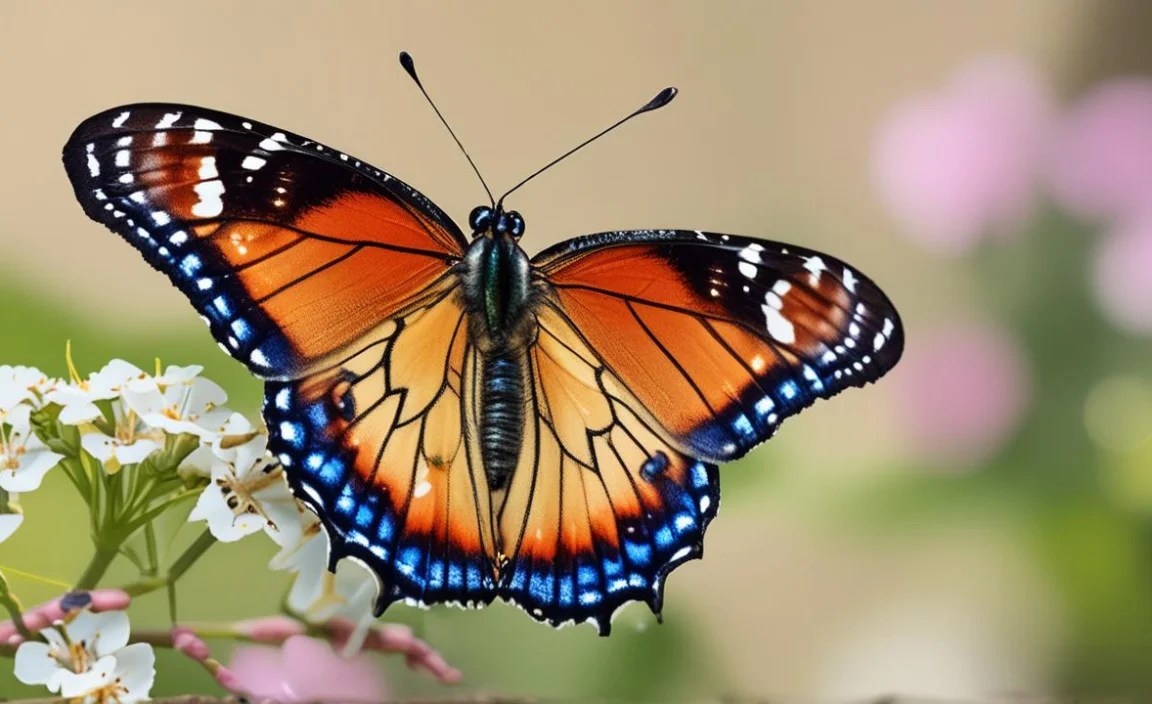
Let’s take a closer look at some of the most common and recognizable Nymphalidae butterfly species.
The Monarch (Danaus plexippus)
The Monarch is perhaps the most famous butterfly in North America, renowned for its incredible multi-generational migration that can span thousands of miles. These butterflies travel from Canada and the United States to overwintering sites in Mexico and California.
Key Features:
- Bright orange wings with black veins and a black border containing white spots.
- Caterpillars feed exclusively on milkweed plants.
- Aposematic coloration warns predators of their toxicity.
The Viceroy (Limenitis archippus)
The Viceroy is often confused with the Monarch due to its similar coloration. However, it’s actually a mimic, gaining protection from predators by resembling the toxic Monarch. The Viceroy is found throughout much of North America.
Key Features:
- Orange wings with black veins and a black border containing white spots, similar to the Monarch.
- A black line running across the hindwing distinguishes it from the Monarch.
- Caterpillars feed on willow, poplar, and aspen trees.
The Red Admiral (Vanessa atalanta)
The Red Admiral is a striking butterfly with black wings adorned with bright red-orange bands and white spots. It’s a migratory species found in North America, Europe, and Asia.
Key Features:
- Black wings with a broad red-orange band across the forewings and a red-orange border on the hindwings.
- White spots near the tips of the forewings.
- Caterpillars feed on nettles.
The Painted Lady (Vanessa cardui)
The Painted Lady is a cosmopolitan butterfly found on every continent except Australia and Antarctica. It’s known for its migratory behavior and its ability to thrive in a variety of habitats.
Key Features:
- Orange-brown wings with black and white markings.
- Four prominent eyespots on the hindwings.
- Caterpillars feed on a wide range of plants, including thistles and mallows.
The Question Mark (Polygonia interrogationis)
The Question Mark is a distinctive butterfly named for the silvery question mark marking on its hindwing. It’s found in eastern North America.
Key Features:
- Orange or brown wings with irregular edges.
- A small, silvery question mark marking on the underside of the hindwing.
- Caterpillars feed on hackberry, elm, and nettle trees.
How to Identify Nymphalidae Butterflies: A Step-by-Step Guide

Identifying butterflies can be a fun and rewarding experience. Here’s a step-by-step guide to help you identify Nymphalidae butterflies:
Step 1: Observe the Butterfly’s Size and Shape
Start by noting the overall size and shape of the butterfly. Is it small, medium, or large? Are its wings rounded or angular? These basic observations can help narrow down the possibilities.
Step 2: Examine the Wing Color and Pattern
Pay close attention to the colors and patterns on the butterfly’s wings. Are the wings brightly colored or more subdued? Are there stripes, spots, or bands? Note the arrangement and shape of these markings.
Step 3: Look for Key Markings
Certain markings can be particularly helpful for identification. Look for eyespots, which are circular markings that resemble eyes. Also, check for unique patterns or shapes, such as the question mark on the Question Mark butterfly.
Step 4: Observe the Butterfly’s Behavior
A butterfly’s behavior can also provide clues to its identity. Note how it flies, what plants it visits, and where it prefers to rest. Some butterflies are fast and erratic fliers, while others glide gracefully.
Step 5: Use a Field Guide or Online Resource
A good field guide or online resource can be invaluable for butterfly identification. Look for guides that include detailed descriptions and photographs of different species. Many websites and apps also offer butterfly identification tools.
Helpful Resources for Butterfly Identification
Here are some resources to assist you in identifying Nymphalidae butterflies:
- Butterflies and Moths of North America: A comprehensive website with photos, descriptions, and distribution maps.
- The Xerces Society for Invertebrate Conservation: An organization dedicated to protecting butterflies and other invertebrates.
- National Geographic: Informative articles and stunning photography of butterflies from around the world.
Creating a Butterfly-Friendly Garden
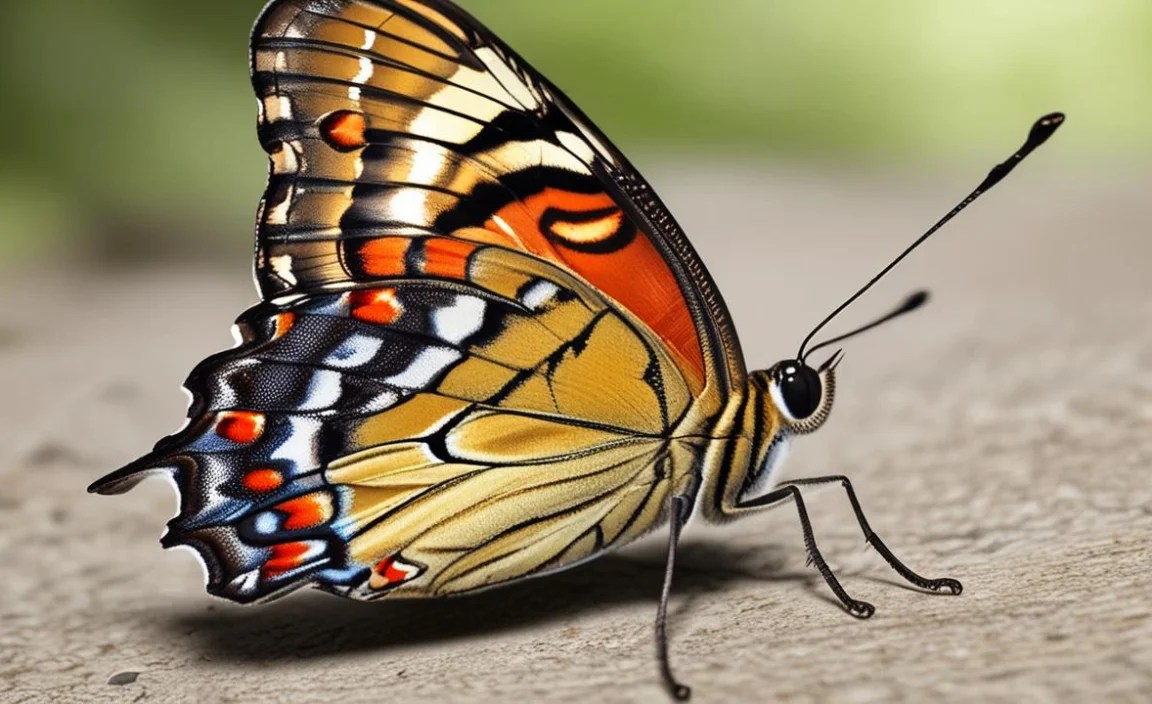
One of the best ways to observe and appreciate Nymphalidae butterflies is to create a butterfly-friendly garden. By providing the right food and habitat, you can attract a variety of butterfly species to your yard.
Essential Elements of a Butterfly Garden
- Host Plants: These are the plants that butterfly caterpillars feed on. Be sure to include host plants for the species you want to attract. For example, milkweed is the host plant for Monarch butterflies.
- Nectar Plants: These are plants that provide nectar for adult butterflies. Choose a variety of nectar plants that bloom at different times of the year to provide a continuous food source.
- Sunlight: Butterflies need sunlight to warm their bodies and fly. Choose a location that receives at least six hours of sunlight per day.
- Shelter: Provide shelter from wind and rain by planting trees, shrubs, and tall grasses.
- Water: Butterflies need water to stay hydrated. Provide a shallow dish of water with pebbles or marbles for them to land on.
- Avoid Pesticides: Pesticides can harm or kill butterflies and other beneficial insects. Avoid using pesticides in your garden.
Recommended Plants for Attracting Nymphalidae Butterflies
Here are some plants that are particularly attractive to Nymphalidae butterflies:
- Milkweed (Asclepias spp.): Host plant for Monarch butterflies.
- Nettles (Urtica spp.): Host plant for Red Admiral butterflies.
- Thistles (Cirsium spp.): Host plant for Painted Lady butterflies.
- Asters (Symphyotrichum spp.): Nectar plant for many butterfly species.
- Butterfly Bush (Buddleja davidii): Nectar plant for many butterfly species.
- Zinnia (Zinnia elegans): Nectar plant for many butterfly species.
The Ecological Importance of Nymphalidae Butterflies

Nymphalidae butterflies play a vital role in the ecosystem. As pollinators, they help to fertilize plants, which is essential for the production of fruits, vegetables, and seeds. They also serve as a food source for birds, lizards, and other animals.
Pollination
Butterflies are important pollinators, transferring pollen from one flower to another as they feed on nectar. This process is essential for the reproduction of many plants, including crops that we rely on for food.
Food Source
Butterfly caterpillars and adults are an important food source for many animals. Birds, lizards, spiders, and other insects prey on butterflies, helping to maintain the balance of the ecosystem.
Indicators of Environmental Health
Butterflies are sensitive to changes in their environment, making them valuable indicators of environmental health. Declines in butterfly populations can signal problems such as habitat loss, pollution, and climate change.
Conservation Efforts for Nymphalidae Butterflies
Many Nymphalidae butterfly species are facing threats due to habitat loss, pesticide use, and climate change. Conservation efforts are essential to protect these beautiful and important insects.
Habitat Preservation
Protecting and restoring butterfly habitat is crucial for their survival. This includes preserving natural areas such as forests, meadows, and wetlands, as well as creating butterfly-friendly gardens and parks in urban areas.
Reducing Pesticide Use
Pesticides can be harmful to butterflies and other beneficial insects. Reducing pesticide use and promoting organic gardening practices can help to protect butterfly populations.
Climate Change Mitigation
Climate change is a major threat to butterflies, as it can alter their habitats and disrupt their life cycles. Reducing greenhouse gas emissions and promoting sustainable practices can help to mitigate the impacts of climate change on butterflies.
Citizen Science
Citizen science projects, such as butterfly counts and monitoring programs, can help to track butterfly populations and identify areas where conservation efforts are needed. Anyone can participate in these projects and contribute to butterfly conservation.
Nymphalidae Butterfly Species: Identification Table
Here’s a quick reference table to help you identify some common Nymphalidae butterfly species:
| Species | Key Features | Host Plants | Habitat |
|---|---|---|---|
| Monarch (Danaus plexippus) | Orange wings with black veins and white spots | Milkweed | Fields, meadows, gardens |
| Viceroy (Limenitis archippus) | Orange wings with black veins and white spots, black line on hindwing | Willow, poplar, aspen | Wetlands, forests, parks |
| Red Admiral (Vanessa atalanta) | Black wings with red-orange bands and white spots | Nettles | Gardens, parks, woodlands |
| Painted Lady (Vanessa cardui) | Orange-brown wings with black and white markings, four eyespots on hindwings | Thistles, mallows | Fields, gardens, roadsides |
| Question Mark (Polygonia interrogationis) | Orange or brown wings with irregular edges, silvery question mark on hindwing | Hackberry, elm, nettle | Woodlands, streamsides, gardens |
Interesting Facts About Nymphalidae Butterflies
Here are some fascinating facts about Nymphalidae butterflies:
- The name “Nymphalidae” comes from the Greek word “nymph,” referring to mythological nature spirits.
- Some Nymphalidae butterflies, like the Monarch, undertake incredible long-distance migrations.
- Many Nymphalidae butterflies have eyespots on their wings to startle or distract predators.
- Some species, like the Viceroy, mimic the appearance of toxic butterflies to avoid being eaten.
- Nymphalidae butterflies use their brush-like forelegs to taste and sense their surroundings.
FAQ About Nymphalidae Butterflies
Here are some frequently asked questions about Nymphalidae butterflies:
What does Nymphalidae mean?
Nymphalidae comes from the Greek word “nymph,” referring to mythological nature spirits. It’s the name given to the family of brush-footed butterflies.
What is special about Nymphalidae butterflies?
Nymphalidae butterflies have reduced forelegs that they use for tasting and sensing rather than walking. They also tend to have bright colors and patterns.
How do I attract Nymphalidae butterflies to my garden?
Plant host plants for their caterpillars (like milkweed for Monarchs) and nectar-rich flowers for the adults. Also, provide sunlight, shelter, and water, and avoid using pesticides.
Are Nymphalidae butterflies poisonous?
Some Nymphalidae butterflies, like Monarchs, are toxic to predators because their caterpillars feed on poisonous plants. Others mimic these toxic species for protection.
What do Nymphalidae caterpillars eat?
Nymphalidae caterpillars eat a variety of plants, depending on the species. Some, like Monarch caterpillars, are very specific in their diet, while others are more general feeders.
Where can I find Nymphalidae butterflies?
Nymphalidae butterflies are found all over the world, except for Antarctica. They live in a wide range of habitats, from forests and meadows to gardens and parks.
What is the lifespan of a Nymphalidae butterfly?
The lifespan varies depending on the species. Some Nymphalidae butterflies live only a few weeks, while others, like some Longwings, can live for several months.
Conclusion
Exploring the world of Nymphalidae butterflies is a journey into beauty, complexity, and ecological importance. From the iconic Monarch with its epic migration to the subtle Question Mark with its hidden symbol, each species tells a unique story about adaptation, survival, and the interconnectedness of life. By learning to identify these butterflies, creating butterfly-friendly habitats, and supporting conservation efforts, we can all play a part in ensuring that these amazing creatures continue to grace our world for generations to come. So, get outside, observe, and appreciate the wonder of Nymphalidae butterflies – they’re more than just pretty wings; they’re vital threads in the tapestry of life.


