
Easy Step-by-Step Butterfly ID Method: A Visual Guide

Have you ever seen a butterfly and wondered what kind it was? Butterflies are beautiful and amazing creatures. It can be fun to learn their names. But how do you figure out what kind of butterfly you are seeing? Using a step-by-step butterfly ID method can help you.
Learning to identify butterflies is like being a nature detective. You look for clues to solve a mystery. Each butterfly has special markings and colors. These clues help you know its name. Let’s learn how to become butterfly detectives!
Butterflies live all over the world. They flutter in gardens and fields. Some even live in forests. They are important for our planet. They help flowers make seeds. So, learning about butterflies helps us care for nature. Are you ready to learn the step-by-step butterfly ID method?
Key Takeaways
- Identifying butterflies using a step-by-step butterfly ID method is fun and educational.
- Start by noting the butterfly’s size, color, and any unique markings.
- Observe the butterfly’s habitat and behavior for additional clues about its identity.
- Use field guides or online resources to compare your observations with known species.
- Practice and patience will improve your butterfly identification skills over time.
Understanding the Butterfly’s Basic Anatomy
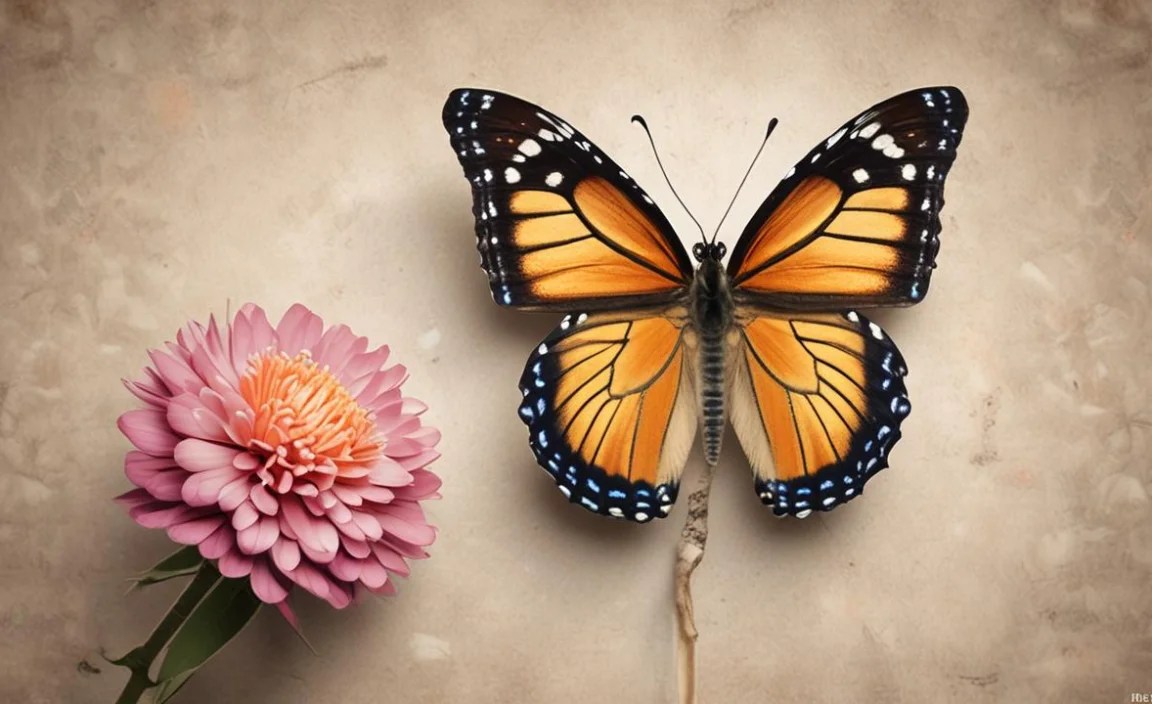
Before diving into a step-by-step butterfly ID method, let’s learn about butterfly anatomy. Butterflies have three main body parts. These are the head, thorax, and abdomen. The head has eyes, antennae, and a proboscis. The thorax is the middle part where the wings and legs attach. The abdomen is the tail end of the butterfly. Butterflies have four wings, two on each side. The wings are covered in tiny scales. These scales give butterflies their colors and patterns. The patterns are important for identifying different types of butterflies. By knowing the basic parts, you can describe butterflies more clearly. This helps when using a step-by-step butterfly ID method. Knowing the parts makes you a better butterfly detective.
- Head: Contains eyes, antennae, and proboscis.
- Thorax: The middle section where wings and legs attach.
- Abdomen: The tail end of the butterfly.
- Wings: Four wings covered in colorful scales.
- Scales: Tiny structures that give butterflies color and patterns.
Understanding butterfly anatomy is like learning the alphabet before reading. Knowing the parts helps you describe what you see. When you see a butterfly, notice its head. How big are its eyes? What shape are its antennae? Look at the thorax. How are the wings attached? Then, check out the abdomen. Is it long or short? Now, focus on the wings. What colors do you see? Are there spots, stripes, or other patterns? All of these details help you use a step-by-step butterfly ID method. The more you know about butterfly parts, the easier it is to identify them. So, become an expert on butterfly anatomy. It will make you a super butterfly detective!
Fun Fact or Stat: A butterfly’s wings are covered in thousands of tiny scales, just like shingles on a roof!
What is the Proboscis?
Have you ever wondered how butterflies eat? Butterflies don’t have mouths like us. Instead, they have a long, straw-like tube called a proboscis. This proboscis is usually coiled up like a spring. When a butterfly wants to eat, it uncoils its proboscis. It uses it to sip nectar from flowers. The proboscis works like a tiny straw. Butterflies can only drink liquids. They cannot chew solid food. The proboscis is a very important tool for butterflies. Without it, they could not get the food they need to survive. So, next time you see a butterfly, remember its amazing proboscis. It’s a key part of how they live.
Why Do Butterflies Have Antennae?
Butterflies have antennae on their heads. These antennae are not just for show. They help butterflies sense the world around them. Antennae can detect smells. Butterflies use them to find flowers with nectar. They can also sense the air. This helps them fly in the right direction. Some butterflies use their antennae to find mates. The antennae are covered in tiny sensors. These sensors pick up different signals. Butterflies use this information to make decisions. So, antennae are like a butterfly’s super senses. They help them survive and thrive in their environment. Next time you see a butterfly, take a close look at its antennae. They are amazing!
How Do Scales Affect Butterfly Color?
Have you ever touched a butterfly’s wing and noticed a powdery dust? That dust is made of tiny scales. These scales give butterflies their beautiful colors. The scales are like tiny tiles covering the wing. They reflect light in different ways. Some scales contain pigments, which are colors. Other scales have special structures that bend light. This creates colors like blue and green. The arrangement of the scales creates patterns. These patterns help us identify different butterfly species. If a butterfly loses too many scales, its wings can become damaged. So, it’s important to be gentle with butterflies. Their scales are delicate and important for their survival. The scales help create color. That helps with a step-by-step butterfly ID method.
Observing Size, Shape and Color Patterns
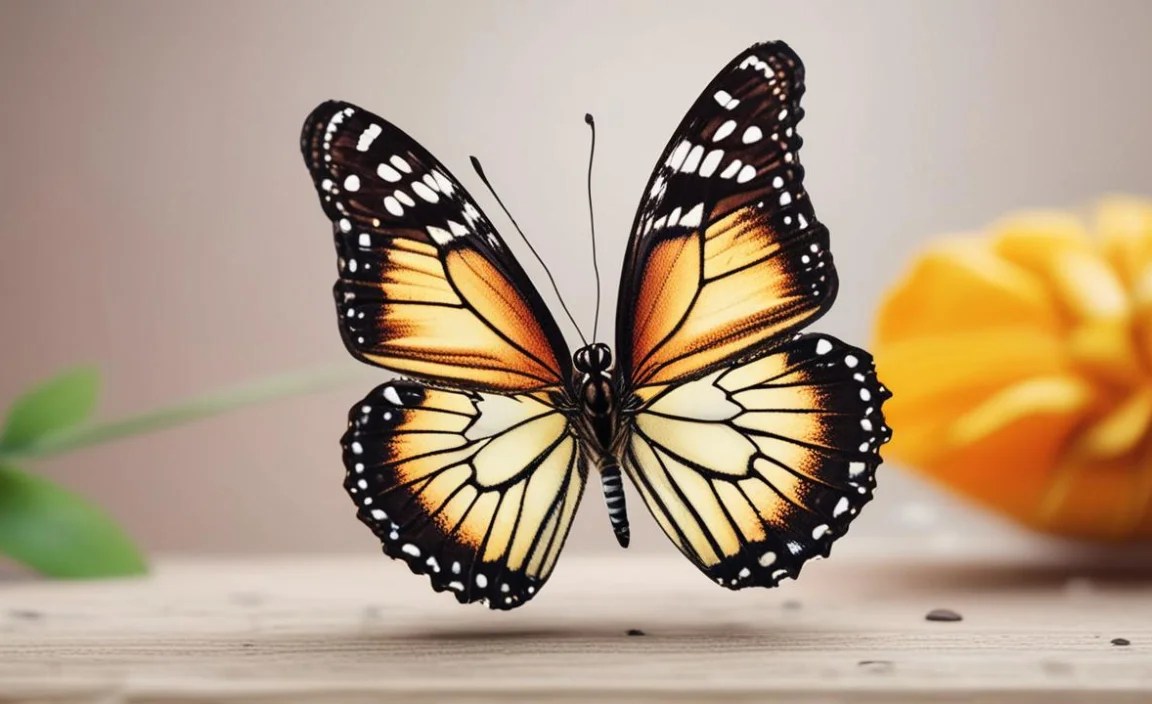
The next step in a step-by-step butterfly ID method is to observe size, shape and color patterns. Size is easy to notice. Is the butterfly big or small? Shape refers to the overall form of the wings. Are they round, pointy, or jagged? Color patterns are key. Note the main colors. Are there stripes, spots, or bands? Where are the colors located on the wings? Some butterflies have different patterns on the top and bottom of their wings. Look closely at all the details. Use descriptive words to record what you see. For example, you might say, “This butterfly is medium-sized with round wings. It has orange wings with black stripes.” These details are crucial for using a step-by-step butterfly ID method. The more details you gather, the easier it will be to identify the butterfly.
- Note the overall size of the butterfly.
- Observe the shape of the wings.
- Identify the main colors on the wings.
- Look for any patterns like spots or stripes.
- Check if the top and bottom wings have different patterns.
Think of butterflies as having their own unique outfits. Each outfit has a certain size, shape, and color. Imagine you are trying to describe someone to a friend. You would talk about their height, build, and clothing. Identifying butterflies is similar. You are describing their “outfit” to help find their name. Pay attention to the little things. A small spot or stripe can be a big clue. Use your eyes like a magnifying glass. The more you observe, the better you get. This step-by-step butterfly ID method becomes easier with practice. Soon, you’ll be a butterfly fashion expert! Identifying size, shape, and color is key.
Fun Fact or Stat: Some butterflies have eyespots on their wings to trick predators into thinking they are bigger or more dangerous!
How Does Size Help With ID?
Size is a very important clue. Is the butterfly as small as your thumbnail? Or is it as big as your hand? Size can narrow down the possibilities. Some butterfly families are generally small. Others are known for being large. When you see a butterfly, compare its size to something you know. Is it bigger or smaller than a coin? Is it about the same size as a bird? Writing down the size helps later. When you look in a field guide, you can filter by size. This eliminates many options. So, pay attention to size. It is a simple but effective part of a step-by-step butterfly ID method.
Why are Wing Shapes Important?
Wing shape is another important characteristic. Some butterflies have rounded wings. Others have pointy wings. Some even have wings with tails. The shape can tell you about the butterfly’s flight style. Butterflies with rounded wings are often slow fliers. Butterflies with pointy wings are often fast fliers. Some shapes are very distinctive. Swallowtails have long tails on their hind wings. This makes them easy to identify. When you see a butterfly, sketch the wing shape. This will help you remember it later. Wing shape is another piece of the puzzle. It gets you closer to the butterfly’s name. This is useful in a step-by-step butterfly ID method.
What Do Color Patterns Indicate?
Color patterns are like a butterfly’s fingerprint. No two species have exactly the same pattern. The colors and patterns can serve different purposes. Some patterns help butterflies blend in with their surroundings. This is called camouflage. Other patterns warn predators that the butterfly is poisonous. These butterflies often have bright colors. Look closely at the patterns. Are there spots, stripes, or bands? Where are they located on the wings? Do the patterns repeat? All of these details are important. They help you distinguish one species from another. Color patterns are essential for a step-by-step butterfly ID method. They are the key to unlocking the butterfly’s identity.
Considering Habitat and Location
Habitat and location are important clues in a step-by-step butterfly ID method. Where did you see the butterfly? Was it in a forest, field, or garden? Different butterflies live in different places. Some like sunny open areas. Others prefer shady woods. Location also matters. Different butterfly species live in different regions. A butterfly you see in California might not live in Florida. Knowing the habitat and location narrows down the possibilities. Use a field guide for your area. This will show you which butterflies are likely to be found there. Think of it like this: you wouldn’t look for a polar bear in the desert. Similarly, some butterflies only live in certain places. So, consider the habitat and location. It’s a key part of identifying butterflies.
- Note the type of habitat where you saw the butterfly.
- Consider the geographical location.
- Use a field guide specific to your region.
- Check if the butterfly is common in that area.
- Look for plants that the butterfly might feed on.
Imagine you are trying to find a lost dog. The first thing you would ask is, “Where did you last see it?” The same goes for butterflies. Knowing where you saw the butterfly is very helpful. For example, if you saw a butterfly near a milkweed plant, it might be a Monarch. Monarchs lay their eggs on milkweed. If you saw a butterfly in a forest, it might be a different species. Some butterflies are very picky about where they live. They need specific plants to survive. Others are more adaptable. They can live in many different habitats. So, think about the surroundings. Where did you see the butterfly? This information is essential for a good step-by-step butterfly ID method.
Fun Fact or Stat: Some butterflies migrate thousands of miles each year, just like birds!
Why Does Habitat Matter?
Habitat is the natural home of a butterfly. Some butterflies need specific plants to lay their eggs. They need these plants for their caterpillars to eat. Other butterflies need certain types of flowers for nectar. If the habitat doesn’t have these things, the butterfly can’t survive. For example, the Karner Blue butterfly lives in oak savannas. Its caterpillars eat wild lupine. If the oak savanna disappears, so does the Karner Blue. Understanding habitat helps you predict which butterflies you might see. It’s an important part of a step-by-step butterfly ID method. Knowing the habitat is like knowing the address of a butterfly.
How Does Location Play a Role?
Location is where you are on the planet. Different regions have different climates and plants. This affects which butterflies can live there. For example, tropical butterflies need warm weather. They can’t survive in cold climates. Butterflies in the western US are different from those in the east. The location helps you narrow down the possibilities. Use a field guide for your specific region. This will show you which butterflies are likely to be there. Location is like knowing the state or country. It helps you find the right butterflies in your area. This is key in a step-by-step butterfly ID method.
What are Indicator Plants?
Indicator plants are plants that certain butterflies need. These plants are essential for the butterfly’s survival. For example, the Monarch butterfly needs milkweed. The Pipevine Swallowtail needs pipevine. If you see these plants, you are more likely to see these butterflies. Indicator plants are like a sign that says, “Butterflies live here!” Knowing the indicator plants in your area can help you identify butterflies. Look for these plants when you are out butterfly watching. They are a great clue to finding specific species. They make the step-by-step butterfly ID method easier.
Observing Butterfly Behavior
Butterfly behavior offers extra clues. This helps with a step-by-step butterfly ID method. How does the butterfly fly? Is it fast or slow? Does it flutter or glide? What does the butterfly do? Is it feeding on flowers? Is it resting on a leaf? Some butterflies are very active. They fly around a lot. Others are more relaxed. They spend more time resting. Some butterflies have special behaviors. For example, some butterflies puddle. They gather around puddles to drink water and minerals. Observing these behaviors can help you identify the butterfly. It adds another layer of information to your step-by-step butterfly ID method. It gives you a more complete picture of the butterfly.
- Observe the butterfly’s flight pattern.
- Note what the butterfly is doing.
- Look for any unique behaviors like puddling.
- Check if the butterfly is territorial.
- See if the butterfly is interacting with other butterflies.
Think of butterfly behavior as their personality. Just like people, butterflies have different ways of acting. Some are shy and hide in the shadows. Others are bold and fly right up to you. Paying attention to these behaviors can help you tell them apart. For example, some butterflies are very territorial. They will chase away other butterflies that come into their space. Others are more social. They will gather in groups to feed or rest. These behaviors can be unique to certain species. By observing them, you can narrow down the possibilities. It’s like learning about a person’s hobbies and interests. It helps you understand who they are. Butterfly behavior is a fascinating part of a step-by-step butterfly ID method.
Fun Fact or Stat: Some butterflies can taste with their feet!
What is a Butterfly’s Flight Pattern?
A butterfly’s flight pattern is how it moves through the air. Some butterflies have a fast, direct flight. They fly straight to their destination. Others have a slow, fluttering flight. They move from side to side. Some butterflies glide for long distances. They use the wind to carry them. The flight pattern depends on the butterfly’s wing shape and size. It also depends on the wind and weather. By watching how a butterfly flies, you can get clues about its identity. A fast, direct flight might indicate a certain species. A slow, fluttering flight might indicate another. So, pay attention to the flight pattern. It’s a useful tool in a step-by-step butterfly ID method.
Why Do Butterflies Puddle?
Puddling is a special behavior that some butterflies do. They gather around puddles of water. They also gather around wet soil or animal droppings. They do this to drink water and minerals. Male butterflies often puddle more than females. They need the minerals to produce sperm. The minerals also help them attract mates. Puddling is a good opportunity to see many butterflies in one place. It’s also a good opportunity to observe their behavior. If you see butterflies puddling, take a closer look. You might be able to identify them. Puddling is an interesting clue in a step-by-step butterfly ID method.
Are Some Butterflies Territorial?
Yes, some butterflies are territorial. This means they defend their space from other butterflies. They might chase away other butterflies that come too close. They do this to protect their food source or their mating area. Territorial butterflies are often males. They want to make sure they have the best chance of finding a mate. If you see a butterfly chasing another butterfly, it might be territorial. This behavior can help you identify the species. Some species are known for being more territorial than others. So, watch for this behavior. It’s another piece of the puzzle in a step-by-step butterfly ID method.
Using Field Guides and Online Resources
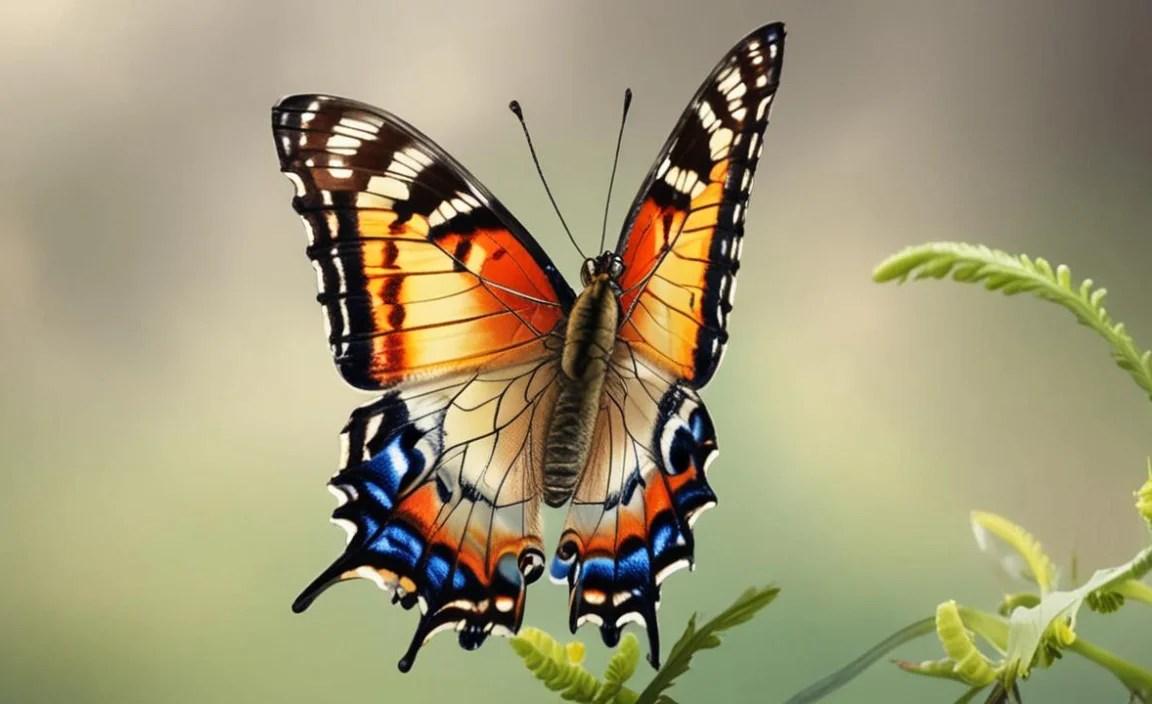
Field guides and online resources are helpful tools for a step-by-step butterfly ID method. A field guide is a book that shows pictures and descriptions of butterflies. It helps you compare what you see with known species. Online resources include websites and apps. These can also help you identify butterflies. They often have pictures, descriptions, and distribution maps. Some apps even use your phone’s camera to identify butterflies. When using these resources, be sure to look for reliable sources. Check the information against multiple sources if possible. Remember, even experts can make mistakes. So, use these resources as a guide, but trust your own observations. They help you with a step-by-step butterfly ID method.
- Use a field guide specific to your region.
- Explore online butterfly identification websites.
- Download butterfly identification apps for your phone.
- Compare your observations with the pictures and descriptions.
- Check multiple sources to confirm your identification.
Imagine you are trying to find a specific book in a library. You wouldn’t just wander around hoping to find it. You would use the library’s catalog to search for the book. Field guides and online resources are like the library catalog for butterflies. They help you find the butterfly you are looking for. They provide information about different species. They help you compare what you see with what is known. The more you use these resources, the better you will get at identifying butterflies. You will learn the names of different species. You will also learn about their characteristics and habits. So, don’t be afraid to use these tools. They are your friends in the world of butterfly identification. These tools make the step-by-step butterfly ID method easier to use.
Fun Fact or Stat: There are over 20,000 species of butterflies in the world!
What Makes a Good Field Guide?
A good field guide is easy to use and accurate. It should have clear pictures of butterflies. The pictures should show the butterfly from different angles. The field guide should also have descriptions of the butterflies. The descriptions should include information about size, shape, color, and habitat. A good field guide should be specific to your region. It should only include butterflies that are likely to be found there. It should also be up-to-date with the latest scientific information. Look for field guides that have been reviewed by experts. This will ensure that the information is accurate. A good field guide is an essential tool for a step-by-step butterfly ID method.
How Can Online Resources Help?
Online resources can be a great help. Websites and apps can provide information quickly. They often have more pictures than field guides. They can also have videos and audio recordings. Some websites have interactive keys. These keys ask you questions about the butterfly. They then suggest possible identifications. Apps can use your phone’s camera to identify butterflies. You simply take a picture of the butterfly. The app then compares it to its database. Online resources can also connect you with other butterfly enthusiasts. You can share your observations and ask for help. Just be sure to use reliable sources. Check the information against multiple sources if possible. Online resources enhance a step-by-step butterfly ID method.
What are the Limitations?
Field guides and online resources are not perfect. They can only show you what is known about butterflies. They can’t account for every possible variation. Sometimes, butterflies can look different depending on their age or location. Field guides and online resources can also be outdated. New species are discovered all the time. The information in the guide might not be current. It’s important to use these resources as a guide. But you should also trust your own observations. If something doesn’t seem right, keep looking for more information. The step-by-step butterfly ID method is improved by critical thinking.
Documenting Your Observations
Documenting your observations is important. It helps you learn and remember what you see. It also helps you share your findings with others. When you see a butterfly, write down everything you notice. Include the date, time, and location. Describe the butterfly’s size, shape, color, and behavior. Take pictures if you can. These pictures can help you remember the details later. Keep a notebook or journal for your butterfly observations. You can also use a digital app to record your findings. Share your observations with other butterfly enthusiasts. This can help you confirm your identifications. Documenting enhances your step-by-step butterfly ID method.
- Record the date, time, and location of your sighting.
- Write down a detailed description of the butterfly.
- Take pictures of the butterfly from different angles.
- Keep a notebook or journal for your observations.
- Share your findings with other butterfly enthusiasts.
Imagine you are a scientist studying a new species. You wouldn’t just look at it once and then forget about it. You would carefully document everything you see. You would take notes, draw pictures, and collect samples. Documenting your butterfly observations is similar. It helps you become a better observer. It also helps you learn more about butterflies. The more you document, the more you will remember. You will start to notice patterns and connections. You will also be able to share your knowledge with others. So, make documenting a habit. It’s a valuable part of a step-by-step butterfly ID method. It helps you grow as a butterfly enthusiast.
Fun Fact or Stat: Some butterflies can fly up to 30 miles per hour!
Why Keep a Butterfly Journal?
A butterfly journal is a great way to track your observations. You can write down everything you see in the journal. You can also draw pictures of the butterflies. The journal becomes a record of your butterfly adventures. It helps you remember what you have seen. You can also use the journal to track your progress. You can see how many different species you have identified. You can also see how your identification skills have improved. A butterfly journal is a personal and valuable resource. It helps you connect with nature. It also helps you learn more about butterflies. The journal supports a step-by-step butterfly ID method.
How Can Pictures Help?
Pictures are a powerful tool for documenting butterflies. They can capture details that you might miss. They can also help you remember the butterfly later. Take pictures from different angles. Try to get close-up shots of the wings. Make sure the pictures are clear and in focus. You can use the pictures to compare the butterfly with field guides. You can also share the pictures with other butterfly enthusiasts. They can help you identify the butterfly. Pictures are a visual record of your butterfly observations. They enhance your step-by-step butterfly ID method.
What Details Should I Record?
When you see a butterfly, record as many details as possible. Write down the date, time, and location. Describe the butterfly’s size, shape, color, and pattern. Note the butterfly’s behavior. What is it doing? What is it feeding on? What is it interacting with? Also, record the habitat. What kind of plants are growing nearby? What is the weather like? The more details you record, the better. These details will help you identify the butterfly later. They will also help you learn more about butterflies in general. Recording details improves the step-by-step butterfly ID method.
Practice and Patience
Practice and patience are key to mastering a step-by-step butterfly ID method. Identifying butterflies takes time and effort. You won’t become an expert overnight. Don’t get discouraged if you make mistakes. Everyone makes mistakes when they are learning. The important thing is to keep practicing. The more you practice, the better you will get. Be patient with yourself. Take your time and enjoy the process. Butterfly identification is a journey, not a race. The more you practice, the better you become at the step-by-step butterfly ID method.
- Practice identifying butterflies regularly.
- Be patient with yourself and the process.
- Don’t get discouraged by mistakes.
- Learn from your errors and keep trying.
- Join a butterfly watching group for support and learning.
Imagine you are learning to play a musical instrument. You wouldn’t expect to be a virtuoso after just a few lessons. It takes years of practice to become proficient. The same is true for butterfly identification. It takes time and effort to learn the different species. It also takes time to develop your observation skills. Don’t get discouraged if you can’t identify every butterfly you see. Just keep practicing and learning. The more you do it, the easier it will become. You will start to recognize patterns and characteristics. You will also develop a deeper appreciation for these beautiful creatures. Practice and patience are essential for a successful step-by-step butterfly ID method.
Fun Fact or Stat: Butterflies are cold-blooded, so they need the sun to warm up before they can fly!
How Often Should I Practice?
The more you practice, the better you will get. Try to go butterfly watching at least once a week. Even a short trip to a local park can be helpful. You can also practice at home. Look at pictures of butterflies in field guides. Try to identify them based on their characteristics. You can also join a butterfly watching group. This is a great way to learn from others. The key is to make it a regular habit. The more you practice, the more confident you will become. Regular practice helps the step-by-step butterfly ID method.
### How Can I Stay Motivated?
Staying motivated is important. Butterfly identification can be challenging at times. It’s easy to get discouraged if you make mistakes. Find ways to make it fun. Join a butterfly watching group. This is a great way to meet other enthusiasts. It’s also a great way to learn new things. Set goals for yourself. Try to identify a certain number of new species each year. Reward yourself when you reach your goals. Remember to focus on the joy of learning. Butterfly identification is a rewarding hobby. It connects you with nature. It also challenges you intellectually. Staying motivated improves the step-by-step butterfly ID method.
What if I Still Struggle?
It’s okay to struggle. Butterfly identification can be difficult, even for experts. Don’t be afraid to ask for help. Join a butterfly watching group. These groups are full of knowledgeable people. They can help you identify butterflies. They can also offer tips and advice. Use online forums and social media groups. These are great places to ask questions. Don’t give up if you struggle. Keep practicing and learning. The more you do it, the easier it will become. Everyone struggles at times. It’s part of the learning process. Persistence enhances the step-by-step butterfly ID method.
| Step | Action | Description |
|---|---|---|
| 1 | Observe Size | Note if the butterfly is small, medium, or large. |
| 2 | Note Shape | Record the wing shape: round, pointy, tailed. |
| 3 | Identify Colors | List dominant colors and patterns (spots, stripes). |
| 4 | Consider Habitat | Determine the location: forest, field, garden. |
| 5 | Watch Behavior | Observe flight patterns, feeding, and interactions. |
Summary
Identifying butterflies is a fun and rewarding hobby. The step-by-step butterfly ID method involves several key steps. First, observe the butterfly’s physical characteristics. Note its size, shape, and color patterns. Then, consider its habitat and location. Where did you see the butterfly? What kind of plants were nearby? Next, observe the butterfly’s behavior. How does it fly? What is it doing? Finally, use field guides and online resources to compare your observations. These resources can help you narrow down the possibilities. Remember to document your observations. This will help you learn and remember what you see. Practice and patience are key. The more you practice, the better you will get at identifying butterflies.
Conclusion
Learning to identify butterflies is like becoming a nature detective. You use clues to solve a mystery. Each butterfly has unique characteristics. These characteristics help you identify it. Use the step-by-step butterfly ID method to guide you. Observe the butterfly’s size, shape, color, habitat, and behavior. Use field guides and online resources to help. Document your observations and practice regularly. With time and patience, you will become a butterfly expert. Enjoy the journey and appreciate the beauty of these amazing creatures.
Frequently Asked Questions
Question No 1: What is the first step in butterfly identification?
Answer: The first step in butterfly identification is careful observation. Start by noting the butterfly’s overall size. Is it small, medium, or large? Then, observe the shape of its wings. Are they rounded, pointy, or jagged? Next, pay attention to the colors and patterns on the wings. Are there spots, stripes, or bands? Where are the colors located? These initial observations will help you narrow down the possibilities. This makes the rest of the step-by-step butterfly ID method easier.
Question No 2: How important is location in identifying butterflies?
Answer: Location is very important in butterfly identification. Different butterfly species live in different regions. A butterfly you see in one part of the country might not live in another part. Knowing the location helps you narrow down the possibilities. Use a field guide that is specific to your region. This will show you which butterflies are likely to be found there. Also, consider the habitat. Was the butterfly in a forest, field, or garden? Different butterflies prefer different habitats. These details are important in the step-by-step butterfly ID method.
Question No 3: What are some good resources for learning about butterflies?
Answer: There are many great resources for learning about butterflies. Field guides are a classic choice. Look for a field guide that is specific to your region. Online resources are also helpful. Websites like the Butterfly Identification website and Butterflies and Moths of North America offer pictures and information. There are also many butterfly identification apps for your phone. These apps can help you identify butterflies in the field. Local nature centers and butterfly houses are also great resources. They often have knowledgeable staff and exhibits. These resources support the step-by-step butterfly ID method.
Question No 4: Is it okay to touch a butterfly to get a better look?
Answer: It’s best not to touch butterflies. Butterflies have delicate wings. The wings are covered in tiny scales. These scales give butterflies their color and pattern. If you touch a butterfly, you can damage its wings. This can make it harder for the butterfly to fly. It can also make it more vulnerable to predators. Instead of touching butterflies, observe them from a distance. Use binoculars or a camera to get a closer look. This is the best way to protect these beautiful creatures. Damaging their wings can make a step-by-step butterfly ID method harder.
Question No 5: How can I attract more butterflies to my yard?
Answer: You can attract more butterflies to your yard by planting butterfly-friendly plants. Butterflies need nectar for food. Plant flowers that provide nectar. Some good choices include butterfly bush, zinnias, and milkweed. Butterflies also need host plants for their caterpillars. Host plants are plants that the caterpillars eat. Monarch caterpillars eat milkweed. Black Swallowtail caterpillars eat parsley and dill. Provide a water source for butterflies. A shallow dish of water with some pebbles will do. Avoid using pesticides in your yard. Pesticides can harm butterflies and other beneficial insects. Creating a butterfly-friendly yard helps with the step-by-step butterfly ID method.
Question No 6: What should I do if I find an injured butterfly?
Answer: If you find an injured butterfly, you can try to help it. First, gently pick up the butterfly. Be careful not to damage its wings. Place the butterfly in a safe place. A cardboard box or a mesh cage will work. Provide the butterfly with food. You can offer it a sugar-water solution. Mix one part sugar with four parts water. Place the solution in a shallow dish. You can also offer the butterfly some fruit. If the butterfly’s wings are damaged, it might not be able to fly. You can try to repair the wings with tape. However, this is a delicate procedure. It’s best to consult with a butterfly expert. Consider the step-by-step butterfly ID method to help you understand the butterfly.


