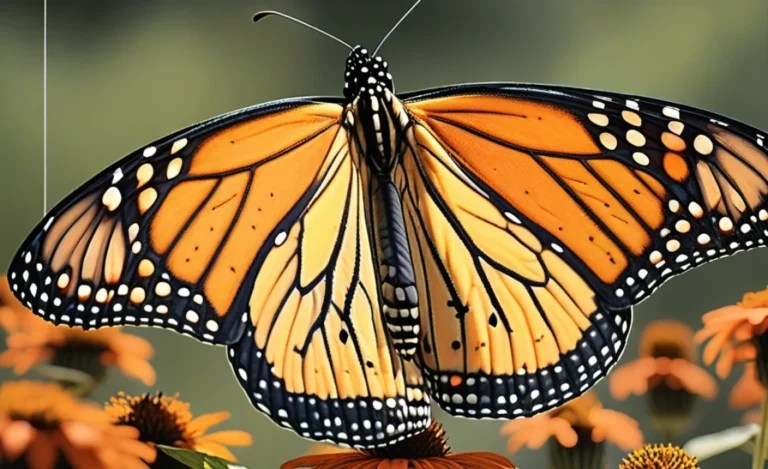
Monarch Butterfly Body Parts: The Ultimate Guide

Monarch butterflies have three main body parts: the head (with antennae, eyes, and proboscis), the thorax (with wings and legs), and the abdomen. Each part plays a vital role in their survival, from sensing their environment and feeding to flying and reproduction. Understanding these parts helps us appreciate the monarch’s amazing adaptations.
Have you ever wondered what each part of a monarch butterfly does? It’s fascinating to see how perfectly these creatures are designed for their life cycle. Many people find it tricky to understand all the different parts and how they work together. But don’t worry! We’ll explore the monarch’s body, piece by piece, in a way that’s easy to understand. You’ll learn about their antennae, wings, legs, and more! Ready to discover the secrets of the monarch’s anatomy?
Monarch Butterfly Body Parts: A Detailed Guide

Monarch butterflies, with their striking orange and black wings, are not only beautiful but also incredibly complex creatures. Understanding their anatomy can deepen our appreciation for these insects. Let’s explore each body part in detail.
The Head: Sensory Center
The head of a monarch butterfly is a sensory powerhouse, packed with organs that help it navigate and find food.
Antennae
Monarchs have two antennae, which are their primary sensory organs. They use these to:
- Smell: Detect the scent of nectar and host plants (milkweed).
- Sense Air Movement: Feel changes in the air to avoid predators or find shelter.
- Balance: Help maintain equilibrium during flight.
Think of antennae as the butterfly’s nose and balance sensors all in one!
Eyes
Monarchs have large, compound eyes, each made up of thousands of individual lenses called ommatidia. These eyes provide:
- Wide Field of Vision: The ability to see in almost all directions.
- Motion Detection: Quick detection of movement, crucial for avoiding predators.
- Color Perception: Sensitivity to a range of colors, helping them find nectar-rich flowers.
While their vision isn’t as sharp as ours, their ability to detect movement and color is essential for survival.
Proboscis
The proboscis is a long, straw-like tongue that the monarch uses to feed on nectar. When not in use, it’s coiled up like a garden hose. Key features include:
- Nectar Feeding: Used to suck nectar from flowers.
- Specialized Structure: Designed to reach deep into flower blossoms.
- Easy Storage: Coils up neatly when not in use.
Imagine drinking your juice through a very long, flexible straw – that’s how the monarch uses its proboscis!
The Thorax: Movement and Attachment
The thorax is the middle section of the monarch’s body, and it’s all about movement. It’s where the wings and legs are attached.
Wings
Monarch butterflies are famous for their vibrant orange and black wings. Here’s what you need to know:
- Two Pairs: They have two pairs of wings, forewings and hindwings.
- Scales: Wings are covered in thousands of tiny scales, which give them their color and pattern.
- Flight: Wings are used for flying, gliding, and even thermoregulation (adjusting body temperature).
The wings are not just for show; they are essential for the monarch’s long migrations.
Legs
Monarchs have six legs, but they don’t use all of them for walking. Here’s a breakdown:
- Three Pairs: Like all insects, they have three pairs of legs attached to the thorax.
- Tarsal Claws: Small claws on their feet help them grip surfaces.
- Sensory Hairs: Legs have sensory hairs that help them taste and feel their environment.
The front pair of legs is often reduced in size and used for tasting leaves to determine if they are suitable for egg-laying.
The Abdomen: Digestion and Reproduction
The abdomen is the final section of the monarch’s body, housing the digestive and reproductive organs.
Segments
The abdomen is divided into segments, each with a specific function:
- Protection: Segments provide a protective covering for internal organs.
- Flexibility: Allow the butterfly to bend and move.
- Respiration: Spiracles (small openings) on the segments allow the butterfly to breathe.
These segments work together to keep the monarch alive and functioning.
Digestive System
The abdomen contains the digestive system, which breaks down food and extracts nutrients:
- Efficient Process: Breaks down nectar into energy.
- Waste Elimination: Removes waste products from the body.
A healthy digestive system is crucial for the monarch’s energy needs, especially during migration.
Reproductive Organs
The abdomen also houses the reproductive organs, essential for the monarch’s life cycle:
- Egg Production: In females, the ovaries produce eggs.
- Fertilization: Males have organs to fertilize the eggs.
Reproduction ensures the continuation of the monarch butterfly species.
Monarch Butterfly Anatomy: A Closer Look

Let’s dive deeper into some specific aspects of monarch butterfly anatomy to gain a more nuanced understanding.
Wing Structure and Function
Monarch wings are marvels of natural engineering. They are not just colorful decorations but essential tools for survival.
Scales
The scales on a butterfly’s wings are responsible for their color and patterns. Here’s why they are important:
- Coloration: Scales contain pigments that give the wings their vibrant colors.
- Insulation: They provide a layer of insulation, helping the butterfly regulate its body temperature.
- Protection: Scales can detach, allowing the butterfly to escape from predators.
Each scale is a tiny, modified hair that overlaps with others, like shingles on a roof.
Veins
Wing veins provide structural support and carry nutrients:
- Support: Veins give the wings strength and rigidity.
- Nutrient Transport: They transport hemolymph (butterfly blood) and nutrients to the wings.
The vein patterns are unique to each butterfly species, helping with identification.
Leg Structure and Function
Monarch legs are adapted for various tasks beyond just walking.
Tarsal Claws
These tiny claws help the butterfly grip onto surfaces:
- Grip: Allow them to hold onto flowers, leaves, and other objects.
- Climbing: Aid in climbing stems and branches.
Imagine trying to walk on a windy day without shoes – the tarsal claws give the monarch extra stability.
Sensory Hairs
The sensory hairs on the legs help the butterfly “taste” with its feet:
- Chemoreception: Detect chemicals on surfaces.
- Host Plant Selection: Help females identify suitable milkweed plants for laying eggs.
This ability is crucial for ensuring that the caterpillars have the right food source.
Comparing Monarch Butterfly Body Parts to Other Insects

How do monarch butterfly body parts compare to those of other insects? Let’s take a look.
Similarities
Monarchs share many basic features with other insects:
- Three Body Segments: Head, thorax, and abdomen.
- Six Legs: Three pairs of legs attached to the thorax.
- Antennae: Sensory organs on the head.
- Compound Eyes: Eyes made up of multiple lenses.
These similarities highlight the common ancestry of all insects.
Differences
However, there are also some key differences:
- Wing Coloration: Monarchs have unique wing patterns and colors, distinct from most other butterflies and insects.
- Migration: The long-distance migration of monarchs is unique among butterflies in North America.
- Host Plant Specialization: Monarch caterpillars feed exclusively on milkweed, unlike many other butterfly species with broader diets.
These differences reflect the monarch’s unique adaptations to its environment and life cycle.
Table: Monarch Butterfly Body Parts and Their Functions

| Body Part | Function | Description |
|---|---|---|
| Head | Sensory perception | Contains antennae, compound eyes, and proboscis. |
| Antennae | Smell, balance, air movement | Two sensory organs used for detecting scents and maintaining balance. |
| Compound Eyes | Vision | Large eyes made of multiple lenses for wide-angle vision. |
| Proboscis | Feeding | A long, straw-like tongue used to suck nectar. |
| Thorax | Movement | The middle section where wings and legs are attached. |
| Wings | Flight, thermoregulation | Two pairs of wings covered in scales for flight and temperature control. |
| Legs | Walking, tasting | Six legs used for walking and sensing the environment. |
| Abdomen | Digestion, reproduction | The final section containing digestive and reproductive organs. |
| Segments | Protection, flexibility | Divisions that protect internal organs and allow movement. |
Table: Comparison of Monarch Butterfly Body Parts with Other Insects

| Feature | Monarch Butterfly | Other Insects (Example: Bee) |
|---|---|---|
| Wings | Orange and black patterns, scales | Vary widely in color and pattern, scales |
| Antennae | Sensory organs for smell and balance | Sensory organs, but may have different shapes and functions |
| Legs | Six legs with tarsal claws and sensory hairs | Six legs with variations in structure and function |
| Diet | Nectar (adult), Milkweed (larva) | Varies widely (nectar, pollen, other insects) |
| Migration | Long-distance migration | Some migrate, but not as extensively as monarchs |
The Importance of Understanding Monarch Anatomy
Knowing the body parts of a monarch butterfly and their functions is more than just an academic exercise. It’s crucial for conservation efforts.
Conservation Efforts
Understanding monarch anatomy helps us protect them in several ways:
- Habitat Preservation: Knowing their dependence on milkweed helps us protect and restore their breeding habitats.
- Pesticide Awareness: Understanding their sensitivity to chemicals helps us promote responsible pesticide use.
- Migration Support: Recognizing the importance of their wings for migration encourages us to create safe corridors for them.
By understanding their needs, we can take informed actions to support monarch populations.
Educational Value
Learning about monarch anatomy can inspire a deeper appreciation for nature:
- Inspires Curiosity: Encourages exploration of the natural world.
- Promotes Conservation: Fosters a sense of responsibility towards protecting these amazing creatures.
- Enhances Learning: Provides a hands-on way to learn about biology and ecology.
Education is key to ensuring that future generations value and protect monarch butterflies.
Tips for Observing Monarch Butterflies
If you want to observe monarch butterflies in your backyard or local park, here are some tips:
- Plant Milkweed: This is the only food source for monarch caterpillars.
- Provide Nectar Sources: Plant flowers that bloom throughout the butterfly season.
- Avoid Pesticides: Use natural pest control methods to protect monarchs and other beneficial insects.
- Observe Carefully: Take your time to watch the butterflies and appreciate their beauty.
- Document Your Observations: Keep a journal or take photos to record your sightings.
By creating a butterfly-friendly habitat, you can play a part in supporting monarch populations.
FAQ: Monarch Butterfly Body Parts
Here are some frequently asked questions about monarch butterfly body parts.
What is the proboscis used for?
The proboscis is a long, straw-like tongue that monarchs use to drink nectar from flowers. It’s like a built-in straw that they can coil up when they’re not using it.
How do monarchs see with compound eyes?
Monarchs have compound eyes made of thousands of tiny lenses. These lenses help them see a wide field of vision and detect movement, which is crucial for spotting predators.
Why are monarch wings covered in scales?
The scales on monarch wings give them their color and pattern. They also help insulate the butterfly and protect it from damage. If a predator grabs a wing, some scales might come off, allowing the butterfly to escape.
How do monarchs taste with their feet?
Monarchs have sensory hairs on their legs that allow them to taste chemicals on surfaces. This is especially important for female monarchs when they’re looking for the right kind of milkweed to lay their eggs on.
What is the function of the antennae?
Monarchs use their antennae to smell nectar and host plants, sense air movement, and maintain balance during flight. They are essential for navigation and survival.
How do monarchs breathe?
Monarchs breathe through small openings called spiracles located on the segments of their abdomen. These spiracles allow air to enter and exit the body.
Why is it important to protect monarch butterflies?
Monarch butterflies are important pollinators and indicators of environmental health. Their populations have declined due to habitat loss, pesticide use, and climate change. Protecting them helps maintain biodiversity and ecosystem health.
Conclusion
Understanding the anatomy of a monarch butterfly is like unlocking a secret code to the natural world. From the sensory antennae to the delicate wings and essential abdomen, each body part plays a critical role in the monarch’s life cycle. By appreciating these intricate details, we can deepen our respect for these amazing creatures and strengthen our commitment to their conservation. So, go ahead, explore your backyard, plant some milkweed, and watch these beautiful butterflies in action. You’ll see them in a whole new light!