
Butterfly Habitat Landscaping: Easy Guide

Quick Summary: Creating a butterfly habitat through landscaping involves planting specific flowers and host plants that butterflies need for food and reproduction. You’ll need sunny spots, shelter from wind, and a water source. Avoid pesticides and provide a variety of nectar-rich flowers that bloom throughout the butterfly season to attract and support these beautiful creatures.
Butterflies are more than just pretty visitors to our gardens; they’re vital pollinators and indicators of a healthy ecosystem. But with habitat loss and pesticide use on the rise, butterfly populations are declining. You might feel a bit overwhelmed trying to figure out how to help. Don’t worry! Creating a butterfly-friendly landscape is easier than you think, and it’s incredibly rewarding.
This guide breaks down the process into simple, manageable steps. We’ll cover everything from choosing the right plants to providing essential resources, ensuring your garden becomes a haven for butterflies. Let’s get started and transform your backyard into a vibrant butterfly paradise!
Understanding Butterfly Needs for Habitat Landscaping

Before diving into the how-to, let’s understand what butterflies need to thrive. Butterflies have two primary needs: nectar for adult butterflies and host plants for caterpillars. Understanding these needs is crucial for successful butterfly habitat landscaping.
Nectar Sources: Fuel for Flight
Adult butterflies feed on nectar, a sugary liquid produced by flowers. Nectar provides them with the energy they need for flight, reproduction, and migration. Choose flowers that are rich in nectar and bloom at different times throughout the butterfly season to provide a continuous food source.
Host Plants: Caterpillar Cuisine
Host plants are the specific plants that butterfly caterpillars feed on. Each butterfly species has its preferred host plants. For example, Monarch caterpillars only eat milkweed. Planting host plants is essential for the butterfly life cycle. Without them, butterflies cannot reproduce.
Step-by-Step Guide to Butterfly Habitat Landscaping

Ready to create your butterfly garden? Follow these steps to transform your landscape into a butterfly haven.
Step 1: Assess Your Site
Before you start planting, take a look at your yard and consider these factors:
- Sunlight: Most nectar plants need at least six hours of sunlight per day. Observe how the sun moves across your yard to identify sunny spots.
- Water: Butterflies need a source of water. A shallow dish with pebbles or a bird bath will do the trick.
- Shelter: Butterflies need protection from wind and predators. Trees, shrubs, and tall grasses can provide shelter.
- Soil: Most nectar plants prefer well-drained soil. Amend your soil with compost if needed to improve drainage and fertility.
Step 2: Choose the Right Plants
Selecting the right plants is the most important step in butterfly habitat landscaping. Choose a mix of nectar plants and host plants that are native to your area. Native plants are best because they are adapted to your local climate and support local butterfly populations. Here are some good options:
Nectar Plants:
- Butterfly Bush (Buddleja davidii): A classic butterfly magnet.
- Zinnia (Zinnia elegans): Easy to grow and comes in a variety of colors.
- Purple Coneflower (Echinacea purpurea): A beautiful and drought-tolerant option.
- Bee Balm (Monarda): Attracts butterflies, bees, and hummingbirds.
- Lantana (Lantana camara): A colorful and long-blooming option.
- Salvia (Salvia spp.): Available in various colors and sizes, attracting a wide range of pollinators.
Host Plants:
- Milkweed (Asclepias spp.): Essential for Monarch butterflies.
- Dill (Anethum graveolens): Host plant for Black Swallowtail butterflies.
- Parsley (Petroselinum crispum): Another host plant for Black Swallowtails.
- Fennel (Foeniculum vulgare): Also a host plant for Black Swallowtails.
- Spicebush (Lindera benzoin): Host plant for Spicebush Swallowtail butterflies.
- Violets (Viola spp.): Host plant for Great Spangled Fritillary butterflies.
Here is a summary table of nectar and host plant pairings:
| Butterfly Species | Nectar Plants | Host Plants |
|---|---|---|
| Monarch | Butterfly Bush, Zinnia, Coneflower | Milkweed |
| Black Swallowtail | Zinnia, Bee Balm, Salvia | Dill, Parsley, Fennel |
| Spicebush Swallowtail | Lantana, Salvia | Spicebush |
| Great Spangled Fritillary | Butterfly Bush, Coneflower | Violets |
Step 3: Design Your Garden
Now it’s time to design your butterfly garden. Consider these tips:
- Group plants together: Plant nectar plants in clusters to make it easier for butterflies to find them.
- Plant in layers: Use a mix of trees, shrubs, and flowers to create a layered habitat.
- Provide sunny and shady areas: Butterflies need both sun and shade to regulate their body temperature.
- Consider bloom times: Choose plants that bloom at different times throughout the butterfly season to provide a continuous food source.
Step 4: Prepare the Soil
Most nectar plants prefer well-drained soil. Before planting, amend your soil with compost to improve drainage and fertility. Follow these steps:
- Remove any grass or weeds from the planting area.
- Dig a hole that is twice as wide as the plant’s root ball.
- Mix compost with the soil you removed from the hole.
- Place the plant in the hole and backfill with the compost-soil mixture.
- Water thoroughly.
Step 5: Plant Your Garden
Now it’s time to plant your butterfly garden! Follow these tips:
- Plant in the spring or fall: These are the best times to plant because the weather is mild and the plants have time to establish before the heat of summer or the cold of winter.
- Water regularly: Water your plants regularly, especially during the first few weeks after planting.
- Mulch: Apply a layer of mulch around your plants to help retain moisture and suppress weeds.
- Avoid pesticides: Pesticides can harm or kill butterflies and other beneficial insects. Use organic gardening methods instead.
Step 6: Provide Water
Butterflies need a source of water to stay hydrated. You can provide water in several ways:
- Shallow dish with pebbles: Fill a shallow dish with water and add pebbles or stones so that butterflies can land and drink without drowning.
- Bird bath: A bird bath can also provide water for butterflies. Just make sure the water is shallow enough for them to reach.
- Mud puddle: Butterflies sometimes gather around mud puddles to drink water and absorb minerals.
Step 7: Maintain Your Garden
Once your butterfly garden is established, it’s important to maintain it to keep it healthy and attractive to butterflies. Follow these tips:
- Water regularly: Water your plants regularly, especially during dry periods.
- Weed regularly: Remove weeds from your garden to prevent them from competing with your plants for water and nutrients.
- Deadhead flowers: Deadhead spent flowers to encourage more blooms.
- Prune plants: Prune plants as needed to keep them healthy and attractive.
- Fertilize: Fertilize your plants in the spring with a balanced fertilizer.
Step 8: Observe and Enjoy
The best part of butterfly habitat landscaping is watching the butterflies come to your garden! Take time to observe the butterflies and other wildlife that visit your garden. You can learn a lot about their behavior and ecology. Keep a journal of the butterfly species you see and the plants they visit. This can help you refine your garden design and attract even more butterflies.
Advanced Tips for Butterfly Habitat Landscaping

Once you’ve mastered the basics, you can take your butterfly habitat landscaping to the next level with these advanced tips:
Create a Butterfly Puddling Station
Butterflies often gather around puddles to drink water and absorb minerals. You can create a butterfly puddling station by burying a shallow container in the ground and filling it with sand or gravel. Keep the sand or gravel moist by watering it regularly. Add a pinch of sea salt or wood ashes to the water to provide additional minerals.
Provide Overwintering Habitat
Many butterflies overwinter as pupae or adults. You can provide overwintering habitat by leaving leaf litter and dead stems in your garden. These materials provide shelter for overwintering butterflies and other beneficial insects. Avoid cutting back all of your plants in the fall. Leave some standing stems and seed heads to provide food and shelter for wildlife.
Plant a Butterfly Meadow
If you have a large yard, consider planting a butterfly meadow. A butterfly meadow is a large area of wildflowers and grasses that provides food and habitat for butterflies and other pollinators. To create a butterfly meadow, prepare the soil by removing any grass or weeds. Then, sow a mix of wildflower and grass seeds. Water regularly until the plants are established.
Raise Butterflies
Raising butterflies can be a rewarding experience. You can raise butterflies by collecting eggs or caterpillars from your garden and raising them in a butterfly enclosure. Provide the caterpillars with their host plants and keep the enclosure clean. Once the caterpillars pupate, wait for the butterflies to emerge. Release the butterflies into your garden to enjoy the nectar plants.
Troubleshooting Common Issues
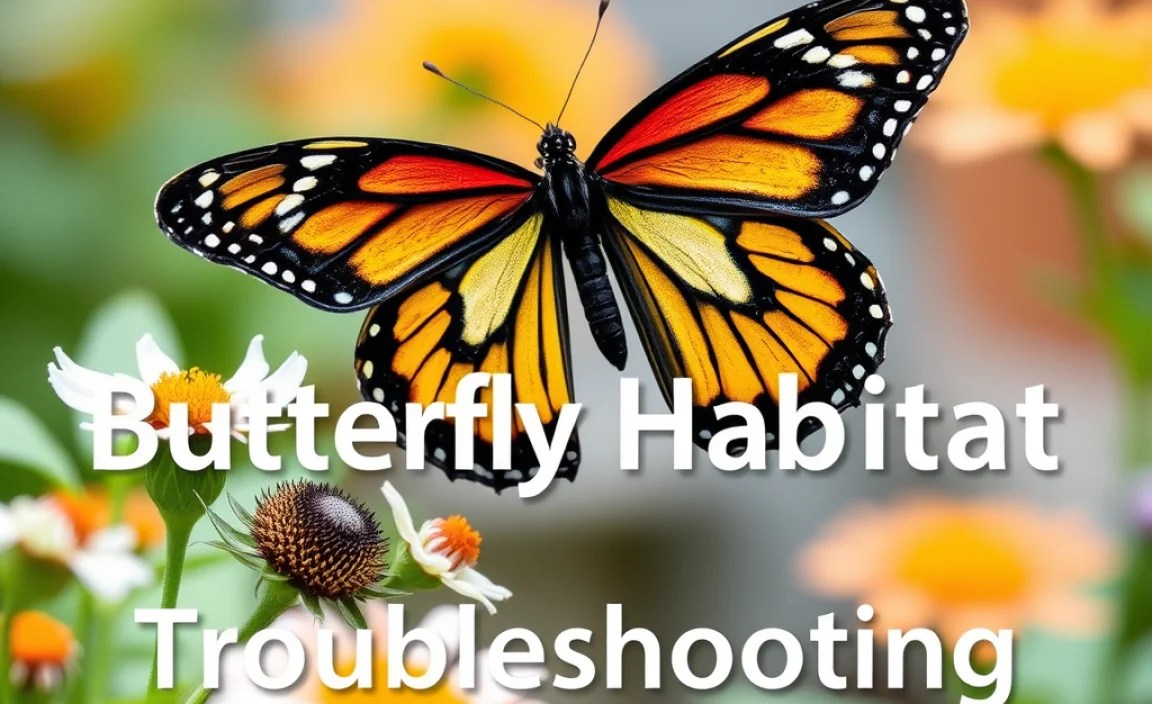
Even with the best planning, you may encounter some issues when creating a butterfly habitat. Here are some common problems and how to solve them:
- Butterflies aren’t visiting: Make sure you have a variety of nectar plants and host plants. Also, make sure your plants are getting enough sunlight and water. Avoid using pesticides.
- Caterpillars are eating all my plants: It’s normal for caterpillars to eat some of your plants. However, if they are eating all of your plants, you may need to provide them with more host plants. You can also move some of the caterpillars to other host plants.
- Plants are dying: Make sure your plants are getting enough water and sunlight. Also, make sure your soil is well-drained. Amend your soil with compost if needed.
- Pests are attacking my plants: Use organic gardening methods to control pests. You can use insecticidal soap, horticultural oil, or neem oil to control aphids, whiteflies, and other pests.
The Benefits of Butterfly Habitat Landscaping

Creating a butterfly habitat is not only beneficial for butterflies, but it also has many benefits for you and the environment. Here are some of the benefits:
- Attracts pollinators: Butterfly gardens attract other pollinators, such as bees, hummingbirds, and moths. Pollinators are essential for the reproduction of many plants, including fruits, vegetables, and flowers.
- Provides habitat for wildlife: Butterfly gardens provide habitat for a variety of wildlife, including birds, insects, and amphibians.
- Improves soil health: Butterfly gardens can improve soil health by adding organic matter to the soil and reducing erosion.
- Beautifies your yard: Butterfly gardens can add beauty and interest to your yard.
- Provides educational opportunities: Butterfly gardens can provide educational opportunities for children and adults. You can learn about butterfly biology, ecology, and conservation.
FAQ: Butterfly Habitat Landscaping
Here are some frequently asked questions about butterfly habitat landscaping:
What is the best time of year to start a butterfly garden?
The best time to start a butterfly garden is in the spring or fall. The weather is mild, and the plants have time to establish before the heat of summer or the cold of winter.
How much space do I need for a butterfly garden?
You can create a butterfly garden in any size space, from a small container garden to a large backyard. The most important thing is to provide a variety of nectar plants and host plants.
What are the best plants for attracting butterflies?
The best plants for attracting butterflies are native nectar plants and host plants. Some popular choices include butterfly bush, zinnia, coneflower, milkweed, dill, and parsley.
How do I protect my butterfly garden from pests?
Use organic gardening methods to control pests. You can use insecticidal soap, horticultural oil, or neem oil to control aphids, whiteflies, and other pests.
How do I attract Monarch butterflies to my garden?
To attract Monarch butterflies, plant milkweed. Milkweed is the only host plant for Monarch caterpillars. You can also plant nectar plants that Monarch butterflies like to feed on, such as butterfly bush, zinnia, and coneflower.
Do I need to use pesticides in my butterfly garden?
No, you should avoid using pesticides in your butterfly garden. Pesticides can harm or kill butterflies and other beneficial insects. Use organic gardening methods instead.
How can I tell if my butterfly garden is successful?
You’ll know your butterfly garden is successful when you start seeing butterflies visiting your garden regularly. You’ll also see caterpillars feeding on your host plants.
Conclusion
Creating a butterfly habitat through landscaping is a rewarding way to support these beautiful creatures and enhance your outdoor space. By providing the right plants, water sources, and shelter, you can transform your yard into a haven for butterflies. Remember to choose native plants, avoid pesticides, and provide continuous blooms throughout the butterfly season. As you nurture your butterfly garden, you’ll not only attract these colorful visitors but also contribute to the health of your local ecosystem. So, embrace the journey, enjoy the beauty, and let your garden become a sanctuary for butterflies and a source of joy for you.


