
Monarch Butterfly Friendly Plants: Your Easy Guide

Looking to create a haven for monarch butterflies? You’ll need the right plants! Monarchs rely on milkweed as their host plant, where they lay their eggs. Nectar-rich flowers like zinnias, coneflowers, and asters provide essential energy for adult butterflies. By planting both milkweed and nectar sources, you can help support the monarch population and enjoy their beauty in your garden.
Have you ever dreamed of a garden filled with fluttering monarch butterflies? It’s a beautiful sight, but these amazing creatures need our help. Monarch populations have been declining, and one of the best ways to support them is by planting the right plants. It can seem a little overwhelming to figure out where to start, but don’t worry! I’m Frances O’Brien, and I’ll guide you through everything you need to know to create a monarch-friendly garden. Together, we can make a real difference for these incredible butterflies.
Understanding Monarch Needs
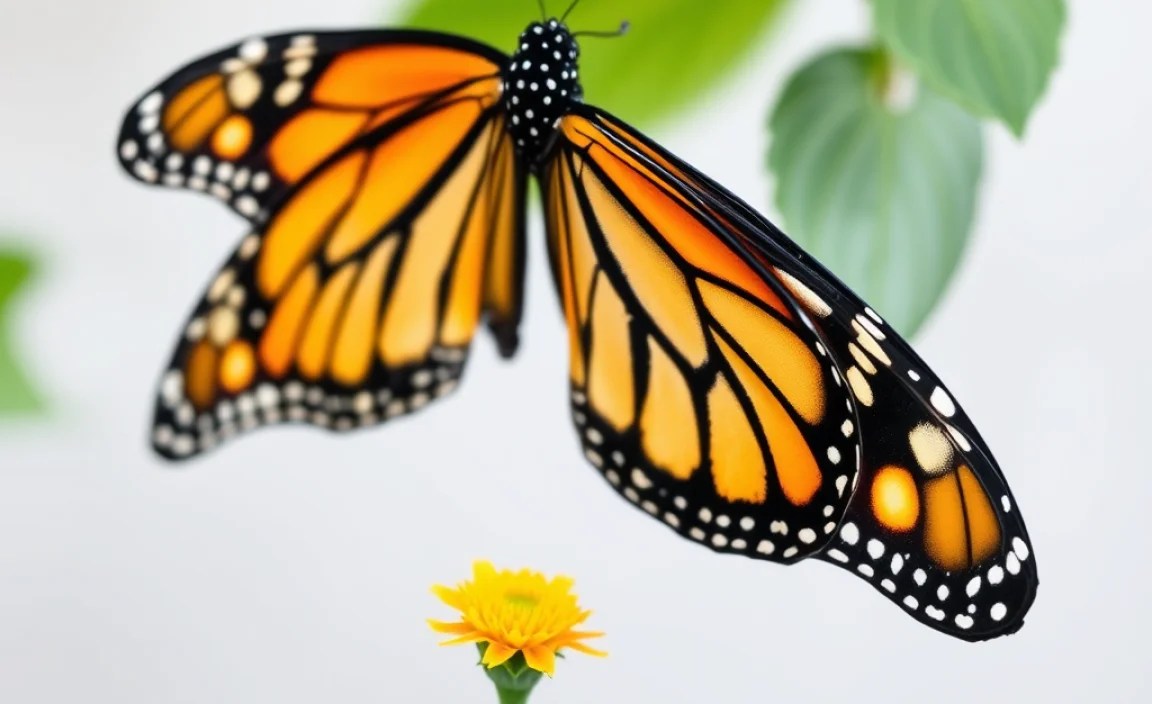
Before diving into specific plants, let’s understand what monarchs need throughout their life cycle. Monarch butterflies go through four stages: egg, larva (caterpillar), pupa (chrysalis), and adult. Each stage has different requirements.
Host Plants vs. Nectar Plants
It’s important to distinguish between host plants and nectar plants:
- Host Plants: These are plants that monarch caterpillars eat. Milkweed (Asclepias species) is the ONLY host plant for monarch caterpillars. Without milkweed, monarchs cannot complete their life cycle.
- Nectar Plants: These plants provide nectar, a sugary liquid that adult butterflies drink for energy. Adult monarchs need a variety of nectar sources to fuel their flight and reproduction.
The Importance of Milkweed
Milkweed is absolutely essential for monarch survival. Female monarchs lay their eggs exclusively on milkweed plants. When the eggs hatch, the caterpillars feed on the milkweed leaves. Milkweed contains compounds that make the caterpillars (and later, the butterflies) toxic to predators. It’s a remarkable example of nature’s ingenuity!
Choosing the Right Milkweed
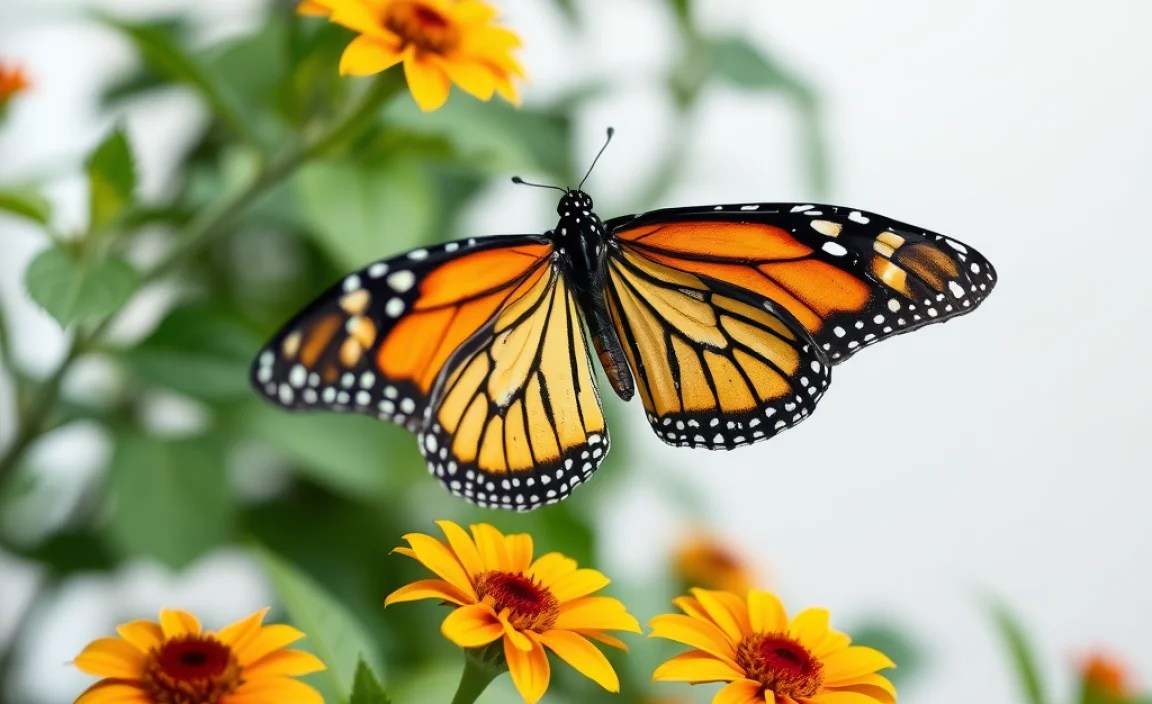
Not all milkweed is created equal. There are many different species of milkweed, and some are better suited for certain regions than others. It’s crucial to choose a species that is native to your area. Native plants are adapted to the local climate and soil conditions, and they provide the best food and habitat for local wildlife.
Native Milkweed Species by Region
Here are some popular native milkweed species for different regions of North America:
| Region | Milkweed Species | Description |
|---|---|---|
| Northeast | Common Milkweed (Asclepias syriaca) | Fragrant pink flowers, grows well in fields and along roadsides. |
| Southeast | Butterfly Weed (Asclepias tuberosa) | Bright orange flowers, drought-tolerant, attracts many butterflies. |
| Midwest | Swamp Milkweed (Asclepias incarnata) | Pink flowers, prefers moist soil, good for rain gardens. |
| Southwest | Showy Milkweed (Asclepias speciosa) | Large, showy pink flowers, attracts many pollinators. |
| West Coast | California Milkweed (Asclepias californica) | Grayish-green leaves, pinkish-purple flowers, important for monarch conservation in California. |
To find the best milkweed species for your specific area, consult with your local native plant society or cooperative extension office. They can provide valuable information and advice.
Avoid Tropical Milkweed in Certain Areas
While Tropical Milkweed (Asclepias curassavica) is easy to find in nurseries, it can pose problems in some regions. In areas where monarchs do not migrate, such as the Gulf Coast, tropical milkweed can persist through the winter. This can lead to a buildup of a parasite called Ophryocystis elektroscirrha (OE), which weakens monarchs and reduces their lifespan. If you live in a non-migratory area, it’s best to avoid tropical milkweed or cut it back severely in the fall to prevent OE buildup.
Best Nectar Plants for Monarchs
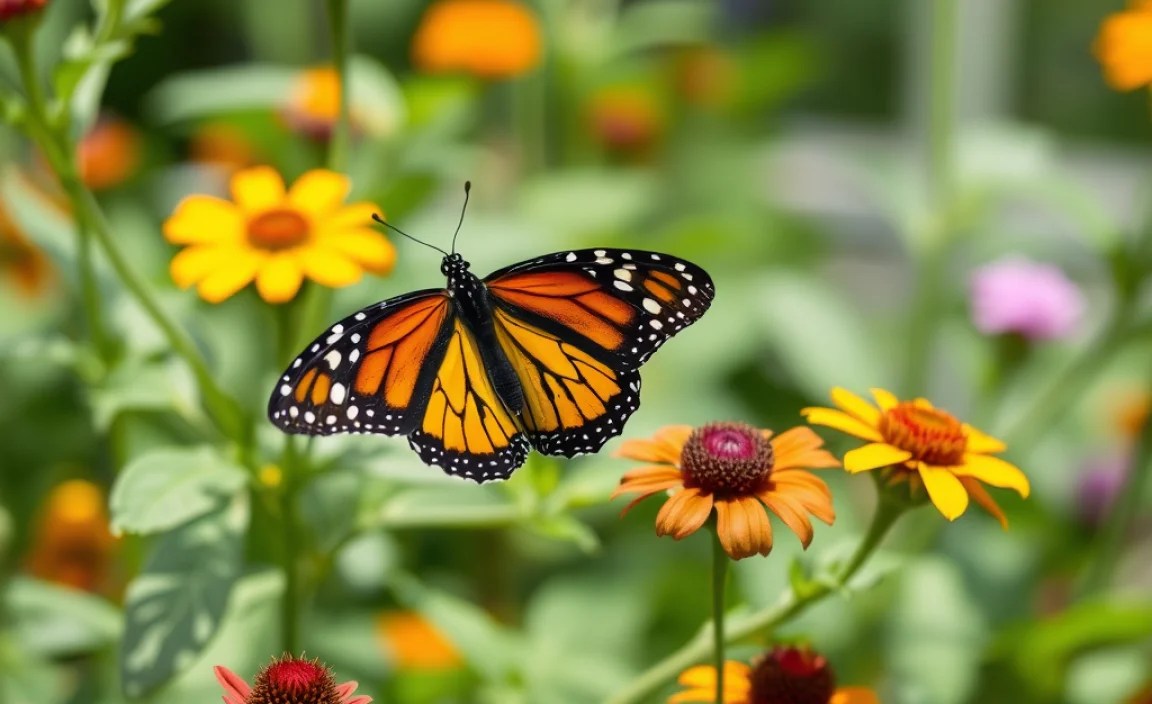
Adult monarch butterflies need nectar to fuel their activities, including migration and reproduction. Planting a variety of nectar-rich flowers that bloom throughout the growing season will provide a continuous food source for these beautiful creatures.
Top Nectar Plants for Monarchs
Here are some excellent nectar plants to include in your monarch-friendly garden:
- Zinnias (Zinnia elegans): Easy to grow, come in a variety of colors, and attract many butterflies.
- Coneflowers (Echinacea purpurea): Drought-tolerant, long-blooming, and provide seeds for birds in the fall.
- Asters (Symphyotrichum species): Bloom in late summer and fall, providing a crucial nectar source for migrating monarchs.
- Goldenrod (Solidago species): Often unfairly blamed for allergies, goldenrod is a valuable late-season nectar source.
- Joe-Pye Weed (Eutrochium purpureum): Tall, stately plant with clusters of pink flowers, attracts many butterflies and other pollinators.
- Lantana (Lantana camara): Colorful, heat-tolerant, and a favorite of butterflies. (Note: Can be invasive in some areas, so choose a non-invasive variety.)
- Salvia (Salvia species): Wide range of colors and sizes, attracts hummingbirds and butterflies.
Creating a Continuous Bloom
To provide a consistent nectar source for monarchs, plan your garden to have flowers blooming from spring through fall. This will ensure that there is always food available for these important pollinators. Consider planting a mix of early-blooming, mid-blooming, and late-blooming flowers.
Designing Your Monarch Garden

Now that you know which plants to choose, let’s talk about how to design your monarch garden. Here are some tips to create a welcoming habitat for these butterflies:
Location, Location, Location
Choose a sunny location for your monarch garden. Butterflies need sunlight to warm their bodies and nectar plants produce more blooms in full sun. Aim for at least six hours of direct sunlight per day.
Planting in Groups
Plant milkweed and nectar plants in groups rather than scattering them individually. This makes it easier for monarchs to find the plants and creates a more visually appealing garden. Grouping plants also helps to create a microclimate that is more favorable for butterflies.
Providing Shelter
Butterflies need shelter from wind and rain. Plant shrubs or trees around the perimeter of your garden to provide a protected space. You can also create a butterfly puddling area by placing a shallow dish of water with some pebbles or sand in a sheltered spot. Butterflies will use this area to drink and obtain minerals.
Avoiding Pesticides
Pesticides can be harmful to butterflies and other beneficial insects. Avoid using pesticides in your monarch garden. If you must use them, choose organic options and apply them carefully, avoiding spraying directly on flowering plants. Consider using natural pest control methods, such as attracting beneficial insects like ladybugs and lacewings.
Step-by-Step Guide to Planting a Monarch Garden
Ready to get your hands dirty? Here’s a step-by-step guide to planting your own monarch garden:
- Plan your garden: Decide where you want to plant your garden and what plants you want to include. Consider the size of your space, the amount of sunlight it receives, and your local climate.
- Prepare the soil: Remove any grass or weeds from the area. Amend the soil with compost or other organic matter to improve drainage and fertility.
- Plant your milkweed: Dig holes slightly larger than the root balls of your milkweed plants. Gently remove the plants from their containers and place them in the holes. Backfill with soil and water thoroughly.
- Plant your nectar plants: Follow the same procedure for planting your nectar plants. Be sure to space the plants according to their mature size.
- Water and mulch: Water your newly planted garden regularly, especially during dry periods. Apply a layer of mulch around the plants to help retain moisture and suppress weeds.
- Monitor your garden: Keep an eye on your plants and watch for monarch caterpillars. If you see caterpillars, resist the urge to move them or interfere with their natural behavior.
- Enjoy your monarch garden: Sit back and enjoy the beauty of your monarch garden. Watch as the butterflies flutter among the flowers and lay their eggs on the milkweed.
Maintaining Your Monarch Garden
Once your monarch garden is established, it’s important to maintain it properly to ensure its continued success. Here are some tips for maintaining your garden:
Watering
Water your garden regularly, especially during dry periods. Milkweed and nectar plants need consistent moisture to thrive.
Weeding
Keep your garden free of weeds. Weeds compete with your plants for water and nutrients. Mulching can help to suppress weed growth.
Deadheading
Deadhead spent flowers to encourage more blooms. This will help to prolong the flowering season and provide more nectar for butterflies.
Pruning
Prune your plants as needed to maintain their shape and size. Some plants, like butterfly bush, benefit from regular pruning to promote bushier growth and more flowers.
Protecting from Pests
Monitor your plants for pests and diseases. If you notice any problems, address them promptly using organic methods.
Dealing with Common Issues
Even with the best planning, you might encounter some challenges in your monarch garden. Here are some common issues and how to address them:
Aphids
Aphids are small, sap-sucking insects that can infest milkweed and other plants. They can weaken plants and reduce their ability to produce flowers. To control aphids, try spraying them with a strong stream of water or using insecticidal soap. You can also attract beneficial insects like ladybugs, which prey on aphids.
Milkweed Bugs
Milkweed bugs are brightly colored insects that feed on milkweed seeds and leaves. They can be unsightly, but they usually don’t cause serious damage to the plants. If you want to control milkweed bugs, you can handpick them off the plants or spray them with insecticidal soap.
Caterpillar Predators
Monarch caterpillars are vulnerable to predators such as birds, spiders, and wasps. To protect caterpillars, you can cover your milkweed plants with netting or relocate caterpillars to a protected area. You can also plant milkweed in a location that is less accessible to predators.
Engaging in Citizen Science
One of the best ways to support monarch conservation is to participate in citizen science projects. These projects allow you to contribute valuable data to scientists who are studying monarch populations and migration patterns.
Monarch Watch
Monarch Watch is a program that engages volunteers in tagging monarch butterflies. Tagging allows scientists to track the movements of monarchs and learn more about their migration routes. You can purchase tagging kits from Monarch Watch and participate in their annual tagging program.
Journey North
Journey North is a program that tracks the migration of monarchs and other wildlife. You can report your sightings of monarchs and milkweed on the Journey North website. This data helps scientists to understand the timing and distribution of monarch migration.
Resources for Further Learning
Want to learn more about monarch butterflies and how to support them? Here are some valuable resources:
- The Xerces Society for Invertebrate Conservation: A leading organization dedicated to protecting invertebrates and their habitats. https://xerces.org/
- Monarch Joint Venture: A partnership of organizations working to conserve monarch butterflies. https://monarchjointventure.org/
- U.S. Fish and Wildlife Service: Provides information about monarch conservation efforts and funding opportunities. https://www.fws.gov/
FAQ About Monarch Butterfly Friendly Plants
Here are some frequently asked questions about creating a monarch-friendly garden:
What is the most important plant for monarch butterflies?
Milkweed is the most important plant for monarch butterflies. It is the only host plant for monarch caterpillars, meaning they can only eat milkweed leaves.
What kind of milkweed should I plant?
Plant native milkweed species that are adapted to your local climate and soil conditions. Contact your local native plant society or cooperative extension office for recommendations.
What are some good nectar plants for monarchs?
Zinnias, coneflowers, asters, goldenrod, and Joe-Pye weed are all excellent nectar plants for monarchs. Choose a variety of plants that bloom throughout the growing season.
Where should I plant my monarch garden?
Choose a sunny location that receives at least six hours of direct sunlight per day. Provide shelter from wind and rain by planting shrubs or trees around the perimeter of your garden.
How can I protect monarch caterpillars from predators?
Cover your milkweed plants with netting or relocate caterpillars to a protected area. You can also plant milkweed in a location that is less accessible to predators.
Should I use pesticides in my monarch garden?
Avoid using pesticides in your monarch garden, as they can be harmful to butterflies and other beneficial insects. Use organic pest control methods instead.
How can I get involved in monarch conservation?
Participate in citizen science projects such as Monarch Watch and Journey North. You can also support organizations that are working to conserve monarch butterflies.
Conclusion
Creating a monarch-friendly garden is a rewarding experience that allows you to connect with nature and support these amazing creatures. By planting milkweed and nectar-rich flowers, you can provide essential food and habitat for monarch butterflies and help to ensure their survival for generations to come. So, get out there, plant some seeds, and watch your garden come alive with the beauty of monarch butterflies! Every little bit helps, and together, we can make a big difference for these incredible pollinators.


