
Species Identification by Spore: A Powerful Guide

Did you know tiny clues can solve big mysteries? Imagine you are a detective. You find a small speck of dust. This dust could be a clue. Scientists use tiny clues like this all the time. They use them to learn about the world around us. One amazing clue is the spore. Species identification by spore is like using a fingerprint. It helps us know what kind of plant or fungus we are looking at.
Have you ever wondered how mushrooms grow? They pop up after rain. They seem to appear from nowhere. Mushrooms spread using tiny spores. These spores are like seeds. They help new mushrooms grow. Learning about spores helps us understand nature. It also helps us protect our planet.
Key Takeaways
- Species identification by spore helps us understand different types of fungi.
- Spores are like tiny seeds that help fungi spread and grow.
- Microscopes are important tools for seeing and studying spores.
- Scientists use spore identification to learn about the environment.
- Understanding spores helps protect plants and ecosystems.
What Is Species Identification by Spore?

Species identification by spore is a way to figure out what kind of fungus or plant we have. Fungi and plants make spores. These spores are very tiny. You cannot see them without a microscope. Spores come in different shapes and sizes. They also have different patterns. Scientists look at these details. They use them to tell one species from another. It’s like looking at fingerprints. Each species has its own unique spore fingerprint. This helps us know exactly what we are looking at. It is a very important tool for scientists.
- Spores are very small.
- Each species has unique spores.
- Scientists use microscopes to see spores.
- Shape and size matter.
- Patterns help identify species.
Think of spores like tiny Lego bricks. Each brick is a different shape and color. When you put them together, they make different things. Spores are the same. Their shapes and patterns tell us what kind of plant or fungus they will become. Scientists study these tiny bricks. They learn about the big world around us. This helps us understand how different species are related. It also helps us protect them.
Why Are Spores Important?
Have you ever wondered how mushrooms grow in your backyard? They seem to pop up overnight! Spores are the reason. Spores are like tiny seeds that help mushrooms spread. They travel through the air. They land in new places. Then, they start to grow. Without spores, we would not have mushrooms. Many plants also use spores to reproduce. Ferns are a good example. They don’t have flowers or seeds. Instead, they use spores to make new ferns. Spores are very important for many plants and fungi.
How Do Scientists Collect Spores?
Imagine you are a scientist studying mushrooms. How would you collect spores? It’s a bit like collecting dust. Scientists use special tools to gather spores. They might use a small brush or a sticky tape. They carefully collect the spores from the mushroom or plant. Then, they put the spores on a slide. A slide is a small piece of glass. They look at the slide under a microscope. This helps them see the spores clearly. Collecting spores is a delicate job. It takes a lot of patience and care.
What Tools Do Scientists Use?
To study spores, scientists need special tools. The most important tool is a microscope. A microscope makes tiny things look bigger. This helps scientists see the details of the spores. They also use slides to hold the spores. They use special lights to see the spores better. Sometimes, they use chemicals to stain the spores. This makes the patterns easier to see. Scientists also use computers. They use them to take pictures of the spores. They also use them to compare the spores to other species. All these tools help scientists identify spores.
Fun Fact or Stat: Some spores can travel thousands of miles through the air!
Examining Spore Morphology for Identification

Spore morphology means the shape and structure of spores. It is very important for species identification by spore. Scientists look at the shape of the spore. Is it round, oval, or long? They also look at the surface of the spore. Is it smooth, bumpy, or spiky? The color of the spore is also important. Some spores are clear. Others are brown, black, or even colorful. All these details help scientists tell one species from another. It’s like looking at the different shapes and colors of candies in a jar. Each detail helps you know what kind of candy it is.
- Shape is very important.
- Surface texture matters too.
- Color can be a clue.
- Size is also a factor.
- All details help with identification.
- Use morphology to identify the species.
Imagine you are building a house with Lego bricks. The shape of each brick is important. Some bricks are flat. Others are round. Some have bumps. These different shapes help you build different parts of the house. Spore morphology is the same. The shape and structure of each spore help scientists understand what kind of plant or fungus it comes from. By studying these tiny details, scientists can learn a lot about the world around us.
What Are Common Spore Shapes?
Spores come in many shapes. Some are round like a ball. Others are oval like an egg. Some are long and skinny like a hot dog. Some have points or spikes. The shape of the spore can tell us a lot. For example, some mushrooms have round spores. Other mushrooms have oval spores. Ferns often have bean-shaped spores. These different shapes help scientists identify different species. It’s like looking at different kinds of cookies. Some are round. Others are square. The shape helps you know what kind of cookie it is.
How Does Surface Texture Help?
The surface of a spore can be smooth or rough. Some spores have tiny bumps. Others have lines or ridges. Some spores even have spines. These textures help scientists identify them. Smooth spores might belong to one species. Rough spores might belong to another. Imagine touching different fabrics. Some are smooth like silk. Others are rough like burlap. The texture helps you know what kind of fabric it is. Spore texture is the same. It helps scientists know what kind of spore it is.
Why Is Spore Color Important?
Spores come in many colors. Some are clear and colorless. Others are brown or black. Some are even yellow or green. The color of the spore can be a clue. Certain species have spores of a specific color. For instance, some mushrooms have brown spores. Other mushrooms have white spores. The color helps scientists narrow down the possibilities. Think about different colored candies. Red candies might be cherry flavored. Green candies might be lime flavored. The color gives you a clue about the flavor. Spore color works the same way.
Fun Fact or Stat: Some spores are so small that a million of them could fit on the head of a pin!
Using Microscopes for Spore Observation
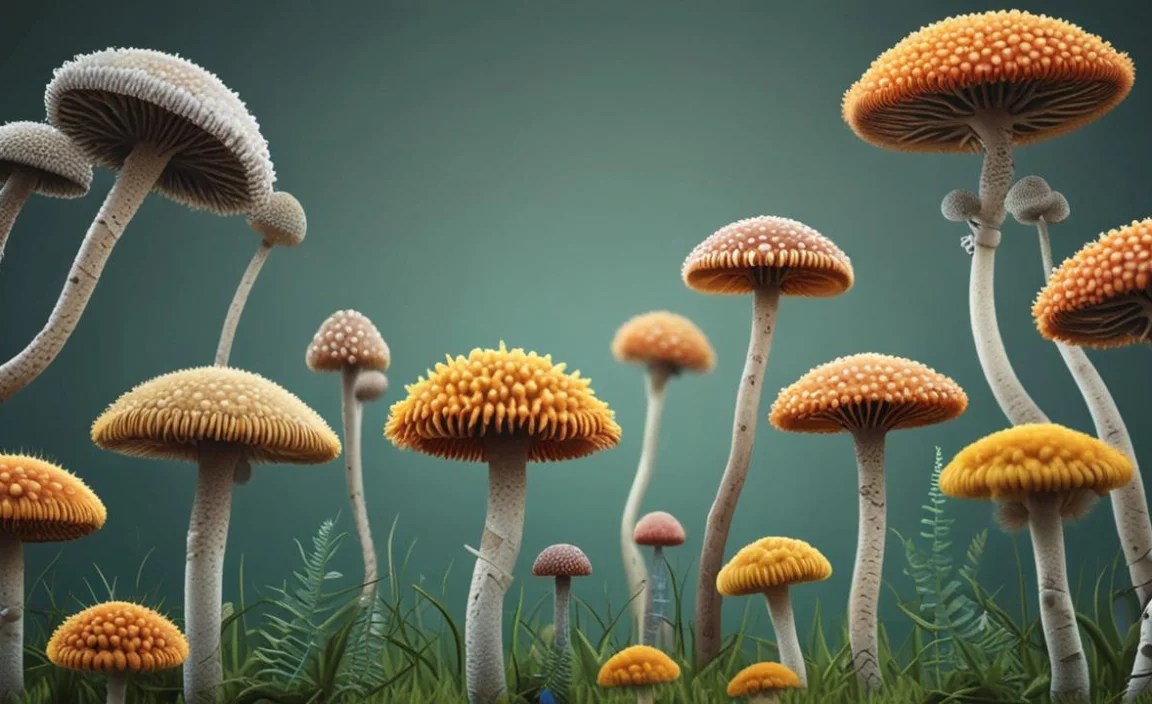
Microscopes are super important for studying spores. Spores are tiny. You can’t see them well with just your eyes. A microscope makes them look bigger. There are different kinds of microscopes. Some use light to make the image bigger. These are called light microscopes. Other microscopes use electrons. These are called electron microscopes. Electron microscopes can show even more detail. Scientists use microscopes to see the shape, size, and texture of spores. This helps them figure out what kind of plant or fungus the spore comes from. Without microscopes, species identification by spore would be very hard.
- Microscopes make spores bigger.
- Light microscopes use light.
- Electron microscopes use electrons.
- Microscopes show spore details.
- Details help with identification.
- Different microscopes show different details.
Imagine you have a magnifying glass. It makes small things look bigger. This helps you see them better. A microscope is like a super-powered magnifying glass. It makes tiny spores look very big. This helps scientists see all the little details. They can see the shape, the texture, and the color of the spore. These details are like clues. They help scientists solve the mystery of what kind of plant or fungus the spore comes from. Microscopes are amazing tools for exploring the tiny world of spores.
How Does a Light Microscope Work?
A light microscope uses light and lenses to make things look bigger. Light shines through the spore. The lenses bend the light. This makes the spore look bigger. You look through the eyepiece. The eyepiece is like a small window. It shows you the magnified image. Light microscopes are good for seeing the basic shape and color of spores. They are easier to use than electron microscopes. Many scientists use light microscopes to study spores.
What Can You See with an Electron Microscope?
Electron microscopes are very powerful. They use electrons instead of light. Electrons are tiny particles. They can show much more detail than light. Electron microscopes can show the very fine details of spores. You can see tiny bumps and ridges. You can see the structure of the spore wall. These details can help scientists identify spores very accurately. Electron microscopes are more complicated to use than light microscopes. But they provide a lot more information.
Preparing Spores for Microscopy
Before you can look at spores under a microscope, you need to prepare them. First, you collect the spores. Then, you put them on a slide. Sometimes, you need to stain the spores. Staining makes the details easier to see. You use special chemicals to stain them. The chemicals make the spore wall darker. This makes the shape and texture stand out. You also need to make sure the spores are spread out on the slide. If they are clumped together, it’s hard to see them clearly. Preparing spores takes time and care.
Fun Fact or Stat: The first microscope was invented in the late 1500s!
Importance of Spore Size in Species ID

Spore size is a key part of species identification by spore. Spores are really small, but they come in different sizes. Some are tiny, and some are a bit bigger. Scientists measure the size of spores using microscopes. They use special rulers on the microscope to get accurate measurements. The size of the spore can help tell one species from another. For example, one type of mushroom might have spores that are 10 micrometers long. Another type of mushroom might have spores that are 15 micrometers long. This difference in size can help scientists identify the species.
- Spores come in different sizes.
- Size helps identify species.
- Scientists measure spore size.
- Use rulers on microscopes.
- Size is an important clue.
- Accurate measurements are needed.
Imagine you are sorting beads. Some beads are small, and some are large. You can use the size of the beads to separate them into different groups. Spore size works the same way. Scientists use the size of spores to help identify different species of fungi and plants. It’s like using a ruler to measure the length of a bug. The length can help you know what kind of bug it is. Spore size is an important piece of the puzzle when identifying species.
How Do Scientists Measure Spores?
Measuring spores is tricky because they are so small. Scientists use microscopes with special measuring tools. These tools are like tiny rulers inside the microscope. They are called micrometers. Scientists look at the spore through the microscope. They use the micrometer to measure the length and width of the spore. They need to be very careful and precise. Even a tiny mistake can throw off the measurement. Accurate measurements are important for correct identification.
What Is a Micrometer?
A micrometer is a unit of measurement. It is used to measure very small things. One micrometer is one-millionth of a meter. That’s really, really small! Spores are measured in micrometers. Scientists use micrometers to measure the length, width, and other features of spores. Because spores are so tiny, micrometers are the perfect unit of measurement. Without micrometers, it would be impossible to measure spores accurately.
Why Is Accuracy Important?
Accuracy is very important when measuring spores. Even a small error can lead to a wrong identification. Imagine you are baking a cake. If you don’t measure the ingredients accurately, the cake might not turn out right. It could be too sweet or too dry. Identifying spores is similar. If you don’t measure the spores accurately, you might think it’s one species when it’s really another. This can cause problems in research and conservation. Accurate measurements are key to reliable species identification by spore.
Fun Fact or Stat: A micrometer is also called a micron!
Spore Wall Structure and Identification
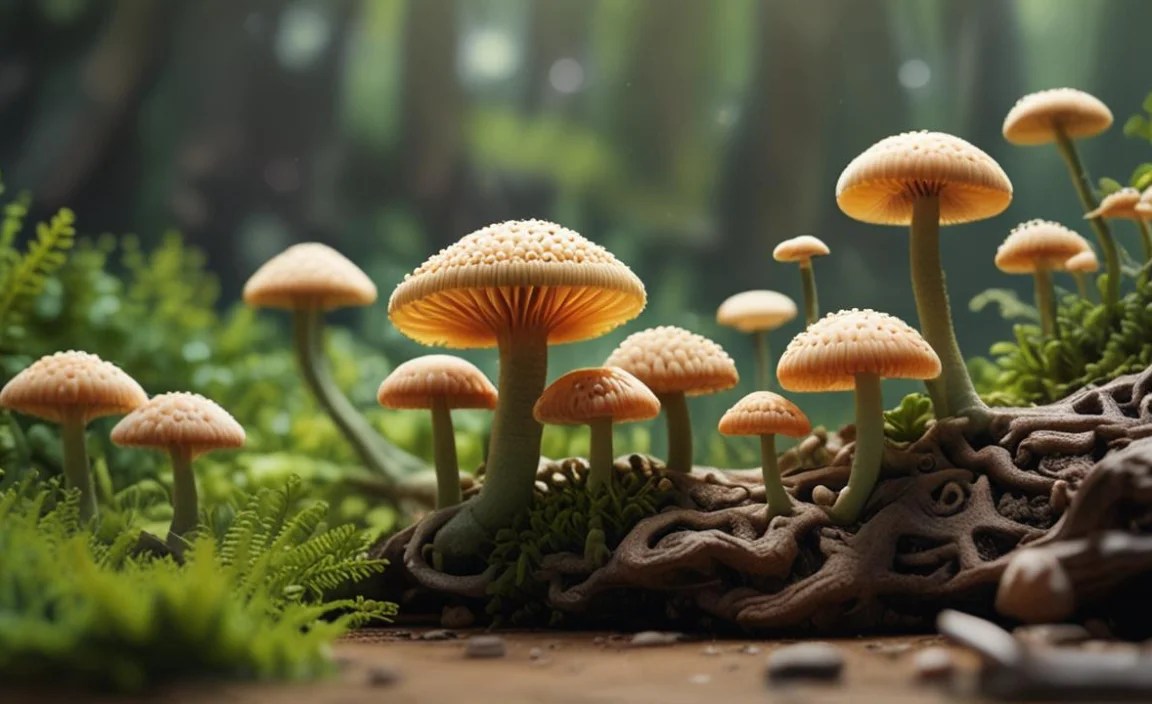
The spore wall structure is another important feature for species identification by spore. The spore wall is the outer layer of the spore. It protects the spore. The spore wall can be smooth, rough, or have other textures. It can also have different layers. Scientists look at the spore wall under a microscope. They see the different layers and textures. This helps them identify the species. The spore wall is like the shell of a nut. It protects the inside. It also tells you what kind of nut it is.
- Spore wall protects the spore.
- It has different textures.
- It can have different layers.
- Scientists study the wall.
- Wall structure helps identify species.
- Microscopes are used to see the wall.
Imagine you are looking at different kinds of fruit. Some fruits have thick skins. Others have thin skins. Some skins are smooth, and some are bumpy. The skin of the fruit can help you know what kind of fruit it is. The spore wall is similar. It has different textures and layers. These features help scientists identify the species of fungus or plant. Studying the spore wall is like studying the cover of a book. The cover can give you clues about what the book is about.
What Are the Layers of a Spore Wall?
The spore wall can have several layers. The layers can be made of different materials. Some layers are thick, and some are thin. The outermost layer is often called the epispore. The innermost layer is called the endospore. There may be other layers in between. Each layer can have a different texture or color. Scientists study these layers to help identify the species. The layers are like the different layers of clothing you wear in the winter. Each layer provides protection and warmth.
How Does Texture of the Wall Help?
The texture of the spore wall can be smooth, rough, or ornamented. Ornamented means it has patterns or decorations. Some spore walls have tiny bumps or spines. Others have ridges or lines. The texture can be very helpful for identification. Certain species have smooth spore walls. Other species have ornamented spore walls. The texture is like the surface of a rock. Some rocks are smooth, and some are rough. The texture helps you know what kind of rock it is.
Using Stains to See the Wall
Sometimes, it’s hard to see the details of the spore wall. Scientists use stains to make the details clearer. Stains are special chemicals that color the spore wall. Some stains color certain layers. Other stains color certain textures. The stains make the layers and textures stand out. This helps scientists see them more easily. Staining is like coloring a picture with crayons. The colors make the picture more vibrant and easier to see.
Fun Fact or Stat: The spore wall can protect the spore from extreme temperatures!
Spore Coloration and Species Determination
Spore coloration is another important clue for species identification by spore. Spores come in many colors. Some are clear or colorless. Others are white, yellow, brown, or black. The color of the spore is determined by the chemicals inside the spore wall. Scientists look at the spore color under a microscope. The color can help them narrow down the possibilities. For example, if a mushroom has brown spores, it’s likely to be a certain type of mushroom. Spore color is like the color of a flower. It helps you know what kind of flower it is.
| Spore Color | Possible Species | Notes |
|---|---|---|
| White | Amanita | Often found in forests. |
| Brown | Agaricus | Common in grasslands. |
| Black | Coprinus | Deliquescent (self-dissolving). |
| Yellow | Cortinarius | Often rusty brown when old. |
- Spores come in many colors.
- Color helps narrow down species.
- Scientists look at spore color.
- Color is due to chemicals.
- Color is like flower color.
- Different colors suggest different species.
Imagine you are sorting candies by color. You have red candies, green candies, and blue candies. The color of the candy helps you sort them into different groups. Spore coloration works the same way. Scientists use the color of spores to help identify different species of fungi and plants. It’s like using the color of a car to help you find it in a parking lot. Spore color is an important clue for identification.
What Causes Spore Color?
The color of a spore is caused by pigments. Pigments are chemicals that absorb certain colors of light. When light shines on a spore, the pigments absorb some colors and reflect others. The colors that are reflected are the colors you see. Different species have different pigments. This is why their spores have different colors. It’s like the different colors of paint. Each color is made of different pigments. The pigments determine the color of the paint.
How Do Scientists Determine Spore Color?
Scientists use microscopes to determine spore color. They look at the spores under a microscope with good lighting. They compare the color of the spores to color charts. These charts show different shades of colors. This helps them describe the color accurately. It can be tricky to determine the exact color. Sometimes, the color can change depending on the lighting. Scientists need to be careful and consistent when determining spore color.
Can Spore Color Change Over Time?
Yes, spore color can change over time. Some spores start out as one color and then change to another color as they mature. This can be due to changes in the pigments. It can also be due to the spore wall changing. Scientists need to be aware of this. They need to look at the spores at different stages of development. This helps them get an accurate idea of the spore color. It’s like looking at a leaf in the fall. The leaf changes color as it ages.
Fun Fact or Stat: Some spores are bioluminescent, meaning they glow in the dark!
Environmental Applications of Spore ID
Species identification by spore is useful in many ways. It helps us understand the world around us. Scientists use it to study ecosystems. They can learn what kinds of fungi and plants live in different areas. This helps them understand how the ecosystem works. Spore identification is also used in forensics. It can help solve crimes. Spores can be found on clothing or other objects. Identifying the spores can help link a suspect to a crime scene. It’s like using fingerprints to solve a mystery.
- Helps understand ecosystems.
- Used in forensic science.
- Helps study plant diseases.
- Can monitor air quality.
- Helps in archaeology.
- Spores show environmental changes.
Imagine you are exploring a forest. You want to know what kinds of trees and plants are growing there. You can collect spores from the air and soil. Then, you can identify the spores. This will tell you what kinds of plants and fungi are in the forest. It’s like being a detective. You are using clues to solve a mystery. Spore identification is a powerful tool for understanding the environment.
How Does It Help Study Ecosystems?
By identifying spores, scientists can learn about the biodiversity of an ecosystem. Biodiversity means the variety of life in an area. Spores can tell scientists what kinds of plants, fungi, and other organisms are present. This helps them understand how these organisms interact with each other. It also helps them understand how the ecosystem is changing over time. This information is important for conservation efforts. It can help us protect endangered species and habitats.
What Is Its Role in Forensics?
Spores can be used as evidence in criminal investigations. Spores are tiny and can easily stick to clothing, shoes, or other objects. If a crime is committed in a certain area, the spores from that area may be found on the suspect’s clothing. By identifying the spores, investigators can link the suspect to the crime scene. This can be important evidence in court. It’s like using DNA evidence to solve a crime. Spores can provide valuable clues.
How Can It Help Monitor Air Quality?
Spores are present in the air. The types of spores in the air can tell us about the air quality. Some spores are allergens. Allergens can cause allergic reactions in people. If there are a lot of allergen spores in the air, it can be a sign of poor air quality. Monitoring the types and amounts of spores in the air can help us protect public health. It’s like using a thermometer to measure the temperature. Spores can tell us about the health of the air.
Fun Fact or Stat: Spores have been found in ancient tombs, helping archaeologists learn about the past!
Summary
Species identification by spore is a way to figure out what kind of fungus or plant we are looking at. Spores are very small and come in different shapes, sizes, and colors. Scientists use microscopes to see these details. They look at the spore’s shape, size, surface texture, and color. All these things help them identify the species. The spore wall also has different layers and textures that help with identification. This process helps us learn about ecosystems and protect our environment.
Conclusion
Learning about spores is like becoming a nature detective. We can use tiny clues to uncover big secrets about plants and fungi. Species identification by spore helps us understand the world around us. It also helps us protect our environment. Keep exploring and asking questions. The world is full of amazing discoveries waiting to be made.
Frequently Asked Questions
Question No 1: What is a spore?
Answer: A spore is like a tiny seed. It helps fungi and some plants reproduce. Spores are very small, so you need a microscope to see them. They float around in the air and land in new places. Then, they can grow into new plants or fungi. Spores are important for keeping our ecosystems healthy and diverse. They help spread life all around us, even in places we can’t see with our own eyes.
Question No 2: Why is species identification by spore important?
Answer: Species identification by spore helps us know what kind of plant or fungus we are looking at. It’s like knowing the name of a flower or tree. This helps scientists study ecosystems. They can learn about the different species that live in an area. It also helps them protect endangered species. If we know what something is, we can better understand how to take care of it. Knowing the species by its spores can help prevent the spread of harmful plant diseases and fungi.
Question No 3: What tools do scientists use to study spores?
Answer: Scientists use special tools to study spores. The most important tool is a microscope. A microscope makes tiny things look bigger. This helps scientists see the details of the spores. They also use slides to hold the spores. They use special lights to see the spores better. Sometimes, they use chemicals to stain the spores. This makes the patterns easier to see. All these tools help scientists identify spores and learn about their features.
Question No 4: Can spores help solve crimes?
Answer: Yes, spores can help solve crimes! Spores are tiny and can easily stick to clothing, shoes, or other objects. If a crime is committed in a certain area, the spores from that area may be found on the suspect’s clothing. By identifying the spores, investigators can link the suspect to the crime scene. This is called forensic palynology. It’s like using fingerprints to solve a mystery, but with spores instead!
Question No 5: What are some different shapes of spores?
Answer: Spores come in many shapes. Some are round like a ball. Others are oval like an egg. Some are long and skinny like a hot dog. Some have points or spikes. The shape of the spore can tell us a lot. For example, some mushrooms have round spores. Other mushrooms have oval spores. These different shapes help scientists identify different species through species identification by spore.
Question No 6: How does spore color help with identification?
Answer: Spore color is another important clue. Spores can be clear, white, brown, black, or even colorful. The color comes from chemicals inside the spore wall. Scientists look at the spore color under a microscope. The color helps them narrow down the possibilities. For example, if a mushroom has brown spores, it’s likely a certain type. Species identification by spore includes the color. It is like using the color of a flower to help you know what kind it is.


