Altitudinal Shift Endangered Butterflies: A Smart Solution?

Quick Summary: Altitudinal shift, where butterflies move to higher elevations due to climate change, threatens their survival. As temperatures rise, butterflies seek cooler habitats, but this shift can lead to habitat loss, reduced breeding success, and isolation from food sources, ultimately endangering many butterfly species. Protecting their habitats and reducing climate change impacts are vital for their survival.
Have you noticed fewer butterflies fluttering around your garden lately? Or perhaps you’ve spotted them in unexpected places, like higher up in the mountains? It’s not just your imagination. Butterflies, like many other creatures, are on the move, trying to adapt to our rapidly changing climate. This shift in altitude, while a natural response, poses significant threats to their survival. But don’t worry, there are ways we can help these beautiful creatures. Together, we can explore the reasons behind this change and discover what we can do to protect them.
Ready to learn more? We’ll explore why butterflies are moving, the dangers they face, and what we can do to help. Let’s get started!
Understanding Altitudinal Shift in Butterflies
Altitudinal shift refers to the phenomenon where species move to higher elevations in response to changing environmental conditions, particularly rising temperatures. For butterflies, this means they are seeking cooler habitats as their traditional lower-altitude homes become too warm. As a naturalist, I’ve observed this trend firsthand, and it’s crucial to understand why it’s happening and what it means for butterfly populations.
What Causes Altitudinal Shift?
The primary driver of altitudinal shift is climate change. As global temperatures rise, butterflies are forced to seek out cooler environments to survive. Other contributing factors include:
- Habitat Loss: Destruction of natural habitats at lower elevations forces butterflies to move.
- Changes in Vegetation: Altered plant communities affect the availability of food sources.
- Increased Competition: As species move upward, they may encounter competition from existing high-altitude species.
How Altitudinal Shift Affects Butterflies
While moving to higher altitudes might seem like a solution for butterflies, it brings a whole new set of challenges:
- Reduced Habitat Availability: Higher elevations often have less suitable habitat, limiting where butterflies can live and breed.
- Isolation: Populations can become isolated from each other, reducing genetic diversity and making them more vulnerable to extinction.
- Mismatch with Food Sources: The plants that butterflies rely on for food might not be available at higher altitudes.
- Increased Predation: New predators at higher elevations can pose a threat.
The Endangered Butterflies: A Closer Look
Several butterfly species are particularly vulnerable to the effects of altitudinal shift. These butterflies often have specific habitat requirements or limited ranges, making them less adaptable to change. Let’s examine a few examples:
Specific Examples of Endangered Butterflies
Here are some butterfly species that are highly impacted by altitudinal shifts and climate change:
| Butterfly Species | Habitat | Threats from Altitudinal Shift |
|---|---|---|
| Uncompahgre Fritillary (Boloria acrocnema) | High-altitude alpine tundra in Colorado | Habitat loss due to warming temperatures, reduced snowpack affecting larval food plants. |
| Bay Checkerspot (Euphydryas editha bayensis) | Serpentine grasslands in the San Francisco Bay Area | Changes in host plant phenology, leading to larval starvation. |
| Miami Blue (Cyclargus thomasi bethunei) | Coastal pine rocklands in South Florida | Habitat loss from sea-level rise and changes in vegetation. |
| Oregon Silverspot (Speyeria zerene hippolyta) | Coastal meadows and grasslands in Oregon | Invasion of non-native plants, habitat degradation, and climate change impacts on host plants. |
| Quino Checkerspot (Euphydryas quino) | Chaparral and grasslands in Southern California and Baja California | Habitat fragmentation, climate change affecting larval host plants. |
These are just a few examples. Many other butterfly species are facing similar challenges due to climate change and habitat loss. The Xerces Society is an excellent resource for learning more about endangered butterfly species and conservation efforts.
The Role of Habitat Loss
Habitat loss is a major factor exacerbating the effects of altitudinal shift. As natural habitats are destroyed by development, agriculture, and other human activities, butterflies have fewer places to retreat to. This makes them even more vulnerable to the impacts of climate change.
The Science Behind Butterfly Movement
Understanding how butterflies respond to climate change requires delving into the science behind their movements and adaptations. Butterflies are highly sensitive to temperature and rely on specific environmental cues for their life cycle.
Butterfly Biology and Climate Sensitivity
Butterflies are ectothermic, meaning they rely on external sources of heat to regulate their body temperature. This makes them highly sensitive to changes in temperature. Rising temperatures can affect their development, behavior, and reproduction. For example:
- Development Rate: Warmer temperatures can speed up development, potentially leading to a mismatch with food sources.
- Flight Activity: Extreme heat can reduce flight activity, limiting foraging and mating opportunities.
- Distribution: Butterflies are shifting their ranges to stay within their preferred temperature zones.
Research and Data on Butterfly Migration
Scientists are using various methods to study butterfly movements and their response to climate change. These include:
- Citizen Science Projects: Programs like the North American Butterfly Association’s butterfly counts rely on volunteers to collect data on butterfly populations.
- Mark-Recapture Studies: Butterflies are marked and released to track their movements and survival rates.
- Climate Modeling: Models are used to predict how butterfly distributions will change under different climate scenarios.
These studies provide valuable insights into the challenges butterflies face and help inform conservation strategies.
Practical Steps to Help Endangered Butterflies
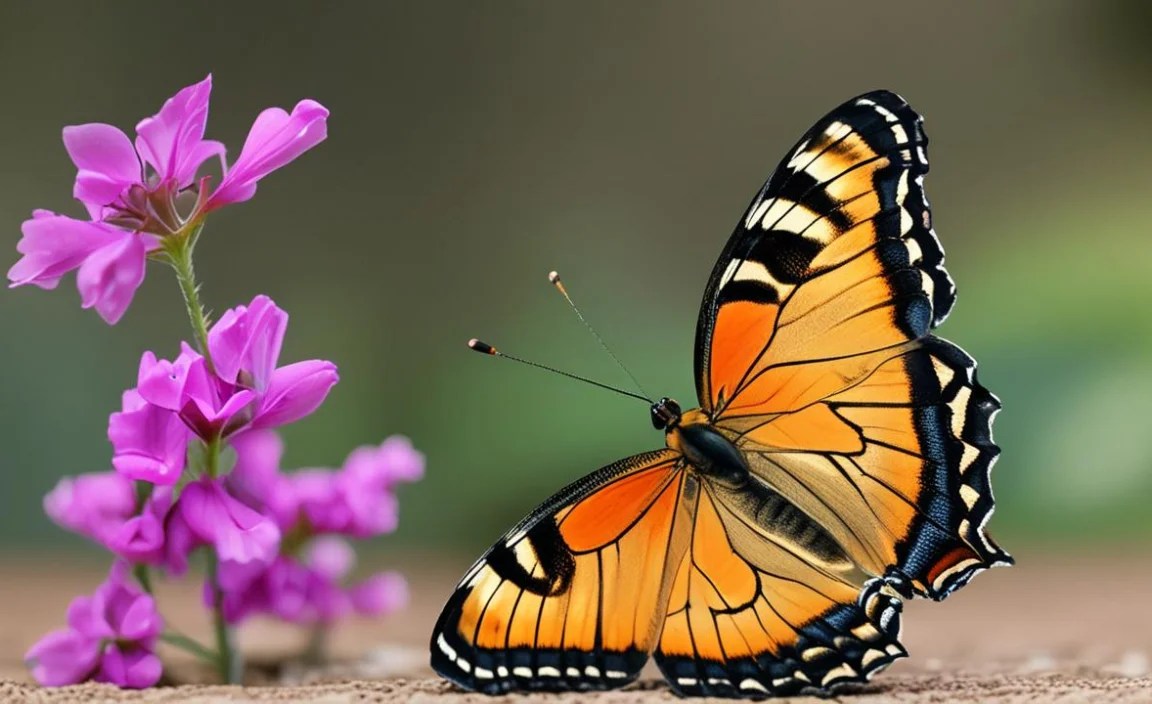
While the challenges facing butterflies are significant, there are many practical steps we can take to help them. From creating butterfly-friendly gardens to supporting conservation organizations, every effort makes a difference.
Creating Butterfly-Friendly Gardens
One of the most rewarding ways to help butterflies is to create a butterfly-friendly garden. Here’s how:
- Plant Native Host Plants: These are the plants that caterpillars need to feed on. Examples include milkweed for Monarchs and spicebush for Spicebush Swallowtails.
- Provide Nectar Sources: Plant flowers that provide nectar for adult butterflies, such as butterfly bush, zinnias, and coneflowers.
- Avoid Pesticides: Pesticides can harm or kill butterflies and other beneficial insects.
- Provide Water: Butterflies need water to drink. A shallow dish of water with pebbles for them to land on is ideal.
- Offer Shelter: Provide shrubs and trees for butterflies to shelter from wind and rain.
Supporting Conservation Organizations
Many organizations are working to protect butterflies and their habitats. Supporting these organizations can have a significant impact. Consider:
- Donating: Financial contributions help fund research, habitat restoration, and education programs.
- Volunteering: Many organizations need volunteers to help with butterfly surveys, habitat management, and outreach events.
- Advocating: Contact your elected officials and urge them to support policies that protect butterflies and their habitats.
Here are a few reputable organizations:
- The Xerces Society: Focuses on invertebrate conservation.
- The North American Butterfly Association (NABA): Promotes butterfly conservation through education and research.
- Monarch Watch: Dedicated to Monarch butterfly conservation.
Advocacy and Awareness
Raising awareness about the plight of endangered butterflies is crucial. Here are some ways to advocate for butterfly conservation:
- Educate Others: Share information about butterflies and the threats they face with friends, family, and colleagues.
- Participate in Citizen Science Projects: Contribute to butterfly monitoring efforts by reporting your sightings.
- Support Sustainable Practices: Reduce your carbon footprint by making sustainable choices in your daily life.
Long-Term Solutions for Butterfly Conservation
Protecting butterflies in the long term requires addressing the root causes of their decline, including climate change and habitat loss. This involves implementing sustainable practices and policies that promote biodiversity and environmental health.
Combating Climate Change
Reducing greenhouse gas emissions is essential for mitigating the impacts of climate change on butterflies. Here are some actions you can take:
- Reduce Your Carbon Footprint: Use public transportation, drive less, and conserve energy at home.
- Support Renewable Energy: Advocate for policies that promote the development of renewable energy sources.
- Plant Trees: Trees absorb carbon dioxide from the atmosphere, helping to reduce greenhouse gas levels.
Habitat Preservation and Restoration
Protecting and restoring butterfly habitats is crucial for their survival. This involves:
- Conserving Natural Areas: Support efforts to protect natural areas from development and other threats.
- Restoring Degraded Habitats: Participate in habitat restoration projects, such as removing invasive species and planting native plants.
- Creating Corridors: Establish corridors that connect fragmented habitats, allowing butterflies to move between them.
Sustainable Land Management Practices
Promoting sustainable land management practices can help reduce the impact of human activities on butterfly habitats. This includes:
- Reducing Pesticide Use: Use pesticides sparingly and choose environmentally friendly alternatives.
- Promoting Organic Farming: Support organic farming practices that protect biodiversity and soil health.
- Managing Grazing: Implement grazing practices that prevent overgrazing and protect native vegetation.
Success Stories in Butterfly Conservation

Despite the challenges, there are many success stories in butterfly conservation that demonstrate the power of collective action. These stories offer hope and inspiration for the future.
Examples of Successful Conservation Efforts
Here are a few examples of successful butterfly conservation efforts:
| Conservation Effort | Butterfly Species | Outcome |
|---|---|---|
| Habitat Restoration for the Karner Blue Butterfly | Karner Blue (Lycaeides melissa samuelis) | Restoration of oak savanna habitats has led to increased Karner Blue populations in several states. |
| Captive Breeding and Reintroduction of the Miami Blue Butterfly | Miami Blue (Cyclargus thomasi bethunei) | Captive breeding programs have helped to reintroduce the Miami Blue to several locations in South Florida. |
| Community-Based Conservation of the Monarch Butterfly | Monarch (Danaus plexippus) | Community efforts to protect overwintering sites in Mexico and restore milkweed habitat in North America have helped to stabilize Monarch populations. |
These success stories show that with dedication and collaboration, we can make a difference in the lives of endangered butterflies.
Lessons Learned from Past Initiatives
These successful conservation efforts offer valuable lessons for future initiatives:
- Collaboration is Key: Successful conservation requires collaboration between scientists, conservation organizations, government agencies, and local communities.
- Habitat Restoration Works: Restoring degraded habitats can significantly improve butterfly populations.
- Community Involvement is Essential: Engaging local communities in conservation efforts can lead to long-term success.
The Future of Butterflies in a Changing World

The future of butterflies depends on our ability to address the challenges they face and implement effective conservation strategies. While the task is daunting, there is reason for optimism.
Predicting Future Trends
Scientists are using climate models and other tools to predict how butterfly populations will respond to future climate change. These models can help us identify areas where butterflies are most vulnerable and develop targeted conservation strategies.
The Importance of Continued Research
Continued research is essential for understanding the complex interactions between butterflies and their environment. This research can help us develop more effective conservation strategies and adapt to changing conditions.
A Call to Action
Protecting endangered butterflies is not just about saving a single species. It’s about preserving biodiversity, maintaining healthy ecosystems, and ensuring a sustainable future for all. As butterfly enthusiasts, gardeners, and nature lovers, we all have a role to play. Let’s work together to create a world where butterflies can thrive for generations to come.
FAQ: Altitudinal Shift and Endangered Butterflies
Why are butterflies moving to higher altitudes?
Butterflies are moving to higher altitudes primarily because of climate change. As temperatures rise, they seek cooler environments to survive, shifting their ranges to higher elevations.
What are the main threats butterflies face when shifting altitudes?
The main threats include reduced habitat availability, isolation from other populations, mismatch with food sources, and increased predation.
How can I help butterflies in my garden?
You can help by planting native host plants and nectar sources, avoiding pesticides, providing water, and offering shelter.
Which organizations are working to protect butterflies?
Reputable organizations include The Xerces Society, the North American Butterfly Association (NABA), and Monarch Watch.
What is the role of habitat loss in endangering butterflies?
Habitat loss reduces the available space for butterflies to retreat to, making them more vulnerable to the impacts of climate change and other threats.
What is citizen science, and how can I participate?
Citizen science involves volunteers collecting data on butterfly populations, helping scientists track their movements and health. You can participate through programs like NABA’s butterfly counts.
How does climate change affect butterfly biology?
Climate change affects their development rate, flight activity, and distribution, as butterflies are highly sensitive to temperature changes due to being ectothermic (relying on external heat sources).
As a lifelong naturalist, I’ve seen firsthand the beauty and fragility of the butterfly world. The altitudinal shift of these creatures is a stark reminder of the impact of climate change, but it’s also a call to action. By understanding the challenges butterflies face and taking practical steps to help them, we can make a real difference. Whether it’s planting a butterfly-friendly garden, supporting conservation organizations, or advocating for sustainable practices, every effort counts. Let’s work together to ensure that future generations can enjoy the beauty and wonder of butterflies.