
Glasswing Butterfly Lecture: Discover the Secret!

Quick Summary: A glasswing butterfly lecture explores the unique adaptations of these fascinating insects, including their transparent wings, camouflage strategies, and ecological importance. These lectures often cover the butterfly’s life cycle, habitat, and conservation status, offering insights into the wonders of the natural world and the importance of preserving biodiversity. You’ll learn about their diet, behavior, and the science behind their incredible transparency.
Have you ever wondered how some creatures seem to disappear right before your eyes? The glasswing butterfly, with its see-through wings, is a master of disguise! Understanding these butterflies and their unique adaptations can feel like unlocking a secret code of nature. It’s not always easy to find clear, engaging information about them. This article breaks down everything you need to know about glasswing butterflies and where to find fascinating lectures about them, making it simple and fun to learn about these delicate, transparent insects.
We’ll explore the magic behind their transparent wings, where they live, what they eat, and how they survive. Plus, we’ll guide you on how to find captivating lectures that bring these butterflies to life. Get ready to discover the enchanting world of the glasswing butterfly!
Understanding the Glasswing Butterfly
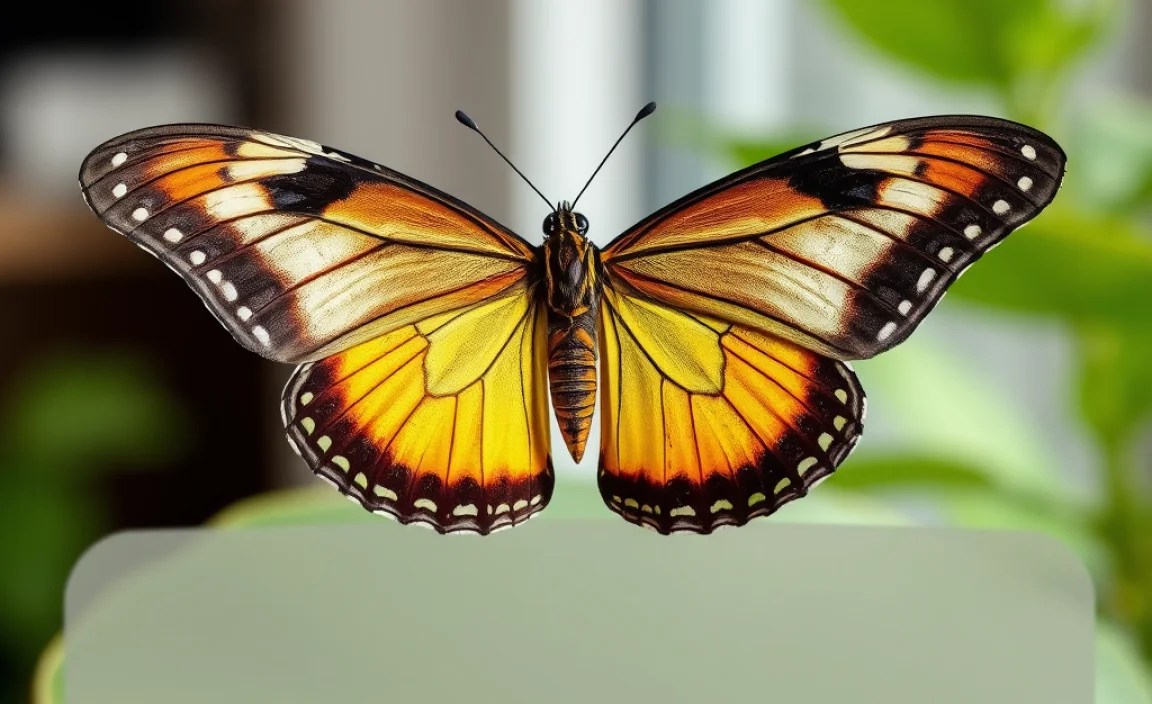
The glasswing butterfly (Greta oto) is a marvel of the insect world, primarily found in the rainforests of Central and South America. Its most distinctive feature is its transparent wings, which allow it to blend seamlessly into its environment. Let’s explore some key aspects of these fascinating creatures.
The Science Behind Transparency
The glasswing butterfly’s wings are transparent due to their unique structure. Unlike most butterfly wings, which are covered in colorful scales, the glasswing has very few scales. The scales that are present are nano-structured, reducing light reflection and scattering. This adaptation makes the wings nearly invisible, providing excellent camouflage.
Habitat and Distribution
Glasswing butterflies thrive in the humid, tropical rainforests of countries like Costa Rica, Panama, and Colombia. They prefer the understory of the forest, where their transparency helps them avoid predators. These butterflies are often found near streams and areas with lush vegetation, which provide food and shelter.
Life Cycle
The life cycle of the glasswing butterfly is similar to that of other butterflies, consisting of four stages: egg, larva (caterpillar), pupa (chrysalis), and adult. The caterpillars feed on toxic plants, which makes them unpalatable to predators. As adults, they feed on nectar from various flowering plants.
- Egg: Laid on host plants.
- Larva (Caterpillar): Feeds on toxic plants, gaining protection from predators.
- Pupa (Chrysalis): A translucent, shimmering stage.
- Adult: Emerges with transparent wings.
Why Attend a Glasswing Butterfly Lecture?

Attending a lecture about glasswing butterflies can be an enriching experience for nature enthusiasts, students, and anyone curious about the natural world. These lectures offer in-depth information and often include visuals that bring the topic to life.
Educational Benefits
Lectures provide a structured way to learn about glasswing butterflies. Experts often present the information, offering insights that you might not find in books or online articles. You can learn about their biology, behavior, and ecological role in detail.
Visual Learning
Many lectures include stunning photographs and videos of glasswing butterflies in their natural habitat. This visual component can make the learning experience more engaging and memorable. Seeing these butterflies up close can deepen your appreciation for their beauty and unique adaptations.
Interactive Experience
Lectures often include Q&A sessions, allowing you to ask questions and interact with the speaker. This interactive element can help clarify any doubts and provide a more personalized learning experience. It’s a great way to connect with experts and fellow enthusiasts.
Finding Glasswing Butterfly Lectures
Locating a glasswing butterfly lecture might seem challenging, but with the right approach, you can find opportunities to learn more about these fascinating creatures. Here are some strategies to help you find a lecture near you or online.
Online Resources
The internet is a treasure trove of information and events. Here are some online platforms to check for glasswing butterfly lectures:
- University Websites: Many universities host public lectures on various scientific topics. Check the websites of universities with biology or entomology departments.
- Museum Websites: Natural history museums often organize lectures and workshops on butterflies and other insects.
- Conservation Organizations: Groups like the Xerces Society and the World Wildlife Fund sometimes host or promote lectures on biodiversity and conservation, which may include information on glasswing butterflies.
- Eventbrite and Meetup: These platforms list a wide range of events, including lectures on nature and science.
Local Resources
Don’t overlook the resources available in your local community:
- Nature Centers: Local nature centers often host educational programs on wildlife and conservation.
- Botanical Gardens: Botanical gardens frequently organize lectures and workshops on various plant and animal species.
- Libraries: Public libraries sometimes host lectures and presentations on nature-related topics.
- Local Colleges: Community colleges may offer courses or lectures on biology and ecology.
Tips for Online Searches
When searching online, use specific keywords to narrow down your results. Try the following:
- “Glasswing butterfly lecture”
- “Butterfly conservation lecture”
- “Entomology lecture series”
- “Rainforest biodiversity talk”
Also, check the websites of science museums and natural history organizations, such as the Smithsonian National Museum of Natural History, for scheduled events and online resources.
What to Expect at a Glasswing Butterfly Lecture

Knowing what to expect can help you prepare for and enjoy your glasswing butterfly lecture. Here’s a general overview of what you might encounter.
Lecture Content
Most lectures will cover the following topics:
- Introduction to Glasswing Butterflies: An overview of their biology, habitat, and distribution.
- Wing Transparency: A detailed explanation of the science behind their transparent wings.
- Life Cycle: A discussion of the butterfly’s life cycle, from egg to adult.
- Ecological Role: An exploration of their role in the rainforest ecosystem.
- Conservation Status: Information on the threats they face and conservation efforts.
Visual Aids
Lectures often include:
- Photographs: High-quality images of glasswing butterflies in their natural habitat.
- Videos: Footage of their behavior, such as feeding and flying.
- Diagrams: Illustrations explaining the structure of their wings and other anatomical features.
- Maps: Showing their geographic distribution.
Interactive Elements
Be prepared for:
- Q&A Sessions: Opportunities to ask questions and engage with the speaker.
- Discussions: Encouraging participants to share their thoughts and observations.
- Demonstrations: In some cases, live demonstrations or displays of butterfly specimens.
Preparing for a Glasswing Butterfly Lecture
To make the most of your lecture experience, consider these preparation tips:
Do Some Background Reading
Familiarize yourself with basic information about glasswing butterflies before attending the lecture. This will help you better understand the material presented and ask more informed questions. Reputable sources like National Geographic and the Xerces Society offer excellent resources.
Prepare Questions
Think about what you want to learn from the lecture and prepare a list of questions. This will help you stay engaged and ensure that you get the information you’re looking for. No question is too simple!
Bring a Notebook and Pen
Taking notes during the lecture can help you remember key information and concepts. Jot down interesting facts, insights, and any questions that come to mind. Reviewing your notes afterward can reinforce your learning.
Arrive Early
Arriving early will give you time to find a good seat, settle in, and review any materials provided. It also shows respect for the speaker and organizers.
The Impact of Glasswing Butterfly Research and Conservation
Understanding and conserving glasswing butterflies is crucial for maintaining biodiversity and preserving rainforest ecosystems. Research on these butterflies contributes to our broader knowledge of insect biology and ecological interactions.
Ecological Importance
Glasswing butterflies play a role in pollination and serve as a food source for other animals. Their presence is an indicator of a healthy rainforest ecosystem. Protecting their habitat helps preserve a wide range of plant and animal species.
Conservation Efforts
Several organizations are working to protect glasswing butterflies and their habitat. These efforts include:
- Habitat Preservation: Protecting rainforests from deforestation and degradation.
- Sustainable Agriculture: Promoting farming practices that minimize environmental impact.
- Education and Awareness: Raising awareness about the importance of biodiversity and conservation.
- Research: Studying glasswing butterflies to better understand their needs and threats.
One notable organization involved in butterfly conservation is the Butterfly Conservation Society, which focuses on preserving butterfly habitats and promoting research.
Supporting Conservation
You can support glasswing butterfly conservation by:
- Donating to Conservation Organizations: Supporting groups that work to protect rainforests and biodiversity.
- Reducing Your Carbon Footprint: Taking steps to reduce your environmental impact, such as using less energy and reducing waste.
- Educating Others: Sharing information about glasswing butterflies and the importance of conservation with friends and family.
- Supporting Sustainable Products: Choosing products that are produced in an environmentally responsible way.
Glasswing Butterfly in Culture and Art
The glasswing butterfly, with its ethereal beauty, has captured the imagination of artists, writers, and cultures around the world. Its transparent wings symbolize transformation, adaptability, and the delicate balance of nature.
Symbolism
In many cultures, butterflies are symbols of transformation and rebirth. The glasswing butterfly, with its almost invisible wings, adds another layer of meaning. It represents the ability to adapt and blend into one’s environment, as well as the beauty of transparency and honesty.
Artistic Inspiration
Artists often use the glasswing butterfly as a motif in their work, celebrating its unique beauty and symbolic significance. From paintings and sculptures to jewelry and textiles, the glasswing butterfly inspires creativity and evokes a sense of wonder.
Literature and Mythology
Butterflies, including the glasswing, have appeared in literature and mythology for centuries. They often represent the soul, transformation, and the ephemeral nature of life. Stories featuring glasswing butterflies highlight their delicate beauty and the importance of protecting these creatures.
Practical Ways to Attract Butterflies to Your Garden
While glasswing butterflies are primarily found in rainforests, you can still create a butterfly-friendly garden that attracts other species. Here are some practical tips to make your garden a haven for butterflies.
Plant Nectar-Rich Flowers
Butterflies need nectar to fuel their flight. Plant a variety of nectar-rich flowers that bloom at different times of the year to provide a continuous food source. Some popular choices include:
- Butterfly Bush (Buddleja davidii)
- Zinnia (Zinnia elegans)
- Lantana (Lantana camara)
- Purple Coneflower (Echinacea purpurea)
- Salvia (Salvia spp.)
Provide Host Plants for Caterpillars
Butterflies lay their eggs on specific host plants, which the caterpillars then feed on. Providing these plants is essential for supporting the entire butterfly life cycle. Some common host plants include:
- Milkweed (Asclepias spp.) for Monarch butterflies
- Dill (Anethum graveolens) and Parsley (Petroselinum crispum) for Swallowtail butterflies
- Spicebush (Lindera benzoin) for Spicebush Swallowtail butterflies
Create a Butterfly Watering Station
Butterflies need water, but they can’t drink from deep puddles. Create a shallow watering station by filling a dish with water and adding pebbles or marbles for them to land on. Place the dish in a sunny spot in your garden.
Avoid Pesticides
Pesticides can harm or kill butterflies and other beneficial insects. Avoid using pesticides in your garden, or choose organic and natural alternatives. Encourage natural predators, such as birds and ladybugs, to control pests.
Provide Shelter
Butterflies need shelter from wind and rain. Plant trees and shrubs to provide a protected habitat. A rock pile or a brush pile can also offer shelter and hibernation sites.
FAQ About Glasswing Butterflies
What makes glasswing butterflies’ wings transparent?
Glasswing butterflies have transparent wings because they have very few scales, and the scales they do have are nano-structured to reduce light reflection. This makes their wings nearly invisible.
Where do glasswing butterflies live?
Glasswing butterflies live in the rainforests of Central and South America, particularly in countries like Costa Rica, Panama, and Colombia.
What do glasswing butterfly caterpillars eat?
Glasswing butterfly caterpillars feed on toxic plants. This makes them unpalatable to predators and helps protect them.
How can I find a lecture on glasswing butterflies?
Check university websites, museum websites, conservation organizations, and event platforms like Eventbrite and Meetup for lectures on glasswing butterflies or related topics.
Why are glasswing butterflies important?
Glasswing butterflies are important because they play a role in pollination and serve as a food source for other animals. They are also indicators of a healthy rainforest ecosystem.
How can I help protect glasswing butterflies?
You can help protect glasswing butterflies by donating to conservation organizations, reducing your carbon footprint, educating others, and supporting sustainable products.
What is the life cycle of a glasswing butterfly?
The life cycle of a glasswing butterfly consists of four stages: egg, larva (caterpillar), pupa (chrysalis), and adult. The caterpillars feed on toxic plants, and as adults, they feed on nectar from flowering plants.
Conclusion
Exploring the world of the glasswing butterfly through lectures and personal study is an incredibly rewarding experience. These delicate creatures offer a glimpse into the wonders of nature, teaching us about adaptation, resilience, and the importance of conservation. By attending lectures, supporting conservation efforts, and creating butterfly-friendly habitats, we can all play a part in protecting these magnificent insects and the ecosystems they inhabit.
So, take the time to delve into the world of the glasswing butterfly. Whether you’re a seasoned naturalist or a curious beginner, there’s always something new to discover. Embrace the beauty and mystery of these transparent-winged wonders, and let their story inspire you to become a steward of the natural world.


