
Glasswing Butterfly Mimic Complexes: The Ultimate Guide

Glasswing butterfly mimic complexes are fascinating groups of butterflies. They include glasswings and other species that evolve to resemble each other. This shared appearance protects them from predators who learn to avoid the entire group after a bad experience. These complexes show how nature uses mimicry for survival.
Have you ever wondered how some butterflies manage to survive in a world full of predators? It’s a tough life out there for these delicate creatures! Many butterflies use clever tricks to stay safe. One of the most amazing is how some species form mimic complexes. These groups of butterflies, including the incredible glasswings, look alike to fool predators.
Understanding these mimic complexes can feel a bit like diving into a secret code of nature. But don’t worry! We’ll explore this topic together, step by step. You’ll learn how these butterflies use mimicry to protect themselves and why it’s such a successful strategy. Get ready to discover the amazing world of glasswing butterfly mimic complexes!
What are Glasswing Butterfly Mimic Complexes?
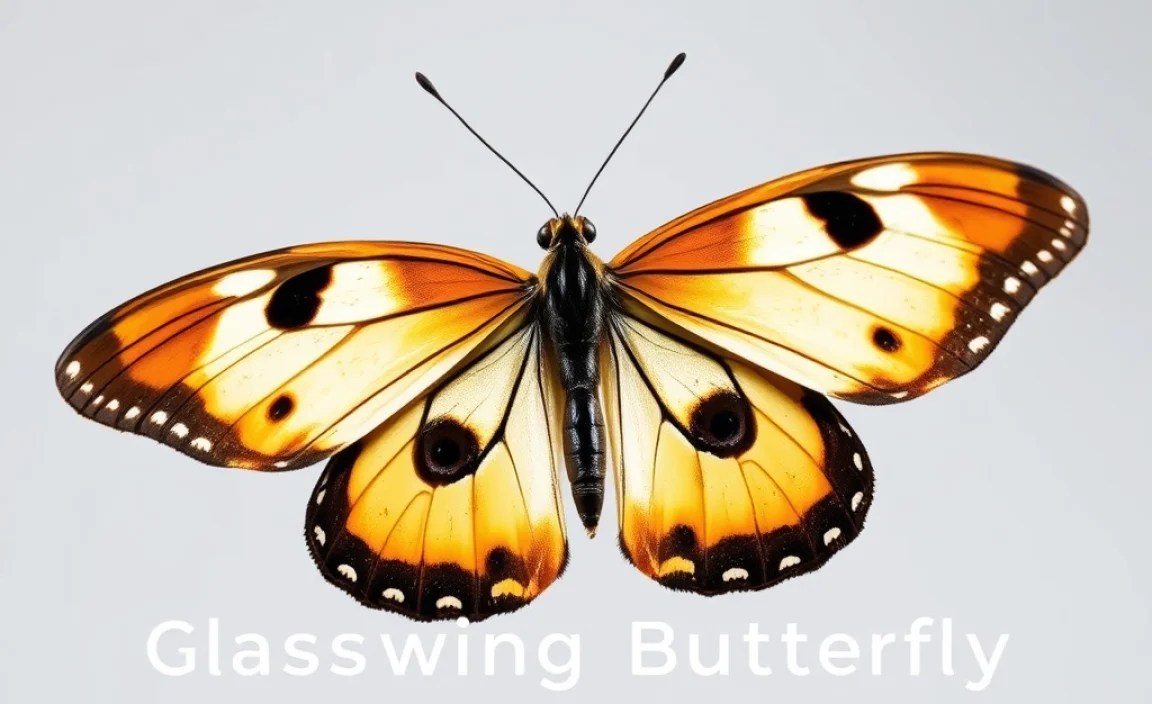
Glasswing butterfly mimic complexes are groups of butterfly species. They include glasswing butterflies (from the Ithomiini tribe) and other unrelated butterflies. These butterflies have evolved to resemble each other. This shared appearance offers them protection from predators. It’s a survival strategy based on looking alike.
Müllerian Mimicry
Müllerian mimicry is a key part of these complexes. It occurs when multiple species that are unpalatable (taste bad) or toxic evolve to look similar. Predators learn to avoid one species and, as a result, avoid all similar-looking species. This benefits all the butterflies in the complex.
Batesian Mimicry
Batesian mimicry also plays a role. In this case, a palatable (tasty) species mimics an unpalatable one. The tasty butterfly gains protection by looking like the bad-tasting one. Glasswing butterfly mimic complexes often involve both Müllerian and Batesian mimicry, creating a complex web of resemblances. To learn more about mimicry in general, you might find the resources at the Smithsonian National Museum of Natural History helpful.
Why Do Butterflies Form Mimic Complexes?
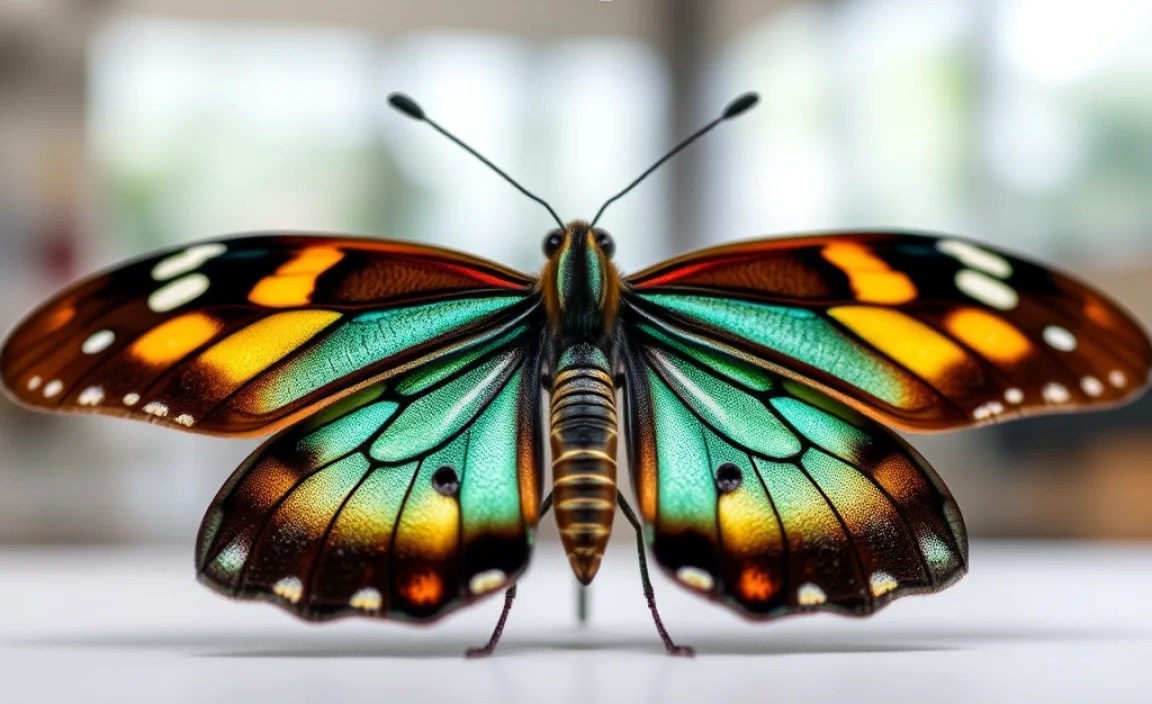
The main reason butterflies form mimic complexes is protection from predators. Here’s a closer look at the benefits:
- Reduced Predation Risk: When several species look alike, predators learn to avoid that particular pattern. This reduces the risk of any individual butterfly being eaten.
- Shared Protection: If one species in the complex is unpalatable, all similar-looking species benefit. Predators avoid them all, regardless of their actual taste.
- Enhanced Survival Rates: Mimicry increases the chances of survival for all members of the complex. This is especially important for species that are rare or have slow reproduction rates.
Key Players in Glasswing Butterfly Mimic Complexes

Several butterfly species are commonly involved in glasswing butterfly mimic complexes. Here are some of the main groups:
- Ithomiini (Glasswings): These butterflies are known for their transparent wings. Their clear wings make them less visible to predators.
- Danainae (Monarchs and Relatives): Monarch butterflies are toxic due to the milkweed they eat as caterpillars. They often serve as models for mimicry.
- Heliconiinae (Longwings): These butterflies are also toxic and have distinctive wing patterns. They participate in many mimicry complexes.
- Pieridae (Whites and Sulphurs): Some species in this family mimic other butterflies for protection.
Examples of Glasswing Butterfly Mimic Complexes

Let’s look at some specific examples to understand how these mimic complexes work in the real world:
Example 1: Methona confusa and Mechanitis polymnia
Methona confusa is a glasswing butterfly that mimics Mechanitis polymnia, a type of tigerwing butterfly. Both species have similar orange and black patterns. This mimicry protects Methona confusa because Mechanitis polymnia is unpalatable to predators.
Example 2: Ithomia heraldica and Epityches eupompe
Ithomia heraldica is another glasswing that mimics Epityches eupompe, a type of brush-footed butterfly. They share a similar wing pattern with black and yellow markings. This resemblance provides protection for both species.
Table: Examples of Mimicry in Glasswing Butterfly Complexes
| Mimic Species | Model Species | Type of Mimicry | Description |
|---|---|---|---|
| Methona confusa (Glasswing) | Mechanitis polymnia (Tigerwing) | Batesian | Glasswing mimics the unpalatable Tigerwing |
| Ithomia heraldica (Glasswing) | Epityches eupompe (Brush-footed) | Müllerian | Both species are unpalatable and mimic each other |
| Pseudoscada erruca (Glasswing) | Lycorea halia (Danaine) | Batesian | Glasswing mimics the toxic Danaine butterfly |
How Mimicry Evolves: The Step-by-Step Process
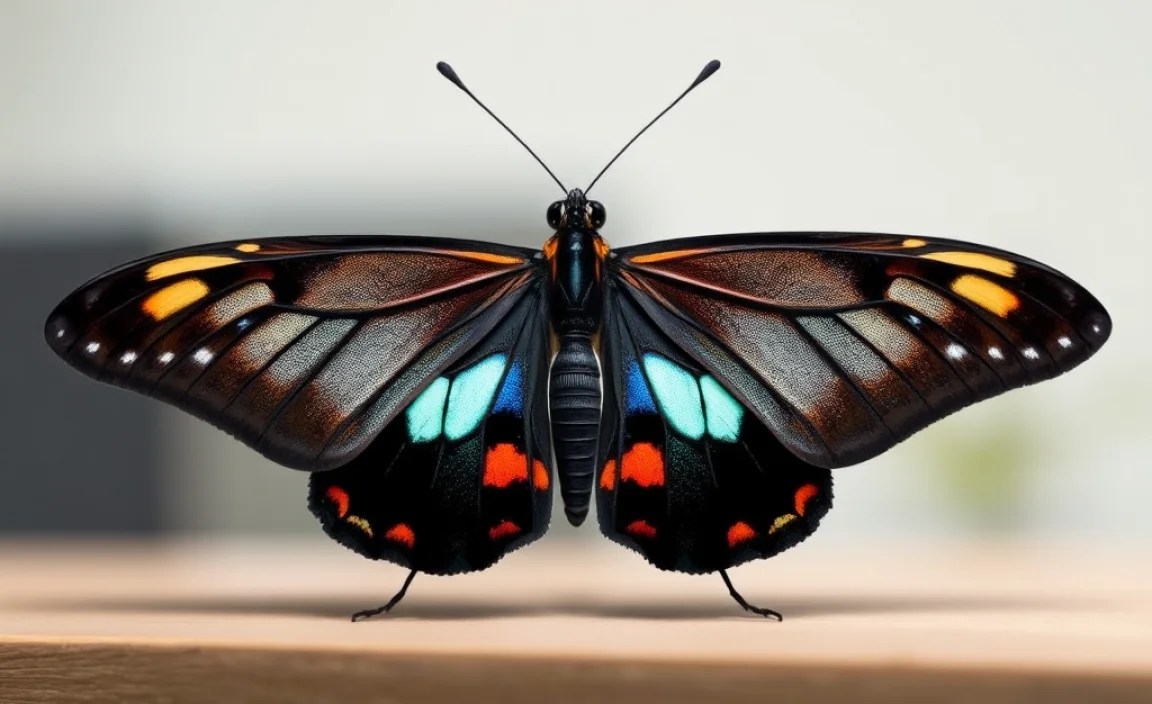
Mimicry doesn’t happen overnight. It’s a gradual process driven by natural selection. Here’s how it works:
- Variation: Within a butterfly population, there’s natural variation in wing patterns.
- Selection Pressure: Predators that eat butterflies create a selection pressure. Butterflies that resemble unpalatable species have a higher chance of survival.
- Inheritance: Butterflies pass on their wing patterns to their offspring. Over generations, the resemblance to the model species becomes stronger.
- Genetic Changes: Small genetic changes accumulate over time. These changes lead to more accurate mimicry.
- Establishment of Mimicry: Eventually, the mimic species closely resembles the model. This provides significant protection from predators.
The Genetics Behind Mimicry
The genetic basis of mimicry is complex. It involves multiple genes that control wing pattern, color, and shape. Here are some key points:
- Major Genes: Some genes have a large effect on wing pattern. These “major genes” can cause significant changes in appearance.
- Modifier Genes: Other genes, known as “modifier genes,” fine-tune the mimicry. They make the resemblance more accurate.
- Supergenes: In some cases, multiple genes are clustered together on a single chromosome. These “supergenes” are inherited as a unit. This allows for rapid evolution of mimicry.
Ecological Factors Influencing Mimicry
Mimicry is influenced by ecological factors. The environment plays a crucial role in shaping mimicry complexes.
- Predator Behavior: The types of predators in an area affect mimicry. Different predators may have different preferences and sensitivities.
- Model Abundance: The abundance of the model species matters. If the model is rare, mimicry may not be effective.
- Habitat Structure: The structure of the habitat can influence mimicry. In dense forests, visual mimicry may be more important than in open areas.
- Geographic Variation: Mimicry can vary geographically. Different populations of the same species may mimic different models.
How to Identify Butterflies in Mimic Complexes
Identifying butterflies in mimic complexes can be challenging. But with careful observation, it’s possible. Here are some tips:
- Wing Pattern: Pay close attention to the wing pattern. Look for similarities and differences between species.
- Wing Shape: Notice the shape of the wings. Mimics may have slightly different wing shapes than their models.
- Size: Consider the size of the butterfly. Mimics may be smaller or larger than their models.
- Flight Behavior: Observe how the butterfly flies. Mimics may have different flight patterns than their models.
- Habitat: Note the habitat where you find the butterfly. Some species are found in specific habitats.
- Geographic Location: The geographic location can help narrow down the possibilities. Some species are only found in certain areas.
The Importance of Mimicry in Conservation
Mimicry plays a vital role in butterfly conservation. Understanding mimicry can help protect these fascinating creatures.
- Habitat Preservation: Protecting butterfly habitats is crucial. Mimicry complexes rely on healthy ecosystems.
- Conservation Strategies: Conservation strategies should consider mimicry. Protecting model species is just as important as protecting mimics.
- Education: Educating the public about mimicry can raise awareness. This can lead to greater support for conservation efforts.
Threats to Mimicry Complexes
Several threats can disrupt mimicry complexes. These threats can have serious consequences for butterfly populations.
- Habitat Loss: Habitat loss is a major threat. It reduces the availability of food and shelter for butterflies.
- Climate Change: Climate change can alter butterfly ranges. This can disrupt mimicry relationships.
- Pesticide Use: Pesticides can harm butterflies directly. They can also reduce the abundance of host plants.
- Invasive Species: Invasive species can compete with butterflies. They can also alter habitats.
How You Can Help Protect Butterflies
There are many ways you can help protect butterflies and their habitats.
- Plant Native Plants: Plant native plants in your garden. These provide food and shelter for butterflies.
- Avoid Pesticides: Avoid using pesticides in your garden. They can harm butterflies and other beneficial insects.
- Create a Butterfly Garden: Create a butterfly garden in your yard. Include host plants for caterpillars and nectar plants for adults.
- Support Conservation Organizations: Support organizations that work to protect butterflies. The Xerces Society is a great resource for information and conservation efforts.
- Educate Others: Share your knowledge about butterflies with others. Encourage them to take action to protect these amazing creatures.
FAQ About Glasswing Butterfly Mimic Complexes
What is a mimic complex?
A mimic complex is a group of different species that have evolved to look similar to each other for protection from predators.
Why do butterflies mimic each other?
Butterflies mimic each other to gain protection from predators. If one species is toxic or unpalatable, others can benefit by looking like it.
What is Müllerian mimicry?
Müllerian mimicry is when multiple unpalatable species evolve to look similar. This way, predators learn to avoid all of them after a single bad experience.
What is Batesian mimicry?
Batesian mimicry is when a palatable species mimics an unpalatable one. The tasty butterfly gains protection by looking like the bad-tasting one.
How do glasswing butterflies fit into mimic complexes?
Glasswing butterflies often participate in mimic complexes. They may mimic other species or be mimicked by others, depending on their palatability and appearance.
What can I do to help protect butterflies involved in mimicry?
You can help by planting native plants, avoiding pesticides, creating butterfly gardens, and supporting conservation organizations.
Are mimicry complexes only found in butterflies?
No, mimicry complexes are not only found in butterflies. They can also occur in other insects, amphibians, and even some plants.
Conclusion
Glasswing butterfly mimic complexes are a testament to the power of evolution and adaptation. These intricate relationships highlight the importance of biodiversity and the need for conservation. By understanding how these butterflies use mimicry to survive, we can better appreciate the complexity of nature and the importance of protecting these delicate creatures. As nature enthusiasts, we should strive to preserve their habitats and educate others about the wonders of the natural world. Every small action counts toward ensuring these beautiful butterflies continue to thrive for generations to come.


