
Glasswing & Pollinator Networks: A Powerful Secret

Quick Summary: Understanding glasswing butterflies and pollinator networks is key to supporting biodiversity. Glasswings, with their transparent wings, are fascinating pollinators. By creating pollinator-friendly gardens with diverse native plants, reducing pesticide use, and supporting local conservation efforts, you can enhance these vital networks and help glasswings and other pollinators thrive.
Have you ever wondered how butterflies, like the magical glasswing, help keep our world beautiful? These delicate creatures, along with bees, birds, and other animals, form essential pollinator networks that support plant life and ecosystems. But these networks are under threat from habitat loss and pesticide use. Don’t worry! You can make a big difference right in your own backyard. This guide will show you how to understand and support glasswing butterflies and pollinator networks, creating a haven for these vital insects.
Understanding Glasswing Butterflies

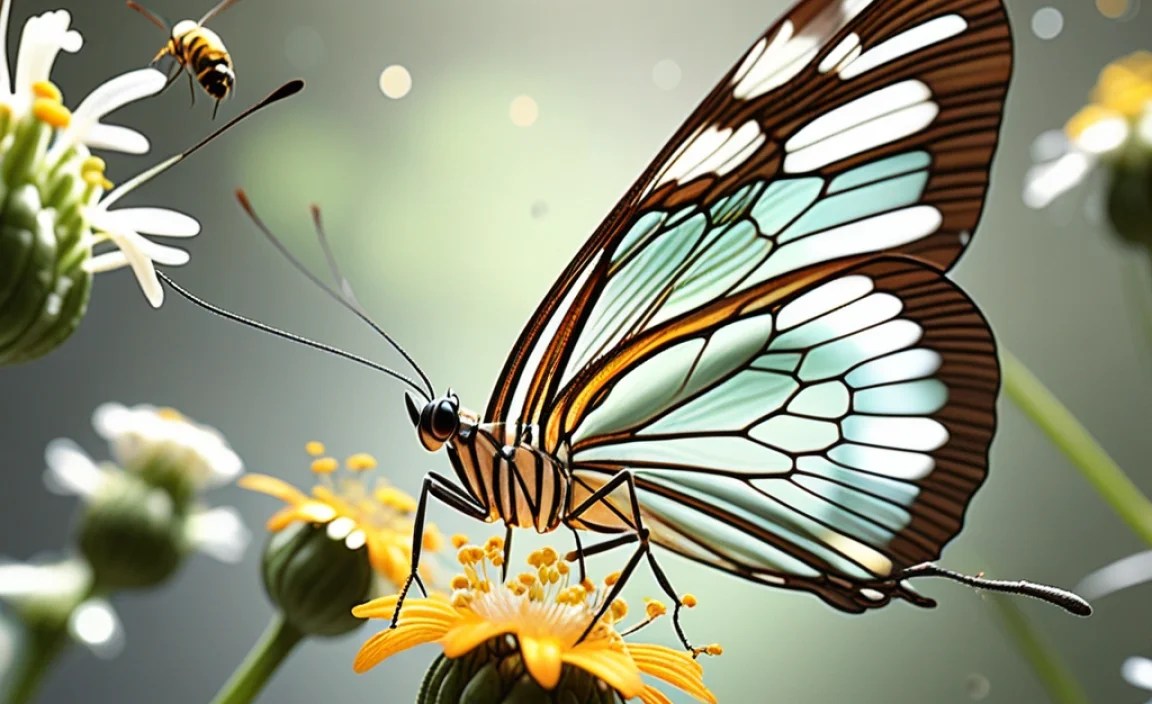
Glasswing butterflies (Greta oto) are famous for their transparent wings, which make them unique and beautiful. These butterflies are found in Central and South America, from Mexico to Panama and Colombia. Let’s explore some fascinating facts about them.
What Makes Glasswing Butterflies Special?
- Transparent Wings: Their wings are transparent because they lack the colored scales found on other butterflies. This transparency helps them camouflage and avoid predators.
- Habitat: Glasswings live in humid, shaded tropical forests. They prefer areas with plenty of their host plants.
- Diet: As caterpillars, they feed on plants in the Cestrum genus, which contain toxins that make the butterflies unpalatable to predators. As adults, they feed on nectar from various flowers.
- Pollination: While they are not the most efficient pollinators due to their feeding habits, they contribute to the pollination of various plants in their habitat.
- Behavior: Glasswing butterflies are known for their slow, deliberate flight. They often gather in groups, especially during mating season.
Life Cycle of a Glasswing Butterfly
The life cycle of a glasswing butterfly is similar to that of other butterflies, consisting of four stages:
- Egg: The female glasswing lays her eggs on host plants, usually in the Cestrum genus.
- Larva (Caterpillar): The caterpillar hatches and feeds on the host plant, accumulating toxins that protect it from predators.
- Pupa (Chrysalis): The caterpillar forms a chrysalis, inside which it undergoes metamorphosis. The chrysalis of the glasswing butterfly is often silvery and reflective.
- Adult Butterfly: The adult butterfly emerges from the chrysalis, ready to reproduce and continue the cycle.
What are Pollinator Networks?
Pollinator networks are complex systems of interactions between plants and the animals that help them reproduce. These networks are essential for maintaining biodiversity and supporting ecosystems. Let’s dive deeper into understanding what they are and why they matter.
Key Players in Pollinator Networks
Pollinator networks include a variety of animals, each playing a crucial role:
- Bees: Bees are among the most important pollinators. They actively collect pollen to feed their young, making them efficient pollinators.
- Butterflies and Moths: Butterflies and moths visit flowers for nectar, transferring pollen as they move from flower to flower.
- Birds: Hummingbirds and other nectar-feeding birds are important pollinators in many ecosystems.
- Bats: Some bat species pollinate night-blooming flowers, especially in tropical regions.
- Insects: Various insects, such as flies, beetles, and wasps, also contribute to pollination.
Why Pollinator Networks Matter
Pollinator networks are vital for several reasons:
- Food Security: About one-third of the world’s food crops rely on animal pollination. Without pollinators, many fruits, vegetables, and nuts would be scarce.
- Ecosystem Health: Pollinators help maintain plant diversity and support healthy ecosystems. Many plants rely on pollinators for reproduction, which in turn supports the animals that depend on those plants.
- Biodiversity: Pollinator networks contribute to biodiversity by ensuring the reproduction of a wide variety of plant species.
- Economic Value: Pollination services are estimated to be worth billions of dollars annually, highlighting the economic importance of these networks.
How to Support Glasswing Butterflies and Pollinator Networks

Supporting glasswing butterflies and pollinator networks is easier than you might think. Here are some practical steps you can take to make a difference.
1. Create a Pollinator-Friendly Garden
One of the best ways to support pollinators is to create a garden that provides them with food and habitat. Here’s how:
- Plant Native Flowers: Native plants are adapted to the local climate and soil conditions, and they provide the best food source for native pollinators. Research which plants are native to your area and choose a variety of species that bloom at different times of the year.
- Include Host Plants: If you want to attract glasswing butterflies, include plants in the Cestrum genus in your garden. These plants are essential for glasswing caterpillars.
- Provide a Water Source: Pollinators need water, especially during hot weather. Provide a shallow dish of water with pebbles or marbles for them to land on.
- Offer Shelter: Provide shelter for pollinators by leaving some areas of your garden undisturbed. You can also create brush piles or install bee houses.
2. Reduce or Eliminate Pesticide Use
Pesticides can harm or kill pollinators, so it’s essential to reduce or eliminate their use in your garden. Here are some tips:
- Use Natural Pest Control Methods: Instead of pesticides, use natural pest control methods such as introducing beneficial insects, hand-picking pests, and using organic sprays.
- Choose Pesticide-Free Plants: When buying plants, ask if they have been treated with pesticides. Choose plants that have not been treated, or treat them yourself with natural pest control methods.
- Be Mindful of Timing: If you must use pesticides, apply them in the evening when pollinators are less active. Avoid spraying flowers directly.
3. Support Local Conservation Efforts
Supporting local conservation efforts can help protect pollinator habitats and promote pollinator-friendly practices. Here’s how:
- Join a Conservation Organization: Join a local conservation organization that works to protect pollinator habitats.
- Participate in Citizen Science Projects: Participate in citizen science projects that monitor pollinator populations and habitats.
- Advocate for Pollinator-Friendly Policies: Advocate for policies that protect pollinator habitats and promote pollinator-friendly practices.
4. Educate Others
Educating others about the importance of pollinators can help raise awareness and encourage more people to take action. Here’s how:
- Share Information: Share information about pollinators with your friends, family, and neighbors.
- Give Presentations: Give presentations about pollinators to local schools, garden clubs, and community groups.
- Write Articles: Write articles about pollinators for local newspapers, magazines, and websites.
5. Plant a Variety of Native Plants
Planting a variety of native plants is crucial for supporting diverse pollinator populations. Here’s why:
- Different Pollinators, Different Needs: Different pollinators have different preferences for flower shape, color, and nectar composition. By planting a variety of native plants, you can provide food for a wider range of pollinators.
- Bloom Times: Choose plants that bloom at different times of the year to provide a continuous food source for pollinators.
- Host Plants: Include host plants for butterfly and moth caterpillars. These plants are essential for the survival of these pollinators.
Creating a Pollinator-Friendly Habitat
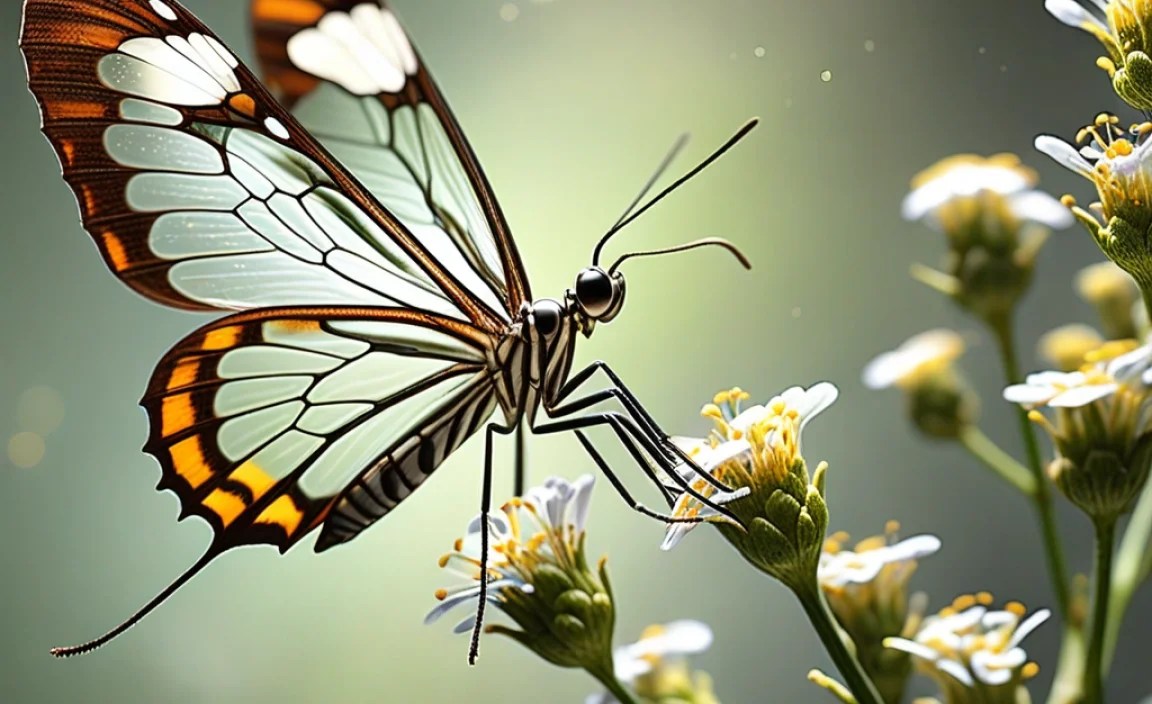
Creating a pollinator-friendly habitat involves more than just planting flowers. It’s about creating an environment that supports the entire life cycle of pollinators. Here are some key elements to consider.
Essential Elements of a Pollinator Habitat
| Element | Description | Benefits |
|---|---|---|
| Food Sources | A variety of native flowers and host plants that provide nectar, pollen, and food for caterpillars. | Supports pollinator health and reproduction. |
| Water Sources | Shallow dishes of water with pebbles or marbles for pollinators to land on. | Provides hydration, especially during hot weather. |
| Shelter | Undisturbed areas, brush piles, bee houses, and other structures that provide shelter from the elements and predators. | Offers protection and nesting sites. |
| Nesting Sites | Areas with bare ground, leaf litter, and hollow stems where bees and other pollinators can nest. | Supports pollinator reproduction. |
| Pesticide-Free Environment | A garden free from pesticides and other harmful chemicals. | Protects pollinators from harm. |
Designing Your Pollinator Garden
When designing your pollinator garden, consider the following tips:
- Location: Choose a sunny location with well-drained soil.
- Size: Even a small garden can make a big difference. Start with a small area and expand as you have time and resources.
- Layout: Group plants with similar needs together to make watering and maintenance easier.
- Aesthetics: Choose plants that you find attractive and that complement your existing landscape.
The Role of Native Plants

Native plants are essential for supporting pollinator networks. They are adapted to the local climate and soil conditions, and they provide the best food source for native pollinators. Let’s explore why native plants are so important.
Benefits of Native Plants
- Adapted to Local Conditions: Native plants are adapted to the local climate and soil conditions, so they require less water, fertilizer, and pesticides than non-native plants.
- Provide the Best Food Source: Native plants provide the best food source for native pollinators because they have co-evolved together.
- Support Biodiversity: Native plants support biodiversity by providing habitat for a wide range of native animals.
- Easy to Maintain: Once established, native plants are easy to maintain because they are adapted to the local environment.
Choosing Native Plants for Your Garden
When choosing native plants for your garden, consider the following tips:
- Research: Research which plants are native to your area and choose a variety of species that bloom at different times of the year. The Lady Bird Johnson Wildflower Center Native Plant Database is a great resource for finding native plants.
- Local Nurseries: Buy native plants from local nurseries that specialize in native plants.
- Consider Bloom Times: Choose plants that bloom at different times of the year to provide a continuous food source for pollinators.
- Include Host Plants: Include host plants for butterfly and moth caterpillars.
Challenges to Pollinator Networks
Pollinator networks face numerous challenges, including habitat loss, pesticide use, climate change, and invasive species. Understanding these challenges is crucial for developing effective conservation strategies.
Major Threats to Pollinators
| Threat | Description | Impact |
|---|---|---|
| Habitat Loss | The destruction and fragmentation of natural habitats due to urbanization, agriculture, and other human activities. | Reduces food and nesting sites for pollinators. |
| Pesticide Use | The use of pesticides in agriculture and landscaping can harm or kill pollinators. | Directly kills pollinators and contaminates food sources. |
| Climate Change | Changes in temperature, precipitation, and other climate factors can disrupt pollinator-plant interactions. | Alters bloom times and pollinator activity patterns. |
| Invasive Species | The introduction of non-native plants and animals can compete with native pollinators and disrupt ecosystems. | Outcompetes native plants and disrupts pollinator-plant relationships. |
| Disease and Parasites | Diseases and parasites can weaken or kill pollinators. | Reduces pollinator populations. |
Addressing the Challenges
Addressing the challenges to pollinator networks requires a multi-faceted approach:
- Habitat Conservation: Protect and restore pollinator habitats through conservation easements, land management practices, and habitat restoration projects.
- Sustainable Agriculture: Promote sustainable agriculture practices that reduce pesticide use and protect pollinator habitats.
- Climate Change Mitigation: Reduce greenhouse gas emissions and mitigate the impacts of climate change on pollinator ecosystems.
- Invasive Species Management: Control and manage invasive species to protect native pollinator populations and habitats.
- Research and Monitoring: Conduct research to better understand pollinator biology, ecology, and conservation needs. Monitor pollinator populations to track trends and assess the effectiveness of conservation efforts.
FAQ About Glasswing Butterflies and Pollinator Networks
What is a glasswing butterfly?
A glasswing butterfly is a type of butterfly known for its transparent wings, which help it camouflage and avoid predators. They are found in Central and South America and are important, though not primary, pollinators.
Why are pollinator networks important?
Pollinator networks are crucial for food security, ecosystem health, biodiversity, and the economy. They help plants reproduce, which supports the entire ecosystem and provides us with many of the foods we eat.
How can I create a pollinator-friendly garden?
To create a pollinator-friendly garden, plant a variety of native flowers and host plants, provide a water source, offer shelter, and reduce or eliminate pesticide use.
What are native plants?
Native plants are plants that are adapted to the local climate and soil conditions. They provide the best food source for native pollinators and require less water, fertilizer, and pesticides than non-native plants.
How can I help protect pollinator habitats?
You can help protect pollinator habitats by supporting local conservation efforts, participating in citizen science projects, and advocating for pollinator-friendly policies.
What are the main threats to pollinator networks?
The main threats to pollinator networks include habitat loss, pesticide use, climate change, invasive species, and diseases/parasites.
Why should I avoid using pesticides in my garden?
Pesticides can harm or kill pollinators, disrupting the delicate balance of the ecosystem. Using natural pest control methods is a safer and more sustainable way to manage pests in your garden. The EPA provides resources on safe pesticide use.
Conclusion
By understanding the importance of glasswing butterflies and pollinator networks, you can take meaningful steps to support these vital ecosystems. Whether it’s planting a pollinator-friendly garden, reducing pesticide use, or supporting local conservation efforts, every action counts. As stewards of our environment, it’s up to us to protect these beautiful and essential creatures for generations to come. Let’s work together to create a world where pollinators thrive, ensuring a healthy and vibrant planet for all.


