
Glasswing Butterfly: Powerful Secret for Nature Magazine

Want to learn about the amazing glasswing butterfly? This incredible insect has transparent wings! They live in Central and South American rainforests. Their see-through wings help them hide from predators. They feed on nectar from flowers. They’re a wonder of nature, showing how animals adapt in unique ways. Keep reading to discover more about this fascinating butterfly!
Have you ever heard of a butterfly with see-through wings? It sounds like something out of a fairy tale, doesn’t it? The glasswing butterfly is a real-life marvel. It’s a butterfly whose wings are mostly transparent. It is a master of camouflage in its rainforest home. Many people find it hard to believe such a delicate creature exists. This article will guide you through everything you need to know about the glasswing. We will explore its habitat, diet, and unique adaptations. Get ready to be amazed by the beauty and ingenuity of nature!
The Magical Glasswing Butterfly: A Clear View into Nature’s Wonder

The glasswing butterfly (Greta oto) is truly one of nature’s most fascinating creations. Its transparent wings allow it to blend seamlessly into its environment. This makes it a master of disguise. These butterflies are found in the rainforests of Central and South America. They play a vital role in their ecosystems. Their unique adaptations and delicate beauty make them a subject of wonder for nature lovers everywhere.
What Makes the Glasswing’s Wings Transparent?
The secret to the glasswing butterfly’s transparency lies in the structure of its wings. Unlike most butterflies, the glasswing’s wings lack the colorful scales that give other species their vibrant patterns. Instead, its wings have a unique nanostructure. This reduces the reflection of light. This makes the wings appear almost invisible. The wings still have a thin membrane. This provides support and allows the butterfly to fly.
- Nanostructures: Irregular pillars on the wing surface minimize light reflection.
- Lack of Scales: Reduced scale density enhances transparency.
- Thin Membrane: Provides structural support without blocking light.
Where Do Glasswing Butterflies Live?
Glasswing butterflies are native to the rainforests of Central and South America. They thrive in humid, tropical environments. You can find them from Mexico to Panama and as far south as Argentina. These butterflies prefer the understory of the rainforest. This is where they can find shade and protection from predators. Their transparent wings help them blend in with the surrounding foliage. This makes them difficult to spot.
What Do Glasswing Butterflies Eat?
Glasswing butterflies have a diet that consists mainly of nectar. They visit a variety of flowering plants to feed. Interestingly, the caterpillars of the glasswing butterfly have a more specialized diet. They feed on plants in the genus Cestrum. These plants contain toxic alkaloids. The caterpillars store these toxins in their bodies. This makes them unpalatable to predators. This defense mechanism continues into adulthood. It protects the butterflies from being eaten.
- Adults: Nectar from various flowering plants.
- Caterpillars: Plants in the genus Cestrum (nightshades).
- Toxins: Stored alkaloids from host plants provide defense.
Life Cycle of the Glasswing Butterfly
The life cycle of the glasswing butterfly is similar to that of other butterflies. It involves four stages: egg, larva (caterpillar), pupa (chrysalis), and adult. The female butterfly lays her eggs on Cestrum plants. The caterpillars hatch and feed on the leaves. They go through several molts as they grow. Once they are ready, they form a chrysalis. Inside the chrysalis, the caterpillar transforms into a butterfly. The adult butterfly emerges. It flies off to mate and continue the cycle.
- Egg: Laid on Cestrum plants.
- Larva (Caterpillar): Feeds on leaves and stores toxins.
- Pupa (Chrysalis): Transformation stage inside a protective shell.
- Adult: Emerges, mates, and lays eggs.
How Do Glasswing Butterflies Protect Themselves?
Glasswing butterflies have several defense mechanisms. Their transparent wings help them blend in with their surroundings. This makes it difficult for predators to spot them. As caterpillars, they feed on toxic plants. This makes them unpalatable to birds and other predators. The bright colors of the caterpillars also serve as a warning. This alerts predators to their toxicity. These combined strategies help the glasswing butterfly survive in the rainforest.
- Camouflage: Transparent wings provide excellent camouflage.
- Toxicity: Caterpillars ingest toxins that make them unpalatable.
- Warning Colors: Bright colors on caterpillars warn predators of toxicity.
Detailed Look at Glasswing Butterfly Characteristics

Let’s dive deeper into what makes the glasswing butterfly so special. We’ll explore their physical characteristics, behavior, and ecological role.
Physical Attributes
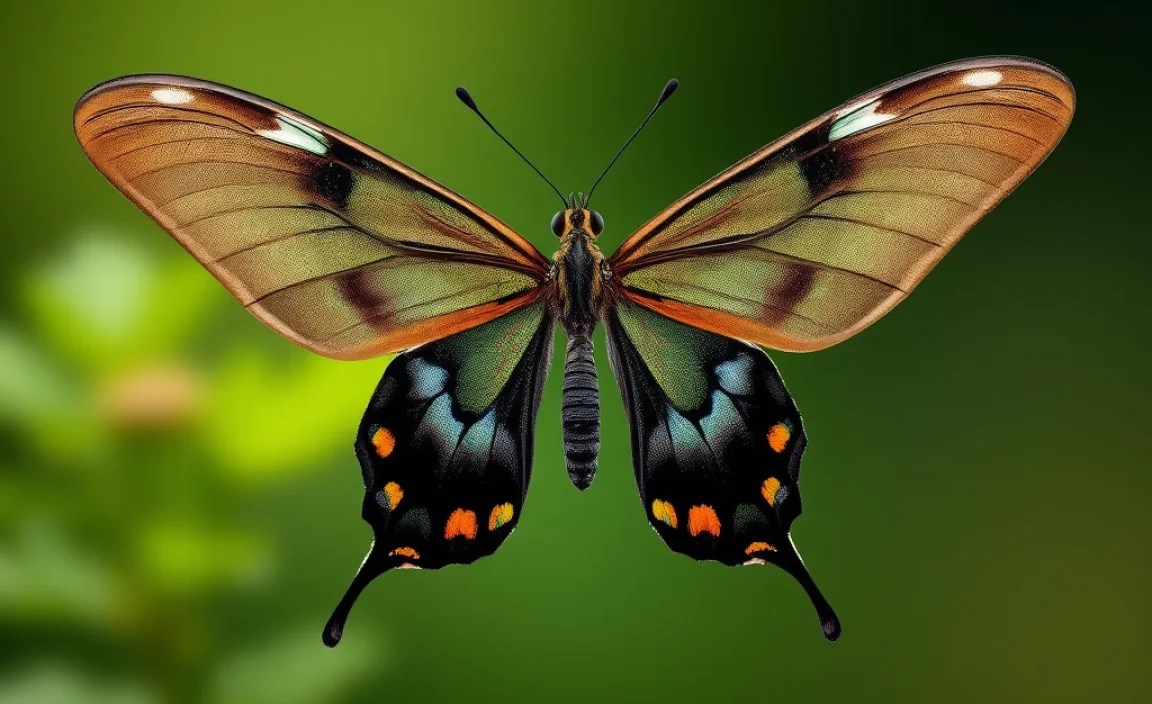
The most striking feature of the glasswing butterfly is, of course, its transparent wings. The wings are framed by a dark brown or black border. Some species have reddish or orange markings on the border. The body of the butterfly is typically dark brown or black. It is relatively small. The wingspan ranges from 5.5 to 6.0 cm (2.2 to 2.4 inches). Their delicate appearance belies their resilience and adaptability.
| Attribute | Description |
|---|---|
| Wings | Mostly transparent with dark brown or black borders |
| Wingspan | 5.5 to 6.0 cm (2.2 to 2.4 inches) |
| Body | Dark brown or black |
| Markings | Some species have reddish or orange markings on wing borders |
Behavior and Habitat
Glasswing butterflies are typically found in shaded areas of the rainforest. They often fly close to the ground. They are active during the day. They are known for their slow, deliberate flight. This allows them to conserve energy. They are often seen feeding on nectar from flowers. They prefer plants that grow in the understory. They play an important role in pollination. They help maintain the health and diversity of the rainforest ecosystem.
- Habitat: Rainforest understory.
- Activity: Diurnal (active during the day).
- Flight: Slow and deliberate to conserve energy.
- Pollination: Contributes to rainforest plant reproduction.
Ecological Role
Glasswing butterflies play an important role in the rainforest ecosystem. As pollinators, they help plants reproduce. They also serve as a food source for other animals. Their presence indicates a healthy ecosystem. Their sensitivity to environmental changes makes them valuable indicators of habitat quality. Protecting their habitat is essential for maintaining biodiversity. This ensures the health of the rainforest.
Conservation Status and Threats
While glasswing butterflies are not currently listed as endangered, they face several threats. Habitat loss is the most significant concern. Deforestation for agriculture, logging, and development destroys their rainforest habitat. Climate change also poses a threat. Changes in temperature and rainfall patterns can disrupt their life cycle. Pollution from pesticides and other chemicals can harm them. Conservation efforts are needed to protect these amazing creatures.
Habitat Loss
Deforestation is a major threat to glasswing butterflies. The destruction of rainforests for agriculture, logging, and development reduces their habitat. This limits their ability to find food and reproduce. Protecting and restoring rainforest habitats is crucial for their survival. Supporting sustainable practices can help reduce deforestation.
Climate Change
Climate change can disrupt the life cycle of glasswing butterflies. Changes in temperature and rainfall patterns can affect the availability of food plants. It can also impact their ability to reproduce. Reducing greenhouse gas emissions can help mitigate the effects of climate change. This protects these butterflies and their habitats.
Pollution
Pesticides and other chemicals can harm glasswing butterflies. These pollutants can contaminate their food sources and directly affect their health. Reducing the use of pesticides and promoting organic farming practices can help protect them. Supporting policies that reduce pollution is essential for their survival.
How You Can Help Glasswing Butterflies

There are many ways you can help protect glasswing butterflies and their habitats. Here are a few ideas:
- Support Conservation Organizations: Donate to organizations that work to protect rainforests and biodiversity.
- Reduce Your Carbon Footprint: Take steps to reduce your greenhouse gas emissions. This will help mitigate climate change.
- Buy Sustainable Products: Choose products that are made in a sustainable way. This will help reduce deforestation and pollution.
- Educate Others: Share your knowledge about glasswing butterflies and the importance of conservation with your friends and family.
- Create a Butterfly Garden: Plant native flowers that attract butterflies. Avoid using pesticides and herbicides.
Glasswing Butterfly in Culture and Art

The glasswing butterfly’s unique appearance has made it a popular subject in art and culture. Its transparent wings symbolize beauty, fragility, and transformation. It is often used in jewelry, paintings, and other art forms. In some cultures, it is believed to bring good luck. Its ethereal beauty continues to inspire artists and nature lovers around the world.
Symbolism
The glasswing butterfly often symbolizes transformation and adaptability. Its transparent wings represent clarity and insight. It is a reminder of the delicate balance of nature. It encourages us to appreciate the beauty of the natural world. It also inspires us to protect it for future generations.
Art and Design
The unique appearance of the glasswing butterfly has made it a popular subject in art and design. Its transparent wings are often replicated in jewelry, clothing, and other decorative items. Artists use its image to convey themes of beauty, fragility, and transformation. Its ethereal beauty continues to inspire creativity and wonder.
Frequently Asked Questions (FAQ)
What is special about the glasswing butterfly?
The glasswing butterfly is special because its wings are transparent. This unique adaptation helps it camouflage in its rainforest habitat.
Where can I find glasswing butterflies?
Glasswing butterflies live in the rainforests of Central and South America, from Mexico to Argentina.
What do glasswing butterflies eat?
Adult glasswing butterflies feed on nectar from flowers. Their caterpillars eat plants in the genus Cestrum.
Are glasswing butterflies endangered?
Glasswing butterflies are not currently listed as endangered. However, they face threats from habitat loss, climate change, and pollution.
How can I help protect glasswing butterflies?
You can help by supporting conservation organizations, reducing your carbon footprint, buying sustainable products, and educating others about conservation.
What does the glasswing butterfly symbolize?
The glasswing butterfly symbolizes transformation, adaptability, clarity, and the delicate balance of nature.
Do glasswing butterflies have any predators?
Yes, glasswing butterflies have predators. Birds and other insectivores prey on them. Their transparent wings and toxic defenses help them avoid being eaten.
Conclusion: Appreciating and Protecting the Glasswing Butterfly
The glasswing butterfly is a remarkable example of nature’s ingenuity and beauty. Its transparent wings, unique diet, and fascinating life cycle make it a true wonder of the rainforest. By understanding the threats it faces and taking action to protect its habitat, we can ensure that future generations will have the opportunity to marvel at this amazing creature. Let’s all do our part to conserve the glasswing butterfly and the incredible ecosystems it calls home. Every small action can make a big difference in preserving the beauty and biodiversity of our planet. Let’s continue to explore, appreciate, and protect the natural world around us.
For more information on butterfly conservation, consider visiting the Xerces Society for Invertebrate Conservation: https://xerces.org/.


