
Glasswing Biology Research Trends: Powerful Secrets?

Glasswing butterfly research is focusing on their incredible transparency. Scientists are studying how their wings reflect so little light, exploring potential applications in technology, like anti-glare screens and camouflage. Researchers also investigate their genetics, behavior, and conservation to protect these amazing insects and their habitats. Understanding glasswings could lead to exciting innovations and help preserve biodiversity.
Have you ever wondered how some butterflies seem to disappear right before your eyes? The glasswing butterfly, with its nearly invisible wings, is a marvel of nature. For years, scientists have been captivated by their unique transparency. But it’s not just about admiring their beauty! Understanding how glasswings achieve this remarkable feat can unlock new possibilities in fields like materials science and conservation.
It might seem complex, but don’t worry! This article will guide you through the latest research trends in glasswing biology. We’ll explore their fascinating anatomy, the secrets behind their transparent wings, and how this knowledge could impact technology and conservation. Ready to dive into the world of glasswing butterflies? Let’s get started!
Frequently Asked Questions About Glasswing Butterflies
What makes glasswing butterflies’ wings transparent?

Glasswing butterflies have nanoscale structures on their wings that minimize light reflection. These structures are tiny pillars that are randomly arranged, which helps to scatter light and reduce glare, making the wings appear transparent.
Why are scientists studying glasswing butterflies?

Scientists are studying glasswing butterflies to understand the principles behind their transparency. This knowledge can be applied to develop new technologies, such as anti-reflective coatings for screens, better camouflage materials, and more efficient solar panels.
Where do glasswing butterflies live?
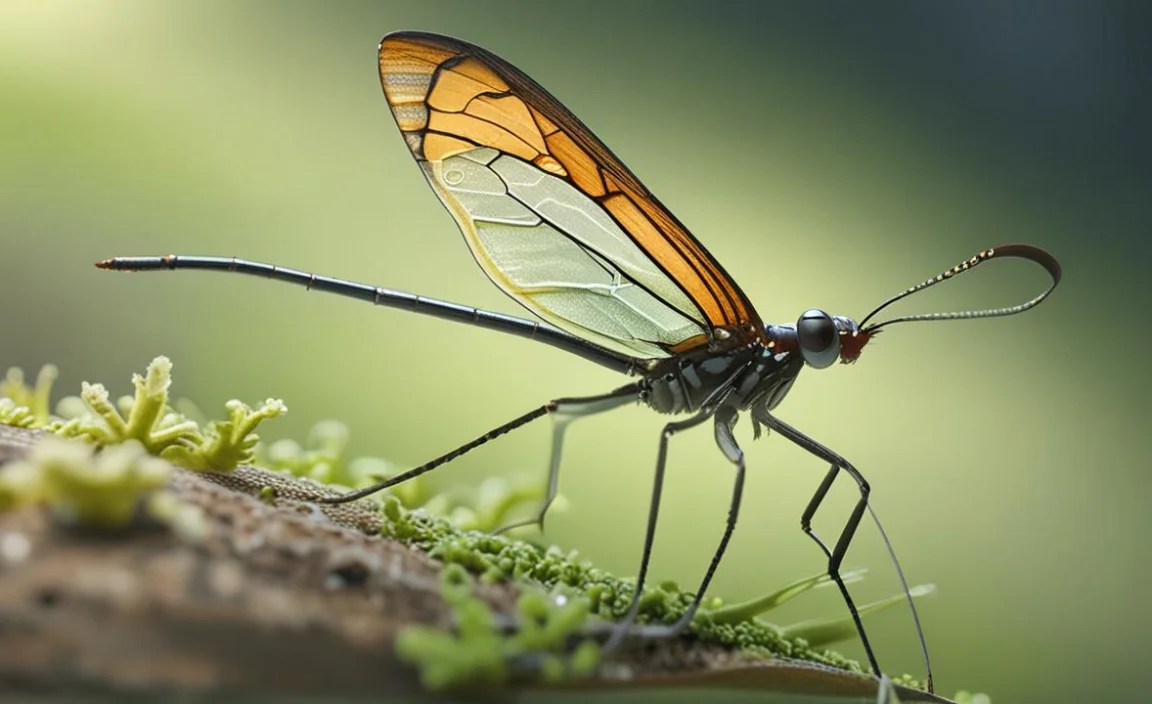
Glasswing butterflies are primarily found in the tropical rainforests of Central and South America. They thrive in humid, shaded environments where their host plants grow.
What do glasswing butterflies eat?

As caterpillars, glasswing butterflies feed on specific host plants. As adults, they primarily feed on nectar from various flowering plants. Their diet is crucial for their survival and reproduction.
Are glasswing butterflies endangered?

While not currently listed as endangered, glasswing butterflies face threats from habitat loss due to deforestation and climate change. Conservation efforts are important to protect their populations.
How can I help protect glasswing butterflies?

You can support organizations that work to protect rainforests, promote sustainable practices, and educate others about the importance of biodiversity. Planting native flowering plants can also provide nectar sources for adult butterflies.
What is the scientific name for glasswing butterflies?

The scientific name for the most well-known glasswing butterfly species is Greta oto. This species is widely studied and admired for its remarkable transparency.
Unveiling the Secrets of Glasswing Biology: Research Trends

The glasswing butterfly (Greta oto) is a true marvel of nature, captivating scientists and nature enthusiasts alike. Its transparent wings, a rare phenomenon in the insect world, have spurred significant research aimed at understanding the underlying mechanisms and potential applications. Let’s explore the cutting-edge research trends that are unraveling the mysteries of these fascinating creatures.
Understanding Wing Transparency: A Deep Dive into Nanostructures
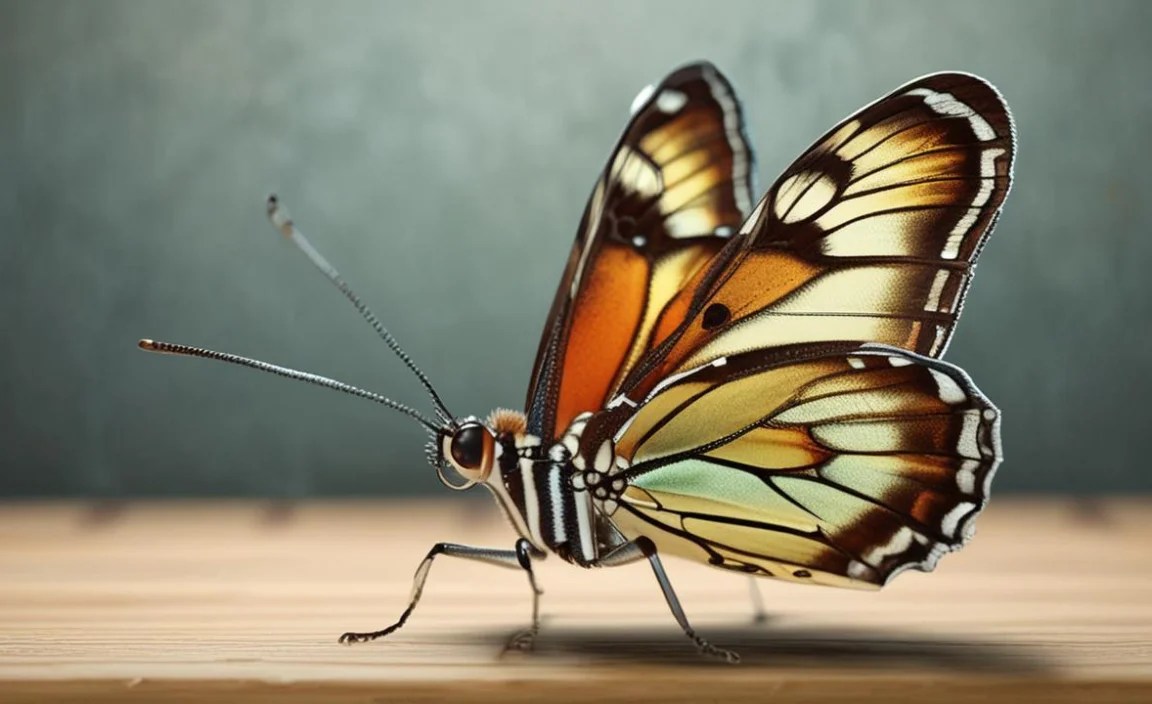
The key to the glasswing butterfly’s transparency lies in the unique nanostructures present on its wings. Unlike most butterfly wings, which are covered in scales that reflect light, glasswing wings have specialized structures that minimize reflection and scattering. Current research is focused on:
- Nanoscale Pillars: Scientists have discovered that the wings are covered in tiny, randomly arranged pillars. These pillars are smaller than the wavelength of visible light, which reduces light reflection.
- Refractive Index Matching: The material composition of the wing, along with its nanostructure, helps to match the refractive index of the wing to that of air. This minimizes the amount of light that is reflected at the air-wing interface.
- Antireflective Properties: Researchers are studying the specific properties of these nanostructures to understand how they achieve such high levels of transparency. This involves advanced imaging techniques like electron microscopy and atomic force microscopy.
Genetic Studies: Unlocking the Genetic Code of Transparency
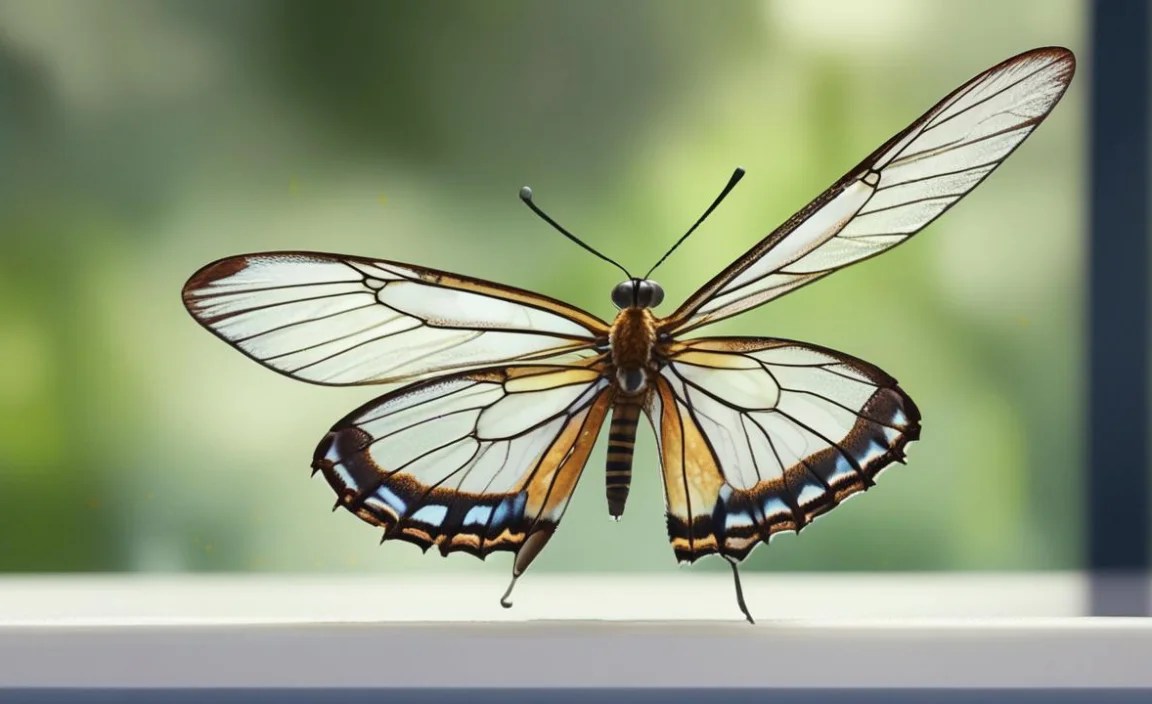
Understanding the genetic basis of wing transparency is another significant area of research. Scientists are working to identify the genes responsible for the development of the unique nanostructures and material composition of the wings. This involves:
- Genome Sequencing: Researchers are sequencing the genome of Greta oto to identify genes that are differentially expressed in wing cells.
- Gene Expression Analysis: By comparing gene expression patterns in glasswing butterflies with those of other butterfly species, scientists can pinpoint genes that are specifically involved in the development of transparent wings.
- CRISPR Technology: The CRISPR-Cas9 gene editing system is being used to manipulate specific genes in glasswing butterflies to study their effects on wing transparency.
Behavioral Ecology: How Transparency Influences Survival
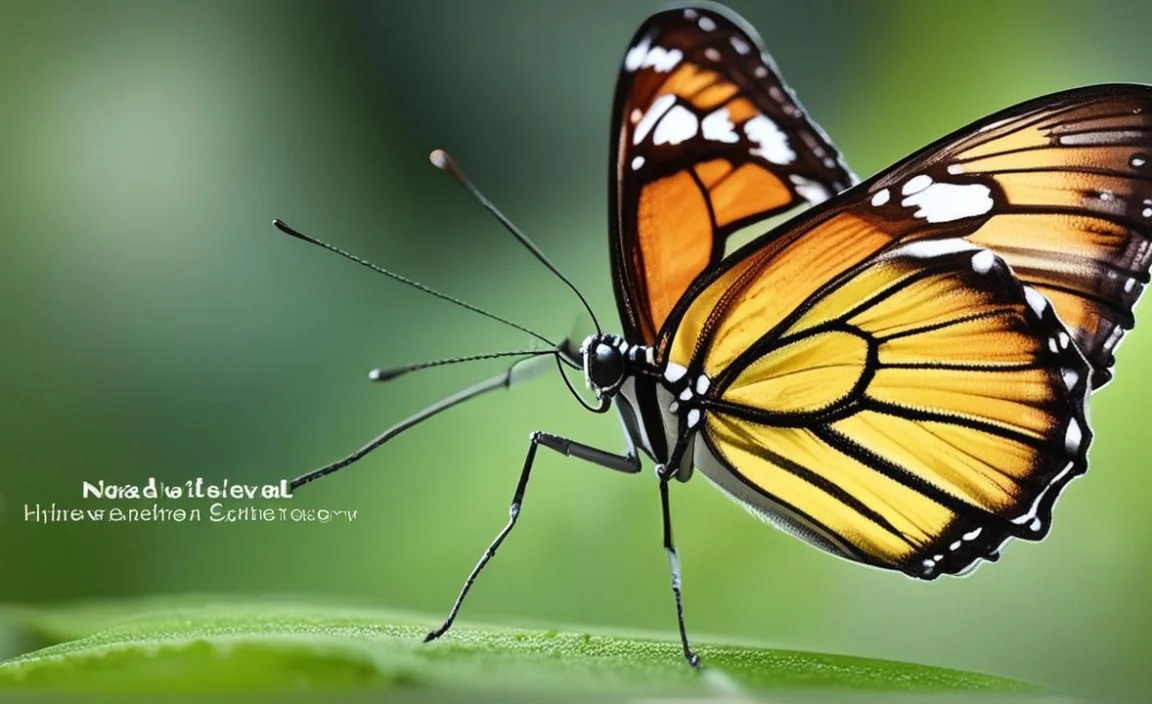
The transparent wings of glasswing butterflies are not just a fascinating physical trait; they also play a crucial role in the butterfly’s survival. Research in behavioral ecology is exploring how transparency affects the butterfly’s interactions with its environment, including:
- Camouflage: The transparent wings provide excellent camouflage, allowing the butterflies to blend in with their surroundings and avoid predators.
- Mate Selection: Researchers are investigating whether wing transparency plays a role in mate selection. It’s possible that butterflies with more transparent wings are more attractive to potential mates.
- Thermoregulation: The transparent wings may also influence the butterfly’s ability to regulate its body temperature. By allowing more light to pass through, the wings may help to keep the butterfly cool in hot environments.
Biomimicry: Inspired by Nature for Technological Innovation

The unique properties of glasswing butterfly wings have inspired scientists and engineers to develop new technologies through a process called biomimicry. This involves mimicking the natural structures and processes found in nature to create innovative solutions to engineering problems. Some potential applications include:
- Antireflective Coatings: The nanostructures on glasswing wings could be used to create highly effective antireflective coatings for screens, glasses, and solar panels.
- Camouflage Materials: The camouflage properties of the wings could be used to develop new types of camouflage materials for military and civilian applications.
- Optical Devices: The unique optical properties of the wings could be used to create new types of optical devices, such as lenses and filters.
Conservation Efforts: Protecting Glasswing Butterflies and Their Habitats

While glasswing butterflies are not currently listed as endangered, they face threats from habitat loss due to deforestation and climate change. Conservation efforts are crucial to protect these amazing creatures and their habitats. Current conservation initiatives include:
- Habitat Preservation: Protecting and restoring rainforest habitats is essential for the survival of glasswing butterflies. This involves working with local communities to promote sustainable land use practices.
- Captive Breeding Programs: Some organizations are running captive breeding programs to increase the population of glasswing butterflies. These programs can help to reintroduce butterflies into areas where they have become rare.
- Education and Outreach: Educating the public about the importance of glasswing butterflies and their habitats can help to raise awareness and support for conservation efforts.
Advanced Imaging Techniques: Seeing the Unseen
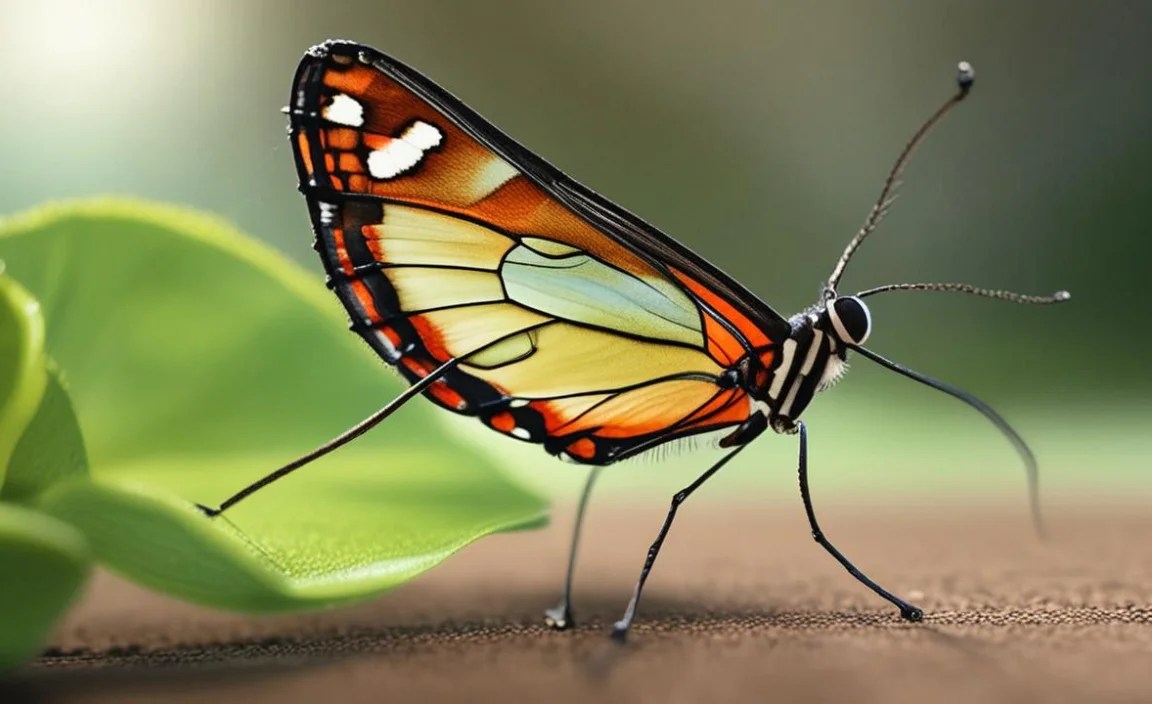
Advancements in imaging technology have played a crucial role in glasswing butterfly research. These techniques allow scientists to visualize the intricate nanostructures on the wings and study their properties in detail. Some of the key imaging techniques used in this research include:
- Scanning Electron Microscopy (SEM): SEM is used to image the surface of the wings at high resolution, revealing the structure and arrangement of the nanoscale pillars.
- Atomic Force Microscopy (AFM): AFM is used to measure the mechanical properties of the wings, such as their stiffness and elasticity.
- Optical Microscopy: Optical microscopy is used to study the optical properties of the wings, such as their transparency and reflectivity.
Material Science: Analyzing Wing Composition
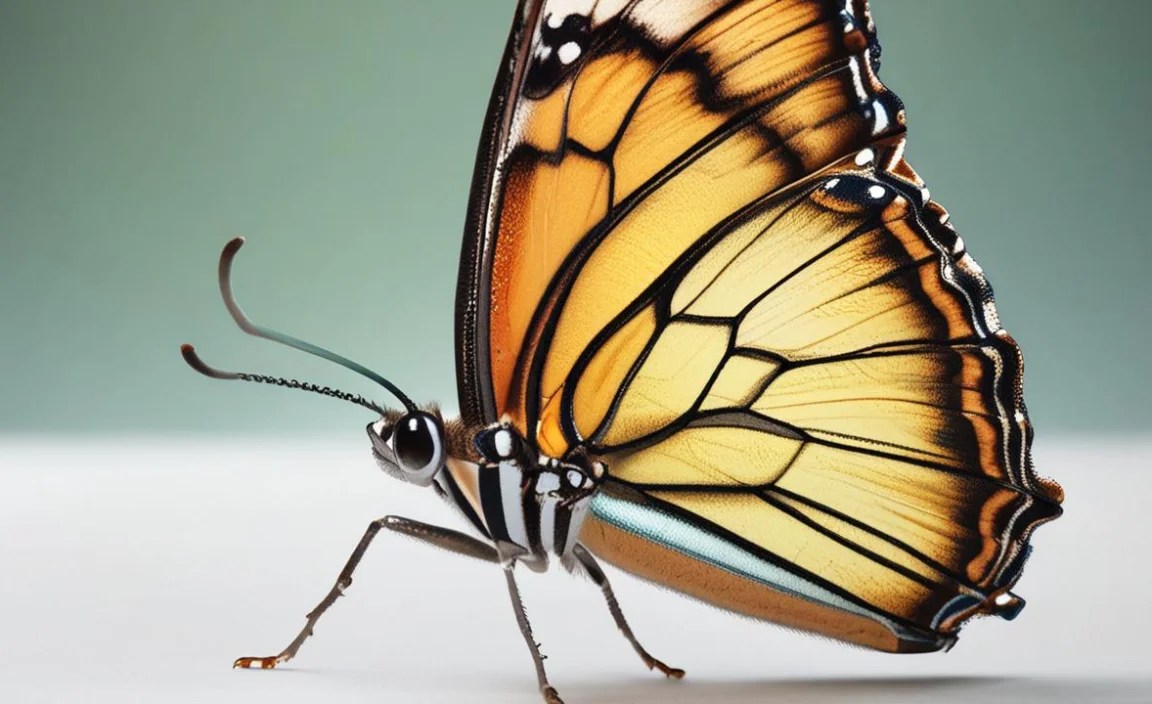
In addition to studying the structure of the wings, scientists are also analyzing their material composition. This involves identifying the different materials that make up the wings and studying their properties. Key areas of investigation include:
- Chitin Analysis: Chitin is the main component of the butterfly wing. Researchers are analyzing the chitin in glasswing wings to understand how it contributes to their transparency.
- Protein Identification: Proteins play a crucial role in the structure and function of the wings. Scientists are identifying the proteins present in glasswing wings and studying their properties.
- Spectroscopic Analysis: Techniques like Raman spectroscopy and infrared spectroscopy are used to analyze the chemical composition of the wings and identify the different molecules that are present.
Mathematical Modeling: Simulating Wing Transparency

Mathematical modeling is being used to simulate the optical properties of glasswing wings. These models can help scientists to understand how the nanostructures and material composition of the wings contribute to their transparency. Key aspects of this research include:
- Finite Element Analysis: Finite element analysis is used to simulate the behavior of light as it passes through the wings.
- Computational Electromagnetics: Computational electromagnetics is used to model the interaction of electromagnetic waves with the nanostructures on the wings.
- Ray Tracing: Ray tracing is used to simulate the path of light rays as they pass through the wings.
Table: Summary of Research Trends in Glasswing Biology
| Research Area | Focus | Techniques Used | Potential Applications |
|---|---|---|---|
| Wing Transparency | Understanding nanostructures and refractive index matching | Electron microscopy, atomic force microscopy | Antireflective coatings, camouflage materials |
| Genetic Studies | Identifying genes responsible for wing transparency | Genome sequencing, gene expression analysis, CRISPR | Genetic engineering, biotechnology |
| Behavioral Ecology | Studying the role of transparency in camouflage and mate selection | Field observations, behavioral experiments | Conservation strategies, understanding species interactions |
| Biomimicry | Developing new technologies inspired by glasswing wings | Materials science, engineering | Advanced optical devices, improved solar panels |
| Conservation | Protecting habitats and promoting sustainable practices | Habitat preservation, captive breeding programs | Biodiversity conservation, ecosystem preservation |
Future Directions in Glasswing Butterfly Research

The study of glasswing butterflies is an ongoing endeavor, with many exciting avenues for future research. Some potential directions include:
- Developing new biomimetic materials: Scientists will continue to explore the potential of glasswing-inspired materials for a wide range of applications.
- Investigating the evolution of transparency: Researchers will study the evolutionary history of glasswing butterflies to understand how their transparent wings evolved.
- Studying the effects of climate change: Scientists will investigate how climate change is affecting glasswing butterflies and their habitats.
Here’s a table showing which butterfly species are most researched:
| Butterfly Species | Scientific Name | Reason for Research Interest | Research Focus |
|---|---|---|---|
| Monarch Butterfly | Danaus plexippus | Iconic migration patterns and conservation status | Migration routes, population genetics, habitat loss |
| Glasswing Butterfly | Greta oto | Transparent wings and unique nanostructures | Optical properties, biomimicry, material science |
| Painted Lady Butterfly | Vanessa cardui | Widespread distribution and migratory behavior | Migration patterns, genetic diversity, adaptation |
| Swallowtail Butterflies | Papilio spp. | Diverse species and mimicry | Evolutionary biology, genetics, ecological interactions |
| Cabbage White Butterfly | Pieris rapae | Common agricultural pest | Pest management, insecticide resistance, ecology |
| Blue Morpho Butterfly | Morpho spp. | Iridescent wings and structural coloration | Optical properties, material science, biomimicry |
Conclusion: The Inspiring World of Glasswing Biology
As we’ve explored, the research trends in glasswing biology are diverse and fascinating. From understanding the nanoscale structures that give these butterflies their transparency to exploring the potential applications of this knowledge in technology and conservation, there’s much to be discovered. The glasswing butterfly is not just a beautiful creature; it’s also a source of inspiration and innovation. By supporting research and conservation efforts, we can help to protect these amazing insects and unlock their secrets for the benefit of all. Let’s continue to admire, study, and protect these delicate wonders of nature.


