
Glasswing Butterfly Colorless Wings: The Secret!

Quick Summary: The glasswing butterfly (Greta oto) possesses transparent wings due to a unique nanostructure that minimizes light reflection and scattering. This adaptation helps them camouflage in their rainforest habitat, avoiding predators. The wings are not entirely colorless; they have a reddish-brown border, which is important for structural support and may play a role in species recognition.
Have you ever seen a butterfly with wings so clear, they seem to vanish before your eyes? It’s no illusion! The glasswing butterfly is a marvel of nature, famous for its see-through wings. Many people wonder how these delicate creatures pull off this incredible feat of camouflage. Understanding the science behind their transparent wings not only deepens our appreciation for these butterflies but also provides insights into biomimicry and conservation efforts.
In this article, we’ll explore the fascinating world of the glasswing butterfly. We’ll uncover the secrets of their transparent wings, discuss their habitat and diet, and learn how they contribute to the delicate balance of their ecosystem. Let’s dive in and discover the magic of these incredible insects!
What Makes Glasswing Butterfly Wings Transparent?

The secret to the glasswing butterfly’s transparent wings lies in their unique nanostructure. Unlike most butterfly wings, which are covered in scales that reflect light, the glasswing’s wings have specialized structures that minimize reflection and scattering. This allows light to pass through the wings, making them appear transparent. Let’s break down the science behind this incredible adaptation.
Nanostructures and Light Manipulation
The wings of a typical butterfly are covered with tiny scales that create vibrant colors through pigment or structural coloration. These scales scatter light in many directions, which is why we see colors. In contrast, the glasswing butterfly’s wings have fewer scales, and those that are present have a unique nanostructure.
These nanostructures are tiny pillars arranged irregularly on the wing surface. This irregular arrangement is key to reducing light reflection. Instead of reflecting light back to the viewer, the nanostructures allow most of the light to pass straight through the wing. The minimal reflection is what gives the wings their transparent appearance. Research has shown that these nanopillars are crucial for the butterfly’s camouflage, helping them blend seamlessly into their environment. You can learn more about the science of butterfly wings from resources like the Smithsonian Institution.
The Role of the Waxy Layer
In addition to the nanostructures, the glasswing butterfly’s wings have a thin waxy layer that further reduces light reflection. This layer acts as an anti-reflective coating, similar to what is used on lenses and screens. The wax helps to smooth out the surface of the wing and minimize the scattering of light, enhancing transparency.
This combination of nanostructures and a waxy layer is a remarkable example of natural engineering. It allows the glasswing butterfly to achieve a level of transparency that is rare in the animal kingdom. The reduction in reflection not only helps with camouflage but also potentially reduces the butterfly’s visibility to predators.
Habitat and Distribution of the Glasswing Butterfly

The glasswing butterfly, Greta oto, is primarily found in the rainforests of Central and South America. Their distribution ranges from Mexico to Panama and as far south as Argentina. These butterflies thrive in the humid, shaded understory of the rainforest, where their transparent wings provide excellent camouflage.
Preferred Environment
Glasswing butterflies prefer habitats with abundant host plants for their larvae and nectar sources for the adults. They are commonly found near streams and rivers, which provide the humidity they need. The understory of the rainforest offers protection from strong winds and direct sunlight, creating an ideal environment for these delicate creatures.
Geographical Range
The glasswing butterfly’s range includes several countries known for their rich biodiversity. Here is a list of some of the countries where they can be found:
- Mexico
- Belize
- Costa Rica
- Panama
- Colombia
- Venezuela
- Ecuador
- Peru
- Brazil
- Argentina
Within these countries, glasswing butterflies are often found in protected areas and national parks, where their habitat is preserved. Conservation efforts are crucial to ensure their continued survival, especially as rainforests face increasing threats from deforestation and climate change.
Life Cycle of the Glasswing Butterfly

The life cycle of the glasswing butterfly is a fascinating process, involving several distinct stages, each with its own unique characteristics and purpose. From egg to adult, these butterflies undergo a complete metamorphosis, adapting to different roles and environments.
Egg Stage
The life cycle begins with the egg stage. Female glasswing butterflies lay their eggs on the host plants, which are typically plants in the genus Cestrum. These plants contain alkaloids that are toxic to many other insects but are harmless to the glasswing butterfly larvae. The eggs are small and often laid in clusters on the underside of leaves, providing protection from predators and the elements.
Larval Stage (Caterpillar)
Once the eggs hatch, the larval stage begins. The caterpillars of the glasswing butterfly are distinctive, with long, spiky projections that may serve as a defense mechanism. They feed voraciously on the leaves of the host plant, accumulating nutrients and energy for the next stage of their development. The caterpillars go through several molts, shedding their skin as they grow larger.
Pupal Stage (Chrysalis)
After the larval stage, the caterpillar transforms into a pupa, also known as a chrysalis. The chrysalis of the glasswing butterfly is remarkable, often appearing metallic gold or silver. This pupal stage is a period of intense transformation, as the caterpillar’s body breaks down and reorganizes into the adult butterfly form. The chrysalis hangs from a stem or leaf, camouflaged to avoid predators.
Adult Stage
Finally, the adult butterfly emerges from the chrysalis. The newly emerged butterfly’s wings are crumpled and wet, but they quickly expand and dry. The adult glasswing butterfly is now ready to reproduce and continue the cycle. Adult glasswings feed on nectar from various flowers, using their long proboscis to extract the sweet liquid. They are active during the day and can be seen flitting through the rainforest understory.
Diet and Feeding Habits

The diet of the glasswing butterfly varies between its larval and adult stages. Caterpillars primarily feed on specific host plants, while adult butterflies consume nectar from a variety of flowers. Understanding their diet is crucial for conserving their habitat and ensuring their survival.
Larval Diet
Glasswing butterfly larvae are specialized feeders, relying on plants in the genus Cestrum as their primary food source. These plants contain alkaloids that make the caterpillars unpalatable to many predators. The caterpillars consume large quantities of leaves, growing rapidly as they accumulate nutrients.
- Cestrum species: These plants are the main food source for glasswing butterfly larvae.
- Alkaloids: The toxic compounds in Cestrum plants provide protection for the caterpillars.
- Voracious feeding: Caterpillars eat large amounts of leaves to fuel their growth.
Adult Diet
Adult glasswing butterflies feed on nectar from a variety of flowering plants. They use their long proboscis to reach into the flowers and extract the nectar. Unlike some butterflies, glasswings are not picky eaters and will feed on a wide range of nectar sources. They also consume pollen, which provides additional nutrients.
- Nectar: The primary food source for adult glasswing butterflies.
- Pollen: Provides additional nutrients and proteins.
- Wide range of flowers: Glasswings are not selective and will feed on many different types of flowers.
Providing a variety of nectar-rich flowers in their habitat is essential for supporting adult glasswing butterflies. Gardeners and conservationists can help by planting native flowering plants that attract these beautiful insects.
Predators and Defense Mechanisms
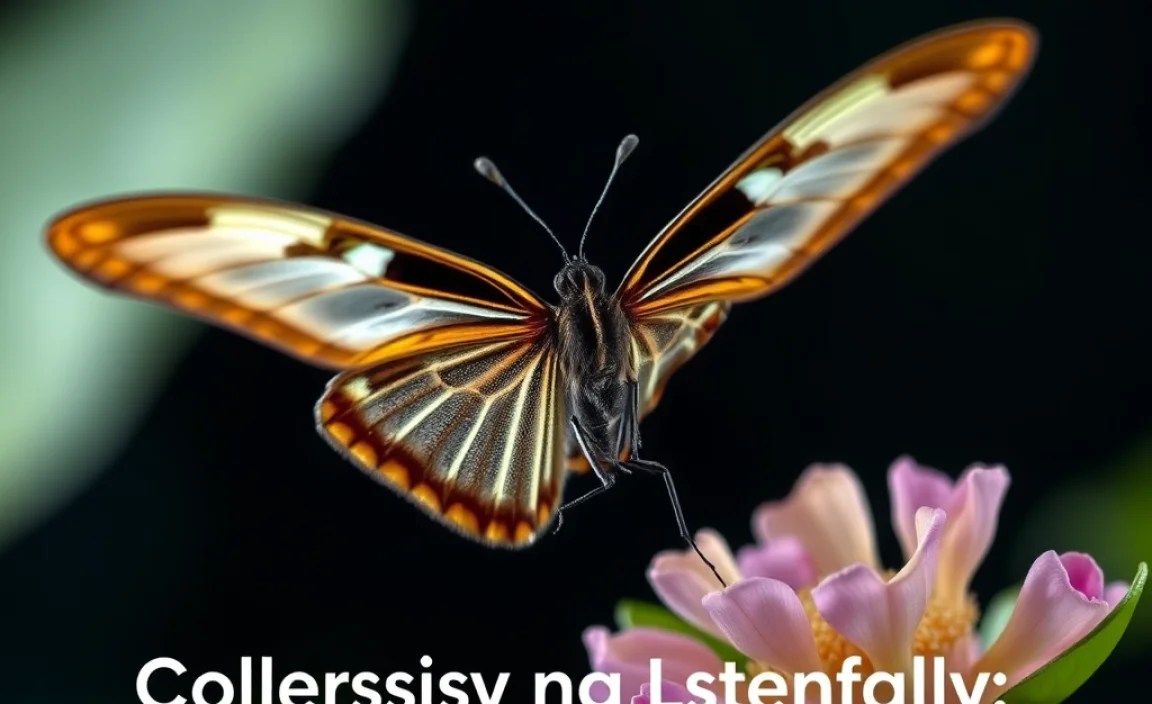
Despite their transparent wings and other adaptations, glasswing butterflies face threats from various predators. To survive, they have developed several defense mechanisms that help them avoid being eaten. These strategies include camouflage, toxicity, and mimicry.
Camouflage
The most obvious defense mechanism of the glasswing butterfly is its transparent wings. This adaptation allows them to blend seamlessly into their environment, making them difficult for predators to spot. The transparent wings work best in the shaded understory of the rainforest, where dappled light and shadows further enhance their camouflage.
Toxicity
As larvae, glasswing butterflies feed on plants containing toxic alkaloids. These compounds are stored in their bodies and remain even after they transform into adults. The toxins make the butterflies unpalatable to many predators, providing a form of chemical defense. Predators that have tried to eat a glasswing butterfly may avoid them in the future due to the unpleasant taste.
Mimicry
In addition to camouflage and toxicity, glasswing butterflies also employ mimicry as a defense strategy. They resemble other butterflies that are known to be toxic or distasteful to predators. By mimicking these species, glasswing butterflies can deter predators that have learned to avoid similar-looking butterflies.
Here’s a table summarizing the defense mechanisms of the glasswing butterfly:
| Defense Mechanism | Description | How it Works |
|---|---|---|
| Camouflage | Transparent wings | Blends into the environment, making it hard for predators to spot them. |
| Toxicity | Alkaloids from host plants | Makes them unpalatable to predators. |
| Mimicry | Resemblance to toxic butterflies | Deters predators that avoid similar-looking species. |
Conservation Status and Threats
The glasswing butterfly is not currently listed as endangered, but it faces several threats that could impact its population in the future. Habitat loss, climate change, and pesticide use are among the main concerns for these delicate creatures.
Habitat Loss
Deforestation is a major threat to glasswing butterflies and other rainforest species. As forests are cleared for agriculture, logging, and development, the butterflies lose their habitat and food sources. Habitat fragmentation can also isolate populations, making them more vulnerable to extinction. Preserving and restoring rainforest habitats is crucial for the survival of glasswing butterflies. You can support organizations like the World Wildlife Fund that are working to protect rainforests around the world.
Climate Change
Climate change poses a significant threat to glasswing butterflies by altering their habitat and disrupting their life cycle. Changes in temperature and rainfall patterns can affect the availability of host plants and nectar sources. Extreme weather events, such as droughts and floods, can also devastate butterfly populations. Reducing greenhouse gas emissions and mitigating the impacts of climate change are essential for protecting glasswing butterflies and other species.
Pesticide Use
Pesticides used in agriculture and forestry can harm glasswing butterflies and other beneficial insects. Insecticides can directly kill butterflies, while herbicides can reduce the availability of host plants and nectar sources. Using integrated pest management strategies and reducing pesticide use can help protect butterfly populations.
Attracting Glasswing Butterflies to Your Garden
While glasswing butterflies are primarily found in rainforests, it is possible to attract them to your garden if you live in or near their natural habitat. Providing the right host plants and nectar sources can create a welcoming environment for these beautiful insects.
Planting Host Plants
To attract glasswing butterfly larvae, plant species from the genus Cestrum in your garden. These plants serve as the primary food source for the caterpillars. Make sure to choose native species that are well-suited to your local climate and soil conditions.
- Cestrum diurnum (Day-blooming Cestrum): A popular choice for attracting glasswing butterflies.
- Cestrum nocturnum (Night-blooming Cestrum): Another option that provides nectar for adult butterflies.
Providing Nectar Sources
Adult glasswing butterflies feed on nectar from a variety of flowering plants. Plant a diverse selection of nectar-rich flowers in your garden to provide a continuous source of food throughout the growing season. Choose flowers with different colors and shapes to attract a wide range of butterflies and other pollinators.
- Lantana: A colorful flower that attracts many butterflies.
- Pentas: A long-blooming flower that provides a reliable source of nectar.
- Salvia: A fragrant flower that attracts butterflies and hummingbirds.
Creating a Butterfly-Friendly Habitat
In addition to providing host plants and nectar sources, create a butterfly-friendly habitat by providing shelter, water, and avoiding pesticide use. Butterflies need shelter from wind and rain, so plant shrubs and trees to create protected areas in your garden. Provide a shallow dish of water with pebbles or sand for butterflies to drink from. Avoid using pesticides, which can harm or kill butterflies and other beneficial insects.
Glasswing Butterfly in Culture and Symbolism
The glasswing butterfly, with its ethereal transparency, holds a unique place in culture and symbolism. Its delicate beauty and seeming invisibility have inspired various interpretations across different cultures and artistic expressions.
Symbolism of Transparency
The most prominent aspect of the glasswing butterfly’s symbolism is transparency. This can represent honesty, clarity, and openness. In some cultures, it symbolizes the ability to see through illusions and perceive the truth. The transparent wings can also represent vulnerability and the delicate balance of nature.
Cultural Significance
In some indigenous cultures of Central and South America, the glasswing butterfly is seen as a symbol of transformation and adaptability. Its ability to blend into its environment represents the importance of adapting to change and finding harmony with nature. The butterfly’s life cycle, from caterpillar to pupa to adult, is also seen as a metaphor for personal growth and transformation.
Artistic Inspiration
The glasswing butterfly has inspired artists and designers around the world. Its unique appearance has been incorporated into various forms of art, including paintings, sculptures, and jewelry. The butterfly’s delicate beauty and transparency make it a popular subject for nature-inspired art. Its image is often used to convey themes of beauty, fragility, and the interconnectedness of life.
FAQ About Glasswing Butterflies
1. Are glasswing butterfly wings really made of glass?
No, glasswing butterfly wings are not made of glass. They are made of chitin, the same material that makes up the exoskeletons of insects. The wings appear transparent due to their unique nanostructure, which minimizes light reflection.
2. Where can I find glasswing butterflies?
Glasswing butterflies are primarily found in the rainforests of Central and South America, ranging from Mexico to Argentina. They prefer humid, shaded environments with abundant host plants and nectar sources.
3. What do glasswing butterfly caterpillars eat?
Glasswing butterfly caterpillars primarily feed on plants in the genus Cestrum. These plants contain alkaloids that make the caterpillars unpalatable to many predators.
4. How do glasswing butterflies protect themselves from predators?
Glasswing butterflies use several defense mechanisms, including camouflage, toxicity, and mimicry. Their transparent wings help them blend into their environment, while toxins from their host plants make them unpalatable to predators. They also mimic other butterflies that are known to be toxic.
5. Can I attract glasswing butterflies to my garden?
Yes, if you live in or near their natural habitat, you can attract glasswing butterflies to your garden by planting host plants like Cestrum and providing nectar-rich flowers. Creating a butterfly-friendly habitat with shelter and water can also help.
6. Are glasswing butterflies endangered?
Glasswing butterflies are not currently listed as endangered, but they face several threats, including habitat loss, climate change, and pesticide use. Conservation efforts are needed to protect their populations.
7. How long do glasswing butterflies live?
The lifespan of a glasswing butterfly varies depending on environmental conditions and predation pressure. In general, adult glasswing butterflies live for a few weeks to a couple of months.
Conclusion
The glasswing butterfly is a true marvel of nature, showcasing the beauty and complexity of the natural world. Its transparent wings, unique life cycle, and fascinating defense mechanisms make it a captivating subject for study and appreciation. By understanding the science behind their transparent wings, we gain insights into biomimicry and the potential for innovative technologies inspired by nature.
Conserving glasswing butterflies and their rainforest habitats is crucial for maintaining biodiversity and ecological balance. By supporting conservation organizations, planting butterfly-friendly gardens, and reducing our impact on the environment, we can help ensure that these incredible creatures continue to thrive for generations to come. Let’s all do our part to protect the magic of the glasswing butterfly and the wonders of the natural world.


