
Glasswing Butterfly Genome: The Powerful Secret

The glasswing butterfly’s genome holds the secrets to its incredible transparency! Scientists are studying its genes to understand how it creates clear wings, potentially leading to innovations in materials science and camouflage technology. This research also provides valuable insights into butterfly evolution and genetics, helping us protect these amazing creatures.
Have you ever seen a butterfly with wings so clear they seem to vanish? That’s the magic of the glasswing butterfly! Understanding how these butterflies achieve their transparency is a fascinating area of research. It’s not just about admiring their beauty; it’s about unlocking nature’s secrets for new technologies.
In this article, we’ll explore the glasswing butterfly genome and how scientists are using it to understand the butterfly’s unique traits. Get ready to dive into the world of genetics and discover the wonders hidden within these delicate wings!
What You’ll Learn:

- What makes the glasswing butterfly so unique.
- How scientists are studying its genome.
- Potential applications of this research.
Decoding the Glasswing Butterfly Genome
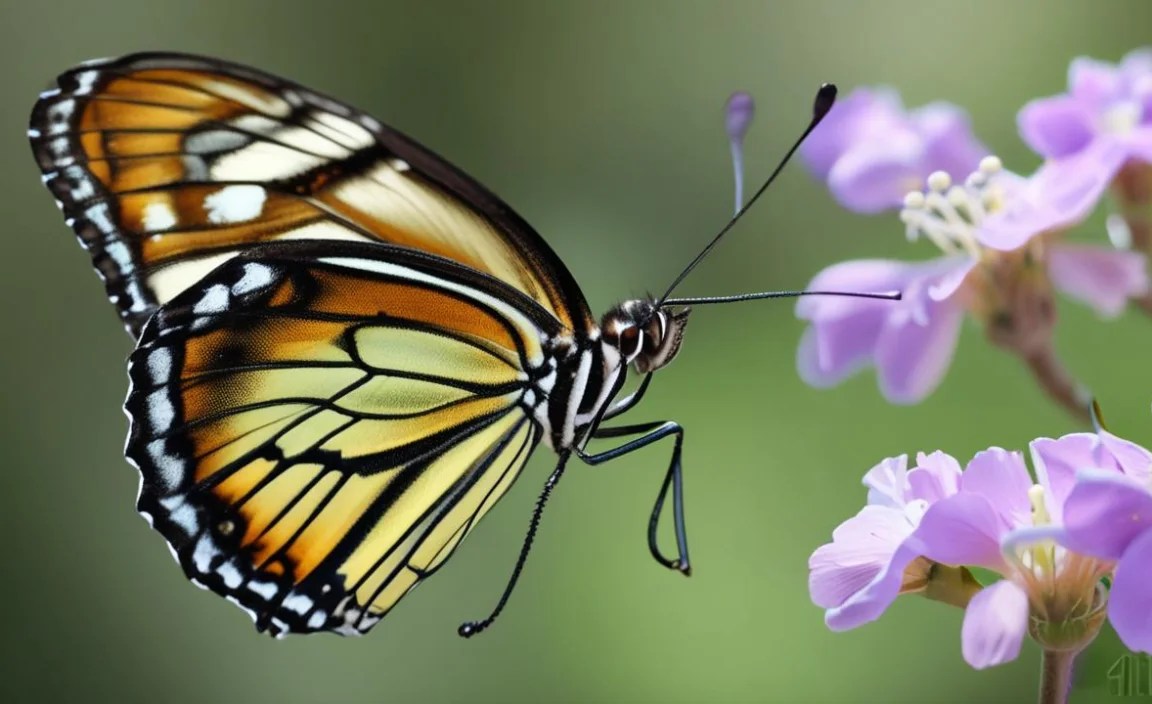
The glasswing butterfly (Greta oto) is a marvel of nature, renowned for its transparent wings. Unlike most butterflies, whose wings are covered in colorful scales, the glasswing butterfly has evolved a unique adaptation to minimize light reflection and create a see-through effect. The study of its genome – the complete set of its genetic instructions – is opening doors to understanding the mechanisms behind this incredible feat.
Why Study the Glasswing Butterfly Genome?
There are several compelling reasons why scientists are focusing on the glasswing butterfly genome:
- Understanding Transparency: The primary goal is to decipher the genetic basis of wing transparency. Identifying the genes responsible for this trait can provide insights into the biophysical processes involved.
- Evolutionary Insights: By comparing the glasswing butterfly genome with those of other butterflies, researchers can trace the evolutionary path that led to this unique adaptation.
- Biomimicry: The natural transparency of the glasswing’s wings inspires the development of new materials and technologies. Understanding the underlying genetic mechanisms can facilitate biomimicry – the imitation of natural systems for engineering solutions.
- Conservation: Studying the genome can also contribute to conservation efforts by providing information about the genetic diversity and adaptability of glasswing butterfly populations.
The Basics of Butterfly Genomes
Before diving into the specifics of the glasswing butterfly, let’s review some fundamental concepts of butterfly genomes:
- DNA: The building block of the genome, DNA (deoxyribonucleic acid), contains the genetic instructions for an organism.
- Genes: Specific segments of DNA that code for proteins, which carry out various functions in the body.
- Chromosomes: DNA is organized into structures called chromosomes. Butterflies typically have around 31 chromosomes.
- Genome Size: The size of a genome is measured in base pairs (bp). Butterfly genomes vary in size, but they are generally smaller than those of mammals.
The Science Behind Transparency
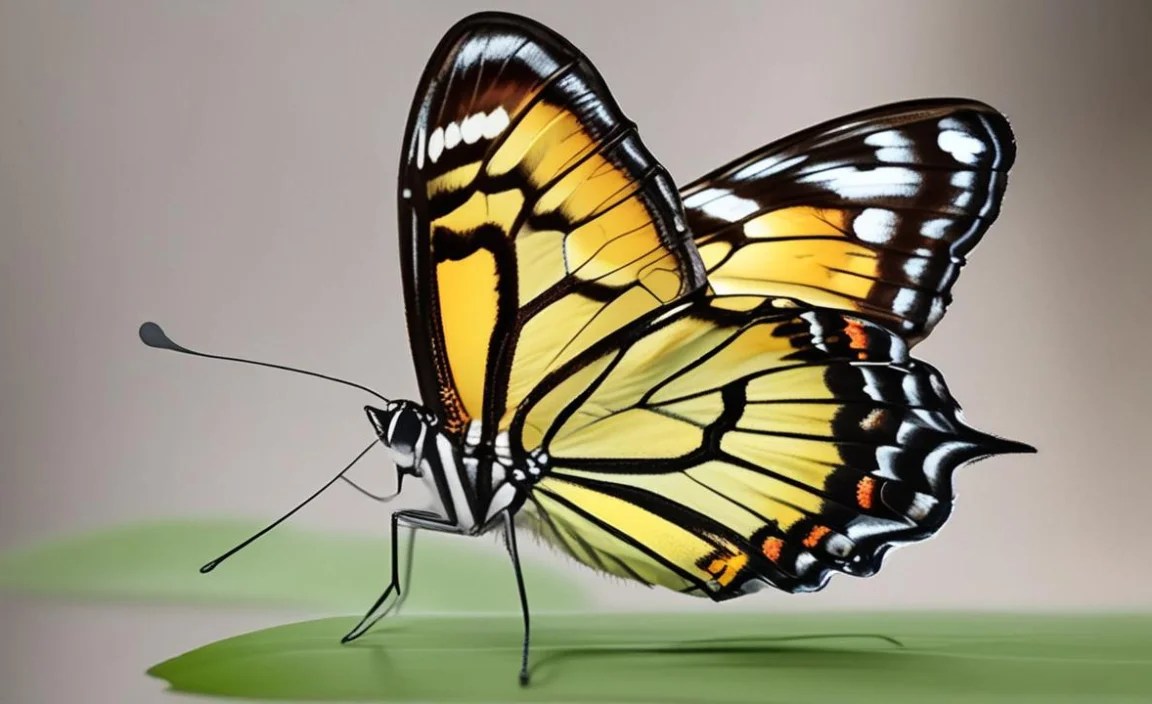
The transparency of the glasswing butterfly’s wings isn’t just a random occurrence; it’s a result of several intricate structural and optical adaptations. These adaptations minimize the scattering and reflection of light, allowing light to pass through the wings with minimal distortion.
Nanostructures on the Wing Surface
One of the key factors contributing to transparency is the presence of nanopillars on the wing surface. These tiny, nipple-like structures are much smaller than the wavelength of visible light. This arrangement reduces light reflection, making the wing appear transparent. A 2017 study published in *Nature Communications* examined these nanostructures and their effect on light transmission.
Reduction of Light-Scattering Scales
Unlike most butterflies, the glasswing has significantly reduced the number of light-scattering scales on its wings. Scales are the tiny, overlapping structures that give butterfly wings their color and pattern. By minimizing the number and size of these scales, the glasswing minimizes the amount of light that is scattered, thus enhancing transparency.
Optical Properties of Wing Material
The material that makes up the wing membrane also plays a role in transparency. The wing material has unique optical properties that allow light to pass through more easily. Researchers are studying the composition and structure of this material to understand how it contributes to the overall transparency.
Unraveling the Glasswing Butterfly Genome: A Step-by-Step Look

Sequencing and analyzing the glasswing butterfly genome is a complex process that involves several steps. Each step requires specialized techniques and equipment.
Step 1: DNA Extraction and Sequencing
The first step is to extract DNA from glasswing butterfly tissue. This usually involves grinding the tissue, adding chemicals to break open the cells, and then purifying the DNA. Once the DNA is extracted, it is then sequenced using high-throughput sequencing technologies.
- DNA Extraction: Tissue samples are collected and processed to isolate the DNA.
- DNA Fragmentation: The DNA is broken into smaller fragments to facilitate sequencing.
- Sequencing: High-throughput sequencing machines read the order of nucleotides (A, T, C, and G) in the DNA fragments.
Step 2: Genome Assembly
After sequencing, the next step is to assemble the DNA fragments into a complete genome sequence. This is a computationally intensive task that involves aligning and merging the fragments based on overlapping regions. Specialized software and algorithms are used to perform this assembly.
- Data Processing: Raw sequencing data is cleaned and processed to remove errors.
- Fragment Alignment: Overlapping DNA fragments are aligned to create longer contiguous sequences (contigs).
- Scaffolding: Contigs are arranged into scaffolds, which represent larger portions of the genome.
Step 3: Genome Annotation
Once the genome is assembled, the next step is to annotate it. Genome annotation involves identifying the locations of genes, regulatory elements, and other functional sequences within the genome. This is done using a combination of computational and experimental approaches.
- Gene Prediction: Computational tools are used to predict the locations of genes based on sequence patterns.
- Functional Annotation: The predicted genes are assigned functions based on sequence similarity to known genes in other organisms.
- Regulatory Element Identification: Regulatory elements, such as promoters and enhancers, are identified based on sequence patterns and experimental data.
Step 4: Comparative Genomics
To understand the unique features of the glasswing butterfly genome, it is compared to the genomes of other butterflies and insects. This process, called comparative genomics, can reveal which genes are unique to the glasswing butterfly and which genes have undergone changes that may be related to transparency.
- Genome Alignment: The glasswing butterfly genome is aligned with the genomes of other related species.
- Gene Family Analysis: Gene families are identified and compared across species to look for expansions or contractions.
- Selection Analysis: The sequences of genes are analyzed to identify regions that have undergone positive selection, which may be related to adaptation.
Step 5: Functional Studies
The final step is to conduct functional studies to validate the role of specific genes in wing transparency. This can involve manipulating gene expression in the glasswing butterfly or in other model organisms and then observing the effects on wing structure and optical properties.
- Gene Knockdown: The expression of specific genes is reduced to see how it affects wing transparency.
- Gene Overexpression: The expression of specific genes is increased to see how it affects wing transparency.
- Microscopy and Imaging: Advanced microscopy techniques are used to examine the structure and optical properties of the wings.
Tools and Technologies Used in Genome Research

Decoding the glasswing butterfly genome requires a range of advanced tools and technologies. Here are some of the key ones:
- Next-Generation Sequencing (NGS): NGS technologies allow scientists to rapidly sequence millions of DNA fragments, making it possible to sequence entire genomes in a matter of days.
- Bioinformatics Software: Specialized software is used to assemble, annotate, and analyze genome sequences. Examples include Bowtie, SAMtools, and Geneious.
- Microscopy: Advanced microscopy techniques, such as scanning electron microscopy (SEM) and atomic force microscopy (AFM), are used to examine the structure of the wings at the nanoscale.
- Genetic Engineering Tools: Tools like CRISPR-Cas9 are used to manipulate gene expression and study the function of specific genes.
Potential Applications of Glasswing Butterfly Genome Research
The research on the glasswing butterfly genome has far-reaching implications beyond just understanding butterfly biology. It has the potential to inspire new technologies and solve real-world problems.
Biomimicry and Materials Science
The transparency of the glasswing butterfly’s wings has inspired scientists to develop new transparent materials. By mimicking the nanostructures and optical properties of the wings, they can create materials that are highly transparent and anti-reflective. These materials could be used in a variety of applications, such as:
- Displays: Creating more transparent and energy-efficient displays for smartphones, tablets, and televisions.
- Solar Cells: Improving the efficiency of solar cells by reducing light reflection and increasing light transmission.
- Windows: Developing windows that are highly transparent and energy-efficient, reducing the need for artificial lighting and heating.
- Camouflage Technology: Creating new forms of camouflage that mimic the transparency of the glasswing butterfly’s wings.
Medical Applications
The principles learned from the glasswing butterfly’s wing structure could also be applied to medical devices and imaging techniques. For example:
- Medical Implants: Developing transparent coatings for medical implants that reduce inflammation and improve biocompatibility.
- Optical Imaging: Improving the resolution and clarity of optical imaging techniques by reducing light scattering.
Conservation Biology
Understanding the glasswing butterfly genome can also help with conservation efforts. By studying the genetic diversity of glasswing butterfly populations, scientists can identify populations that are most vulnerable to extinction and develop strategies to protect them.
- Genetic Diversity Assessment: Analyzing the genetic diversity of different populations to identify those that are most in need of conservation.
- Adaptation Studies: Studying how glasswing butterflies are adapting to environmental changes, such as climate change and habitat loss.
Challenges and Future Directions
While the study of the glasswing butterfly genome has made significant progress, there are still many challenges to overcome. Some of the key challenges include:
- Genome Complexity: Butterfly genomes are complex and contain a lot of repetitive DNA, which can make them difficult to assemble and analyze.
- Functional Validation: It can be difficult to validate the function of specific genes in wing transparency. This requires sophisticated experimental techniques and model systems.
- Limited Resources: Research on the glasswing butterfly genome is often limited by the availability of funding and resources.
Despite these challenges, the future of glasswing butterfly genome research is bright. With advances in sequencing technology, bioinformatics, and genetic engineering, scientists are making rapid progress in understanding the genetic basis of wing transparency. In the future, this research is likely to lead to new materials, technologies, and conservation strategies that benefit both humans and butterflies.
The Ethical Considerations
As with any scientific research, it’s important to consider the ethical implications of studying the glasswing butterfly genome. Here are a few key considerations:
- Collection of Specimens: Collecting glasswing butterflies for research purposes should be done in a sustainable and ethical manner. Researchers should minimize the impact on wild populations and obtain all necessary permits.
- Data Sharing: Genome data should be shared openly and transparently to promote collaboration and accelerate scientific discovery.
- Biomimicry and Intellectual Property: When developing new technologies based on the glasswing butterfly’s wing structure, it’s important to consider the ethical implications of biomimicry and intellectual property. Researchers should ensure that their work does not infringe on the rights of others and that the benefits of new technologies are shared equitably.
- Potential Misuse: As with any technology, there is a potential for the misuse of the knowledge gained from studying the glasswing butterfly genome. Researchers should be aware of these risks and take steps to prevent them.
Glasswing Butterfly Genome: Key Findings
The ongoing research into the glasswing butterfly genome has already yielded some significant discoveries. Here is a summary of some key findings:
| Finding | Significance |
|---|---|
| Identification of genes involved in wing development and scale formation. | Provides insights into the genetic pathways that control wing structure. |
| Discovery of unique nanostructures on the wing surface. | Explains how these structures reduce light reflection and enhance transparency. |
| Identification of genes that regulate the production of transparent wing material. | Reveals the genetic basis of the wing’s optical properties. |
| Comparison of the glasswing butterfly genome with those of other butterflies. | Sheds light on the evolutionary history of wing transparency. |
How to Contribute to Butterfly Conservation
Inspired by the glasswing butterfly and its incredible genome? Here are some ways you can contribute to butterfly conservation:
- Plant Butterfly-Friendly Gardens: Grow native plants that provide food and shelter for butterflies.
- Avoid Pesticides: Pesticides can harm butterflies and other beneficial insects. Use natural pest control methods instead.
- Support Conservation Organizations: Donate to or volunteer with organizations that are working to protect butterfly habitats.
- Educate Others: Share your knowledge about butterflies with friends, family, and community members.
- Participate in Citizen Science: Contribute to butterfly monitoring programs by recording butterfly sightings in your area.
FAQ: Glasswing Butterfly Genome
What exactly is a genome?
A genome is the complete set of genetic instructions for an organism, like a blueprint that tells the body how to grow and function.
Why is the glasswing butterfly’s genome so special?
It contains the genetic information that allows the butterfly to have transparent wings, a unique adaptation that scientists are eager to understand.
How do scientists study the glasswing butterfly genome?
They use advanced technologies to sequence the DNA, identify genes, and compare it to other butterflies, uncovering the secrets of its transparency.
Can studying the genome help us create new materials?
Yes! By understanding how the butterfly creates transparent wings, scientists can mimic these structures to develop new transparent and anti-reflective materials.
Is the glasswing butterfly endangered?
While not currently listed as endangered, habitat loss and climate change pose threats. Studying its genome can aid conservation efforts.
What can I do to help glasswing butterflies?
Plant butterfly-friendly gardens with native plants, avoid pesticides, and support conservation organizations.
Where can I learn more about butterfly conservation?
You can visit websites like the Xerces Society or the Butterfly Conservation Trust for more information and resources.
Conclusion
The glasswing butterfly genome is a treasure trove of information, holding the keys to understanding the evolution of transparency and inspiring new technologies. As we continue to unravel its secrets, we not only gain a deeper appreciation for the wonders of nature but also unlock new possibilities for innovation and conservation. By supporting research and conservation efforts, we can ensure that these delicate creatures continue to inspire awe and wonder for generations to come. So, let’s keep exploring, keep learning, and keep protecting the beautiful world of butterflies!


