
Smart Asian Butterfly Conservation Strategies: Act Now!

Did you know butterflies help plants grow? They move pollen from flower to flower. Butterflies are beautiful and important. But many Asian butterflies need our help. We must learn about Asian butterfly conservation strategies. These plans help keep butterflies safe.
Butterflies face many dangers. Their homes are being destroyed. Pollution also hurts them. Asian butterfly conservation strategies can make a big difference. We can all help protect these amazing insects.
Key Takeaways
- Asian butterfly conservation strategies focus on protecting habitats.
- Planting native plants helps butterflies find food and shelter.
- Reducing pesticide use protects butterflies from harmful chemicals.
- Supporting organizations helps them continue important conservation work.
- Education raises awareness about butterfly conservation in Asia.
Understanding Asian Butterfly Conservation Strategies

Asian butterfly conservation strategies are very important. Butterflies in Asia face many threats. Their homes are disappearing because of farms and cities. Climate change also makes it harder for them to live. Many butterfly species are now in danger. They might disappear forever if we don’t help. Conservation strategies include protecting butterfly habitats. This means saving forests and other natural areas. It also means planting special plants that butterflies need. These plants give butterflies food and places to lay their eggs. Another important strategy is to reduce pollution. Pesticides and other chemicals can hurt butterflies. By using fewer chemicals, we can help keep them safe.
- Protect butterfly habitats from destruction.
- Plant native plants for food and shelter.
- Reduce pesticide use to protect butterflies.
- Create butterfly gardens in urban areas.
- Support conservation organizations.
There are many ways to help butterflies. We can learn about the butterflies in our area. We can find out what they need to survive. Then we can take action to help them. This might mean planting a butterfly garden. It could also mean supporting organizations that protect butterfly habitats. Even small actions can make a big difference. By working together, we can help ensure that Asian butterflies thrive for many years to come. Conserving butterflies helps the whole environment. Butterflies play a key role in the food chain and in pollination.
Fun Fact or Stat: Some butterfly species migrate thousands of miles each year!
Why Are Butterflies Important?
Have you ever wondered why butterflies matter? Butterflies are more than just pretty insects. They play a vital role in our ecosystem. They are important pollinators, just like bees. As they fly from flower to flower, they carry pollen. This helps plants make seeds and fruits. Butterflies are also an important part of the food chain. Birds, lizards, and other animals eat butterflies. Without butterflies, these animals would struggle to find food. Protecting butterflies helps protect the whole environment. It ensures that plants can continue to grow and that animals have enough to eat.
What Threatens Asian Butterflies?
Imagine your home is being torn down to build a shopping mall. That’s what is happening to many butterflies. Their habitats are being destroyed for farms, cities, and roads. This is one of the biggest threats to Asian butterflies. Another threat is pollution. Pesticides used on farms can poison butterflies. Climate change is also a problem. As the weather changes, butterflies may not be able to find the right food or places to live. All these threats make it hard for butterflies to survive. We need to take action to protect them.
How Can We Help Butterflies?
Helping butterflies is easier than you think. One of the best things you can do is plant a butterfly garden. Choose plants that are native to your area. Native plants provide the best food and shelter for butterflies. You can also avoid using pesticides in your garden. Pesticides can harm butterflies and other beneficial insects. Another way to help is to support organizations that protect butterfly habitats. These groups work to save forests and other natural areas. Even small actions can make a big difference for Asian butterfly conservation strategies.
Protecting Butterfly Habitats in Asia
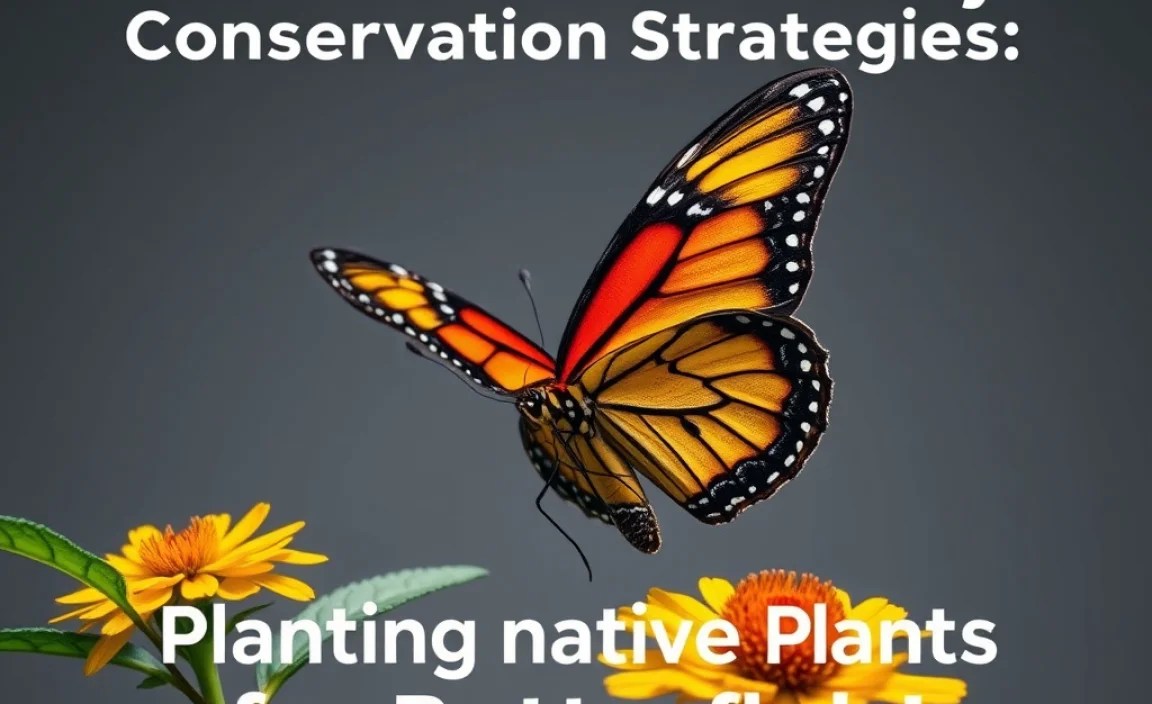
One of the most important Asian butterfly conservation strategies is protecting their habitats. Butterflies need specific places to live. These places must have the right plants for food and shelter. They also need to be free from pollution and other threats. Protecting butterfly habitats means saving forests, grasslands, and other natural areas. It also means managing these areas carefully. We need to make sure that butterflies have everything they need to survive. This might involve planting native plants. It could also mean controlling invasive species. By protecting butterfly habitats, we can help ensure that these amazing insects thrive.
- Establish protected areas for butterflies.
- Restore degraded butterfly habitats.
- Manage habitats to benefit butterflies.
- Control invasive species that harm butterflies.
- Monitor butterfly populations.
- Educate people about habitat protection.
There are many examples of successful habitat protection efforts in Asia. In some areas, governments have created national parks and reserves. These protected areas provide safe havens for butterflies and other wildlife. In other areas, local communities are working to restore degraded habitats. They are planting native plants and removing invasive species. These efforts are helping to bring back butterflies to areas where they had disappeared. By learning from these successes, we can improve our Asian butterfly conservation strategies and protect butterfly habitats across the region.
Fun Fact or Stat: Butterflies taste with their feet!
What Is Habitat Restoration?
Imagine a forest that has been cut down. The land is bare and there are no trees. Habitat restoration is like giving that forest a new life. It involves planting trees and other plants to bring back the forest. It also means removing things that are harming the environment, like pollution. Habitat restoration can help butterflies by creating new places for them to live. It can also improve the quality of existing habitats. Restoring butterfly habitats is an important part of Asian butterfly conservation strategies.
Why Are Protected Areas Important?
Protected areas are like safe zones for butterflies. They are places where butterflies can live without being disturbed by humans. These areas are often national parks or nature reserves. They are managed to protect the environment and the wildlife that lives there. Protected areas are important because they provide a safe haven for butterflies. They also help to conserve biodiversity, which means protecting all the different kinds of plants and animals that live in an area. Establishing and managing protected areas is a key part of Asian butterfly conservation strategies.
How Can Communities Get Involved?
Communities can play a big role in protecting butterfly habitats. One way is to get involved in habitat restoration projects. This might involve planting native plants or removing invasive species. Communities can also help by educating others about the importance of butterfly conservation. They can organize events, such as butterfly walks or workshops. By working together, communities can make a big difference in protecting butterfly habitats. It helps ensure the success of Asian butterfly conservation strategies.
Planting Native Plants for Butterflies

Planting native plants is a key part of Asian butterfly conservation strategies. Native plants are plants that naturally grow in a particular area. Butterflies have evolved to eat and live on these plants. They provide the best food and shelter for butterflies. When we plant native plants, we are helping butterflies find what they need to survive. This is especially important in areas where butterfly habitats have been destroyed. By planting native plants, we can help restore these habitats and bring back butterflies. Native plants are also good for the environment in general. They help to clean the air and water. They also provide habitat for other wildlife.
| Plant | Butterfly | Why It’s Important |
|---|---|---|
| Milkweed | Monarch | Food for caterpillars |
| Spicebush | Spicebush Swallowtail | Food and egg-laying site |
| Pipevine | Pipevine Swallowtail | Food for caterpillars |
| Aster | Pearl Crescent | Nectar source for adults |
| Goldenrod | Many species | Late-season nectar source |
Choosing the right native plants for your area is important. You can find information about native plants from local nurseries or conservation organizations. When you plant native plants, be sure to provide them with the right conditions. They need sunlight, water, and good soil. You can also create a butterfly garden by planting a variety of native plants. This will attract a wide range of butterflies to your yard. Remember that planting native plants is a simple but effective way to help butterflies. It supports Asian butterfly conservation strategies.
Fun Fact or Stat: A group of butterflies is called a flutter!
Why Are Native Plants Best?
Imagine you are used to eating a certain kind of food. Then suddenly, that food is gone. You have to eat something completely different. It might not be as good for you. That’s how butterflies feel when they can’t find native plants. They have evolved to eat and live on these plants. Non-native plants may not provide the right nutrients or shelter. Native plants are the best choice for butterflies. They help them stay healthy and strong. This is why they are crucial for Asian butterfly conservation strategies.
How to Start a Butterfly Garden?
Starting a butterfly garden is fun and easy. First, choose a sunny spot in your yard. Butterflies need sunlight to stay warm. Then, select a variety of native plants. Choose plants that bloom at different times of the year. This will provide butterflies with food throughout the season. Be sure to include plants that caterpillars can eat. These are called host plants. Water your plants regularly and avoid using pesticides. Soon, your garden will be filled with beautiful butterflies. It’s a great way to contribute to Asian butterfly conservation strategies.
What Plants Attract Butterflies?
Many different plants attract butterflies. Some popular choices include milkweed, aster, and goldenrod. Milkweed is a host plant for monarch butterflies. Asters and goldenrod provide nectar for adult butterflies. Other good choices include butterfly bush, coneflower, and zinnia. When choosing plants, consider your local climate and soil conditions. Select plants that will thrive in your area. You can also ask your local nursery for recommendations. With the right plants, you can create a butterfly paradise in your own backyard. You can advance Asian butterfly conservation strategies.
Reducing Pesticide Use for Butterfly Safety

Reducing pesticide use is a vital part of Asian butterfly conservation strategies. Pesticides are chemicals that are used to kill insects. But they can also harm butterflies and other beneficial insects. Pesticides can poison butterflies directly. They can also kill the plants that butterflies need for food and shelter. By reducing pesticide use, we can help protect butterflies from these harmful effects. This is especially important in areas where butterflies are already threatened. There are many ways to reduce pesticide use. We can use natural methods to control pests. We can also choose pesticide-free products. By making these choices, we can help keep butterflies safe.
- Use natural pest control methods.
- Choose pesticide-free products.
- Avoid spraying pesticides near butterfly habitats.
- Educate others about the dangers of pesticides.
- Support organic farming practices.
There are many examples of successful pesticide reduction programs. In some areas, farmers are using natural methods to control pests. These methods include using beneficial insects, such as ladybugs, to eat harmful pests. They also include planting cover crops to improve soil health. In other areas, communities are working to reduce pesticide use in parks and gardens. They are using organic gardening methods and educating people about the dangers of pesticides. These efforts are helping to create safer environments for butterflies and other wildlife. This supports Asian butterfly conservation strategies.
Fun Fact or Stat: Butterflies can see red, green, and yellow!
What Are Natural Pest Control Methods?
Imagine you have a garden with pests eating your plants. Instead of using chemicals, you can use natural methods to get rid of them. One method is to use beneficial insects. Ladybugs, for example, eat aphids, which are common garden pests. Another method is to use insecticidal soap. This soap is made from natural ingredients and is safe for butterflies. You can also use traps to catch pests. Natural pest control methods are a safe and effective way to protect your garden. It’s a key approach in Asian butterfly conservation strategies.
Why Are Pesticides Harmful to Butterflies?
Pesticides are like poison for butterflies. They can kill butterflies directly. They can also harm them in other ways. Pesticides can make it hard for butterflies to find food. They can also weaken their immune systems. This makes them more likely to get sick. Even small amounts of pesticides can be harmful. That’s why it’s important to reduce pesticide use as much as possible. We must prioritize Asian butterfly conservation strategies.
How Can We Encourage Organic Farming?
Organic farming is a way of growing food without using pesticides or other harmful chemicals. Organic farmers use natural methods to control pests and improve soil health. We can encourage organic farming by buying organic food. This supports farmers who are using sustainable practices. We can also educate others about the benefits of organic farming. By supporting organic farming, we can help create a healthier environment for butterflies and other wildlife. This is a key component of Asian butterfly conservation strategies.
Creating Butterfly Gardens in Urban Areas
Creating butterfly gardens in urban areas is a great way to support Asian butterfly conservation strategies. Cities can be tough places for butterflies to live. There are not many natural habitats and there is a lot of pollution. But we can create oases for butterflies by planting butterfly gardens. These gardens provide butterflies with food, shelter, and places to lay their eggs. Butterfly gardens can be created in parks, schools, and even in our own backyards. By creating butterfly gardens, we can help bring butterflies back to urban areas. This will make our cities more beautiful and more biodiverse.
- Create butterfly gardens in parks and schools.
- Encourage residents to plant butterfly gardens.
- Provide information about butterfly gardening.
- Create corridors to connect butterfly habitats.
- Reduce pesticide use in urban areas.
There are many successful examples of urban butterfly gardens. In some cities, parks have been transformed into butterfly havens. These parks feature a variety of native plants that attract butterflies. They also have educational signs that teach people about butterflies. In other cities, schools have created butterfly gardens as part of their science curriculum. These gardens provide students with hands-on learning experiences. By showcasing these successes, we can inspire others to create butterfly gardens in their own communities. That will help advance Asian butterfly conservation strategies.
Fun Fact or Stat: Butterflies have four wings!
Why Are Urban Butterfly Gardens Important?
Imagine a city with no green spaces. It would be a very boring and lifeless place. Urban butterfly gardens bring life and beauty to cities. They provide a place for butterflies to live and thrive. They also provide a place for people to connect with nature. Butterfly gardens can help improve air quality and reduce stormwater runoff. They can also help to educate people about the importance of butterfly conservation. This helps advance Asian butterfly conservation strategies.
How to Design an Urban Butterfly Garden?
Designing an urban butterfly garden is similar to designing any butterfly garden. The key is to choose the right plants. Select native plants that are well-suited to the urban environment. These plants should be able to tolerate pollution and limited space. Also, be sure to provide a source of water for butterflies. A birdbath or a shallow dish of water will work well. Finally, avoid using pesticides in your garden. This will help keep your butterflies safe and healthy. It will also help advance Asian butterfly conservation strategies.
What Are Butterfly Corridors?
Imagine a series of butterfly gardens connected by green spaces. These green spaces are called butterfly corridors. They allow butterflies to move freely between different habitats. Butterfly corridors can be created by planting trees and shrubs along roads and sidewalks. They can also be created by connecting parks and gardens with greenways. Butterfly corridors help to increase the amount of habitat available to butterflies. This allows them to find food, shelter, and mates more easily. They are an important aspect of Asian butterfly conservation strategies.
Supporting Organizations Focused on Butterfly Conservation
Supporting organizations focused on butterfly conservation is a crucial part of Asian butterfly conservation strategies. Many organizations are working to protect butterflies and their habitats. These organizations conduct research, restore habitats, and educate the public. They rely on donations and volunteers to carry out their work. By supporting these organizations, we can help them continue their important work. We can also help them expand their efforts to protect more butterflies. There are many ways to support butterfly conservation organizations. We can donate money, volunteer our time, or simply spread the word about their work.
- Donate to butterfly conservation organizations.
- Volunteer your time to help with conservation projects.
- Spread the word about butterfly conservation.
- Participate in citizen science projects.
- Advocate for butterfly conservation policies.
There are many examples of successful butterfly conservation projects. In some areas, organizations are working to restore degraded butterfly habitats. They are planting native plants and removing invasive species. In other areas, they are conducting research to learn more about butterflies and their needs. They are also educating the public about the importance of butterfly conservation. By supporting these projects, we can help ensure that butterflies thrive for generations to come. We must advance Asian butterfly conservation strategies.
Fun Fact or Stat: Some butterflies can fly up to 30 miles per hour!
What Do Conservation Organizations Do?
Conservation organizations work to protect butterflies and their habitats. They do this in many ways. They conduct research to learn more about butterflies. They restore habitats to make them better for butterflies. They educate the public about the importance of butterfly conservation. They also advocate for policies that protect butterflies. These organizations play a vital role in ensuring the survival of butterflies. They help to implement Asian butterfly conservation strategies.
How Can I Volunteer My Time?
Volunteering your time is a great way to help butterfly conservation organizations. There are many ways to get involved. You can help with habitat restoration projects. You can assist with butterfly surveys. You can also help with educational events. Contact your local butterfly conservation organization to find out about volunteer opportunities. Your time and effort can make a big difference for butterflies. You can help advance Asian butterfly conservation strategies.
What Is Citizen Science?
Citizen science is when regular people help scientists with their research. You can participate in citizen science projects by observing butterflies in your area. You can also report your sightings to online databases. This information helps scientists track butterfly populations and learn more about their needs. Citizen science is a fun and easy way to contribute to butterfly conservation. It supports Asian butterfly conservation strategies.
Education and Awareness for Butterfly Conservation in Asia
Education and awareness are essential for Asian butterfly conservation strategies. Many people do not realize how important butterflies are or how threatened they are. By educating people about butterflies, we can help them understand why conservation is necessary. We can also inspire them to take action to help butterflies. There are many ways to raise awareness about butterfly conservation. We can create educational materials, such as brochures and websites. We can also organize events, such as butterfly walks and workshops. By reaching out to the public, we can help create a more butterfly-friendly world.
- Create educational materials about butterflies.
- Organize butterfly walks and workshops.
- Use social media to raise awareness.
- Partner with schools to educate children.
- Promote butterfly tourism.
There are many examples of successful education and awareness campaigns. In some areas, schools have incorporated butterfly conservation into their curriculum. Students are learning about butterflies and their habitats. They are also participating in conservation projects. In other areas, communities have organized butterfly festivals. These festivals celebrate butterflies and raise awareness about their importance. By sharing these successes, we can inspire others to take action to educate and raise awareness about butterfly conservation. That will advance Asian butterfly conservation strategies.
Fun Fact or Stat: Butterflies can live from a few weeks to several months!
Why Is Education Important?
Imagine a world where no one knows about butterflies. People might not realize that they are important. They might not care if they disappear. Education is important because it helps people understand the value of butterflies. It also inspires them to take action to protect them. Without education, butterfly conservation would be much more difficult. It will be harder to implement Asian butterfly conservation strategies.
How to Educate Children About Butterflies?
Children are the future of butterfly conservation. It is important to educate them about butterflies from a young age. You can do this by reading them books about butterflies. You can also take them to butterfly gardens or nature centers. You can also encourage them to participate in butterfly-related activities, such as drawing or painting butterflies. By teaching children about butterflies, you can help them develop a lifelong appreciation for these amazing insects. You can help advance Asian butterfly conservation strategies.
What Is Butterfly Tourism?
Butterfly tourism is a type of tourism that focuses on butterflies. It involves visiting places where butterflies are abundant. This can include butterfly gardens, nature reserves, and other natural areas. Butterfly tourism can help to raise awareness about butterfly conservation. It can also provide economic benefits to local communities. By promoting butterfly tourism, we can help to protect butterflies and their habitats. It’s an important aspect of Asian butterfly conservation strategies.
Summary
Asian butterfly conservation strategies are very important for protecting these beautiful insects. Butterflies face many threats, including habitat loss, pollution, and climate change. But there are many things we can do to help. We can protect butterfly habitats by saving forests and grasslands. We can plant native plants to provide food and shelter. We can reduce pesticide use to keep butterflies safe. We can create butterfly gardens in urban areas. We can support organizations that are working to protect butterflies. By working together, we can help ensure that Asian butterflies thrive for many years to come.
Conclusion
Asian butterflies are a vital part of our ecosystem. They pollinate plants and provide food for other animals. They also bring beauty and joy to our lives. It is our responsibility to protect them. By implementing Asian butterfly conservation strategies, we can help ensure that these amazing insects continue to thrive. We can all make a difference. Let’s work together to create a brighter future for Asian butterflies.
Frequently Asked Questions
Question No 1: Why are Asian butterfly conservation strategies important?
Answer: Asian butterfly conservation strategies are important because many butterfly species in Asia are threatened. Their habitats are being destroyed, and they face threats from pollution and climate change. These strategies help protect butterflies and ensure they continue to thrive. Butterflies play a vital role in the ecosystem, pollinating plants and supporting the food chain. By conserving them, we help maintain a healthy environment for all.
Question No 2: What are some simple things I can do to help butterflies?
Answer: There are many simple things you can do to help butterflies. One of the easiest is to plant a butterfly garden. Choose native plants that provide food and shelter for butterflies. Avoid using pesticides in your garden, as these can harm butterflies and other beneficial insects. You can also support organizations that are working to protect butterfly habitats. Even small actions can make a big difference for Asian butterfly conservation strategies.
Question No 3: How does habitat loss affect butterflies?
Answer: Habitat loss is one of the biggest threats to butterflies. When their habitats are destroyed, butterflies lose their food sources and places to lay their eggs. This can lead to a decline in butterfly populations. Habitat loss is often caused by human activities, such as deforestation and urbanization. Protecting and restoring butterfly habitats is a key part of Asian butterfly conservation strategies. By saving forests and grasslands, we can help ensure that butterflies have the resources they need to survive.
Question No 4: What role do butterflies play in the ecosystem?
Answer: Butterflies play several important roles in the ecosystem. They are pollinators, meaning they help plants reproduce by carrying pollen from flower to flower. They are also an important food source for birds, lizards, and other animals. Additionally, butterflies are indicators of environmental health. A decline in butterfly populations can signal problems in the ecosystem. This is why Asian butterfly conservation strategies are essential for maintaining a healthy environment.
Question No 5: How can schools get involved in butterfly conservation?
Answer: Schools can get involved in butterfly conservation in many ways. They can create butterfly gardens on school grounds. They can also incorporate butterfly conservation into their curriculum. Students can learn about butterflies and their habitats. They can also participate in conservation projects, such as planting native plants. By educating students about butterflies, schools can help create a new generation of conservationists. They can help with Asian butterfly conservation strategies.
Question No 6: What are some examples of successful Asian butterfly conservation strategies?
Answer: There are many examples of successful Asian butterfly conservation strategies. One example is the creation of protected areas for butterflies. These areas provide safe havens for butterflies and their habitats. Another example is the restoration of degraded butterfly habitats. This involves planting native plants and removing invasive species. Education and awareness campaigns have also been successful in raising awareness about butterfly conservation. These efforts have helped to protect butterflies and ensure they continue to thrive.


