
Glasswing Butterfly Anti Reflection: Secret Power?

Quick Summary: The glasswing butterfly (Greta oto) has nearly invisible wings thanks to their unique anti-reflective properties. Tiny structures on the wing surface scatter light, reducing reflection and allowing the butterfly to blend seamlessly into its environment. This natural camouflage helps protect it from predators and is inspiring new innovations in materials science.
Have you ever wondered how a butterfly could seemingly disappear? The glasswing butterfly, with its transparent wings, is a master of camouflage. This amazing ability isn’t magic; it’s science! The secret lies in the special structures on their wings that reduce reflection. This article will explore the fascinating world of glasswing butterfly anti-reflection, uncovering the science behind their invisibility and what we can learn from it. Get ready to discover how these delicate creatures use nature’s ingenuity to survive!
Understanding Glasswing Butterfly Anti-Reflection

The glasswing butterfly (Greta oto) is a marvel of nature. Its transparent wings are not just a beautiful feature, but a critical adaptation for survival. Let’s delve into the science that makes their wings so special.
What Makes Glasswing Butterfly Wings Transparent?
Unlike most butterfly wings, which are covered in colorful scales, the glasswing butterfly has very few. This lack of scales is the first step towards transparency. However, the real magic lies in the nanostructures present on the wing’s surface. These structures are tiny pillars, randomly arranged, that are smaller than the wavelength of visible light.
These nanopillars cause light to scatter as it passes through the wing, reducing the amount of light reflected back to the viewer. The result? The wing appears nearly invisible, allowing the butterfly to blend seamlessly into its surroundings.
The Science Behind Anti-Reflection
Anti-reflection works by minimizing the difference in refractive index between two mediums, such as air and the wing surface. The nanopillars on the glasswing butterfly’s wings create a gradient of refractive index, making the transition smoother and reducing reflection.
Think of it like this: Imagine driving a car from pavement onto a sandy beach. If there’s a sharp drop-off, the car will bump and slow down. But if there’s a gradual slope, the transition is much smoother. The nanopillars act like that gradual slope for light, allowing it to pass through with minimal disruption.
Comparing Glasswing Butterfly Wings to Other Butterflies
Most butterflies have colorful, opaque wings covered in scales. These scales are responsible for the vibrant colors and patterns we associate with butterflies. While beautiful, these wings are also highly reflective, making the butterfly more visible.
The glasswing butterfly, on the other hand, has sacrificed color for camouflage. By reducing reflection, it becomes harder for predators to spot, increasing its chances of survival. This is a perfect example of how evolution can lead to different solutions for the same problem: survival.
The Evolutionary Advantage of Transparency
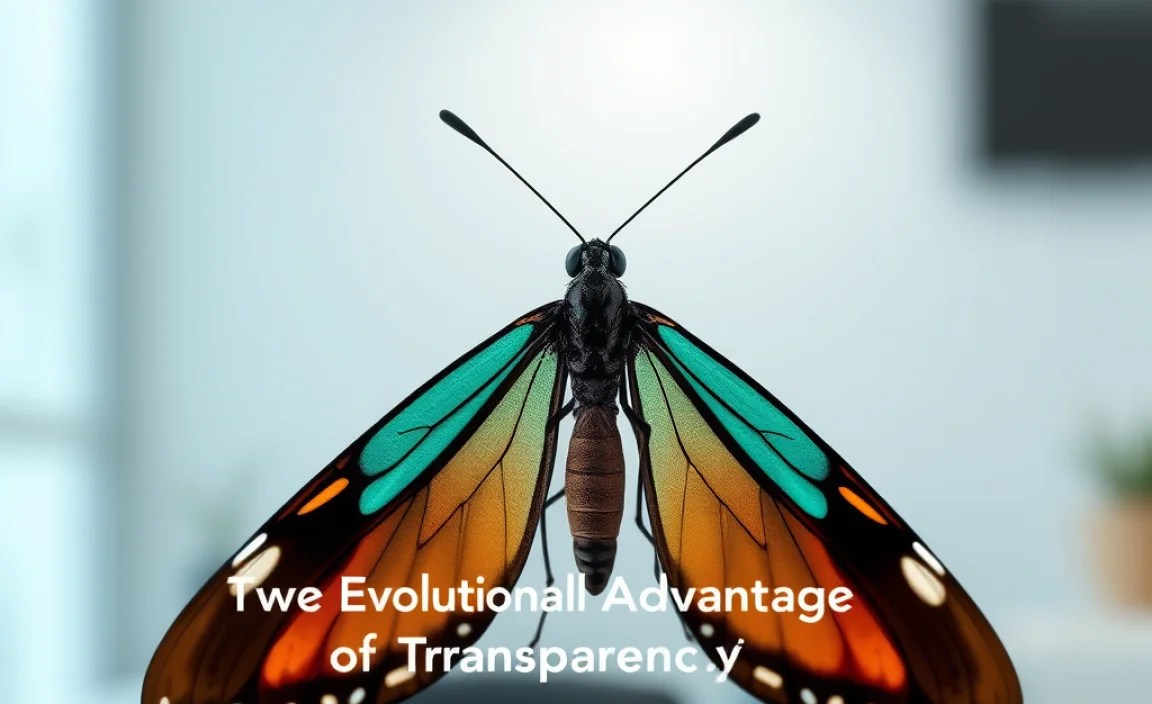
Transparency isn’t just a cool trick; it’s a survival strategy. For the glasswing butterfly, it’s a key adaptation that helps it thrive in its environment.
Camouflage and Predator Avoidance
The primary advantage of transparent wings is camouflage. By blending into their surroundings, glasswing butterflies can avoid detection by predators such as birds, reptiles, and other insects. This is especially important in the butterfly’s natural habitat, the rainforests of Central and South America, where dense foliage provides plenty of hiding places.
Imagine trying to spot a clear piece of glass in a lush green forest. It’s much harder than spotting something brightly colored. The same principle applies to the glasswing butterfly.
Role in Mate Selection
While camouflage is the main advantage, transparency may also play a role in mate selection. While research is ongoing, it’s possible that subtle differences in wing transparency or UV reflection could be used by glasswing butterflies to identify and attract suitable mates.
Habitat and Environmental Factors
The glasswing butterfly’s transparency is particularly effective in its rainforest habitat. The dappled sunlight and dense vegetation create a complex visual environment where camouflage is highly advantageous. The butterfly’s ability to blend into this environment allows it to move freely and forage for food without constantly fearing predators.
How Glasswing Butterfly Wings Inspire Technology

Nature is a master engineer, and the glasswing butterfly is a perfect example. Scientists are studying the structure of their wings to develop new technologies with anti-reflective properties.
Biomimicry: Learning from Nature
Biomimicry is the practice of looking to nature for solutions to human problems. The glasswing butterfly’s anti-reflective wings are a prime example of a natural phenomenon that can be applied to technology. By understanding how the nanopillars on the wings work, scientists can create similar structures for various applications.
Researchers at the California Institute of Technology (Caltech) have studied the glasswing butterfly’s wings in detail, and are working on ways to replicate the anti-reflective properties for use in solar panels and other devices.
Applications in Solar Panels
One of the most promising applications of glasswing butterfly-inspired technology is in solar panels. By coating solar panels with an anti-reflective material, more sunlight can be absorbed, increasing the efficiency of the panel. This could lead to more affordable and sustainable energy.
Traditional solar panels can lose a significant amount of sunlight due to reflection. Anti-reflective coatings based on the glasswing butterfly’s wing structure could significantly reduce this loss, boosting energy production.
Applications in Displays and Optics
Anti-reflective coatings are also valuable in displays, such as those found on smartphones, tablets, and computer screens. These coatings reduce glare and improve visibility, making it easier to see the screen in bright sunlight.
Similarly, anti-reflective coatings can be used in optical devices such as lenses and telescopes to improve image quality and reduce distortion. By mimicking the structure of the glasswing butterfly’s wings, scientists can create more effective and durable anti-reflective coatings for a wide range of applications.
| Application | Benefit | How it Works |
|---|---|---|
| Solar Panels | Increased energy efficiency | Anti-reflective coating allows more sunlight to be absorbed. |
| Displays (Smartphones, TVs) | Reduced glare, improved visibility | Coating minimizes light reflection, making screens easier to see. |
| Optical Devices (Lenses, Telescopes) | Improved image quality, reduced distortion | Coating reduces light reflection, enhancing clarity. |
How to Attract Butterflies to Your Garden

While you may not be able to attract glasswing butterflies outside of their native range, you can still create a butterfly-friendly garden that supports other beautiful species. Here’s how:
Planting Native Flowers
Butterflies rely on nectar from flowers for food, so planting a variety of native flowering plants is essential. Native plants are adapted to the local climate and soil conditions, making them easier to grow and more attractive to local butterfly species.
Some popular butterfly-attracting plants include:
- Milkweed (essential for Monarch butterflies)
- Butterfly bush
- Zinnia
- Lavender
- Coneflower
The U.S. Forest Service provides excellent resources on selecting native plants for pollinators, including butterflies.
Providing a Water Source
Butterflies need water to survive, but they can’t drink from deep puddles or bird baths. Instead, they prefer to sip water from damp surfaces. You can create a butterfly watering station by filling a shallow dish with sand or gravel and adding water. Make sure to keep the sand or gravel moist at all times.
Creating a Sunny and Sheltered Environment
Butterflies are cold-blooded and need sunlight to warm their bodies. They also need shelter from wind and rain. Plant your butterfly garden in a sunny location and provide shelter by planting trees, shrubs, and tall grasses.
Avoiding Pesticides
Pesticides can be harmful to butterflies and other beneficial insects. Avoid using pesticides in your garden, or choose organic alternatives that are less harmful to wildlife.
Conservation Efforts for Butterflies
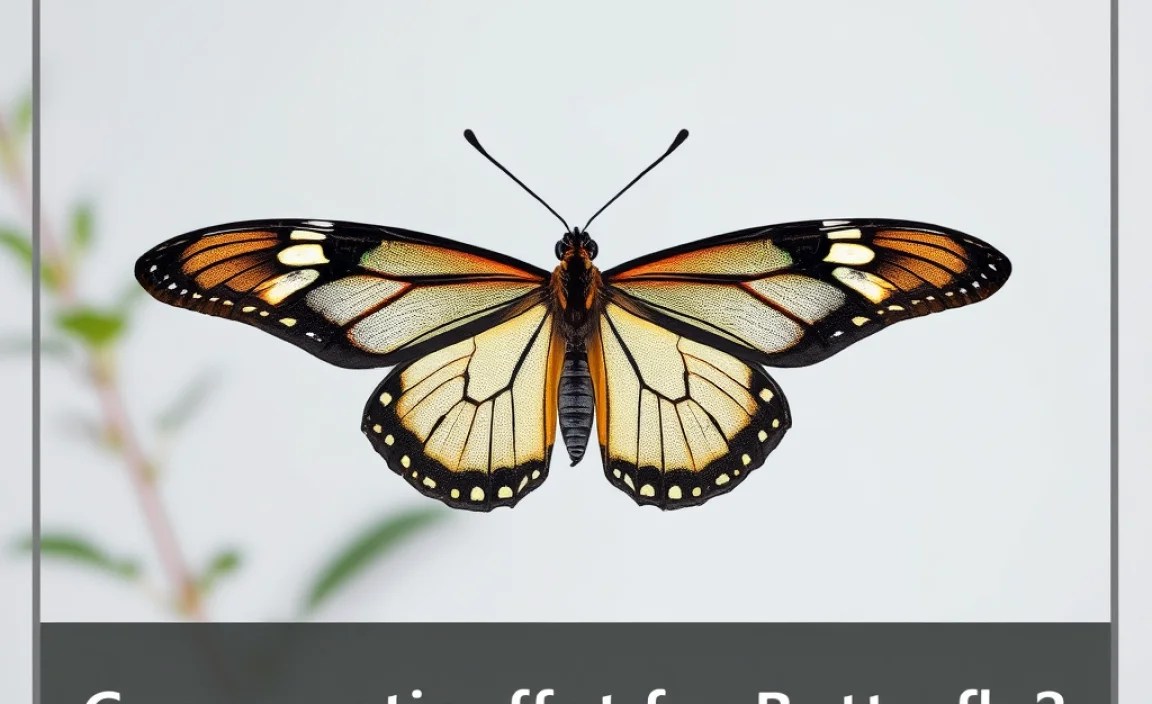
Many butterfly species are facing threats due to habitat loss, climate change, and pesticide use. Here are some ways you can help protect butterflies and their habitats:
Supporting Butterfly Conservation Organizations
There are many organizations dedicated to butterfly conservation. By donating to or volunteering with these organizations, you can help support their efforts to protect butterfly habitats, conduct research, and educate the public.
Some reputable butterfly conservation organizations include:
- The Xerces Society
- The Butterfly Conservation Society
- The North American Butterfly Association
Creating Butterfly-Friendly Habitats
You can create butterfly-friendly habitats in your own backyard by planting native flowers, providing a water source, and avoiding pesticides. Even a small butterfly garden can make a big difference for local butterfly populations.
Educating Others
One of the most important things you can do to help butterflies is to educate others about their importance and the threats they face. Share your knowledge with friends, family, and neighbors, and encourage them to take action to protect butterflies.
Interesting Facts About Glasswing Butterflies
Here are a few fascinating facts about glasswing butterflies that you might not know:
- Glasswing butterflies are found in Central and South America, from Mexico to Panama.
- Their wings are so transparent that you can see right through them, even when they are closed.
- The glasswing butterfly’s scientific name, Greta oto, comes from the Greek nymph Greta and Oto, a mythological figure.
- Glasswing butterflies lay their eggs on plants in the nightshade family, which provide food for the caterpillars.
- Adult glasswing butterflies feed on nectar from a variety of flowers, including lantana and salvia.
Frequently Asked Questions (FAQ)
Here are some frequently asked questions about glasswing butterflies and their anti-reflective properties:
Why are glasswing butterfly wings transparent?
Glasswing butterfly wings are transparent due to a combination of factors: they have very few scales, and their wings are covered in tiny, randomly arranged nanopillars that scatter light, reducing reflection.
How does anti-reflection work on glasswing butterfly wings?
The nanopillars on the wings create a gradient of refractive index, making the transition between air and the wing surface smoother. This reduces the amount of light reflected back to the viewer, making the wing appear transparent.
Can we replicate the anti-reflective properties of glasswing butterfly wings?
Yes! Scientists are studying the structure of glasswing butterfly wings to develop new anti-reflective coatings for solar panels, displays, and optical devices.
Where do glasswing butterflies live?
Glasswing butterflies are native to Central and South America, from Mexico to Panama. They live in rainforests and other tropical habitats.
What do glasswing butterflies eat?
Glasswing butterflies feed on nectar from a variety of flowers. Their caterpillars feed on plants in the nightshade family.
How can I help protect butterflies?
You can help protect butterflies by planting native flowers, providing a water source, avoiding pesticides, and supporting butterfly conservation organizations.
Are glasswing butterflies endangered?
While not currently listed as endangered, glasswing butterflies are vulnerable to habitat loss and climate change. Supporting conservation efforts is crucial to ensuring their survival.
Conclusion
The glasswing butterfly is a testament to the ingenuity of nature. Its transparent wings, achieved through a unique combination of structure and material, offer a remarkable example of camouflage and adaptation. By understanding the science behind their anti-reflective properties, we can not only appreciate the beauty of these creatures but also develop new technologies that benefit society. From more efficient solar panels to clearer displays, the lessons learned from the glasswing butterfly are inspiring innovation across various fields.
So, the next time you see a butterfly, take a moment to appreciate the intricate details that make it so special. And remember, even the smallest creatures can hold the key to groundbreaking discoveries. Let’s continue to explore, learn, and protect the natural world, ensuring that future generations can marvel at the wonders of the glasswing butterfly and other incredible species.


