
Glasswing Butterfly Genetic Diversity: Key Secret

Quick Summary: Glasswing butterfly genetic diversity refers to the range of different genes within and between glasswing butterfly populations. This diversity is crucial for their survival, allowing them to adapt to environmental changes, resist diseases, and maintain healthy populations. Factors like habitat loss and fragmentation can threaten this diversity, making conservation efforts essential.
Have you ever wondered why some butterflies are so resilient, while others struggle to survive? The secret often lies in their genetic diversity. For glasswing butterflies, with their mesmerizing transparent wings, maintaining a healthy gene pool is especially vital. But what does genetic diversity really mean, and why should we care? Don’t worry; it’s not as complicated as it sounds! This article will guide you through the fascinating world of glasswing butterfly genetics, explaining everything in simple terms. We’ll explore what affects their diversity and what we can do to help protect these delicate creatures. Let’s dive in and uncover the secrets of their survival!
Understanding Glasswing Butterfly Genetic Diversity

Genetic diversity is the variety of genes within a species. Think of it as the raw material that allows a population to adapt and survive in a changing environment. The more diverse the genes, the better the chances that some individuals will possess traits that help them cope with new challenges, such as diseases, climate change, or habitat alterations. For glasswing butterflies, found in the tropical rainforests of Central and South America, this diversity is particularly important due to the ever-present pressures of their environment.
Why Genetic Diversity Matters
Imagine a glasswing butterfly population with very little genetic variation. If a new disease appears, it could wipe out the entire population because none of the butterflies have the genes to resist it. On the other hand, a genetically diverse population is more likely to have individuals with natural resistance, ensuring the survival of the species. This principle applies to many challenges, including:
- Disease Resistance: A diverse gene pool provides a greater chance of containing genes that confer resistance to diseases and parasites.
- Adaptation to Climate Change: As temperatures and weather patterns shift, genetic diversity allows butterflies to adapt to new conditions.
- Habitat Changes: If their habitat is altered or destroyed, a diverse population is more likely to have individuals that can survive in the changed environment.
- Reproductive Success: Genetic diversity reduces the risk of inbreeding, which can lead to lower fertility and weaker offspring.
Factors Affecting Genetic Diversity
Several factors can impact the genetic diversity of glasswing butterfly populations. Understanding these factors is crucial for developing effective conservation strategies.
- Habitat Loss and Fragmentation: Deforestation and habitat fragmentation are major threats. When forests are cleared or broken up, butterfly populations become isolated, reducing gene flow and leading to inbreeding.
- Pesticide Use: Pesticides can directly kill butterflies and also reduce the availability of their host plants, further stressing the populations.
- Climate Change: Changes in temperature and rainfall patterns can disrupt the butterfly life cycle and affect the availability of suitable habitats.
- Small Population Size: Small, isolated populations are particularly vulnerable to losing genetic diversity through genetic drift, where random events can disproportionately affect gene frequencies.
The Science Behind Glasswing Butterfly Genetics

To truly understand the importance of genetic diversity, it’s helpful to delve a bit into the science behind it. Genes are the basic units of heredity, and they determine the traits of an organism. In a population, genes come in different forms, called alleles. Genetic diversity is essentially the variety of these alleles.
How Genes Work in Butterflies
Butterflies, like all living organisms, inherit their genes from their parents. These genes determine everything from wing color and size to behavior and disease resistance. When a population has a wide variety of alleles, it is said to be genetically diverse. This diversity provides the raw material for natural selection, the process by which certain traits become more common in a population over time because they confer a survival or reproductive advantage.
Genetic Markers and Research Techniques
Scientists use various techniques to study the genetic diversity of glasswing butterflies. These include:
- DNA Sequencing: Determining the exact sequence of DNA bases in a butterfly’s genome.
- Microsatellite Markers: Using highly variable regions of DNA to assess genetic variation within and between populations.
- Population Genetics Analysis: Analyzing genetic data to understand how populations are related, how genes flow between them, and how genetic diversity is distributed.
These methods help researchers understand the genetic structure of glasswing butterfly populations and identify areas where conservation efforts are most needed.
Case Studies: Genetic Diversity in Action
Several studies have highlighted the importance of genetic diversity in butterfly populations. For example, research on monarch butterflies has shown that populations with greater genetic diversity are more resilient to disease and climate change. Similarly, studies on other butterfly species have demonstrated that habitat fragmentation can lead to reduced genetic diversity and increased vulnerability to extinction. The Xerces Society is a great resource for finding such studies.
While specific studies on glasswing butterflies may be limited, the general principles of population genetics apply. By understanding these principles and applying them to the specific challenges faced by glasswing butterflies, we can develop more effective conservation strategies.
Threats to Glasswing Butterfly Genetic Diversity

Glasswing butterflies face numerous threats that can reduce their genetic diversity. Addressing these threats is essential for ensuring their long-term survival.
Habitat Loss and Fragmentation
Habitat loss is one of the most significant threats to glasswing butterflies. As forests are cleared for agriculture, logging, and development, butterfly populations become isolated and fragmented. This reduces gene flow between populations and leads to inbreeding, which can reduce genetic diversity.
Consider a large, continuous forest where glasswing butterflies can freely move and interbreed. This allows for a healthy exchange of genes and maintains a high level of genetic diversity. Now, imagine that this forest is divided into smaller, isolated patches. Butterflies in these patches are less likely to encounter individuals from other patches, reducing gene flow and leading to genetic isolation. Over time, this can result in a loss of genetic diversity and increased vulnerability to extinction.
Pesticide Use and Pollution
Pesticides and other pollutants can directly harm butterflies and also reduce the availability of their host plants. This can further stress butterfly populations and reduce their genetic diversity.
Many pesticides are non-selective, meaning they kill not only the target pests but also beneficial insects like butterflies. Even if butterflies are not directly killed by pesticides, exposure to these chemicals can weaken them and make them more susceptible to disease. Additionally, pesticides can reduce the abundance of host plants, which are essential for butterfly larvae to feed on. This can lead to smaller populations and reduced genetic diversity.
Climate Change Impacts
Climate change is another major threat to glasswing butterflies. Changes in temperature and rainfall patterns can disrupt the butterfly life cycle and affect the availability of suitable habitats. This can lead to population declines and reduced genetic diversity.
Many butterfly species are highly sensitive to temperature and rainfall. Changes in these factors can disrupt the timing of their life cycle, making it difficult for them to find food and reproduce. Additionally, climate change can alter the distribution of suitable habitats, forcing butterflies to move to new areas. If they are unable to move or if suitable habitats are not available, their populations may decline, leading to reduced genetic diversity.
| Threat | Impact on Genetic Diversity | Possible Solutions |
|---|---|---|
| Habitat Loss | Reduces gene flow, increases inbreeding | Habitat restoration, creation of corridors |
| Pesticide Use | Direct mortality, reduces host plant availability | Promote organic farming, reduce pesticide use |
| Climate Change | Disrupts life cycle, alters habitat distribution | Reduce carbon emissions, protect existing habitats |
How to Assess Genetic Diversity
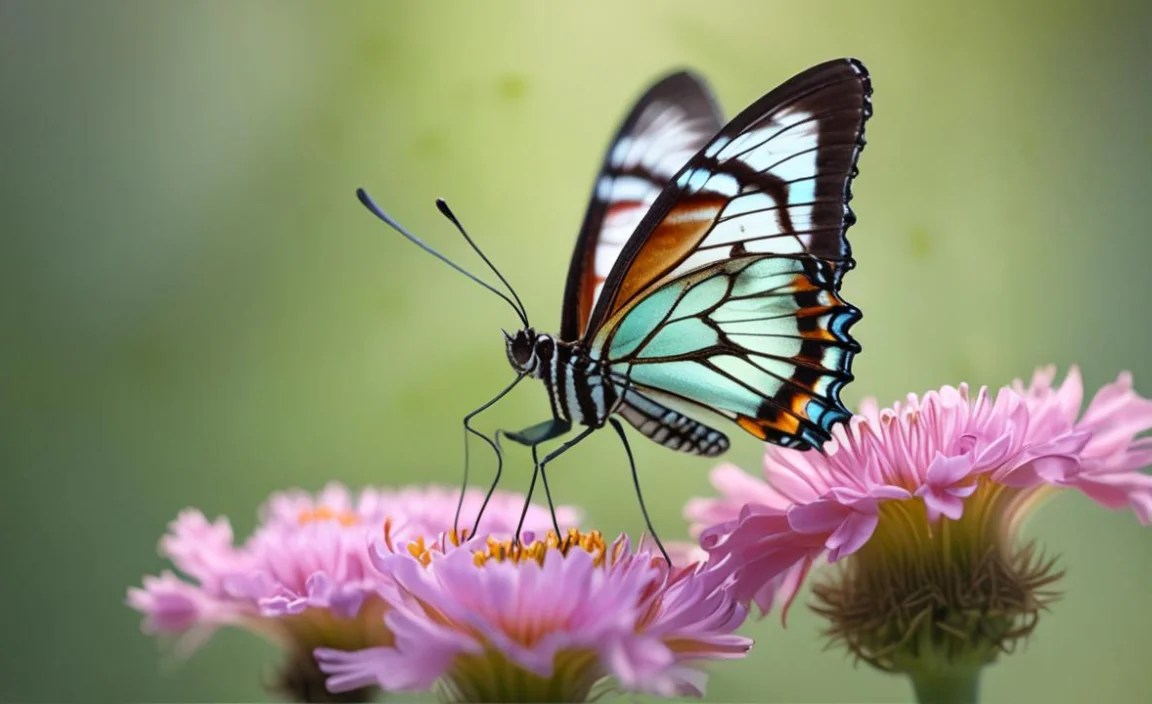
Assessing genetic diversity is a complex process that requires specialized tools and expertise. However, understanding the basic principles can help you appreciate the importance of this work.
Sampling Techniques
The first step in assessing genetic diversity is to collect samples from butterfly populations. This typically involves capturing butterflies and taking a small tissue sample, such as a leg or a wing clipping. The samples are then stored and transported to a laboratory for analysis.
It is important to collect samples from multiple locations and from a representative sample of individuals within each population. This helps to ensure that the genetic data is accurate and reflects the true diversity of the population.
Laboratory Analysis
Once the samples are in the laboratory, scientists use various techniques to analyze the DNA and assess genetic diversity. These techniques include:
- DNA Extraction: Isolating DNA from the tissue samples.
- PCR Amplification: Making multiple copies of specific DNA regions for analysis.
- DNA Sequencing: Determining the exact sequence of DNA bases in the amplified regions.
- Genetic Analysis: Using computer software to analyze the DNA sequences and assess genetic diversity.
Interpreting Results
The results of the genetic analysis can provide valuable information about the genetic diversity of butterfly populations. Scientists can use this information to:
- Assess the level of genetic diversity within and between populations.
- Identify populations that are at risk of losing genetic diversity.
- Develop conservation strategies to protect genetic diversity.
Conservation Strategies to Protect Genetic Diversity

Protecting the genetic diversity of glasswing butterflies requires a multifaceted approach that addresses the various threats they face.
Habitat Preservation and Restoration
Protecting and restoring butterfly habitats is one of the most effective ways to conserve genetic diversity. This involves:
- Establishing protected areas: Creating parks and reserves where butterfly habitats are protected from development and other human activities.
- Restoring degraded habitats: Planting native trees and other vegetation to restore degraded forests and create new butterfly habitats.
- Creating corridors: Connecting isolated habitat patches with corridors of vegetation to allow butterflies to move between populations and exchange genes.
The Nature Conservancy is a good resource for learning more about habitat preservation.
Sustainable Land Management Practices
Promoting sustainable land management practices can help to reduce the negative impacts of agriculture, logging, and other human activities on butterfly populations. This includes:
- Reducing pesticide use: Promoting organic farming and integrated pest management to reduce the use of harmful pesticides.
- Sustainable logging: Using sustainable logging practices that minimize damage to butterfly habitats.
- Agroforestry: Integrating trees into agricultural landscapes to provide habitat for butterflies and other wildlife.
Captive Breeding Programs
In some cases, captive breeding programs may be necessary to protect endangered butterfly populations. These programs involve:
- Collecting butterflies from the wild: Collecting a small number of butterflies from the wild to establish a captive breeding population.
- Breeding butterflies in captivity: Breeding butterflies in a controlled environment to increase their numbers.
- Reintroducing butterflies into the wild: Reintroducing butterflies into their natural habitats to supplement wild populations and increase genetic diversity.
While captive breeding can be a useful tool, it is important to ensure that the released butterflies are genetically diverse and well-adapted to their environment. Otherwise, the program may not be successful.
The Role of Citizen Science
You don’t have to be a scientist to help protect glasswing butterflies. Citizen science projects provide opportunities for anyone to contribute to butterfly conservation.
Butterfly Monitoring Programs
Butterfly monitoring programs involve volunteers who regularly survey butterfly populations in their local area. This data can be used to track changes in butterfly populations and assess the effectiveness of conservation efforts.
By participating in a butterfly monitoring program, you can help to gather valuable data that can be used to protect glasswing butterflies and other butterfly species.
Habitat Restoration Projects
Habitat restoration projects provide opportunities for volunteers to help restore degraded butterfly habitats. This can involve planting native trees and other vegetation, removing invasive species, and creating butterfly gardens.
By participating in a habitat restoration project, you can help to create new habitats for glasswing butterflies and other wildlife.
Educational Outreach
Educational outreach programs aim to raise awareness about the importance of butterfly conservation. This can involve giving presentations, leading nature walks, and creating educational materials.
By participating in an educational outreach program, you can help to educate others about the importance of protecting glasswing butterflies and their habitats.
Inspiring Conservation Action
Conserving glasswing butterfly genetic diversity isn’t just about science; it’s about inspiring action and fostering a sense of stewardship for these incredible creatures.
Educating Communities
Education is a powerful tool for conservation. By teaching local communities about the importance of glasswing butterflies and their habitats, we can inspire them to take action to protect these species. This can involve:
- School programs: Developing educational programs for schools that teach children about butterflies and their importance.
- Community workshops: Organizing workshops for adults that teach them about butterfly conservation and how they can help.
- Public events: Hosting public events that celebrate butterflies and raise awareness about their conservation.
Supporting Local Initiatives
Supporting local conservation initiatives can help to ensure that conservation efforts are effective and sustainable. This can involve:
- Donating to local conservation organizations: Supporting organizations that are working to protect butterfly habitats and promote sustainable land management practices.
- Volunteering your time: Volunteering your time to help with habitat restoration projects, butterfly monitoring programs, and educational outreach.
- Advocating for conservation policies: Supporting policies that protect butterfly habitats and promote sustainable land management practices.
Creating Butterfly-Friendly Gardens
You can also help to protect glasswing butterflies by creating butterfly-friendly gardens in your own backyard. This involves:
- Planting native host plants: Planting native host plants that provide food for butterfly larvae.
- Providing nectar sources: Planting nectar-rich flowers that provide food for adult butterflies.
- Avoiding pesticide use: Avoiding the use of pesticides that can harm butterflies and other beneficial insects.
FAQ About Glasswing Butterfly Genetic Diversity
Here are some frequently asked questions about glasswing butterfly genetic diversity:
- What exactly is genetic diversity?
- Genetic diversity is the range of different genes within a population or species. It’s like having a variety of ingredients in a recipe – the more variety, the better the chances of adapting to new challenges.
- Why is genetic diversity important for glasswing butterflies?
- It helps them adapt to changes in their environment, resist diseases, and maintain healthy populations. Without it, they become more vulnerable to extinction.
- What are the main threats to genetic diversity in glasswing butterflies?
- Habitat loss, pesticide use, and climate change are the biggest threats. These factors can isolate populations and reduce the number of different genes available.
- How do scientists study genetic diversity in butterflies?
- They use techniques like DNA sequencing and microsatellite markers to analyze the genetic makeup of butterfly populations and assess the level of variation.
- What can I do to help protect glasswing butterfly genetic diversity?
- You can support habitat restoration projects, reduce pesticide use, create butterfly-friendly gardens, and educate others about the importance of conservation.
- Are captive breeding programs a good solution for preserving genetic diversity?
- They can be helpful in some cases, but it’s important to ensure that the released butterflies are genetically diverse and well-adapted to their environment for the program to be successful.
- Where can I learn more about butterfly conservation?
- Organizations like the Xerces Society and The Nature Conservancy offer valuable resources and information about butterfly conservation efforts.
Conclusion
As we’ve explored, the genetic diversity of glasswing butterflies is essential for their survival and the health of the ecosystems they inhabit. By understanding the threats they face and taking action to protect their habitats and promote sustainable practices, we can help ensure that these beautiful creatures continue to grace our world for generations to come. Whether it’s planting a butterfly garden, supporting conservation organizations, or simply spreading awareness, every effort counts. Let’s all do our part to safeguard the genetic diversity of glasswing butterflies and the rich biodiversity of our planet.


