
Glasswing Butterfly in Ecosystem: Discover Its Power

Quick Summary: The glasswing butterfly plays a vital role in its ecosystem as a pollinator and a food source for other animals. Its unique transparent wings, which it evolved through natural selection, provide camouflage, protecting it from predators while it feeds on nectar. This butterfly’s presence indicates a healthy, balanced environment.
Have you ever heard of a butterfly with see-through wings? It might sound like something out of a fairy tale, but it’s real! The glasswing butterfly is a marvel of nature, and its role in its ecosystem is truly fascinating. Understanding how this delicate creature interacts with its environment helps us appreciate the intricate web of life.
In this article, we’ll explore the glasswing butterfly’s habitat, its unique adaptations, and its importance to the ecosystem. Get ready to discover the secrets of this amazing insect and learn how you can help protect its fragile world!
What is a Glasswing Butterfly?

The glasswing butterfly (Greta oto) is a remarkable insect known for its transparent wings. Unlike most butterflies, its wings lack the colorful scales that give them their vibrant patterns. This unique adaptation provides excellent camouflage, allowing it to blend seamlessly into its environment.
Glasswing butterflies are found primarily in the rainforests of Central and South America, from Mexico to Panama and as far south as Argentina. They thrive in humid, shaded areas with abundant nectar sources and host plants for their caterpillars.
Physical Characteristics
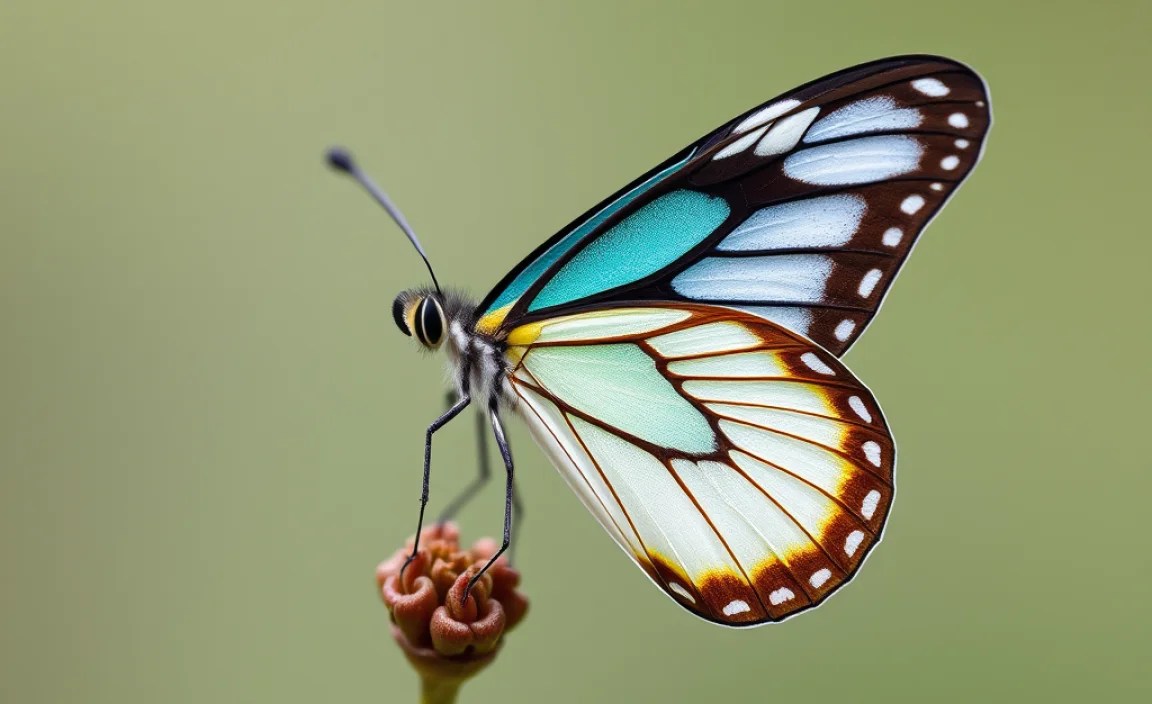
The most distinguishing feature of the glasswing butterfly is, of course, its transparent wings. The tissue between the veins is clear, making it appear as if the butterfly has windows on its wings. The borders of the wings are typically a dark brown or reddish-brown color.
- Wingspan: Typically ranges from 5.5 to 6 cm (2.2 to 2.4 inches).
- Body: Small and dark, which further enhances the transparency of the wings.
- Flight: They are slow and deliberate fliers, often fluttering gently through the undergrowth.
Life Cycle
The glasswing butterfly undergoes complete metamorphosis, with four distinct stages: egg, larva (caterpillar), pupa (chrysalis), and adult.
- Egg: The female lays her eggs on the host plant, typically a plant in the genus Cestrum.
- Larva: The caterpillar feeds on the toxic leaves of the host plant, accumulating toxins that make it unpalatable to predators.
- Pupa: The chrysalis is silver and reflective, resembling a dewdrop, providing camouflage.
- Adult: The adult butterfly emerges, ready to reproduce and continue the cycle.
The Glasswing Butterfly’s Role in the Ecosystem

The glasswing butterfly plays several important roles in its ecosystem. As both a larva and an adult, it interacts with its environment in ways that contribute to the health and balance of the rainforest.
Pollination
Like many butterflies, the glasswing butterfly is a pollinator. As it feeds on nectar from flowers, it transfers pollen from one flower to another, aiding in plant reproduction. While they aren’t as efficient as bees, their presence contributes to the biodiversity of the rainforest. Different butterfly species have different pollination efficiency. According to research from the U.S. Forest Service, butterflies tend to carry less pollen than bees.
Food Source
The glasswing butterfly serves as a food source for various predators, including birds, lizards, and spiders. The caterpillars are also preyed upon by other insects. This helps to regulate populations and maintain balance within the ecosystem.
Indicator Species
The presence of glasswing butterflies can indicate the health of an ecosystem. Because they are sensitive to environmental changes, their decline can signal habitat loss or degradation. Monitoring their populations can provide valuable insights into the overall health of the rainforest.
How the Glasswing Butterfly Adapts to Its Environment

The glasswing butterfly has evolved several remarkable adaptations that allow it to thrive in its rainforest habitat. These adaptations include its transparent wings, its ability to feed on toxic plants, and its camouflaged chrysalis.
Transparent Wings
The transparent wings of the glasswing butterfly are its most distinctive adaptation. This transparency is achieved by reducing the number of scales on the wings and altering their structure. The lack of scales allows light to pass through the wings, making the butterfly nearly invisible against the background of the forest.
This adaptation provides several benefits:
- Camouflage: The transparent wings make it difficult for predators to spot the butterfly, increasing its chances of survival.
- Thermoregulation: The lack of scales may also help the butterfly regulate its body temperature in the humid rainforest environment.
Tolerance to Toxins
The caterpillars of the glasswing butterfly feed on plants in the genus Cestrum, which contain toxic alkaloids. These toxins are stored in the caterpillar’s body and remain in the adult butterfly, making it unpalatable to predators. This is a form of chemical defense.
This adaptation allows the glasswing butterfly to utilize a food source that is unavailable to many other insects, reducing competition and increasing its chances of survival.
Camouflaged Chrysalis
The chrysalis of the glasswing butterfly is silver and reflective, resembling a dewdrop. This provides excellent camouflage, making it difficult for predators to spot. The shiny surface reflects light, blending in with the surrounding foliage.
Threats to the Glasswing Butterfly

Despite its adaptations, the glasswing butterfly faces several threats that endanger its survival. Habitat loss, pesticide use, and climate change are all major concerns.
Habitat Loss
Deforestation is one of the biggest threats to the glasswing butterfly. As rainforests are cleared for agriculture, logging, and development, the butterfly loses its habitat and food sources. This can lead to population declines and even extinction.
Pesticide Use
Pesticides used in agriculture can harm or kill glasswing butterflies and their caterpillars. Even if the butterflies are not directly exposed to the pesticides, they can be affected by the loss of their host plants and nectar sources.
Climate Change
Climate change can alter the glasswing butterfly’s habitat and disrupt its life cycle. Changes in temperature and rainfall patterns can affect the availability of host plants and nectar sources, making it difficult for the butterfly to survive. According to the EPA, changes in climate and land use are impacting butterfly populations.
Conservation Efforts
Several organizations and individuals are working to protect the glasswing butterfly and its habitat. These efforts include habitat restoration, sustainable agriculture, and education.
Habitat Restoration
Habitat restoration involves replanting native trees and plants to restore degraded rainforest areas. This provides habitat and food sources for the glasswing butterfly and other wildlife. Organizations like the World Wildlife Fund are working to protect and restore rainforest habitats around the world.
Sustainable Agriculture
Sustainable agriculture practices can help reduce the impact of agriculture on the glasswing butterfly and its habitat. This includes reducing pesticide use, protecting natural habitats, and promoting biodiversity.
Education
Education is key to raising awareness about the importance of protecting the glasswing butterfly and its habitat. By educating people about the threats facing this species, we can inspire them to take action and support conservation efforts.
How to Help Glasswing Butterflies
Even if you don’t live in the rainforest, there are things you can do to help protect glasswing butterflies and other pollinators.
- Support sustainable products: Buy products that are made in a sustainable way, without harming the environment.
- Reduce pesticide use: Avoid using pesticides in your garden, as they can harm butterflies and other beneficial insects.
- Plant native plants: Plant native plants in your garden to provide food and habitat for pollinators.
- Support conservation organizations: Donate to organizations that are working to protect rainforests and other important habitats.
- Educate others: Share what you’ve learned about the glasswing butterfly and its importance to the ecosystem with your friends and family.
Glasswing Butterfly Facts
Here are some interesting facts about the glasswing butterfly:
| Fact | Description |
|---|---|
| Scientific Name | Greta oto |
| Habitat | Rainforests of Central and South America |
| Wingspan | 5.5 to 6 cm (2.2 to 2.4 inches) |
| Diet | Nectar from flowers, toxic plants in the Cestrum genus (as caterpillars) |
| Lifespan | Approximately 2-3 months |
| Conservation Status | Not currently endangered, but threatened by habitat loss |
FAQ About Glasswing Butterflies
Here are some frequently asked questions about glasswing butterflies:
What makes the glasswing butterfly’s wings transparent?
The glasswing butterfly’s wings are transparent because they have very few scales, and the scales they do have are structured in a way that minimizes light reflection.
Where do glasswing butterflies live?
Glasswing butterflies live in the rainforests of Central and South America, from Mexico to Panama and as far south as Argentina.
What do glasswing butterflies eat?
Adult glasswing butterflies feed on nectar from flowers. As caterpillars, they eat toxic plants in the Cestrum genus.
Are glasswing butterflies endangered?
Glasswing butterflies are not currently endangered, but they are threatened by habitat loss and pesticide use.
How can I help protect glasswing butterflies?
You can help protect glasswing butterflies by supporting sustainable products, reducing pesticide use, planting native plants, and supporting conservation organizations.
Why are glasswing butterflies important to the ecosystem?
Glasswing butterflies are important to the ecosystem because they are pollinators and a food source for other animals. They also serve as indicator species, signaling the health of the rainforest.
What is the lifespan of a glasswing butterfly?
The lifespan of a glasswing butterfly is approximately 2-3 months.
Conclusion
The glasswing butterfly is a true marvel of nature, with its transparent wings and fascinating adaptations. Its role in the ecosystem is vital, and its survival is threatened by habitat loss, pesticide use, and climate change. By understanding the importance of this delicate creature, we can take action to protect it and its habitat for future generations. Every small effort counts, whether it’s planting native flowers in your garden or supporting conservation organizations. Let’s work together to ensure that the glasswing butterfly continues to grace our world with its beauty and ecological significance.


