
Crimson-patched Longwing: Discover This Beauty!

The Crimson-patched Longwing (Heliconius erato) is a vibrant butterfly known for its striking red markings on long, slender wings. To identify them, look for these crimson patches on a black background, along with their slow, graceful flight. They’re commonly found in tropical and subtropical regions, flitting through forests and gardens.
Have you ever been captivated by a butterfly with dazzling red spots dancing through your garden? Identifying butterflies can sometimes feel like a tricky puzzle. So many species look similar, and it’s easy to get them mixed up! But don’t worry, with a few simple tips, you can confidently identify the Crimson-patched Longwing and appreciate its unique beauty. This guide breaks down the key features, habitat, and behavior of this stunning butterfly, making identification a breeze.
What You’ll Learn

- Identifying features of the Crimson-patched Longwing.
- Where to find them in their natural habitat.
- Tips for attracting them to your garden.
Understanding the Crimson-Patched Longwing
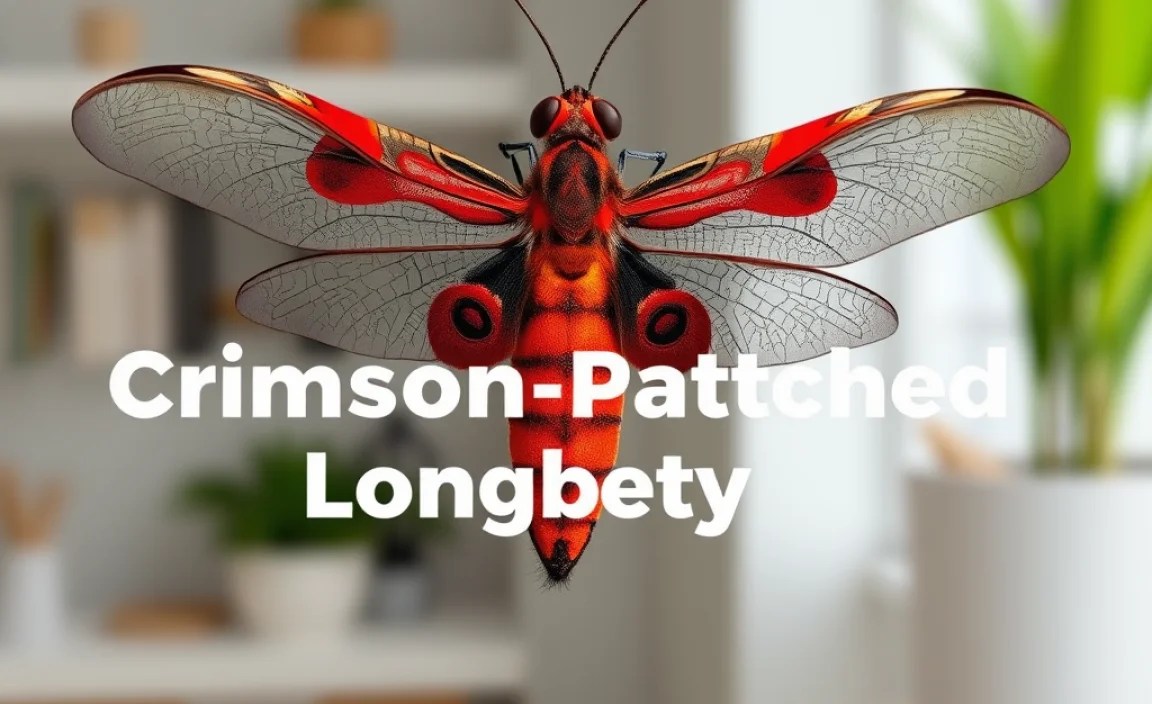
The Crimson-patched Longwing, scientifically known as Heliconius erato, is a butterfly that belongs to the Nymphalidae family. It’s celebrated for its vibrant colors and fascinating life cycle. These butterflies are not just pretty faces; they play a crucial role in their ecosystems as pollinators and are a vital part of the food chain.
Key Characteristics
Identifying the Crimson-patched Longwing involves recognizing several distinctive features:
- Wing Color and Pattern: The wings are primarily black with striking crimson patches. The size and shape of these patches can vary slightly depending on the subspecies, but the red against the dark background is a consistent marker.
- Size and Shape: These butterflies have a wingspan of about 5.5 to 8 centimeters (2.2 to 3.1 inches). Their wings are elongated, giving them their “longwing” name.
- Body Features: The body is slender and black, often with small red markings that match the wing patterns.
- Flight Pattern: They have a slow, graceful flight, often fluttering leisurely among flowers and foliage.
Geographical Distribution
The Crimson-patched Longwing is commonly found in the tropical and subtropical regions of the Americas. Their range extends from the southern United States down through Central and South America.
- Common Habitats: They prefer tropical forests, gardens, and areas with plenty of flowering plants.
- Specific Locations: They are abundant in countries like Costa Rica, Brazil, and Mexico.
Step-by-Step Identification Guide
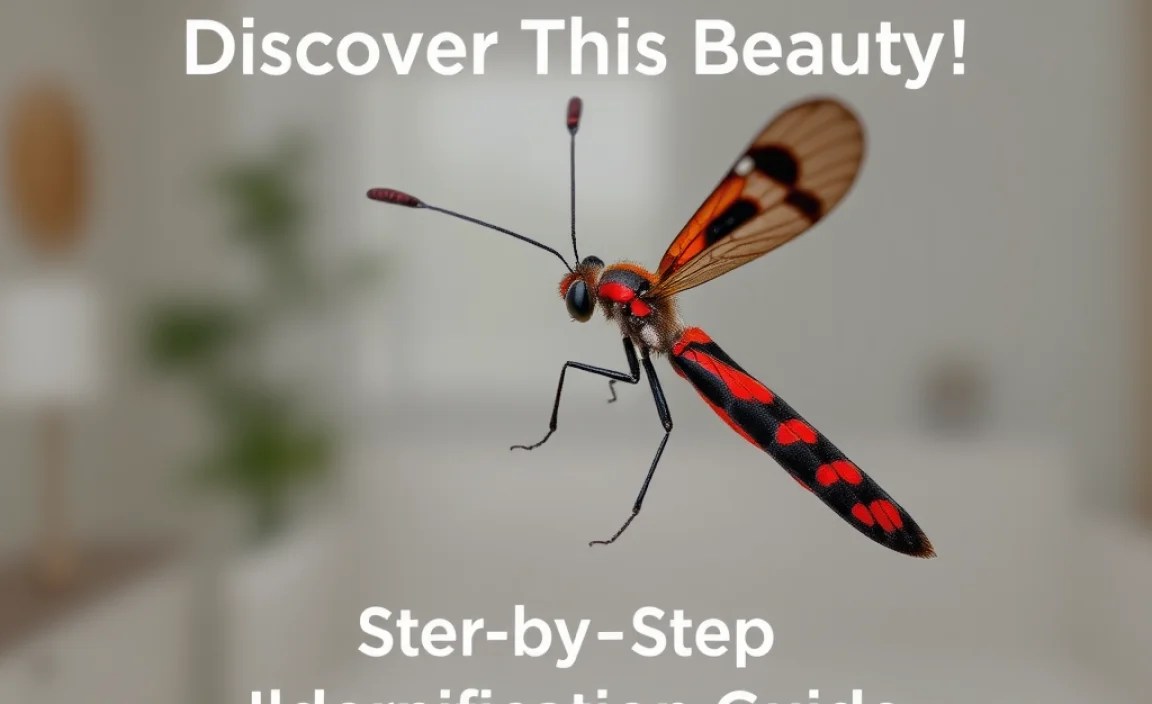
Identifying the Crimson-patched Longwing is easier than you might think. Follow these steps to confidently recognize this beautiful butterfly:
Step 1: Observe the Wing Color and Pattern
The most distinctive feature of the Crimson-patched Longwing is its wing pattern. Look for these key characteristics:
- Base Color: The primary color of the wings is black or a very dark brown.
- Red Patches: Notice the vibrant crimson or red patches on the wings. These patches can vary in size and shape but are always a striking contrast to the dark background.
- Pattern Consistency: While the exact pattern may differ slightly between individuals, the presence of red patches on a dark background is a consistent trait.
Step 2: Check the Size and Shape
The size and shape of the wings are also important clues:
- Wingspan: Measure or estimate the wingspan. Crimson-patched Longwings typically have a wingspan between 5.5 and 8 centimeters (2.2 to 3.1 inches).
- Wing Shape: Observe the shape of the wings. They are elongated, which is characteristic of the longwing family.
Step 3: Examine the Body Features
Take a closer look at the body of the butterfly:
- Body Color: The body is usually black, similar to the base color of the wings.
- Markings: Check for any red markings on the body that match the wing patterns. These markings can be subtle but are often present.
Step 4: Note the Flight Pattern
The way a butterfly flies can also help with identification:
- Flight Style: Crimson-patched Longwings have a slow, graceful flight. They often flutter leisurely, making them easy to observe.
- Activity: They are typically active during the day, especially in sunny conditions.
Step 5: Consider the Habitat
Knowing the butterfly’s habitat can narrow down the possibilities:
- Location: Are you in a tropical or subtropical region of the Americas? This is where Crimson-patched Longwings are most commonly found.
- Environment: Look for them in forests, gardens, and areas with plenty of flowering plants.
Distinguishing Crimson-Patched Longwings from Similar Species

Several butterfly species can look similar to the Crimson-patched Longwing, which can make identification tricky. Here’s how to tell them apart:
Comparing with Other Longwings
Other Heliconius species may have similar shapes but different color patterns. Pay close attention to the specific colors and patterns on the wings.
| Species | Key Identifying Features | Habitat |
|---|---|---|
| Crimson-patched Longwing (Heliconius erato) | Black wings with distinct crimson patches. | Tropical and subtropical Americas. |
| Postman Butterfly (Heliconius melpomene) | Variable patterns, often with red stripes or patches, but can also have yellow or white markings. | Central and South America. |
| Zebra Longwing (Heliconius charithonia) | Long, narrow black wings with yellow stripes. | Southern United States to South America. |
Look-Alike Butterflies
Some butterflies from different families might have similar coloration. Always check for the specific wing shape and patterns unique to the Crimson-patched Longwing.
Attracting Crimson-Patched Longwings to Your Garden

Want to see more of these beautiful butterflies? Here’s how to create a butterfly-friendly garden:
Plant Host and Nectar Plants
To attract Crimson-patched Longwings, you need to provide both host plants for their caterpillars and nectar plants for the adults.
- Host Plants: Plant passion vines (Passiflora species). These are the primary food source for Crimson-patched Longwing caterpillars.
- Nectar Plants: Offer a variety of nectar-rich flowers such as lantana, pentas, and salvia. These provide the energy adult butterflies need.
Creating the Right Environment
Butterflies need more than just food. They also need a suitable habitat.
- Sunlight: Butterflies are cold-blooded and need sunlight to warm up. Make sure your garden has plenty of sunny spots.
- Shelter: Provide shelter from wind and rain with shrubs and trees.
- Water Source: Butterflies need water to stay hydrated. A shallow dish of water with pebbles for them to land on works perfectly.
Avoiding Pesticides
Pesticides can be harmful to butterflies and other beneficial insects. Avoid using them in your garden.
- Organic Gardening: Use organic gardening practices to control pests and diseases.
- Natural Predators: Encourage natural predators like ladybugs and lacewings to keep pest populations in check.
The Life Cycle of the Crimson-Patched Longwing
Understanding the life cycle of the Crimson-patched Longwing can deepen your appreciation for this butterfly.
Egg Stage
The life cycle begins with the egg. Female butterflies lay their eggs on or near their host plants, usually passion vines.
- Appearance: The eggs are small and often yellow or orange.
- Location: They are typically laid on the underside of leaves.
Larva (Caterpillar) Stage
Once the egg hatches, the larva emerges. This is the caterpillar stage, where the butterfly spends most of its life eating and growing.
- Appearance: The caterpillars are usually dark with orange or red markings.
- Feeding: They feed voraciously on passion vine leaves.
- Molting: As they grow, they shed their skin several times in a process called molting.
Pupa (Chrysalis) Stage
After reaching full size, the caterpillar transforms into a pupa, also known as a chrysalis. This is a resting stage where the caterpillar undergoes metamorphosis.
- Appearance: The chrysalis is usually green or brown and hangs from a branch or leaf.
- Duration: This stage can last from a few days to several weeks.
Adult Stage
Finally, the adult butterfly emerges from the chrysalis. This is the reproductive stage of the butterfly’s life.
- Emergence: The butterfly emerges with its wings crumpled. It takes a few hours for the wings to expand and harden.
- Reproduction: Adult butterflies mate and lay eggs, continuing the cycle.
- Lifespan: Adult Crimson-patched Longwings can live for several months, which is longer than many other butterfly species.
Conservation Status and Efforts
While the Crimson-patched Longwing is not currently listed as endangered, it’s essential to be aware of the factors that can affect their populations.
Threats to the Species
- Habitat Loss: Deforestation and urbanization can reduce the availability of suitable habitats for these butterflies.
- Pesticide Use: Pesticides can kill butterflies and their caterpillars, reducing their populations.
- Climate Change: Changes in climate patterns can affect the availability of host and nectar plants, impacting butterfly populations.
Conservation Actions
- Habitat Preservation: Protecting and restoring natural habitats is crucial for the survival of these butterflies.
- Sustainable Gardening: Encouraging the use of native plants and avoiding pesticides in gardens can provide valuable habitat for butterflies.
- Education and Awareness: Educating the public about the importance of butterflies and their conservation can inspire action.
Fun Facts About Crimson-Patched Longwings
Here are some fascinating facts about Crimson-patched Longwings that you might enjoy:
- Diet: Unlike most butterflies, Crimson-patched Longwings collect pollen, which provides them with amino acids and helps them live longer.
- Mimicry: They are part of a mimicry complex, where they resemble other distasteful butterflies to avoid predation. This is a survival strategy that helps protect them.
- Social Behavior: These butterflies often roost together in groups at night, which is a behavior that provides protection from predators and helps them conserve energy.
Tools and Resources for Butterfly Identification
To further enhance your butterfly identification skills, here are some helpful tools and resources:
- Butterfly Field Guides: A good field guide can provide detailed descriptions and illustrations of different butterfly species. The Audubon Society Field Guide to North American Butterflies is a great resource.
- Online Databases: Websites like BugGuide.net and iNaturalist offer extensive photo galleries and identification tools.
- Butterfly Identification Apps: There are several apps available for smartphones that can help you identify butterflies based on photos or descriptions.
- Local Butterfly Clubs: Joining a local butterfly club can provide opportunities to learn from experienced butterfly enthusiasts and participate in field trips.
The Cultural Significance of Butterflies
Butterflies have long held cultural significance in many societies around the world. They are often seen as symbols of transformation, rebirth, and hope.
- Symbolism: In many cultures, butterflies are associated with the soul or spirit.
- Art and Literature: Butterflies have been featured in art, literature, and mythology for centuries.
- Gardening: Creating butterfly gardens is a popular way to connect with nature and support these beautiful creatures.
Conclusion
Identifying the Crimson-patched Longwing is a rewarding experience that connects you more deeply with the natural world. By understanding their key features, habitat, and behavior, you can confidently recognize these beautiful butterflies and appreciate their vital role in the ecosystem. Whether you’re a seasoned naturalist or a beginner, every observation contributes to our understanding and conservation of these fascinating creatures. So, grab your binoculars, head out to your garden or a nearby park, and start exploring the wonderful world of butterflies!
FAQ About Crimson-Patched Longwings
What is the Crimson-patched Longwing’s scientific name?
The scientific name of the Crimson-patched Longwing is Heliconius erato.
Where are Crimson-patched Longwings typically found?
They are commonly found in tropical and subtropical regions of the Americas, from the southern United States to South America.
What do Crimson-patched Longwing caterpillars eat?
Crimson-patched Longwing caterpillars primarily eat the leaves of passion vines (Passiflora species).
How can I attract Crimson-patched Longwings to my garden?
Plant passion vines for the caterpillars and nectar-rich flowers like lantana and salvia for the adults. Provide sunlight, shelter, and a water source, and avoid using pesticides.
Are Crimson-patched Longwings endangered?
No, they are not currently listed as endangered, but habitat loss and pesticide use can threaten their populations.
How long do adult Crimson-patched Longwings live?
Adult Crimson-patched Longwings can live for several months, which is longer than many other butterfly species, thanks to their unique ability to collect pollen.
What is special about the Crimson-patched Longwing’s diet?
Unlike most butterflies, Crimson-patched Longwings collect pollen, which provides them with amino acids, helping them live longer and stay healthier.


