
Butterfly Reproduction Facts: The Ultimate Guide

Butterfly Reproduction Facts: A Quick Guide
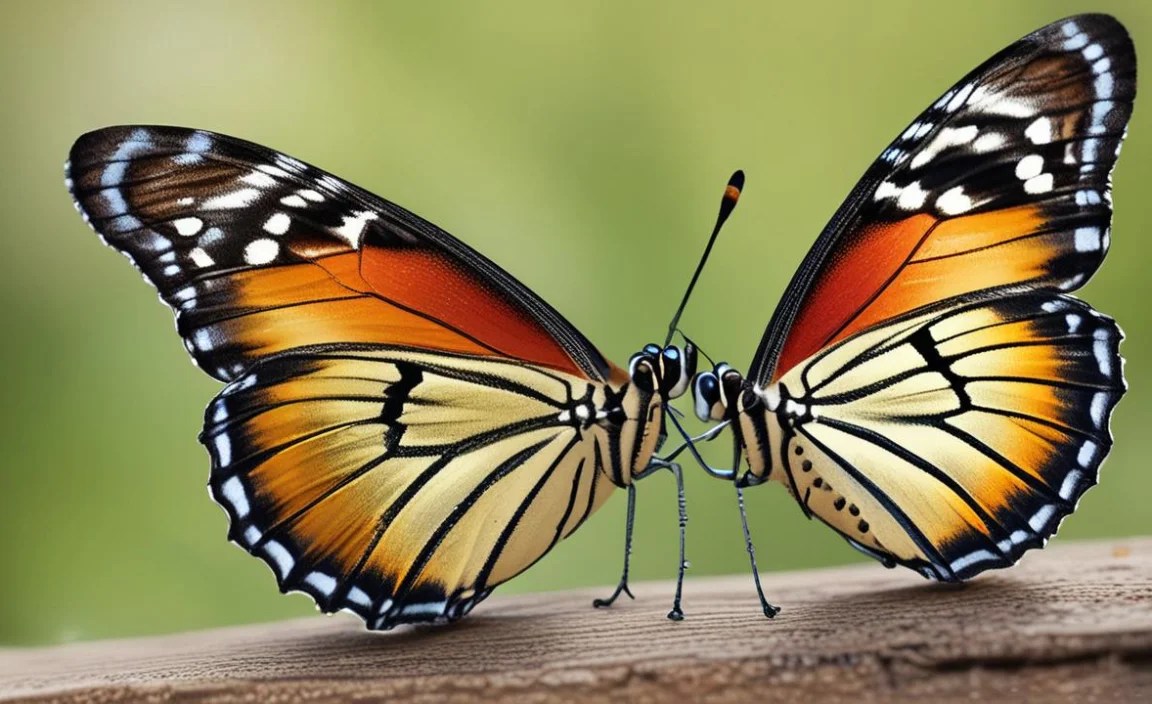
Butterfly reproduction is a fascinating process! It begins with courtship rituals, followed by mating, egg-laying on specific host plants, and the eventual hatching of caterpillars. These caterpillars then grow, pupate in a chrysalis, and emerge as beautiful butterflies, ready to continue the cycle. Each stage is crucial for the survival of these delicate creatures.
Have you ever wondered how butterflies create the next generation? It’s a question that has captivated nature lovers for ages. Understanding the intricacies of butterfly reproduction not only deepens our appreciation for these winged wonders but also helps us protect them. It might seem complex, but don’t worry! I’ll guide you through each step, from courtship to caterpillar, with clear explanations and helpful tips. Let’s uncover the secrets of butterfly reproduction together!
Understanding Butterfly Reproduction
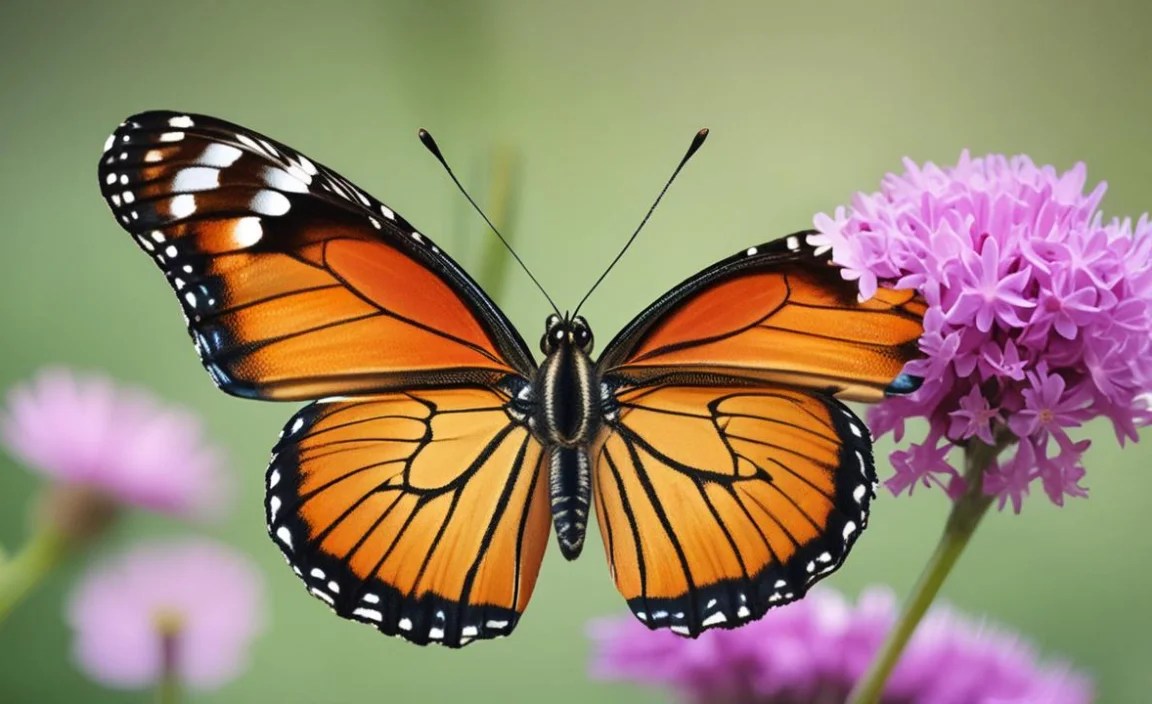
Butterfly reproduction is a complex and fascinating process involving several distinct stages. Each stage is crucial for the survival and propagation of these beautiful insects. Let’s explore each of these stages in detail.
The Stages of Butterfly Reproduction
The butterfly life cycle includes courtship, mating, egg-laying, larval development (caterpillar), pupation (chrysalis), and emergence as an adult butterfly.
- Courtship: Male butterflies use visual displays and pheromones to attract females.
- Mating: Butterflies mate to fertilize the female’s eggs.
- Egg-laying: Female butterflies lay their eggs on specific host plants that will provide food for the caterpillars.
- Larval Development: The egg hatches into a caterpillar, which feeds and grows.
- Pupation: The caterpillar transforms into a pupa (chrysalis) where metamorphosis occurs.
- Emergence: The adult butterfly emerges from the chrysalis.
Courtship and Mating
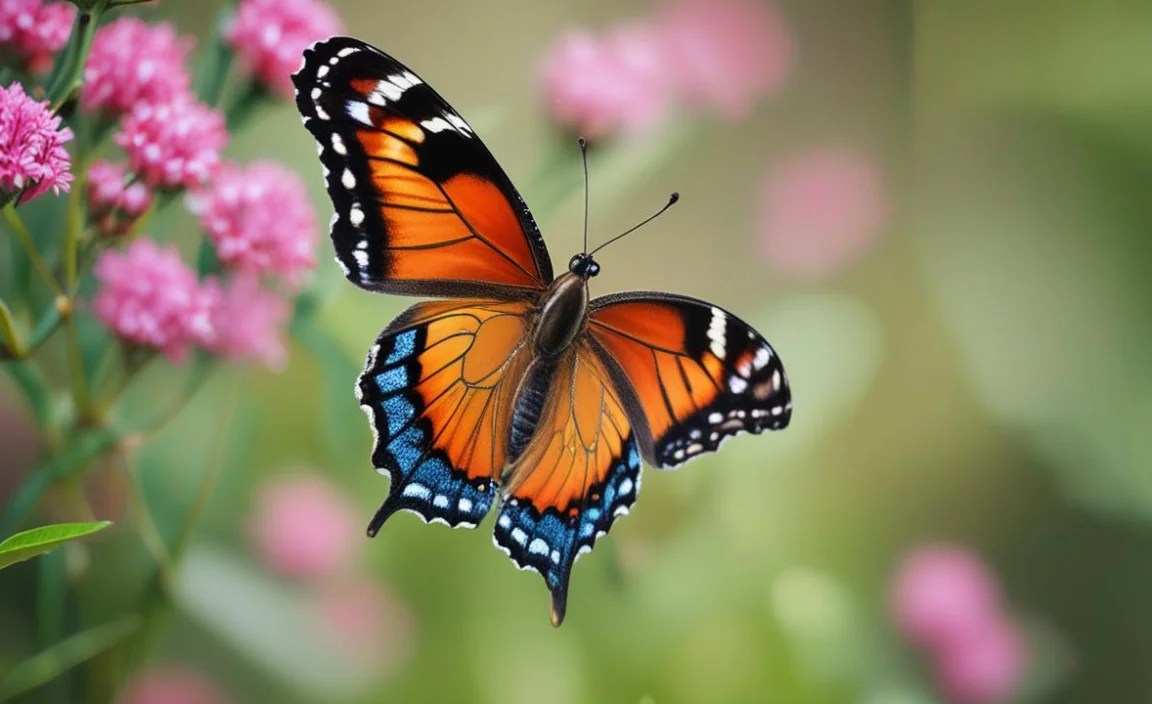
Courtship and mating are essential first steps in the butterfly reproduction process. Butterflies have unique behaviors and strategies to ensure successful reproduction.
Courtship Rituals
Courtship is where the magic begins! Male butterflies put on quite the show to attract a mate. These rituals can be visually stunning, involving intricate flight patterns, dances, and the release of pheromones – chemical signals that act like a butterfly love potion. Each species has its own unique courtship display.
- Visual Displays: Male butterflies often perform aerial displays, flying around the female to show off their colors and patterns.
- Pheromones: Males release pheromones to attract females from a distance. These chemical signals are species-specific, ensuring that only the right butterflies mate.
- Tactile Stimulation: Some males use their legs or antennae to touch and stimulate the female, further enticing her to mate.
The Mating Process
Once the female is receptive, mating occurs. Butterflies mate by connecting the tips of their abdomens. During mating, the male transfers a sperm packet called a spermatophore to the female. This packet fertilizes the eggs inside the female’s body. Mating can last from a few minutes to several hours, depending on the species.
After mating, the female stores the sperm and uses it to fertilize her eggs over time. She will then seek out the perfect host plant to lay her precious cargo.
Egg-Laying and Host Plants
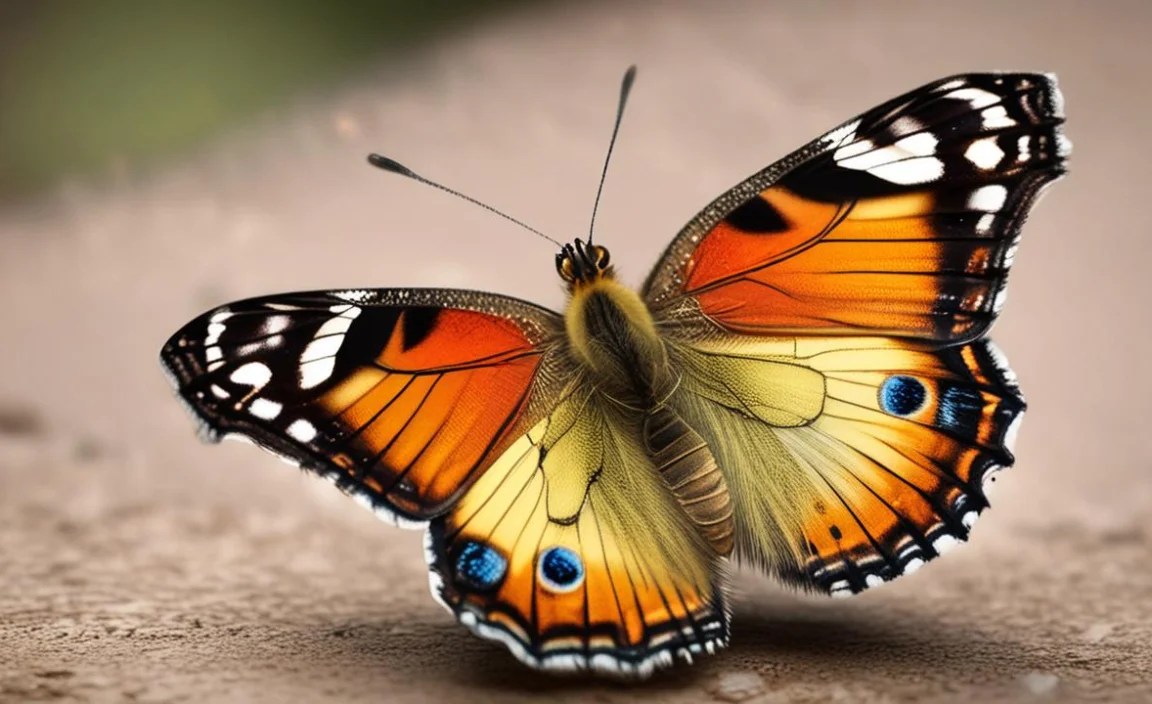
Egg-laying is a critical stage where the female butterfly selects the right host plant to ensure her offspring’s survival. The choice of host plant is crucial because the newly hatched caterpillars will feed on it.
Selecting Host Plants
Female butterflies are incredibly selective when it comes to choosing a host plant for their eggs. They rely on a combination of visual cues and chemical signals to identify the correct species. Each butterfly species has specific host plant preferences, and the survival of their young depends on this choice. For example, Monarch butterflies exclusively lay their eggs on milkweed plants. The Xerces Society offers great information on host plants.
- Chemical Cues: Butterflies use their antennae to detect specific chemicals in the leaves of potential host plants.
- Visual Cues: They also use visual cues, such as leaf shape and color, to identify the right plant.
- Testing: Some females will even tap or drum on the leaves with their legs to further assess the plant’s suitability.
Egg Placement
Once the female has identified a suitable host plant, she carefully lays her eggs. The eggs can be laid singly, in small groups, or in large clusters, depending on the butterfly species. The placement of the eggs is also strategic. Some butterflies lay their eggs on the underside of leaves to protect them from predators and harsh weather. Others lay them on stems or flowers.
The eggs themselves come in a variety of shapes, sizes, and colors. They can be round, oval, or even ribbed, and their colors range from white and yellow to green and brown. The appearance of the egg can provide clues to the butterfly species.
Larval Stage: The Caterpillar
The larval stage, or caterpillar stage, is all about eating and growing. Caterpillars are voracious eaters, and they need to consume a lot of food to fuel their growth and development.
Feeding and Growth
As soon as the caterpillar hatches from its egg, it starts to eat. Caterpillars have strong mandibles (jaws) that they use to chew through leaves. They eat almost constantly, growing rapidly as they consume their host plant. A caterpillar’s primary job is to store up energy for the next stage of its life cycle: pupation.
- Molting: As caterpillars grow, they shed their skin several times. This process is called molting. Each time a caterpillar molts, it reveals a new, larger exoskeleton.
- Defense Mechanisms: Caterpillars have various defense mechanisms to protect themselves from predators. Some are camouflaged to blend in with their surroundings. Others have bright colors or patterns that warn predators of their toxicity. Some caterpillars even have spines or hairs that can irritate or injure potential predators.
Caterpillar Anatomy
Caterpillars have a simple body plan, but they are perfectly adapted for their role as eating machines. They have a head with strong mandibles, a thorax with three pairs of true legs, and an abdomen with prolegs that help them grip onto plants. They also have silk glands that they use to create silk threads. These silk threads can be used for various purposes, such as creating a safe place to rest or building a protective shelter.
Pupation: The Chrysalis Stage
Pupation is a transformative stage where the caterpillar turns into a pupa, also known as a chrysalis. Inside the chrysalis, the caterpillar undergoes a complete metamorphosis, reorganizing its body to become a butterfly.
The Transformation Process
The transformation that occurs inside the chrysalis is one of the most remarkable processes in nature. The caterpillar’s body breaks down, and its cells reorganize to form the structures of the adult butterfly, including wings, legs, antennae, and reproductive organs. This process can take anywhere from a few days to several weeks, depending on the butterfly species and environmental conditions.
- Chrysalis Appearance: Chrysalises come in a variety of shapes, sizes, and colors. Some are camouflaged to blend in with their surroundings, while others are brightly colored to warn predators of their toxicity. Some chrysalises even have metallic markings that mimic dewdrops or shiny objects.
- Attachment: The caterpillar attaches itself to a stem or leaf using silk before pupating. It then sheds its skin one last time, revealing the chrysalis underneath.
Factors Affecting Pupation
Several factors can affect the pupation process, including temperature, humidity, and light. In general, warmer temperatures speed up development, while cooler temperatures slow it down. Humidity is also important, as the chrysalis needs to stay moist to prevent it from drying out. Light can also play a role, with some butterfly species requiring specific light conditions for successful pupation.
Emergence: The Adult Butterfly
Emergence is the final stage of the butterfly life cycle, where the adult butterfly emerges from the chrysalis. This is a delicate and vulnerable time for the butterfly, as it needs to expand and dry its wings before it can fly.
The Emergence Process
When the time is right, the chrysalis splits open, and the adult butterfly slowly emerges. The butterfly’s wings are initially crumpled and wet, and it needs to pump hemolymph (butterfly blood) into the veins of its wings to expand them. This process can take several hours, and the butterfly is very vulnerable to predators during this time. Once the wings are fully expanded, the butterfly needs to dry them before it can fly.
- Wing Expansion: Butterflies pump hemolymph through their wing veins to expand them.
- Drying: After expansion, wings must dry and harden before the butterfly can fly.
First Flight and Beyond
Once the butterfly’s wings are dry and hardened, it is ready for its first flight. The butterfly will then fly off to find food and a mate, and the cycle begins anew. Adult butterflies feed on nectar from flowers, using their long proboscis to suck up the sweet liquid. They also play an important role in pollination, transferring pollen from one flower to another as they feed.
The lifespan of an adult butterfly varies depending on the species. Some butterflies live only a few days, while others can live for several months. The Monarch butterfly, for example, can live for up to nine months, migrating thousands of miles to overwinter in warmer climates.
Factors Influencing Butterfly Reproduction
Butterfly reproduction is influenced by various environmental factors. Understanding these factors can help us protect and support butterfly populations.
Environmental Factors
Environmental factors such as temperature, humidity, and light can all affect butterfly reproduction. Temperature is particularly important, as it affects the rate of development of the eggs, larvae, and pupae. Humidity is also important, as it affects the survival of the eggs and larvae. Light can also play a role, with some butterfly species requiring specific light conditions for successful reproduction.
- Temperature: Warmer temperatures generally speed up development.
- Humidity: Adequate humidity is essential for egg and larval survival.
- Light: Some species need specific light conditions for reproduction.
Habitat and Food Availability
Habitat and food availability are also crucial for butterfly reproduction. Butterflies need access to suitable host plants for their larvae and nectar sources for the adults. Habitat loss and fragmentation can reduce the availability of these resources, impacting butterfly populations.
- Host Plants: Availability of specific host plants for caterpillars is essential.
- Nectar Sources: Adult butterflies need nectar-rich flowers for energy.
- Habitat Preservation: Protecting and restoring butterfly habitats is crucial.
Predators and Disease
Predators and disease can also impact butterfly reproduction. Butterfly eggs, larvae, and pupae are vulnerable to various predators, including birds, insects, and spiders. Diseases can also affect butterfly populations, particularly when they are stressed by habitat loss or other environmental factors.
- Predation: Eggs, larvae, and pupae are vulnerable to predators.
- Disease: Diseases can impact butterfly populations, especially when stressed.
Conservation Efforts
Given the challenges butterflies face, conservation efforts are essential. Protecting and restoring butterfly habitats, providing host plants and nectar sources, and reducing pesticide use can all help support butterfly populations.
Creating Butterfly-Friendly Habitats
Creating butterfly-friendly habitats in your backyard or community can make a big difference. Planting host plants and nectar-rich flowers, providing a water source, and avoiding pesticide use can all help attract and support butterflies.
- Planting Host Plants: Provide food for caterpillars by planting their specific host plants.
- Nectar-Rich Flowers: Offer nectar sources for adult butterflies with a variety of flowering plants.
- Water Source: Provide a shallow dish of water with pebbles for butterflies to drink from.
- Avoid Pesticides: Pesticides can harm or kill butterflies and other beneficial insects.
Supporting Conservation Organizations
Supporting conservation organizations that work to protect butterfly habitats and promote sustainable practices can also help. These organizations play a crucial role in research, education, and advocacy, working to ensure that butterflies continue to thrive for generations to come. The U.S. Fish and Wildlife Service is a great resource for conservation information.
Table: Butterfly Life Cycle Stages
| Stage | Description | Duration |
|---|---|---|
| Egg | Laid on host plants, various shapes and colors. | 3-7 days |
| Larva (Caterpillar) | Eats and grows, molts several times. | 2-4 weeks |
| Pupa (Chrysalis) | Transformation into a butterfly. | 1-2 weeks |
| Adult Butterfly | Reproduces, feeds on nectar, and pollinates. | 2 weeks to several months |
Table: Factors Influencing Butterfly Reproduction
| Factor | Description | Impact |
|---|---|---|
| Temperature | Affects the rate of development. | Warmer speeds up, cooler slows down. |
| Humidity | Affects survival of eggs and larvae. | Adequate humidity is essential. |
| Host Plants | Food source for caterpillars. | Availability is crucial for survival. |
| Nectar Sources | Food source for adult butterflies. | Provides energy for reproduction. |
| Predators | Birds, insects, spiders prey on butterflies. | Can reduce butterfly populations. |
| Disease | Can affect butterfly populations. | Especially when stressed. |
FAQ: Butterfly Reproduction
What is a host plant?
A host plant is a specific type of plant that a female butterfly lays her eggs on. The newly hatched caterpillars will feed on this plant. Each butterfly species has particular host plant preferences.
How do butterflies attract mates?
Male butterflies attract females through visual displays, like aerial dances, and by releasing pheromones, chemical signals that entice females.
How long does it take for a butterfly to emerge from its chrysalis?
The time it takes for a butterfly to emerge from its chrysalis varies depending on the species and environmental conditions. It can take anywhere from a few days to several weeks.
What do caterpillars eat?
Caterpillars primarily eat the leaves of their host plants. They are voracious eaters and need to consume a lot of food to fuel their growth and development.
How can I help butterflies in my garden?
You can help butterflies by planting host plants and nectar-rich flowers, providing a water source, and avoiding the use of pesticides.
What is metamorphosis?
Metamorphosis is the process of transformation that occurs inside the chrysalis, where the caterpillar’s body breaks down and reorganizes to form the structures of the adult butterfly.
Why are butterflies important?
Butterflies are important pollinators, helping to transfer pollen from one flower to another. They also serve as an important food source for birds and other animals, and they add beauty and wonder to our natural world.
Conclusion
Butterfly reproduction is a delicate and intricate process, essential for the survival of these beautiful creatures. By understanding the stages of their life cycle, the factors that influence their reproduction, and the importance of conservation efforts, we can all play a part in protecting and supporting butterfly populations. From the mesmerizing courtship rituals to the transformative pupation stage, each step is a testament to the wonders of nature. So, let’s cherish and protect these winged jewels, ensuring they continue to flutter through our gardens and landscapes for generations to come.


