
Painted Lady Butterfly Reproduction Facts: Powerful Secrets

Have you ever seen a butterfly flutter by? Did you know they start as tiny eggs? The painted lady butterfly is one kind of butterfly. Learning about painted lady butterfly reproduction facts is super interesting. It shows how these beautiful creatures come to be.
These butterflies go through amazing changes. They begin as eggs, then become caterpillars. Next, they form a chrysalis. Finally, they emerge as butterflies! Each step is important for painted lady butterfly reproduction.
Key Takeaways
- Painted lady butterfly reproduction starts with eggs laid on host plants.
- Caterpillars hatch and eat a lot to grow big and strong.
- The chrysalis is where the caterpillar changes into a butterfly.
- Adult butterflies mate and lay eggs to start the cycle again.
- Understanding this process helps us protect these butterflies.
Amazing Painted Lady Butterfly Reproduction Facts

The painted lady butterfly is a common sight in many gardens. But have you ever wondered how these butterflies are born? The process of painted lady butterfly reproduction is truly amazing. It all starts with the female butterfly laying her eggs. She carefully chooses a host plant. This plant will be food for the baby caterpillar.
The eggs are tiny and often laid on leaves. Once the eggs hatch, tiny caterpillars emerge. These caterpillars are hungry! They eat and eat, growing bigger each day. As they grow, they shed their skin several times. This process is called molting. After growing to their full size, the caterpillar is ready for the next stage. It forms a chrysalis. Inside the chrysalis, a big change happens. The caterpillar transforms into a beautiful butterfly. When the time is right, the butterfly emerges. It flies off to find a mate and continue the cycle of life. Painted lady butterfly reproduction facts show the incredible journey of these insects.
- Eggs are laid on host plants.
- Caterpillars hatch and eat a lot.
- Caterpillars molt as they grow.
- A chrysalis forms around the caterpillar.
- The caterpillar transforms into a butterfly.
Painted lady butterfly reproduction is a fascinating process. The butterfly’s life cycle is called metamorphosis. It’s a complete change from one form to another. This transformation takes time and energy. The butterfly relies on its surroundings for food and shelter. Changes in the environment can affect the butterfly’s life cycle. For example, if the host plants are destroyed, the caterpillars will have nothing to eat. This can lead to fewer butterflies. By understanding painted lady butterfly reproduction facts, we can help protect these amazing creatures. We can plant host plants in our gardens. We can also avoid using pesticides that can harm the butterflies and caterpillars.
What Do Painted Lady Caterpillars Eat?
Have you ever wondered what painted lady caterpillars eat? These tiny creatures have a big appetite! They need to eat a lot to grow and transform. Their favorite foods are plants like thistles and mallows. These plants provide the nutrients caterpillars need to develop. Imagine eating all day long! That’s what a caterpillar does. It munches on leaves, growing bigger with each bite. This eating is very important. It helps the caterpillar store energy for the next stage of its life. Without enough food, the caterpillar might not be able to transform into a butterfly. So, the next time you see a painted lady caterpillar, remember its important job. It’s eating to become a beautiful butterfly!
How Long Does it Take for a Painted Lady Egg to Hatch?
Do you know how long it takes for a painted lady egg to hatch? It’s usually about 3 to 5 days! These tiny eggs are very delicate. They need the right temperature and humidity to hatch. Imagine waiting for something to hatch for almost a week! The tiny caterpillar inside is growing and getting ready to come out. Once it hatches, the caterpillar starts eating right away. It needs to fuel its growth. The whole process is like a little miracle. From a tiny egg to a crawling caterpillar, nature is amazing! Understanding this small part of painted lady butterfly reproduction facts helps us appreciate the butterfly’s life cycle.
What Happens Inside the Chrysalis?
Have you ever wondered what happens inside a chrysalis? It’s like a secret room where magic happens! Inside, the caterpillar is changing into a butterfly. This process is called metamorphosis. The caterpillar’s body breaks down and reforms. It’s like taking apart a toy and building something completely different. New wings, legs, and other body parts are formed. It’s a very busy time inside the chrysalis. The transformation takes about 7 to 10 days. When it’s ready, the butterfly emerges. It’s a brand new creature! This is a key stage in painted lady butterfly reproduction. It shows how nature can create incredible changes.
Fun Fact or Stat: A female Painted Lady butterfly can lay up to 500 eggs in her lifetime!
Painted Lady Butterfly’s Mating Habits
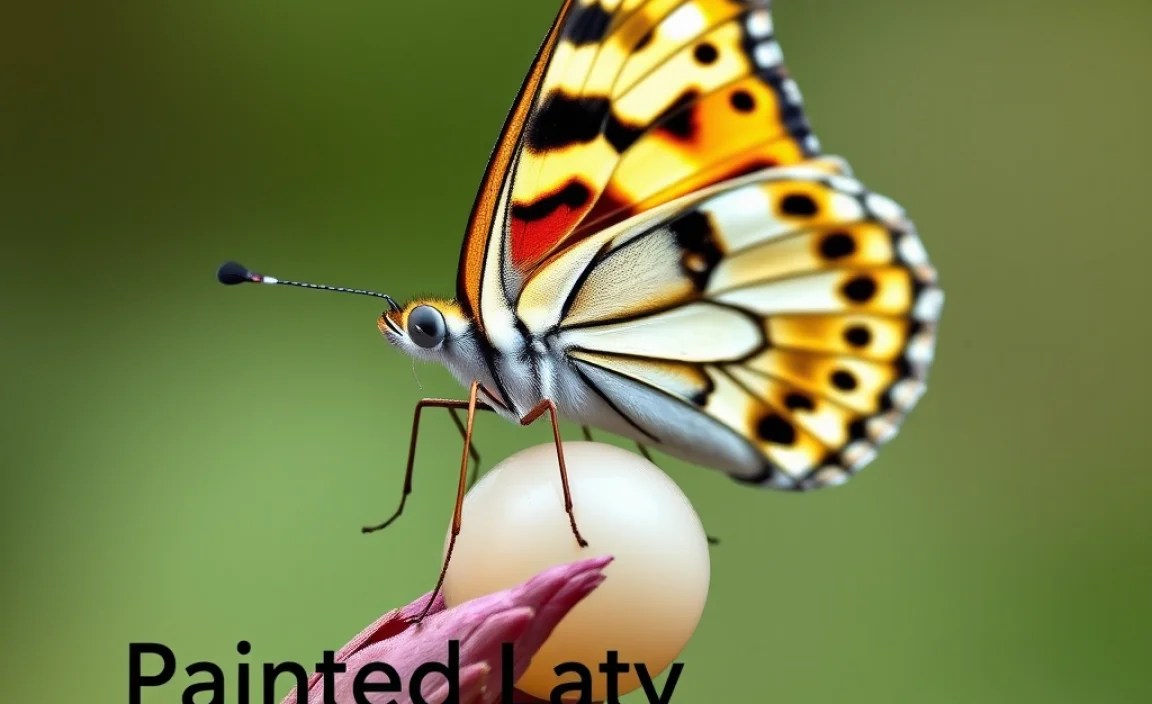
Painted lady butterflies have interesting mating habits. The male butterfly finds a female to mate with. He might use his sight or smell to find her. Sometimes, the male will perform a special dance. This dance is a way to show off and attract the female. Once the female chooses a mate, they will pair up. They will stay together for a short time to mate. After mating, the female will lay her eggs. The painted lady butterfly’s mating habits ensure the continuation of its species. Understanding these habits is important. It helps us learn more about painted lady butterfly reproduction facts.
The male painted lady uses pheromones to attract females. These are special chemicals that send a signal. The female senses the pheromones and knows the male is nearby. The male also does a courtship display. He flies around the female and shows off his colors. If the female is interested, she will allow him to mate. The mating process can take several hours. During this time, the male transfers sperm to the female. The sperm will fertilize her eggs. This ensures that the next generation of butterflies will be born. Painted lady butterfly reproduction facts reveal the complex behaviors of these insects.
- Males use pheromones to attract females.
- Males perform courtship displays.
- Mating can take several hours.
- Sperm fertilizes the female’s eggs.
- This ensures the next generation.
- These habits are vital for survival.
The painted lady butterfly’s mating habits are influenced by the environment. Weather conditions can affect their ability to find a mate. For example, strong winds can make it difficult for them to fly. Habitat loss can also impact their mating success. If there are fewer places for them to live, it’s harder to find a mate. Pollution can also interfere with pheromone communication. By protecting their habitats, we can help ensure their mating success. This will help maintain healthy populations of painted lady butterflies. Learning about painted lady butterfly reproduction facts helps us appreciate the importance of conservation efforts.
Where Do Painted Ladies Mate?
Have you ever wondered where painted lady butterflies mate? They often mate in open areas. These areas can be meadows, gardens, or fields. They need space to perform their courtship displays. The males need room to fly around and show off. The females need space to choose a mate. These open areas provide the perfect setting for mating. The butterflies can find each other easily. The sun provides warmth and energy. It’s like a dance floor for butterflies! Knowing this helps us understand their painted lady butterfly reproduction facts.
When Do Painted Ladies Mate?
Do you know when painted lady butterflies mate? They usually mate during the warmer months. This is when they are most active. The spring and summer are prime mating seasons. The weather is good, and there are plenty of flowers. The flowers provide nectar for energy. The butterflies need energy to fly and mate. So, the warmer months are the best time for painted lady butterfly reproduction. It’s all about timing and the right conditions. This is another interesting piece of painted lady butterfly reproduction facts.
How Many Times Do Painted Ladies Mate?
Have you ever wondered how many times painted lady butterflies mate? They usually mate only once or twice in their lifetime. This is because they have a short lifespan. They focus on laying eggs and continuing the cycle. Mating is important, but so is finding food and avoiding predators. So, they balance their activities. This ensures the survival of their species. It’s a quick but important process in painted lady butterfly reproduction. Understanding this helps us appreciate their short lives.
Fun Fact or Stat: Painted Lady butterflies can fly up to 100 miles per day during migration!
Painted Lady Egg-Laying Process

The painted lady butterfly has a specific egg-laying process. After mating, the female searches for a suitable host plant. She uses her antennae to sense the plant’s chemicals. This helps her determine if it’s the right plant for her caterpillars. Once she finds a suitable plant, she lays her eggs on the leaves. She lays them one at a time or in small groups. The eggs are tiny and delicate. The female butterfly carefully places them on the plant. This ensures that the caterpillars will have food when they hatch. The egg-laying process is crucial for painted lady butterfly reproduction.
The female painted lady chooses specific plants for egg-laying. These plants include thistles, mallows, and other leafy greens. She prefers plants that are young and tender. This makes it easier for the caterpillars to eat the leaves. The female also considers the location of the plant. She looks for plants that are in sunny areas. This helps the eggs stay warm and develop properly. The female’s careful selection ensures the survival of her offspring. It’s an important part of painted lady butterfly reproduction facts.
- Females seek suitable host plants.
- Antennae help sense plant chemicals.
- Eggs are laid on leaves.
- Eggs are laid singly or in groups.
- Specific plants are preferred.
- Sunlight helps egg development.
The painted lady butterfly’s egg-laying process is affected by environmental factors. Weather conditions can influence the female’s ability to find host plants. Pollution can also harm the plants, making them unsuitable for egg-laying. Habitat loss can reduce the availability of host plants. By protecting their habitats, we can support the egg-laying process. This helps maintain healthy populations of painted lady butterflies. Learning about painted lady butterfly reproduction facts helps us understand the importance of conservation.
How Many Eggs Does a Painted Lady Lay?
Have you ever wondered how many eggs a painted lady lays? A female can lay up to 500 eggs in her lifetime! That’s a lot of tiny eggs. She doesn’t lay them all at once. She lays a few at a time on different plants. This helps to spread out the risk. If one plant is eaten by predators, the other eggs are still safe. It’s a smart strategy for survival. This is an important painted lady butterfly reproduction fact.
Where Does the Painted Lady Lay Her Eggs?
Do you know where the painted lady lays her eggs? She lays them on specific host plants. These plants provide food for the caterpillars. She looks for plants like thistles and mallows. She lays her eggs on the underside of the leaves. This protects them from the sun and rain. It’s a safe place for the eggs to develop. The careful choice of location is part of painted lady butterfly reproduction.
What Do Painted Lady Eggs Look Like?
Have you ever seen a painted lady egg? They are very tiny and delicate. They are usually green or yellowish in color. They are shaped like small barrels. You need a magnifying glass to see them clearly. They are often laid on the underside of leaves. They blend in with the plant. This helps protect them from predators. These tiny eggs are the beginning of a beautiful butterfly. It’s amazing to learn these painted lady butterfly reproduction facts!
Fun Fact or Stat: Painted Lady butterflies are found on every continent except Antarctica!
Caterpillar Stage: Painted Lady Reproduction

The caterpillar stage is a crucial part of painted lady reproduction. After the eggs hatch, tiny caterpillars emerge. These caterpillars are very hungry. They start eating the leaves of the host plant right away. They grow quickly, shedding their skin several times. This process is called molting. The caterpillar stage lasts for several weeks. During this time, the caterpillar stores energy for the next stage. It’s a time of rapid growth and development. The caterpillar prepares for its transformation into a butterfly. Understanding this stage is key to understanding painted lady butterfly reproduction facts.
Painted lady caterpillars have distinct features. They are spiky and colorful. The spikes help protect them from predators. The colors help them blend in with the plant. They have strong jaws for chewing leaves. They also have silk glands. They use silk to create a safe place to rest. The caterpillars are busy eating and growing. They are preparing for the next stage of their life cycle. The caterpillar stage is a vital part of painted lady butterfly reproduction.
- Caterpillars hatch from eggs.
- They eat leaves of host plants.
- Caterpillars grow quickly.
- They shed their skin (molting).
- The stage lasts several weeks.
- Caterpillars store energy.
The caterpillar stage of painted lady butterfly reproduction is influenced by the environment. Temperature affects the caterpillar’s growth rate. Warm temperatures speed up growth. Cold temperatures slow it down. Food availability is also important. If there is not enough food, the caterpillar may not grow properly. Predators can also impact the caterpillar population. Birds and other insects eat caterpillars. By providing a safe and healthy environment, we can help the caterpillars thrive. This will lead to more butterflies. Learning about painted lady butterfly reproduction facts helps us appreciate the importance of conservation.
How Fast Do Painted Lady Caterpillars Grow?
Have you ever wondered how fast painted lady caterpillars grow? They grow very fast! They can double in size in just a few days. They eat almost constantly. They need to store up energy for their transformation. It’s like watching a tiny eating machine! Their rapid growth is a key part of painted lady butterfly reproduction.
What Colors Are Painted Lady Caterpillars?
Do you know what colors painted lady caterpillars are? They are usually black or brown. They have yellow or white stripes. These colors help them blend in with the plants. This protects them from predators. Their colors are an important part of their survival. Coloration is key to painted lady butterfly reproduction.
How Do Painted Lady Caterpillars Protect Themselves?
Have you ever wondered how painted lady caterpillars protect themselves? They have spikes on their bodies. These spikes make them less appealing to predators. They also blend in with the plants. This makes it harder for predators to see them. They can also drop off the plant if they are threatened. These are all clever ways to stay safe. These protective measures are important for painted lady butterfly reproduction.
Fun Fact or Stat: Painted Lady butterflies can taste with their feet!
Chrysalis Stage: Painted Lady Butterfly Reproduction
The chrysalis stage is a magical part of painted lady butterfly reproduction. After the caterpillar is fully grown, it forms a chrysalis. The chrysalis is a protective shell. Inside, the caterpillar transforms into a butterfly. This process is called metamorphosis. It takes about 7 to 10 days. The chrysalis hangs upside down from a branch or leaf. It may look still, but a lot is happening inside. The caterpillar’s body breaks down and reforms. New wings, legs, and other body parts are formed. When the time is right, the butterfly emerges. This is a crucial stage in painted lady butterfly reproduction facts.
The painted lady chrysalis has unique features. It is usually brown or tan in color. It has small bumps and ridges. These help to camouflage it. The chrysalis is also very delicate. It is important not to touch or disturb it. Inside, the caterpillar is undergoing a big change. It is transforming into a beautiful butterfly. The chrysalis is a safe place for this transformation to occur. This stage is a marvel of painted lady butterfly reproduction.
| Stage | Description | Duration |
|---|---|---|
| Egg | Tiny, green or yellow | 3-5 days |
| Caterpillar | Spiky, colorful, eats a lot | Several weeks |
| Chrysalis | Brown or tan, protective shell | 7-10 days |
| Butterfly | Beautiful wings, flies and mates | 2-4 weeks |
- Caterpillar forms a chrysalis.
- The chrysalis is a protective shell.
- Transformation takes 7-10 days.
- Body breaks down and reforms.
- New wings and legs form.
- Butterfly emerges from chrysalis.
The chrysalis stage of painted lady butterfly reproduction is influenced by the environment. Temperature affects the speed of the transformation. Warm temperatures speed it up. Cold temperatures slow it down. Humidity is also important. The chrysalis needs the right amount of moisture to prevent it from drying out. By providing a stable environment, we can help the butterfly emerge successfully. This contributes to healthy populations of painted lady butterflies. Understanding painted lady butterfly reproduction facts helps us appreciate the importance of environmental factors.
What Color is a Painted Lady Chrysalis?
Have you ever seen a painted lady chrysalis? They are usually brown or tan. This helps them blend in with their surroundings. This camouflage protects them from predators. The color of the chrysalis is an important part of their survival. It’s a key detail in painted lady butterfly reproduction.
Does the Chrysalis Move?
Do you know if the chrysalis moves? It might wiggle a little bit. This is usually to scare away predators. The movement is very slight. Mostly, the chrysalis stays still. It’s like a little house where the magic happens. The stillness is part of painted lady butterfly reproduction.
How Do Butterflies Emerge from the Chrysalis?
Have you ever wondered how butterflies emerge from the chrysalis? It’s an amazing process! The butterfly uses its legs to break open the chrysalis. It slowly wiggles its way out. Its wings are crumpled and wet. It takes a few hours for the wings to dry and expand. Then, the butterfly can fly! It’s a beautiful sight to see. Emergence is the final stage of painted lady butterfly reproduction.
Fun Fact or Stat: Painted Lady butterflies can fly across oceans during migration!
Adult Painted Lady Butterfly: Reproduction and Life Cycle
The adult painted lady butterfly is the final stage of its life cycle. After emerging from the chrysalis, the butterfly is ready to fly. It has beautiful, colorful wings. The adult butterfly has two main goals: to feed and to reproduce. It drinks nectar from flowers for energy. It also searches for a mate. After mating, the female lays her eggs. The cycle starts all over again. The adult stage is important for painted lady butterfly reproduction. It ensures the continuation of the species.
Painted lady butterflies have a short lifespan as adults. They typically live for only 2 to 4 weeks. During this time, they focus on reproduction. The female lays hundreds of eggs. She chooses specific host plants. The male searches for a mate. He uses pheromones to attract females. The adult butterfly plays a vital role in the ecosystem. It pollinates flowers and provides food for other animals. The adult stage is a brief but important part of painted lady butterfly reproduction.
- Adults emerge from chrysalis.
- They feed on nectar.
- They search for a mate.
- Females lay eggs on host plants.
- Lifespan is 2-4 weeks.
- They pollinate flowers.
The adult stage of painted lady butterfly reproduction is influenced by the environment. Weather conditions affect their ability to fly and find food. Habitat loss reduces the availability of nectar sources. Pollution can harm the butterflies and their food sources. By protecting their habitats, we can support the adult butterflies. This will help maintain healthy populations. Learning about painted lady butterfly reproduction facts helps us appreciate the importance of conservation efforts.
How Long Do Painted Lady Butterflies Live?
Have you ever wondered how long painted lady butterflies live? They usually live for only 2 to 4 weeks as adults. Their main focus is to reproduce. They need to find a mate and lay eggs quickly. Their short lifespan is part of their life cycle. It’s a race against time for painted lady butterfly reproduction.
What Do Adult Painted Lady Butterflies Eat?
Do you know what adult painted lady butterflies eat? They eat nectar from flowers. Nectar is a sweet liquid that provides energy. They use their long tongues to sip the nectar. They visit many different types of flowers. They are important pollinators. Feeding is essential for painted lady butterfly reproduction.
How Far Can Painted Lady Butterflies Fly?
Have you ever wondered how far painted lady butterflies can fly? They are strong fliers. They can migrate long distances. Some travel thousands of miles. They fly across continents and even oceans. They are one of the most widespread butterflies in the world. Their flight is crucial for painted lady butterfly reproduction.
Fun Fact or Stat: Painted Lady butterflies are known for their long migrations, sometimes traveling over 2,500 miles!
Summary
Painted lady butterfly reproduction is a fascinating process. It starts with the female laying eggs on host plants. The eggs hatch into caterpillars. The caterpillars eat and grow, molting several times. They then form a chrysalis. Inside the chrysalis, the caterpillar transforms into a butterfly. The butterfly emerges and flies off to mate and lay eggs. This cycle repeats, ensuring the continuation of the species. Understanding painted lady butterfly reproduction facts helps us appreciate these beautiful creatures.
The environment plays a crucial role in the butterfly’s life cycle. Temperature, humidity, and food availability all affect the butterfly’s development. By protecting their habitats, we can help ensure their survival. We can plant host plants in our gardens. We can avoid using pesticides. We can support conservation efforts. Learning about painted lady butterfly reproduction helps us become better stewards of the environment.
Conclusion
The painted lady butterfly undergoes an amazing transformation. From a tiny egg to a flying butterfly, each stage is unique. The painted lady butterfly reproduction facts show the complexity of nature. By understanding their life cycle, we can help protect these butterflies. Let’s all do our part to ensure they continue to flutter around us.
Frequently Asked Questions
Question No 1: What is the first stage of painted lady butterfly reproduction?
Answer: The first stage is the egg stage. The female painted lady lays her eggs on a host plant. These plants are often thistles or mallows. The eggs are tiny and usually green or yellowish. They are carefully placed to ensure the caterpillars have food when they hatch. The egg stage is crucial for the continuation of the painted lady life cycle. It’s the beginning of a beautiful transformation. The female butterfly chooses the host plant wisely. This initial step dictates the future survival of the caterpillar. Painted lady butterfly reproduction facts highlight the importance of this initial stage.
Question No 2: How long does it take for a painted lady caterpillar to become a butterfly?
Answer: The entire process, from egg to butterfly, takes about 3 to 4 weeks. The egg stage lasts for 3 to 5 days. The caterpillar stage lasts for 2 to 3 weeks. The chrysalis stage lasts for 7 to 10 days. The adult butterfly lives for 2 to 4 weeks. The exact time depends on environmental conditions. Temperature and food availability play a role. Warm temperatures speed up the process. Plenty of food ensures healthy growth. These factors influence the timeline of painted lady butterfly reproduction. The transformation is a delicate balance of time and environment. It’s a marvel of nature. Understanding the timeline is a key element of painted lady butterfly reproduction facts.
Question No 3: What do painted lady caterpillars eat?
Answer: Painted lady caterpillars primarily eat the leaves of host plants. Their favorite plants are thistles and mallows. They munch on these leaves constantly. This helps them grow quickly. They need to store energy for their transformation. They have strong jaws that can chew through tough leaves. The caterpillars are very hungry. They eat almost all the time. This is essential for their development. Without enough food, they cannot transform into butterflies. Food is a crucial component of painted lady butterfly reproduction. The caterpillars’ diet fuels their amazing journey. Learning their food preferences is a key part of painted lady butterfly reproduction facts.
Question No 4: How do painted lady butterflies find a mate?
Answer: Male painted lady butterflies use pheromones to attract females. These are special chemicals that send a signal. The female senses the pheromones and knows the male is nearby. The male also does a courtship display. He flies around the female and shows off his colors. If the female is interested, she will allow him to mate. The mating process can take several hours. During this time, the male transfers sperm to the female. The sperm will fertilize her eggs. This ensures that the next generation of butterflies will be born. This process is vital to painted lady butterfly reproduction.
Question No 5: What can I do to help painted lady butterflies?
Answer: You can do several things to help painted lady butterflies! Plant host plants in your garden. This will provide food for the caterpillars. Avoid using pesticides. Pesticides can harm the butterflies and caterpillars. Provide a water source, like a shallow dish of water with pebbles. Support conservation efforts. Protect their habitats. Educate others about painted lady butterfly reproduction facts. By taking these steps, you can help ensure the survival of these beautiful creatures. Every small action makes a difference. Together, we can create a butterfly-friendly environment. These simple actions can greatly improve painted lady butterfly reproduction rates.
Question No 6: Are painted lady butterflies migratory?
Answer: Yes, painted lady butterflies are known for their long migrations. They can travel thousands of miles. They fly across continents and even oceans. They are one of the most widespread butterflies in the world. Their migration patterns depend on the season and food availability. They move to areas where they can find nectar and host plants. Migration is an important part of their life cycle. It allows them to survive in different climates. Understanding their migration is key to understanding painted lady butterfly reproduction facts. This long journey ensures the species’ survival and expansion. It’s a testament to their resilience and adaptability.


