
Species Identification of Centipedes: A Quick Guide

Have you ever seen a creepy, crawly bug with lots of legs? It might have been a centipede! These creatures are quick and like to hide. Figuring out what kind of centipede you saw can be tricky. That’s why *species identification of centipedes* is important. It helps us learn about these amazing animals.
Key Takeaways
- Proper *species identification of centipedes* helps scientists understand their role in the ecosystem.
- Look closely at the centipede’s size, color, and leg count to identify it.
- Centipedes are predators and eat other small bugs and insects in gardens.
- Some centipede species are harmless to humans, while others can bite.
- Knowing the species helps determine if a centipede is dangerous or not.
Understanding Centipede Species Identification
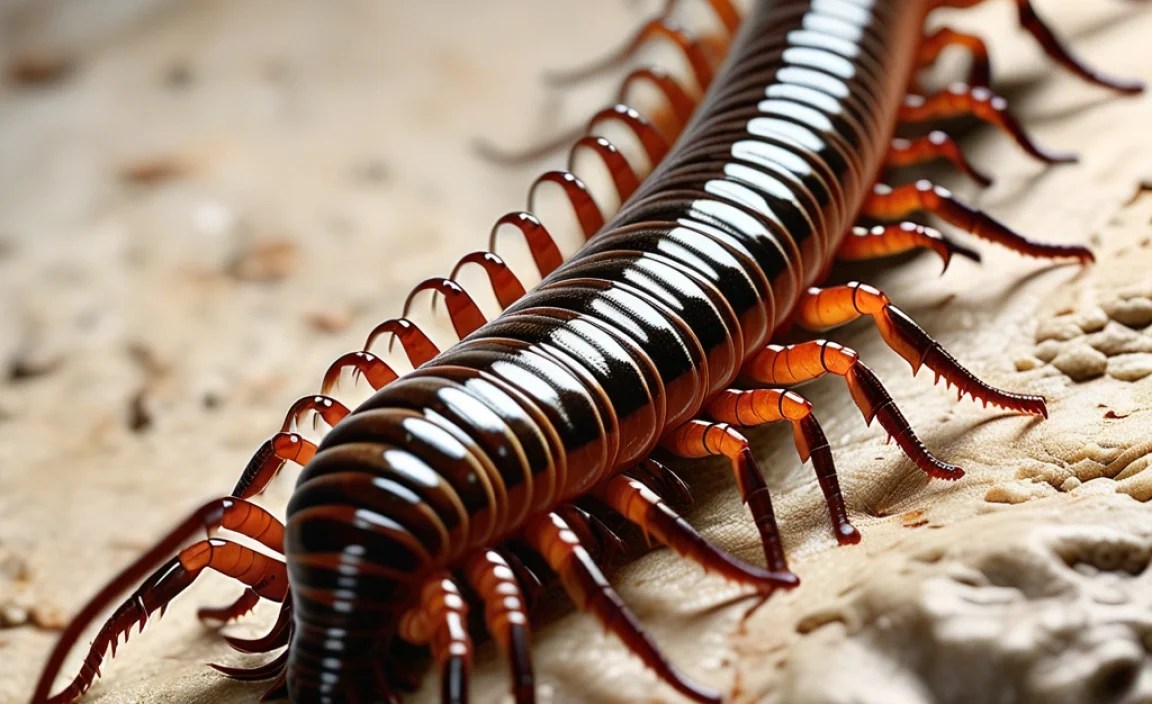
Species identification of centipedes is how we figure out what kind of centipede we’re looking at. It’s like being a detective for bugs! Centipedes come in many different shapes, sizes, and colors. Some are tiny and live in the soil. Others are big and can move very fast. To identify them, we need to look closely at their body parts. We count their legs, check their antennae, and see what color they are. Scientists use special tools and books to help them. But even you can learn to tell some centipedes apart. It takes practice and a good eye for detail. Understanding centipede species helps us know where they live and what they eat. It also tells us if they are harmful or helpful to us.
- Centipedes have one pair of legs on each body segment.
- Their antennae can be long or short.
- Some centipedes have bright colors.
- Others are brown or black.
- Centipedes like to live in dark, damp places.
Why is knowing about centipede *species identification of centipedes* important? Well, it helps us understand nature better! Centipedes play a role in the environment. They eat other bugs, which can help control pests. But some centipedes can bite, and their bite can hurt. If we know what kind of centipede it is, we can know if it’s dangerous. Scientists study centipedes to learn about their behavior and how they live. This knowledge helps us protect them and their habitats. So, next time you see a centipede, remember that it’s more than just a creepy crawler. It’s a part of our world, and understanding it matters.
Why Is Centipede Identification Important?
Have you ever wondered why scientists bother to identify different kinds of animals? Well, it’s because knowing what something *is* helps us understand *how* it lives. Think of it like this: if you know that a certain bird eats seeds, you know it will be found where there are seeds. Similarly, *species identification of centipedes* tells us about their role in the environment. Some centipedes eat small insects. Others might eat decaying leaves. By knowing the species, we can understand what they eat and where they live. This information is important for protecting their habitats. It also helps us understand how they interact with other animals and plants in their ecosystem.
What Tools Help Identify Centipedes?
Imagine you’re a detective trying to solve a mystery. What tools would you use? A magnifying glass, maybe? Scientists use special tools to help with *species identification of centipedes* too! They might use a microscope to see tiny details. They also use field guides, which are like books with pictures and descriptions of different species. Sometimes, they even use DNA analysis. This is like looking at the centipede’s genetic code to figure out exactly what it is. These tools help scientists be very precise in identifying centipedes. It’s like having a super-powered magnifying glass and a secret code book all in one!
Where Do Centipedes Usually Live?
Centipedes are like tiny adventurers, exploring all sorts of places. Where do you think they like to hang out? Well, most centipedes prefer dark and damp environments. Think under rocks, in piles of leaves, or inside rotting logs. These places provide them with shelter and food. Different species of centipedes can be found in different habitats. Some live in forests, while others live in deserts. Knowing where a centipede lives can help with *species identification of centipedes*. If you find a centipede in a particular location, it might narrow down the possibilities of what species it could be. It’s like knowing what neighborhood a person lives in to help you find them!
Fun Fact or Stat: There are over 8,000 different species of centipedes around the world!
Key Characteristics for Centipede Identification
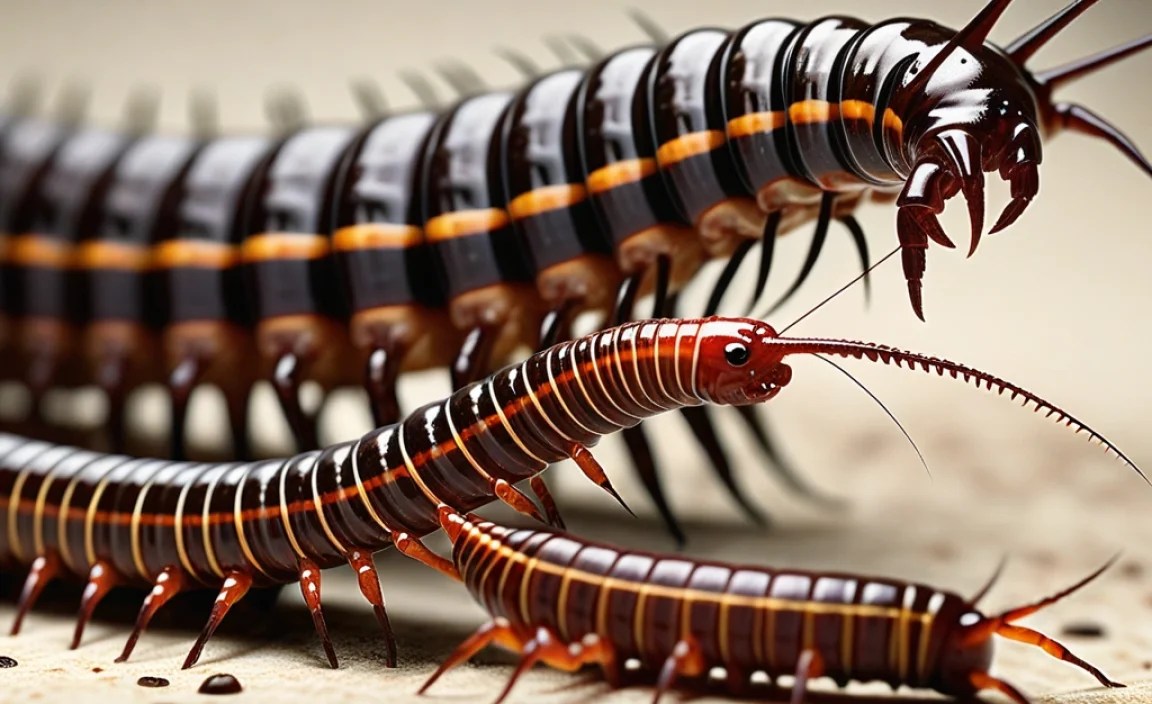
When you see a centipede, what do you notice first? Is it big or small? What color is it? These are important clues for *species identification of centipedes*. One of the main things to look at is the number of legs. Centipedes always have an odd number of leg pairs, but the exact number varies. The color and pattern on their body can also be helpful. Some have stripes or spots. Others are a solid color. The shape of their head and antennae can also be different. Some have long, thin antennae, while others have short, thick ones. By paying attention to these details, you can start to narrow down the possibilities and figure out what kind of centipede you’ve found.
- Count the number of leg pairs.
- Note the color of the body.
- Look for any patterns or markings.
- Observe the shape of the head.
- Check the length of the antennae.
- Consider the size of the centipede.
Imagine you are trying to describe a friend to someone who has never met them. You would probably talk about their height, hair color, and eye color. Similarly, when you want to do *species identification of centipedes*, you need to describe it using key characteristics. These characteristics act like clues that help you match the centipede to a specific species. Scientists use these clues to create detailed descriptions of each species. This helps them tell the difference between similar-looking centipedes. So, next time you see a centipede, try to notice as many details as possible. You might be surprised at how much you can learn about it!
How Many Legs Does a Centipede Have?
The name “centipede” means “hundred feet.” But do centipedes really have 100 legs? Not always! The number of legs can vary depending on the species. Centipedes always have an odd number of leg *pairs*, meaning the total number of legs is always even. Some species have as few as 15 pairs of legs (30 legs total). Others can have over 100 pairs (200+ legs total)! Counting the legs can be tricky because they move so fast. But it’s an important step in *species identification of centipedes*. So, take a deep breath and try to count those legs!
What Colors Do Centipedes Come In?
When you think of bugs, you might imagine them being brown or black. But centipedes can come in a variety of colors! Some are a bright orange or red. Others are a deep blue or green. The color of a centipede can be a clue to its species. For example, the house centipede is usually a yellowish-brown color with dark stripes on its legs. The desert centipede can be a bright blue color. The color of the centipede, combined with other features, helps in *species identification of centipedes*. So, keep an eye out for those colorful centipedes!
What Do Centipede Antennae Look Like?
Have you ever seen a centipede’s antennae? They are like tiny sensors that help the centipede explore its world. Antennae come in different shapes and sizes. Some centipedes have long, thin antennae that they use to feel around. Others have short, thick antennae that are covered in tiny hairs. The shape and size of the antennae can be helpful in *species identification of centipedes*. Scientists look closely at the antennae to help them figure out what kind of centipede they are looking at. So, next time you see a centipede, take a peek at its antennae!
Fun Fact or Stat: Centipedes use their antennae to smell, taste, and feel their surroundings.
Centipede Habitats and Species Identification

Where a centipede lives can give you clues about what species it is. Different centipede species prefer different habitats. Some like to live in damp, dark places like under rocks or in rotting wood. Others prefer drier environments like deserts. If you find a centipede in a specific habitat, you can narrow down the possibilities for *species identification of centipedes*. For example, if you find a centipede in your basement, it’s likely to be a house centipede. If you find one in the desert, it might be a desert centipede. So, pay attention to where you find the centipede to help you figure out what it is.
- Basements are common habitats for house centipedes.
- Deserts are home to desert centipedes.
- Forests provide shelter for many centipede species.
- Gardens offer hiding places for centipedes.
- Under rocks and logs are favorite spots.
Imagine you are trying to find a specific type of flower. Would you look for it in the middle of the ocean? Probably not! You would look in places where that type of flower is known to grow. Similarly, knowing the habitat of a centipede can help with *species identification of centipedes*. Certain centipede species are adapted to live in specific environments. Their bodies and behaviors are suited to those conditions. By understanding the habitats of different centipede species, you can make a more educated guess about what kind of centipede you have found. It’s like being a nature detective, using clues to solve a mystery!
How Do Centipedes Adapt to Their Habitats?
Have you ever wondered how animals survive in different environments? They adapt! Adaptation means changing to fit your surroundings. Centipedes have many adaptations that help them live in their specific habitats. For example, some desert centipedes have a waxy coating on their bodies to help them retain water. Centipedes that live in damp environments have special breathing tubes that allow them to get oxygen even in wet conditions. These adaptations are often specific to certain species, which aids in *species identification of centipedes*. So, next time you see a centipede, think about how it might be adapted to its home!
Do Centipedes Live in Water?
Centipedes are land-dwelling creatures. This means that they don’t live in water. They need air to breathe, and they are not adapted to swim. However, centipedes can sometimes be found in damp or wet environments, such as under rocks or in rotting logs. They might even wander into your basement if it’s damp. While they can survive in these environments, they don’t actually live in the water itself. So, if you’re looking for centipedes, don’t bother checking the swimming pool! Knowing that they are land-based helps with *species identification of centipedes* by excluding aquatic species.
What Is the Best Environment for Centipedes?
Centipedes thrive in environments that provide them with food, shelter, and moisture. The best environment for a centipede is typically a dark, damp place with plenty of hiding spots. This could be under a rock, in a pile of leaves, or inside a rotting log. These environments provide them with the humidity they need to stay alive. They also provide them with a source of food, such as insects and other small invertebrates. While the specific environment may vary depending on the species, most centipedes prefer these types of conditions. Therefore, habitat is an important consideration for *species identification of centipedes*.
Fun Fact or Stat: Some centipede species can survive for months without food!
Centipede Behavior and Species Identification
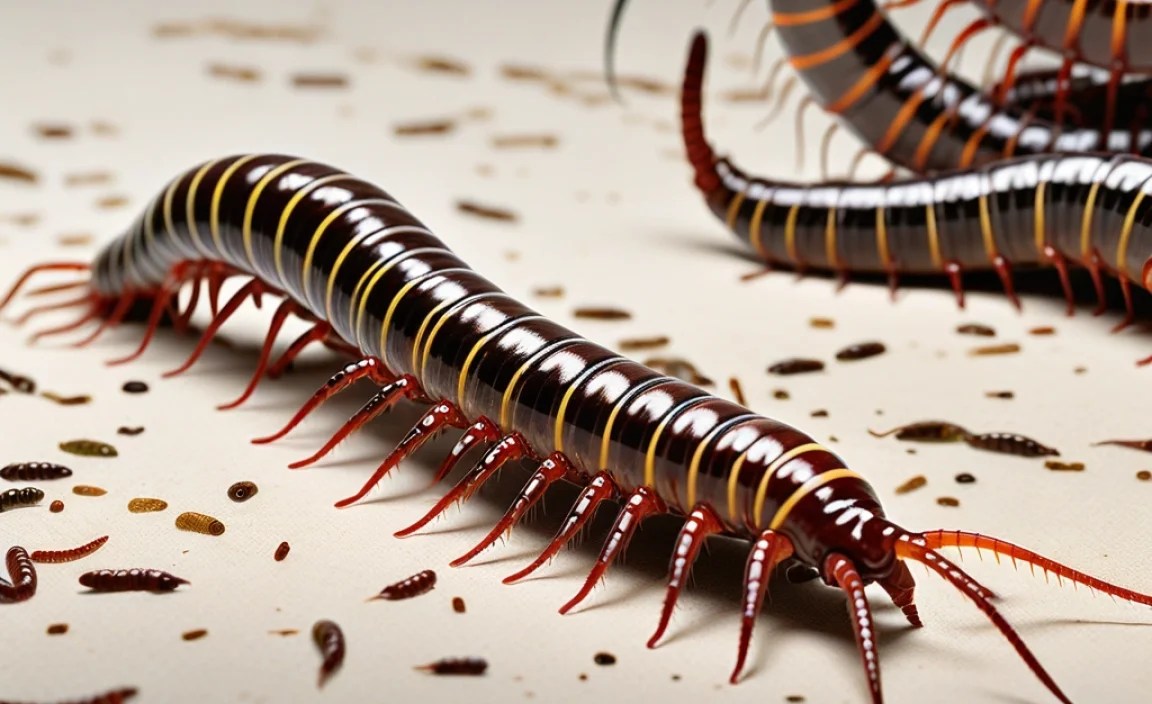
How a centipede acts can also help you figure out what kind it is. Some centipedes are fast and active, while others are slow and sluggish. Some are nocturnal, meaning they are active at night, while others are diurnal, meaning they are active during the day. Some centipedes are aggressive and will readily bite if disturbed, while others are more docile and will try to run away. Observing a centipede’s behavior can give you clues for *species identification of centipedes*. For example, if you see a very fast centipede running across your floor at night, it’s likely a house centipede.
| Behavior | House Centipede | Desert Centipede | Stone Centipede |
|---|---|---|---|
| Speed | Very Fast | Fast | Slow |
| Activity Time | Nocturnal | Nocturnal | Nocturnal |
| Aggressiveness | Docile | Aggressive | Docile |
| Preferred Habitat | Basements, Bathrooms | Deserts | Under Rocks, Logs |
Imagine you are watching a group of kids playing in a park. Some kids are running around and yelling, while others are quietly reading books under a tree. Their behavior tells you something about their personalities. Similarly, the behavior of a centipede can tell you something about its species. Different centipede species have different behaviors that are adapted to their lifestyles. These behaviors can include how they hunt, how they defend themselves, and how they interact with other centipedes. By observing these behaviors, you can gather valuable information for *species identification of centipedes*. It’s like watching a play and figuring out who the characters are based on their actions!
Are Centipedes Active During the Day or Night?
Most centipedes are nocturnal. This means that they are most active at night. They prefer to hunt and explore in the dark. This helps them avoid predators and stay cool. However, some centipede species are diurnal, meaning that they are active during the day. These species are often found in more shaded environments where they can stay cool and moist. Knowing whether a centipede is nocturnal or diurnal can help with *species identification of centipedes*. So, if you see a centipede scurrying around during the day, it might be a different species than one you see at night!
How Do Centipedes Defend Themselves?
Centipedes are predators, but they can also be prey. They have several ways to defend themselves from predators. Some centipedes can run very fast to escape danger. Others can bite, injecting venom into their attacker. Some centipedes can even release a foul-smelling liquid to deter predators. The specific defense mechanisms that a centipede uses can vary depending on the species. Therefore, observing these defense mechanisms can contribute to *species identification of centipedes*. It’s like seeing a superhero use their special powers to fight crime!
Do Centipedes Live Alone or in Groups?
Centipedes are generally solitary creatures. This means that they prefer to live alone. They don’t usually form groups or colonies like ants or bees. However, you might sometimes find multiple centipedes in the same area. This is usually because there is a good source of food or shelter. While they might be living in the same area, they are not necessarily interacting with each other. Knowing that centipedes are usually solitary can help with *species identification of centipedes*, as it rules out species that are known to be social.
Fun Fact or Stat: Some centipedes can live for up to 6 years!
Potential Dangers and Centipede Identification
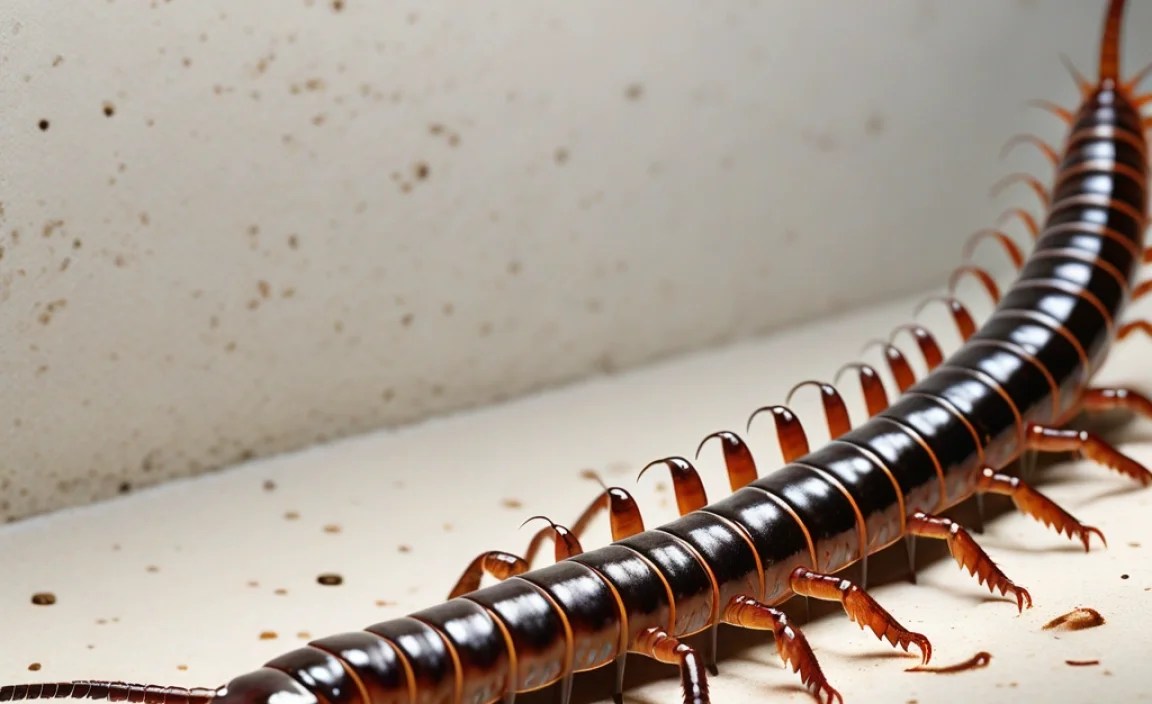
Some centipedes can bite, and their bite can be painful. Knowing the species of a centipede can help you determine if it is dangerous. Some centipede species have a mild venom that causes only localized pain and swelling. Others have a more potent venom that can cause more severe symptoms. If you are bitten by a centipede, it’s important to try to identify the species so you can determine if you need to seek medical attention. *Species identification of centipedes* is crucial for safety. Even if you don’t know the exact species, you can still get a general idea of the potential danger by looking at the size and color of the centipede. Larger, brightly colored centipedes are more likely to have a more potent venom.
- Some centipede bites are painful.
- Larger centipedes may have stronger venom.
- Brightly colored centipedes can be more dangerous.
- House centipedes are generally harmless.
- Seek medical attention for severe bites.
Imagine you are hiking in the woods and you come across a snake. Would you want to know if it’s poisonous? Of course! Knowing whether a snake is poisonous can help you take the necessary precautions to protect yourself. Similarly, knowing the species of a centipede can help you understand the potential dangers it poses. Some centipedes are harmless to humans, while others can deliver a painful bite. By understanding the different species and their potential dangers, you can be more prepared and avoid getting bitten. Therefore, *species identification of centipedes* is not just about knowing what something is, it’s also about staying safe!
Are All Centipede Bites Dangerous?
Not all centipede bites are dangerous! Most centipede bites are relatively harmless and only cause mild pain and swelling. However, some centipede species have a more potent venom that can cause more severe symptoms, such as nausea, vomiting, and muscle weakness. The severity of a centipede bite depends on the species of centipede, the amount of venom injected, and the individual’s sensitivity to the venom. *Species identification of centipedes* is crucial to determine if a bite requires medical attention. If you are bitten by a centipede and experience severe symptoms, it’s important to seek medical attention immediately.
What Should You Do If Bitten by a Centipede?
If you are bitten by a centipede, the first thing you should do is wash the bite area with soap and water. This will help to prevent infection. You can also apply a cold compress to the bite area to help reduce swelling and pain. If the pain is severe, you can take an over-the-counter pain reliever. In most cases, these simple measures are all that is needed to treat a centipede bite. However, if you experience severe symptoms, such as difficulty breathing, nausea, or vomiting, you should seek medical attention immediately. Remember, *species identification of centipedes* can help inform your decision on seeking medical help.
How Can You Avoid Centipede Bites?
The best way to avoid centipede bites is to be careful when working in areas where centipedes are likely to be found. This includes wearing gloves when gardening or working in the yard. You should also avoid walking barefoot in areas where centipedes might be present. If you see a centipede, don’t try to pick it up or handle it. Centipedes are more likely to bite if they feel threatened. By taking these simple precautions, you can reduce your risk of being bitten by a centipede. Also, knowing about *species identification of centipedes* can help you identify potentially dangerous ones and avoid them.
Fun Fact or Stat: Centipede venom contains chemicals that can paralyze their prey!
Resources for Centipede Species Identification
Want to learn more about *species identification of centipedes*? There are many great resources available! Field guides are books with pictures and descriptions of different centipede species. These guides can help you identify centipedes in your area. Websites and online forums can also be helpful. These resources often have pictures and information about different species. You can also ask experts for help. Entomologists (scientists who study insects) can help you identify centipedes and answer your questions. With a little research, you can become a centipede expert!
- Field guides provide pictures and descriptions.
- Websites offer information and images.
- Online forums allow you to ask questions.
- Entomologists can provide expert advice.
- Museums often have centipede collections.
Imagine you are trying to learn a new language. Would you try to do it all on your own? You might, but it would be much easier if you had a textbook, a dictionary, and a teacher to help you. Similarly, when you want to learn about *species identification of centipedes*, it’s helpful to have some resources to guide you. These resources can provide you with the information and tools you need to identify different species of centipedes. They can also connect you with experts who can answer your questions and help you learn more. So, don’t be afraid to seek out resources and start your centipede identification journey!
Where Can You Find Field Guides for Centipedes?
Field guides are a great resource for *species identification of centipedes*. You can find field guides for centipedes at many different places. Bookstores often carry field guides for insects and other invertebrates. You can also find field guides online at websites like Amazon or eBay. Some museums and nature centers also sell field guides in their gift shops. When choosing a field guide, make sure it covers the region where you live. This will ensure that the guide includes the centipede species that are found in your area. With a good field guide, you’ll be well on your way to becoming a centipede expert!
Are There Websites Dedicated to Centipede Identification?
Yes, there are websites dedicated to centipede identification! These websites can be a valuable resource for learning about different centipede species. Some websites provide information about the characteristics, habitats, and behaviors of different centipedes. Others have pictures and videos that can help you identify centipedes. Some websites even have forums where you can ask questions and get help from experts. A quick search online can lead you to valuable resources for *species identification of centipedes*.
How Can You Contact an Entomologist for Help?
Entomologists are scientists who study insects. They can be a great resource for *species identification of centipedes*. If you need help identifying a centipede, you can try contacting an entomologist at a local university or museum. Many universities have entomology departments that conduct research on insects. You can also try contacting a local pest control company. Pest control companies often have entomologists on staff who can help identify insects and other pests. To find an entomologist, you can search online for “entomologist near me” or contact your local university or museum.
Fun Fact or Stat: The scientific study of insects is called entomology.
Summary
Centipedes are fascinating creatures with many different species. *Species identification of centipedes* involves looking at their physical characteristics, such as the number of legs, color, and size. It also involves considering their habitat and behavior. Centipedes can be found in a variety of environments, from basements to deserts. Most centipedes are nocturnal and solitary. While some centipede bites can be painful, most are not dangerous. Learning about centipedes can help you appreciate these amazing creatures and stay safe. There are many resources available to help you learn more about centipede identification, including field guides, websites, and experts.
Conclusion
Identifying centipede species can be a fun and educational activity. By looking closely at their physical characteristics, habitat, and behavior, you can learn to tell different species apart. Knowing the species can also help you understand the potential dangers and take appropriate precautions. While *species identification of centipedes* might seem difficult at first, with practice and the help of available resources, you can become a centipede expert. So, next time you see a centipede, take a closer look and see if you can figure out what kind it is!
Frequently Asked Questions
Question No 1: What is the best way to identify a centipede?
Answer: The best way to identify a centipede is to look at its physical characteristics. Pay attention to the number of legs, the color of the body, and any markings or patterns. Also, consider the habitat where you found the centipede. Was it in your basement, in the desert, or under a rock? Observing its behavior can also provide clues. Is it fast or slow? Does it run away or try to bite? By combining these observations, you can narrow down the possibilities and figure out what kind of centipede it is. Remember that *species identification of centipedes* sometimes requires a combination of clues!
Question No 2: Are house centipedes dangerous?
Answer: House centipedes are generally not considered dangerous to humans. They can bite, but their bite is usually mild and only causes localized pain and swelling. House centipedes are actually beneficial because they eat other insects and pests that might be in your home. They are fast runners and can be a bit creepy to look at, but they are not aggressive and will usually try to run away if disturbed. So, if you see a house centipede in your home, don’t be alarmed. They are more likely to help you than to harm you. Knowing that they are not dangerous is part of *species identification of centipedes* and can ease your mind.
Question No 3: Do all centipedes have 100 legs?
Answer: No, not all centipedes have 100 legs! The name “centipede” means “hundred feet,” but the actual number of legs varies depending on the species. Centipedes always have an odd number of leg pairs, meaning the total number of legs is always even. Some species have as few as 15 pairs of legs (30 legs total), while others can have over 100 pairs (200+ legs total)! So, the number of legs is an important characteristic to consider when doing *species identification of centipedes*, but don’t expect them all to have exactly 100 legs!
Question No 4: Where do centipedes usually live?
Answer: Centipedes can live in a variety of habitats, depending on the species. They generally prefer dark, damp places where they can find food and shelter. Common habitats for centipedes include under rocks, in piles of leaves, inside rotting logs, and in basements or crawl spaces. Some species are adapted to live in drier environments, such as deserts. Others prefer forests or gardens. The habitat where you find a centipede can be a clue to its species. So, pay attention to the environment when you are trying to do *species identification of centipedes*.
Question No 5: How can I keep centipedes out of my house?
Answer: To keep centipedes out of your house, you need to eliminate their food source and hiding places. Seal any cracks or holes in your foundation and around pipes. Keep your basement and crawl space dry. Remove piles of leaves, rocks, and wood from around your house. Use a dehumidifier to reduce moisture in damp areas. You can also use insecticides to control centipedes, but be sure to follow the instructions carefully. By taking these steps, you can make your home less attractive to centipedes and reduce the chances of finding them inside. But remember, proper *species identification of centipedes* can help you determine if they are even a threat in the first place!
Question No 6: What do centipedes eat?
Answer: Centipedes are predators, which means that they eat other animals. Their diet consists mainly of insects, spiders, and other small invertebrates. They use their venomous fangs to paralyze their prey before eating them. Centipedes are beneficial in the garden because they help to control pests. They also play an important role in the ecosystem by helping to break down organic matter. Different species may have slightly different diets depending on their size and habitat. Understanding their diet is important for scientists studying *species identification of centipedes* and their role in the environment.


