
Species Identification Through DNA Barcoding: Easy Guide

Have you ever wondered what makes a ladybug a ladybug? Or how scientists tell different kinds of fish apart? It’s not always easy to tell just by looking! That’s where species identification through DNA barcoding comes in. It’s like a secret code that helps us figure out what living things really are.
Imagine you find a tiny bug. You want to know its name. You can use species identification through DNA barcoding. Scientists use a small piece of the bug’s DNA. This DNA acts like a barcode. They compare it to known barcodes. Then, they can identify the bug. It’s like magic, but it’s science!
So, how does this work? All living things have DNA. DNA is like a set of instructions. These instructions tell the body how to grow. A tiny part of this DNA is unique. It’s like a special tag. This tag is used in species identification through DNA barcoding. It helps scientists identify different species. It’s a very helpful tool for understanding our world.
Key Takeaways
- Species identification through DNA barcoding quickly identifies organisms using a small DNA snippet.
- It helps protect endangered species by accurately tracking and monitoring their populations.
- DNA barcoding aids in discovering new species that look similar to known ones.
- Scientists use DNA barcodes to study biodiversity and understand ecosystems better.
- This technology improves food safety by identifying contaminated or mislabeled products.
Using DNA Barcodes for Identification
Species identification through DNA barcoding is a powerful tool. It helps scientists identify different kinds of living things. This works by looking at a small piece of DNA. Think of DNA as a long instruction book. It tells a living thing how to grow and work. Scientists use a special part of this book. This part is like a barcode. Each species has its own unique barcode. When scientists find a new plant or animal, they can read its DNA barcode. Then, they compare it to a library of known barcodes. This helps them figure out what species it is. This method is faster and more accurate. It’s especially useful when things look very similar!
- DNA barcoding is faster than traditional methods.
- It is very accurate for identifying species.
- Scientists use DNA barcodes to create large libraries.
- The process is useful for identifying small or damaged samples.
- DNA barcoding can help discover new species.
DNA barcoding has many uses. It can help us protect endangered species. We can track where they live and how many there are. It can also help us understand how different species are related to each other. Imagine you are a detective. You find a piece of evidence. This evidence is a tiny bit of DNA. You can use DNA barcoding to solve the mystery. You can figure out what animal or plant it came from. This helps us learn more about the world around us. It helps us protect our planet’s amazing variety of life.
Fun Fact or Stat: The Consortium for the Barcode of Life (CBOL) has created a vast library of DNA barcodes, containing millions of records from various species around the world!
How DNA Barcodes Are Created
How do scientists create these DNA barcodes? It starts with a sample. This could be a leaf, a feather, or a tiny piece of an insect. Scientists extract the DNA from the sample. Then, they focus on a specific region of the DNA. This region is like the barcode. They use a special machine to read the DNA sequence. The sequence is like a code made up of letters. These letters are A, T, C, and G. The machine tells them the order of these letters. This order is the unique barcode for that species. Scientists then add this barcode to a big database. This database is like a library of DNA barcodes. Now, anyone can compare a new sample to this library.
What Makes a Good DNA Barcode?
What makes a good DNA barcode? It needs to be different for each species. This helps scientists tell them apart. It also needs to be similar within the same species. This ensures that all members of a species have the same barcode. The barcode region should be easy to amplify. This means scientists can make many copies of it. They need many copies to read the sequence accurately. A good barcode region is also short. Short sequences are easier and cheaper to read. Scientists carefully choose the best DNA region to use as a barcode. This ensures that species identification through DNA barcoding is accurate and reliable.
The Importance of DNA Barcode Libraries
Why are DNA barcode libraries so important? Imagine you have a new puzzle piece. You don’t know where it goes. A DNA barcode library is like having the picture on the puzzle box. It helps you figure out where the new piece fits. In this case, the new piece is a DNA barcode from an unknown species. The library contains barcodes from known species. By comparing the new barcode to the library, you can identify the species. These libraries are growing all the time. As we add more barcodes, it becomes easier to identify more species. This helps us understand the world around us. It also helps us protect our planet’s biodiversity. It makes species identification through DNA barcoding more powerful.
Applications of DNA Barcoding in Ecology

Species identification through DNA barcoding isn’t just a lab tool. It has real-world applications in ecology. Ecology is the study of how living things interact with each other. It also studies how they interact with their environment. DNA barcoding can help ecologists understand these interactions better. For example, scientists can use DNA barcoding to study food webs. A food web shows who eats whom in an ecosystem. By analyzing the DNA in an animal’s stomach, scientists can see what it ate. This helps them understand the food web. DNA barcoding can also help track the spread of invasive species. These are species that don’t belong in an ecosystem. They can cause harm to native plants and animals. By identifying them early, we can stop them from spreading.
- DNA barcoding helps study food webs.
- It tracks the spread of invasive species.
- It assesses biodiversity in different ecosystems.
- DNA barcoding aids in conservation efforts.
- It monitors the health of ecosystems over time.
- It helps understand species distribution.
Imagine you are a park ranger. You want to know what kinds of trees grow in your park. You can use DNA barcoding to identify them. It can also help you find rare or endangered plants. This information helps you protect them. Or imagine you are a wildlife biologist. You want to know what animals live in a forest. You can collect samples of their droppings. Then, use DNA barcoding to identify the species. This helps you understand the animal populations. You can also track their movements. DNA barcoding is a valuable tool for understanding and protecting our natural world. It improves the accuracy of species identification through DNA barcoding.
Fun Fact or Stat: DNA barcoding has been used to identify the contents of herbal medicines, helping to prevent the sale of fake or harmful products!
Studying Plant-Insect Interactions
Plants and insects have a close relationship. Some insects help plants by pollinating them. Others eat plants. DNA barcoding helps scientists study these interactions. They can identify which insects are eating which plants. This helps them understand how these relationships affect the ecosystem. For example, if a certain insect is eating a rare plant, scientists can take steps to protect the plant. They can also study how climate change affects these interactions. As the climate changes, some insects may start eating different plants. DNA barcoding helps us track these changes and understand their impact.
Assessing Water Quality with DNA Barcoding
Water quality is important for the health of ecosystems and humans. DNA barcoding can help assess water quality. Scientists can collect water samples and analyze the DNA in them. This helps them identify the different kinds of algae, bacteria, and other organisms living in the water. Some of these organisms are sensitive to pollution. If they are not present, it could be a sign that the water is polluted. DNA barcoding can provide a quick and accurate way to assess water quality. It can also help track the source of pollution.
Monitoring Endangered Species Populations
Many species are endangered. This means they are at risk of extinction. It’s important to monitor their populations. DNA barcoding can help. Scientists can collect DNA samples from these species. Then, they can track their movements and identify different populations. This helps them understand how the species is doing. It also helps them develop conservation plans. For example, if a species is declining in a certain area, scientists can take steps to protect its habitat. DNA barcoding is a valuable tool for protecting endangered species and improving species identification through DNA barcoding.
DNA Barcoding in Food Safety
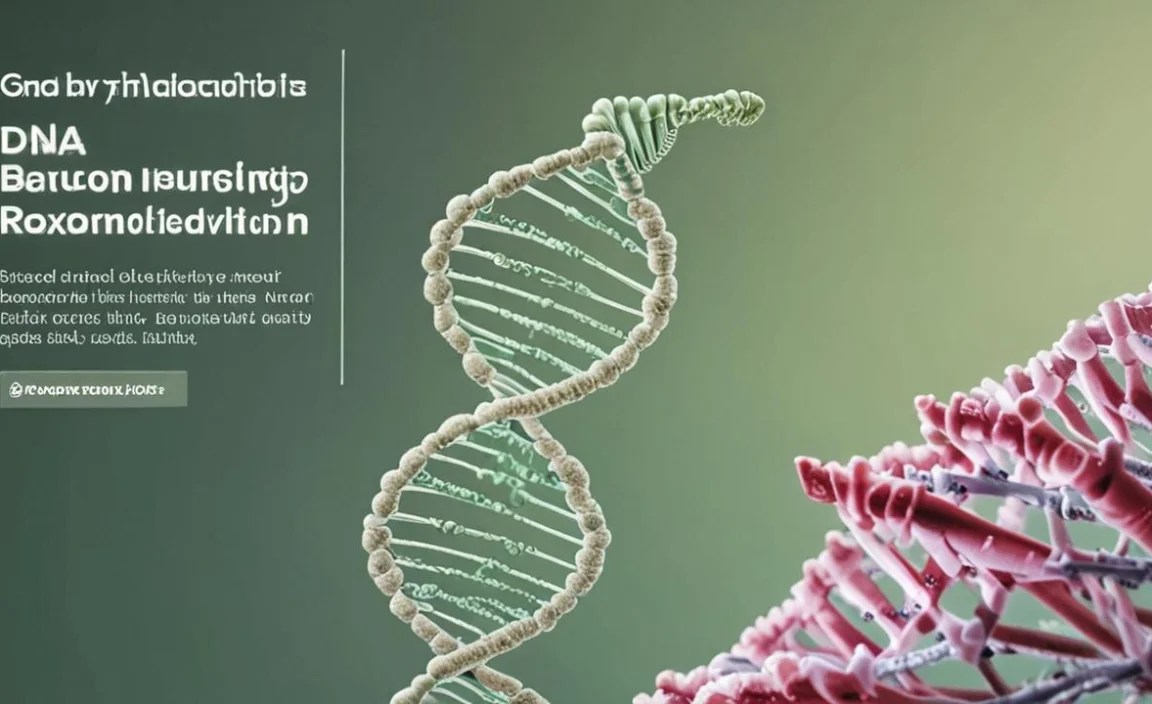
Have you ever wondered if the fish you are eating is really what the label says? Species identification through DNA barcoding can help! It can be used to check if food is labeled correctly. This is important for food safety. Sometimes, cheaper kinds of fish are sold as more expensive ones. This is called food fraud. DNA barcoding can detect this fraud. It can also identify contaminated food. For example, if there is a bacteria outbreak, DNA barcoding can help find the source. This helps prevent people from getting sick. It also helps companies make sure their products are safe.
| Application | Description | Benefit |
|---|---|---|
| Seafood Identification | Verifying the species of fish sold in markets. | Prevents food fraud and ensures accurate labeling. |
| Herbal Medicine Authentication | Identifying the plant species in herbal products. | Protects consumers from harmful or ineffective ingredients. |
| Meat Product Tracing | Confirming the animal species used in meat products. | Helps ensure food safety and prevents misrepresentation. |
| Produce Origin Verification | Determining the geographic origin of fruits and vegetables. | Supports traceability and helps ensure quality standards. |
- DNA barcoding helps identify mislabeled seafood.
- It can detect contaminants in food products.
- This technology ensures accurate food labeling.
- It helps trace the origin of food items.
- DNA barcoding improves food safety standards.
- It protects consumers from food fraud.
Imagine you are buying a bottle of olive oil. You want to make sure it’s real olive oil. DNA barcoding can help. Scientists can analyze the DNA in the oil. This helps them confirm that it came from olives. Or imagine you are buying a package of herbs. You want to make sure they are the right herbs. DNA barcoding can identify the plant species. This ensures that you are getting what you paid for. It also protects you from harmful ingredients. DNA barcoding is a valuable tool for ensuring food safety and quality. It enhances species identification through DNA barcoding in everyday products.
Fun Fact or Stat: Studies have shown that up to 30% of seafood is mislabeled worldwide, highlighting the need for DNA barcoding to ensure accurate labeling!
Detecting Foodborne Pathogens
Foodborne pathogens are bacteria, viruses, and parasites that can cause illness. They can contaminate food and make people sick. DNA barcoding can help detect these pathogens. Scientists can analyze food samples and identify any harmful organisms. This helps them prevent outbreaks of foodborne illness. It also helps them trace the source of the contamination. This allows them to take steps to prevent it from happening again. DNA barcoding is a valuable tool for protecting public health.
Verifying the Authenticity of Herbal Supplements
Herbal supplements are popular. People use them to improve their health. However, some herbal supplements are not what they claim to be. They may contain the wrong ingredients or harmful contaminants. DNA barcoding can help verify the authenticity of herbal supplements. Scientists can analyze the DNA in the supplement and identify the plant species. This helps ensure that consumers are getting what they paid for. It also protects them from harmful ingredients. Species identification through DNA barcoding is very important.
Combating Food Fraud in the Supply Chain
Food fraud is a big problem. It costs companies and consumers a lot of money. It can also be dangerous. DNA barcoding can help combat food fraud. It can be used to track food products throughout the supply chain. This helps ensure that they are not being tampered with. It also helps identify the source of fraud. This allows companies to take steps to prevent it from happening again. DNA barcoding is a valuable tool for protecting the integrity of the food supply.
Benefits of DNA Barcoding Over Traditional Methods

Traditional methods of species identification through DNA barcoding rely on looking at physical features. This can be difficult. Especially when species look very similar. It can also be time-consuming. DNA barcoding offers several advantages. It is faster and more accurate. It can be used to identify small or damaged samples. It can also be used to identify different life stages of the same species. For example, it can identify a caterpillar even if you don’t know what kind of butterfly it will become. DNA barcoding is a powerful tool for understanding biodiversity.
- DNA barcoding is faster than traditional methods.
- It is more accurate for identifying species.
- It can identify small or damaged samples.
- DNA barcoding works for all life stages.
- It reduces reliance on expert knowledge.
- It can reveal cryptic species.
Imagine you are trying to identify a plant. You only have a small piece of a leaf. Traditional methods might not work. But with DNA barcoding, you can still identify the plant. Or imagine you are trying to identify a fish. It’s a baby fish and it looks different from the adult. DNA barcoding can still identify the fish. It’s a reliable tool for identifying species. It doesn’t matter how old or damaged the sample is. This makes it a valuable tool for scientists and conservationists. It greatly improves the efficacy of species identification through DNA barcoding.
Fun Fact or Stat: DNA barcoding can identify species even from highly processed food items, such as canned goods or processed meats!
Speed and Efficiency
One of the biggest advantages of DNA barcoding is its speed. Traditional methods can take a long time. You might need to consult with experts. You might need to compare samples to reference collections. DNA barcoding can be done much faster. You can send a sample to a lab. They can analyze the DNA and identify the species. This can be done in a matter of days. This is especially important when you need to identify a species quickly. For example, if there is a disease outbreak, you need to identify the cause quickly. DNA barcoding can help.
Accuracy and Reliability
DNA barcoding is also very accurate. Traditional methods rely on human observation. This can be subjective. Different people might identify the same species differently. DNA barcoding is based on DNA sequences. This is objective. It doesn’t depend on human opinion. This makes it a more reliable method. It also reduces the chance of errors. You can be confident that the identification is correct. This is important for scientific research and conservation efforts. Accurate species identification through DNA barcoding is vital.
Applicability to All Life Stages
Traditional methods can be difficult to use on certain life stages. For example, it can be hard to identify larvae or juveniles. They may look very different from the adults. DNA barcoding can be used on all life stages. The DNA sequence is the same, regardless of the age of the organism. This makes it a valuable tool for studying the life cycles of different species. It also helps identify species that are difficult to identify using traditional methods.
Challenges and Limitations of DNA Barcoding
While species identification through DNA barcoding is powerful, it has challenges. One challenge is incomplete DNA barcode libraries. We don’t have barcodes for every species yet. This means that sometimes, we can’t identify a species. Another challenge is hybridization. This is when two different species breed together. Their offspring have a mix of DNA from both parents. This can make it hard to identify them using DNA barcoding. Also, some species have very similar DNA barcodes. This can make it difficult to tell them apart. Scientists are working to overcome these challenges. They are building more complete barcode libraries. They are also developing new methods to deal with hybridization and closely related species.
- Incomplete DNA barcode libraries are a limitation.
- Hybridization can complicate identification.
- Closely related species may have similar barcodes.
- Barcoding requires specialized equipment and expertise.
- The choice of barcode region can affect accuracy.
- Some species show variation within the barcode region.
Imagine you are trying to identify a bird. You take a DNA sample. But, the barcode for that bird isn’t in the library. You won’t be able to identify it using DNA barcoding. Or imagine you are trying to identify a plant. It’s a hybrid. It has DNA from two different plants. The barcode might not match either parent. This can make it hard to identify. Scientists are working hard to improve DNA barcoding. They want to make it more accurate. They want to make it more useful. Overcoming these limitations will enhance species identification through DNA barcoding.
Fun Fact or Stat: Some species, particularly plants, have shown significant variation in their DNA barcode regions, making identification more challenging!
Incomplete DNA Barcode Libraries
One of the biggest limitations is that we don’t have barcodes for every species. Scientists are working hard to build complete libraries. But it takes time. There are millions of species on Earth. It will take many years to barcode them all. In the meantime, we may not be able to identify some species using DNA barcoding. This is especially true for rare or poorly studied species. We need more research and funding to build complete DNA barcode libraries. This will make DNA barcoding a more powerful tool.
Challenges with Hybridization
Hybridization is when two different species breed together. This can create a problem for DNA barcoding. The offspring will have a mix of DNA from both parents. The barcode might not match either parent. This can make it hard to identify the hybrid. Scientists are developing new methods to deal with this problem. One method is to use multiple barcodes. This can help identify the different parts of the hybrid’s DNA. Another method is to use more sophisticated analysis techniques. This can help distinguish hybrids from their parent species.
Distinguishing Closely Related Species
Some species are very closely related. They may have very similar DNA barcodes. This can make it difficult to tell them apart. Scientists are working to find barcode regions that are more variable. This means that they differ more between closely related species. They are also using more sophisticated analysis techniques. This can help distinguish closely related species. It’s important to be able to tell these species apart. They may have different ecological roles. They may also respond differently to environmental changes. Improving species identification through DNA barcoding continues.
The Future of Species Identification
The future of species identification through DNA barcoding is bright. As technology improves, it will become even faster and cheaper. We will be able to barcode more species. We will also be able to use DNA barcoding in more ways. For example, we might be able to use it to monitor biodiversity in real-time. We could set up sensors that automatically collect DNA samples. These sensors could analyze the DNA and identify the species present. This would give us a constant stream of information about the health of ecosystems. We might also be able to use DNA barcoding to personalize medicine. We could analyze a person’s DNA and identify the best treatment for their illness.
- DNA barcoding will become faster and cheaper.
- Real-time biodiversity monitoring will be possible.
- Personalized medicine may use DNA barcoding.
- Citizen science projects can expand barcoding efforts.
- New applications in forensics and agriculture will emerge.
- International collaborations will enhance barcode libraries.
Imagine you are a doctor. You have a patient with a mysterious illness. You can use DNA barcoding to analyze their blood. You can identify any pathogens that are causing the illness. This helps you choose the right treatment. Or imagine you are a farmer. You can use DNA barcoding to monitor your crops. You can identify any pests or diseases that are affecting them. This helps you take action quickly to protect your crops. DNA barcoding has the potential to transform many fields. Further development will enhance species identification through DNA barcoding.
Fun Fact or Stat: Researchers are exploring the use of DNA barcoding to identify the origin of timber, helping to combat illegal logging and deforestation!
Advancements in Sequencing Technology
Sequencing technology is getting better all the time. It’s becoming faster and cheaper to read DNA sequences. This makes DNA barcoding more accessible. More scientists can use it. It also makes it possible to analyze more samples. This helps us build more complete DNA barcode libraries. New sequencing technologies are also being developed. These technologies can read longer DNA sequences. This can help us identify species more accurately. It can also help us study more complex genetic relationships.
Expanding DNA Barcode Libraries Globally
It’s important to expand DNA barcode libraries globally. We need barcodes for species from all over the world. This requires international collaboration. Scientists from different countries need to work together. They need to share data and expertise. This will help us build a comprehensive picture of biodiversity on Earth. It will also help us protect endangered species. By working together, we can make DNA barcoding a truly global tool.
Applications in Personalized Medicine
DNA barcoding has potential applications in personalized medicine. We can analyze a person’s DNA and identify the best treatment for their illness. For example, some people respond differently to certain drugs. This is because they have different versions of certain genes. We can use DNA barcoding to identify these genes. This helps us choose the right drug for each person. This is called personalized medicine. It has the potential to improve the health of millions of people. The future is bright for species identification through DNA barcoding.
Summary
Species identification through DNA barcoding is a powerful tool. It helps scientists identify different kinds of living things. It works by analyzing a small piece of DNA. This DNA acts like a barcode. Scientists compare it to known barcodes in a library. This helps them figure out what species it is. DNA barcoding is faster and more accurate than traditional methods. It has many uses. It can help protect endangered species. It can also help ensure food safety. It can even help personalize medicine.
While DNA barcoding has some limitations, scientists are working to overcome them. They are building more complete barcode libraries. They are also developing new methods to deal with hybridization and closely related species. The future of DNA barcoding is bright. As technology improves, it will become even more powerful. It will help us understand and protect the world around us. It makes species identification through DNA barcoding more reliable.
Conclusion
Species identification through DNA barcoding is a game-changer. It lets us quickly and accurately identify living things. Scientists use it to study the world around us. This technology helps protect endangered species. It improves food safety. It even has potential in medicine. As the technology gets better, it will become even more useful. It helps us understand and protect the amazing variety of life on our planet. It’s a valuable tool for scientists and everyone who cares about the environment.
Frequently Asked Questions
Question No 1: What exactly is species identification through DNA barcoding?
Answer: Species identification through DNA barcoding is a way to identify different kinds of living things. It uses a small piece of their DNA, like a barcode. Scientists compare this barcode to a library of known barcodes. This helps them figure out what species the living thing belongs to. It’s like scanning a product at the store to see what it is. But instead of a product, it’s a plant or animal!
Question No 2: How is DNA barcoding different from traditional identification methods?
Answer: Traditional methods often rely on looking at physical features. This can be tricky if two species look very similar. It can also take a long time and need special knowledge. Species identification through DNA barcoding is faster and more accurate. It uses DNA, which is like a unique code for each species. It can be used on small or damaged samples, too. This makes it more reliable and easier to use in many situations.
Question No 3: What are some real-world uses for DNA barcoding?
Answer: DNA barcoding has many uses! It can help protect endangered species by tracking their populations. It can also help ensure food safety by identifying mislabeled seafood. Scientists use it to study ecosystems and learn about how different species interact. It can even be used to identify the ingredients in herbal medicines. This protects people from harmful or fake products. The applications of species identification through DNA barcoding are wide.
Question No 4: Is DNA barcoding always accurate?
Answer: DNA barcoding is generally very accurate. However, it’s not perfect. Sometimes, species have very similar DNA barcodes. This can make it hard to tell them apart. Also, we don’t have barcodes for every species yet. This means that sometimes we can’t identify a species using DNA barcoding. Scientists are working to improve the accuracy and completeness of DNA barcode libraries. They strive for better species identification through DNA barcoding.
Question No 5: Can anyone use DNA barcoding?
Answer: DNA barcoding requires specialized equipment and knowledge. It is usually done by scientists in labs. However, there are also citizen science projects that involve the public in collecting samples. These samples are then analyzed by experts. As the technology becomes more accessible, it may become easier for more people to use DNA barcoding. This will allow more people to participate in species identification through DNA barcoding.
Question No 6: What is the future of DNA barcoding?
Answer: The future of DNA barcoding is very exciting. As technology improves, it will become faster and cheaper. This will make it possible to barcode more species. Scientists will be able to use it to monitor biodiversity in real-time. It may even be used in personalized medicine. New applications in forensics and agriculture are also emerging. With advances in technology and increased collaboration, species identification through DNA barcoding will become even more powerful.


