
Blue Morpho Content Pillar: The Ultimate Guide

Have you ever seen a butterfly that shines like a jewel? Imagine a flash of bright blue in the rainforest. This is the Blue Morpho. It is more than just a pretty insect. The Blue Morpho shows us amazing things about nature. What makes this butterfly so special? Let’s explore the world of the Blue Morpho content pillar.
These butterflies are truly amazing. Their wings look like they are made of metal. They live in the rainforests of Central and South America. People love to watch them flutter by. But there is so much more to learn about them. Are you ready to discover the secrets of the Blue Morpho?
The Blue Morpho is a symbol of beauty. It also shows us how nature adapts. We can learn about science and the environment. Learning about the Blue Morpho is a fun adventure. Let’s dive into the fascinating life of this blue beauty. We will uncover why the Blue Morpho content pillar is so important.
Key Takeaways
- Blue Morpho butterflies are known for their bright, metallic blue wings.
- They live in the rainforests of Central and South America.
- Their shimmering color comes from the structure of their wing scales.
- Blue Morphos eat sap, fruit, and fungi, using a long proboscis.
- Understanding the Blue Morpho content pillar helps us appreciate nature’s beauty.
Amazing Blue Morpho Butterfly Facts
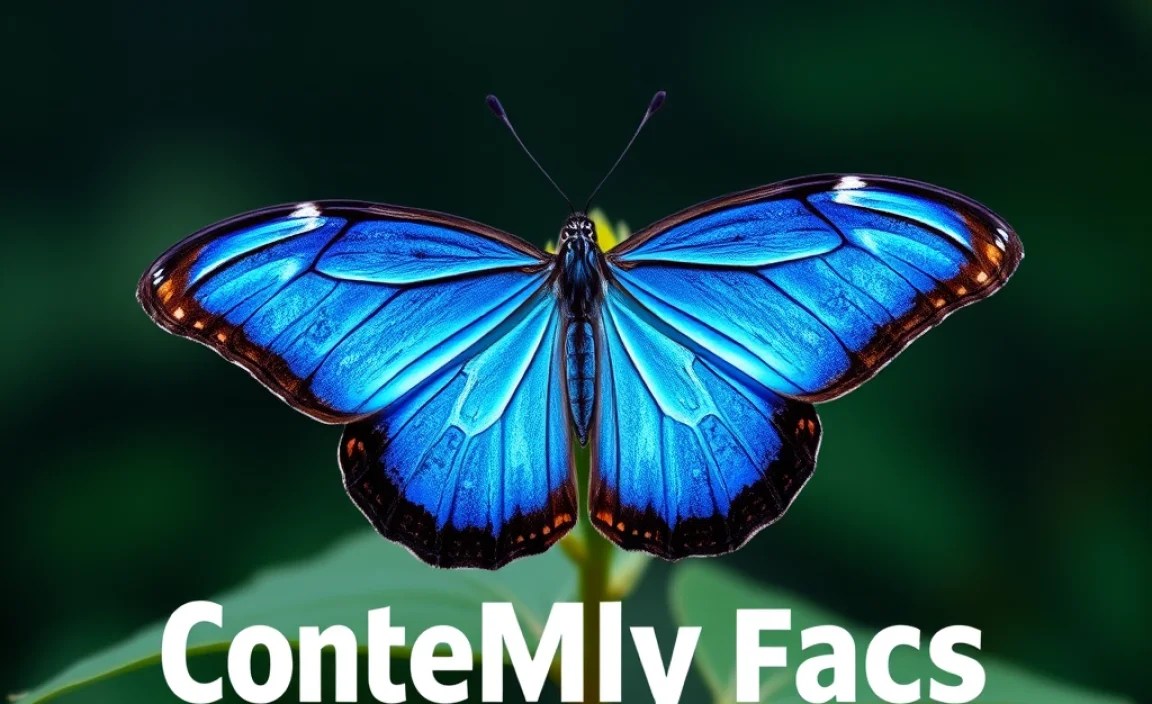
The Blue Morpho is famous for its shiny blue wings. But did you know the blue is not from pigment? It comes from the way light bounces off tiny scales on their wings. This is called structural coloration. The scales are shaped like tiny Christmas trees. These shapes reflect blue light. Other colors get canceled out. This makes the butterfly look like it is glowing. Scientists study this to make new materials. They want to copy the butterfly’s amazing trick. The Blue Morpho is a true marvel of nature. These butterflies show how complex and beautiful nature is. The secret of their blue color makes them special.
- The blue color is structural, not pigment-based.
- Tiny scales on the wings reflect blue light.
- Males are usually brighter than females.
- The underside of the wings is brown with eyespots.
- Eyespots help to scare away predators.
Blue Morphos are not just pretty. They also have interesting behaviors. They often fly high in the rainforest canopy. They like to bask in the sun. Males are very territorial. They will chase away other males. The butterflies drink sap from trees. They also eat rotting fruit. They use a long straw-like tongue called a proboscis. The Blue Morpho plays a role in its ecosystem. It helps pollinate plants. It is also food for other animals. These amazing butterflies are important to the rainforest. They show us how everything in nature is connected. The lifecycle of the Blue Morpho is a testament to the wonders of nature.
Fun Fact or Stat: The Blue Morpho’s wingspan can reach up to 8 inches, making it one of the largest butterflies in the world!
What Do Blue Morphos Eat?
Have you ever wondered what a Blue Morpho eats? These butterflies do not sip nectar from flowers like many others. Instead, they have a different diet. They like to eat rotting fruit. The juice from the fruit gives them energy. They also drink sap from trees. Sometimes, they even eat fungi. They use their long proboscis to suck up the liquids. The proboscis is like a straw. It uncoils and reaches into the fruit or sap. When they are not eating, they coil it back up. This keeps it safe and clean. The Blue Morpho’s diet is very important. It helps them survive in the rainforest. What a unique way to get food!
How Do Blue Morphos Defend Themselves?
Imagine being a small, bright butterfly in a big rainforest. Predators would love to eat you! So, how does the Blue Morpho protect itself? The bright blue color can actually help. When they fly, the blue flashes. This can confuse predators. When they land, they fold their wings. This hides the blue. The underside of their wings is brown with eyespots. These spots look like eyes. They can scare away predators. The Blue Morpho also flies quickly. It can dodge birds and other hunters. These butterflies have many ways to stay safe. It’s amazing how they survive in such a dangerous place. What clever ways to stay safe!
Where Do Blue Morphos Live?
Do you know where to find a Blue Morpho? These butterflies live in rainforests. They are found in Central and South America. Countries like Brazil and Costa Rica have many of them. They like warm, humid places. They fly high in the trees. This is called the canopy. They come down to the forest floor sometimes. They are looking for food or a mate. The Blue Morpho needs a healthy rainforest to survive. Deforestation is a big problem. It destroys their habitat. Protecting the rainforest is important. It helps these beautiful butterflies live on. Imagine seeing one in its natural home. What a sight that would be!
The Blue Morpho Life Cycle
The life of a Blue Morpho is a story of change. It starts as a tiny egg. The egg is usually laid on a leaf. When the egg hatches, a caterpillar comes out. The caterpillar eats a lot of leaves. It grows bigger and bigger. After a while, the caterpillar turns into a pupa. The pupa is also called a chrysalis. It hangs from a branch or leaf. Inside the pupa, something amazing happens. The caterpillar changes into a butterfly. This is called metamorphosis. Finally, the pupa opens. A beautiful Blue Morpho emerges. It unfolds its wings and flies away. This incredible journey shows the magic of nature.
- Eggs are laid on host plants.
- Caterpillars eat leaves and grow.
- The pupa stage is a time of transformation.
- Adult butterflies emerge with folded wings.
- Wings expand and dry before flying.
- The life cycle takes several weeks.
Each stage of the Blue Morpho’s life is important. The caterpillar needs to eat the right kinds of leaves. This gives it energy to change. The pupa needs to be safe from predators. The adult butterfly needs to find food and a mate. The Blue Morpho faces many challenges. They need to avoid dangers at every stage. Many things can affect their survival. Changes in the rainforest can hurt them. Pollution and habitat loss are big threats. People can help by protecting the rainforest. We can also learn about these amazing creatures. Understanding their life cycle helps us care for them. The Blue Morpho is a symbol of transformation and resilience.
Fun Fact or Stat: Blue Morpho caterpillars are cannibalistic, sometimes eating each other!
What Does a Blue Morpho Caterpillar Look Like?
Have you ever seen a Blue Morpho caterpillar? It looks very different from the butterfly. The caterpillar is usually brown or reddish-brown. It has bristles on its body. These bristles can irritate predators. The caterpillar also has bright spots. These spots can warn predators that it tastes bad. The caterpillar eats leaves from specific plants. These plants contain toxins. The caterpillar stores these toxins in its body. This makes it poisonous to some animals. The Blue Morpho caterpillar is a master of disguise. It blends in with its surroundings. This helps it stay safe from predators. What a clever disguise!
How Long Does a Blue Morpho Live?
The Blue Morpho’s life is short but beautiful. As a butterfly, it lives for about a month. During this time, it needs to find food and a mate. It also needs to avoid predators. The entire life cycle, from egg to butterfly, takes a few months. The caterpillar stage is the longest. It can last for several weeks. The pupa stage is shorter. It lasts for about two weeks. The adult butterfly stage is the shortest. But it is the most visible. The Blue Morpho’s short life reminds us to appreciate beauty. We should also protect these amazing creatures. What a fleeting but beautiful life!
What Happens Inside the Chrysalis?
Imagine being inside a chrysalis. It is dark and quiet. But inside, something amazing is happening. The caterpillar is changing into a butterfly. This process is called metamorphosis. The caterpillar’s body breaks down. New cells form. These cells create the butterfly’s wings, legs, and antennae. The chrysalis protects the developing butterfly. It keeps it safe from harm. The Blue Morpho chrysalis is green. It blends in with the leaves. This helps it hide from predators. The transformation inside the chrysalis is a miracle of nature. What a magical transformation!
The Science Behind Blue Morpho Color
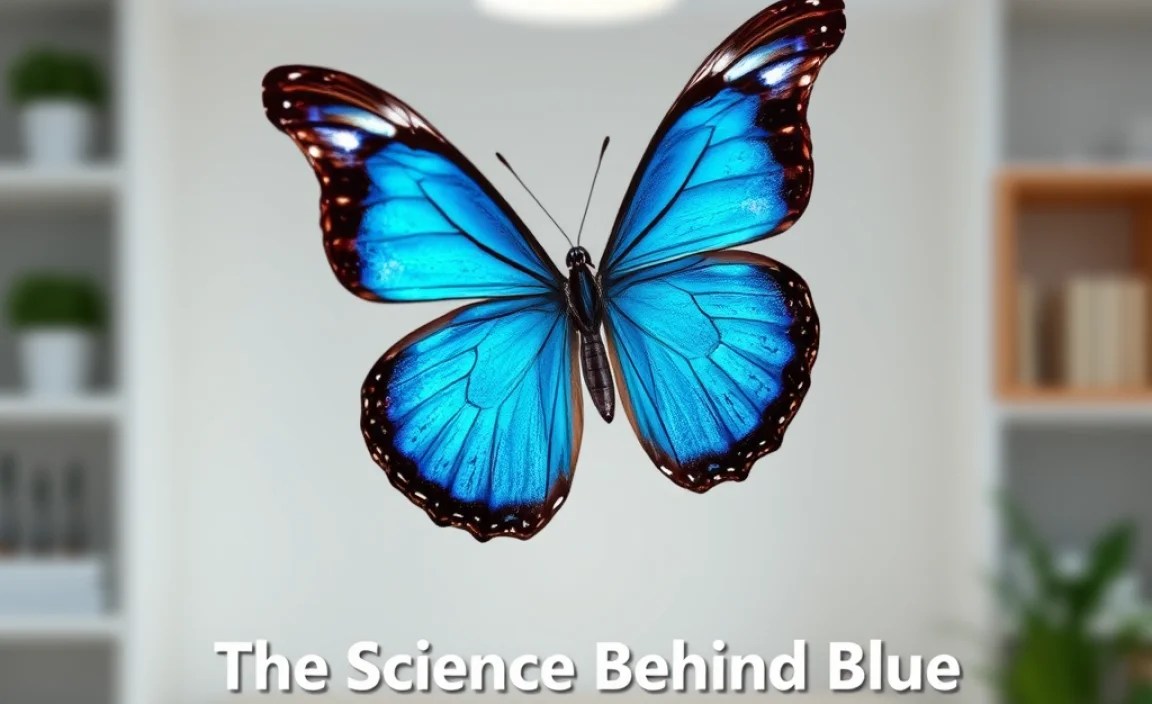
The Blue Morpho’s color is not like paint. It is not made of pigments. Instead, it is created by tiny structures on their wings. These structures are called scales. The scales are shaped like tiny ridges. When light hits the ridges, it bounces off. The ridges are spaced just right. They reflect blue light. Other colors are canceled out. This is called structural coloration. It is like a trick of light. Scientists study this to create new technologies. They want to make paints and fabrics that use structural color. The Blue Morpho is an inspiration for innovation. Understanding this science helps us appreciate the butterfly even more.
- Color is created by structural coloration.
- Tiny scales on wings reflect blue light.
- Ridges on scales are perfectly spaced.
- Other colors are canceled out.
- Scientists study this for new technologies.
Structural coloration is different from pigment-based color. Pigments absorb some colors and reflect others. Structural color is all about how light interacts with the surface. The Blue Morpho’s wings are like tiny mirrors. They reflect only blue light. This makes the butterfly look so bright and shiny. Other animals use structural color too. Birds, fish, and insects can have iridescent colors. These colors change depending on the angle of light. Structural color is a common phenomenon in nature. It shows how creative nature can be. The Blue Morpho’s blue is a perfect example of this. It is a reminder of the wonders of science.
Fun Fact or Stat: The Blue Morpho’s wings can reflect up to 70% of the light that hits them, making them appear incredibly bright!
Why Is Structural Color Important?
Why does it matter that the Blue Morpho’s color is structural? Structural color is special because it is very bright. It does not fade like pigment-based color. It can also create iridescent effects. This means the color changes depending on the angle. Scientists can use structural color to make new materials. These materials could be used in paints, fabrics, and displays. They could also be used to make sensors. These sensors could detect changes in the environment. Structural color is a powerful tool. It can help us create new technologies. What a bright idea!
How Do Scientists Study Blue Morpho Wings?
Scientists use special tools to study Blue Morpho wings. They use microscopes to see the tiny scales. They use spectrometers to measure the light that is reflected. They also use computer models to simulate the structure of the wings. This helps them understand how the color is created. Scientists are learning a lot from the Blue Morpho. They hope to use this knowledge to create new technologies. Studying these wings is helping us to understand the secrets of nature. What a fascinating field of study!
Can We Copy Blue Morpho Color?
Can we make things that have the same color as a Blue Morpho? Yes, scientists are working on it! They are trying to copy the structure of the butterfly’s wings. They use tiny particles to create the same effect. It is very difficult to do. But scientists are making progress. They have created some materials that have similar colors. These materials could be used in many ways. They could make cars that change color. They could make clothes that are more visible. Copying the Blue Morpho’s color is a big challenge. But it could lead to amazing new inventions. What an exciting possibility!
Blue Morpho Habitat and Conservation
The Blue Morpho needs a healthy rainforest to survive. Rainforests are being destroyed. This is called deforestation. Deforestation happens when people cut down trees. They might use the wood for building. They might clear the land for farming. Deforestation hurts the Blue Morpho. It destroys their habitat. It also pollutes the environment. We need to protect the rainforest. We can do this by supporting sustainable practices. We can also reduce our use of resources. This will help the Blue Morpho and other rainforest animals. Conservation efforts are very important for the survival of these butterflies.
| Threat | Description | Impact on Blue Morpho |
|---|---|---|
| Deforestation | Cutting down rainforest trees | Habitat loss, reduced food sources |
| Pollution | Chemicals and waste in the environment | Contamination of food and water |
| Climate Change | Changes in temperature and rainfall | Disruption of life cycle, habitat changes |
| Collection | People catching butterflies for collections | Reduced population numbers |
Many organizations are working to protect rainforests. They are helping local communities. They are teaching people about sustainable farming. They are also working to stop illegal logging. You can help too. You can support these organizations. You can also learn more about the rainforest. Tell your friends and family about the Blue Morpho. Spread the word about conservation. Every little bit helps. Together, we can protect these amazing butterflies. The Blue Morpho’s future depends on our actions. Let’s work together to save their home.
Fun Fact or Stat: Rainforests, home to the Blue Morpho, are disappearing at a rate equivalent to 27 football fields per minute!
How Can We Protect Rainforests?
What can we do to help save the rainforests? There are many ways to make a difference. We can reduce our use of paper. Paper comes from trees. We can recycle paper. We can also buy products that are made from sustainable wood. We can support companies that protect the environment. We can donate to organizations that work to save rainforests. We can also educate ourselves and others. Learning about the rainforest is the first step. Telling others about it is the next step. Every action counts. Together, we can make a big difference. What small changes can you make?
What Is Sustainable Farming?
Sustainable farming is a way to grow food without harming the environment. It means using natural methods to control pests. It means using less water. It also means protecting the soil. Sustainable farming helps to protect the rainforest. It provides food for people without destroying habitats. It also helps to reduce pollution. Farmers can use compost to fertilize their crops. They can also use crop rotation to keep the soil healthy. Sustainable farming is a win-win for people and the environment. What a smart way to grow food!
How Does Climate Change Affect Blue Morphos?
Climate change is a big problem for the Blue Morpho. It is causing the rainforest to become drier. This makes it harder for the butterflies to find food. It also makes it harder for them to reproduce. Climate change is also causing more extreme weather events. These events can destroy their habitat. We need to reduce our carbon emissions. This will help to slow down climate change. We can do this by using less energy. We can also support policies that promote renewable energy. Protecting the Blue Morpho means fighting climate change. What a big challenge!
Blue Morpho in Culture and Art

The Blue Morpho is a symbol of beauty and transformation. It appears in many forms of art. People paint pictures of it. They write poems about it. They use it in jewelry designs. The butterfly represents change and hope. It reminds us that even small things can be beautiful. In some cultures, the Blue Morpho is seen as a messenger. It brings good news. It is also a symbol of good luck. The butterfly’s bright blue color is captivating. It inspires artists and writers. The Blue Morpho is a reminder of the beauty of nature. Its image brings joy to many people.
- Symbol of beauty and transformation.
- Appears in paintings and poems.
- Used in jewelry designs.
- Represents change and hope.
- Seen as a messenger in some cultures.
The Blue Morpho’s image is used in many different ways. It can be found on clothing. It can be found on posters. It can even be found in video games. The butterfly’s bright color makes it stand out. It is a popular choice for designers. The Blue Morpho is a symbol of the rainforest. It reminds us of the importance of protecting these ecosystems. The butterfly’s beauty is a gift from nature. We should cherish and protect it. The Blue Morpho’s cultural significance reflects its natural beauty.
Fun Fact or Stat: The Blue Morpho is often featured in butterfly houses and zoos, captivating visitors with its stunning appearance!
Why Is the Blue Morpho a Symbol of Transformation?
The Blue Morpho is a powerful symbol of transformation. This is because of its life cycle. It starts as a caterpillar. It changes into a pupa. Then, it emerges as a beautiful butterfly. This process shows that change is possible. It reminds us that we can all grow and evolve. The Blue Morpho’s transformation is a metaphor for personal growth. It encourages us to embrace change. It inspires us to become our best selves. What a powerful message!
How Is the Blue Morpho Used in Art?
Artists use the Blue Morpho in many creative ways. They paint its image on canvases. They sculpt it out of clay. They use it as inspiration for digital art. The butterfly’s bright color and elegant shape make it a popular subject. Artists often use the Blue Morpho to represent beauty and freedom. They also use it to symbolize hope and change. The butterfly’s image can evoke strong emotions. It can inspire viewers to appreciate the natural world. What a versatile muse!
What Does the Blue Morpho Represent in Different Cultures?
The Blue Morpho has different meanings in different cultures. In some cultures, it is a symbol of good luck. In others, it is a messenger from the spirit world. Some cultures believe it represents the souls of the dead. The butterfly’s bright color and ethereal appearance contribute to these beliefs. The Blue Morpho is a reminder of the connection between the natural and spiritual worlds. Its symbolism varies, but it is always a powerful and meaningful image. What diverse interpretations!
Threats to Blue Morpho Survival
The Blue Morpho faces many threats. Deforestation is a big one. It destroys their habitat. Climate change is another threat. It changes the weather patterns. This makes it harder for them to find food. Pollution also harms them. It contaminates their food and water. People also collect them. This reduces their population. We need to address these threats. We can protect their habitat. We can reduce pollution. We can also stop collecting them. The Blue Morpho’s survival depends on our actions. We must work together to protect these beautiful butterflies.
- Deforestation destroys their habitat.
- Climate change alters weather patterns.
- Pollution contaminates food and water.
- Collection reduces their population.
- Habitat loss is a major threat.
- Pesticides can harm caterpillars.
We can help the Blue Morpho by making simple changes. We can reduce our carbon footprint. We can recycle and reuse. We can buy sustainable products. We can also support organizations that protect rainforests. Educating others is also important. Tell your friends and family about the threats to the Blue Morpho. Encourage them to take action. Every little bit helps. Together, we can make a big difference. The future of these butterflies is in our hands. Let’s protect them for future generations.
Fun Fact or Stat: The Blue Morpho population has declined by an estimated 30% in the last two decades due to habitat loss!
What Is Habitat Fragmentation?
Habitat fragmentation is when a large habitat is broken up into smaller pieces. This can happen when roads are built. It can also happen when forests are cleared for farming. Habitat fragmentation makes it harder for animals to find food. It also makes it harder for them to find mates. The Blue Morpho is particularly vulnerable to habitat fragmentation. They need large areas of rainforest to survive. Protecting large areas of rainforest is important. It helps to prevent habitat fragmentation. What a serious problem!
How Do Pesticides Affect Blue Morphos?
Pesticides are chemicals that are used to kill insects. Farmers use them to protect their crops. But pesticides can also harm the Blue Morpho. They can kill the caterpillars. They can also contaminate the plants that the butterflies eat. Using fewer pesticides is important. It helps to protect the Blue Morpho and other insects. Organic farming is a good alternative. It uses natural methods to control pests. What a dangerous chemical!
What Can Be Done About Illegal Collecting?
Collecting Blue Morphos is illegal in many countries. But people still do it. They sell the butterflies to collectors. This reduces the population of these beautiful creatures. Stricter laws are needed to stop illegal collecting. Enforcement of these laws is also important. People can also help by not buying collected butterflies. Supporting sustainable tourism is another way to help. This provides alternative income for local communities. What an unethical practice!
Summary
The Blue Morpho is a stunning butterfly. Its bright blue wings are a marvel of nature. The color comes from tiny structures on its wings. These structures reflect light. The Blue Morpho lives in rainforests. It faces many threats, including deforestation and climate change. Protecting their habitat is very important. We can help by reducing our impact on the environment. The Blue Morpho is also a symbol of beauty and transformation. It appears in art and culture. It reminds us of the importance of preserving nature. Understanding the Blue Morpho content pillar gives insights into the butterfly’s life cycle and the challenges it faces.
Conclusion
The Blue Morpho is more than just a pretty butterfly. It is a symbol of the rainforest. It shows us the beauty and complexity of nature. It also reminds us of the importance of conservation. By learning about the Blue Morpho, we can understand the challenges it faces. We can also take action to protect it. Every effort counts. Together, we can help these amazing creatures thrive. Let’s protect the Blue Morpho for future generations.
Frequently Asked Questions
Question No 1: What is the most interesting fact about the Blue Morpho?
Answer: The most interesting fact about the Blue Morpho is how it gets its color. It’s not from pigments, but from the structure of its wing scales. These scales are shaped like tiny Christmas trees. They reflect blue light and cancel out other colors. This is called structural coloration. Scientists study this to create new technologies. They want to copy the butterfly’s amazing trick. It’s like the butterfly has tiny mirrors on its wings, reflecting only blue light. This makes them appear so vibrant and mesmerizing.
Question No 2: Where do Blue Morphos live?
Answer: Blue Morphos live in the rainforests of Central and South America. You can find them in countries like Brazil, Costa Rica, and Mexico. They prefer warm, humid environments. They spend most of their time in the canopy, high up in the trees. Sometimes, they come down to the forest floor to look for food or a mate. Deforestation threatens their habitat. Protecting these rainforests is essential for the survival of the Blue Morpho. These butterflies are a sign of a healthy rainforest.
Question No 3: What do Blue Morphos eat?
Answer: Unlike many butterflies, Blue Morphos don’t sip nectar from flowers. Instead, they eat rotting fruit, tree sap, and fungi. They use a long, straw-like tongue called a proboscis to suck up the liquids. This diet gives them the energy they need to fly and reproduce. The caterpillars, on the other hand, eat leaves. The type of leaves they eat can affect their growth and development. This unique diet helps them survive in the rainforest environment. It’s a different diet than other butterflies.
Question No 4: How do Blue Morphos protect themselves from predators?
Answer: Blue Morphos have several ways to protect themselves. Their bright blue color can confuse predators when they fly. They also have brown undersides with eyespots. When they land, they fold their wings, hiding the blue and revealing the eyespots. This can scare away predators. They also fly quickly and erratically. This makes them hard to catch. These adaptations help them survive in a dangerous environment. The Blue Morpho uses a variety of tactics to stay safe.
Question No 5: Why is the Blue Morpho a symbol of transformation?
Answer: The Blue Morpho is a powerful symbol of transformation because of its life cycle. It starts as a caterpillar, then turns into a pupa, and finally emerges as a beautiful butterfly. This process represents change and growth. It reminds us that we can all evolve and become our best selves. The butterfly’s transformation is a metaphor for personal development. It inspires us to embrace new beginnings. The Blue Morpho’s journey from caterpillar to butterfly is a true wonder.
Question No 6: How can I help protect Blue Morphos?
Answer: You can help protect Blue Morphos in several ways. Support organizations that work to protect rainforests. Reduce your use of paper and other resources. Recycle and reuse whenever possible. Educate your friends and family about the importance of conservation. You can also visit butterfly gardens and learn more about these amazing creatures. By taking small actions, you can make a big difference. Protecting the Blue Morpho means protecting their rainforest habitat. Every effort counts.


