Blue Morpho Competition: Win Amazing Prizes!

Have you ever seen a butterfly so bright it looks like the sky? That might be a Blue Morpho! These butterflies are famous for their shiny, blue wings. But life in the rainforest isn’t always easy. There’s a lot of Blue Morpho competition.
Imagine being a tiny butterfly in a huge forest. You need to find food and avoid becoming someone else’s lunch. Other butterflies and animals also want the best spots. It’s a real race to survive! How do these amazing creatures handle all the Blue Morpho competition?
We will explore how they live and thrive. We will look at what makes them special. Learning about the Blue Morpho is like opening a magical book. Get ready to discover the secrets of these blue beauties!
Key Takeaways
- Blue Morphos face tough competition for food and safe places to live.
- Their bright blue wings help them attract mates and scare away enemies.
- Caterpillars eat lots of leaves. Adults sip juice from fruit.
- Rainforest destruction is a big threat to Blue Morpho survival.
- People can help by protecting rainforests and planting trees.
Understanding Blue Morpho Competition
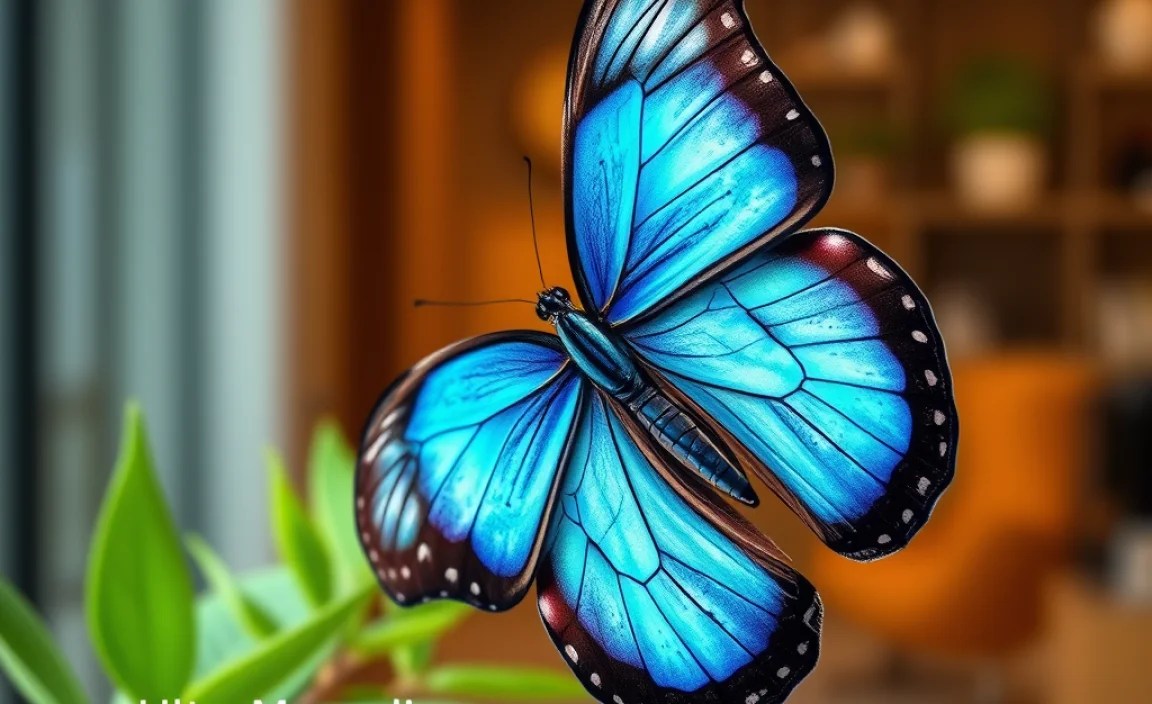
Life in the rainforest is full of challenges. The Blue Morpho competition is fierce. Many animals and insects are fighting for the same resources. Food can be scarce. Safe places to lay eggs are limited. Even finding a mate can be tough when so many others are trying to do the same thing. The Blue Morpho has developed some amazing ways to deal with this competition. Their bright blue wings aren’t just pretty. They also help them attract mates. The shiny color can startle predators. Their caterpillars are picky eaters, focusing on certain plants. This reduces direct competition with other insects that eat everything. Adult butterflies sip juice from rotting fruit, which is a food source that many other insects don’t want.
- Food is often hard to find.
- Safe spots to lay eggs are rare.
- Finding a mate takes effort.
- Predators are always a threat.
- Other insects eat the same food.
To survive this Blue Morpho competition, these butterflies use every trick they have. Their life cycle is also very interesting. The eggs are tiny and hard to see. The caterpillars are masters of disguise. They can blend in with the leaves. The pupa looks like a dead leaf. Each stage is designed to avoid predators and competition. The adult butterflies are fast fliers. They can quickly escape danger. They also have eyes that can see in many directions. This helps them spot predators and find food. The Blue Morpho is a survivor. It’s a true testament to the power of nature.
What Resources Do They Compete For?
Imagine you are a Blue Morpho caterpillar. You need to eat a lot to grow big and strong. But other caterpillars are also hungry. You need to find the best leaves before they do. Adult butterflies need energy to fly and find mates. They sip juice from rotting fruit. But other butterflies and insects also like this sweet treat. They compete for the limited supply. Safe places to lay eggs are also important. The butterflies need to find spots where their eggs won’t be eaten by predators. They also need to be near a good food source for the caterpillars. All these needs create Blue Morpho competition in the rainforest. It’s a constant struggle to find enough to survive.
How Does Color Play a Role?
Have you ever wondered why the Blue Morpho is so blue? It’s not just for show! The bright blue color helps them attract mates. Male butterflies use their shiny wings to impress the females. The color also helps them scare away predators. When a predator sees a flash of blue, it might get startled. This gives the butterfly a chance to escape. The caterpillars also use color for protection. They are often brown or green. This helps them blend in with the leaves. Color is a very important tool in the Blue Morpho competition. It helps them survive and thrive in the rainforest.
What Happens If They Lose?
The Blue Morpho competition can be tough. What happens if a butterfly loses? It might not find enough food. It might get eaten by a predator. It might not find a mate. These are all serious problems for a butterfly. If a butterfly doesn’t get enough food, it will be weak. It won’t be able to fly as fast or far. This makes it easier for predators to catch it. If a butterfly doesn’t find a mate, it won’t be able to have babies. This means its genes won’t be passed on to the next generation. The Blue Morpho competition is about survival of the fittest. Only the strongest and luckiest butterflies will make it.
Fun Fact or Stat: A Blue Morpho’s wings can span up to 8 inches wide!
Strategies for Survival
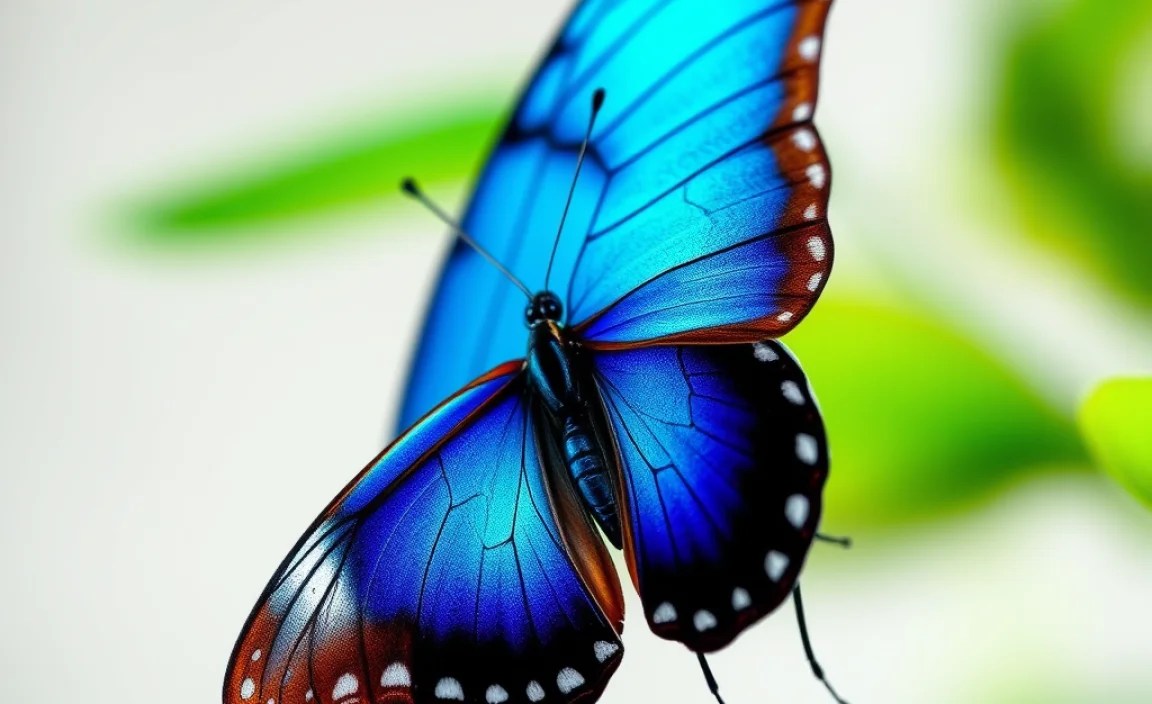
The Blue Morpho has developed several clever strategies to survive. One strategy is camouflage. The caterpillars are masters of disguise. They can blend in with the leaves. This makes it hard for predators to find them. Another strategy is speed. Adult butterflies are fast fliers. They can quickly escape danger. They also have good eyesight. This helps them spot predators and find food. The Blue Morpho also uses its bright blue color to its advantage. The shiny wings can startle predators. They also help attract mates. These strategies help the Blue Morpho thrive in the face of competition. They are a true testament to the power of adaptation.
- Camouflage helps them hide from predators.
- Fast flight helps them escape danger.
- Good eyesight helps them find food.
- Bright colors attract mates.
- They sip juice from rotting fruit.
- Caterpillars eat specific plants.
Another important strategy is their life cycle. The Blue Morpho has several stages. Each stage is designed to avoid predators and competition. The eggs are tiny and hard to see. The caterpillars are masters of disguise. The pupa looks like a dead leaf. This helps them avoid being eaten. The adult butterflies are fast and agile. They can quickly escape danger. By having a complex life cycle, the Blue Morpho increases its chances of survival. They have adapted to the challenges of the rainforest. They are a true success story of evolution.
How Does Camouflage Help?
Imagine you’re playing hide-and-seek in the rainforest. If you were a caterpillar, you would want to blend in with the leaves. That’s exactly what Blue Morpho caterpillars do! They are often green or brown. This helps them hide from predators. Birds and other insects have a hard time spotting them. Camouflage is a very important tool for survival. It helps the caterpillars avoid being eaten. This gives them a chance to grow into beautiful butterflies. Do you think you could find a camouflaged caterpillar in the rainforest? It would be a tough challenge!
Why Is Speed Important?
Have you ever tried to catch a butterfly? It’s not easy! Butterflies are very fast fliers. This is especially true for the Blue Morpho. They can quickly escape danger. When a predator tries to catch them, they can fly away. Speed is a very important tool for survival. It helps the butterflies avoid being eaten. It also helps them find food and mates. They can fly long distances to find the best resources. Without their speed, the Blue Morpho would be much more vulnerable. It’s one of the key reasons they have survived the Blue Morpho competition for so long.
How Do They Find Food?
Finding food is a big challenge in the rainforest. The Blue Morpho has developed some clever ways to find it. Caterpillars eat leaves. They are picky eaters. They focus on certain types of plants. This reduces competition with other insects. Adult butterflies sip juice from rotting fruit. This is a food source that many other insects don’t want. The butterflies also have good eyesight. This helps them spot food from far away. They can quickly fly to the best sources of food. Finding enough food is essential for survival. The Blue Morpho has mastered the art of finding it.
Fun Fact or Stat: Blue Morphos taste with sensors on their feet!
The Role of Habitat

The rainforest is the Blue Morpho’s home. It provides everything they need to survive. The trees provide food and shelter for the caterpillars. The rotting fruit provides food for the adult butterflies. The rainforest also provides safe places to lay eggs. Without the rainforest, the Blue Morpho could not survive. Unfortunately, the rainforest is under threat. People are cutting down trees for wood and land. This destroys the Blue Morpho’s habitat. It also increases the Blue Morpho competition. The butterflies have fewer places to live and find food. Protecting the rainforest is essential for the survival of the Blue Morpho.
- The rainforest provides food for caterpillars.
- Rotting fruit feeds the adult butterflies.
- Safe places to lay eggs are important.
- Rainforest destruction threatens them.
- Less habitat means more competition.
When the rainforest is destroyed, the Blue Morpho has nowhere to go. They are forced to compete for the remaining resources. This makes it harder for them to survive. The Blue Morpho competition becomes even more intense. We can help by protecting the rainforest. We can support organizations that are working to conserve this important habitat. We can also reduce our use of products that contribute to deforestation. By working together, we can help the Blue Morpho thrive in its natural home. We can ensure that these beautiful butterflies continue to grace the rainforest for generations to come.
Why Is the Rainforest Important?
The rainforest is like a giant apartment building. It has many different floors and rooms. Each floor and room is home to different plants and animals. The Blue Morpho lives on one of these floors. It needs the rainforest to survive. The rainforest provides food, shelter, and water. It also provides a safe place to raise young. Without the rainforest, the Blue Morpho would have nowhere to live. It would be like being homeless. Protecting the rainforest is essential for protecting the Blue Morpho.
What Happens When Trees Are Cut Down?
Imagine your house is being torn down. Where would you go? What would you eat? This is what happens to the Blue Morpho when trees are cut down. They lose their homes and their food sources. They are forced to move to other areas. These areas are often already crowded with other butterflies. This increases the Blue Morpho competition for resources. It makes it harder for them to survive. Cutting down trees has a devastating impact on the Blue Morpho population.
How Can We Help Protect the Rainforest?
Protecting the rainforest might seem like a big job. But there are many things we can do to help. We can support organizations that are working to conserve the rainforest. We can reduce our use of products that contribute to deforestation. We can plant trees in our own communities. We can educate others about the importance of the rainforest. Every little bit helps. By working together, we can make a big difference. We can help protect the Blue Morpho’s home and ensure its survival.
Fun Fact or Stat: Rainforests cover less than 6% of the Earth’s surface but contain over half of the world’s plant and animal species!
Threats to Blue Morpho Survival
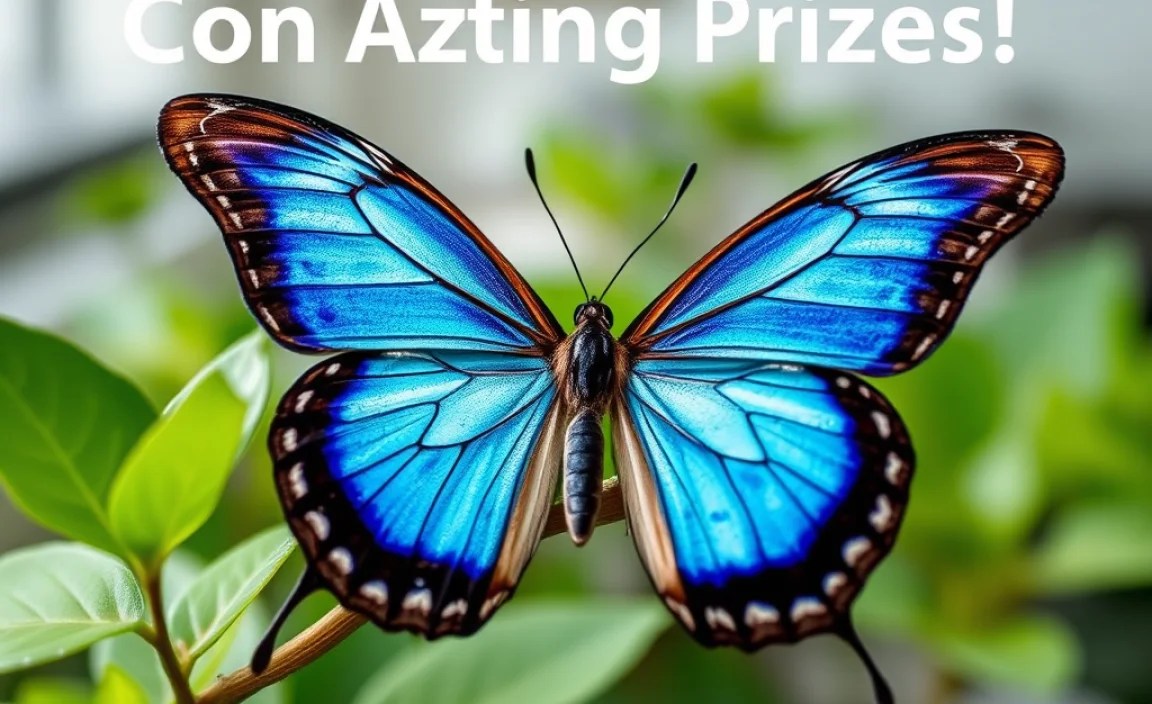
The Blue Morpho competition isn’t the only challenge. These butterflies face many other threats. One of the biggest threats is habitat loss. As rainforests are destroyed, the Blue Morpho loses its home. This makes it harder to find food and safe places to lay eggs. Climate change is another threat. Changes in temperature and rainfall can disrupt the Blue Morpho’s life cycle. Pollution can also harm the butterflies. Pesticides and other chemicals can poison them. These threats make it even harder for the Blue Morpho to survive. We need to take action to protect these beautiful creatures.
- Habitat loss is a major threat.
- Climate change disrupts their life cycle.
- Pollution can poison them.
- Pesticides harm the butterflies.
- Blue Morpho competition is made worse by these threats.
- Changes in rainfall impact survival.
We can reduce these threats by making simple changes in our lives. We can reduce our carbon footprint to help slow down climate change. We can use less pesticides in our gardens. We can support sustainable agriculture. We can also educate others about the threats facing the Blue Morpho. By working together, we can create a safer world for these butterflies. We can help them thrive in the face of Blue Morpho competition. We must act now to protect these amazing creatures before it’s too late.
What Is Habitat Loss?
Imagine your school is being turned into a parking lot. Where would you go to learn? This is what happens to the Blue Morpho when its habitat is lost. Habitat loss is when the places where animals live are destroyed. This can happen when forests are cut down, wetlands are drained, or cities are built. When the Blue Morpho loses its habitat, it has nowhere to live, find food, or raise its young. Habitat loss is one of the biggest threats to the Blue Morpho’s survival.
How Does Climate Change Affect Them?
Climate change is like a fever for the Earth. It’s making the planet warmer. This can have a big impact on the Blue Morpho. Changes in temperature and rainfall can disrupt their life cycle. They may not be able to find food or mates. Their eggs may not hatch. Climate change can also make them more vulnerable to predators. It’s a serious threat to the Blue Morpho’s survival. We need to take action to slow down climate change.
What Can We Do About Pollution?
Pollution is like putting poison in the air and water. It can harm the Blue Morpho and other animals. Pesticides and other chemicals can poison them. Pollution can also damage their habitat. We can reduce pollution by using less pesticides in our gardens. We can recycle and reuse materials. We can support companies that are environmentally friendly. Every little bit helps. By working together, we can create a cleaner, healthier world for the Blue Morpho.
Fun Fact or Stat: Some rainforests are being destroyed at a rate equivalent to 27 football fields per minute!
How Humans Can Help
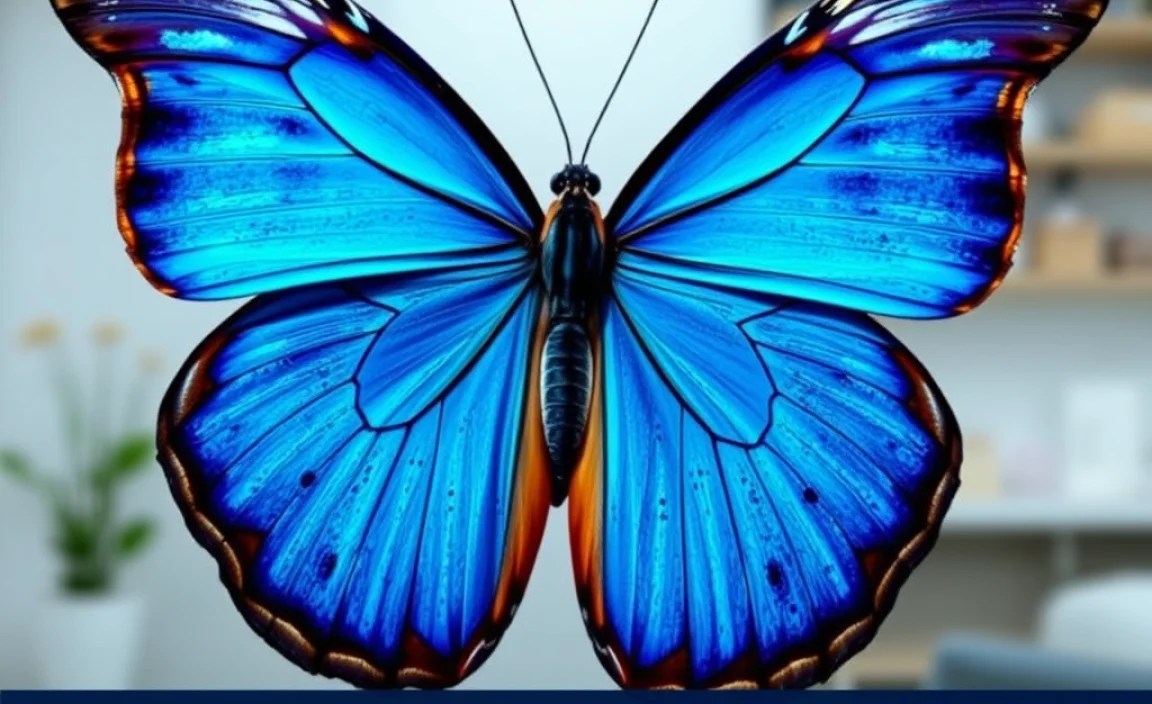
Even with all the Blue Morpho competition, there’s still hope. Humans can play a big role in helping these butterflies survive. One of the most important things we can do is protect their habitat. We can support organizations that are working to conserve rainforests. We can also reduce our use of products that contribute to deforestation. Planting trees is another great way to help. Trees provide food and shelter for the Blue Morpho. We can also educate others about the importance of these butterflies. The more people who care about them, the better their chances of survival.
- Protecting rainforests is very important.
- Planting trees provides food and shelter.
- Educating others raises awareness.
- Reducing deforestation helps a lot.
- Supporting conservation groups matters.
- Reducing pesticide use is helpful.
By taking these actions, we can help the Blue Morpho thrive. We can ensure that these beautiful butterflies continue to grace the rainforest for generations to come. It’s up to us to make a difference. We can all be part of the solution. Even small actions can have a big impact. Let’s work together to protect the Blue Morpho and its home. We can help them overcome the challenges of Blue Morpho competition and thrive in the rainforest.
Why Is Education Important?
Imagine you didn’t know anything about the Blue Morpho. You might not realize they are in danger. You might not know how to help them. Education is like a superpower. It gives us the knowledge and tools to make a difference. When we learn about the Blue Morpho, we can understand the threats they face. We can then take action to protect them. Education is the first step towards conservation. It’s the key to saving these beautiful butterflies.
How Can We Plant Trees?
Planting trees is like giving the Blue Morpho a gift. Trees provide food and shelter for them. They also help to restore their habitat. We can plant trees in our own backyards. We can volunteer with local organizations that are planting trees. We can even donate to organizations that are planting trees in the rainforest. Every tree makes a difference. It’s a simple but powerful way to help the Blue Morpho survive the Blue Morpho competition.
What Is Sustainable Agriculture?
Sustainable agriculture is like farming in a way that protects the environment. It means using less pesticides and fertilizers. It means conserving water and soil. It means growing food in a way that doesn’t harm the Blue Morpho or its habitat. When we support sustainable agriculture, we are helping to protect the rainforest. We are also helping to ensure that the Blue Morpho has a safe and healthy place to live. It’s a win-win situation for everyone.
Fun Fact or Stat: Many organizations allow you to symbolically adopt a plot of rainforest to help protect it!
Comparing Morpho Species Competition
While the Blue Morpho is famous, other Morpho butterflies exist. They all face similar Blue Morpho competition. Each species has adapted to its specific environment. Some are better at hiding. Others are faster fliers. Some eat different foods. Comparing these species helps us understand how they survive. It shows us the many ways they deal with challenges. It also highlights the importance of biodiversity. A healthy rainforest has many different species. This creates a more resilient ecosystem. The Blue Morpho is just one piece of the puzzle.
- Other Morpho species face similar issues.
- Each species has unique adaptations.
- Some are better at hiding from predators.
- Others are faster and more agile fliers.
- Different species eat different foods.
- Biodiversity is important for a healthy ecosystem.
Understanding the differences between Morpho species helps us protect them. It allows us to target our conservation efforts. We can focus on the specific needs of each species. This is more effective than a one-size-fits-all approach. The Blue Morpho competition is different for each species. By studying their interactions, we can better understand the rainforest ecosystem. We can also learn how to protect it from future threats. The Morpho butterflies are a valuable resource for scientific research and conservation efforts.
What Are Some Other Morpho Species?
Besides the Blue Morpho, there’s the White Morpho. It has beautiful white wings with black markings. The Green Morpho has shimmering green wings. The Sunset Morpho boasts orange and yellow colors. Each species has its own unique beauty and adaptations. They all play an important role in the rainforest ecosystem. They also face similar threats and challenges. Learning about these other species can help us appreciate the diversity of life on Earth.
How Do Their Diets Differ?
All Morpho caterpillars eat leaves. But they don’t all eat the same leaves! Some species are very picky. They only eat certain types of plants. Others are more general. They will eat a variety of leaves. Adult butterflies sip juice from rotting fruit. But some also feed on nectar from flowers. These differences in diet help reduce Blue Morpho competition between species. It allows them to coexist in the same environment. It’s a delicate balance that is essential for the health of the rainforest.
What Adaptations Do They Have?
Each Morpho species has unique adaptations that help them survive. Some are better at camouflage. They can blend in with their surroundings. Others are faster fliers. They can quickly escape from predators. Some have brighter colors to attract mates. These adaptations are the result of millions of years of evolution. They allow each species to thrive in its specific environment. They are a testament to the power of nature.
| Morpho Species | Wing Color | Diet (Caterpillar) | Adaptation |
|---|---|---|---|
| Blue Morpho | Bright Blue | Specific Legume Leaves | Fast Flight |
| White Morpho | White with Black Markings | Various Rainforest Leaves | Camouflage |
| Green Morpho | Shimmering Green | Specific Fig Tree Leaves | Leaf Mimicry |
| Sunset Morpho | Orange and Yellow | Bromeliad Leaves | Bright Warning Colors |
Fun Fact or Stat: Some Morpho species can be identified by the unique patterns on the underside of their wings!
Future of Blue Morpho Competition
The future of the Blue Morpho is uncertain. The challenges they face are growing. Habitat loss, climate change, and pollution continue to threaten their survival. The Blue Morpho competition is also increasing. As the rainforest shrinks, the butterflies have fewer places to live and find food. But there is still hope. By taking action now, we can help ensure that these beautiful creatures have a future. We can protect their habitat, reduce pollution, and slow down climate change. We can also educate others about the importance of these butterflies. Together, we can make a difference.
- The future is uncertain but hopeful.
- Habitat loss is an ongoing threat.
- Climate change will make things harder.
- Pollution continues to harm them.
- Blue Morpho competition will increase.
- Education is key to their survival.
The Blue Morpho is a symbol of the rainforest. It represents the beauty and diversity of life on Earth. By protecting the Blue Morpho, we are protecting the rainforest. We are also protecting ourselves. The rainforest provides us with clean air, clean water, and many other important resources. It’s essential for our survival. Let’s work together to create a sustainable future for the Blue Morpho and for ourselves. We can ensure that these beautiful butterflies continue to grace the rainforest for generations to come.
What Will Happen If We Do Nothing?
Imagine a world without Blue Morphos. The rainforest would be a little less beautiful. The world would be a little less magical. If we do nothing to protect these butterflies, they could disappear forever. Habitat loss will continue. Climate change will worsen. Pollution will increase. The Blue Morpho competition will become too intense. They will simply fade away. We can’t let this happen. We must take action now to protect these amazing creatures.
What Can We Do to Help?
We can do many things to help the Blue Morpho. We can support organizations that are working to conserve the rainforest. We can reduce our use of products that contribute to deforestation. We can plant trees in our own communities. We can educate others about the importance of these butterflies. Every little bit helps. By working together, we can make a big difference. We can help the Blue Morpho survive and thrive.
How Can We Create a Sustainable Future?
Creating a sustainable future means living in a way that doesn’t harm the environment. It means using resources wisely. It means reducing pollution. It means slowing down climate change. It means protecting the rainforest. When we create a sustainable future, we are creating a better world for the Blue Morpho and for ourselves. We are ensuring that future generations will be able to enjoy the beauty and wonder of the rainforest.
Fun Fact or Stat: Sustainable practices can help boost local economies while protecting the environment!
Summary
The Blue Morpho is a beautiful butterfly. They live in the rainforest. They face many challenges. Blue Morpho competition for food and mates is tough. Habitat loss is a big threat. Climate change and pollution also hurt them. They use camouflage and speed to survive. Humans can help by protecting rainforests. Planting trees is also very important. Education helps people care about butterflies. We must reduce deforestation. Supporting conservation groups is helpful.
These actions help the Blue Morpho thrive. The future of these butterflies depends on us. We must act now to protect them. We can make a difference. Even small actions can help. Let’s work together. We can ensure they survive. The Blue Morpho is a symbol of beauty. They show us the importance of nature. Protecting them protects our planet. We must save these amazing creatures.
Conclusion
The Blue Morpho is a remarkable butterfly. They face tough challenges to survive. Blue Morpho competition is part of their daily life. We learned about their adaptations. We explored the threats they face. Habitat loss and climate change are serious problems. But humans can help these butterflies. Protecting rainforests is key to their survival. Planting trees provides food and shelter. Education raises awareness. We must all do our part to help. By working together, we can ensure a future for the Blue Morpho. These beautiful creatures deserve our protection.
Frequently Asked Questions
Question No 1: What do Blue Morpho caterpillars eat?
Answer: Blue Morpho caterpillars are picky eaters! They mostly munch on leaves from plants in the legume family. These leaves provide the nutrients they need to grow big and strong before turning into beautiful butterflies. Some of their favorite plants include peas, beans, and other similar types of vegetation found in the rainforest. These specific plants help the caterpillars thrive and avoid too much Blue Morpho competition for food with other insects.
Question No 2: How long do Blue Morpho butterflies live?
Answer: The lifespan of a Blue Morpho butterfly is quite short compared to other animals. Adult butterflies usually live for about one to two months. During this time, they focus on finding a mate and reproducing. The females lay eggs that will become the next generation of butterflies. While their adult life is brief, they make the most of it by contributing to the continuation of their species.
Question No 3: Where do Blue Morpho butterflies live?
Answer: Blue Morpho butterflies are found in the rainforests of Central and South America. They prefer warm, humid environments with plenty of trees and plants. You can spot them flying through the rainforest canopy, searching for food and mates. These butterflies are an important part of the rainforest ecosystem, contributing to the pollination of plants and serving as food for other animals. Their habitat is crucial to their survival.
Question No 4: How do Blue Morpho butterflies defend themselves?
Answer: Blue Morpho butterflies have a few tricks up their sleeves to defend themselves from predators. Their bright blue wings can startle predators, giving them a chance to escape. The underside of their wings is brown with eyespots. It helps them camouflage when they land and close their wings. They are also fast fliers, which helps them evade capture. These adaptations help them survive the constant threat of predators and the Blue Morpho competition.
Question No 5: Why are Blue Morpho butterflies blue?
Answer: The Blue Morpho’s blue color isn’t due to pigment. It’s because of the structure of their wings. Tiny scales on their wings reflect light in a way that creates the iridescent blue color. This is called structural coloration. It’s similar to how a soap bubble creates colorful patterns. The bright blue color helps them attract mates and scare away predators. It also helps them stand out from the green foliage of the rainforest.
Question No 6: What can I do to help Blue Morpho butterflies?
Answer: There are many things you can do to help Blue Morpho butterflies! You can support organizations that protect rainforests. Reduce your use of products that contribute to deforestation. Plant trees in your community. Educate others about the importance of these butterflies. Even small actions can make a big difference. By working together, we can help ensure that these beautiful creatures continue to thrive for generations to come. Addressing the Blue Morpho competition is also vital to improving survival.