
Blue Morpho Egg Morphology: A Tiny, Powerful Secret

Did you know that some butterflies lay eggs that look like tiny jewels? The Blue Morpho butterfly is one of them! These amazing butterflies start their lives as tiny eggs. The study of Blue Morpho egg morphology helps us learn about these creatures. It shows us how they grow and change.
Have you ever wondered what a butterfly egg looks like up close? The shape, size, and color of the egg are all important. This is all part of Blue Morpho egg morphology. Scientists study these details to understand the butterfly’s life cycle. It’s like a tiny treasure chest full of secrets!
The Blue Morpho is a very beautiful butterfly. Its eggs are also special. Learning about Blue Morpho egg morphology can teach you many things. Get ready to explore the tiny world of butterfly eggs!
Key Takeaways
- Blue Morpho egg morphology studies the shape and features of the butterfly’s eggs.
- The eggs’ color and size help scientists understand the butterfly’s development.
- These eggs are usually very small and have interesting surface patterns.
- Understanding egg morphology helps protect these butterflies.
- Blue Morpho butterflies are known for their bright blue wings.
Understanding Blue Morpho Egg Morphology
Blue Morpho egg morphology is all about studying the eggs of these butterflies. These eggs are very small. They are usually a pale green color. Scientists use microscopes to look at them closely. They want to learn about the egg’s shape and surface. The morphology, or structure, of the egg can tell us a lot. For example, it can show how healthy the egg is. It also helps us understand how the butterfly will grow. This study is important for protecting these beautiful creatures.
- Eggs are typically laid on or near host plants.
- The eggs are very small and hard to see.
- Color can vary slightly, but is usually pale green.
- Shape is often described as teardrop or spherical.
- Surface texture can be smooth or have tiny ridges.
Learning about Blue Morpho egg morphology helps us understand the butterfly’s life cycle. The life cycle includes the egg, larva (caterpillar), pupa (chrysalis), and adult stages. Each stage is important. If something happens to the eggs, it can affect the whole population. Scientists study the eggs to make sure they are healthy. This helps them protect the butterflies. Understanding the egg stage is a key part of conservation efforts. We want these beautiful butterflies to be around for a long time.
Fun Fact or Stat: A female Blue Morpho butterfly can lay up to 100 eggs during her lifetime!
What Is Egg Morphology?
Have you ever wondered why things look the way they do? Morphology is the study of the form and structure of living things. When we talk about egg morphology, we mean looking at the shape, size, and surface of an egg. For the Blue Morpho butterfly, this means studying their tiny, pale green eggs. Scientists use special tools to see the details. They look at the egg’s outer shell and any patterns on it. The morphology of the egg can tell us about the health and development of the butterfly inside. It’s like reading a secret code!
Why Is It Important?
Why should we care about the shape of a butterfly egg? Well, understanding Blue Morpho egg morphology can help us protect these butterflies. If the eggs are not the right shape or size, it could mean something is wrong. Maybe the butterfly isn’t getting enough food. Or maybe the environment is not healthy. By studying the eggs, we can find problems early. Then, we can take steps to help the butterflies. This is especially important because Blue Morpho butterflies are losing their habitats.
How Do Scientists Study It?
How do scientists study something so small? They use powerful microscopes! These microscopes can zoom in very close. This allows scientists to see tiny details on the egg’s surface. They can measure the egg’s length and width. They can also look for any bumps or ridges. Scientists also compare eggs from different areas. This helps them see if there are any differences. All this information helps them understand Blue Morpho egg morphology. It’s like being a detective, but with butterfly eggs!
The Shape of Blue Morpho Eggs
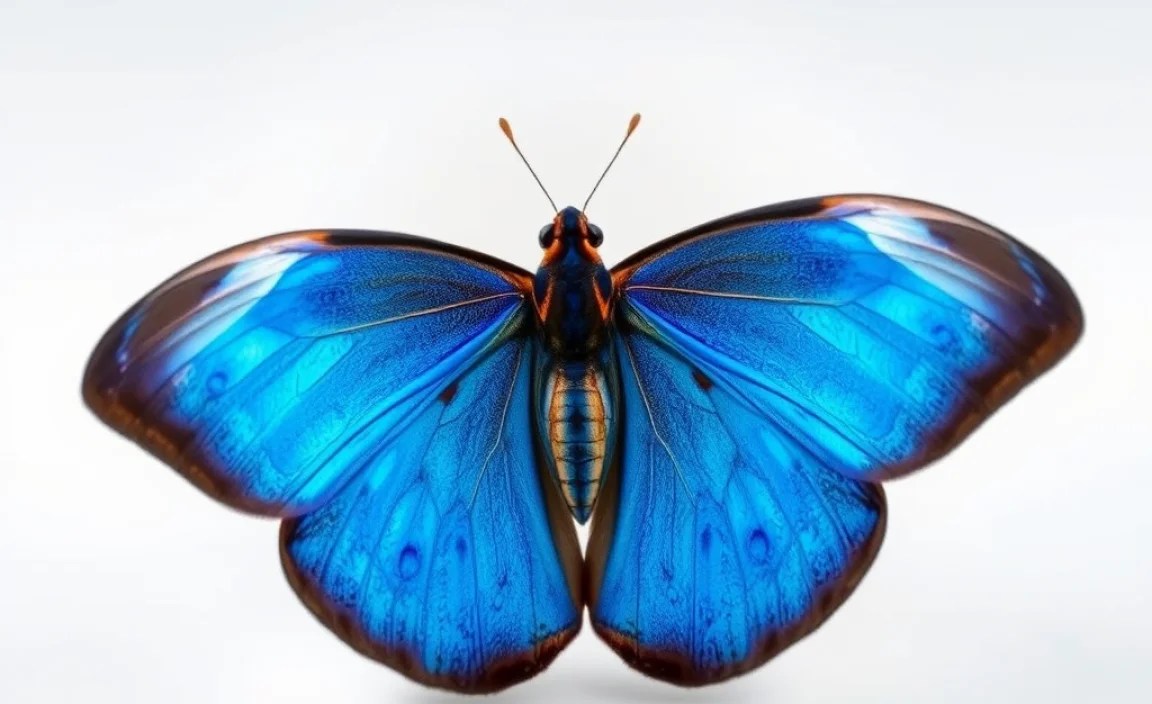
The shape of Blue Morpho eggs is quite interesting. They are not perfectly round like chicken eggs. Instead, they have a more elongated shape. Some people say they look like tiny teardrops. The shape can vary slightly from egg to egg. But, in general, they have a distinctive form. This shape is important for the egg’s survival. It helps the egg stay attached to the plant. It also provides the right amount of space for the caterpillar to grow inside. Studying the shape is a key part of understanding Blue Morpho egg morphology.
- Elongated shape resembles a teardrop.
- Shape helps it attach to the host plant.
- Provides space for caterpillar development.
- Shape can vary slightly between eggs.
- Consistent shape is a sign of healthy egg.
The shape of an egg can tell us a lot about its health. A healthy Blue Morpho egg will have a smooth, even shape. If the egg is deformed or misshapen, it could be a sign of a problem. This could be due to poor nutrition or exposure to toxins. Scientists carefully examine the shape of the eggs to assess their health. They also compare the shapes of eggs from different populations. This helps them understand how different environments affect the butterflies. Understanding egg shape is a vital part of Blue Morpho conservation.
Fun Fact or Stat: Blue Morpho eggs are about 1.5 millimeters long, which is smaller than a grain of rice!
Why Is Shape Important?
Imagine trying to build a house with blocks that are all different shapes. It would be very difficult! The same is true for a butterfly egg. The shape of the egg is important for its function. The elongated shape of the Blue Morpho egg helps it stay attached to the plant. This prevents it from falling off and getting lost. The shape also provides the right amount of space for the caterpillar to grow. If the egg was too small or too round, the caterpillar might not develop properly. That is why the shape of the egg is very important for Blue Morpho survival.
How Does the Shape Develop?
How does the Blue Morpho egg get its shape? The shape is determined by the mother butterfly. As she lays the egg, she carefully forms it. She uses special glands in her body to create the right shape. The eggshell is made of a tough material called chitin. This material helps the egg keep its shape. The shape is also influenced by the environment. Temperature and humidity can affect how the egg develops. Scientists are still learning about all the factors that influence egg shape.
Can the Shape Change?
Can the shape of a Blue Morpho egg change after it is laid? Yes, it can! The egg can shrink or swell depending on the humidity. If the air is very dry, the egg can lose water and shrink. If the air is very humid, the egg can absorb water and swell. These changes can affect the caterpillar inside. That is why it is important for the eggs to be in a stable environment. Changes in shape can be a sign of stress. It’s another reason why studying Blue Morpho egg morphology is so important.
The Size of Blue Morpho Eggs

The size of Blue Morpho eggs is also a key part of their morphology. These eggs are very small, typically around 1.5 millimeters in length. That’s smaller than a grain of rice! The small size makes them hard to spot in the wild. But, their size is important for their survival. It allows the mother butterfly to lay many eggs on a single plant. The size also affects how quickly the caterpillar develops inside. Scientists measure the eggs to track their growth and development. This is an important aspect of studying Blue Morpho egg morphology.
- Typically around 1.5 millimeters in length.
- Smaller than a grain of rice.
- Size affects caterpillar development rate.
- Allows for laying multiple eggs on one plant.
- Easy to miss due to their small size.
The size of the egg can be affected by many things. The mother butterfly’s health and diet play a role. If she is not getting enough nutrients, her eggs may be smaller. The environment can also affect egg size. Temperature and humidity can impact how the egg develops. Scientists study these factors to understand how they influence egg size. They also compare the sizes of eggs from different populations. This helps them understand how different environments affect the butterflies. Measuring egg size is a key part of Blue Morpho conservation efforts.
Fun Fact or Stat: The size of a Blue Morpho egg is about the same as the diameter of a pinhead!
Why Is Size Important?
Imagine trying to fit a large object into a small box. It wouldn’t work! The same is true for a butterfly egg. The size of the egg is important for the caterpillar inside. The egg needs to be big enough to hold the developing caterpillar. But, it also needs to be small enough to attach to the plant. The size of the egg is a delicate balance. It ensures that the caterpillar has enough space to grow. The egg can remain safely attached to its host plant. That is why egg size is a key part of Blue Morpho egg morphology.
How Does the Size Develop?
How does the Blue Morpho egg get its size? The size is determined by the mother butterfly. As she creates the egg, she adds nutrients and materials to it. The amount of these materials determines the egg’s size. The eggshell also plays a role. It provides a structure that contains the developing caterpillar. The size of the egg is also influenced by the environment. Temperature and humidity can affect how the egg grows. Scientists are still learning about all the factors that influence egg size.
Can the Size Change?
Can the size of a Blue Morpho egg change after it is laid? Yes, it can! The egg can shrink or swell depending on the humidity. If the air is very dry, the egg can lose water and shrink. If the air is very humid, the egg can absorb water and swell. These changes can affect the caterpillar inside. That is why it is important for the eggs to be in a stable environment. Changes in size can be a sign of stress. This is another reason why studying Blue Morpho egg morphology is so important.
The Color of Blue Morpho Eggs

The color of Blue Morpho eggs is typically a pale green. This color helps the eggs blend in with the leaves of the host plant. This camouflage protects them from predators. The color can vary slightly depending on the age of the egg. Freshly laid eggs are usually a brighter green. As the egg develops, the color may fade slightly. Scientists study the color of the eggs to track their development. They also look for any unusual colors, which could indicate a problem. Understanding egg color is an important aspect of Blue Morpho egg morphology.
- Typically a pale green color.
- Helps camouflage the egg.
- Color may fade as the egg develops.
- Freshly laid eggs are brighter green.
- Unusual colors can indicate problems.
The color of the egg is determined by pigments in the eggshell. These pigments are produced by the mother butterfly. The type and amount of pigment determine the egg’s color. The color can also be affected by the environment. Exposure to sunlight can cause the color to fade. Scientists study the pigments in the eggshell to understand how the color develops. They also compare the colors of eggs from different populations. This helps them understand how different environments affect the butterflies. Analyzing egg color is vital for Blue Morpho conservation.
Fun Fact or Stat: The green color of Blue Morpho eggs comes from chlorophyll-like pigments!
Why Is Color Important?
Imagine trying to hide in a bright red shirt in a green forest. You would stand out like a sore thumb! The same is true for a butterfly egg. The color of the egg is important for camouflage. The pale green color of Blue Morpho eggs helps them blend in with the leaves. This makes it harder for predators to find them. Predators like birds and insects are less likely to see the eggs. This increases the chances that the eggs will survive. That is why egg color is a key part of Blue Morpho egg morphology.
How Does the Color Develop?
How does the Blue Morpho egg get its color? The color is determined by the mother butterfly. As she creates the egg, she adds pigments to the eggshell. These pigments give the egg its green color. The type and amount of pigment determine the exact shade of green. The color is also influenced by the environment. Exposure to sunlight can cause the color to fade. Scientists are still learning about all the factors that influence egg color.
Can the Color Change?
Can the color of a Blue Morpho egg change after it is laid? Yes, it can! The egg can fade or darken depending on the environment. If the egg is exposed to a lot of sunlight, the color can fade. If the egg is kept in a dark, humid place, the color can darken. These changes can affect how well the egg is camouflaged. That is why it is important for the eggs to be in a suitable environment. Changes in color can be a sign of stress. It’s another reason why studying Blue Morpho egg morphology is so important.
Surface Texture of Blue Morpho Eggs
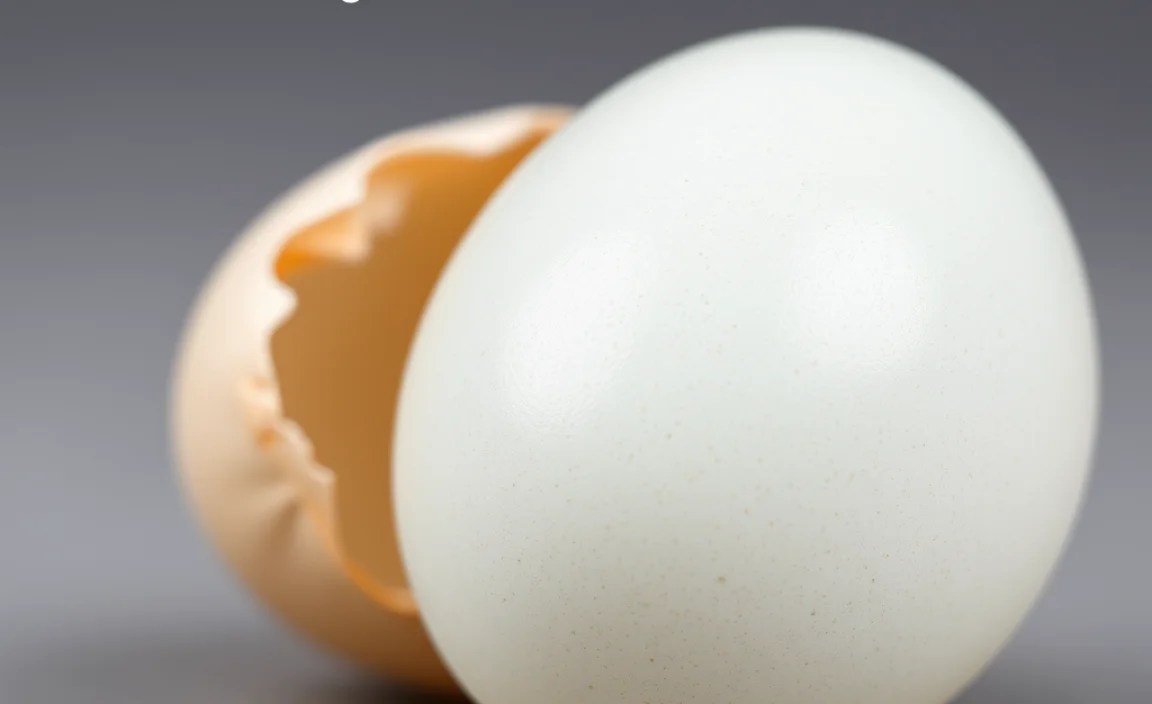
The surface texture of Blue Morpho eggs is another interesting aspect. These eggs are not perfectly smooth. Instead, they have a slightly bumpy or ridged surface. These ridges can help the egg stay attached to the plant. They also provide tiny air pockets that help the egg breathe. Scientists use microscopes to study the surface texture in detail. They look for any patterns or irregularities. The surface texture can tell us about the health of the egg. It also helps us understand how the egg interacts with its environment. Studying surface texture is part of understanding Blue Morpho egg morphology.
- Not perfectly smooth, slightly bumpy.
- Ridges help it stay attached to plant.
- Tiny air pockets aid in breathing.
- Texture can indicate egg health.
- Microscopes are used to study texture.
The surface texture of the egg is formed during its creation. The mother butterfly carefully shapes the eggshell. She creates the ridges and bumps using special glands. The texture is also influenced by the environment. Temperature and humidity can affect how the surface develops. Scientists study these factors to understand how they influence texture. They also compare the textures of eggs from different populations. This helps them understand how different environments affect the butterflies. Examining egg texture is vital for Blue Morpho conservation.
Fun Fact or Stat: The ridges on a Blue Morpho egg are so tiny, you can only see them with a microscope!
Why Is Texture Important?
Imagine trying to climb a smooth, slippery wall. It would be very difficult! The same is true for a butterfly egg. The texture of the egg is important for its function. The slightly bumpy surface of Blue Morpho eggs helps them stay attached to the plant. The ridges provide grip, preventing the egg from falling off. The tiny air pockets also help the egg breathe. This is especially important because the egg needs oxygen to develop. That is why egg texture is a key part of Blue Morpho egg morphology.
How Does the Texture Develop?
How does the Blue Morpho egg get its texture? The texture is determined by the mother butterfly. As she creates the egg, she carefully shapes the eggshell. She creates the ridges and bumps using special glands. The texture is also influenced by the environment. Temperature and humidity can affect how the surface develops. Scientists are still learning about all the factors that influence egg texture.
Can the Texture Change?
Can the texture of a Blue Morpho egg change after it is laid? Yes, it can! The egg can become smoother or rougher depending on the environment. If the egg is exposed to a lot of abrasion, the ridges can wear down. If the egg is kept in a very humid place, the surface can become rougher. These changes can affect how well the egg stays attached to the plant. That is why it is important for the eggs to be in a suitable environment. Changes in texture can be a sign of stress. It’s another reason why studying Blue Morpho egg morphology is so important.
Comparing Blue Morpho Eggs to Other Species
Blue Morpho eggs are not the only butterfly eggs in the world. There are many other species of butterflies, and each one has its own unique eggs. Comparing Blue Morpho eggs to other species can help us understand what makes them special. For example, some butterfly eggs are round, while others are elongated. Some are smooth, while others are bumpy. Some are brightly colored, while others are camouflaged. By comparing these differences, we can learn about the adaptations of each species. This is an important part of understanding Blue Morpho egg morphology in a broader context.
- Other butterfly eggs vary in shape and size.
- Some eggs are round, others elongated.
- Surface texture can be smooth or bumpy.
- Colors range from bright to camouflaged.
- Comparisons highlight unique adaptations.
Comparing Blue Morpho eggs to other species can also help us understand their evolutionary history. By looking at the similarities and differences between eggs, we can learn about the relationships between different butterfly species. This can help us reconstruct the evolutionary tree of butterflies. It also helps us understand how different species have adapted to their environments. Studying egg morphology is a powerful tool for understanding the diversity of life on Earth. It’s an essential part of Blue Morpho research.
Fun Fact or Stat: Some butterfly eggs are laid in groups, while others are laid singly!
How Do They Differ in Shape?
Have you ever noticed how different birds’ eggs can look? Some are round, some are oval, and some are even pointy! Butterfly eggs are just as diverse. Blue Morpho eggs are elongated, but other species have round eggs. Some have barrel-shaped eggs, while others have spindle-shaped eggs. The shape of the egg is often related to the host plant. Butterflies that lay eggs on narrow leaves tend to have elongated eggs. This helps the eggs stay attached to the leaf. Comparing egg shapes is a fascinating part of butterfly study.
How Do They Differ in Color?
Imagine a rainbow of butterfly eggs! While Blue Morpho eggs are pale green, other species have eggs of different colors. Some are white, some are yellow, and some are even red or black. The color of the egg is often related to camouflage. Butterflies that lay eggs in exposed locations tend to have camouflaged eggs. This helps them blend in with their surroundings. Brightly colored eggs may be poisonous. This warns predators to stay away. Comparing egg colors is an important part of understanding butterfly adaptations.
How Do They Differ in Texture?
Think about the different textures you can feel in nature. Some things are smooth, while others are rough. Butterfly eggs are just as varied. While Blue Morpho eggs have a slightly bumpy surface, other species have eggs with different textures. Some are smooth, some are ridged, and some are even spiky. The texture of the egg can help it stay attached to the plant. It can also provide protection from predators. Comparing egg textures is a fascinating part of butterfly research.
| Feature | Blue Morpho Egg | Monarch Butterfly Egg | Swallowtail Butterfly Egg | Painted Lady Butterfly Egg |
|---|---|---|---|---|
| Shape | Elongated | Oval | Round | Barrel-shaped |
| Color | Pale Green | Creamy White | Green or Yellow | Greenish-White |
| Size | 1.5 mm | 1.2 mm | 1.0 mm | 0.9 mm |
| Surface Texture | Bumpy | Smooth | Smooth | Ridged |
Why Blue Morpho Egg Morphology Matters
Why is it important to study Blue Morpho egg morphology? Understanding the eggs of these butterflies helps us protect them. By learning about their shape, size, color, and texture, we can better understand their needs. If the eggs are not healthy, it could be a sign of a problem in the environment. This could be due to pollution, habitat loss, or climate change. By monitoring the eggs, we can detect these problems early and take action. Studying egg morphology is a key part of Blue Morpho conservation efforts.
- Helps protect the butterfly population.
- Indicates environmental health issues.
- Supports conservation efforts.
- Aids in understanding life cycle.
- Helps monitor population health.
Studying Blue Morpho egg morphology also helps us understand the butterfly’s life cycle. The egg stage is the first stage in the butterfly’s life. What happens during this stage can affect the butterfly’s health and survival. By studying the eggs, we can learn about the factors that influence their development. This can help us improve our conservation efforts. We can also use this information to educate others about the importance of protecting these beautiful creatures.
Fun Fact or Stat: Studying egg morphology can help scientists predict the future health of a butterfly population!
What Can We Learn?
Have you ever wondered what secrets a tiny egg can hold? By studying Blue Morpho egg morphology, we can learn many things. We can learn about the health of the mother butterfly. We can learn about the environment where the eggs are laid. We can learn about the development of the caterpillar inside the egg. All this information can help us protect these butterflies. It also helps us understand the delicate balance of nature.
How Can We Help?
What can we do to help protect Blue Morpho butterflies? There are many things we can do! We can protect their habitats by planting native trees and flowers. We can reduce pollution by using less plastic and driving less. We can also educate others about the importance of these butterflies. By working together, we can make a difference. We can ensure that these beautiful creatures are around for future generations to enjoy.
What Is the Future?
What does the future hold for Blue Morpho butterflies? The future depends on us. If we continue to destroy their habitats and pollute the environment, they may disappear. But, if we take action to protect them, they can thrive. By studying Blue Morpho egg morphology, we can gain the knowledge we need to help them. We can also inspire others to care about these butterflies. The future of the Blue Morpho is in our hands.
Summary
Blue Morpho egg morphology is the study of the shape, size, color, and texture of Blue Morpho butterfly eggs. These eggs are typically small, pale green, and slightly bumpy. They are laid on or near the host plant. Studying these eggs helps scientists understand the butterfly’s life cycle and health. It also helps them monitor the environment and detect any problems.
Comparing Blue Morpho eggs to other species can reveal unique adaptations. Understanding Blue Morpho egg morphology is vital for conservation. It helps protect these beautiful butterflies for future generations. By learning about these tiny eggs, we can make a big difference. We can ensure that the Blue Morpho continues to flutter through the rainforests.
Conclusion
Blue Morpho butterflies are beautiful and fascinating creatures. Their eggs are just as interesting. Studying Blue Morpho egg morphology helps us understand their life cycle. It also helps us protect them from harm. By learning about the shape, size, color, and texture of these eggs, we can monitor their health. We can also detect environmental problems early on. Let’s all do our part to protect these amazing butterflies.
Frequently Asked Questions
Question No 1: What does morphology mean?
Answer: Morphology is a big word! It means the study of the form and structure of living things. When we talk about Blue Morpho egg morphology, we are talking about the shape, size, color, and texture of the butterfly’s eggs. Scientists study morphology to understand how things are made and how they work. It’s like being a detective, but instead of solving crimes, you’re solving the mysteries of nature! Understanding morphology is important for many different fields, from biology to medicine. It helps us understand how living things grow and develop.
Question No 2: Why are Blue Morpho eggs green?
Answer: Blue Morpho eggs are green because of pigments in their eggshell. These pigments are similar to chlorophyll, which is what makes plants green. The green color helps the eggs blend in with the leaves of the host plant. This camouflage protects them from predators. Predators like birds and insects are less likely to see the eggs if they blend in with their surroundings. The green color is a very important adaptation for the Blue Morpho butterfly. It helps ensure that their eggs survive and hatch into caterpillars.
Question No 3: How small are Blue Morpho eggs?
Answer: Blue Morpho eggs are very small! They are only about 1.5 millimeters long. That’s smaller than a grain of rice. You would need a microscope to see them clearly. Their small size makes them hard to find in the wild. But, their small size also has advantages. It allows the mother butterfly to lay many eggs on a single plant. It also allows the caterpillars to hatch quickly. Even though they are tiny, these eggs are very important for the survival of the Blue Morpho butterfly.
Question No 4: What happens inside a Blue Morpho egg?
Answer: Inside a Blue Morpho egg, a tiny caterpillar is growing. The egg provides the caterpillar with everything it needs to develop. The eggshell protects the caterpillar from the environment. The yolk provides the caterpillar with nutrients. The caterpillar grows and develops inside the egg for several days. When it is ready, it hatches out of the egg and begins its life as a larva. The egg is a very important part of the Blue Morpho’s life cycle. It’s where the magic begins!
Question No 5: How does studying Blue Morpho egg morphology help protect butterflies?
Answer: Studying Blue Morpho egg morphology helps us protect butterflies in several ways. By understanding the shape, size, color, and texture of the eggs, we can assess their health. If the eggs are not healthy, it could be a sign of a problem in the environment. This could be due to pollution, habitat loss, or climate change. By monitoring the eggs, we can detect these problems early and take action. We can also use this information to improve our conservation efforts. Studying Blue Morpho egg morphology is a key part of protecting these beautiful creatures.
Question No 6: Where do Blue Morpho butterflies live?
Answer: Blue Morpho butterflies live in the rainforests of Central and South America. They are found in countries like Brazil, Costa Rica, and Mexico. These butterflies need warm, humid environments to survive. They also need access to host plants for their caterpillars to eat. Unfortunately, Blue Morpho habitats are being destroyed by deforestation. This is a major threat to their survival. That is why it is so important to protect their rainforest homes. Protecting their habitat protects Blue Morpho egg morphology, too!


