
Swallowtail Butterfly vs Hawk: The Ultimate Guide!

Quick Summary: Confused about a swallowtail? Don’t worry! Swallowtail is a term for a beautiful group of butterflies. There’s no such thing as a “swallowtail hawk.” Swallowtail butterflies are known for the elongated “tails” on their hindwings, which resemble the tails of swallow birds. These butterflies are harmless and beloved for their vibrant colors and patterns.
Ever been mesmerized by a butterfly flitting through your garden and wondered what kind it was? Maybe you’ve heard the name “swallowtail” and thought it sounded like a bird of prey. It’s easy to get confused when nature gives similar names to vastly different creatures! Many people are curious about the difference between a “swallowtail butterfly” and a “swallowtail hawk,” but here’s a secret: there’s no such thing as a swallowtail hawk! Let’s explore the fascinating world of swallowtail butterflies and clear up any confusion along the way. Get ready to learn all about these winged wonders!
Understanding Swallowtail Butterflies
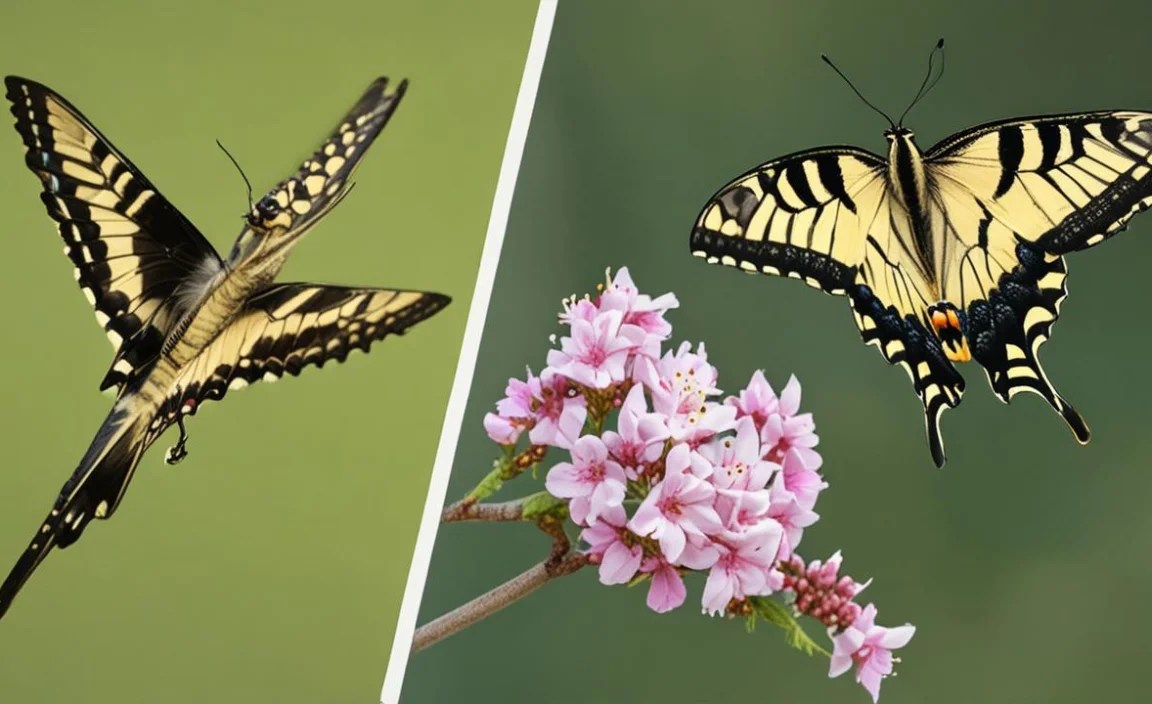
Let’s dive into what makes swallowtail butterflies so special. These butterflies belong to the family Papilionidae, and they’re found all over the world, except for Antarctica. They are among the largest and most striking butterflies, instantly recognizable by their elegant “tails.”
What are Swallowtail Butterflies?
Swallowtail butterflies are a group of butterflies characterized by the elongated extensions on their hindwings. These extensions look like the tails of swallow birds, hence the name “swallowtail.” These butterflies are admired for their large size, vibrant colors, and intricate patterns.
- Scientific Name: Family Papilionidae
- Size: Generally large, with wingspans ranging from 2 to 6 inches.
- Appearance: Brightly colored with distinctive tails on their hindwings.
- Habitat: Found worldwide, excluding Antarctica.
Key Characteristics of Swallowtail Butterflies
Swallowtails have several distinguishing features that make them easy to identify:
- Wing Shape: The most distinctive feature is the presence of “tails” on their hindwings.
- Coloration: Many species boast vibrant colors like yellow, black, blue, and green. Some have iridescent scales that shimmer in the sunlight.
- Size: Swallowtails are generally larger than many other butterfly species.
- Flight: They have a strong, graceful flight pattern.
Common Types of Swallowtail Butterflies
There are many different species of swallowtail butterflies, each with its unique beauty. Here are a few well-known examples:
- Eastern Tiger Swallowtail (Papilio glaucus): This butterfly is bright yellow with black stripes, resembling a tiger. Females can also be black.
- Black Swallowtail (Papilio polyxenes): The males are black with a yellow band on the wings, while females have blue scales.
- Giant Swallowtail (Papilio cresphontes): This is one of the largest swallowtails, with a wingspan up to 7 inches. It has a brown and yellow pattern.
- Spicebush Swallowtail (Papilio troilus): This butterfly is black with pale green markings and a blue sheen on the hindwings.
- Zebra Swallowtail (Eurytides marcellus): This swallowtail has black and white stripes, similar to a zebra.
Swallowtail Butterflies: Habitat and Diet

Understanding where swallowtails live and what they eat can help you attract these beauties to your own backyard.
Where do Swallowtail Butterflies Live?
Swallowtail butterflies live in a variety of habitats, depending on the species. You can find them in:
- Gardens: Many swallowtails are attracted to gardens with nectar-rich flowers and host plants for their caterpillars.
- Woodlands: Some species prefer wooded areas with specific host plants.
- Fields and Meadows: Open areas with plenty of wildflowers are ideal habitats.
- Swamps and Marshes: Certain swallowtails thrive in wetland environments.
What do Swallowtail Butterflies Eat?
Both the caterpillar and adult stages of swallowtail butterflies have specific dietary needs:
- Caterpillars: Swallowtail caterpillars feed on the leaves of specific host plants. These plants vary depending on the species. For example, Black Swallowtail caterpillars eat plants in the parsley family, like dill, parsley, and fennel. Eastern Tiger Swallowtail caterpillars feed on trees like wild cherry, tulip poplar, and sweetbay.
- Adult Butterflies: Adult swallowtails feed on nectar from flowers. They prefer flowers with long tubes that their proboscis (a long, straw-like tongue) can reach. Some favorite nectar sources include:
- Butterfly bush (Buddleja)
- Zinnia
- Lantana
- Salvia
- Milkweed
Life Cycle of a Swallowtail Butterfly

Like all butterflies, swallowtails undergo a complete metamorphosis, with four distinct stages.
Egg Stage
The life cycle begins with the egg. Female swallowtail butterflies lay their eggs on or near the host plants that their caterpillars will eat. The eggs are usually small and round, and their color can vary depending on the species.
Larva (Caterpillar) Stage
Once the egg hatches, the larva, or caterpillar, emerges. The caterpillar’s primary job is to eat and grow. Swallowtail caterpillars can consume a large amount of foliage. As they grow, they shed their skin multiple times in a process called molting. Many swallowtail caterpillars have fascinating defense mechanisms. For example, some have osmeteria, a forked organ that looks like a snake’s tongue, which they can display to scare away predators. The osmeteria also emits a strong odor.
Pupa (Chrysalis) Stage
When the caterpillar is fully grown, it enters the pupa stage, also known as the chrysalis. The caterpillar forms a hard, protective shell around itself. Inside the chrysalis, a remarkable transformation occurs. The caterpillar’s body breaks down and reorganizes into the adult butterfly form. The chrysalis can be green, brown, or another color, often blending in with its surroundings for camouflage.
Adult Butterfly Stage
After a period of time, which can range from a few weeks to a couple of months, the adult butterfly emerges from the chrysalis. The butterfly’s wings are initially crumpled and wet. It pumps hemolymph (insect blood) into the veins of its wings to expand them. Once the wings are dry andแข็งแรง, the butterfly is ready to fly and reproduce. Adult swallowtail butterflies live for a few weeks to several months, depending on the species and environmental conditions.
Attracting Swallowtail Butterflies to Your Garden

One of the joys of gardening is creating a space that attracts beautiful butterflies. Here’s how to make your garden a haven for swallowtails.
Plant Host Plants
To attract swallowtails, it’s essential to plant the host plants that their caterpillars need to survive. Here are some popular choices:
- Black Swallowtail: Plant dill, parsley, fennel, carrot, and rue.
- Eastern Tiger Swallowtail: Plant wild cherry, tulip poplar, sweetbay, and willow.
- Giant Swallowtail: Plant citrus trees, Hercules’ club, and rue.
- Spicebush Swallowtail: Plant spicebush and sassafras.
- Zebra Swallowtail: Plant pawpaw trees.
Provide Nectar Sources
Adult butterflies need nectar for energy. Plant a variety of nectar-rich flowers that bloom throughout the growing season. Some great options include:
- Butterfly bush (Buddleja)
- Zinnia
- Lantana
- Salvia
- Milkweed
- Coneflowers (Echinacea)
- Asters
- Phlox
Other Tips for Attracting Swallowtails
Here are some additional tips to make your garden butterfly-friendly:
- Provide a Water Source: Butterflies need water, but they can’t drink from open water sources like ponds or bird baths. Instead, create a “puddling” area by filling a shallow dish with sand and water. Keep the sand moist so butterflies can sip the water.
- Avoid Pesticides: Pesticides can harm or kill butterflies and caterpillars. Use organic gardening methods and avoid spraying insecticides.
- Provide Shelter: Plant shrubs and trees to provide shelter from wind and rain. Butterflies need places to rest and hide from predators.
- Sunlight: Butterflies are cold-blooded and need sunlight to warm their bodies. Make sure your garden has plenty of sunny spots.
Swallowtail Butterfly Conservation
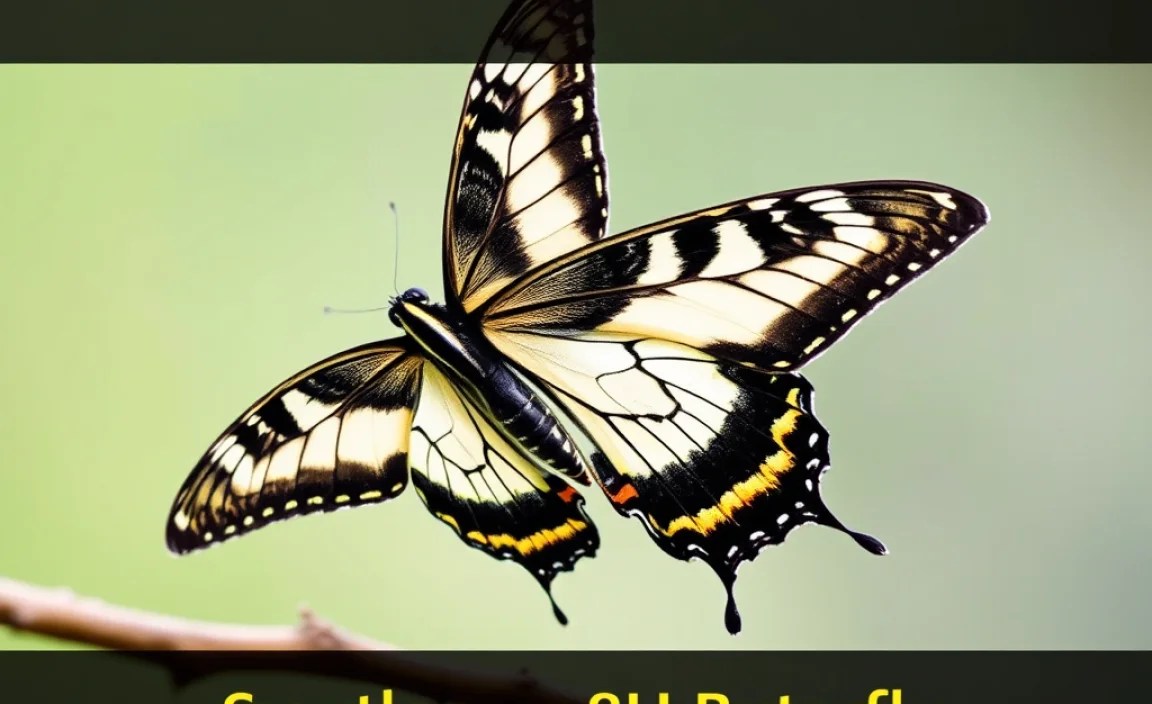
Many butterfly populations are declining due to habitat loss, pesticide use, and climate change. Here’s how you can help protect swallowtail butterflies.
Support Butterfly Conservation Organizations
Many organizations are working to protect butterflies and their habitats. Consider supporting these groups through donations or volunteer work. Some reputable organizations include:
- The Xerces Society
- National Wildlife Federation
- Butterflies and Moths of North America
Create Butterfly-Friendly Habitats
You can make a big difference by creating butterfly-friendly habitats in your own backyard or community. Plant native host plants and nectar sources, avoid pesticides, and provide water and shelter.
Educate Others
Spread the word about the importance of butterfly conservation. Talk to your friends, family, and neighbors about the challenges that butterflies face and how they can help. Education is a powerful tool for conservation.
Advocate for Butterfly-Friendly Policies
Support policies that protect butterfly habitats and reduce pesticide use. Contact your elected officials and let them know that you care about butterfly conservation.
Swallowtail Butterflies in Culture and Symbolism

Butterflies have long held symbolic meaning in various cultures around the world.
Symbolism of Transformation and Rebirth
The butterfly’s life cycle, with its dramatic transformation from caterpillar to chrysalis to winged adult, makes it a powerful symbol of transformation and rebirth. In many cultures, butterflies represent the soul, resurrection, and new beginnings.
Cultural Significance
In some cultures, butterflies are seen as messengers from the spirit world. They may represent loved ones who have passed away. In others, butterflies symbolize joy, beauty, and freedom.
Butterflies in Art and Literature
Butterflies have inspired artists and writers for centuries. They appear in paintings, poems, and stories as symbols of beauty, fragility, and transformation. Their vibrant colors and graceful flight make them a popular subject for artistic expression.
Identifying Swallowtail Butterflies: A Quick Guide
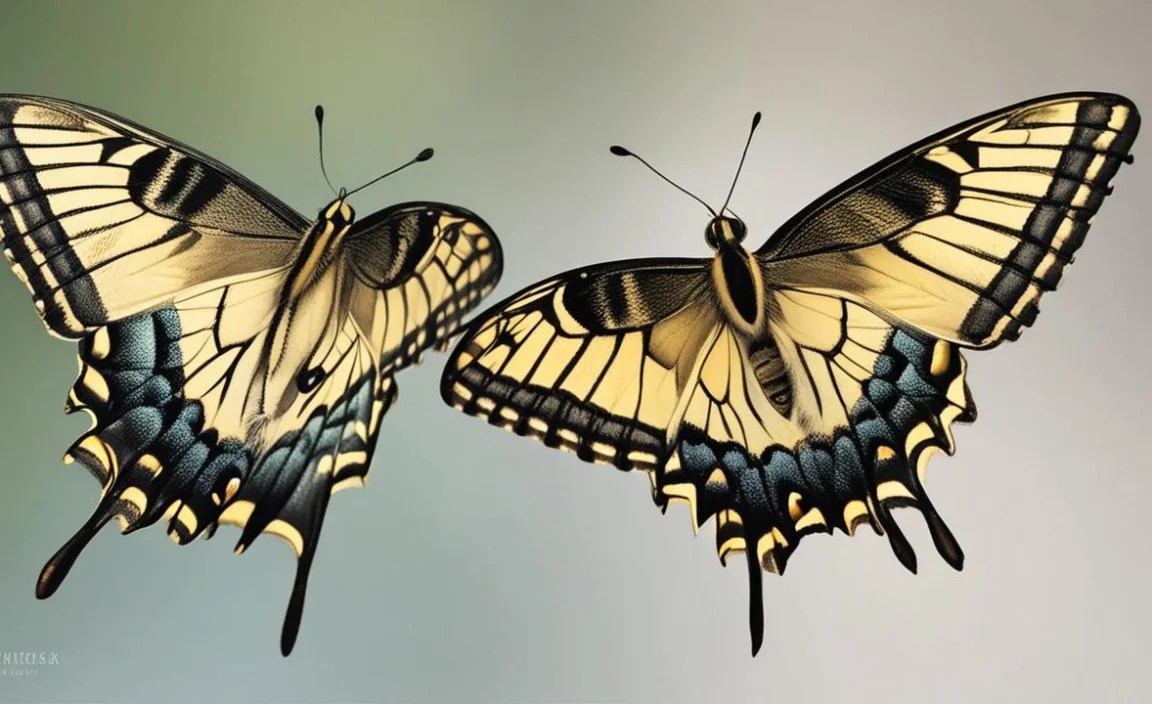
Identifying different species of swallowtail butterflies can be a fun and rewarding experience. Here’s a simple guide to help you get started.
| Species | Description | Host Plants | Range | Image |
|---|---|---|---|---|
| Eastern Tiger Swallowtail | Yellow with black stripes; females can be black. | Wild cherry, tulip poplar, sweetbay | Eastern North America | |
| Black Swallowtail | Black with yellow band (males); females have blue scales. | Dill, parsley, fennel | North America | |
| Giant Swallowtail | Brown and yellow pattern; very large. | Citrus trees, Hercules’ club | Southern North America | |
| Spicebush Swallowtail | Black with pale green markings and blue sheen. | Spicebush, sassafras | Eastern North America | |
| Zebra Swallowtail | Black and white stripes. | Pawpaw trees | Eastern North America |
*Note: Image column would contain image URLs, but is left blank here.*
Tips for Identification
- Observe the Wing Pattern: Pay close attention to the colors, stripes, and spots on the wings.
- Note the Size: Swallowtails vary in size, so note the wingspan.
- Check the Host Plants: If you know the host plants in your area, you can narrow down the possibilities.
- Use a Field Guide: A good field guide can be a valuable tool for butterfly identification.
- Take Photos: Take clear photos of the butterfly from different angles to help with identification.
Common Misconceptions About Swallowtails
Let’s clear up some common misconceptions surrounding swallowtail butterflies.
“Swallowtail Hawk” Does Not Exist
The biggest misconception is the idea of a “swallowtail hawk.” There is no such creature. The term “swallowtail” refers exclusively to a group of butterflies within the Papilionidae family.
Swallowtail Caterpillars are Not Always Harmful
While some caterpillars can be pests, swallowtail caterpillars are generally not harmful to gardens. They feed on specific host plants, and their presence can be a sign of a healthy ecosystem. In fact, many gardeners plant host plants specifically to attract swallowtails.
Swallowtails are Not Endangered Everywhere
While some swallowtail species may be threatened or endangered in certain regions, many are common and widespread. However, it’s still important to protect their habitats and support conservation efforts to ensure their continued survival.
FAQ About Swallowtail Butterflies
What is the difference between a swallowtail and other butterflies?
Swallowtail butterflies are unique due to the “tails” on their hindwings. They are also typically larger and more colorful than other butterfly species.
How can I attract swallowtail butterflies to my garden?
Plant host plants for their caterpillars and nectar-rich flowers for the adults. Provide a water source, avoid pesticides, and offer shelter from the wind.
Are swallowtail caterpillars harmful to my plants?
Swallowtail caterpillars feed on specific host plants, so they are generally not harmful to other garden plants. Plant the right host plants to keep them happy.
What do swallowtail butterflies eat?
Adult swallowtails eat nectar from flowers. Caterpillars eat the leaves of specific host plants like dill, parsley, citrus, or cherry trees.
How long do swallowtail butterflies live?
Adult swallowtail butterflies typically live for a few weeks to several months, depending on the species and environmental conditions.
Why are butterflies called swallowtails?
They are called swallowtails because of the distinctive, elongated extensions on their hindwings, which resemble the tails of swallow birds.
Are swallowtail butterflies poisonous?
Some swallowtail caterpillars sequester toxins from their host plants, making them unpalatable to predators. The Pipevine Swallowtail is a good example. However, most swallowtails are not poisonous to humans.
Conclusion
Swallowtail butterflies are truly remarkable creatures, adding beauty and wonder to our natural world. While the idea of a “swallowtail hawk” might cause confusion, understanding the unique characteristics, life cycle, and habitat of swallowtail butterflies can deepen your appreciation for these winged jewels. By planting host plants and nectar sources, avoiding pesticides, and supporting conservation efforts, you can help ensure that these beautiful butterflies continue to thrive for generations to come. So, get outside, explore your garden, and marvel at the magic of swallowtail butterflies!


