
Rare Butterflies in Balkans: A Powerful Secret

Have you ever seen a butterfly? They flutter around like colorful fairies. Some butterflies are common. But others are very rare. Did you know some rare butterflies live in the Balkans? These special insects need our help. We must learn about them to protect them.
The Balkans are a group of countries in Southeast Europe. This area has beautiful mountains and forests. These places are home to unique wildlife. Let’s explore the amazing world of rare butterflies in Balkans.
These rare butterflies in Balkans are important. They help flowers grow. They also make the world more beautiful. We should all care about these tiny creatures. Learning about them is the first step.
Key Takeaways
- Protecting rare butterflies in Balkans is crucial for the environment’s health.
- Many rare butterfly species face threats like habitat loss and climate change.
- The Balkan region offers diverse habitats for unique butterfly species.
- Conservation efforts are vital to ensure these butterflies continue to thrive.
- Learning about these insects helps people appreciate nature’s beauty.
Discovering Rare Butterflies in Balkans

The Balkans are home to many kinds of butterflies. Some of these are very rare. These rare butterflies in Balkans are special. They only live in certain places. They need specific plants to survive. When their homes are destroyed, they struggle. Climate change also makes it hard for them. The weather is not as predictable as it used to be. This affects the plants they need. People can help these butterflies by protecting their homes. We can also reduce pollution. Learning about these butterflies is the first step. Then we can take action to save them. These butterflies are important to the ecosystem. They are also beautiful to watch.
- Many Balkan butterflies are endangered.
- Habitat loss threatens their survival.
- Climate change affects their food sources.
- Conservation efforts are very important.
- Education helps people protect them.
Protecting these butterflies is important. It helps the whole environment. Butterflies help flowers grow. They also provide food for birds and other animals. When butterflies disappear, it affects everything. Scientists study these butterflies. They learn about their needs. Then they can suggest ways to help them. People can also help by planting butterfly-friendly gardens. These gardens provide food and shelter. Even small actions can make a big difference. We all have a role to play in protecting these rare butterflies in Balkans. They are a treasure we should cherish.
Why Are Balkan Butterflies Special?
Have you ever wondered why some butterflies are only found in certain places? The Balkans have unique habitats. Mountains, forests, and meadows provide homes. These habitats are perfect for certain butterfly species. Some butterflies have adapted to these specific environments. They can’t survive anywhere else. This makes them very special. It also makes them vulnerable. If their habitat is destroyed, they could disappear forever. Protecting these unique habitats is crucial. It helps these butterflies survive. It also preserves the biodiversity of the Balkans. This region is a treasure trove of natural wonders.
Butterfly Habitats in the Balkans
Imagine a lush meadow filled with wildflowers. Butterflies flutter from flower to flower. This is just one example of a Balkan butterfly habitat. Forests also provide important homes. Some butterflies lay their eggs on specific trees. Mountains offer cool, high-altitude habitats. These areas are home to unique butterfly species. Each habitat is different. Each supports different butterflies. Protecting these habitats means protecting the butterflies. It also means protecting the whole ecosystem. These habitats are interconnected. What happens in one place affects everything else.
The Role of Conservation
Conservation is like being a doctor for nature. It involves protecting and restoring habitats. It also means studying the needs of butterflies. Conservationists work hard to save rare butterflies in Balkans. They create protected areas. They educate people about the importance of butterflies. They also work to reduce pollution. These efforts are crucial for the survival of these insects. Conservation is not just the job of scientists. Everyone can help. Planting a butterfly garden is a simple way to make a difference. Supporting conservation organizations is another way to help. Together, we can protect these amazing creatures.
Fun Fact or Stat: Did you know that some butterflies migrate thousands of miles each year? The Monarch butterfly is famous for its long journey. While Balkan butterflies may not travel as far, they still move around to find food and mates.
Threats to Rare Butterflies in Balkans

Rare butterflies in Balkans face many dangers. One of the biggest is habitat loss. This happens when forests are cut down or meadows are turned into farms. Without their homes, butterflies cannot survive. Pollution also harms butterflies. Pesticides kill them directly. Climate change is another threat. Warmer temperatures can change the plants butterflies need. This makes it harder for them to find food. Invasive species can also cause problems. These are plants or animals that don’t belong in the Balkans. They can outcompete native species. This reduces the food available for butterflies. Protecting butterflies means addressing all these threats. We need to protect their habitats. We need to reduce pollution. We need to fight climate change.
- Habitat destruction is a major threat.
- Pollution harms butterflies directly.
- Climate change alters their environment.
- Invasive species compete for resources.
- Human activities impact their survival.
Addressing these threats requires a multi-pronged approach. Governments can create protected areas. These areas provide safe havens for butterflies. Farmers can use sustainable practices. This reduces pollution. Individuals can plant butterfly-friendly gardens. This provides food and shelter. Education is also key. People need to understand the importance of butterflies. They need to know how to protect them. By working together, we can make a difference. We can ensure that rare butterflies in Balkans continue to thrive. Their survival depends on our actions. We must act now to protect them.
The Impact of Habitat Loss
Imagine your home being destroyed. You would have nowhere to live. This is what happens to butterflies when their habitat is lost. Forests are cut down for timber. Meadows are turned into farmland. Construction also destroys butterfly habitats. Without their homes, butterflies cannot find food or shelter. They cannot lay their eggs. This leads to a decline in their population. Habitat loss is one of the biggest threats to rare butterflies in Balkans. Protecting existing habitats is crucial. Restoring damaged habitats is also important. We can all help by supporting conservation efforts.
Pollution’s Deadly Effects
Pollution is like poison for butterflies. Pesticides are used to kill insects on farms. But they can also kill butterflies. Air pollution can harm the plants that butterflies need. Water pollution can contaminate their drinking water. Pollution weakens butterflies. It makes them more vulnerable to disease. It also makes it harder for them to reproduce. Reducing pollution is essential for protecting butterflies. We can do this by using less pesticides. We can also reduce our carbon footprint. Every little bit helps.
Climate Change and Butterfly Survival
Climate change is changing the world. It is making temperatures warmer. It is also changing rainfall patterns. This affects the plants that butterflies need. Some plants may disappear altogether. Others may bloom at different times. This can disrupt the butterfly life cycle. Butterflies may emerge too early or too late. They may not be able to find food. Climate change is a major threat to rare butterflies in Balkans. We need to reduce our carbon emissions. We also need to help butterflies adapt to the changing climate. This could involve planting different types of plants. It could also involve creating cooler microclimates.
Fun Fact or Stat: Some butterflies have camouflage. This helps them hide from predators. They blend in with their surroundings. This is an amazing adaptation. However, it doesn’t protect them from habitat loss or pollution.
Conservation Efforts for Balkan Butterflies
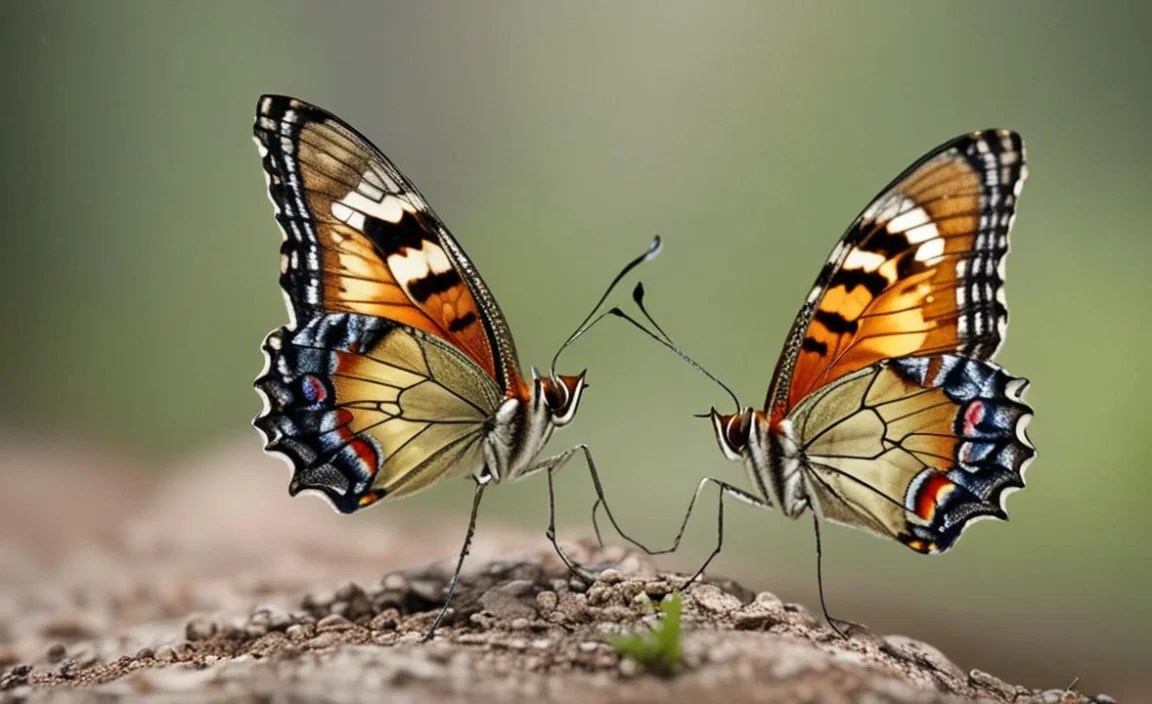
People are working hard to protect rare butterflies in Balkans. Conservation organizations are studying these butterflies. They are learning about their needs. They are also working to protect their habitats. Governments are creating protected areas. These areas provide safe havens for butterflies. Local communities are also getting involved. They are planting butterfly-friendly gardens. They are educating others about the importance of butterflies. These efforts are making a difference. Butterfly populations are starting to recover in some areas. But there is still much work to be done. We need to continue to support these conservation efforts. We need to raise awareness about the importance of butterflies.
- Organizations study butterfly needs.
- Governments create protected areas.
- Communities plant butterfly gardens.
- Education raises awareness.
- Efforts are showing positive results.
Conservation is a team effort. It requires the cooperation of scientists, governments, communities, and individuals. Each has a role to play. Scientists provide the knowledge. Governments provide the resources. Communities provide the support. Individuals provide the action. Together, we can create a brighter future for rare butterflies in Balkans. Their survival depends on our collective efforts. We must act now to protect them. They are a valuable part of our natural heritage. We should cherish them and protect them for future generations.
Protected Areas: A Safe Haven
Imagine a park where butterflies can roam free. This is what a protected area is like. It is a place where their habitat is protected. No one can cut down the trees. No one can pollute the water. Butterflies can thrive in these areas. Protected areas are essential for the survival of rare butterflies in Balkans. They provide a safe haven from habitat loss and pollution. Governments create these areas. They also enforce the rules. This ensures that butterflies are protected. Supporting protected areas is a great way to help butterflies.
Community Involvement: Planting the Seeds of Change
Have you ever planted a garden? It’s a great way to help butterflies. Plant butterfly-friendly flowers. These flowers provide food for butterflies. They also provide a place for them to lay their eggs. Community gardens can make a big difference. They can provide a network of habitats for butterflies. They can also educate people about the importance of butterflies. Getting involved in your local community is a great way to help. You can plant a butterfly garden. You can also volunteer at a local park.
Education: Spreading the Word
Education is key to conservation. People need to understand the importance of butterflies. They need to know how to protect them. Schools can teach children about butterflies. Museums can display butterfly exhibits. Conservation organizations can offer workshops. The more people know about butterflies, the more likely they are to help. You can spread the word by talking to your friends and family. You can also share information on social media. Every little bit helps.
Fun Fact or Stat: Some butterflies can taste with their feet! This helps them find the right plants to lay their eggs on. They can sense the chemicals in the leaves. This is an amazing adaptation.
Identifying Rare Butterfly Species

Knowing how to identify rare butterflies in Balkans is important. It helps scientists track their populations. It also helps conservationists protect their habitats. Each butterfly species has unique markings. These markings can help you identify them. Some butterflies are brightly colored. Others are more camouflaged. Some butterflies have specific wing shapes. Others have unique antennae. Using a butterfly identification guide can help. These guides provide pictures and descriptions. They can help you learn to identify different species. Learning to identify butterflies is a fun and rewarding experience. It also helps you appreciate the diversity of nature.
- Each species has unique markings.
- Colors and patterns help identify them.
- Wing shapes are also distinctive.
- Identification guides are helpful tools.
- Learning is a fun and rewarding experience.
Identifying butterflies requires patience and practice. Start by observing butterflies in your backyard. Notice their colors and patterns. Pay attention to their wing shapes. Use a butterfly identification guide to compare them to different species. Take pictures of the butterflies you see. This will help you remember them. Over time, you will become more familiar with the different species. You will be able to identify them more easily. This knowledge will help you appreciate the beauty and diversity of rare butterflies in Balkans. It will also inspire you to protect them.
Key Characteristics of Balkan Butterflies
Balkan butterflies have unique characteristics. Their colors and patterns are adapted to their environment. Some butterflies have bright colors to attract mates. Others have camouflage to hide from predators. Their wing shapes also vary. Some butterflies have broad wings for gliding. Others have narrow wings for quick flight. Their size also differs. Some butterflies are tiny. Others are quite large. These characteristics help them survive in their specific habitats. Learning about these characteristics can help you identify different species.
Using Field Guides for Identification
Field guides are like treasure maps for butterfly enthusiasts. They provide detailed descriptions and pictures. They help you identify different species. Field guides also include information about habitat and behavior. This can help you find butterflies in the wild. They can also help you understand their life cycle. Using a field guide is a great way to learn about rare butterflies in Balkans. It can also help you become a better observer of nature. Always remember to respect the butterflies and their habitat.
Citizen Science: Contributing to Research
You can be a scientist too! Citizen science projects allow you to contribute to research. You can record your butterfly sightings. You can submit your data to scientists. This helps them track butterfly populations. It also helps them monitor their habitats. Citizen science is a great way to get involved in conservation. It is also a fun and educational experience. You can learn about rare butterflies in Balkans. You can also help protect them. There are many citizen science projects available online. Find one that interests you and get started today.
Fun Fact or Stat: The wings of a butterfly are covered in tiny scales. These scales give the wings their color. They also help protect the wings from damage. Handle butterflies carefully to avoid damaging their delicate wings.
Butterfly-Friendly Gardening in the Balkans

Creating a butterfly-friendly garden is a great way to help rare butterflies in Balkans. These gardens provide food and shelter. They also provide a place for butterflies to lay their eggs. Choose plants that are native to the Balkans. These plants are best adapted to the local climate. They also provide the best food for butterflies. Include a variety of plants that bloom at different times. This will provide a continuous source of nectar. Avoid using pesticides. These chemicals can harm butterflies. Provide a water source. A shallow dish of water with pebbles will do. Butterflies need water to drink.
- Choose native Balkan plants.
- Include plants that bloom at different times.
- Avoid using pesticides.
- Provide a water source.
- Offer shelter from wind and sun.
Creating a butterfly-friendly garden is a rewarding experience. You will attract beautiful butterflies to your yard. You will also be helping to protect rare butterflies in Balkans. Your garden will become a haven for these amazing creatures. It will also be a place where you can relax and enjoy nature. Share your garden with others. Encourage them to create their own butterfly-friendly gardens. Together, we can create a network of habitats for butterflies. This will help them thrive in the Balkans.
Choosing the Right Plants
The key to a butterfly-friendly garden is choosing the right plants. Native Balkan plants are the best choice. They are adapted to the local climate. They also provide the best food for butterflies. Some good choices include lavender, thyme, and butterfly bush. These plants attract a variety of butterflies. They also provide nectar for them to feed on. Research the specific needs of different butterfly species. This will help you choose the best plants for your garden. Remember to provide a variety of plants. This will attract a wider range of butterflies.
Providing Water and Shelter
Butterflies need water to drink. They also need shelter from the wind and sun. Provide a shallow dish of water with pebbles. This will allow butterflies to drink without drowning. Plant trees and shrubs to provide shelter. These plants will also provide a place for butterflies to rest. Consider creating a butterfly house. This will provide a safe place for butterflies to overwinter. These simple additions can make a big difference. They will help butterflies thrive in your garden.
Avoiding Pesticides: A Safe Haven for Butterflies
Pesticides are like poison for butterflies. They can kill them directly. They can also harm the plants that butterflies need. Avoid using pesticides in your garden. Choose organic gardening methods instead. These methods are safer for butterflies and other beneficial insects. Use natural pest control methods. These methods include attracting beneficial insects. They also include using insecticidal soap. These methods are effective and safe. By avoiding pesticides, you will create a safe haven for butterflies.
Fun Fact or Stat: Butterflies can only see the colors red, green, and yellow. This influences the types of flowers they are attracted to. Plant a variety of colors in your garden to attract different species.
The Future of Rare Butterflies in Balkans
The future of rare butterflies in Balkans depends on our actions. We need to continue to protect their habitats. We need to reduce pollution. We need to fight climate change. We also need to educate others about the importance of butterflies. By working together, we can create a brighter future for these amazing creatures. Conservation efforts are making a difference. Butterfly populations are starting to recover in some areas. But there is still much work to be done. We need to continue to support these efforts. We need to raise awareness about the importance of butterflies. The future of rare butterflies in Balkans is in our hands.
- Continued habitat protection is crucial.
- Pollution reduction is essential.
- Climate change mitigation is necessary.
- Education promotes awareness.
- Collaborative efforts ensure a brighter future.
The challenges are significant. But the rewards are even greater. Imagine a world where rare butterflies in Balkans thrive. A world where their beauty and diversity enrich our lives. This is the future we can create. It requires dedication and commitment. But it is a future worth fighting for. Let us work together to protect these amazing creatures. Let us ensure that they continue to flutter through the Balkans for generations to come. Their survival is a testament to our ability to protect the natural world.
Sustainable Practices for a Better Tomorrow
Sustainable practices are essential for protecting rare butterflies in Balkans. These practices include reducing our carbon footprint. They also include using less pesticides. They include supporting sustainable agriculture. By adopting these practices, we can create a healthier environment. This will benefit butterflies and other wildlife. We can also create a more sustainable future for ourselves. Sustainable practices are not just good for the environment. They are also good for the economy. They can create new jobs and opportunities.
Engaging Future Generations in Conservation
The future of conservation depends on engaging future generations. We need to teach children about the importance of butterflies. We need to inspire them to protect these amazing creatures. Schools can play a vital role. They can incorporate butterfly conservation into their curriculum. Parents can also play a role. They can take their children to butterfly gardens. They can teach them about the different species. By engaging future generations, we can ensure that conservation efforts continue. We can also create a new generation of environmental stewards.
Collaborative Efforts: A United Front
Conservation requires collaboration. Scientists, governments, communities, and individuals must work together. They must share knowledge and resources. They must coordinate their efforts. Collaborative efforts are more effective than individual efforts. They allow us to address the complex challenges facing rare butterflies in Balkans. By working together, we can achieve more. We can create a brighter future for these amazing creatures. We can also create a more sustainable world for ourselves.
Fun Fact or Stat: Butterflies are important pollinators. They help flowers reproduce. They carry pollen from one flower to another. This is essential for plant survival. By protecting butterflies, we are also protecting plants.
| Butterfly Species | Habitat | Threats | Conservation Status |
|---|---|---|---|
| Balkan Copper | Mountain meadows | Habitat loss, climate change | Vulnerable |
| Scarce Swallowtail | Forest edges | Habitat destruction, pollution | Near Threatened |
| Large Blue | Grasslands | Habitat fragmentation, overgrazing | Endangered |
| Eastern Festoon | Woodlands | Deforestation, pesticide use | Critically Endangered |
| Clouded Apollo | Alpine regions | Climate change, tourism | Vulnerable |
Summary
The Balkans are home to many rare butterflies. These butterflies face threats like habitat loss and climate change. Conservation efforts are crucial for their survival. These efforts include protecting habitats and reducing pollution. They also include educating others about the importance of butterflies. Individuals can help by planting butterfly-friendly gardens. They can also support conservation organizations. By working together, we can create a brighter future for rare butterflies in Balkans. These butterflies are a valuable part of our natural heritage. They deserve our protection.
Learning about these butterflies is the first step in helping them. Understanding their needs and threats can help us take action. Every small effort makes a difference. Whether it’s planting a flower or donating to a conservation group, it all counts. These beautiful creatures play an important role in the ecosystem. Preserving them is essential for a healthy planet. Let’s all do our part to protect rare butterflies in Balkans.
Conclusion
Rare butterflies in Balkans are precious. They face serious threats. Habitat loss and climate change hurt them. We must act now to protect them. Conservation efforts are working. We can all help these butterflies. Plant gardens and support conservation groups. Educate others about their importance. Together, we can ensure a future for these butterflies. Let’s preserve these natural treasures.
Frequently Asked Questions
Question No 1: What makes butterflies in the Balkans so special?
Answer: The Balkans have unique habitats. Mountains, forests, and meadows create perfect homes. Certain butterfly species have adapted to these environments. This makes them special. It also makes them vulnerable. They depend on specific plants and conditions. Losing their habitats would be devastating. Preserving these areas is key to their survival. These rare butterflies in Balkans are a vital part of the ecosystem. They help pollinate flowers and support other wildlife. Their beauty also enriches our world.
Question No 2: What are the biggest threats to rare butterflies in the Balkans?
Answer: The biggest threat is habitat loss. Forests are cut down. Meadows are turned into farmland. This destroys butterfly homes. Pollution also harms them. Pesticides kill butterflies and their food sources. Climate change is another threat. Warmer temperatures change plant life cycles. Invasive species can also cause problems. These species compete with native plants and animals. Protecting these butterflies requires addressing all these issues. We must protect their habitats, reduce pollution, and fight climate change. Conserving rare butterflies in Balkans is a complex challenge.
Question No 3: How can I help protect these rare butterflies?
Answer: You can do many things! Plant a butterfly-friendly garden. Use native plants. Avoid pesticides. Support conservation organizations. Educate others about butterflies. Reduce your carbon footprint. Even small actions make a difference. Every butterfly garden helps. Every donation supports conservation efforts. Every conversation raises awareness. By working together, we can protect rare butterflies in Balkans. We can ensure they thrive for future generations. Our actions today will determine their fate tomorrow. Let’s make a positive impact.
Question No 4: What is citizen science, and how does it help?
Answer: Citizen science is when regular people help scientists. You can record butterfly sightings. You can submit data to researchers. This helps them track populations. It also helps monitor habitats. Citizen science is fun and educational. You learn about butterflies. You also contribute to conservation. It allows scientists to gather more data. This leads to better conservation strategies. Anyone can participate. You don’t need special training. Just a love for nature and a willingness to help. Citizen science is vital for protecting rare butterflies in Balkans.
Question No 5: What are some examples of successful conservation efforts?
Answer: Creating protected areas is one success. These areas provide safe havens. Restoring damaged habitats is another. This involves planting native plants. Educating communities also helps. People learn to protect butterflies. Sustainable farming practices reduce pesticide use. These efforts are showing results. Butterfly populations are recovering in some areas. But more work is needed. Continued conservation is essential for long-term success. Protecting rare butterflies in Balkans requires ongoing commitment.
Question No 6: How does climate change affect rare butterflies in the Balkans?
Answer: Climate change changes the plants butterflies need. Warmer temperatures alter blooming times. Rainfall patterns also change. This disrupts butterfly life cycles. Butterflies may emerge too early. They may not find food. Some plants may disappear entirely. Climate change is a serious threat. Reducing our carbon footprint is crucial. Helping butterflies adapt is also important. This could involve planting different plants. Protecting rare butterflies in Balkans means addressing climate change. It requires global action and local efforts.


