Painted Lady Butterfly Climate Adaptation: The Secret

Have you ever seen a butterfly? They flutter around in gardens. Some butterflies travel very far. One amazing butterfly is the painted lady. It can fly thousands of miles! These butterflies are also adapting. They must change to live in new climates. This is called painted lady butterfly climate adaptation.
These butterflies are found all over the world. They live in many different places. They have to adjust to survive. How do they do it? Let’s find out!
Key Takeaways
- Painted lady butterfly climate adaptation helps them survive in changing environments.
- These butterflies migrate long distances to find better living conditions.
- Their diet and breeding habits change with the climate.
- Genetic changes help them adapt to new temperatures.
- Scientists study them to understand how other species adapt.
Understanding Painted Lady Climate Adaptation
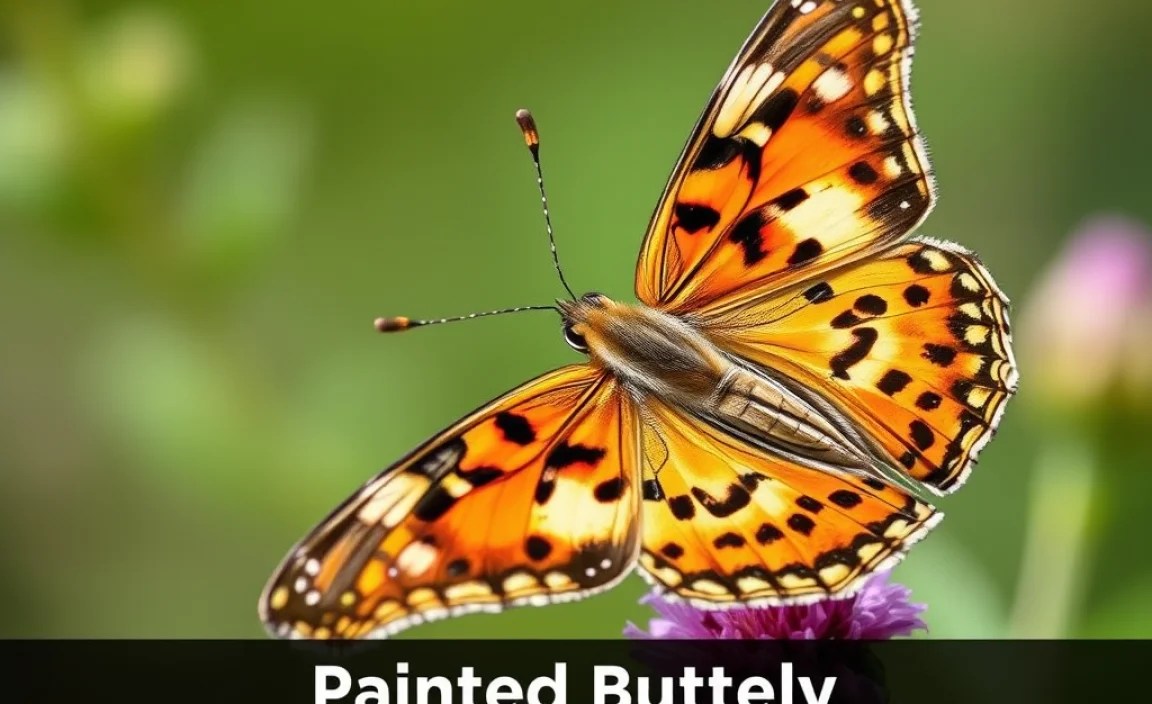
The painted lady butterfly is a very special insect. It lives on many continents. These butterflies can be found in North America, Europe, Asia, and Africa. This wide range means they experience many climates. Some places are hot and dry. Others are cold and wet. To survive, they must adapt. Painted lady butterfly climate adaptation involves many things. They change their behavior. They change their bodies over time. They even change their migration patterns. These changes help them live in new environments. Scientists study these butterflies. They want to learn how other animals can adapt too. Climate change is happening fast. Understanding adaptation is very important for all living things. The painted lady offers important clues.
- Painted ladies live on many continents.
- They face different climates.
- Adaptation is key to their survival.
- Scientists study their adaptation.
- Climate change affects their habitats.
The ability of the painted lady butterfly to thrive in diverse environments is a testament to its remarkable adaptability. These butterflies showcase an incredible capacity to adjust to varying temperatures, rainfall patterns, and food sources. This adaptability is not just about individual butterflies changing their behavior; it also involves genetic shifts that occur over generations. For instance, butterflies in colder regions might develop darker wings to absorb more sunlight and stay warm. Those in drier areas might become more efficient at conserving water. These adaptations are crucial for their survival as the climate continues to change. The study of painted lady butterfly climate adaptation gives us insights into the broader impacts of environmental changes on other species and ecosystems.
Fun Fact or Stat: Painted lady butterflies can fly up to 100 miles in a single day during migration!
How Temperature Affects Painted Ladies
Have you ever felt too hot or too cold? Butterflies feel it too! Temperature affects painted lady butterflies a lot. They need warmth to fly. They need cooler temperatures to rest. If it gets too hot, they can overheat. If it is too cold, they cannot move. Painted lady butterfly climate adaptation includes changing how they react to temperature. They might fly at different times of the day. They might seek shade when it is hot. They might bask in the sun when it is cold. These behaviors help them survive. Temperature also affects where they can live. As the climate changes, some places get hotter. Other places get colder. Painted ladies have to move to find the right temperature.
The Role of Food in Adaptation
Imagine only being able to eat one thing. What if that one thing disappeared? This is a problem for some butterflies. Painted lady butterflies eat nectar from flowers. They also eat leaves as caterpillars. If their favorite plants disappear, they have to find new ones. Painted lady butterfly climate adaptation includes changing their diet. They might learn to eat new types of nectar. They might eat different kinds of leaves. This is not always easy. Some plants are poisonous. Some plants do not have enough food. But painted ladies are good at finding new food sources. This helps them survive when the climate changes.
Migration and Climate Change
Have you ever moved to a new home? Maybe your family wanted a bigger house. Or maybe you wanted to live closer to school. Butterflies also move! They migrate to find better places to live. Painted lady butterflies are famous for their long migrations. They fly thousands of miles. They go to warmer places in the winter. They return to cooler places in the summer. But climate change is changing their migration patterns. Some places are getting too hot. Other places are getting too dry. Painted lady butterfly climate adaptation includes changing their migration routes. They might fly to different places. They might fly at different times. This helps them find the best places to live.
Changes in Migration Patterns
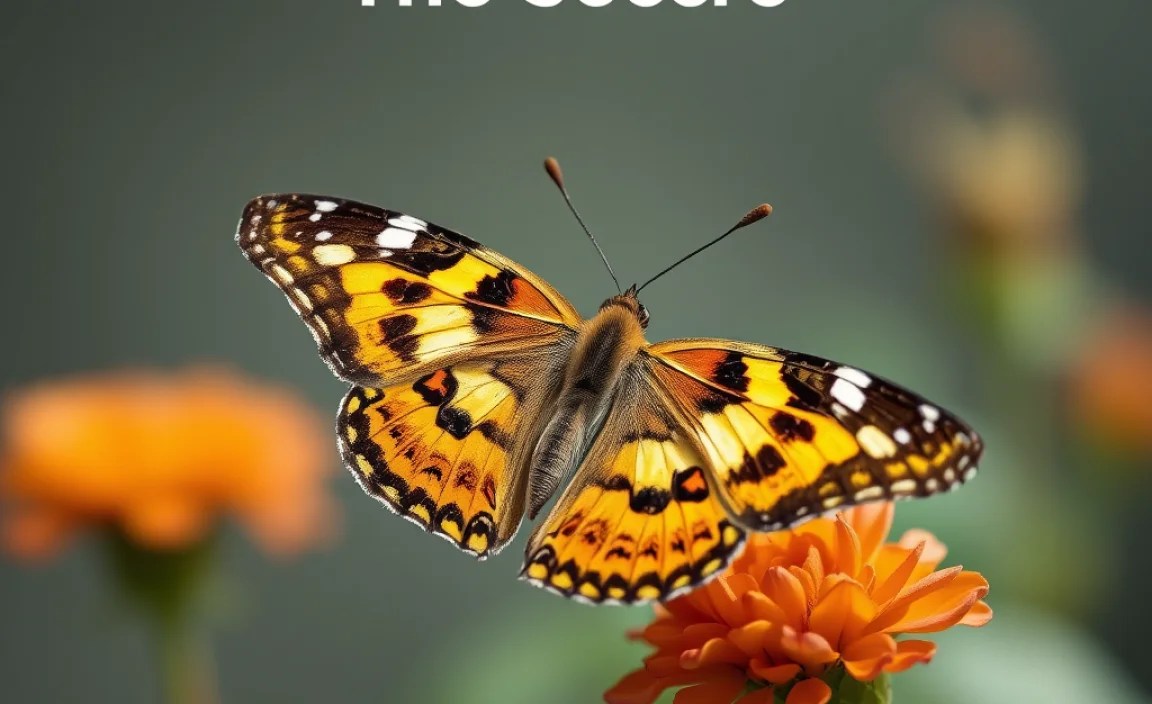
Migration is a big part of the painted lady butterfly’s life. These butterflies travel long distances. They move from one place to another. They do this to find food and better weather. But the climate is changing. This affects their migration. Painted lady butterfly climate adaptation involves changing how they migrate. They might start their journey earlier. They might fly to different locations. Sometimes, they even skip migration altogether. This can happen if the weather is good enough where they are. Understanding these changes is important. It helps us understand how climate change affects other animals too. Scientists study these butterflies closely. They want to learn more about their amazing journeys.
- Migration helps them find food.
- Climate change affects their routes.
- They might start migrating earlier.
- Some skip migration entirely.
- Scientists study their journeys.
- Their migration adapts to climate.
The shifts in painted lady butterfly migration patterns are a clear sign of how climate change is impacting even the smallest creatures. As temperatures rise and habitats change, these butterflies are forced to alter their traditional routes and schedules. For example, some populations have been observed starting their migrations weeks earlier than usual, while others have been seen venturing into new territories in search of suitable breeding grounds. These changes can have ripple effects on the ecosystems they interact with, affecting plant pollination and the food supply for other animals. By studying painted lady butterfly climate adaptation in their migration, we can gain insights into the broader ecological consequences of climate change and develop strategies to help other species cope with a rapidly changing world.
Fun Fact or Stat: The painted lady butterfly is one of the most widely distributed butterfly species in the world!
The Impact of Habitat Loss
Imagine your home disappearing. Where would you go? This happens to butterflies too. Their habitats are disappearing. Forests are cut down. Fields are turned into cities. This is called habitat loss. Painted lady butterfly climate adaptation is harder when they lose their homes. They have fewer places to lay eggs. They have less food to eat. They have fewer places to hide from predators. Habitat loss makes it harder for them to survive. We can help by planting more flowers. We can protect their habitats. This will give them a better chance to adapt.
How Droughts Affect Butterflies
Have you ever been really thirsty? Imagine being thirsty all the time. This happens during droughts. Droughts are long periods without rain. They can be very hard on butterflies. Flowers dry up. There is less nectar to eat. Caterpillars have less food too. Painted lady butterfly climate adaptation includes dealing with droughts. They might fly to places with more water. They might become better at finding water. They might even change their bodies to need less water. Droughts are becoming more common because of climate change. Helping butterflies cope with droughts is important.
Changes in Breeding Seasons
When do butterflies have babies? It depends on the weather. Usually, they breed in the spring and summer. But climate change is changing this. The weather is getting warmer earlier. This means butterflies might start breeding earlier too. Painted lady butterfly climate adaptation includes changing their breeding seasons. They might have more babies in a year. Or they might have babies at different times. This can affect the whole ecosystem. It can affect the plants they pollinate. It can affect the animals that eat them. Understanding these changes is important.
Dietary Adaptations of Painted Ladies

What do you like to eat? Butterflies have favorite foods too. They eat nectar from flowers. They also eat leaves as caterpillars. But sometimes, their favorite foods are not available. This can happen because of climate change. Flowers might bloom at different times. Some plants might disappear. Painted lady butterfly climate adaptation includes changing their diet. They might learn to eat new types of nectar. They might eat different kinds of leaves. This helps them survive when their usual food is scarce. Scientists study what they eat. This helps us understand how they adapt.
- They eat nectar from flowers.
- Caterpillars eat leaves.
- Climate change affects their food.
- They might eat new foods.
- Scientists study their diet.
- Dietary adaptation is important.
The dietary adaptations of painted lady butterflies are crucial for their survival in a changing world. As their preferred food sources become less reliable due to climate-related shifts in plant life cycles, these butterflies must find alternative ways to nourish themselves. This can involve seeking out new types of flowers with accessible nectar or adapting to consume different kinds of leaves as caterpillars. The ability to diversify their diet is a key component of painted lady butterfly climate adaptation, enabling them to persist even when their familiar resources become scarce. By studying these dietary changes, scientists can gain valuable insights into how other species might cope with the challenges of food availability in a changing climate.
Fun Fact or Stat: A painted lady butterfly can taste with its feet!
Finding New Nectar Sources
Imagine your favorite restaurant closing down. You would have to find a new place to eat. Butterflies have the same problem. Their favorite flowers might disappear. They need to find new nectar sources. Painted lady butterfly climate adaptation includes learning to find new flowers. They might fly to different areas. They might try nectar from different plants. This can be hard because some plants are poisonous. But painted ladies are good at finding new food. They are important pollinators.
Adapting to Different Leaf Types
What if you had to eat a different kind of vegetable every day? Caterpillars have to do this sometimes. They eat leaves. But not all leaves are the same. Some are tough. Some are bitter. Some are poisonous. Painted lady butterfly climate adaptation includes adapting to different leaf types. They might develop stronger jaws. They might develop a tolerance for toxins. This helps them survive when their favorite leaves are not available.
The Role of Gut Bacteria
Did you know you have tiny creatures living in your stomach? These are called gut bacteria. They help you digest food. Butterflies have them too. Gut bacteria can help them digest different types of leaves. Painted lady butterfly climate adaptation includes changes in their gut bacteria. Different bacteria can help them eat different foods. Scientists study these bacteria. They want to learn how they help butterflies adapt.
Genetic Adaptations in Painted Ladies
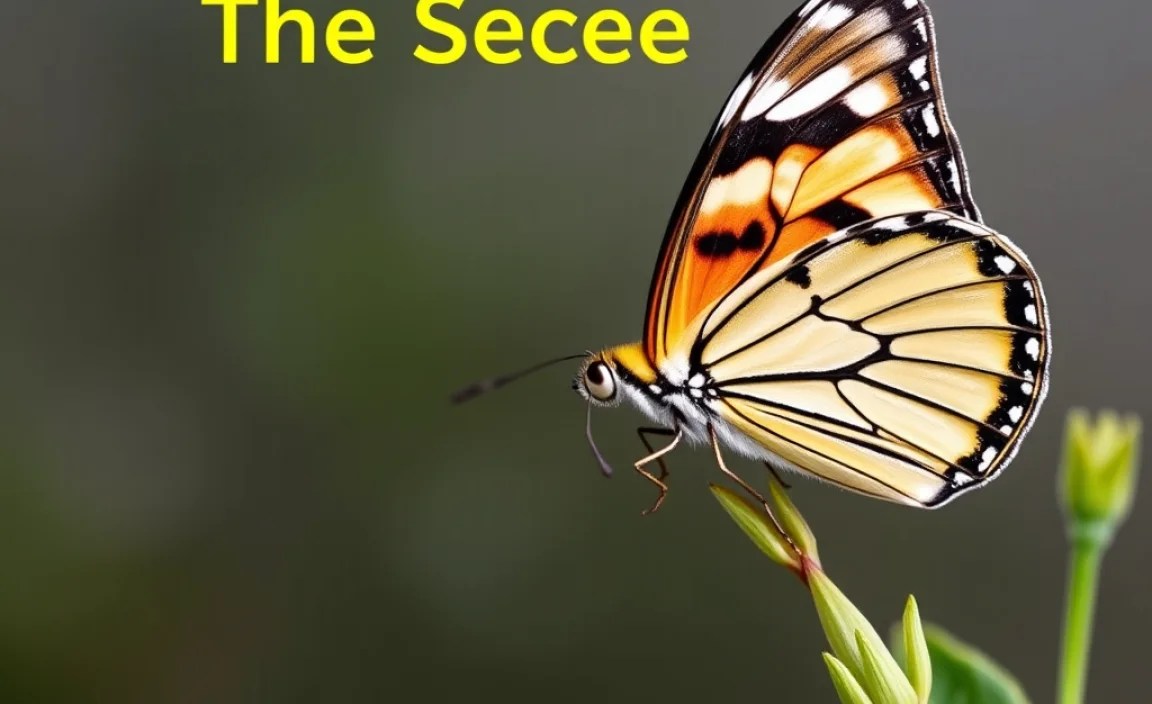
Have you ever heard of genes? Genes are like instructions inside your body. They tell your body how to grow and change. Butterflies have genes too. These genes can change over time. This helps them adapt to new environments. Painted lady butterfly climate adaptation includes genetic changes. Some butterflies might have genes that help them survive in hotter weather. Others might have genes that help them survive in colder weather. These genetic changes are very important. They allow butterflies to live in many different places. Scientists study their genes. This helps us understand how adaptation works.
- Genes are instructions in the body.
- Genes can change over time.
- Genetic changes help them adapt.
- Some genes help with hot weather.
- Other genes help with cold weather.
- Scientists study their genes.
The genetic adaptations in painted lady butterflies are a testament to the power of evolution. Over generations, these butterflies have developed genetic variations that enable them to thrive in a wide range of climates. For instance, some populations have evolved genes that allow them to withstand higher temperatures, while others have genes that help them conserve water in arid environments. These genetic changes are not just about individual survival; they also contribute to the long-term resilience of the species. By studying painted lady butterfly climate adaptation at the genetic level, scientists can gain a deeper understanding of the mechanisms that drive adaptation and identify potential strategies for helping other species cope with climate change.
Fun Fact or Stat: The wings of a painted lady butterfly are covered in tiny scales!
Changes in Wing Color
Have you ever noticed how butterflies have different colors? Wing color can help them survive. Darker wings absorb more sunlight. This helps them stay warm in cold weather. Lighter wings reflect sunlight. This helps them stay cool in hot weather. Painted lady butterfly climate adaptation includes changes in wing color. Butterflies in colder areas might have darker wings. Butterflies in hotter areas might have lighter wings. These changes help them regulate their body temperature.
Tolerance to Extreme Temperatures
Imagine being able to survive in very hot or very cold weather. Some butterflies can do this! They have adaptations that help them tolerate extreme temperatures. Painted lady butterfly climate adaptation includes developing a tolerance to heat and cold. They might produce special proteins that protect their cells. They might change their behavior to avoid extreme temperatures. This helps them survive in harsh environments.
Faster Development Times
How long does it take for a caterpillar to become a butterfly? It depends on the temperature. Warmer temperatures can speed up development. Colder temperatures can slow it down. Painted lady butterfly climate adaptation includes changes in development time. Butterflies in warmer areas might develop faster. This allows them to have more generations in a year. This helps them increase their population size.
Comparing Adaptation Strategies
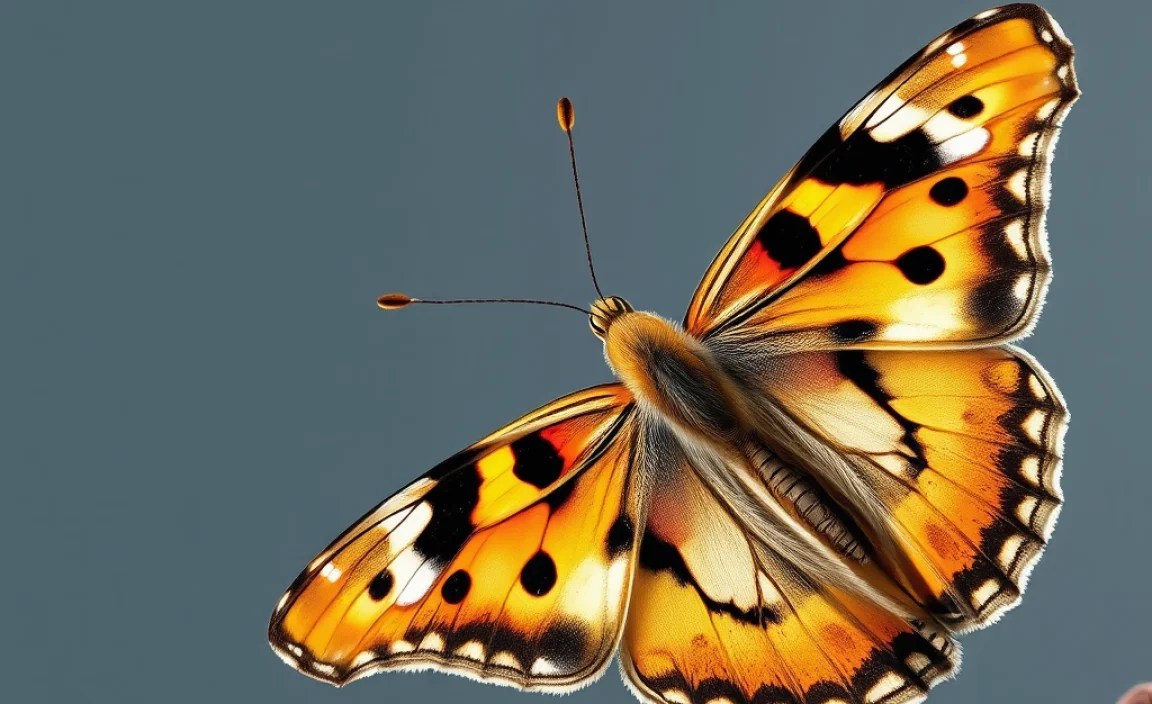
Different butterflies adapt in different ways. Some change their behavior. Some change their diet. Some change their genes. Painted lady butterfly climate adaptation is a mix of all these things. Some butterflies are better at adapting than others. This depends on their genes. It also depends on their environment. Scientists compare different adaptation strategies. This helps us understand which strategies are most effective. This information can help us protect other species.
- Adaptation involves behavior changes.
- Dietary changes are also important.
- Genetic changes help them adapt.
- Some adapt better than others.
- Scientists compare strategies.
- Effective strategies help survival.
The study of painted lady butterfly climate adaptation reveals a diverse range of strategies that these insects employ to survive in changing environments. Some butterflies rely on behavioral adaptations, such as seeking shade during hot weather or migrating to cooler regions. Others focus on dietary changes, learning to consume new types of plants or nectar sources. Still others undergo genetic changes that allow them to tolerate extreme temperatures or develop faster. By comparing these different approaches, scientists can gain a better understanding of which adaptation strategies are most effective in different situations. This knowledge can be invaluable for predicting how other species might respond to climate change and for developing conservation strategies that support their survival.
Fun Fact or Stat: Painted lady butterflies can be found in almost every part of the world!
Behavioral vs. Genetic Adaptation
Is it better to change your behavior or your genes? Both are important. Behavioral adaptations are fast. Butterflies can change their behavior quickly. Genetic adaptations take longer. They happen over many generations. Painted lady butterfly climate adaptation often involves both. They might change their behavior first. Then, over time, their genes might change too. This combination helps them adapt to new challenges.
Short-Term vs. Long-Term Changes
Some adaptations are short-term. They help butterflies survive right now. Other adaptations are long-term. They help butterflies survive in the future. Painted lady butterfly climate adaptation includes both types of changes. Short-term changes might involve seeking shade. Long-term changes might involve genetic mutations. Both are important for survival.
Adaptation in Different Populations
Do all painted ladies adapt the same way? No! Different populations face different challenges. Butterflies in the desert need to adapt to heat and drought. Butterflies in the mountains need to adapt to cold and snow. Painted lady butterfly climate adaptation varies depending on the environment. This shows how adaptable these butterflies are.
| Adaptation Type | Description | Example | Time Scale |
|---|---|---|---|
| Behavioral | Changes in actions to cope with climate | Seeking shade during hot weather | Short-term |
| Dietary | Adjustments in food sources | Eating new types of nectar | Medium-term |
| Genetic | Changes in genes over generations | Developing heat tolerance genes | Long-term |
| Physiological | Changes in body functions | Conserving water more efficiently | Medium to Long-term |
The Future of Painted Lady Butterflies
What will happen to painted lady butterflies in the future? It depends on the climate. If the climate changes a lot, it will be harder for them to adapt. If we can slow down climate change, they will have a better chance. Painted lady butterfly climate adaptation will be key to their survival. Scientists are studying these butterflies. They want to learn more about their adaptations. This information can help us protect them. It can also help us protect other species. We can all help by planting flowers. We can reduce our carbon footprint. This will make the world a better place for butterflies.
- Their future depends on climate.
- Adaptation is key to survival.
- Scientists study their adaptations.
- We can plant flowers.
- We can reduce our carbon footprint.
- This helps butterflies survive.
The future of painted lady butterflies hangs in the balance, dependent on the extent to which they can adapt to a rapidly changing climate. As temperatures rise, habitats shift, and food sources become less reliable, these butterflies will face increasing challenges to their survival. The effectiveness of painted lady butterfly climate adaptation will determine whether they can continue to thrive in their diverse habitats or whether they will decline in numbers. By studying these butterflies and understanding their adaptive strategies, scientists hope to gain insights that can help protect them and other species from the impacts of climate change. It is up to us to take action to reduce our carbon footprint and create a more sustainable future for all living things.
Fun Fact or Stat: The painted lady butterfly is also known as the cosmopolitan butterfly!
Conservation Efforts for Butterflies
How can we help butterflies? There are many things we can do. We can plant flowers. Butterflies need nectar to eat. We can protect their habitats. We can reduce pollution. Painted lady butterfly climate adaptation is easier when they have healthy environments. We can also educate others about butterflies. The more people know, the more they will care.
The Role of Citizen Scientists
You can be a scientist too! Citizen scientists are people who help scientists collect data. You can count butterflies in your backyard. You can report your findings to scientists. This information helps them understand how butterflies are doing. Painted lady butterfly climate adaptation can be studied by citizen scientists. Your observations can make a difference.
The Importance of Biodiversity
What is biodiversity? It means having lots of different types of plants and animals. Biodiversity is important for healthy ecosystems. It helps butterflies adapt to climate change. When there are many different plants, butterflies have more food options. When there are many different habitats, they have more places to live. Painted lady butterfly climate adaptation is easier in areas with high biodiversity.
Summary
The painted lady butterfly is a remarkable insect. It can live in many different climates. It migrates long distances. It changes its diet. It even changes its genes. All of these things help it adapt to new environments. This is called painted lady butterfly climate adaptation. Climate change is a big challenge for these butterflies. But they are doing their best to survive. Scientists are studying them. They want to learn more about their adaptations. We can all help by planting flowers and reducing pollution.
The future of painted lady butterflies depends on us. By understanding their adaptations, we can help them thrive. These small creatures play an important role in our world. They pollinate plants and provide food for other animals. Protecting them is important for the health of our planet. The study of painted lady butterfly climate adaptation can help us protect all living things.
Conclusion
Painted lady butterflies are amazing creatures. They show us how animals can adapt to change. Painted lady butterfly climate adaptation is key to their survival. Climate change is a big threat. But these butterflies are resilient. By studying them, we can learn how to protect them. We can also learn how to protect other species. We must all do our part to help these butterflies thrive. Their future depends on it.
Frequently Asked Questions
Question No 1: What is climate adaptation?
Answer: Climate adaptation means changing how we live to deal with climate change. This can include building stronger buildings, planting different crops, or moving to safer areas. Animals also adapt to climate change. They might change their behavior, their diet, or their bodies. Painted lady butterfly climate adaptation is a great example of how animals can adjust to new environments. Understanding climate adaptation is important for protecting both humans and animals from the impacts of climate change.
Question No 2: How do painted lady butterflies adapt to climate change?
Answer: Painted lady butterflies adapt to climate change in many ways. They change their migration patterns. They might fly to different places or at different times. They change their diet. They might eat new types of nectar or leaves. They also undergo genetic changes. These changes can help them tolerate extreme temperatures or develop faster. Painted lady butterfly climate adaptation is a complex process. It involves many different strategies. Scientists are studying these strategies to learn more about how animals can survive in a changing world.
Question No 3: Why are painted lady butterflies important?
Answer: Painted lady butterflies are important for several reasons. They are pollinators. This means they help plants reproduce. They carry pollen from one flower to another. They are also a food source for other animals. Birds, lizards, and other insects eat them. They are also indicators of environmental health. If butterflies are disappearing, it could mean something is wrong with the environment. The study of painted lady butterfly climate adaptation also helps us understand how other species might respond to climate change.
Question No 4: What can I do to help painted lady butterflies?
Answer: There are many things you can do to help painted lady butterflies. You can plant flowers in your garden. Butterflies need nectar to eat. Choose flowers that bloom at different times of the year. You can also protect their habitats. Avoid using pesticides or herbicides. These chemicals can harm butterflies and other insects. You can also reduce your carbon footprint. Climate change is a big threat to butterflies. By using less energy and reducing pollution, you can help protect them. Supporting research into painted lady butterfly climate adaptation can also help.
Question No 5: Where do painted lady butterflies live?
Answer: Painted lady butterflies live almost everywhere! They are found on every continent except Antarctica. They live in many different types of habitats. They can be found in gardens, fields, forests, and deserts. They are very adaptable. This is why they can live in so many different places. However, painted lady butterfly climate adaptation is still important for their survival. Even though they can live in many places, they still need to adjust to local conditions.
Question No 6: How far can painted lady butterflies migrate?
Answer: Painted lady butterflies are famous for their long migrations. They can fly thousands of miles. Some populations migrate from North Africa to Europe. Others migrate across North America. They travel long distances to find food and better weather. Their migration patterns are changing because of climate change. Understanding painted lady butterfly climate adaptation in their migration is important for protecting them. Scientists are studying their migration routes to learn more about how they are adapting.