
How to Identify Hairstreak vs Blue: Easy Guide

Have you ever seen a tiny, bright butterfly? Was it blue or did it have little tails? Figuring out how to identify hairstreak vs blue butterflies can be tricky. These small butterflies often zip by quickly. They can look very similar. Let’s learn some easy ways to tell them apart!
Butterflies are important. They help flowers make seeds. Watching them is fun too! We will explore colors, markings, and shapes. Soon, you will be a butterfly expert. You can impress your friends with your knowledge! Let’s get started on this butterfly adventure.
Key Takeaways
- Knowing how to identify hairstreak vs blue butterflies helps appreciate nature more.
- Hairstreaks often have small “tails” on their hindwings; blues do not.
- Blue butterflies are typically bright blue, while hairstreaks are brown or gray.
- Look for thin lines or spots on the wings to help identify hairstreaks.
- Consider the location and time of year to narrow down butterfly types.
How to Identify Hairstreak vs Blue: An Overview

Identifying butterflies can be a fun and rewarding hobby. Many people enjoy spotting these colorful insects. However, some butterflies look very similar. This can make identification challenging. Two groups of butterflies that are often confused are hairstreaks and blues. Understanding the key differences between them is important. This knowledge helps you accurately identify each type. Both hairstreaks and blues are small butterflies. They are often found in similar habitats. Paying attention to specific features can help you tell them apart. Key features include wing color, markings, and the presence of tails. Let’s explore these differences in more detail. With a little practice, you will become a skilled butterfly identifier. You’ll be able to impress your friends with your butterfly knowledge. Enjoy the process of learning about these amazing creatures.
- Hairstreaks often have delicate tails on their hindwings.
- Blue butterflies are typically a vibrant shade of blue.
- Look for thin lines or spots on the wings of hairstreaks.
- Blues often have a simpler wing pattern.
- Consider the size of the butterfly.
- Observe the butterfly’s behavior.
Distinguishing between hairstreaks and blues involves careful observation. The wing patterns are very important. Hairstreaks often have intricate lines and markings. These can include thin stripes or small dots. Blues, on the other hand, usually have simpler patterns. Their wings are often a solid color or have a few dark spots. The shape of the wings can also be a clue. Hairstreaks tend to have more angular wings. Blues often have more rounded wings. By focusing on these details, you can improve your ability to identify these butterflies. Remember to be patient and take your time. The more you practice, the easier it will become. Enjoy the beauty of these insects as you learn to tell them apart.
Fun Fact or Stat: Did you know that there are over 5000 species of hairstreak butterflies worldwide?
What are the Key Wing Differences?
Wing differences are crucial when identifying butterflies. The color, pattern, and shape can all provide important clues. For hairstreaks, look for earthy tones. These butterflies are often brown, gray, or copper in color. They may also have iridescent patches. These patches can shimmer in the sunlight. Blue butterflies, as the name suggests, are usually blue. The shade of blue can vary from light to dark. Some blue butterflies also have orange or brown markings on their wings. The patterns on the wings can also be very distinctive. Hairstreaks often have thin lines or stripes. These lines can create intricate patterns. Blues usually have simpler patterns. They may have dark spots or a dark border on their wings. Pay close attention to these details when trying to identify a butterfly.
How Does Size Help in Identification?
Size is another factor to consider. Both hairstreaks and blues are small butterflies. However, there can be some variation in size. Generally, blues are slightly smaller than hairstreaks. Hairstreaks typically have a wingspan of about one to one and a half inches. Blues usually have a wingspan of less than one inch. While size alone is not enough to identify a butterfly, it can be a helpful clue. If you are unsure whether a butterfly is a hairstreak or a blue, consider its size in relation to other features. Remember to observe the butterfly carefully. Combine the size with other characteristics. This will help you make an accurate identification.
What Markings Should I Look For?
Markings are key to telling butterflies apart. Hairstreaks often have fine lines on their wings. These lines look like tiny brushstrokes. They can be white, brown, or even metallic. Blues tend to have simpler markings. You might see dark spots along the edges of their wings. Some blues have orange spots near the tail. These spots can be bright and eye-catching. Always check for these details. They can help you solve the butterfly puzzle. Knowing what to look for makes it easier. Butterfly watching becomes more fun too!
How to Identify Hairstreak vs Blue: Wing Patterns

Wing patterns are very important for identification. Hairstreaks are known for their intricate patterns. These patterns often include thin lines, spots, and bands. The undersides of their wings are usually more patterned than the upper sides. This can be a helpful clue when the butterfly is resting with its wings closed. Blue butterflies, in contrast, have simpler wing patterns. The upper sides of their wings are usually a solid color. This color is often a vibrant blue. The undersides of their wings may have a few dark spots. However, the overall pattern is less complex than that of a hairstreak. Pay close attention to the details of the wing patterns. This will help you distinguish between these two types of butterflies. Understanding these patterns can make butterfly identification easier and more enjoyable.
- Hairstreaks often have complex patterns on their underwings.
- Blues usually have simpler patterns on their wings.
- Look for thin lines and spots on hairstreak wings.
- Check for dark spots on the underside of blue wings.
- Note the presence of bands or stripes.
- Consider the overall complexity of the wing pattern.
Butterfly wing patterns are not just for show. They serve several important functions. The patterns can help the butterfly camouflage. This protects it from predators. The patterns can also help the butterfly attract mates. Some patterns even help the butterfly regulate its body temperature. By observing wing patterns, we can learn a lot about a butterfly’s life. We can also appreciate the beauty and diversity of these amazing creatures. Take your time to study the wing patterns of different butterflies. You will be amazed by what you discover. Remember, every detail counts when identifying butterflies.
Fun Fact or Stat: Some butterfly wing patterns mimic the eyes of larger animals to scare away predators!
Are There Differences in Underside Patterns?
Yes, there are often differences in underside patterns. Hairstreaks usually have very detailed undersides. Look for fine lines and small dots. These markings can be different colors. They often include white, brown, and black. Blue butterflies usually have simpler undersides. They might have a few dark spots. These spots are often surrounded by white rings. The overall effect is less intricate than a hairstreak. When you see a butterfly resting, look at the underside. This view can offer important clues. It can help you figure out what kind of butterfly it is. Pay attention to these details. They make butterfly watching more rewarding.
How Do Patterns Vary by Region?
Butterfly patterns can change by region. This is because of different environments. Butterflies adapt to their surroundings. Their wing patterns help them blend in. In some areas, hairstreaks may have darker wings. This helps them hide in shady forests. In other areas, blues might be brighter. This helps them stand out in open fields. Knowing your local butterflies is helpful. It can make identification easier. Visit local parks and gardens. Observe the butterflies in your area. You will start to notice the subtle differences. This will make you a better butterfly spotter.
What About Color Variations?
Color variations are common in butterflies. Even within the same species, colors can differ. Hairstreaks can range from brown to gray. Some have hints of green or copper. Blue butterflies can be light or dark blue. Some even have purple hues. Sunlight and temperature affect color. Butterflies in sunny areas might be brighter. Those in cooler areas might be darker. Don’t rely only on color. Look at other features too. Wing patterns and size are important. Combining these clues makes identification easier. Enjoy the variety of colors in the butterfly world.
Considering Tails and Other Wing Features
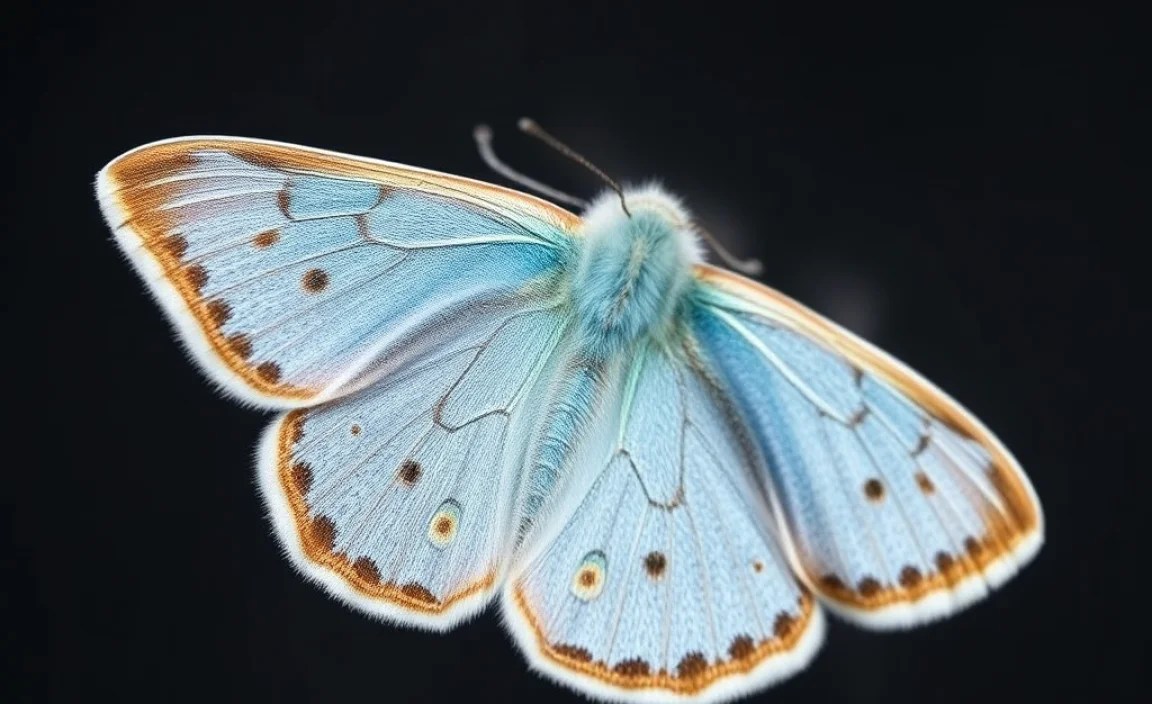
One of the most distinctive features of hairstreak butterflies is the presence of small “tails” on their hindwings. These tails are delicate extensions of the wing. They can be easily broken or damaged. Not all hairstreaks have tails. Some species have very short tails. Others have longer, more prominent tails. Blue butterflies, on the other hand, do not have tails. This is a key difference between the two groups. In addition to tails, there are other wing features to consider. Look for the shape of the wings. Hairstreaks often have more angular wings. Blues tend to have more rounded wings. Also, pay attention to the edges of the wings. Some butterflies have smooth edges. Others have jagged or scalloped edges. These details can help you identify butterflies accurately.
- Hairstreaks often have small tails on their hindwings.
- Blue butterflies do not have tails.
- Note the shape of the wings.
- Check for smooth or jagged wing edges.
- Consider the length and shape of the tails.
- Look for other wing features, such as spots or lines.
The tails on hairstreak butterflies are not just for decoration. They serve a purpose. Scientists believe that the tails help to confuse predators. When a bird or other predator attacks, it may aim for the tails instead of the butterfly’s body. This gives the butterfly a chance to escape. The tails may also help the butterfly to mimic other insects. This can further protect it from predators. The absence of tails on blue butterflies may be related to their different lifestyle. Blue butterflies often fly closer to the ground. They may rely on camouflage more than tails for protection. Understanding the function of these wing features can give you a deeper appreciation for the adaptations of butterflies.
Fun Fact or Stat: The tails on hairstreak butterflies are so delicate that they can break off easily if handled roughly!
Why Do Hairstreaks Have Tails?
Hairstreak tails are like tiny decoys. They trick predators. Birds might attack the tails instead of the body. This gives the butterfly a chance to escape. The tails also wiggle. This movement attracts attention. It draws the predator away from the head. Some hairstreaks even have eye spots near the tails. These spots make the tails look like a head. This adds to the confusion. It gives the butterfly a better chance of survival. These little tails are amazing tools. They help hairstreaks stay safe in a dangerous world.
Are There Exceptions to the Tail Rule?
Yes, there are exceptions to every rule. Not all hairstreaks have long tails. Some have very short tails. Others have no tails at all. These tailless hairstreaks can be tricky. You need to look at other features. Wing patterns and colors are important. Also, consider the location. Some hairstreaks are only found in certain areas. Knowing where you are helps. It narrows down the possibilities. Butterfly identification is like a puzzle. You need to put all the pieces together. Don’t rely on just one feature.
What Other Wing Details Matter?
Beyond tails, other wing details matter a lot. Look at the edges of the wings. Are they smooth or jagged? Some butterflies have scalloped edges. This means they have small curves. Check for spots along the edges. These spots can be different colors. They might be white, black, or orange. Also, look at the shape of the wings. Are they rounded or pointed? Hairstreaks tend to have angular wings. Blues often have more rounded wings. These small details add up. They help you identify butterflies. Pay attention to everything you see.
Habitat and Location Clues for Butterfly ID

The habitat and location where you find a butterfly can provide valuable clues to its identity. Different butterfly species prefer different environments. Some butterflies are found in forests. Others are found in meadows. Some even live in deserts. Knowing the type of habitat can help you narrow down the possibilities. For example, if you find a blue butterfly in a forest, it is likely to be a different species than one found in a meadow. The location is also important. Different butterfly species are found in different parts of the world. Some are only found in certain regions or countries. Consulting a field guide or online resource can help you determine which butterflies are likely to be found in your area. By considering both habitat and location, you can greatly improve your chances of accurately identifying a butterfly.
| Feature | Hairstreak | Blue |
|---|---|---|
| Tails | Often present | Absent |
| Wing Color | Brown, Gray, Copper | Blue |
| Wing Pattern | Complex | Simple |
| Habitat | Varied | Varied |
| Size | Slightly larger | Smaller |
- Different butterflies prefer different habitats.
- Location can help narrow down butterfly types.
- Consult a field guide for your area.
- Consider the type of vegetation present.
- Note the altitude and climate of the area.
- Pay attention to the time of year.
Butterfly habitats are often closely tied to the plants that the caterpillars feed on. Many butterflies are very specific about the plants they will lay their eggs on. This means that the presence of certain plants can indicate the presence of certain butterflies. For example, if you find a particular type of milkweed, you are more likely to find monarch butterflies. Similarly, if you find a certain type of oak tree, you are more likely to find hairstreak butterflies that feed on oak leaves. By learning about the relationships between butterflies and plants, you can become a more skilled butterfly identifier. You can also contribute to the conservation of these important insects by protecting their habitats and the plants that they depend on.
Fun Fact or Stat: Some butterfly species are only found in one specific location in the world, making them highly vulnerable to habitat loss!
Does Altitude Affect Butterfly Types?
Yes, altitude can affect butterfly types. Higher altitudes have different climates. This means different plants and animals live there. Some butterflies prefer mountains. Others prefer lowlands. Mountain butterflies are often darker. This helps them absorb more heat. Lowland butterflies might be brighter. This helps them attract mates. Consider the altitude when identifying butterflies. It can help you narrow down the choices. Remember that every detail matters. Butterfly watching is a fun challenge.
How Does Time of Year Matter?
Time of year is very important. Some butterflies only fly in spring. Others fly in summer or fall. Knowing the flight season helps a lot. For example, some hairstreaks emerge in late summer. Some blues appear in early spring. Use a butterfly field guide. It will tell you when each species flies. This makes identification easier. It also helps you plan your butterfly walks. You can go out when your favorite butterflies are active. Enjoy the beauty of each season.
Do Butterflies Prefer Certain Plants?
Yes, butterflies often prefer certain plants. Caterpillars need specific food plants. Adult butterflies need nectar sources. Some butterflies only lay eggs on one type of plant. This is called a host plant. Monarch butterflies need milkweed. Swallowtails often use parsley or dill. Hairstreaks might use oak trees. Blues can use clover or alfalfa. Learn about local plants. This will help you find butterflies. Plant these flowers in your garden. You will attract butterflies to your yard. It’s a great way to help them.
Behavioral Differences: Watching Butterfly Actions
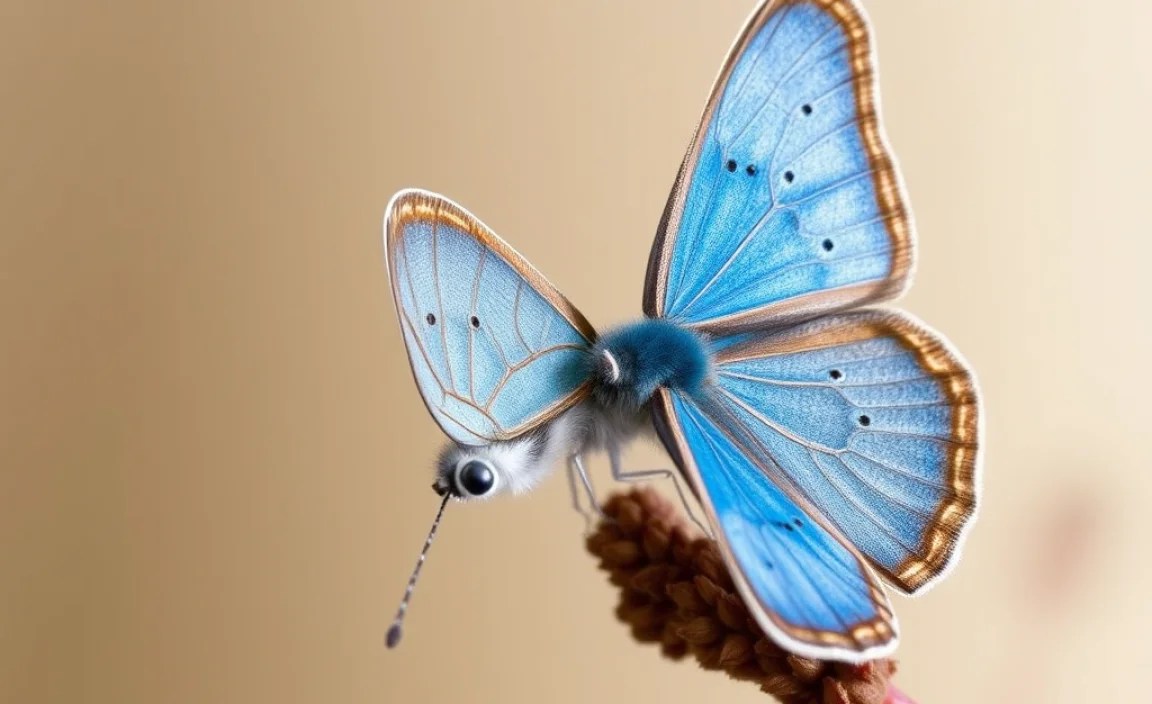
Observing the behavior of butterflies can provide additional clues for identification. Different butterfly species have different habits and behaviors. Some butterflies are very active fliers. They are constantly on the move. Others are more sedentary. They prefer to perch on flowers or leaves. Some butterflies are territorial. They will defend their territory against other butterflies. Others are more social. They will gather in groups. Pay attention to how the butterfly flies. Is it a strong, direct flight? Or is it more erratic and fluttering? Also, observe where the butterfly is feeding. Is it nectaring on flowers? Or is it sipping moisture from the ground? These behavioral clues can help you distinguish between different butterfly species.
- Different butterflies have different flying styles.
- Observe where the butterfly is feeding.
- Note if the butterfly is territorial.
- Consider whether the butterfly is solitary or social.
- Pay attention to the time of day the butterfly is active.
- Watch how the butterfly interacts with other butterflies.
Butterfly behavior is influenced by a variety of factors. These factors include the weather, the time of day, and the availability of resources. Butterflies are most active on warm, sunny days. They need the sun’s warmth to warm their bodies. They are less active on cloudy or rainy days. The time of day also affects butterfly behavior. Some butterflies are most active in the morning. Others are most active in the afternoon. The availability of resources, such as nectar and host plants, also plays a role. Butterflies will often congregate in areas where these resources are abundant. By understanding these factors, you can better predict and interpret butterfly behavior.
Fun Fact or Stat: Some butterflies migrate thousands of miles each year, following the availability of food and suitable breeding conditions!
How Does Flight Style Help?
Flight style is a key clue. Some butterflies flutter gently. Others zip around quickly. Hairstreaks often have a fast, erratic flight. They dart from place to place. Blues tend to have a slower, more fluttering flight. Watch how they move. This can help you tell them apart. Flight style is a subtle clue. But it can be very helpful. Combine it with other features. You’ll become a butterfly expert in no time.</ Keep observing and learning.
Are Some Butterflies More Social?
Yes, some butterflies are more social than others. Some like to gather in groups. These groups are called puddling clubs. They often gather near water. They sip minerals from the damp ground. Blues are sometimes seen in puddling clubs. Hairstreaks are usually more solitary. They prefer to be alone. Watch how butterflies interact. This can tell you a lot. Are they flying together? Or are they keeping to themselves? This is another piece of the puzzle. Keep adding pieces to solve it.
What About Feeding Habits?
Feeding habits are important too. Butterflies drink nectar from flowers. Some butterflies are picky eaters. They only visit certain flowers. Others are less choosy. They will visit many different flowers. Hairstreaks often visit small flowers. They like flowers in the daisy family. Blues might visit clover or alfalfa. Watch what the butterflies are eating. This can help you identify them. Also, look for other feeding behaviors. Some butterflies sip moisture from the ground. This is called puddling. They need the minerals in the water.
Using Field Guides and Online Resources
Field guides and online resources are invaluable tools for butterfly identification. A good field guide will provide detailed descriptions and illustrations of different butterfly species. It will also include information about their habitat, distribution, and behavior. Online resources can offer even more information, including photographs, videos, and interactive identification tools. When using these resources, it is important to pay attention to the details. Compare your observations with the descriptions and images in the guide. Use the interactive tools to narrow down the possibilities. Remember that no single resource is perfect. It is always a good idea to consult multiple sources. With practice and patience, you will become more confident in your ability to identify butterflies using these resources.
- Field guides offer detailed descriptions and illustrations.
- Online resources provide photos and interactive tools.
- Compare your observations with the resource materials.
- Consult multiple resources for accuracy.
- Use interactive tools to narrow down options.
- Consider the source’s reliability.
Field guides and online resources are constantly being updated with new information. As scientists learn more about butterflies, they revise their classifications and descriptions. This means that it is important to use the most up-to-date resources available. You can find updated field guides at bookstores or online. You can also find online resources that are regularly updated with new information. Be sure to check the publication date or last updated date to ensure that you are using the most current information. By staying up-to-date with the latest research, you can improve your accuracy in butterfly identification.
Fun Fact or Stat: New butterfly species are still being discovered around the world, even in well-studied areas!
What Makes a Good Field Guide?
A good field guide is clear and easy to use. It has good pictures. The pictures should show the butterflies clearly. They should show different views. The guide should also have good descriptions. The descriptions should be detailed. They should tell you what to look for. The guide should also be organized well. You should be able to find things easily. Look for a guide that is specific to your area. This will make it more useful. A good field guide is a butterfly watcher’s best friend.
Which Online Resources Are Reliable?
Some online resources are more reliable than others. Look for websites from universities. Museums and nature centers are also good. These sites often have experts. They check the information carefully. Avoid websites that look unprofessional. Also, be careful of forums. The information might not be correct. Check the date of the information. Make sure it is up to date. Use several sources. This will help you get accurate information. Reliable sources are important for learning.
How Can I Use Photos Effectively?
Photos are very helpful for identification. Compare your butterfly to the photos. Look for matching patterns. Check the colors carefully. Pay attention to the details. Look at the wing shape. Note any tails or spots. Use photos from different angles. This will give you a better view. Be aware that photos can be misleading. Colors can look different in photos. Shadows can hide details. Use photos as one tool. Combine them with other clues. This will help you identify butterflies accurately.
Summary
Identifying butterflies requires careful observation. You must look at several features. Wing color and pattern are important. Tails or other wing details are key. Habitat and location provide clues. Behavior can also help. How to identify hairstreak vs blue butterflies involves checking for tails. Hairstreaks often have tails. Blues do not. Look at wing patterns too. Hairstreaks have complex patterns. Blues have simpler ones. Consider the butterfly’s location. Some species live in certain areas. Use field guides and online resources. These tools offer detailed information. With practice, you will become a skilled butterfly identifier. Enjoy the beauty of these amazing creatures.
Conclusion
Learning how to identify hairstreak vs blue butterflies is a fun challenge. It takes practice and patience. Pay attention to wing color, patterns, and tails. Consider habitat and behavior. Use field guides and online resources. Soon, you’ll be able to tell them apart easily. Butterfly watching is a rewarding hobby. It connects you with nature. Enjoy the beauty and diversity of these amazing insects. Keep exploring and learning.
Frequently Asked Questions
Question No 1: What is the easiest way to tell a hairstreak from a blue butterfly?
Answer: The easiest way to tell them apart is by looking for tails. Hairstreak butterflies often have small, delicate “tails” on their hindwings. These tails are like little extensions of the wing. Blue butterflies, on the other hand, do not have tails. This is a quick and easy way to distinguish between the two. You can also look at the wing color. Blue butterflies are usually a vibrant shade of blue. Hairstreaks are often brown, gray, or copper in color. So, check for tails and consider the wing color to quickly identify these butterflies.
Question No 2: Why do hairstreak butterflies have tails?
Answer: The tails on hairstreak butterflies serve a very interesting purpose. Scientists believe that the tails act as decoys. When a predator, like a bird, attacks, it might aim for the tails instead of the butterfly’s body. This gives the butterfly a chance to escape. The tails also wiggle and move, which can attract the predator’s attention. Some hairstreaks even have eye spots near the tails, making them look like a head. This adds to the confusion and further protects the butterfly. So, these little tails are actually a clever survival strategy.
Question No 3: Where can I find hairstreak and blue butterflies?
Answer: You can find hairstreak and blue butterflies in a variety of habitats. Hairstreaks are often found near trees and shrubs, as their caterpillars often feed on the leaves of these plants. Look for them in forests, woodlands, and gardens. Blue butterflies are often found in open areas, such as meadows, fields, and grasslands. Their caterpillars often feed on low-growing plants, like clover and alfalfa. The best way to find these butterflies is to visit local parks, nature reserves, and gardens. Also, knowing how to identify hairstreak vs blue helps because you know to look for tails.
Question No 4: Are there any blue butterflies that are not blue?
Answer: Yes, there are some butterflies called “blues” that are not actually blue! This can be confusing. The name “blue” refers to a group of butterflies. Some of these butterflies have other colors. Some female blue butterflies are brown or gray. This helps them blend in. It protects them from predators. So, don’t always expect a blue butterfly to be blue. Look for other features too. Check the wing patterns and shape. This will help you identify them correctly. Remember, names can be tricky!
Question No 5: What should I do if I find a butterfly and I’m not sure what it is?
Answer: If you find a butterfly and you’re not sure what it is, don’t worry! There are several things you can do. First, try to take a picture of the butterfly. Get a clear shot of its wings. Then, use a field guide or online resource to compare your photo with different species. Pay attention to the details. Note the colors, patterns, and shapes. You can also ask for help from a local butterfly expert. Many nature centers and museums have experts. Knowing how to identify hairstreak vs blue butterflies is a great start. Keep learning and exploring!
Question No 6: How can I attract hairstreak and blue butterflies to my garden?
Answer: You can attract hairstreak and blue butterflies to your garden by planting the right plants. Caterpillars need specific food plants. Adult butterflies need nectar sources. For hairstreaks, plant trees and shrubs. Oak, cherry, and dogwood are good choices. For blues, plant low-growing plants. Clover, alfalfa, and vetch are great options. Also, provide nectar-rich flowers. Butterfly bush, coneflowers, and zinnias are popular. Avoid using pesticides. These can harm butterflies. Provide a water source. A shallow dish of water with pebbles is perfect. Knowing how to identify hairstreak vs blue and attracting them makes your garden a butterfly haven.


