
How to Identify Black-and-Orange Butterfly? Easy ID

Have you ever seen a butterfly with bright colors? Many butterflies are black and orange. These colors help them survive. But how to identify black-and-orange butterfly types? It can be tricky because they look similar.
Butterflies are important. They help flowers make seeds. Let’s learn about these pretty insects. We will explore their patterns and names. This will make it easier to tell them apart.
Why do butterflies have such striking colors? Their colors warn predators. The colors say, “I don’t taste good!” This is nature’s clever way of protecting them. Now, let’s dive into the world of black-and-orange butterflies.
Key Takeaways
- Monarch butterflies have orange wings with black lines and white spots.
- How to identify black-and-orange butterfly types depends on patterns and size.
- Viceroy butterflies mimic Monarchs but have an extra black line on hindwings.
- Painted Lady butterflies are smaller with more complex patterns on their wings.
- Knowing these differences helps appreciate butterfly diversity in gardens and fields.
How to Identify a Monarch Butterfly
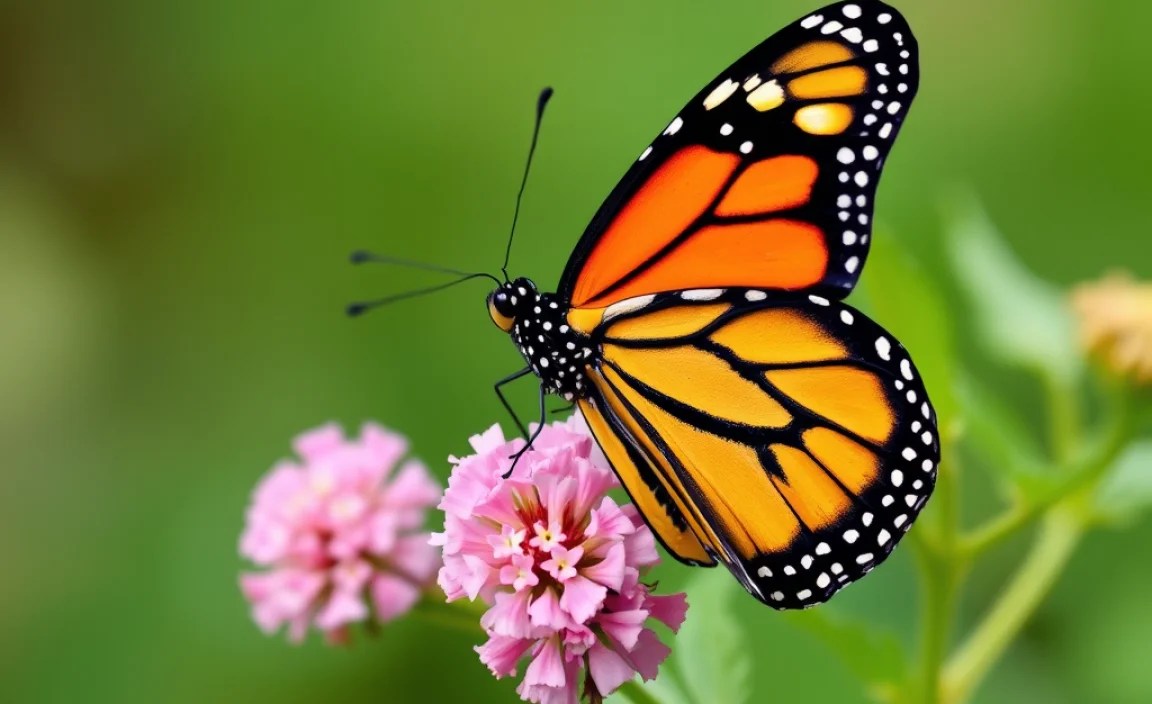
Monarch butterflies are famous. They are known for their bright orange wings. Black lines trace along the veins of their wings. White spots dot the edges. These spots look like tiny pearls. Monarchs are large butterflies. They can be about four inches across. Their size and color make them easy to spot. Monarchs also migrate long distances. They travel thousands of miles each year. They fly from Canada and the US to Mexico. This journey is amazing. People love to watch them on their journey. Monarchs are important pollinators. They help flowers grow. We must protect their habitats. We can plant milkweed for them. Milkweed is the only food their caterpillars eat. By helping Monarchs, we help our planet.
- Monarchs have bright orange wings.
- They have black lines on their wings.
- White spots are on the edge of their wings.
- Monarchs are large butterflies.
- They migrate very far each year.
- Caterpillars eat only milkweed plants.
How to identify black-and-orange butterfly species like the Monarch involves careful observation. Look closely at the wing patterns. Note the size and shape of the butterfly. Monarchs are not just pretty. They are important for the environment. They also face many dangers. Loss of habitat is a big threat. Climate change also affects them. We can help them by planting milkweed. We can also reduce pesticide use. Every small action makes a difference. Let’s work together to protect these beautiful creatures. They bring joy to our world. They also play a vital role in nature. We must ensure they thrive for years to come. By understanding and protecting them, we protect our planet.
Why are Monarchs Important?
Have you ever wondered why Monarch butterflies matter? They are more than just pretty insects. Monarchs are key pollinators. They help plants make seeds. These seeds grow into new plants. Many animals depend on these plants. When Monarchs move pollen, they help ecosystems. Without pollinators, our world would be very different. Monarchs also serve as an indicator species. Their health tells us about the health of the environment. If Monarchs are struggling, it means something is wrong. Protecting Monarchs helps protect other species too. Their migration is a natural wonder. It attracts many tourists. This brings money to local communities. So, Monarchs are important for nature and for people.
How Can We Help Monarchs?
Imagine a world without Monarch butterflies. It would be a sad place. But we can help them thrive. Planting milkweed is the best thing you can do. Monarch caterpillars only eat milkweed. No milkweed means no Monarchs. You can also plant nectar-rich flowers. Adult butterflies need nectar for energy. Avoid using pesticides in your garden. Pesticides can harm or kill butterflies. Support organizations that protect Monarch habitats. Educate your friends and family. Tell them why Monarchs are important. Every little bit helps. Together, we can make a big difference. Let’s help Monarchs fly for generations to come.
What is Monarch Migration?
Have you ever heard of butterflies traveling thousands of miles? Monarchs do just that. They migrate from Canada and the US to Mexico. This journey takes several generations. The butterflies that reach Mexico are not the same ones that started. They lay eggs along the way. Their children continue the journey. This migration is amazing. Scientists are still learning about it. Monarchs use the sun and Earth’s magnetic field to navigate. They gather in huge groups in Mexico. Millions of butterflies cover the trees. It’s an incredible sight. Protecting their wintering grounds is very important. We must keep their migration route safe.
Fun Fact or Stat: Monarch butterflies can travel up to 3,000 miles during their migration!
Viceroy Butterfly Identification

Viceroy butterflies look a lot like Monarchs. This is called mimicry. Mimicry helps them avoid predators. Birds learn that Monarchs taste bad. So, they avoid butterflies that look like Monarchs. Viceroys are smaller than Monarchs. They also have a black line across their hindwings. This line is the easiest way to tell them apart. Viceroy wings are orange with black lines. They also have white spots. These spots are similar to Monarchs. Viceroys live in different habitats than Monarchs. They prefer wet areas. You can find them near rivers and ponds. Their caterpillars eat willow and poplar trees. How to identify black-and-orange butterfly species like the Viceroy relies on small details.
- Viceroys mimic Monarch butterflies.
- They are smaller than Monarchs.
- A black line crosses their hindwings.
- They live near wet areas.
- Caterpillars eat willow and poplar.
Learning how to identify black-and-orange butterfly species like the Viceroy can be fun. It’s like being a detective. You look for clues. The black line is the biggest clue for Viceroys. Size also matters. Monarchs are larger and more robust. Viceroys flutter more quickly. They don’t glide as much as Monarchs. Understanding these differences enhances our appreciation for nature. It also shows how animals adapt to survive. Mimicry is a clever strategy. It helps Viceroys stay safe from predators. By knowing these facts, we can share our knowledge with others. We can help them learn about these amazing butterflies. This spreads awareness about conservation.
Where do Viceroys Live?
Have you ever looked for Viceroys near water? They like wet places. You can find them near rivers, ponds, and marshes. They prefer areas with willow and poplar trees. Their caterpillars eat these trees. Viceroys are found in North America. They live in the eastern and central parts of the continent. They are not as widespread as Monarchs. Their habitat needs are specific. This makes them vulnerable. Protecting wetlands is important for Viceroys. These areas are also home to many other species. Conserving these habitats helps biodiversity. So, next time you are near water, look for Viceroys!
What is Mimicry?
Imagine you are a butterfly. You want to avoid being eaten. One way is to look like a butterfly that tastes bad. This is mimicry. Viceroys mimic Monarchs. Monarchs taste bad to birds. Birds avoid eating Monarchs. Since Viceroys look like Monarchs, birds avoid them too. This helps Viceroys survive. Mimicry is a form of adaptation. It helps animals survive in their environment. There are different types of mimicry. Some animals mimic dangerous animals. This warns predators to stay away. Mimicry is a fascinating example of evolution.
Why is Viceroy Conservation Important?
Viceroy butterflies are important. They are part of the ecosystem. They help pollinate flowers. They also serve as food for other animals. Their presence indicates a healthy environment. Protecting Viceroys helps protect other species. Their habitat is threatened by development. Wetlands are drained for farming and building. This destroys their homes. Pollution also harms them. We can help by protecting wetlands. We can also reduce pollution. Supporting conservation organizations helps too. Every action makes a difference. Let’s ensure Viceroys thrive for generations.
Fun Fact or Stat: Viceroy butterflies were once thought to also be poisonous, but they are actually just mimicking the Monarch!
How to Spot a Painted Lady Butterfly

Painted Lady butterflies are common. They are found all over the world. These butterflies are smaller than Monarchs. They have a mix of orange, brown, and black on their wings. Their wings have white spots near the tips. The underside of their wings is intricate. It has a marbled pattern. This helps them blend in with their surroundings. Painted Ladies are strong fliers. They can travel long distances. They migrate, but not as far as Monarchs. Their caterpillars eat many different plants. This makes them adaptable. Painted Ladies are often seen in gardens. They feed on nectar from flowers. How to identify black-and-orange butterfly variations like the Painted Lady requires attention to detail.
- Painted Ladies are found worldwide.
- They are smaller than Monarchs.
- Their wings have orange, brown, and black.
- White spots are near the wing tips.
- Caterpillars eat many different plants.
How to identify black-and-orange butterfly species such as the Painted Lady involves looking closely at their unique patterns. They are not as bright orange as Monarchs. Their colors are more muted. They also have a distinct marbled pattern underneath their wings. Painted Ladies are often overlooked. People focus more on Monarchs. But they are just as important. They contribute to pollination. They are also a sign of a healthy environment. By learning about them, we can appreciate the diversity of butterflies. We can also help protect their habitats. This ensures they continue to thrive. Watching them flutter in our gardens brings joy. It also reminds us of the beauty of nature.
What Do Painted Lady Caterpillars Eat?
Have you ever wondered what Painted Lady caterpillars eat? They are not picky eaters. Unlike Monarch caterpillars, they eat many plants. Thistle is a common food source. They also eat mallow, sunflower, and legumes. This broad diet helps them survive in different places. Their caterpillars are spiky. They have different colors. They can be black, brown, or green. They build nests out of leaves. They live inside these nests. These caterpillars grow quickly. They shed their skin several times. Then, they turn into pupae. The pupae hang upside down. After a few weeks, a butterfly emerges.
How Far Do Painted Ladies Migrate?
Imagine a small butterfly flying hundreds of miles. Painted Ladies can do that. They migrate, but not as far as Monarchs. Their migration depends on the location. In some areas, they migrate every year. In others, they only migrate occasionally. They fly north in the spring. They follow the blooming flowers. They lay eggs along the way. Their offspring continue the journey. Scientists are still studying their migration patterns. It’s a complex process. Understanding it helps us protect them. It also helps us understand climate change.
Why Are Painted Ladies So Common?
Have you noticed Painted Ladies everywhere? They are one of the most common butterflies. This is because they can eat many plants. Their caterpillars are not picky. They also reproduce quickly. They have several broods each year. They can live in different habitats. They are found in gardens, fields, and forests. They are adaptable. This helps them survive. They are also strong fliers. They can travel long distances. All these factors contribute to their success. They are a reminder of nature’s resilience. We should appreciate their presence in our world.
Fun Fact or Stat: Painted Lady butterflies can fly up to 100 miles in a single day!
Distinguishing Between Similar Species
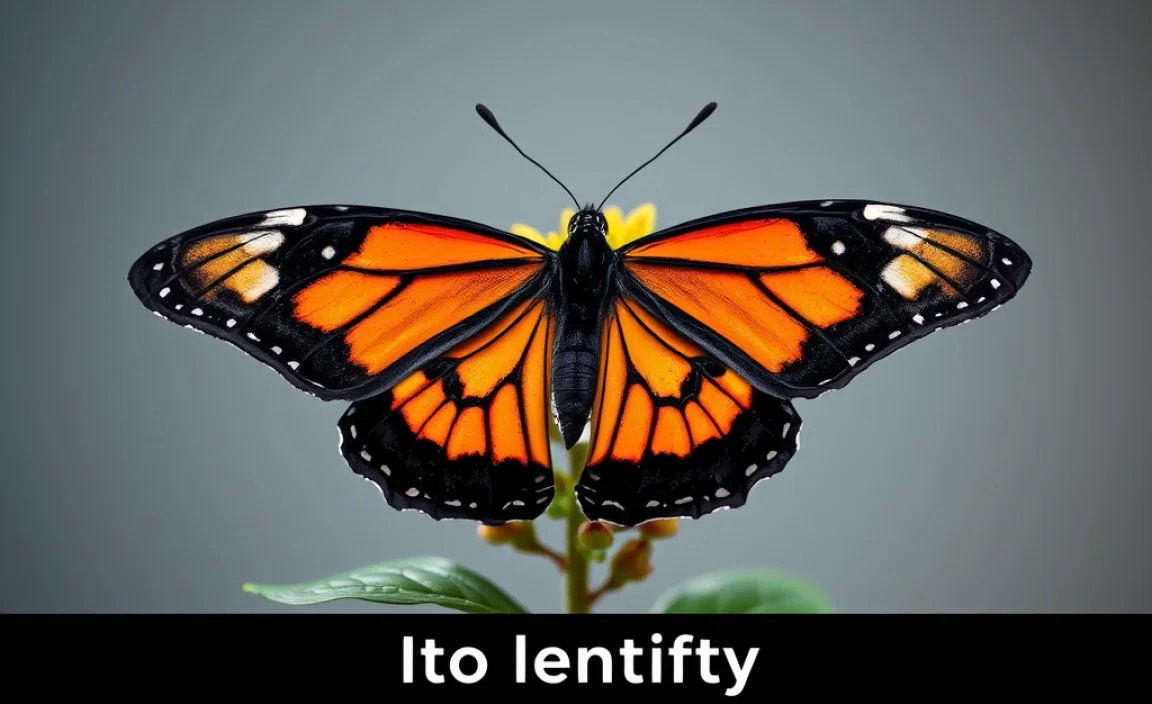
Sometimes, butterflies look very similar. This can make it hard to tell them apart. Monarchs and Viceroys are a good example. They both have orange and black wings. But there are key differences. Monarchs are larger. They lack the black line on the hindwing. Viceroys have this line. Painted Ladies have different patterns. Their colors are more muted. They also have a marbled pattern on the underside of their wings. Paying attention to these details is important. It helps us identify each species correctly. Using a butterfly field guide can be helpful. These guides show pictures and descriptions. They also provide information about habitat. Learning these differences is fun. It deepens our appreciation for nature. How to identify black-and-orange butterfly species accurately involves practice and patience.
- Monarchs are larger than Viceroys.
- Viceroys have a black line on hindwings.
- Painted Ladies have marbled wing patterns.
- Field guides help with identification.
- Habitat can provide clues.
- Practice makes identification easier.
How to identify black-and-orange butterfly types requires comparing their features. Consider the size of the butterfly. Note the shape and color of its wings. Look for unique markings. Observe its flight pattern. Does it glide or flutter? Check the habitat. Where did you find the butterfly? Some species prefer specific environments. All these factors can help you make an accurate identification. Learning about butterflies is a rewarding hobby. It connects us to nature. It also helps us understand the importance of conservation. By identifying butterflies, we can track their populations. We can also monitor their health. This information is valuable for protecting them. We can share our knowledge with others. This inspires them to learn about butterflies too.
What Tools Help with Butterfly Identification?
Imagine you are a butterfly detective. What tools would you need? A good field guide is essential. It has pictures and descriptions of different species. A magnifying glass can help you see small details. Binoculars are useful for observing butterflies from a distance. A camera allows you to take pictures. You can compare the pictures to those in the field guide. A notebook is helpful for recording your observations. Note the date, time, and location. Also, write down any unique features you see. These tools will help you become a better butterfly identifier. They will also enhance your enjoyment of nature.
Why is Accurate Identification Important?
Have you ever misidentified a butterfly? It happens to everyone. But accurate identification is important. It helps us track butterfly populations. We can monitor their health. We can also assess the impact of climate change. Accurate data is needed for conservation efforts. It helps us protect endangered species. It also helps us manage habitats. Misidentification can lead to wrong conclusions. This can harm conservation efforts. So, it’s important to be careful and precise. Double-check your identifications. Use reliable resources. Ask for help from experts if needed. Together, we can gather accurate data. This will help us protect butterflies.
How Can I Improve My Butterfly Identification Skills?
Do you want to become a butterfly expert? Practice is key. Spend time observing butterflies in nature. Use a field guide to identify them. Join a butterfly club. Attend workshops and field trips. Learn from experienced butterfly watchers. Read books and articles about butterflies. Watch videos and documentaries. Take online courses. Share your observations with others. Ask for feedback. The more you learn, the better you will become. Butterfly identification is a lifelong journey. Enjoy the process. Appreciate the beauty and diversity of butterflies.
Fun Fact or Stat: There are over 20,000 species of butterflies in the world!
Understanding Butterfly Habitats
Butterflies live in different places. These places are called habitats. Some butterflies prefer open fields. Others like forests. Some live near water. The habitat provides food and shelter. It also provides places to lay eggs. Monarchs need milkweed. Milkweed is the only food their caterpillars eat. Viceroys need willow and poplar trees. Their caterpillars eat these trees. Painted Ladies can live in many places. Their caterpillars eat many plants. Understanding butterfly habitats is important. It helps us protect them. We can conserve their habitats. We can also create new habitats. This will help butterflies thrive. How to identify black-and-orange butterfly species is easier when you know their preferred habitats.
- Habitats provide food and shelter.
- Monarchs need milkweed.
- Viceroys need willow and poplar.
- Painted Ladies are adaptable.
- Habitat conservation is important.
How to identify black-and-orange butterfly species often depends on where you find them. Monarchs are often seen in open fields. They migrate through different habitats. Viceroys are found near wetlands. Painted Ladies are seen in gardens and meadows. Knowing their preferred habitats can help you narrow down the possibilities. It also helps you understand their needs. Protecting their habitats is crucial for their survival. We can do this by conserving natural areas. We can also create butterfly gardens. These gardens provide food and shelter. They also attract butterflies to our yards. By understanding and protecting butterfly habitats, we can help them thrive.
How Do Habitats Affect Butterfly Survival?
Imagine you are a butterfly. Your habitat provides everything you need. It gives you food, shelter, and a place to lay eggs. If your habitat is destroyed, you will struggle to survive. Habitat loss is a major threat to butterflies. Development, farming, and pollution can destroy habitats. Climate change also affects habitats. It can change the types of plants that grow. This can impact butterfly food sources. Protecting habitats is essential for butterfly survival. We must conserve natural areas. We must also reduce pollution and mitigate climate change. By protecting habitats, we protect butterflies.
What is a Butterfly Garden?
Have you ever visited a butterfly garden? It’s a special place. It’s designed to attract butterflies. It provides them with food, water, and shelter. Butterfly gardens have nectar-rich flowers. These flowers provide food for adult butterflies. They also have host plants. These plants provide food for caterpillars. Milkweed is a host plant for Monarchs. Willow is a host plant for Viceroys. Butterfly gardens also have water sources. Butterflies need water to drink. They also need shelter from the wind and sun. Trees and shrubs provide shelter. Butterfly gardens are beautiful and beneficial. They help butterflies thrive. They also provide enjoyment for people.
How Can We Create Butterfly Habitats?
Do you want to help butterflies? You can create a butterfly habitat in your yard. Plant nectar-rich flowers. Choose a variety of colors and shapes. This will attract different butterflies. Plant host plants for caterpillars. Milkweed is essential for Monarchs. Provide a water source. A shallow dish with water and pebbles works well. Provide shelter from the wind and sun. Trees and shrubs offer protection. Avoid using pesticides. Pesticides can harm or kill butterflies. Educate your neighbors. Encourage them to create butterfly habitats too. Together, we can create a network of butterfly habitats. This will help butterflies thrive.
Fun Fact or Stat: Butterflies taste with their feet!
The Life Cycle of Black-and-Orange Butterflies
Butterflies have an amazing life cycle. It has four stages. The first stage is the egg. Butterflies lay eggs on plants. The second stage is the larva. The larva is also called a caterpillar. Caterpillars eat a lot. They grow quickly. The third stage is the pupa. The pupa is also called a chrysalis. The pupa is a hard shell. Inside the shell, the caterpillar changes. The fourth stage is the adult butterfly. The butterfly emerges from the pupa. It flies away. Each stage is important. Understanding the life cycle helps us protect butterflies. We can provide food and shelter for each stage. How to identify black-and-orange butterfly caterpillars is different than identifying the adults.
- The life cycle has four stages.
- Egg, larva (caterpillar), pupa, adult.
- Caterpillars eat a lot and grow fast.
- The pupa is a hard shell.
- Adult butterflies emerge from the pupa.
How to identify black-and-orange butterfly species at different stages of their life cycle can be challenging. Caterpillars look very different from butterflies. Monarch caterpillars are striped black, white, and yellow. Viceroy caterpillars are brown and resemble bird droppings. Painted Lady caterpillars are spiky and have different colors. Knowing what the caterpillars look like can help you identify them. It can also help you protect them. Avoid using pesticides. Pesticides can kill caterpillars. Plant host plants. These plants provide food for caterpillars. By understanding the life cycle, we can help butterflies thrive. We can also appreciate the amazing transformation they undergo.
What Do Butterfly Eggs Look Like?
Have you ever seen a butterfly egg? They are very small. They come in different shapes and colors. Some are round. Others are oval. Some are smooth. Others have ridges. Monarch eggs are tiny and creamy white. They are laid on milkweed plants. Viceroy eggs are small and green. They are laid on willow trees. Painted Lady eggs are small and green. They are laid on thistle plants. Butterfly eggs are fragile. They need protection. Avoid touching them. Observe them from a distance. Appreciate their delicate beauty. They are the beginning of a new life.
How Do Caterpillars Transform into Butterflies?
Imagine you are a caterpillar. You eat and grow. You shed your skin several times. Then, you transform into a pupa. The pupa is a hard shell. Inside the shell, something amazing happens. Your body breaks down. It rearranges itself. New structures form. Wings, legs, and antennae develop. This process is called metamorphosis. It takes several weeks. Then, the pupa splits open. An adult butterfly emerges. It unfolds its wings. It flies away. This transformation is a miracle of nature. It shows the power of adaptation. It inspires us to change and grow.
Why is Milkweed Important for Monarchs?
Have you ever heard of milkweed? It’s a special plant. It’s the only food that Monarch caterpillars eat. Monarch butterflies lay their eggs on milkweed. When the eggs hatch, the caterpillars eat the milkweed leaves. The milkweed contains toxins. These toxins make the caterpillars taste bad to predators. This protects them from being eaten. Milkweed is also important for Monarch migration. The butterflies need milkweed to lay their eggs along the way. Without milkweed, Monarchs cannot survive. That’s why it’s so important to plant milkweed. We can help Monarchs by providing them with food.
Fun Fact or Stat: A caterpillar can increase its weight by over 1,000 times in just a few weeks!
Conservation Efforts for Butterflies
Butterflies are facing many threats. Habitat loss is a big problem. Climate change is also affecting them. Pollution is harming them too. We need to take action to protect them. There are many conservation efforts. These efforts aim to protect butterfly habitats. They also aim to reduce pollution. They also aim to mitigate climate change. Planting butterfly gardens is a great way to help. Supporting conservation organizations is also important. Educating others about butterflies is crucial. Every action makes a difference. Together, we can protect butterflies. We can ensure they thrive for generations. How to identify black-and-orange butterfly species is the first step in protecting them.
- Butterflies face habitat loss.
- Climate change is a threat.
- Pollution harms butterflies.
- Butterfly gardens help.
- Education is crucial.
How to identify black-and-orange butterfly species is essential for monitoring their populations. Scientists track butterfly numbers. They also monitor their health. This information helps them understand the threats they face. It also helps them develop conservation strategies. We can all contribute to these efforts. We can report butterfly sightings. We can participate in citizen science projects. We can support organizations that protect butterflies. By working together, we can make a difference. We can ensure that butterflies continue to flutter in our world. They bring beauty and joy to our lives. They also play a vital role in the ecosystem.
What are Citizen Science Projects?
Imagine you are a scientist. You study butterflies. You need help collecting data. Citizen science projects allow ordinary people to help. You can report butterfly sightings. You can monitor butterfly populations. You can collect data on butterfly habitats. This data helps scientists understand butterflies. It also helps them protect butterflies. There are many citizen science projects. You can find them online. You can also join a local butterfly club. These projects are fun and educational. They also make a real difference. You can contribute to butterfly conservation.
How Can We Reduce Pollution to Help Butterflies?
Have you ever thought about how pollution affects butterflies? Pollution can harm them in many ways. Air pollution can damage their wings. Water pollution can contaminate their food sources. Pesticides can kill them directly. We can reduce pollution by making small changes. Use less energy. Walk or bike instead of driving. Reduce your use of plastic. Recycle and compost. Avoid using pesticides. Support companies that are environmentally friendly. Educate others about pollution. Encourage them to make changes too. Together, we can reduce pollution. We can create a healthier environment for butterflies.
What is Climate Change and How Does it Affect Butterflies?
Imagine the Earth is getting warmer. This is what climate change is. It’s caused by human activities. Burning fossil fuels releases greenhouse gases. These gases trap heat in the atmosphere. This causes the Earth to warm up. Climate change affects butterflies in many ways. It can change their habitats. It can alter their migration patterns. It can disrupt their life cycles. We can mitigate climate change by reducing greenhouse gas emissions. Use less energy. Support renewable energy sources. Plant trees. Educate others about climate change. Together, we can address this challenge. We can protect butterflies from the effects of climate change.
Fun Fact or Stat: Some butterfly species are becoming endangered due to habitat loss and climate change!
Summary
Learning how to identify black-and-orange butterfly types involves looking at their colors, patterns, and sizes. Monarchs are known for their bright orange wings with black lines and white spots. Viceroys mimic Monarchs but have a black line across their hindwings. Painted Ladies are smaller with more muted colors and marbled wing patterns. Knowing their habitats and life cycles can also help with identification. Monarchs need milkweed, while Viceroys prefer willow trees. Each species plays a vital role in the ecosystem. They help pollinate flowers and serve as food for other animals.
Protecting these butterflies is important. Habitat loss, climate change, and pollution are threats to their survival. We can help by planting butterfly gardens, reducing pollution, and supporting conservation efforts. Citizen science projects allow us to contribute to butterfly research. By learning about butterflies and taking action to protect them, we can ensure they continue to thrive. Understanding how to identify black-and-orange butterfly species is the first step in appreciating their beauty and importance.
Conclusion
Black-and-orange butterflies are beautiful and important. They play a key role in our ecosystems. Knowing how to identify black-and-orange butterfly species helps us appreciate them. We can learn to tell Monarchs, Viceroys, and Painted Ladies apart. We must protect their habitats and reduce threats to their survival. Every action makes a difference. Let’s work together to ensure these butterflies thrive. They bring joy and beauty to our world. Protecting them protects our planet.
Frequently Asked Questions
Question No 1: How do I attract black-and-orange butterflies to my garden?
Answer: To attract these beautiful creatures, plant nectar-rich flowers like zinnias, butterfly bushes, and milkweed. Milkweed is especially important for Monarchs as it’s the only food their caterpillars eat. Provide a shallow dish of water with pebbles for them to drink from. Avoid using pesticides, as these can harm or kill butterflies and their caterpillars. Creating a welcoming habitat will encourage them to visit and stay in your garden. Remember, how to identify black-and-orange butterfly types is easier when they’re frequent visitors!
Question No 2: What is the difference between a Monarch and a Viceroy butterfly?
Answer: Monarchs and Viceroys look very similar, but there are key differences. Monarchs are larger and have a bolder orange color. Viceroys are smaller and have a black line across their hindwings. This black line is the easiest way to tell them apart. Monarch caterpillars eat only milkweed, while Viceroy caterpillars eat willow and poplar leaves. Knowing these differences helps you how to identify black-and-orange butterfly species correctly. Both butterflies are beautiful and important pollinators.
Question No 3: Are black-and-orange butterflies poisonous?
Answer: Monarch butterflies are poisonous to some extent. Their caterpillars eat milkweed, which contains toxins. These toxins stay in the butterfly’s body and make them taste bad to predators like birds. Viceroy butterflies mimic Monarchs to avoid being eaten, but they are not poisonous themselves. Painted Lady butterflies are not poisonous either. Understanding these differences helps explain why some butterflies have bright colors. How to identify black-and-orange butterfly types helps us appreciate their survival strategies.
Question No 4: What should I do if I find a black-and-orange butterfly caterpillar?
Answer: If you find a caterpillar, first try to identify it. If it’s a Monarch caterpillar, make sure it has plenty of milkweed to eat. If it’s a Viceroy caterpillar, make sure it has access to willow or poplar leaves. Avoid touching the caterpillar unless necessary. Protect it from predators like birds and insects. If you’re concerned about its safety, you can move it to a safer location with plenty of food. Learning how to identify black-and-orange butterfly caterpillars helps you provide the right care.
Question No 5: How long do black-and-orange butterflies live?
Answer: The lifespan of a butterfly depends on the species. Monarch butterflies live for about 6 to 8 months. This includes their migration. Viceroy butterflies live for about 4 to 6 weeks. Painted Lady butterflies live for about 2 to 4 weeks. The adult stage is just one part of their life cycle. They spend much of their lives as eggs, caterpillars, and pupae. Knowing how to identify black-and-orange butterfly species helps you appreciate their brief but beautiful existence.
Question No 6: Why are black-and-orange butterflies important to the environment?
Answer: Butterflies are important pollinators. They help flowers make seeds. This is vital for plant reproduction. They also serve as food for other animals. Birds, insects, and spiders eat butterflies. Butterflies are also indicators of a healthy environment. Their presence tells us that the ecosystem is thriving. Protecting butterflies helps protect the entire ecosystem. So, learning how to identify black-and-orange butterfly types and supporting their conservation is crucial for our planet.


