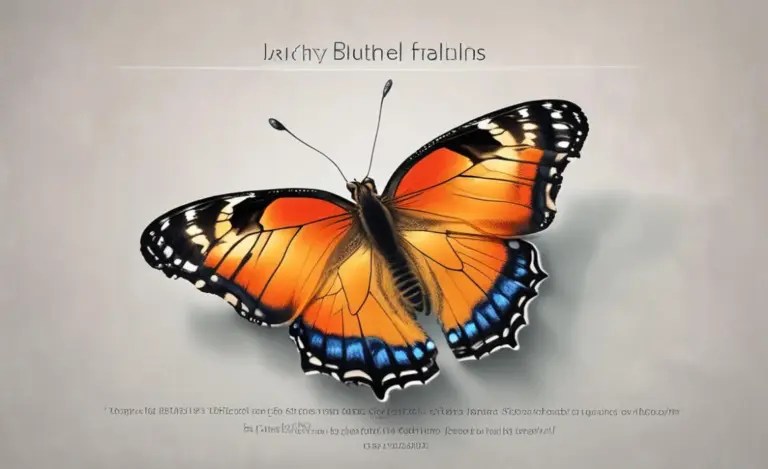
Distinguishing Monarch Species North America: Easy ID

Do you know about monarch butterflies? They are famous for their long trips. They fly thousands of miles each year. But how can you tell them apart from other butterflies? Distinguishing monarch species in North America can be tricky. Let’s learn how to spot these amazing insects.
Monarchs are beautiful and important. They need our help to survive. We can all learn to tell them apart. Then we can protect them better. Are you ready to become a monarch expert?
Key Takeaways
- Distinguishing monarch species in North America helps scientists track their populations.
- Look for bright orange wings with black lines and white spots.
- Monarchs have a wingspan of about four inches.
- Pay attention to the butterfly’s size, color, and behavior.
- Helping monarchs ensures these butterflies thrive for years to come.
How to Identify Monarch Butterflies in North America

Identifying monarch butterflies might seem hard. But it’s easier than you think. The most important thing to look for is the color. Monarchs have bright orange wings. These wings have black lines. They also have white spots along the edges. The black lines make each butterfly unique. Like our fingerprints, no two are the same. This helps scientists study them. They can track how many monarchs there are. They can also see where they go. When distinguishing monarch species in North America, always start with the color and pattern of the wings. Also, remember that monarchs are bigger than many other orange butterflies. Their wingspan is about four inches. This makes them easy to spot in a garden or field. Watching their behavior also helps. Monarchs fly with a slow, graceful motion. This is different from the quick, jerky movements of other butterflies.
- Check for bright orange wings.
- Look for black lines on the wings.
- Notice the white spots along the edges.
- Observe their slow, graceful flight.
- Compare the size to other butterflies.
Knowing how to identify monarchs helps scientists. It helps them protect these amazing creatures. One problem is that some other butterflies look similar. The viceroy butterfly is one example. It also has orange and black wings. But viceroys have an extra black line across their hind wings. This helps you tell them apart. Monarchs don’t have this line. Also, viceroys are often smaller than monarchs. By paying close attention to these details, you can become a monarch expert. You can also help protect them. Monarchs face many dangers. Their habitats are disappearing. They also face problems from climate change. By learning about them, you can help them survive. You can also teach others to care about these amazing butterflies. So, keep practicing your butterfly identification skills. You will be a great help to monarchs. Distinguishing monarch species in North America is important.
What Wing Patterns Tell You
Have you ever looked closely at a butterfly’s wings? The patterns on their wings are not just pretty. They also tell us a lot about the butterfly. For example, the patterns can help us tell different kinds of butterflies apart. In the case of monarchs, the black lines on their orange wings are unique to each butterfly. Think of it like a fingerprint. No two butterflies have the same pattern. Scientists use these patterns to study how many monarchs there are. They can also track where they go during their migrations. The patterns can also tell us about the butterfly’s health. For example, if the wings are damaged or faded, it might mean the butterfly is old or sick. So, the next time you see a monarch butterfly, take a close look at its wings. You might be surprised at what you can learn.
Size and Shape Differences
Have you ever wondered why some butterflies are bigger than others? Size and shape can be very important when distinguishing monarch species in North America. Monarchs are one of the larger butterflies you might see. Their wingspan is about four inches. This means that when their wings are open, they measure about four inches from tip to tip. Other similar-looking butterflies, like viceroys, are usually smaller. The shape of the wings can also be different. Monarchs have more rounded wings. Viceroys have a slightly different wing shape. These small differences can help you tell them apart. So, pay attention to the size and shape when you are trying to identify butterflies. It can make a big difference.
Behavioral Clues to Identification
Did you know that how a butterfly acts can help you identify it? Butterflies have different behaviors. These behaviors can be clues to what kind of butterfly they are. For example, monarchs have a very distinct flight pattern. They fly with a slow, graceful motion. Other butterflies might fly faster or in a more jerky way. Also, monarchs often gather in large groups during their migration. This is another clue that you are seeing monarchs. When they land, they often hold their wings open. This is different from some other butterflies that fold their wings closed. So, pay attention to how a butterfly behaves. It can help you identify it correctly. Understanding these behaviors helps in distinguishing monarch species in North America.
Fun Fact or Stat: Monarch butterflies migrate up to 3,000 miles each year!
Comparing Monarchs to Other Similar Species

Monarch butterflies are not the only orange and black butterflies. Several other species look similar. This can make distinguishing monarch species in North America confusing. One of the most common look-alikes is the viceroy butterfly. Viceroys are often found in the same areas as monarchs. They even have similar coloring. But there are key differences. Viceroys have a black line across their hind wings. Monarchs do not have this line. Also, viceroys are usually smaller than monarchs. Another butterfly that can be mistaken for a monarch is the queen butterfly. Queen butterflies are darker orange. They also have more white spots on their wings. Paying attention to these details can help you tell the difference. It’s important to learn these differences. This helps protect monarchs. Sometimes people mistake other butterflies for monarchs. They might not realize the importance of protecting monarch habitats. Knowing the differences helps everyone care for the right species.
| Feature | Monarch Butterfly | Viceroy Butterfly | Queen Butterfly |
|---|---|---|---|
| Wing Color | Bright orange with black lines | Orange with black lines | Darker orange |
| Black Line on Hind Wing | No | Yes | No |
| Size | Larger (4-inch wingspan) | Smaller | Similar size to Monarch |
| White Spots | Fewer | Fewer | More |
- Learn to spot the black line on viceroy wings.
- Compare the size of the butterflies.
- Notice the different shades of orange.
- Look for more or fewer white spots.
- Observe their behavior in flight.
When you’re trying to tell butterflies apart, practice is important. Go outside and look for butterflies in your garden or local park. Bring a guidebook or use a butterfly identification app. These tools can help you learn the key features to look for. Remember to be patient. It takes time to become good at distinguishing monarch species in North America. Also, be respectful of the butterflies and their habitat. Do not try to catch them or disturb their environment. Instead, observe them from a distance. Take notes on what you see. Share your observations with others. You can even join a local butterfly watching group. This is a great way to learn from experienced butterfly enthusiasts. Learning to identify butterflies is a fun and rewarding hobby. It also helps you contribute to citizen science efforts. By reporting your sightings, you can help scientists track butterfly populations and protect their habitats. This is especially important for monarchs, which are facing many challenges.
Viceroy Butterfly Characteristics
Have you ever heard of the viceroy butterfly? It looks a lot like a monarch. This can make it tricky to tell them apart. But there are some key differences. Viceroys are usually smaller than monarchs. They also have a black line across their hind wings. Monarchs don’t have this line. Viceroys use mimicry to protect themselves. They look like monarchs because monarchs taste bad to predators. This makes predators avoid viceroys too. It’s a clever way to stay safe. When distinguishing monarch species in North America, always look for that black line on the viceroy’s hind wings.
Queen Butterfly Traits
Queen butterflies are another butterfly that can be confused with monarchs. They are also orange and black. But they have some distinct features. Queen butterflies are usually a darker orange color. They also have more white spots on their wings than monarchs. Queen butterflies are found in the southern United States. They are also found in Central and South America. Unlike monarchs, they do not migrate long distances. When distinguishing monarch species in North America, remember that queen butterflies have darker orange wings and more white spots.
Distinguishing Features Summary Table
Want a quick way to remember the differences? A table can help. It can summarize the key features of each butterfly. This makes it easy to compare them side-by-side. Look at the wing color, the presence of a black line, and the number of white spots. Also, consider the size of the butterfly. This table can be a handy reference when you are out in the field. It can help you quickly identify the butterflies you see. Remember to practice. The more you practice, the better you will become at distinguishing monarch species in North America. A table can make learning fun and easy.
Fun Fact or Stat: Viceroy butterflies taste better than monarchs, but predators avoid them because they look similar!
Habitat and Range of Monarch Butterflies

Understanding where monarch butterflies live is important. It helps us protect them. Monarchs are found throughout North America. They have a wide range. During the summer, they live in the northern United States and Canada. They breed and lay their eggs on milkweed plants. In the fall, they migrate south. They travel thousands of miles to warmer climates. Eastern monarchs migrate to the oyamel fir forests in Mexico. Western monarchs migrate to the California coast. These overwintering sites are critical for their survival. Distinguishing monarch species in North America also means knowing where to find them. Different populations live in different areas. Protecting their habitats is essential. This includes planting milkweed for them to lay their eggs. It also means protecting their overwintering sites from logging and development. We can all help by creating monarch-friendly gardens. These gardens provide food and shelter for these beautiful butterflies.
- Monarchs live throughout North America.
- They migrate to Mexico and California for winter.
- Milkweed is essential for their survival.
- Protecting their habitats is very important.
- You can create a monarch-friendly garden.
Monarchs face many threats to their habitat. One of the biggest threats is habitat loss. This is due to development and agriculture. When forests and fields are turned into buildings and farms, monarchs lose their homes. Another threat is the use of pesticides. These chemicals can kill monarchs and other beneficial insects. Climate change is also a problem. It can affect the timing of their migration. It can also damage their overwintering sites. Distinguishing monarch species in North America is only the first step. Protecting their habitat is even more important. There are many things you can do to help. You can plant milkweed in your garden. You can also avoid using pesticides. You can support organizations that are working to protect monarch habitats. Every little bit helps. Together, we can make a difference for these amazing butterflies.
Summer Breeding Grounds
Have you ever wondered where monarch butterflies spend their summers? They live in the northern United States and Canada. This is where they breed and lay their eggs. Monarchs need milkweed plants to survive. Their caterpillars only eat milkweed. The female monarchs lay their eggs on milkweed leaves. When the caterpillars hatch, they eat the milkweed. This is how they grow and develop. Protecting these summer breeding grounds is important. Without milkweed, monarchs cannot survive. You can help by planting milkweed in your garden. You can also encourage your friends and neighbors to do the same. It is crucial when distinguishing monarch species in North America to know where they breed.
Overwintering Sites in Mexico and California
Do you know where monarch butterflies go in the winter? Eastern monarchs migrate to the oyamel fir forests in Mexico. Western monarchs migrate to the California coast. These overwintering sites are very important. The butterflies gather in large groups to stay warm. The forests provide shelter from the cold and wind. Protecting these sites is essential for monarch survival. Logging and development can destroy these forests. This leaves the monarchs without a place to stay warm. Distinguishing monarch species in North America includes protecting them in Mexico and California.
The Importance of Milkweed
Why is milkweed so important to monarch butterflies? Milkweed is the only food that monarch caterpillars eat. Without milkweed, they cannot survive. Female monarchs lay their eggs on milkweed plants. When the caterpillars hatch, they eat the leaves. Milkweed contains toxins that make the caterpillars taste bad to predators. This helps protect them from being eaten. Planting milkweed in your garden is one of the best things you can do to help monarchs. Make sure to plant native milkweed species. These are the best for monarchs. By planting milkweed, you are providing food and shelter for these amazing butterflies. This is vital for distinguishing monarch species in North America and helping them thrive.
Fun Fact or Stat: Monarch butterflies use the Earth’s magnetic field to help them navigate during their long migrations!
Life Cycle of a Monarch Butterfly

The life cycle of a monarch butterfly is amazing. It has four stages. First, the female lays an egg on a milkweed plant. The egg is very small. It is usually white or cream-colored. After a few days, the egg hatches. A tiny caterpillar comes out. The caterpillar eats milkweed leaves. It grows very quickly. As it grows, it sheds its skin several times. This is called molting. After about two weeks, the caterpillar is fully grown. It then forms a chrysalis. The chrysalis is a green or blue-green case. Inside the chrysalis, the caterpillar transforms into a butterfly. This takes about two weeks. Finally, the butterfly emerges from the chrysalis. It is wet and crumpled. It takes a few hours for its wings to dry and expand. Then, the butterfly flies away. Understanding this life cycle helps in distinguishing monarch species in North America. It shows how important milkweed is.
- Monarchs have four life cycle stages.
- Eggs are laid on milkweed plants.
- Caterpillars eat milkweed and grow.
- Caterpillars form a chrysalis.
- Butterflies emerge from the chrysalis.
The monarch life cycle is closely tied to the seasons. In the spring and summer, monarchs breed and lay eggs in the northern United States and Canada. The caterpillars hatch and grow quickly. The butterflies emerge and continue the cycle. In the fall, the last generation of monarchs migrates south. They fly thousands of miles to their overwintering sites in Mexico and California. These monarchs are special. They live much longer than the summer generations. They survive the winter and reproduce in the spring. Then, their offspring migrate north to start the cycle again. Distinguishing monarch species in North America also means understanding their migration. This migration is one of the most amazing natural events in the world. It is important to protect these butterflies and their habitats. We can ensure that this incredible journey continues for generations to come.
Egg Stage and Milkweed
Did you know that monarch butterflies only lay their eggs on milkweed plants? This is because monarch caterpillars can only eat milkweed. The female monarch carefully chooses a milkweed plant. She lays a single egg on the underside of a leaf. The egg is tiny and hard to see. It is usually white or cream-colored. The egg takes about three to five days to hatch. When the caterpillar hatches, it starts eating the milkweed right away. Without milkweed, the monarch life cycle would not be possible. This is why it is so important to plant milkweed. It is also important when distinguishing monarch species in North America to protect them.
Caterpillar Growth and Molting
Have you ever seen a monarch caterpillar? They are very colorful. They have black, yellow, and white stripes. Monarch caterpillars eat a lot of milkweed. They grow very quickly. As they grow, they shed their skin several times. This is called molting. Each time they molt, they get bigger. They also look a little different. Monarch caterpillars go through five stages of molting. These stages are called instars. By the time they are ready to form a chrysalis, they are much bigger than when they first hatched. It’s important when distinguishing monarch species in North America to know what they eat.
Chrysalis Formation and Transformation
What happens inside a monarch chrysalis? It’s a time of great change. The caterpillar transforms into a butterfly. The chrysalis is a green or blue-green case. It hangs upside down from a branch or leaf. Inside the chrysalis, the caterpillar’s body breaks down. It then reforms into a butterfly. This process takes about two weeks. When the butterfly is ready, the chrysalis becomes clear. You can see the butterfly’s wings inside. Finally, the chrysalis splits open. The butterfly emerges. It is wet and crumpled. It takes a few hours for its wings to dry and expand. Then, it can fly away. This final stage is important in distinguishing monarch species in North America.
Fun Fact or Stat: The monarch caterpillar increases its weight by about 2,000 times during its larval stage!
Threats to Monarch Butterfly Populations

Monarch butterflies face many threats. Their populations have declined in recent years. One of the biggest threats is habitat loss. This is due to development and agriculture. When forests and fields are turned into buildings and farms, monarchs lose their homes. Another threat is the use of pesticides. These chemicals can kill monarchs and other beneficial insects. Climate change is also a problem. It can affect the timing of their migration. It can also damage their overwintering sites. Distinguishing monarch species in North America helps us understand these threats. It also helps us protect them. We need to take action to protect these amazing butterflies. We can plant milkweed in our gardens. We can also avoid using pesticides. We can support organizations that are working to protect monarch habitats. Together, we can make a difference.
- Habitat loss is a major threat.
- Pesticides can harm monarchs.
- Climate change affects their migration.
- Disease can impact monarch populations.
- Protecting their habitats is crucial.
Monarchs are also threatened by disease. One common disease is OE, or Ophryocystis elektroscirrha. This parasite infects monarch caterpillars. It can weaken them. It can also make it harder for them to migrate. Another threat is extreme weather. Droughts can reduce the amount of milkweed available. Severe storms can damage their overwintering sites. Distinguishing monarch species in North America is important. But it’s also important to address these threats. We can help by creating healthy habitats for monarchs. We can also monitor their populations for signs of disease. By working together, we can help these amazing butterflies survive. We can ensure that future generations can enjoy their beauty.
Habitat Loss and Fragmentation
Why is habitat loss so bad for monarch butterflies? Monarchs need specific habitats to survive. They need milkweed to lay their eggs. They also need forests to overwinter. When these habitats are destroyed, monarchs lose their homes. Habitat fragmentation also makes it harder for monarchs to migrate. They need large, connected areas of habitat to travel safely. When habitats are broken up into small pieces, it is harder for them to find food and shelter. This can make it harder for them to survive. Distinguishing monarch species in North America is important. But protecting their habitat is even more important.
Pesticide Use and Its Effects
How do pesticides harm monarch butterflies? Pesticides are chemicals that are used to kill insects. But they can also harm other insects, including monarchs. When monarchs come into contact with pesticides, they can become sick or die. Pesticides can also kill milkweed plants. This reduces the amount of food available for monarch caterpillars. Using pesticides can have a big impact on monarch populations. It is important to avoid using pesticides in areas where monarchs live. You can also support farmers who use sustainable farming practices. Distinguishing monarch species in North America means protecting them from pesticides.
Climate Change and Extreme Weather
How does climate change affect monarch butterflies? Climate change is causing more extreme weather events. Droughts can reduce the amount of milkweed available. Severe storms can damage their overwintering sites. Climate change can also affect the timing of their migration. Monarchs rely on certain temperatures and day lengths to trigger their migration. When these patterns change, it can disrupt their migration. This can make it harder for them to find food and shelter. Distinguishing monarch species in North America helps us track these changes.
Fun Fact or Stat: Monarch butterfly populations have declined by as much as 90% in recent decades!
How to Help Monarch Butterflies
You can help monarch butterflies! There are many things you can do. One of the easiest things is to plant milkweed. Monarch caterpillars only eat milkweed. By planting milkweed, you are providing food for them. You can also plant other nectar-rich flowers. These flowers provide food for adult monarchs. Another way to help is to avoid using pesticides. Pesticides can kill monarchs and other beneficial insects. You can also support organizations that are working to protect monarch habitats. Every little bit helps. Distinguishing monarch species in North America is important. But taking action to help them is even more important. Together, we can make a difference for these amazing butterflies.
- Plant milkweed in your garden.
- Plant nectar-rich flowers.
- Avoid using pesticides.
- Support monarch conservation groups.
- Educate others about monarchs.
Another way to help monarchs is to create a monarch-friendly habitat. This means providing food, water, and shelter. You can create a butterfly garden. This will attract monarchs and other butterflies. You can also provide a water source. A shallow dish of water with some rocks will work. The rocks will give the butterflies a place to land and drink. You can also provide shelter. Trees and shrubs can provide shelter from the wind and sun. By creating a monarch-friendly habitat, you can help these amazing butterflies thrive. Distinguishing monarch species in North America is a great start. But creating a safe place for them is even better. Remember, every action counts.
Planting Milkweed and Nectar Flowers
Why is planting milkweed so important for monarch butterflies? Monarch caterpillars only eat milkweed. Without milkweed, they cannot survive. You can plant milkweed in your garden or in a pot. Make sure to choose a native milkweed species. These are the best for monarchs. You can also plant other nectar-rich flowers. These flowers provide food for adult monarchs. Choose flowers that bloom at different times of the year. This will provide a continuous source of food for the butterflies. Distinguishing monarch species in North America means knowing their food source.
Creating a Butterfly Garden
What is a butterfly garden? It is a garden that is designed to attract butterflies. Butterfly gardens provide food, water, and shelter for butterflies. To create a butterfly garden, you need to plant milkweed and nectar-rich flowers. You also need to provide a water source. A shallow dish of water with some rocks will work. The rocks will give the butterflies a place to land and drink. You also need to provide shelter. Trees and shrubs can provide shelter from the wind and sun. A butterfly garden can be a beautiful and beneficial addition to your yard. It is important when distinguishing monarch species in North America to know their habitat.
Supporting Monarch Conservation Efforts
How can you support monarch conservation efforts? There are many organizations that are working to protect monarch butterflies. You can donate to these organizations. You can also volunteer your time. Many organizations need volunteers to help with habitat restoration and monitoring. You can also educate others about monarchs. Share what you have learned with your friends and family. Encourage them to take action to help monarchs. By supporting monarch conservation efforts, you can help ensure that these amazing butterflies survive for generations to come. It helps to know that distinguishing monarch species in North America is part of a larger effort.
Fun Fact or Stat: Planting milkweed can increase monarch butterfly populations by as much as 30%!
Summary
Monarch butterflies are beautiful and important insects. Distinguishing monarch species in North America is easy if you know what to look for. They have bright orange wings with black lines and white spots. They are larger than many other butterflies. They also have a slow, graceful flight. Monarchs face many threats. These include habitat loss, pesticide use, and climate change. But there are many things you can do to help. You can plant milkweed and nectar-rich flowers. You can avoid using pesticides. You can support organizations that are working to protect monarch habitats. Every little bit helps. By working together, we can make a difference for these amazing butterflies.
Conclusion
Monarch butterflies are amazing creatures. They travel thousands of miles each year. They need our help to survive. We can all learn to tell them apart from other butterflies. We can also take action to protect their habitats. This includes planting milkweed and avoiding pesticides. By working together, we can ensure that these beautiful butterflies thrive for generations to come. Distinguishing monarch species in North America is a crucial first step. Let’s all do our part to help these amazing insects.
Frequently Asked Questions
Question No 1: How can I tell a monarch from a viceroy butterfly?
Answer: Telling apart a monarch from a viceroy can be tricky. Both have orange and black wings. But there’s a key difference. Viceroys have a black line across their hind wings. Monarchs don’t have this line. Also, viceroys are usually smaller. Look closely at the wings and size. This will help you identify them correctly. Distinguishing monarch species in North America requires attention to detail. You’ll get better with practice. Keep observing and comparing!
Question No 2: Why is milkweed so important for monarch butterflies?
Answer: Milkweed is super important for monarchs. It’s the only food that monarch caterpillars eat. Female monarchs lay their eggs on milkweed plants. When the caterpillars hatch, they munch on the leaves. Milkweed contains special toxins. These toxins make the caterpillars taste bad to predators. This protects them from being eaten. Without milkweed, monarchs can’t survive. Planting milkweed is a great way to help them. It’s a key part of distinguishing monarch species in North America and helping them thrive.
Question No 3: What can I plant in my garden to attract monarch butterflies?
Answer: To attract monarchs, plant milkweed! It’s essential for their caterpillars. Also, plant nectar-rich flowers. These provide food for adult monarchs. Good choices include zinnias, coneflowers, and asters. Choose flowers that bloom at different times. This provides a continuous food source. Make sure to avoid using pesticides. These can harm monarchs and other beneficial insects. Creating a butterfly garden is a fun way to help. It’s also important when distinguishing monarch species in North America to know what plants attract them.
Question No 4: Where do monarch butterflies go in the winter?
Answer: Monarch butterflies migrate south for the winter. Eastern monarchs fly to the oyamel fir forests in Mexico. Western monarchs travel to the California coast. These overwintering sites are crucial for their survival. The butterflies gather in large groups to stay warm. Protecting these sites is very important. Logging and development can destroy these forests. This leaves the monarchs without shelter. Understanding their migration is part of distinguishing monarch species in North America and protecting them.
Question No 5: What are some threats to monarch butterfly populations?
Answer: Monarchs face several threats. Habitat loss is a big one. This is due to development and agriculture. Pesticide use can also harm them. Climate change affects their migration and overwintering sites. Disease can also impact their populations. These threats have caused monarch populations to decline. It’s important to take action to protect them. By understanding these threats, we can better protect them. Knowing these threats is part of distinguishing monarch species in North America and knowing their struggles.
Question No 6: How can I support monarch conservation efforts?
Answer: You can support monarch conservation in many ways. Plant milkweed and nectar flowers. Avoid using pesticides. Donate to monarch conservation organizations. Volunteer your time for habitat restoration. Educate others about monarchs. Share what you’ve learned with friends and family. Encourage them to take action. Every little bit helps. Together, we can make a difference. Supporting conservation helps when distinguishing monarch species in North America and helping them thrive.