How to Identify Sliders Butterflies: Easy Guide!

Do you love butterflies? Have you ever wondered what kind they are? It can be tricky to tell them apart! Learning how to identify sliders butterflies is fun. You can become a butterfly expert.
Key Takeaways
- Knowing how to identify sliders butterflies helps you appreciate nature more.
- Look at wing patterns and colors to tell butterflies apart quickly.
- Butterfly size and shape are key clues for identifying different types.
- Pay attention to where you see the butterfly. It may be near its food.
- Use a butterfly field guide or app to help you learn their names.
How to Identify Butterfly Sliders
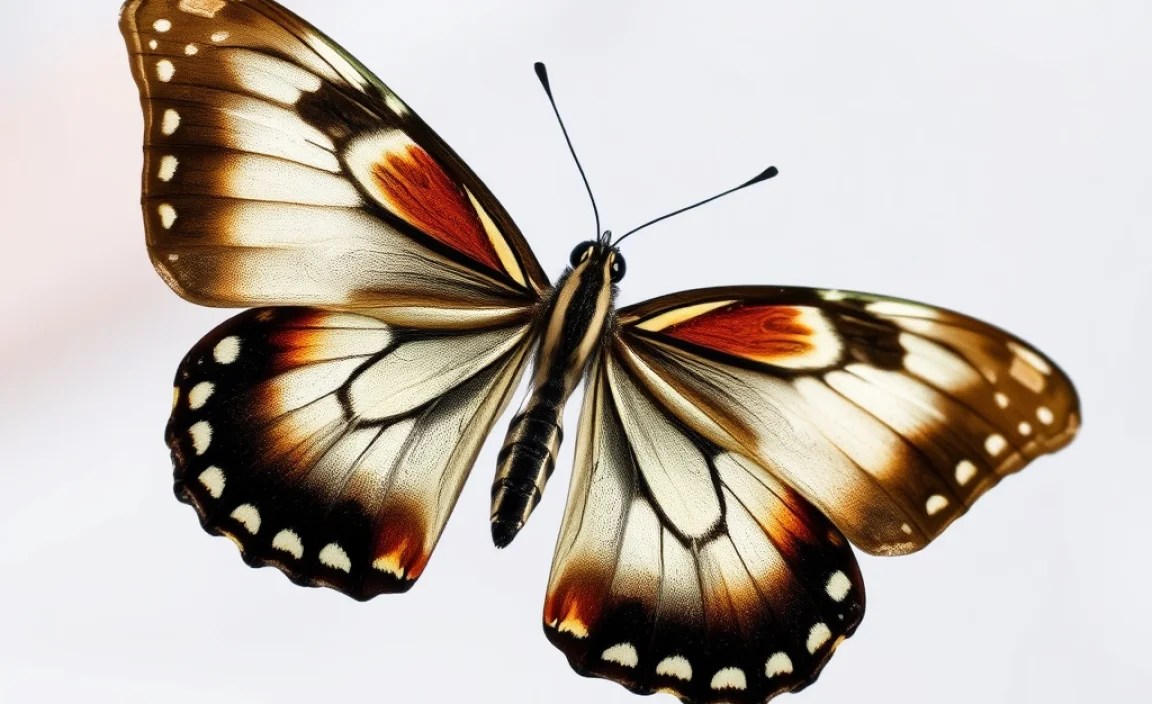
Butterflies are beautiful insects. They flutter around in gardens. Many kinds exist. It is fun to learn about them. How to identify sliders butterflies starts with looking closely. What colors are the wings? What patterns do you see? How big is the butterfly? Where did you find it? All these things help you name the butterfly. Some butterflies are very common. Others are rare. Each one plays a part in nature. Watching butterflies is a great hobby. It gets you outside. You can learn a lot about nature. It also helps you care about the world around you. So, grab a notebook and a friend. Start looking for butterflies today.
- Check the wing colors.
- Notice the size of the butterfly.
- Look for patterns on the wings.
- See where you find the butterfly.
- Use a butterfly book to help.
Learning to name butterflies takes time. Don’t worry if you don’t know them all right away. Keep looking and learning. Ask questions. There are many websites and books about butterflies. Some have pictures to help you. Others tell you about their lives. You can also join a butterfly club. You will meet people who love butterflies too. They can teach you even more. The more you know, the easier it will be to name them. Soon, you’ll be a butterfly expert.
Fun Fact or Stat: Butterflies taste with their feet!
What Are the Main Butterfly Groups?
Did you know butterflies are in groups? These groups help us understand them. They are like families. Each family has special things about them. One big group is the Swallowtails. They are often big and colorful. Another group is the Whites and Yellows. They are usually smaller. They are white or yellow. Then there are the Blues and Coppers. They are small and shiny. They often have blue or copper colors. Learning these groups makes it easier to how to identify sliders butterflies. It helps you narrow down what you are seeing.
Why Is Butterfly Identification Important?
Have you ever wondered why we need to name butterflies? It’s not just for fun. Knowing what kind of butterfly you see can help scientists. It can show if the environment is healthy. If butterflies are disappearing, it means something is wrong. Maybe there is not enough food. Or the weather is changing. By knowing what butterflies are where, we can help them. We can plant the right flowers. We can protect their homes. So, learning how to identify sliders butterflies helps us take care of our planet.
How Can Butterfly Apps Help?
Do you have a phone or tablet? There are apps for that! Many apps can help you name butterflies. You can take a picture of the butterfly. The app will try to tell you what it is. Some apps also have information about each butterfly. You can learn about their food and homes. These apps are great for beginners. They make learning fun. They can also help you keep track of the butterflies you see. So, next time you see a butterfly, try using an app. It might surprise you!
Fun Fact or Stat: Some butterflies migrate thousands of miles, like birds!
Understanding Butterfly Wing Patterns
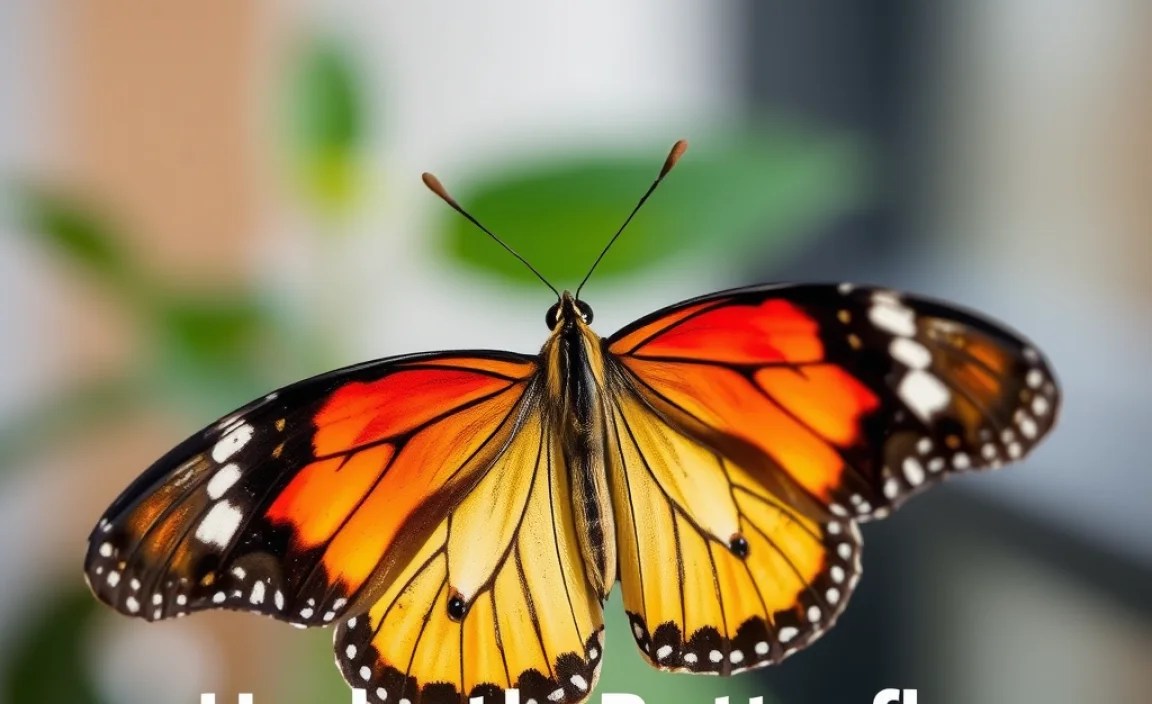
Butterfly wings are like tiny art pieces. They have amazing patterns. These patterns aren’t just pretty. They help the butterflies. Some patterns scare away enemies. Other patterns help them hide. The patterns also help us how to identify sliders butterflies. Look closely at the lines and spots. Some butterflies have big spots. Others have stripes. Some have eye-like patterns. These eyes can trick predators. Paying attention to the details will make you a better butterfly spotter.
- Look for stripes or spots.
- Notice any eye-like patterns.
- Check the edges of the wings.
- See if the pattern is the same on both wings.
- Note the colors in the pattern.
- Use a magnifying glass for close-up views.
Butterfly wings are covered in tiny scales. These scales are what give the wings their color and pattern. When you touch a butterfly’s wing, some scales might come off. That’s why you should be very gentle with them. The scales are arranged in rows, like shingles on a roof. They help the butterfly fly and stay warm. Each scale has a tiny bit of color. When all the scales come together, they make the beautiful patterns we see. Learning about these scales can help you appreciate butterflies even more.
Fun Fact or Stat: Butterfly wings are transparent, but the scales give them color!
Why Do Butterflies Have Different Wing Patterns?
Have you ever wondered why butterflies have different wing patterns? It’s all about survival. Some butterflies have bright colors to warn predators they taste bad. Others have dull colors to blend in with their surroundings. The patterns also help butterflies find each other. Male and female butterflies often have different patterns. This helps them recognize each other. So, the next time you see a butterfly, think about why it has that pattern. It might be trying to tell you something!
How Do Wing Patterns Help Butterflies Survive?
Imagine you are a butterfly. You need to stay safe from birds. How do you do it? Wing patterns can help. Some patterns make you look like a leaf. Birds won’t see you. Other patterns make you look like a bigger animal. Birds will be scared. Some butterflies even have fake tails on their wings. Birds might attack the tail instead of the body. This gives the butterfly a chance to escape. Learning how to identify sliders butterflies wing patterns is like learning their secrets.
Can Wing Patterns Change Over Time?
Did you know butterfly wing patterns can change? It’s true! Over many years, butterflies can adapt to their environment. If a certain pattern helps them survive better, more butterflies will have that pattern. This is called evolution. Scientists study these changes to learn about how butterflies adapt. It’s like reading a history book written on their wings. It’s another reason why learning how to identify sliders butterflies is so important.
Fun Fact or Stat: Some butterfly wing patterns mimic poisonous butterflies to avoid predators!
Butterfly Size and Shape Explained
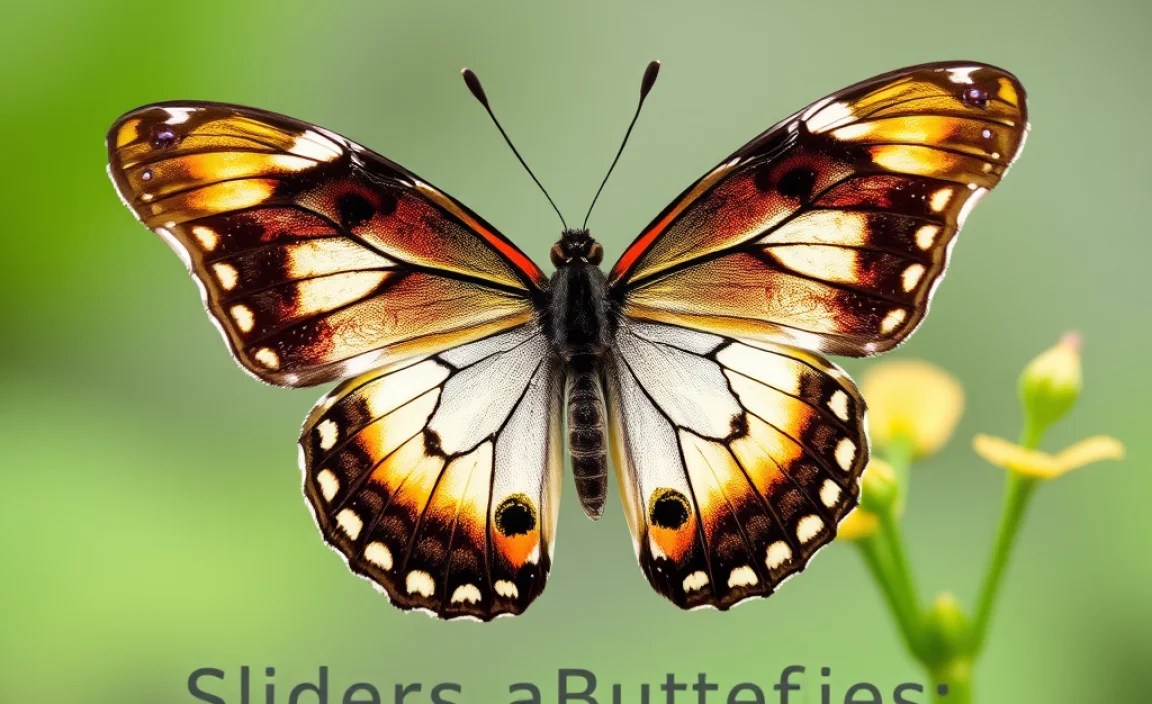
Besides color, size and shape are key. These two things help how to identify sliders butterflies. Some butterflies are tiny. They are as small as your fingernail. Others are big. They are as big as your hand. The shape of the wings also matters. Some butterflies have long, narrow wings. Others have round wings. Some have wings with tails. These tails are like little streamers. They can help the butterfly steer. Paying attention to size and shape will help you narrow down your choices.
- Measure the wingspan.
- Look at the shape of the wings.
- Notice if the wings have tails.
- Compare the size to common objects.
- See if the body is long or short.
- Check if the antennae are clubbed or pointed.
Butterfly sizes can vary greatly. The smallest butterfly is the Western Pygmy Blue. It’s only about half an inch wide. The largest butterfly is the Queen Alexandra’s Birdwing. It can be almost a foot wide. That’s bigger than some birds! The shape of the wings can also tell you something about the butterfly’s lifestyle. Butterflies with long, narrow wings are often fast fliers. They can travel long distances. Butterflies with round wings are often slower fliers. They prefer to stay close to home.
Fun Fact or Stat: The largest butterfly has a wingspan of nearly 12 inches!
How Does Size Affect Butterfly Flight?
Have you ever watched a big butterfly fly? It might seem slow and clumsy. But big butterflies can be very powerful fliers. They can soar through the air. Small butterflies are quick and agile. They can dart around easily. The size of the butterfly affects how it flies. It also affects where it lives. Big butterflies need more space to fly. Small butterflies can live in smaller areas. So, size matters when it comes to butterflies.
What Do Different Wing Shapes Tell Us?
Imagine a butterfly with long, pointed wings. It probably flies very fast. Now imagine a butterfly with round, wide wings. It probably floats through the air. The shape of a butterfly’s wings tells us about its flight style. It also tells us about its habitat. Butterflies with narrow wings often live in open areas. Butterflies with wide wings often live in forests. Learning about wing shapes can help you understand how to identify sliders butterflies and their lives.
Can Size and Shape Be Misleading?
Sometimes, size and shape can trick you. Some butterflies can change their shape slightly. They do this to blend in better. Others might look bigger or smaller depending on how they hold their wings. It’s important to look at other clues too. Check the colors and patterns. Look at where you found the butterfly. All these things together will help you make a good guess. Don’t give up if you get it wrong at first. Keep practicing!
Fun Fact or Stat: Some butterflies can fly up to 30 miles per hour!
Where Do You Find Butterfly Sliders?
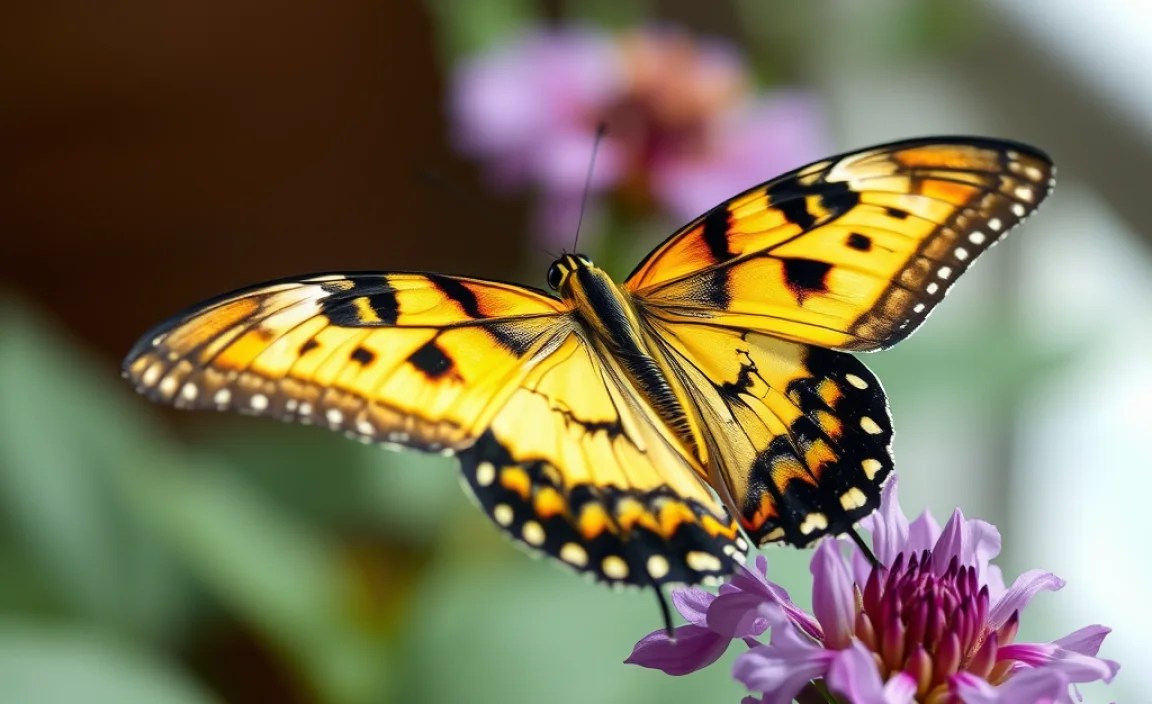
Where you find a butterfly is a big clue. Some butterflies live in forests. Others live in meadows. Some live near water. Others live in the desert. Each butterfly has a favorite place. This is where they find food. It is also where they lay their eggs. Knowing where to look can help how to identify sliders butterflies. If you see a butterfly in a certain place, it narrows down the choices. Think about what kind of plants are there. What is the weather like? These things can help you solve the mystery.
- Check different habitats.
- Look for specific plants.
- Consider the weather.
- Note the time of year.
- See if there are other butterflies around.
- Pay attention to the elevation.
Butterflies are very picky about where they live. They need the right kind of plants for their caterpillars to eat. They also need a safe place to lay their eggs. Some butterflies only eat one kind of plant. If that plant is not there, the butterfly won’t be there either. That’s why it’s important to protect butterfly habitats. We need to make sure they have the food and shelter they need. By planting native plants, we can help butterflies thrive.
Fun Fact or Stat: Butterflies can be found on every continent except Antarctica!
Why Are Some Butterflies Only Found in Certain Places?
Have you ever wondered why some butterflies are only found in certain places? It’s because of their food. Caterpillars need to eat specific plants. If those plants only grow in one area, the butterflies will only live there too. Climate also plays a role. Some butterflies need warm weather. Others need cool weather. If the climate changes, the butterflies might have to move. This is why it’s important to protect different habitats. We need to make sure butterflies have a place to live.
How Can You Create a Butterfly-Friendly Habitat?
Do you want to help butterflies? You can create a butterfly-friendly habitat in your own backyard. Plant flowers that butterflies like. Some good choices are milkweed, butterfly bush, and zinnias. Make sure to plant a variety of flowers. This will attract different kinds of butterflies. You should also provide a water source. A shallow dish of water with some stones will do. Avoid using pesticides. These can harm butterflies and other insects. With a little effort, you can create a beautiful butterfly garden.
What Are the Threats to Butterfly Habitats?
Butterfly habitats are in danger. One big threat is habitat loss. As we build more homes and roads, we destroy butterfly habitats. Another threat is pollution. Pesticides and other chemicals can harm butterflies. Climate change is also a threat. As the weather changes, butterflies might not be able to survive in their current habitats. We need to take action to protect butterfly habitats. We can do this by preserving land, reducing pollution, and fighting climate change.
Fun Fact or Stat: Many butterflies are threatened or endangered due to habitat loss!
Butterfly Behavior and Identification
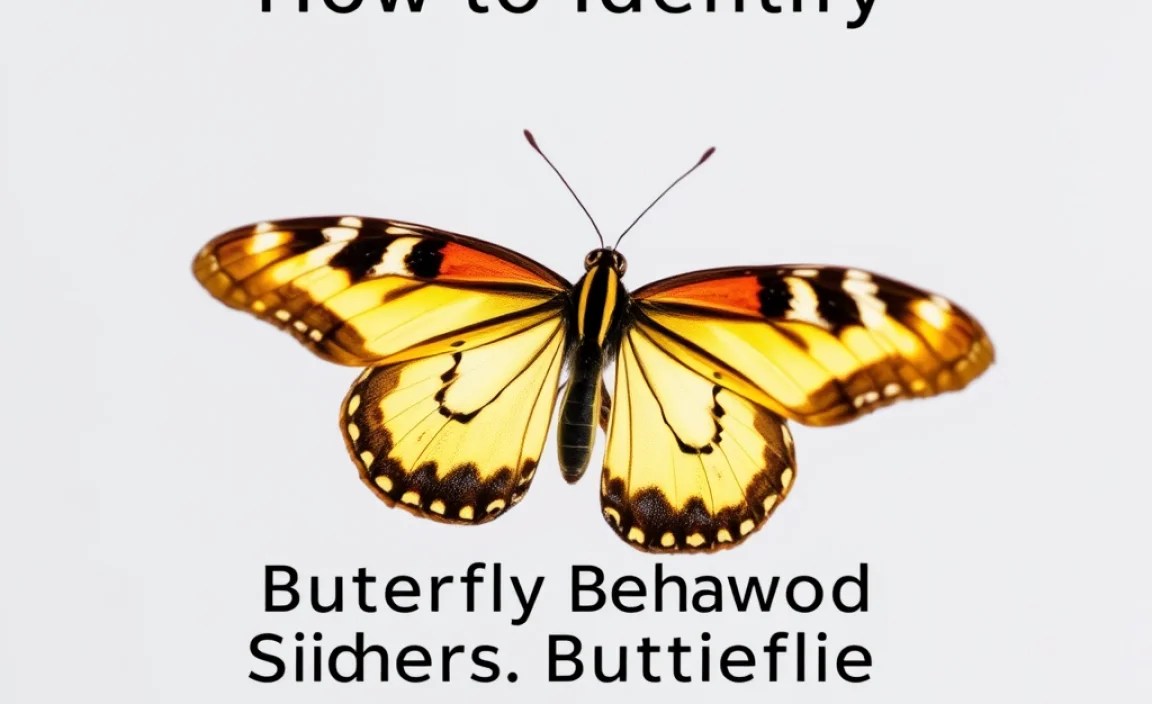
Watching how butterflies act can help you learn how to identify sliders butterflies. Some butterflies fly very fast. Others float slowly. Some like to bask in the sun. Others stay in the shade. Some are very friendly. They will land on you. Others are shy. They will fly away if you get too close. Pay attention to what the butterfly is doing. This can give you clues about what kind it is. For example, some butterflies only come out at certain times of day.
- Watch how they fly.
- See if they bask in the sun.
- Notice if they are attracted to certain flowers.
- Check if they are solitary or in groups.
- Observe their feeding habits.
- Note their reaction to movement.
Butterflies have different behaviors depending on the time of year. In the spring, they are busy laying eggs. In the summer, they are busy feeding. In the fall, some butterflies migrate. Others hibernate. Knowing what time of year it is can help you predict what a butterfly might be doing. It can also help you narrow down your choices. For example, if you see a butterfly flying south in the fall, it might be a Monarch.
Fun Fact or Stat: Some butterflies hibernate as caterpillars, pupae, or adults!
How Do Butterflies Find Food?
Have you ever wondered how butterflies find food? They use their eyes and antennae. Butterflies can see colors that we can’t see. They can see ultraviolet light. This helps them find flowers with nectar. Their antennae help them smell the nectar. They can smell it from far away. When they find a flower, they use their proboscis to drink the nectar. The proboscis is like a long straw. They unroll it and stick it into the flower.
Why Do Butterflies Basking in the Sun?
Have you ever seen a butterfly sitting in the sun? It’s called basking. Butterflies are cold-blooded. They need the sun to warm up their bodies. When they are warm, they can fly better. They can also digest food better. Basking is very important for butterflies. They often bask in the morning. This helps them get ready for the day. You can often see them with their wings open wide. This helps them absorb more sunlight.
Do Butterflies Migrate?
Some butterflies migrate. This means they travel long distances. The most famous migrating butterfly is the Monarch. Monarchs fly from Canada and the United States to Mexico. They spend the winter in Mexico. Then, they fly back north in the spring. Migration is a dangerous journey. Many butterflies die along the way. But it’s important for their survival. They need to find warmer weather and more food.
Fun Fact or Stat: Monarch butterflies migrate over 3,000 miles each year!
## Using Field Guides for Identification
Field guides are books that help you name things in nature. There are field guides for birds, trees, and butterflies. A butterfly field guide has pictures of different butterflies. It also has information about them. The guide tells you where they live. It tells you what they eat. And it tells you how to identify sliders butterflies. Field guides are very helpful. They make learning about butterflies easier. They can also help you impress your friends with your butterfly knowledge.
| Feature | Pros | Cons |
|---|---|---|
| Detailed Descriptions | Provide specific identification clues. | Can be overwhelming for beginners. |
| Illustrations/Photos | Help visually match butterflies. | Quality varies; colors may not be accurate. |
| Range Maps | Show where species are likely found. | Ranges can change over time. |
| Behavioral Information | Offer insights into habits. | May require extended observation. |
- Choose a guide for your area.
- Look for clear pictures.
- Read the descriptions carefully.
- Compare your butterfly to the pictures.
- Use the range maps to help.
- Take the guide with you when you go butterfly watching.
When you use a field guide, start by looking at the pictures. Find the butterfly that looks most like the one you saw. Then, read the description. See if the details match. Pay attention to the size, shape, and color. Also, check the range map. Does the butterfly live in your area? If everything matches, you have probably named the butterfly correctly. If not, keep looking. There are many different kinds of butterflies. It might take some time to find the right one.
Fun Fact or Stat: Field guides have been used for centuries to document and understand nature!
### What Makes a Good Butterfly Field Guide?
What makes a good butterfly field guide? First, it should have clear pictures. The pictures should show the butterflies from different angles. They should also show the butterflies in different colors. Second, the guide should have detailed descriptions. The descriptions should tell you about the size, shape, and color of the butterfly. They should also tell you about its habitat and behavior. Third, the guide should be easy to use. It should be organized in a logical way. And it should have an index.
### How Can You Use a Field Guide Effectively?
To use a field guide effectively, start by learning the basic butterfly groups. This will help you narrow down your choices. Then, pay attention to the details of the butterfly you see. What color is it? How big is it? What shape are its wings? Where did you find it? Use these details to find the butterfly in the field guide. Read the description carefully. Compare your butterfly to the pictures. If everything matches, you have probably named it correctly.
### Are There Online Field Guides?
Yes, there are online field guides. These can be very helpful. They often have more pictures than printed field guides. They can also be updated more easily. Some online field guides even have videos. These can show you how the butterfly flies. They can also show you how it behaves. However, online field guides can also be less reliable. Make sure you use a reputable source. Look for websites that are run by scientists or butterfly experts.
Fun Fact or Stat: Some online field guides use image recognition to identify butterflies from photos!
Summary
Learning how to identify sliders butterflies can be a fun and rewarding hobby. It starts with paying close attention to the details. Look at the colors, patterns, size, and shape. Notice where you find the butterfly. Watch how it behaves. Use a field guide or app to help you. Don’t be afraid to ask questions. The more you learn, the easier it will become. Soon, you will be able to name butterflies like a pro.
Identifying butterflies isn’t just about knowing their names. It’s about understanding their lives. It’s about appreciating their beauty. And it’s about protecting their habitats. By learning about butterflies, you can help make the world a better place. So, get outside and start exploring. There’s a whole world of butterflies waiting to be discovered.
Conclusion
Butterflies are amazing creatures. They bring beauty and joy to our world. Learning how to identify sliders butterflies helps us appreciate them even more. By paying attention to their colors, patterns, and behaviors, we can unlock their secrets. So, grab a field guide, head outside, and start exploring. You might be surprised at what you discover.
Frequently Asked Questions
Question No 1: What is the best way to start learning about butterflies?
Answer: A great way to start is by getting a simple butterfly field guide. Look for one that covers butterflies in your local area. Start by learning the names of the most common butterflies. Then, practice identifying them in your backyard or at a park. You can also join a local butterfly club. They often have field trips and workshops. This is a fun way to learn from experts. Remember, learning how to identify sliders butterflies takes time, so be patient and enjoy the process!
Question No 2: How can I attract more butterflies to my garden?
Answer: To attract butterflies, plant a variety of flowers that they like. Some good choices are milkweed, butterfly bush, zinnias, and lavender. Make sure to plant them in a sunny spot. You should also provide a water source. A shallow dish of water with some stones will do. Avoid using pesticides. These can harm butterflies and other insects. You can also provide a place for butterflies to lay their eggs. Plant host plants for caterpillars, like milkweed for Monarchs. Creating a butterfly-friendly garden is a great way to help these beautiful creatures thrive.
Question No 3: What is the difference between a butterfly and a moth?
Answer: Butterflies and moths are both insects, but they have some key differences. Butterflies are usually active during the day. Moths are usually active at night. Butterflies have thin antennae with clubs at the end. Moths have feathery antennae. Butterflies usually hold their wings upright when they are resting. Moths usually hold their wings flat. Butterflies are often more colorful than moths. However, there are exceptions to all these rules. Knowing these differences can help you how to identify sliders butterflies versus moths!
Question No 4: Are butterflies important to the environment?
Answer: Yes, butterflies are very important to the environment. They are pollinators. This means they help plants make seeds. They fly from flower to flower, carrying pollen with them. Pollination is essential for many plants to reproduce. Butterflies are also a food source for other animals. Birds, lizards, and spiders eat butterflies. Butterflies are also indicators of environmental health. If butterfly populations are declining, it could mean that something is wrong with the environment.
Question No 5: What should I do if I find an injured butterfly?
Answer: If you find an injured butterfly, you can try to help it. First, gently pick it up. Be careful not to damage its wings. Place it in a safe place, away from predators. You can offer it some sugar water. Mix one part sugar with four parts water. Soak a cotton ball in the sugar water and place it near the butterfly. If the butterfly is unable to fly, you can keep it in a butterfly house. You can also contact a local butterfly expert or wildlife rehabilitator for advice. They may be able to provide more specialized care. Knowing how to identify sliders butterflies and their needs is the first step to helping them.
Question No 6: How can I teach children about butterflies?
Answer: Teaching children about butterflies can be a lot of fun. Start by taking them outside to look for butterflies. Show them different kinds of butterflies. Help them how to identify sliders butterflies using a field guide. You can also read books about butterflies together. Plant a butterfly garden in your backyard or at school. Raise caterpillars in a butterfly kit. This will allow children to see the amazing transformation from caterpillar to butterfly. Make sure to emphasize the importance of protecting butterflies and their habitats.