
Juvenile vs Adult Butterfly Identification: Easy Guide

Have you ever seen a butterfly and wondered how old it is? It can be tricky to tell! Juvenile vs adult butterfly identification is something even experts think about. Butterflies go through big changes as they grow.
They start as tiny eggs. Then they become caterpillars. After that, they turn into pupae (chrysalises). Finally, they emerge as beautiful adult butterflies. Each stage looks very different. But how can you tell a young butterfly from an older one? Let’s find out!
Key Takeaways
- Juvenile vs adult butterfly identification involves looking at wing condition and color brightness.
- Adult butterflies often have faded or damaged wings from flying and aging.
- Younger butterflies usually have brighter colors and more intact wings.
- Observing butterfly behavior, like mating, can indicate adulthood.
- Size differences are not always reliable for determining age in butterflies.
Understanding Butterfly Life Stages
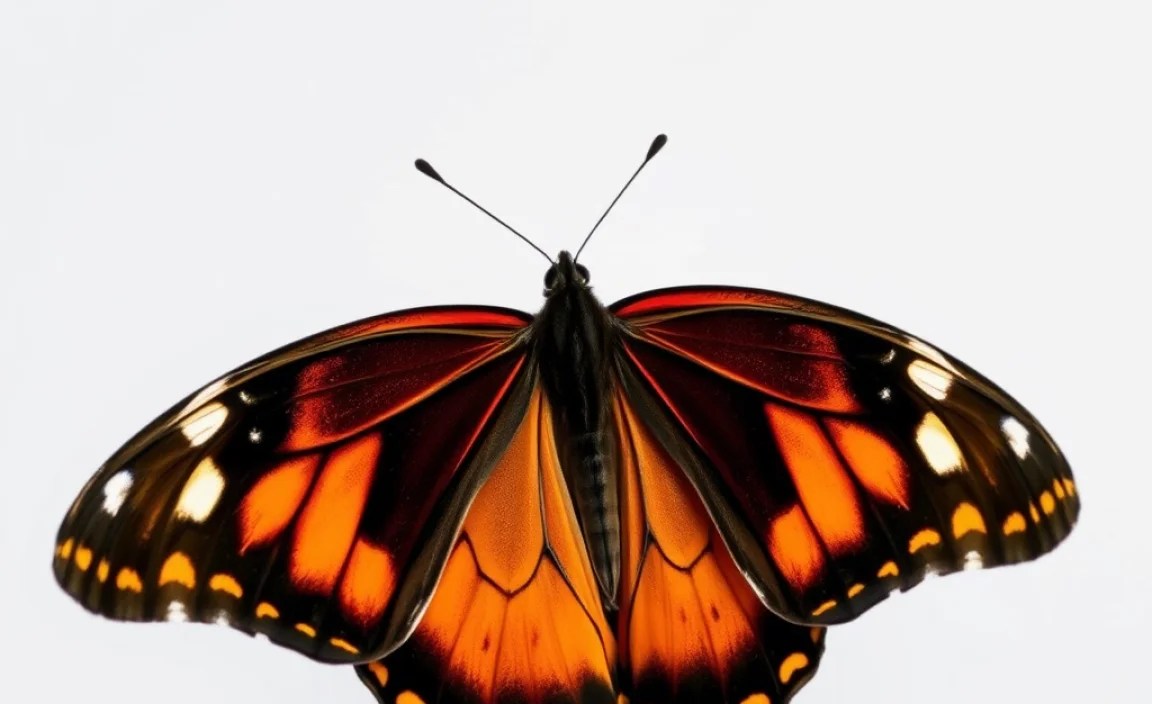
Butterflies have a fascinating life cycle. They go through four main stages. These stages are egg, larva (caterpillar), pupa (chrysalis), and adult. Each stage is very different. The egg is tiny and laid on a plant. The larva eats and grows. It sheds its skin many times. The pupa is a resting stage. Inside, the larva changes into a butterfly. The adult emerges from the pupa. It can fly and reproduce. Knowing these stages helps with juvenile vs adult butterfly identification. Each stage has unique characteristics. These characteristics help us understand the butterfly’s age and development. Observing these transformations is key to understanding butterfly life.
- Eggs are laid on specific plants.
- Caterpillars eat a lot and grow quickly.
- The pupa stage is a time of change.
- Adult butterflies can fly and reproduce.
- Each stage has a different look.
Understanding the butterfly life cycle is crucial. It helps us appreciate the changes they undergo. Think about the caterpillar. It starts as a tiny creature. It eats leaves and grows bigger. Then, it forms a chrysalis. Inside this shell, a big change happens. The caterpillar turns into a butterfly. This change is called metamorphosis. When the butterfly comes out, it is ready to fly. It can find food and mates. This cycle repeats, creating new generations of butterflies. Recognizing these stages aids in juvenile vs adult butterfly identification. We can better understand their journey.
Fun Fact or Stat: Did you know that some butterflies migrate thousands of miles, like the Monarch butterfly?
What Happens in the Egg Stage?
The egg stage is the first part of a butterfly’s life. Butterflies lay their eggs on plants. These plants will be food for the caterpillar. Butterfly eggs come in many shapes and sizes. Some are round, while others are oval. Some are smooth, while others have ridges. The color of the egg can also vary. It might be white, yellow, green, or even brown. Inside the egg, a tiny caterpillar is growing. It is getting ready to hatch. The length of the egg stage depends on the butterfly species. It also depends on the weather. Some eggs hatch in a few days. Others take a few weeks. Juvenile vs adult butterfly identification starts with understanding this beginning.
What Happens in the Caterpillar Stage?
Imagine a tiny caterpillar munching on a leaf. This is the larva stage. Caterpillars eat a lot. They need to grow quickly. As they grow, they shed their skin. This is called molting. Caterpillars can molt several times. Each time they molt, they get bigger. They also look a bit different. Some caterpillars are green. They blend in with the leaves. Others are brightly colored. These colors warn predators that they are poisonous. Caterpillars have strong jaws for eating. They also have prolegs. These are like tiny suction cups. They help the caterpillar hold onto plants. The caterpillar stage is all about eating and growing. This growth is essential for the next stage.
What Happens in the Pupa Stage?
Have you ever seen a chrysalis? This is the pupa stage. The caterpillar turns into a chrysalis. It can be green, brown, or even sparkly. Inside the chrysalis, something amazing is happening. The caterpillar is changing into a butterfly. This process is called metamorphosis. It takes time. The length of the pupa stage varies. It depends on the butterfly species and the weather. Some butterflies stay in the chrysalis for a week. Others stay for several weeks. The chrysalis protects the butterfly as it changes. When the butterfly is ready, it will emerge. It will break free from the chrysalis. This is a magical moment. This stage is a crucial part of juvenile vs adult butterfly identification.
Wing Condition and Age
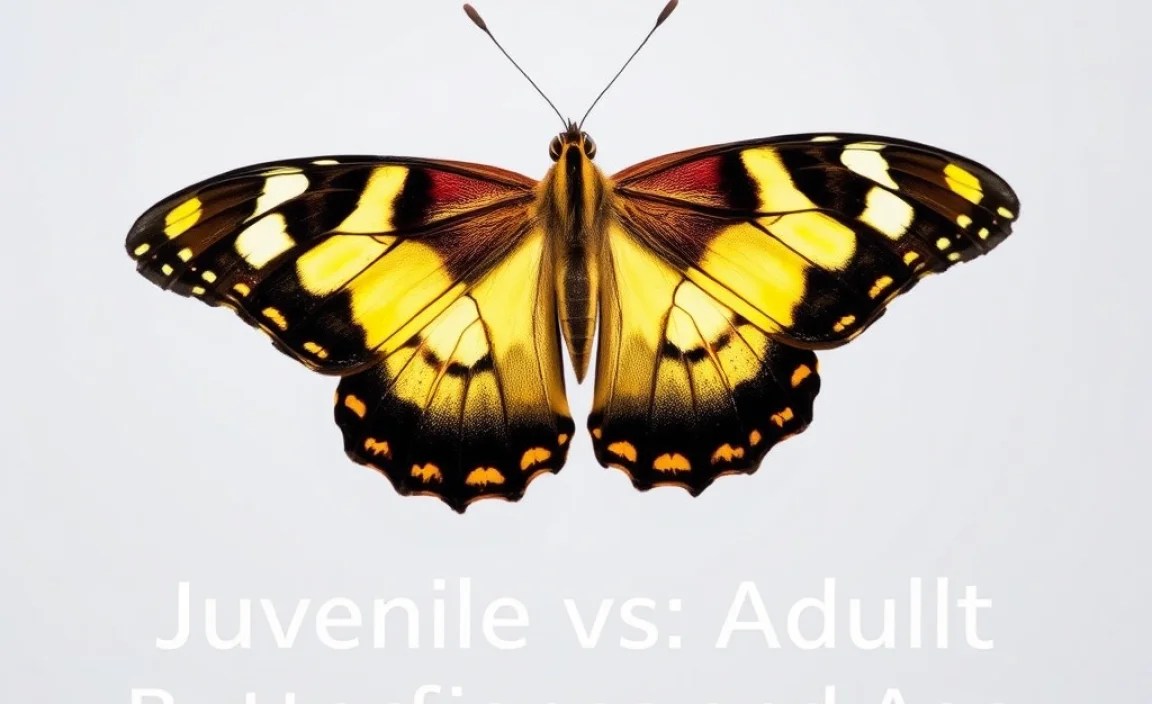
The condition of a butterfly’s wings can tell you a lot. It can help with juvenile vs adult butterfly identification. Younger butterflies have wings that are usually perfect. Their wings are bright and colorful. They have no tears or missing scales. As butterflies get older, their wings can get damaged. Flying through bushes and weather can cause wear and tear. The colors might fade. Pieces of the wing might break off. You might see small tears or holes. The edges of the wings can become tattered. Examining the wings closely can give you clues about the butterfly’s age. Remember, wing condition is just one factor. Consider other things like behavior too.
- Young butterflies have pristine wings.
- Older butterflies have damaged wings.
- Faded colors mean the butterfly is older.
- Tears and holes appear with age.
- Look at the edges of the wings.
- Missing scales can indicate age.
Wing damage is a natural part of a butterfly’s life. They fly through all kinds of conditions. Think about it. They fly through wind, rain, and sunshine. They brush against plants and sometimes get caught by predators. All of these things can damage their wings. Small tears and missing scales are common. These marks show that the butterfly has lived for a while. They have experienced the world. The amount of damage can vary. Some butterflies might have only a few small tears. Others might have large pieces missing. Wing condition provides insight into juvenile vs adult butterfly identification. This helps us understand their journey.
Fun Fact or Stat: Some butterfly species live only a few weeks, while others can live for almost a year!
How Do Wings Get Damaged?
Butterfly wings are delicate. Many things can damage them. Flying through rough weather can cause tears. Brushing against plants can scrape off scales. Predators might try to catch them. This can also damage their wings. Even landing on rough surfaces can cause wear and tear. The sun can fade the colors of their wings. Over time, all these things add up. The wings become less perfect. They show the signs of age. These damages are important clues for juvenile vs adult butterfly identification.
What Do Pristine Wings Look Like?
Pristine wings are perfect. They are bright and colorful. They have no tears or holes. All the scales are in place. The edges of the wings are smooth and even. These wings belong to young butterflies. They have just emerged from their chrysalis. They have not yet experienced the world. Their wings are fresh and new. Seeing pristine wings is a beautiful sight. It is a sign of new life. It shows the beginning of a butterfly’s journey. This perfect condition is a key indicator in juvenile vs adult butterfly identification.
Can Butterflies Repair Their Wings?
Butterflies cannot fully repair their wings. Once the wings are damaged, they stay damaged. They cannot grow back missing pieces. They cannot fix tears. However, they can still fly with damaged wings. They adapt to their condition. They might fly slower or less efficiently. But they can still survive. The damage is permanent. It is a record of their life. It shows what they have been through. While they can’t fix it, they learn to live with it. Understanding this limitation is useful for juvenile vs adult butterfly identification.
Coloration and Brightness
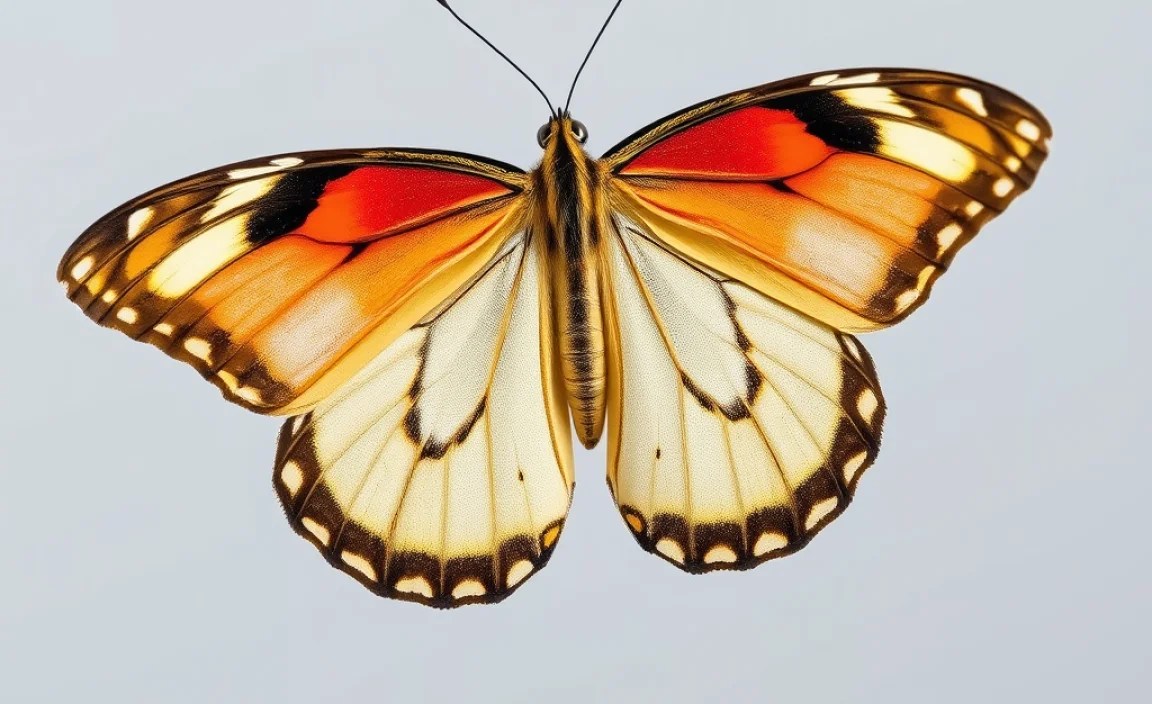
Juvenile vs adult butterfly identification can also involve looking at color. Younger butterflies often have brighter colors. Their scales are fresh and vibrant. They haven’t been faded by the sun or worn by the weather. Older butterflies might have duller colors. The pigments in their wings can break down over time. The sun’s UV rays can bleach the colors. The scales can become worn or missing. This makes the colors look less intense. Comparing the colors of different butterflies can give you clues about their age. But remember, some species naturally have duller colors than others. Consider this when making your judgment.
- Young butterflies have bright colors.
- Older butterflies have dull colors.
- Sunlight can fade wing colors.
- Scales wear down over time.
- Compare colors within the same species.
- Consider natural color variations.
Think about a brand new painting. The colors are fresh and vibrant. They pop off the canvas. Now, imagine that painting sitting in the sun for years. The colors would start to fade. They would become less intense. The same thing happens to butterfly wings. The bright colors of a young butterfly fade over time. This fading is a natural process. It is caused by exposure to sunlight and wear and tear. The degree of fading can vary. It depends on the butterfly species and its environment. Coloration and brightness are important factors in juvenile vs adult butterfly identification. They help us understand a butterfly’s age.
Fun Fact or Stat: Butterfly wings get their color from tiny scales, just like a fish!
How Does Sunlight Affect Color?
Sunlight can have a big impact on butterfly wing color. The sun’s ultraviolet (UV) rays can break down the pigments in the wings. This causes the colors to fade. Darker colors tend to fade more quickly than lighter colors. Butterflies that live in sunny areas might show more fading. The amount of fading depends on how long the butterfly is exposed to the sun. It also depends on the intensity of the sunlight. The effects of sunlight are important for juvenile vs adult butterfly identification.
Do All Colors Fade Equally?
No, not all colors fade equally. Some pigments are more resistant to fading than others. For example, black and brown colors tend to be more stable. They fade less easily than bright colors like red and yellow. The chemical structure of the pigment determines its stability. Butterflies with a lot of dark colors might appear younger for longer. This is because their colors don’t fade as quickly. Knowing this helps refine the process of juvenile vs adult butterfly identification.
What Role Do Scales Play?
Scales are tiny, overlapping plates that cover butterfly wings. They contain the pigments that give the wings their color. When scales are damaged or missing, the color underneath can show through. This can make the wings look duller. Scales also protect the pigments from sunlight. When scales are worn away, the pigments are more exposed to UV rays. This leads to faster fading. The condition of the scales is crucial for maintaining color. It is also an important factor in juvenile vs adult butterfly identification.
Behavioral Clues for Age
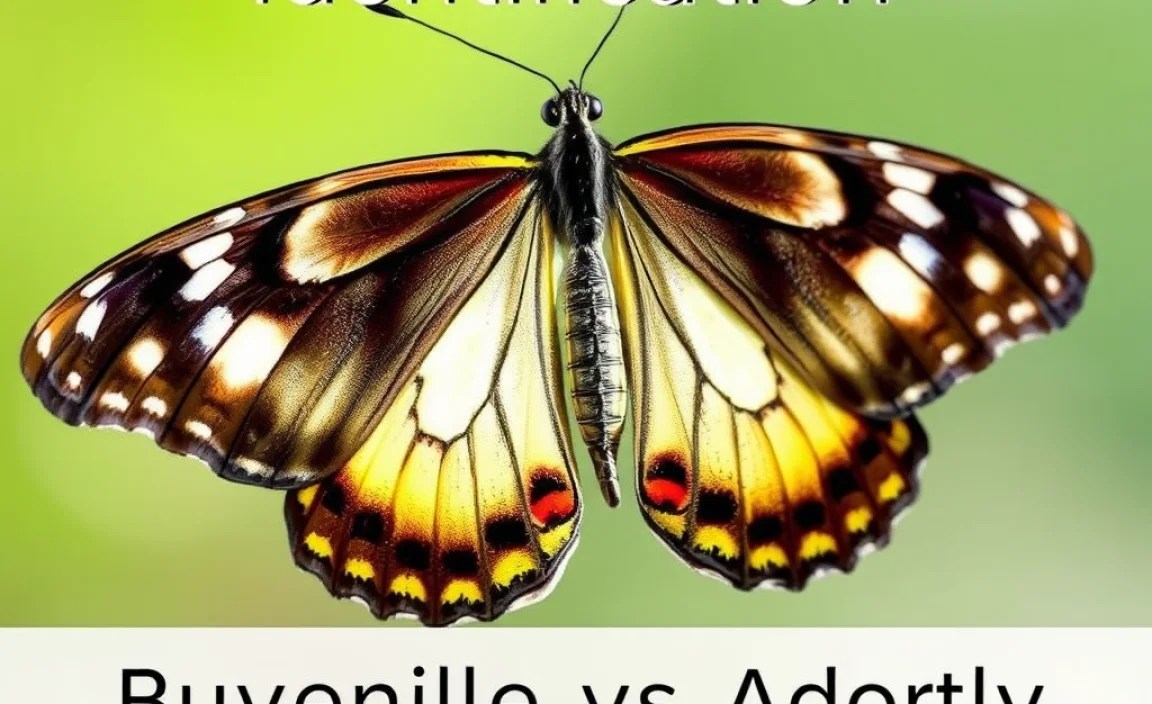
Observing butterfly behavior can also help. It can aid in juvenile vs adult butterfly identification. Young butterflies are often more active. They are exploring their environment. They are learning to find food. They are practicing flying. Adult butterflies are more focused on reproduction. They are searching for mates. They are laying eggs. You might see them engaging in courtship rituals. These behaviors can give you clues about their age. However, behavior can also depend on the time of day and the weather. Consider these factors when observing butterflies.
- Young butterflies are more active.
- Adult butterflies focus on mating.
- Courtship rituals indicate adults.
- Egg-laying is a sign of adulthood.
- Consider time of day and weather.
- Observe for consistent patterns.
Think about a young child exploring a playground. They are running around. They are climbing on everything. They are full of energy. Now, think about an adult at a party. They are talking to people. They are relaxing and socializing. Butterflies are similar. Young butterflies are exploring and learning. Adult butterflies are focused on reproduction. They are ensuring the survival of their species. Watching their behavior can give you valuable information. It is a key part of juvenile vs adult butterfly identification. It complements wing and color observations.
Fun Fact or Stat: Some male butterflies perform elaborate dances to attract a mate!
What Does “Exploring” Look Like?
Exploring behavior in young butterflies involves a lot of flying. They are testing their wings. They are learning how to navigate. They are visiting different flowers. They are trying to find the best sources of nectar. They might seem restless. They are always on the move. This exploration is important for their survival. It helps them learn about their environment. It prepares them for adulthood. Spotting this behavior helps in juvenile vs adult butterfly identification.
How Do Butterflies Find Mates?
Adult butterflies use different strategies to find mates. Some release pheromones. These are chemical signals that attract the opposite sex. Others perform visual displays. They might fly in a special pattern. They might show off their colors. Males often compete with each other for the attention of females. These behaviors are all part of courtship. They are signs that the butterfly is ready to reproduce. Observing these interactions can give insight for juvenile vs adult butterfly identification.
What Does Egg-Laying Behavior Look Like?
Egg-laying is a crucial behavior for adult female butterflies. They carefully select a plant. This plant will be food for their caterpillars. They use their antennae to sense the plant. They make sure it is the right species. Then, they lay their eggs on the leaves or stems. They might lay one egg at a time. Or they might lay a cluster of eggs. This behavior is a clear sign of adulthood. It shows that the butterfly has reached its reproductive stage. Identifying this stage is essential for juvenile vs adult butterfly identification.
Size and Physical Development
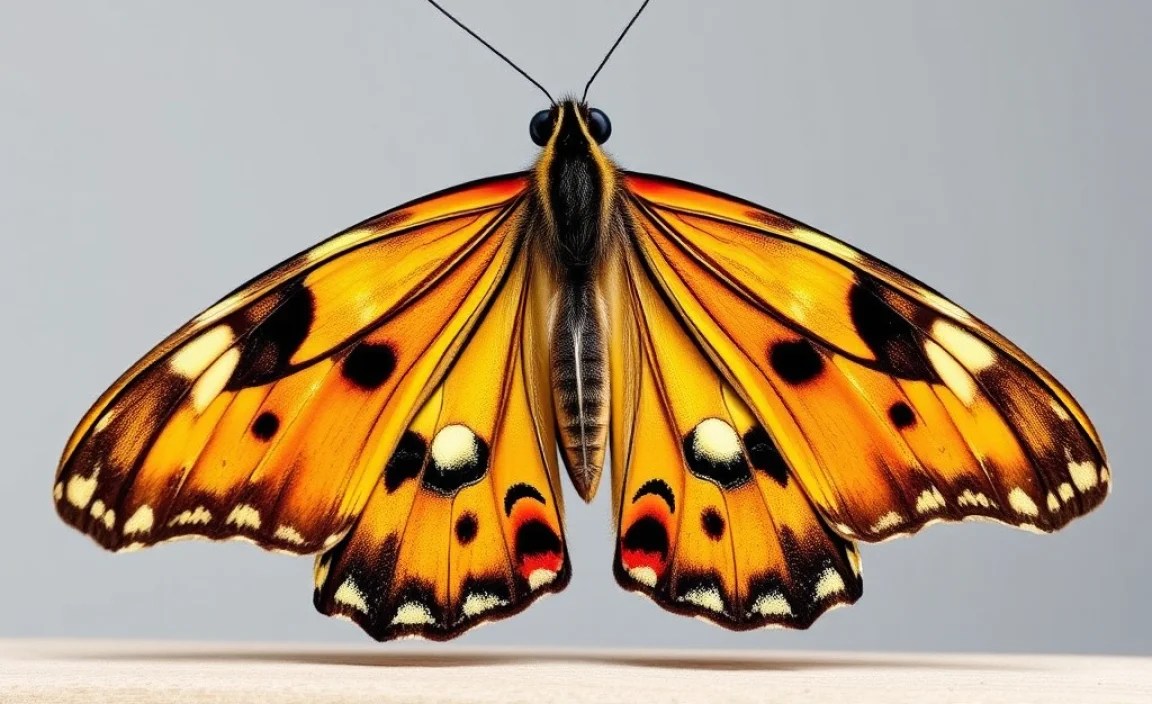
Size can sometimes be a factor. But it is not always reliable for juvenile vs adult butterfly identification. Generally, butterflies do not grow after they emerge from the pupa. The size they are when they emerge is the size they will stay. However, there can be some slight differences. Younger butterflies might have a more “plump” appearance. This is because they have more body fat reserves. Older butterflies might appear thinner. They have used up their energy reserves. Also, size can vary greatly between different species. What is large for one species might be small for another. So, size alone is not a good indicator of age.
- Butterflies don’t grow after emerging.
- Younger ones may look plumper.
- Older ones may look thinner.
- Size varies by species.
- Size alone is not reliable.
- Consider other factors too.
Imagine two butterflies of the same species. One has just emerged from its chrysalis. The other has been flying around for a few weeks. The younger butterfly might have more stored energy. It might look a little bit bigger. The older butterfly has been using its energy to fly and reproduce. It might look a little bit smaller. However, this difference is usually very subtle. It is not always easy to see. Relying solely on size for juvenile vs adult butterfly identification can be misleading. Other factors like wing condition and behavior are more helpful.
Fun Fact or Stat: The largest butterfly in the world, the Queen Alexandra’s Birdwing, has a wingspan of up to 12 inches!
Do Butterflies Get Bigger After Emerging?
No, butterflies do not get bigger after they emerge from their chrysalis. Their size is determined during the pupa stage. Once they become adults, they stop growing. They might lose some weight as they use up their energy reserves. But they will not increase in size. This is an important fact to remember. It shows that size alone is not a reliable indicator for juvenile vs adult butterfly identification.
How Does Species Affect Size?
Species has a huge impact on size. Some butterfly species are naturally very small. Others are naturally very large. For example, the Pygmy Blue butterfly is one of the smallest. It has a wingspan of less than an inch. The Queen Alexandra’s Birdwing is one of the largest. It has a wingspan of up to 12 inches. Comparing the size of two butterflies from different species is not helpful. You need to compare butterflies within the same species. Understanding species variations is key for juvenile vs adult butterfly identification.
What About Body Fat Reserves?
Body fat reserves can affect a butterfly’s appearance. Younger butterflies tend to have more fat reserves. They have just emerged from their chrysalis. They have not yet used up all their energy. This can make them look a little bit plumper. Older butterflies have used up more of their fat reserves. They have been flying and reproducing. This can make them look a little bit thinner. However, this is a subtle difference. It is not always easy to see. This factor is a minor consideration for juvenile vs adult butterfly identification.
Using a Combination of Factors
The best approach is to use a combination of factors. This will help with juvenile vs adult butterfly identification. Don’t rely on just one clue. Look at wing condition, color, behavior, and size. Consider the species of butterfly you are observing. Think about the time of year and the weather. The more information you gather, the more accurate your assessment will be. Remember, it is not always possible to know a butterfly’s exact age. But you can make an educated guess based on your observations. Enjoy the process of learning about these fascinating creatures.
- Combine wing condition and color.
- Observe behavior patterns.
- Consider the butterfly species.
- Think about the time of year.
- Factor in weather conditions.
- Gather as much information as possible.
Imagine you are a detective. You are trying to solve a mystery. You wouldn’t rely on just one piece of evidence. You would gather all the clues you can find. You would put them together to form a complete picture. Identifying the age of a butterfly is similar. You need to gather all the clues you can find. You need to put them together to make an educated guess. The more clues you have, the more accurate your guess will be. This comprehensive approach enhances juvenile vs adult butterfly identification.
Fun Fact or Stat: Butterflies taste with their feet!
Why Is a Combined Approach Best?
A combined approach is best because it accounts for individual variations. Not all butterflies age at the same rate. Some might experience more wing damage than others. Some might fade more quickly in the sun. Some might be naturally larger or smaller than others. By considering multiple factors, you can get a more accurate assessment. You are less likely to be misled by a single, unusual characteristic. This holistic view improves juvenile vs adult butterfly identification.
What Are Common Mistakes to Avoid?
One common mistake is relying too much on wing condition. A butterfly with damaged wings is not necessarily old. It might have simply had a rough day. Another mistake is ignoring the species of butterfly. Size and color can vary greatly between species. What is normal for one species might be unusual for another. Finally, don’t forget to consider the environment. Butterflies in harsh environments might age more quickly. Avoiding these mistakes leads to better juvenile vs adult butterfly identification.
How Can You Improve Your Skills?
The best way to improve your skills is to practice. Spend time observing butterflies in nature. Pay attention to their wings, colors, and behavior. Take notes on what you see. Compare your observations with photos and descriptions in field guides. Talk to other butterfly enthusiasts. Share your observations and learn from their experiences. The more you practice, the better you will become at identifying butterflies. This practice enhances your ability in juvenile vs adult butterfly identification.
Tools for Butterfly Identification
Identifying butterflies can be easier with the right tools. Juvenile vs adult butterfly identification and general butterfly ID often involves the same equipment. A good field guide is essential. It will provide pictures and descriptions of different species. Binoculars can help you get a closer look at their wings. A camera allows you to take photos for later study. A notebook and pen are useful for recording your observations. A magnifying glass can help you see small details. These tools can enhance your butterfly identification skills.
| Tool | Description | Use for Identification |
|---|---|---|
| Field Guide | A book with pictures and descriptions of butterflies | Helps match the butterfly to a specific species |
| Binoculars | Magnifies distant objects | Allows closer inspection of wing details |
| Camera | Captures images | Provides a record for later study and comparison |
| Notebook & Pen | For writing observations | Records details about behavior, color, and location |
| Magnifying Glass | Enlarges small objects | Helps examine wing scales and patterns |
- Field guides are essential for species ID.
- Binoculars help see wing details.
- Cameras record observations.
- Notebooks are for taking notes.
- Magnifying glasses show small details.
- Use these tools together for best results.
Using tools effectively can greatly improve your butterfly identification skills. A field guide provides a wealth of information about different species. It includes pictures, descriptions, and range maps. Binoculars allow you to see details that you might miss with the naked eye. A camera lets you capture images of butterflies in their natural habitat. You can then study these images later. A notebook helps you record your observations. This is important for tracking changes over time. A magnifying glass allows you to examine wing scales and patterns closely. These tools aid in both species and juvenile vs adult butterfly identification.
Fun Fact or Stat: Some apps can identify butterflies from a photo!
Choosing the Right Field Guide
Selecting a good field guide is crucial for accurate butterfly identification. Look for a guide that covers your geographic region. It should include high-quality photos or illustrations. The descriptions should be clear and concise. It should also include information about butterfly behavior and habitat. Some field guides also have information about caterpillars and host plants. A comprehensive field guide is a valuable resource. It is essential for both species identification and juvenile vs adult butterfly identification.
Using Binoculars Effectively
Binoculars can greatly enhance your ability to observe butterflies. Choose a pair that is lightweight and easy to focus. Practice using them before you go out in the field. Learn how to adjust the focus for different distances. Be patient and steady. It can take some practice to spot butterflies through binoculars. But once you get the hang of it, you will be able to see details you never noticed before. These details are essential for both species and juvenile vs adult butterfly identification.
Taking Good Butterfly Photos
Taking good butterfly photos can be challenging. Butterflies are often small and fast-moving. Use a camera with a good zoom lens. Try to get close to the butterfly without disturbing it. Focus carefully on the wings. Take multiple shots from different angles. Pay attention to the lighting. Avoid harsh shadows. A good photo can capture details that you might miss in person. These details are crucial for both species and juvenile vs adult butterfly identification.
Summary
Juvenile vs adult butterfly identification involves looking at several clues. Wing condition is a key factor. Younger butterflies have pristine wings. Older butterflies have damaged wings. Coloration and brightness also matter. Younger butterflies have brighter colors. Older butterflies have duller colors. Behavior can provide clues. Young butterflies are more active. Adult butterflies focus on mating. Size is less reliable. But younger butterflies might look plumper. Older butterflies might look thinner. Using a combination of these factors is best. It provides the most accurate assessment. Tools like field guides and binoculars can help.
Conclusion
Identifying the age of a butterfly is a fun challenge. It takes practice and observation. Look at the wings, colors, and behavior. Think about the species and the environment. Use a combination of clues to make your best guess. Remember, it’s not always possible to know for sure. But the process of observing and learning is rewarding. Enjoy the beauty and diversity of butterflies. Understanding juvenile vs adult butterfly identification enhances our appreciation for these amazing insects.
Frequently Asked Questions
Question No 1: How can I tell if a butterfly is newly emerged?
Answer: A newly emerged butterfly, also called a teneral, often has wings that are not fully expanded. They might appear soft and crumpled. The colors will be very bright and fresh. The butterfly will be relatively still. It will be pumping fluid into its wings to expand them. This process can take several hours. The butterfly will be very vulnerable during this time. This is a clear sign that the butterfly is very young. This information is helpful for juvenile vs adult butterfly identification.
Question No 2: What does it mean when a butterfly’s wings are tattered?
Answer: Tattered wings usually mean that the butterfly is older. The wings have been damaged by flying through bushes. They have been damaged by weather. They might have been damaged by predators. The more tattered the wings, the older the butterfly is likely to be. However, some butterflies naturally have delicate wings. These wings can get damaged easily. Consider the species of butterfly when assessing wing damage. This is a key factor in juvenile vs adult butterfly identification.
Question No 3: Do male and female butterflies age differently?
Answer: Yes, male and female butterflies can age differently. Females often experience more wear and tear on their wings. This is because they spend time laying eggs. They are often more exposed to the elements. Males might experience more fading of their colors. This is because they spend time displaying to attract mates. These differences are subtle. They are not always easy to see. But they can be a factor in juvenile vs adult butterfly identification.
Question No 4: Can weather affect a butterfly’s appearance?
Answer: Yes, weather can have a big impact on a butterfly’s appearance. Sunlight can fade the colors of their wings. Rain and wind can damage their wings. Extreme temperatures can also affect their lifespan. Butterflies that live in harsh environments might age more quickly. Consider the weather conditions when assessing a butterfly’s age. This environmental context is useful for juvenile vs adult butterfly identification.
Question No 5: Is it possible to accurately determine a butterfly’s age?
Answer: It is difficult to determine a butterfly’s exact age. Butterflies do not have birthdays. We can’t know precisely when they emerged. However, we can make an educated guess. We can observe their wing condition, color, and behavior. We can consider their species and environment. By using all these clues, we can estimate their age. This approximation is the goal of juvenile vs adult butterfly identification.
Question No 6: What resources can help me learn more about butterfly identification?
Answer: There are many resources available to help you learn about butterfly identification. Field guides are a great starting point. They provide pictures and descriptions of different species. Websites and apps can also be helpful. They offer information, photos, and even identification tools. Local butterfly clubs and organizations can provide guidance. They can offer opportunities to learn from experienced enthusiasts. These resources can improve your ability in juvenile vs adult butterfly identification.


