
Pipeline Swallowtail Identification Tips: A Quick Guide

Have you ever seen a butterfly that looks like it’s wearing a fancy black coat? It might be a pipeline swallowtail! These butterflies are beautiful and interesting. But how can you tell if it’s really a pipeline swallowtail? This article will give you some great pipeline swallowtail identification tips.
These butterflies aren’t just pretty. They also play an important part in nature. They help flowers make seeds by moving pollen around. Learning to spot them is fun and helps you understand nature better. Keep reading for some cool pipeline swallowtail identification tips!
Key Takeaways
- Pipeline swallowtail identification tips include looking for heart-shaped wings and blue scales.
- Caterpillars eat pipeline plants, which makes them taste bad to predators.
- These butterflies are found in North America, mainly in the eastern parts.
- The pipeline swallowtail has black wings with iridescent blue markings.
- Adults drink nectar from flowers like thistles and milkweed for energy.
Easy Pipeline Swallowtail Identification Tips
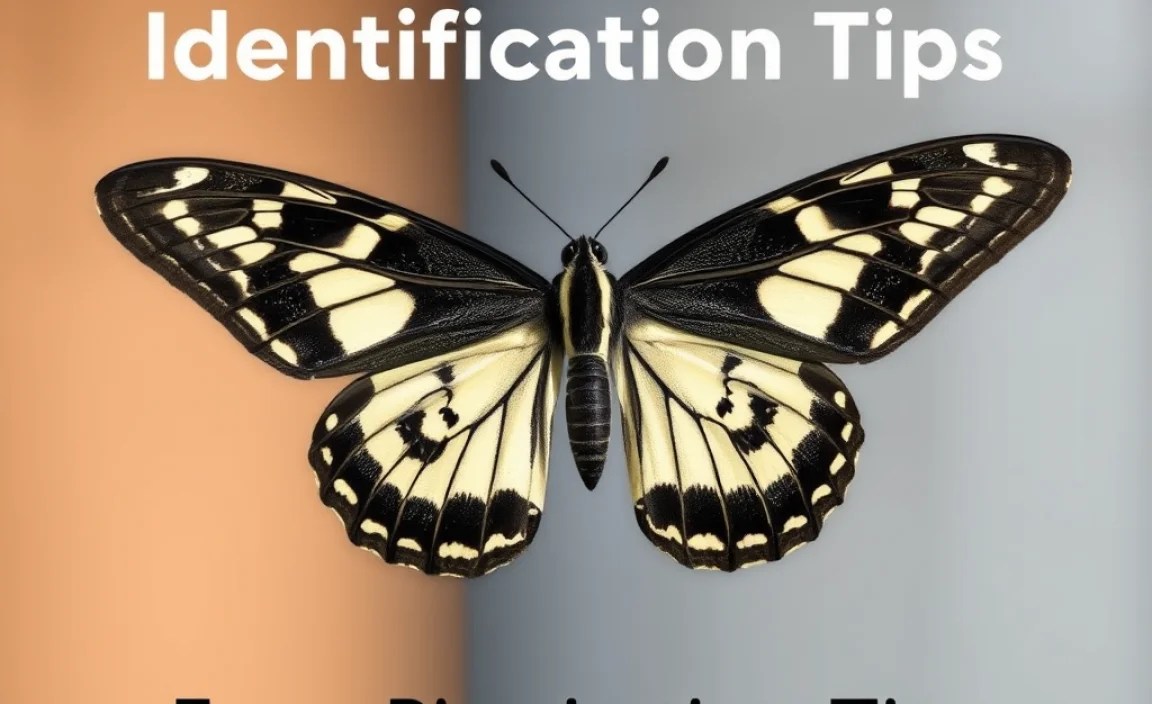
Pipeline swallowtails are amazing butterflies. Spotting them can be a fun challenge. One of the first pipeline swallowtail identification tips is to look at the color. They have black wings with a shimmer of blue or green. This shiny color is called iridescence. The males usually have brighter colors than the females. Another important thing to notice is the shape of their wings. They have long tails on their hindwings, like many swallowtail butterflies. These tails make them look elegant as they fly. These butterflies are not very big, but they look big because of their long wings. The pipeline swallowtail is a joy to watch in your backyard.
- Look for black wings with blue or green shimmer.
- Check for long tails on the hindwings.
- Notice the size, which is medium to large.
- Males have brighter colors than females.
- They fly gracefully in gardens and fields.
Finding pipeline swallowtails can be exciting. You might see them in gardens or near forests. They love to fly around flowers, looking for nectar. They are most active during the warm parts of the day. So, the best time to look for them is in the late morning or early afternoon. If you have pipeline plants in your garden, you are more likely to see them. These plants are food for their caterpillars. Remember to bring a camera. You might want to take pictures of these beautiful butterflies. The more you look, the better you’ll get at spotting them. With these pipeline swallowtail identification tips, you can impress your friends!
What is Their Wing Color?
Have you ever wondered why butterflies have such bright colors? The color of a pipeline swallowtail’s wings is important. It helps them in many ways. The dark color helps them warm up quickly in the sun. This is important, especially on cool mornings. The bright blue and green colors help them attract mates. Male butterflies use their colors to impress the females. The colors also help them hide from predators. When they are resting on plants, their colors blend in with the leaves and shadows. So, the color of their wings is not just for show. It helps them survive and thrive in their environment. The colors are a beautiful and useful part of the pipeline swallowtail.
How Big Are They?
Size matters when it comes to butterflies. The pipeline swallowtail is a medium to large butterfly. Their wingspan can be about 3 to 4 inches. This makes them easy to spot as they fly around. The size helps them fly long distances. They can travel far to find food and mates. The size also affects how they interact with other animals. Larger butterflies are less likely to be eaten by birds. Their size makes them a more difficult target. So, the size of the pipeline swallowtail is just right for its lifestyle. Not too small, and not too big, but perfect for surviving in the wild.
What About Wing Shape?
The wing shape of a butterfly is very important. Pipeline swallowtails have a special wing shape. Their wings are long and pointed. This helps them fly fast and efficiently. The long tails on their hindwings also help with flight. They act like rudders, helping the butterfly steer. The shape of their wings also helps them avoid predators. They can quickly change direction in the air. This makes it harder for birds to catch them. The wing shape is a key part of what makes the pipeline swallowtail so special. It helps them survive and thrive in their environment. The shape is a great pipeline swallowtail identification tips to use.
Fun Fact or Stat: The pipeline swallowtail can fly up to 15 miles per hour!
Where to Find Pipeline Swallowtails

Knowing where to look is one of the best pipeline swallowtail identification tips. These butterflies live in North America. You can find them mostly in the eastern and central parts of the United States. They like to live in places where their favorite food plants grow. These plants are called pipeline vines. You can find them in gardens, fields, and forests. They also like to live near rivers and streams. These places have lots of flowers for them to eat. If you want to see one, try visiting a butterfly garden. These gardens often have the plants that pipeline swallowtails love. Remember to look carefully. They can be hard to spot because they blend in with their surroundings. Knowing where they live will greatly increase your chances of seeing a pipeline swallowtail.
- They live in eastern and central USA.
- Look for them in gardens and fields.
- They like places with pipeline vines.
- Butterfly gardens are good places to search.
- Check near rivers and streams.
To increase your chances of seeing a pipeline swallowtail, consider planting pipeline vines in your garden. These plants attract the butterflies and provide food for their caterpillars. It is also a good idea to avoid using pesticides in your garden. Pesticides can harm butterflies and other insects. Instead, try using natural methods to control pests. You can also join a local butterfly club. These clubs often organize trips to see butterflies in their natural habitats. By creating a butterfly-friendly environment, you can help these beautiful creatures thrive. Plus, you’ll have a better chance of spotting one and using your pipeline swallowtail identification tips.
Are They in Urban Areas?
Do pipeline swallowtails live in cities? Yes, sometimes they do! You might find them in parks and gardens in urban areas. They can survive if there are enough flowers and host plants. Some people plant pipeline vines in their yards. This can attract pipeline swallowtails to the city. Urban areas can be tough for butterflies. There is often pollution and a lack of natural habitats. But, if we create more green spaces, we can help them survive. Even a small garden can make a difference. So, keep an eye out for pipeline swallowtails, even in the city. You might be surprised where you find them. They’re adapting to live near people, which is pretty cool!
Do They Migrate?
Do pipeline swallowtails fly south for the winter? No, they don’t migrate like some other butterflies. They can survive in cooler climates. They spend the winter as pupae. The pupae are protected inside their chrysalises. They stay there until the weather warms up in the spring. Then, they emerge as adult butterflies. This is different from butterflies like monarchs. Monarchs fly thousands of miles to warmer places. Pipeline swallowtails stay in the same area all year round. This makes it easier to find them. You know they will be in the same region. Just keep an eye out for their chrysalises in the winter. It’s amazing how they adapt to the cold!
What is Their Ideal Habitat?
What is the perfect home for a pipeline swallowtail? They like places with lots of sunlight and flowers. They also need access to water. Gardens, meadows, and open woodlands are ideal. They especially love areas with pipeline vines. These vines are their favorite food. The best habitats also have shelter from the wind. Trees and shrubs provide this shelter. A good habitat is also free from pesticides. These chemicals can harm the butterflies. Creating a butterfly-friendly garden is a great way to help them. Plant lots of flowers and avoid using harmful chemicals. You’ll be creating a perfect home for pipeline swallowtails. They will thank you by adding beauty to your yard.
Fun Fact or Stat: Some people call the pipeline swallowtail the “blue swallowtail” because of its shiny blue color!
Caterpillar Identification: Key to Spotting
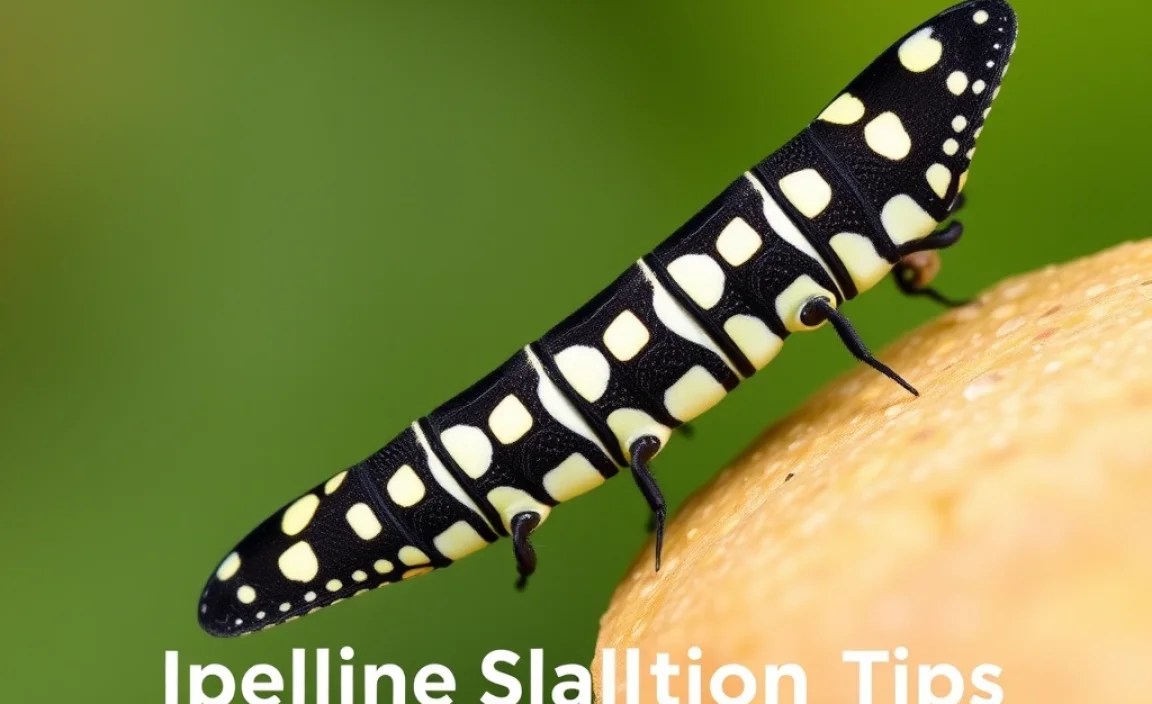
Before butterflies, there are caterpillars. Recognizing the caterpillar is a great pipeline swallowtail identification tip. These caterpillars are very unique. They are dark in color with orange or red spots. They also have fleshy projections called tubercles. These tubercles make them look a bit spiky. Pipeline swallowtail caterpillars eat only one type of plant. This plant is called the pipeline vine or Dutchman’s pipe. If you see a caterpillar on this plant, it might be a pipeline swallowtail. They grow quickly and shed their skin several times. Each time they shed, they get bigger and brighter. Keep an eye out for these colorful caterpillars. They are the future of the beautiful pipeline swallowtail butterfly.
- They are dark with orange or red spots.
- They have spiky tubercles on their body.
- They eat only pipeline vines.
- They shed their skin as they grow.
- They become brighter with each shed.
- They are often found on pipeline vines.
The pipeline swallowtail caterpillar’s diet is very important. The pipeline vine contains chemicals that make the caterpillar taste bad. This protects them from predators like birds. The caterpillars store these chemicals in their bodies. When they become butterflies, they still taste bad. This is a clever defense mechanism. It helps them survive in the wild. So, the next time you see a pipeline swallowtail, remember its unique diet. It’s what makes them special and protects them from harm. Knowing this fact is a cool pipeline swallowtail identification tip.
What Do They Eat?
What’s on the menu for a pipeline swallowtail caterpillar? They are very picky eaters. They only eat pipeline vines. These vines contain special chemicals. These chemicals make the caterpillars taste bad. This protects them from predators. The caterpillars eat a lot of leaves. They grow quickly and need lots of energy. They can strip an entire vine bare. But, this doesn’t usually harm the vine. The vine will grow back quickly. The relationship between the caterpillar and the vine is fascinating. It’s a perfect example of how nature works. The caterpillar gets food, and the vine survives. It’s a win-win situation for both. This specialized diet is key to identifying them.
How Do They Protect Themselves?
How do pipeline swallowtail caterpillars stay safe? They have a clever way to protect themselves. They eat pipeline vines. These vines contain toxic chemicals. The caterpillars store these chemicals in their bodies. This makes them taste bad to predators. Birds and other animals avoid eating them. They also have bright colors. These colors warn predators that they are poisonous. This is called aposematism. The combination of bad taste and bright colors is very effective. It keeps them safe from harm. It’s amazing how they have adapted to survive. Eating toxic plants is a risky strategy. But, it works well for pipeline swallowtail caterpillars.
What Does the Chrysalis Look Like?
What happens after the caterpillar stage? The caterpillar turns into a chrysalis. This is also known as a pupa. The pipeline swallowtail chrysalis is green or brown. It blends in with its surroundings. This helps it hide from predators. The chrysalis hangs upside down from a branch or leaf. Inside the chrysalis, the caterpillar transforms. It changes into a butterfly. This process takes about two weeks. Then, the butterfly emerges. The chrysalis is a safe place for the butterfly to develop. It’s protected from the weather and predators. The chrysalis is a crucial stage in the butterfly’s life cycle. It’s amazing how much change happens inside such a small package.
Fun Fact or Stat: Pipeline swallowtail caterpillars can grow up to 2 inches long!
Distinguishing Pipeline Swallowtails from Others

One of the most important pipeline swallowtail identification tips is knowing how to tell them apart from other butterflies. Several other swallowtail butterflies look similar. The black swallowtail is one example. However, the pipeline swallowtail has unique markings. It has a blue or green iridescent sheen on its wings. The black swallowtail does not have this. The spicebush swallowtail is another similar butterfly. But, it has orange spots on its wings. The pipeline swallowtail usually lacks these spots. Pay close attention to these details. This will help you correctly identify the pipeline swallowtail. It’s all about knowing what to look for.
| Feature | Pipeline Swallowtail | Black Swallowtail | Spicebush Swallowtail |
|---|---|---|---|
| Wing Color | Black with blue/green sheen | Black with yellow spots | Black with blue sheen and orange spots |
| Tail Length | Long tails | Short tails | Long tails |
| Body Color | Black | Black with yellow spots | Black with white spots |
| Host Plant | Pipeline vine | Parsley, dill | Spicebush |
- Look for the blue or green sheen on the wings.
- Check for orange spots, which are absent in pipeline swallowtails.
- Compare the tail length with other swallowtails.
- Note the caterpillar’s host plant.
- Observe the overall wing pattern.
- Consider the butterfly’s location.
To become an expert at identifying pipeline swallowtails, practice is key. Go to butterfly gardens or natural areas. Take a field guide with you. This guide will show you pictures of different butterflies. Compare the butterflies you see with the pictures in the guide. Pay attention to the details. Notice the colors, patterns, and shapes. The more you practice, the better you will become. Soon, you’ll be able to spot a pipeline swallowtail from a mile away! Remember, even experts started as beginners. Keep learning and exploring. You’ll be amazed at what you discover. Using these pipeline swallowtail identification tips, you can become a butterfly expert!
What About the Eastern Tiger Swallowtail?
How does the pipeline swallowtail compare to the Eastern Tiger Swallowtail? The Eastern Tiger Swallowtail is yellow with black stripes. It is much brighter than the pipeline swallowtail. The pipeline swallowtail is mostly black. The Eastern Tiger Swallowtail is also larger. It has a wider wingspan. The caterpillars are also different. The Eastern Tiger Swallowtail caterpillar is green with yellow spots. The pipeline swallowtail caterpillar is dark with orange spots. These two butterflies are easy to tell apart. They have very different colors and patterns. Knowing these differences will help you identify them quickly.
What About the Red-Spotted Purple?
Is the Red-Spotted Purple similar to the pipeline swallowtail? At first glance, they might look alike. Both butterflies have dark wings. But, the Red-Spotted Purple has red spots on its hindwings. The pipeline swallowtail does not have these spots. The Red-Spotted Purple also has white bands on its wings. The pipeline swallowtail has a more uniform color. The caterpillars are also very different. The Red-Spotted Purple caterpillar looks like bird droppings. This helps it avoid predators. The pipeline swallowtail caterpillar is brightly colored. These differences make it easy to tell them apart. Just look for the red spots and white bands.
What About the Pipevine Mimic?
Have you heard of butterfly mimics? Some butterflies look like other butterflies. This helps them avoid predators. The pipeline swallowtail has a mimic. It’s called the Black Swallowtail. The female Black Swallowtail can look like the pipeline swallowtail. This is because the pipeline swallowtail tastes bad. Predators avoid butterflies that look like it. The female Black Swallowtail is not poisonous. But, it benefits from looking like the pipeline swallowtail. This is a clever survival strategy. It’s called Batesian mimicry. It’s a fascinating example of how butterflies adapt. So, be careful when identifying these butterflies. The mimic can be tricky to spot!
Fun Fact or Stat: Butterfly mimics are more common in female butterflies!
Understanding the Life Cycle of Swallowtails

To truly master pipeline swallowtail identification tips, you need to understand its life cycle. Butterflies go through a complete metamorphosis. This means they change a lot during their lives. First, the female butterfly lays eggs on a pipeline vine. The eggs hatch into caterpillars. The caterpillars eat and grow. Then, the caterpillar turns into a chrysalis. Inside the chrysalis, the butterfly develops. Finally, the adult butterfly emerges. It flies off to find food and mates. This cycle repeats itself. Understanding this process helps you appreciate these butterflies even more. You can watch them at every stage of their lives. It’s a fascinating journey from egg to butterfly.
- Eggs are laid on pipeline vines.
- Caterpillars eat and grow rapidly.
- Caterpillars transform into chrysalises.
- Butterflies develop inside the chrysalis.
- Adult butterflies emerge and reproduce.
- The cycle repeats itself.
The life cycle of a pipeline swallowtail is closely tied to the seasons. In the spring, the butterflies emerge from their chrysalises. They begin to lay eggs on the new growth of pipeline vines. The caterpillars feed throughout the summer. They grow quickly in the warm weather. In the fall, the caterpillars turn into chrysalises. They stay in this stage throughout the winter. The chrysalises can survive cold temperatures. They are protected from the elements. In the spring, the cycle begins again. The timing of each stage is important for survival. It ensures that the butterflies have enough food and warmth. Learning about the life cycle gives you a deeper understanding of the pipeline swallowtail.
How Long Do They Live?
How long does a pipeline swallowtail live? Adult butterflies usually live for a few weeks. Their main goal is to reproduce. They need to find a mate and lay eggs. The caterpillars live longer, about a month. They need time to eat and grow. The entire life cycle takes about two months. This is relatively short compared to some other animals. But, they make the most of their time. They are busy feeding, growing, and reproducing. Every stage of their life is important. They contribute to the ecosystem. Even though they don’t live long, they have a big impact. It’s important to protect them and their habitats.
What is Metamorphosis?
What is metamorphosis? It’s a big change! Butterflies go through complete metamorphosis. This means they change a lot during their lives. They start as eggs. Then, they become caterpillars. The caterpillars eat and grow. Next, they turn into pupae. The pupae are protected inside a chrysalis. Finally, they emerge as butterflies. This is different from humans. We grow bigger, but we don’t change our shape. Metamorphosis is amazing. It allows butterflies to adapt to different environments. The caterpillar eats leaves. The butterfly drinks nectar. They have different jobs in the ecosystem. Metamorphosis is a key part of their success. It’s a wonder of nature.
What Role Do Host Plants Play?
Why are host plants so important? Host plants are food for caterpillars. The pipeline swallowtail caterpillar only eats pipeline vines. These vines are its host plant. Without these vines, the caterpillars cannot survive. The female butterfly lays her eggs on the host plant. This ensures that the caterpillars have food when they hatch. The relationship between the butterfly and the host plant is very special. It’s an example of co-evolution. The butterfly has adapted to eat the plant. The plant has adapted to tolerate the butterfly. This relationship is essential for the survival of both species. Protecting host plants is crucial for butterfly conservation.
Fun Fact or Stat: Some butterflies have very specific host plant requirements!
Conserving Pipeline Swallowtails
Conserving pipeline swallowtails is important. They are a beautiful part of our natural world. One of the best ways to help them is to protect their habitats. This means preserving forests, gardens, and fields. It also means planting pipeline vines. These vines are essential for their survival. Another way to help is to avoid using pesticides. Pesticides can harm butterflies and other insects. Instead, try using natural methods to control pests. You can also educate others about pipeline swallowtails. The more people know about them, the more likely they are to help protect them. Every little bit helps. Together, we can ensure that these beautiful butterflies thrive for many years to come. These pipeline swallowtail identification tips also come with a call to action.
- Protect their natural habitats.
- Plant pipeline vines in your garden.
- Avoid using pesticides.
- Educate others about these butterflies.
- Support butterfly conservation organizations.
- Create butterfly-friendly gardens.
Butterfly gardens are a great way to help pipeline swallowtails. These gardens provide food and shelter for butterflies. They also provide a place for them to lay their eggs. To create a butterfly garden, plant lots of flowers. Choose flowers that are native to your area. This will attract local butterflies. Also, include pipeline vines in your garden. This will provide food for the caterpillars. Make sure to provide a source of water. Butterflies need water to drink. You can put out a shallow dish of water with some rocks in it. The rocks will give the butterflies a place to land. By creating a butterfly garden, you can help these beautiful creatures thrive. Plus, you will have a beautiful garden to enjoy.
What are the Threats to Their Survival?
What dangers do pipeline swallowtails face? Habitat loss is a major threat. As forests and fields are developed, they lose their homes. Pesticide use is another threat. Pesticides can kill butterflies and their caterpillars. Climate change is also a concern. Changes in temperature and rainfall can affect their life cycle. Invasive species can also be a problem. Some invasive plants compete with pipeline vines. This reduces the amount of food available for the caterpillars. It’s important to address these threats. We need to protect their habitats and reduce pesticide use. By taking action, we can help them survive.
How Can We Help Them?
What can you do to help pipeline swallowtails? There are many things you can do. Plant pipeline vines in your garden. This will provide food for the caterpillars. Avoid using pesticides in your yard. This will protect the butterflies from harm. Support organizations that protect butterfly habitats. Educate your friends and family about these butterflies. Encourage them to take action. Even small actions can make a big difference. Together, we can create a better world for pipeline swallowtails. Every little bit helps. So, get involved and make a difference!
Why is Conservation Important?
Why should we care about conserving pipeline swallowtails? Butterflies are important pollinators. They help plants reproduce. This is important for our food supply. Butterflies are also a sign of a healthy environment. Their presence indicates that the ecosystem is balanced. Conserving butterflies also helps other species. When we protect butterfly habitats, we also protect other animals and plants. Butterflies are beautiful and fascinating creatures. They bring joy to our lives. Conserving them is the right thing to do. It’s our responsibility to protect the natural world. Let’s work together to ensure that pipeline swallowtails thrive for generations to come.
Fun Fact or Stat: Butterfly conservation helps protect entire ecosystems!
Summary
Pipeline swallowtails are beautiful butterflies. They have black wings with a blue or green sheen. You can find them in eastern and central North America. They like gardens, fields, and forests. The caterpillars eat only pipeline vines. These vines make them taste bad to predators. To identify them, look for the iridescent wings. Also, check for long tails on their hindwings. Knowing these pipeline swallowtail identification tips will help you spot them. These butterflies are important pollinators. They help plants reproduce. Protecting their habitats is crucial. Avoid using pesticides and plant pipeline vines.
Understanding their life cycle is also key. They go through metamorphosis. The eggs hatch into caterpillars. The caterpillars turn into chrysalises. The butterflies emerge from the chrysalises. This process takes about two months. Conserving these butterflies is important. They are a sign of a healthy environment. By taking action, we can help them thrive. Every little bit helps. So, get involved and make a difference. Spread the word about pipeline swallowtail identification tips and conservation!
Conclusion
Learning about pipeline swallowtails is fun. These butterflies are beautiful and important. They play a role in our ecosystem. Knowing pipeline swallowtail identification tips helps you appreciate them. Look for their black wings with blue or green. Check for the long tails. Protect their habitats by planting vines. Avoid using pesticides in your garden. Educate others about these amazing creatures. Together, we can help them thrive. These small actions make a big difference. Let’s work together to conserve pipeline swallowtails for future generations.
Frequently Asked Questions
Question No 1: What do pipeline swallowtail caterpillars eat?
Answer: Pipeline swallowtail caterpillars are very picky eaters. They only eat plants from the pipeline vine family, also known as Dutchman’s pipes. These vines contain special chemicals called aristolochic acids. These acids make the caterpillars taste bad to predators. This is a clever way for them to protect themselves. The caterpillars store these chemicals in their bodies. Even when they become butterflies, they still taste bad. So, if you want to attract pipeline swallowtails to your garden, plant some pipeline vines. Just remember that these vines can be toxic to mammals, so be careful if you have pets or small children.
Question No 2: How can I tell a male from a female pipeline swallowtail?
Answer: Telling the difference between male and female pipeline swallowtails can be a fun challenge. One of the main pipeline swallowtail identification tips is to look at the color of their wings. Male pipeline swallowtails tend to have brighter blue or green iridescent markings on their hindwings. The females, on the other hand, usually have less iridescence and may have more black on their wings. Also, the males are often a bit smaller than the females. These differences are subtle, but with practice, you’ll become a pro at spotting them. Keep an eye out for these details when you see one fluttering by.
Question No 3: Are pipeline swallowtails poisonous?
Answer: While pipeline swallowtails aren’t exactly poisonous, they do have a defense mechanism that makes them taste bad to predators. As caterpillars, they eat pipeline vines, which contain aristolochic acids. These chemicals make the caterpillars and butterflies taste bitter and unpleasant to birds and other animals that might try to eat them. This is why birds usually avoid eating pipeline swallowtails. So, while they won’t make you sick if you touch them, it’s best not to try eating one! This unique characteristic is one of the reasons why pipeline swallowtails are so fascinating to study.
Question No 4: What is the best time of year to see pipeline swallowtails?
Answer: The best time of year to spot pipeline swallowtails depends on where you live. In most areas, they are most active during the warmer months, from late spring to early fall. They typically emerge from their chrysalises in the spring and continue to fly throughout the summer. You’re more likely to see them on warm, sunny days when they are busy feeding on nectar from flowers. Keep an eye out for them in gardens, fields, and near forests where their host plants, pipeline vines, grow. So, grab your binoculars and head outside during the warm months for a chance to see these beautiful butterflies.
Question No 5: How can I attract pipeline swallowtails to my garden?
Answer: Attracting pipeline swallowtails to your garden is a fun and rewarding project. The key is to provide them with the things they need to survive and thrive. First and foremost, plant pipeline vines in your garden. These vines are the only food source for their caterpillars. You can also plant nectar-rich flowers that the adult butterflies will enjoy. Some good choices include milkweed, thistles, and zinnias. Avoid using pesticides in your garden, as these can harm the butterflies and their caterpillars. Provide a source of water, such as a shallow dish with some rocks for them to land on. With a little effort, you can create a butterfly-friendly oasis in your backyard.
Question No 6: What role do pipeline swallowtails play in the ecosystem?
Answer: Pipeline swallowtails play an important role in the ecosystem. As caterpillars, they help control the growth of pipeline vines. The vines are toxic to many animals. As adults, they are pollinators. They move pollen from flower to flower as they feed on nectar. This helps plants reproduce. They are also a food source for birds and other animals. Finally, they are a sign of a healthy environment. Their presence indicates that the ecosystem is balanced. By protecting pipeline swallowtails, we are also protecting the many other species that depend on them. Remember these pipeline swallowtail identification tips when you see one.


