
Butterfly Hotspot Destinations: Your Ultimate Guide

Quick Summary: Butterfly Hotspot Destinations
Looking for the best places to see butterflies? Head to the Monarch Butterfly Biosphere Reserve in Mexico for millions of monarchs, or explore cloud forests in Costa Rica for vibrant tropical species. Butterfly gardens in the United States, like Callaway Gardens, offer close encounters with diverse butterflies. These destinations provide ideal habitats and conservation efforts, ensuring unforgettable butterfly-watching experiences.
Butterflies, with their delicate wings and vibrant colors, bring joy and wonder to our lives. Imagine a world painted with their fluttering beauty! Many places around the globe offer the perfect environment for these amazing insects to thrive. If you’re dreaming of seeing swarms of Monarchs or rare tropical species, you’re in the right place.
In this guide, I’ll share some of the most incredible butterfly hotspot destinations. Whether you’re a seasoned naturalist or a curious beginner, you’ll discover where to find these enchanting creatures in their natural habitats. Get ready to explore gardens, reserves, and even entire countries teeming with butterflies!
Why Are Butterfly Hotspot Destinations Important?

Butterfly hotspots are more than just pretty places; they are vital ecosystems. These areas offer ideal conditions for butterflies, including abundant food sources, suitable host plants for caterpillars, and safe habitats for breeding and roosting. They also play a crucial role in conservation efforts. Protecting these hotspots helps preserve butterfly populations and supports overall biodiversity.
As butterflies flit from flower to flower, they help pollinate plants, ensuring the continuation of many plant species. They also serve as food for birds and other animals, playing a key role in the food chain. By understanding and protecting butterfly hotspots, we contribute to the health of our planet.
Top Butterfly Hotspot Destinations Around the World

Ready to pack your bags and embark on a butterfly adventure? Here are some of the most breathtaking butterfly hotspot destinations around the world:
1. Monarch Butterfly Biosphere Reserve, Mexico
Imagine millions of Monarch butterflies, their wings creating a breathtaking orange canopy. The Monarch Butterfly Biosphere Reserve in Mexico is a UNESCO World Heritage Site and a winter sanctuary for Monarchs migrating from the United States and Canada. It’s a truly magical experience.
Best time to visit: November to March
What to expect: Guided tours through the oyamel fir forests where the Monarchs cluster. Be prepared for high altitudes and walking on uneven terrain.
Conservation efforts: The reserve is actively involved in protecting the Monarchs’ habitat and promoting sustainable tourism.
2. Costa Rica
Costa Rica is a paradise for nature lovers, boasting a huge number of butterfly species. The country’s diverse ecosystems, from rainforests to cloud forests, provide habitat for countless butterflies.
Popular butterfly destinations:
- Monteverde Cloud Forest: Home to a variety of colorful butterflies, including the Blue Morpho.
- La Paz Waterfall Gardens: Features a large butterfly observatory where you can see many species up close.
- Manuel Antonio National Park: Offers a chance to see butterflies in their natural rainforest environment.
What to expect: Lush greenery, diverse wildlife, and incredible butterfly viewing opportunities. Bring your binoculars and camera!
3. United States Butterfly Gardens
The United States has many fantastic butterfly gardens where you can admire these beautiful insects. Here are some of the best:
- Callaway Gardens (Georgia): This garden features a conservatory with over 1,000 butterflies from around the world.
- Butterfly Wonderland (Arizona): One of the largest butterfly conservatories in the United States, with thousands of butterflies.
- Brookside Gardens (Maryland): Features a seasonal butterfly exhibit with native North American species.
What to expect: Close encounters with butterflies, educational exhibits, and beautiful garden settings.
4. Amazon Rainforest, South America
The Amazon Rainforest is the world’s largest tropical rainforest and one of the most biodiverse places on Earth. It’s home to an estimated one-third of all butterfly species.
What to expect: An incredible diversity of butterflies, from giant swallowtails to iridescent blues. Butterfly farms and eco-lodges offer guided tours.
Challenges: Deforestation and habitat loss pose a significant threat to butterflies in the Amazon.
5. England’s Butterfly Conservation Reserves
England may not be the first place that comes to mind when you think of butterfly hotspots, but Butterfly Conservation, a UK-based organization, manages numerous reserves that provide essential habitats for native butterflies. These reserves offer a chance to see species like the Adonis Blue and Silver-washed Fritillary in their natural environment.
What to expect: Guided walks, conservation activities, and the chance to contribute to butterfly monitoring programs.
Planning Your Butterfly Adventure
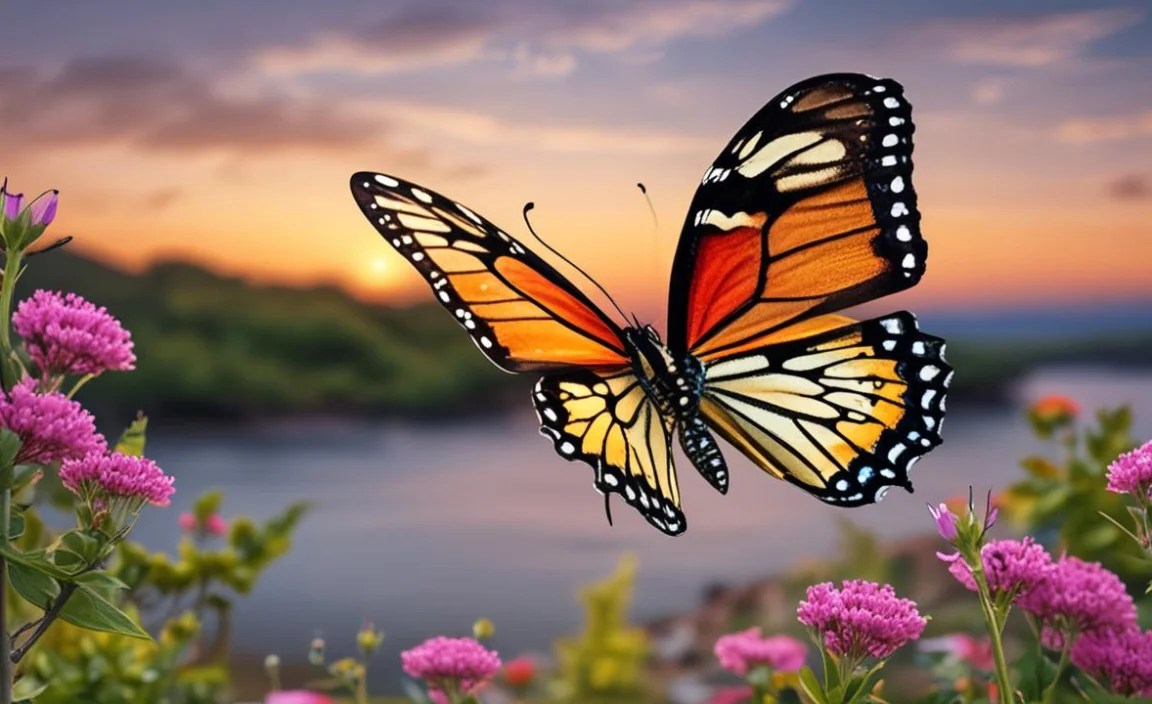
Here are some tips for planning your butterfly-watching trip:
1. Research the Best Time to Visit
Butterfly activity varies depending on the season and location. Research the best time to visit your chosen destination to maximize your chances of seeing butterflies.
Example: The dry season in Costa Rica (December to April) is ideal for butterfly watching.
2. Pack the Right Gear
Bring binoculars for close-up viewing, a camera to capture the beauty, and a field guide to help you identify different species. Comfortable walking shoes and insect repellent are also essential.
3. Hire a Local Guide
Local guides can provide valuable insights into the best butterfly-watching spots and help you identify different species. They can also share information about conservation efforts and local culture.
4. Respect the Environment
When visiting butterfly hotspots, it’s important to respect the environment. Stay on marked trails, avoid disturbing butterflies or their habitats, and follow any guidelines provided by local authorities.
Butterfly Identification: A Beginner’s Guide
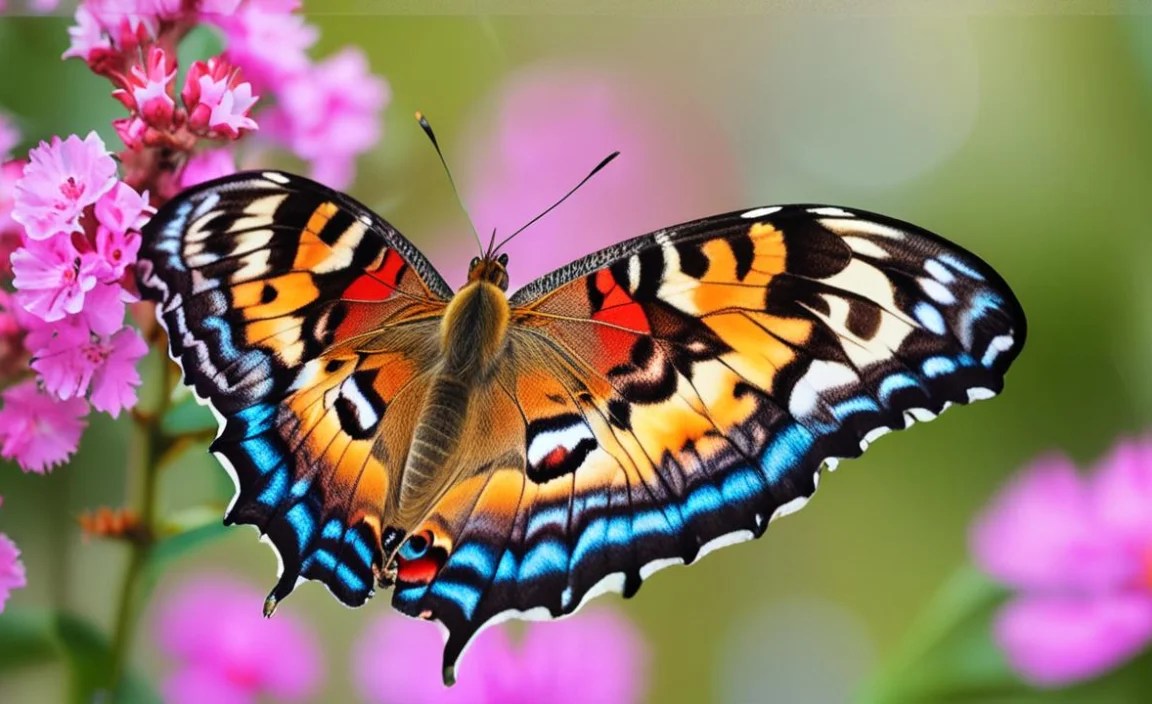
Identifying butterflies can be a rewarding experience. Here are some tips for getting started:
1. Observe Key Features
Pay attention to the butterfly’s size, shape, color, and wing patterns. Note any distinctive markings or behaviors.
2. Use a Field Guide
A good field guide will provide illustrations and descriptions of different butterfly species. Look for guides specific to the region you are visiting.
3. Take Photos
If you’re unsure about a butterfly’s identity, take a photo and compare it to images in your field guide or online resources.
4. Online Resources
Websites like Butterflies and Moths of North America and the Xerces Society for Invertebrate Conservation offer valuable information and identification tools.
Creating Your Own Butterfly Hotspot at Home

You don’t have to travel to exotic locations to enjoy butterflies. You can create your own butterfly hotspot in your backyard!
1. Plant Butterfly-Friendly Flowers
Choose flowers that provide nectar for adult butterflies, such as:
- Butterfly Bush (Buddleja davidii): A popular choice for attracting butterflies.
- Zinnia: Bright and colorful, providing a long-lasting nectar source.
- Milkweed (Asclepias): Essential for Monarch butterflies, as it’s the only food source for their caterpillars.
- Lantana: Attracts a variety of butterflies with its clusters of colorful flowers.
- Purple Coneflower (Echinacea purpurea): A native plant that attracts butterflies and bees.
2. Provide Host Plants for Caterpillars
Caterpillars need specific plants to feed on. Plant host plants to attract butterflies to lay their eggs in your garden.
- Milkweed: Monarch caterpillars
- Parsley, Dill, Fennel: Swallowtail caterpillars
- Oak Trees: Hairstreak caterpillars
3. Offer a Water Source
Butterflies need water to stay hydrated. Provide a shallow dish of water with pebbles or stones for them to land on.
4. Avoid Pesticides
Pesticides can harm or kill butterflies and other beneficial insects. Use organic gardening methods to protect your butterfly garden.
5. Provide Shelter
Butterflies need shelter from wind and rain. Plant shrubs and trees to provide them with a safe haven.
The Importance of Butterfly Conservation
Butterfly populations are declining worldwide due to habitat loss, climate change, and pesticide use. Conservation efforts are crucial to protect these important insects.
1. Support Conservation Organizations
Organizations like the World Wildlife Fund and the Nature Conservancy work to protect butterfly habitats and promote sustainable practices.
2. Create Butterfly-Friendly Habitats
By planting butterfly gardens and avoiding pesticides, you can help create habitats for butterflies in your community.
3. Educate Others
Share your knowledge and passion for butterflies with others. Educate your friends, family, and neighbors about the importance of butterfly conservation.
4. Citizen Science
Participate in citizen science projects to monitor butterfly populations and contribute to research efforts. The Journey North program tracks Monarch butterfly migrations.
Butterfly Symbolism and Cultural Significance
Butterflies have captivated humans for centuries, appearing in art, literature, and mythology. They often symbolize transformation, hope, and new beginnings.
1. Transformation
The butterfly’s life cycle, from egg to caterpillar to pupa to butterfly, is a powerful metaphor for personal transformation and growth.
2. Hope
Butterflies are often seen as symbols of hope and resilience, reminding us that even in the darkest times, beauty and joy can emerge.
3. Spirituality
In some cultures, butterflies are believed to carry the souls of the departed, serving as messengers between the living and the dead.
4. Cultural Significance
In Japan, butterflies are associated with young women and marital bliss. In Mexico, the Monarch butterfly is linked to the Day of the Dead celebrations.
Butterfly Photography Tips
Capturing the beauty of butterflies through photography can be a rewarding experience. Here are some tips for taking stunning butterfly photos:
1. Use a Macro Lens
A macro lens allows you to capture close-up details of butterflies, showcasing their intricate wing patterns and textures.
2. Focus Carefully
Butterflies are often in motion, so it’s important to focus carefully. Use a fast shutter speed to freeze their movements.
3. Shoot in Natural Light
Natural light enhances the colors and details of butterflies. Avoid using flash, as it can create harsh shadows and scare the butterflies.
4. Be Patient
Butterfly photography requires patience. Spend time observing butterflies and waiting for the perfect moment to capture your shot.
5. Composition
Pay attention to composition. Use the rule of thirds to create visually appealing images. Consider including flowers or other elements to add context to your photos.
Ethical Butterfly Watching
It’s important to practice ethical butterfly watching to minimize your impact on these delicate creatures.
1. Observe from a Distance
Avoid getting too close to butterflies, as this can disturb them and disrupt their natural behavior.
2. Do Not Touch Butterflies
Touching butterflies can damage their delicate wings and affect their ability to fly.
3. Respect Their Habitat
Stay on marked trails and avoid disturbing their habitat. Do not collect butterflies or their eggs.
4. Support Sustainable Tourism
Choose eco-friendly tour operators that prioritize butterfly conservation and sustainable practices.
Butterfly Hotspot Destinations: Table of Comparison
Here is a table to compare some of the top butterfly hotspot destinations:
| Destination | Best Time to Visit | Key Butterfly Species | Activities | Conservation Status |
|---|---|---|---|---|
| Monarch Butterfly Biosphere Reserve, Mexico | November to March | Monarch Butterfly | Guided tours, hiking | UNESCO World Heritage Site |
| Costa Rica (Monteverde, La Paz) | December to April (Dry Season) | Blue Morpho, Swallowtails | Butterfly gardens, rainforest hikes | Protected areas |
| Callaway Gardens, USA | Year-round | Various species from around the world | Conservatory visits, educational programs | Conservation efforts |
| Amazon Rainforest, South America | June to September (Dry Season) | Giant Swallowtails, Blue Morphos | Eco-tours, butterfly farms | Threatened by deforestation |
| England’s Butterfly Conservation Reserves | May to September | Adonis Blue, Silver-washed Fritillary | Guided walks, conservation activities | Managed reserves |
Frequently Asked Questions (FAQ)
1. What is a butterfly hotspot?
A butterfly hotspot is a region with ideal environmental conditions that support a high diversity and abundance of butterfly species, including food sources, host plants, and safe habitats.
2. Why are butterfly hotspots important?
Butterfly hotspots are vital for conservation. They help preserve butterfly populations, support biodiversity, facilitate pollination, and maintain healthy ecosystems.
3. How can I create a butterfly hotspot in my garden?
Plant butterfly-friendly flowers for nectar, provide host plants for caterpillars, offer a water source, avoid pesticides, and provide shelter to create your own butterfly hotspot.
4. What should I bring when visiting a butterfly hotspot?
Bring binoculars for close-up viewing, a camera, a field guide, comfortable walking shoes, insect repellent, and appropriate clothing for the weather.
5. What is the best time of year to see butterflies?
The best time of year depends on the location. Generally, the dry season in tropical regions and the warmer months in temperate zones are ideal for butterfly watching.
6. How can I identify different butterfly species?
Observe key features like size, shape, color, and wing patterns. Use a field guide or online resources to compare your observations with known species.
7. What are some ethical considerations for butterfly watching?
Observe from a distance, avoid touching butterflies, respect their habitat, and support sustainable tourism to minimize your impact on these delicate creatures.
Conclusion
Exploring butterfly hotspot destinations offers a unique opportunity to witness the beauty and diversity of these enchanting insects. From the Monarch-filled forests of Mexico to the lush rainforests of Costa Rica, there are countless places to discover the magic of butterflies. By understanding the importance of butterfly conservation and creating butterfly-friendly habitats, we can help protect these delicate creatures for future generations. So, pack your bags, grab your binoculars, and embark on a butterfly adventure of a lifetime!


