
Day-Flying Moth Identification: The Ultimate Guide

Day-flying moths can be tricky to identify since they resemble butterflies! Look for features like feathery antennae, thicker bodies, and duller colors. Observe their flight patterns and resting positions, and note the time of day. Use field guides, online resources, and local experts to confirm your identification.
Have you ever spotted a colorful insect flitting around during the day and wondered if it was a butterfly or a moth? It’s a common question! Many moths are nocturnal, but some species are active during the day, making them easy to mistake for butterflies. Identifying these day-flying moths can be a rewarding experience, opening up a new world of appreciation for these often-overlooked creatures. Don’t worry, with a few simple tips, you’ll be able to tell the difference.
In this guide, I’ll walk you through the key characteristics that set day-flying moths apart. We’ll explore their unique features, behaviors, and habitats. By the end, you’ll have the knowledge and confidence to identify these fascinating insects with ease. So, let’s dive in and uncover the secrets of day-flying moth identification!
What are Day-Flying Moths?
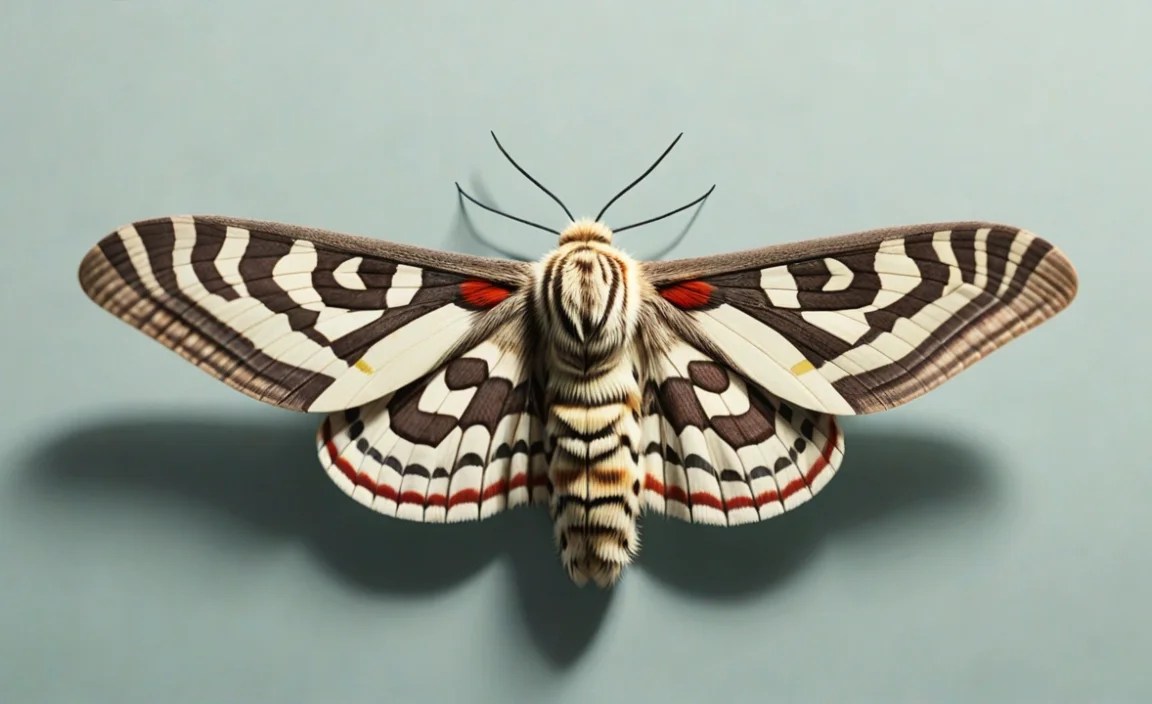
Day-flying moths are a group of moths that, unlike most of their relatives, are active during the daytime. This adaptation allows them to exploit different food sources and avoid competition with nocturnal moths. They often exhibit bright colors and patterns, mimicking butterflies or other insects to deter predators.
Why Identify Day-Flying Moths?
- Discover Biodiversity: Learn about the diverse range of moth species in your local area.
- Understand Ecology: Gain insights into the ecological roles of moths, such as pollination.
- Conservation Efforts: Contribute to citizen science projects by recording moth sightings.
- Appreciate Nature: Develop a deeper appreciation for the beauty and complexity of the natural world.
Key Differences Between Moths and Butterflies
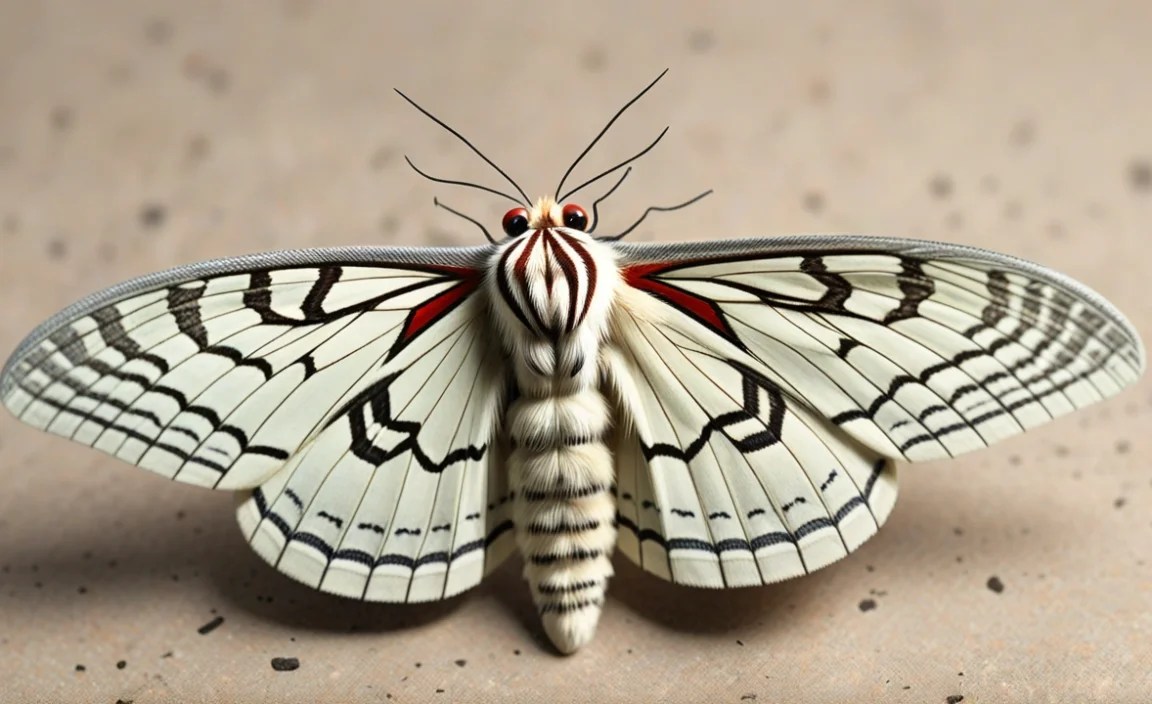
While day-flying moths may resemble butterflies, several key differences can help you distinguish between the two.
Antennae
The most noticeable difference lies in their antennae. Moths typically have feathery or comb-like antennae, while butterflies have slender antennae with a club-shaped tip.
Moth Antennae:
- Feathery or comb-like
- Used to detect pheromones
Butterfly Antennae:
- Slender with a club-shaped tip
- Used for balance and sensing air currents
Body Shape
Moths tend to have thicker, furrier bodies compared to the slender, smoother bodies of butterflies.
Moth Body:
- Thick and furry
- Provides insulation for nighttime activity
Butterfly Body:
- Slender and smooth
- More aerodynamic for daytime flight
Wing Position at Rest
When at rest, moths typically hold their wings flat against their bodies or wrapped around them. Butterflies, on the other hand, usually hold their wings upright, folded together above their bodies.
Moth Wing Position:
- Flat against the body or wrapped around
- Helps with camouflage
Butterfly Wing Position:
- Upright and folded together
- May display bright colors or patterns
Coloration
While some day-flying moths can be brightly colored, they generally have duller or more muted colors compared to the vibrant hues of butterflies. However, there are exceptions to this rule, such as the Scarlet Tiger Moth.
Activity Time
While the name suggests that these moths fly during the day, observing when the insect is active can help with identification. Most moths are nocturnal, while butterflies are diurnal.
Step-by-Step Guide to Day-Flying Moth Identification
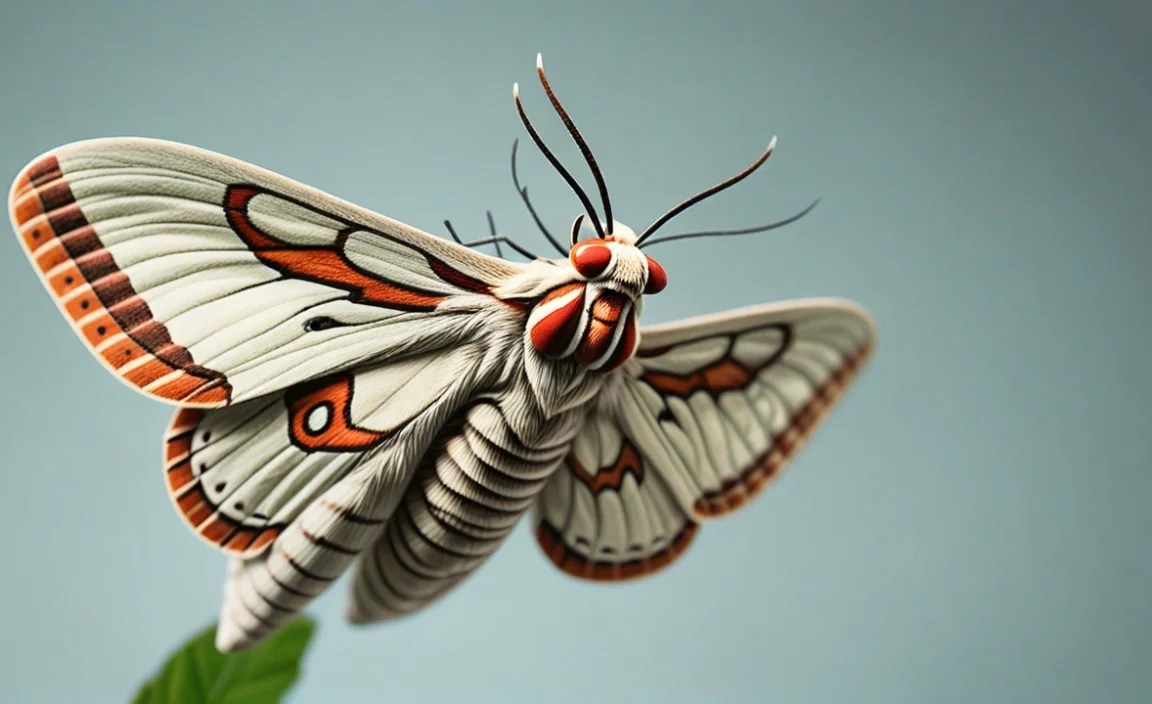
Step 1: Observe the Insect’s Appearance
Start by carefully observing the insect’s physical characteristics. Note the following:
- Size: Is it small, medium, or large?
- Color: What are the dominant colors and patterns?
- Wing Shape: Are the wings broad, narrow, or elongated?
- Antennae: Are they feathery or clubbed?
- Body Shape: Is the body thick and furry or slender and smooth?
Step 2: Note the Behavior and Habitat
Pay attention to the insect’s behavior and the environment in which you find it.
- Flight Pattern: Does it fly quickly and erratically or slowly and gracefully?
- Resting Position: How does it hold its wings when at rest?
- Habitat: Where did you find it (e.g., garden, meadow, forest)?
- Food Source: What is it feeding on (e.g., nectar, leaves)?
Step 3: Use Field Guides and Online Resources
Consult field guides and online resources to compare your observations with known species. Some helpful resources include:
- Field Guides: Peterson Field Guide to Moths of Northeastern and Central North America, National Audubon Society Field Guide to North American Insects & Spiders
- Websites: BugGuide.net, Butterflies and Moths of North America (BAMONA)
- Apps: Picture Insect, iNaturalist
Step 4: Consider Regional Variations
Keep in mind that moth species can vary depending on your geographic location. Consult regional field guides or online resources specific to your area.
Step 5: Seek Expert Advice
If you’re still unsure about the identification, don’t hesitate to seek advice from local experts, such as entomologists, naturalists, or members of a local butterfly or moth club. Many universities and extension offices also offer insect identification services.
Common Day-Flying Moths and Their Characteristics

Here are some examples of common day-flying moths and their distinguishing features:
Clearwing Moths (Family Sesiidae)
Clearwing moths are known for their transparent wings, which mimic those of wasps or bees. This mimicry helps them avoid predation. They are often brightly colored with yellow, orange, or red markings.
- Appearance: Transparent wings, wasp-like appearance
- Habitat: Gardens, woodlands
- Food Source: Nectar
Hummingbird Clearwing Moth (Hemaris thysbe)
The Hummingbird Clearwing is a popular day-flying moth known for hovering over flowers like a hummingbird while feeding on nectar. Its transparent wings and fuzzy body make it easily recognizable.
- Appearance: Transparent wings, fuzzy body, hummingbird-like flight
- Habitat: Gardens, meadows
- Food Source: Nectar
Virginia Ctenucha (Ctenucha virginica)
The Virginia Ctenucha is a striking moth with black wings and a bright blue body. It is commonly found in meadows and open woodlands.
- Appearance: Black wings, blue body
- Habitat: Meadows, open woodlands
- Food Source: Nectar
Bella Moth (Utetheisa ornatrix)
The Bella Moth is a brightly colored moth with orange, pink, and white markings. It is found in fields and gardens and feeds on the nectar of various flowers.
- Appearance: Orange, pink, and white markings
- Habitat: Fields, gardens
- Food Source: Nectar
The Forester Moth (Harrisina americana)
The Forester Moth is a dark blue moth with orange shoulders. It is found in woodlands and forests and feeds on grape leaves.
- Appearance: Dark blue with orange shoulders
- Habitat: Woodlands, forests
- Food Source: Grape leaves
Scarlet Tiger Moth (Callimorpha dominula)
A brightly colored moth with scarlet hindwings and black and white forewings. A striking day-flying moth that’s native to Europe and parts of Asia.
- Appearance: Scarlet hindwings with black and white forewings
- Habitat: Damp meadows, riverbanks
- Food Source: Various herbaceous plants
Day-Flying Moth Identification Table
| Moth Species | Appearance | Habitat | Food Source |
|---|---|---|---|
| Clearwing Moths | Transparent wings, wasp-like | Gardens, woodlands | Nectar |
| Hummingbird Clearwing | Transparent wings, fuzzy body | Gardens, meadows | Nectar |
| Virginia Ctenucha | Black wings, blue body | Meadows, open woodlands | Nectar |
| Bella Moth | Orange, pink, and white markings | Fields, gardens | Nectar |
| Forester Moth | Dark blue with orange shoulders | Woodlands, forests | Grape leaves |
| Scarlet Tiger Moth | Scarlet hindwings with black and white forewings | Damp meadows, riverbanks | Various herbaceous plants |
Attracting Day-Flying Moths to Your Garden
If you’re interested in attracting day-flying moths to your garden, here are a few tips:
- Plant Nectar-Rich Flowers: Choose flowers that are known to attract moths, such as honeysuckle, bee balm, and phlox.
- Provide Host Plants: Plant host plants for moth caterpillars, such as milkweed for Monarch butterflies (which, while not moths, attracts similar daytime pollinators) and grapevines for Forester moths.
- Avoid Pesticides: Pesticides can harm or kill moths and other beneficial insects. Use natural pest control methods instead.
- Offer a Water Source: Provide a shallow dish of water with pebbles or stones for moths to drink from.
- Create a Moth Garden: Designate a specific area in your garden as a moth garden, with a variety of host plants and nectar sources.
The Ecological Importance of Moths
Moths play a vital role in the ecosystem. They serve as:
- Pollinators: Many moths pollinate flowers, especially those that bloom at night.
- Food Source: Moths and their caterpillars are an important food source for birds, bats, and other animals.
- Decomposers: Moth caterpillars help break down organic matter, contributing to nutrient cycling.
In fact, moths are vital to our ecosystems! According to a study by the US Forest Service, moths contribute significantly to pollination, sometimes more than bees in certain ecosystems.
Day-Flying Moth Conservation
Many moth species are facing threats from habitat loss, pesticide use, and climate change. Here are some ways you can help conserve moths:
- Protect Habitats: Support efforts to protect and restore natural habitats, such as forests, meadows, and wetlands.
- Reduce Pesticide Use: Avoid using pesticides in your garden and encourage others to do the same.
- Plant Native Plants: Native plants provide food and shelter for moths and other wildlife.
- Support Citizen Science: Participate in citizen science projects that monitor moth populations.
- Educate Others: Share your knowledge and passion for moths with others to raise awareness about their importance.
Frequently Asked Questions (FAQs)
What is the main difference between moths and butterflies?
The most noticeable difference is in their antennae. Moths typically have feathery or comb-like antennae, while butterflies have slender antennae with a club-shaped tip.
Are all moths nocturnal?
No, some moths are active during the day. These are known as day-flying moths and often have bright colors and patterns.
How can I attract day-flying moths to my garden?
Plant nectar-rich flowers, provide host plants for caterpillars, avoid pesticides, and offer a water source.
What are some common examples of day-flying moths?
Examples include Clearwing moths, Hummingbird Clearwing moths, Virginia Ctenucha, Bella Moth, Forester Moth, and Scarlet Tiger Moth.
Why are moths important to the ecosystem?
Moths serve as pollinators, a food source for other animals, and decomposers of organic matter.
How can I help conserve moths?
Protect habitats, reduce pesticide use, plant native plants, support citizen science, and educate others.
What should I do if I find an injured moth?
Gently move it to a safe location away from predators. You can offer it a sugar-water solution (one part sugar to four parts water) on a cotton ball. If it’s severely injured, contact a local wildlife rehabilitator.
Conclusion
Identifying day-flying moths is a fascinating and rewarding experience that connects you with the natural world. By learning to distinguish them from butterflies and understanding their unique characteristics, you can gain a deeper appreciation for these often-overlooked creatures. Remember to observe their appearance, behavior, and habitat, and consult field guides and online resources for accurate identification. Whether you’re a seasoned naturalist or a beginner, there’s always something new to discover in the world of day-flying moths. So, get outside, explore your surroundings, and enjoy the beauty of these amazing insects!


