
Giant African Swallowtail: Ultimate Guide!

The Giant African Swallowtail (Papilio antimachus) is Africa’s largest butterfly, boasting impressive wingspans reaching up to 9.8 inches. These butterflies are known for their striking orange and black patterns and are found in the forests of central and western Africa. Attracting them involves cultivating specific host plants like Cassia and citrus trees, creating a butterfly-friendly garden, and avoiding pesticides.
Have you ever dreamed of witnessing the largest butterfly in Africa fluttering through your garden? The Giant African Swallowtail is a magnificent sight, but attracting and observing these beauties can seem daunting. Many gardeners and butterfly enthusiasts find it challenging to create the right environment for these rare butterflies.
Don’t worry! This guide will walk you through everything you need to know, from identifying the Giant African Swallowtail to creating a habitat that will make them feel right at home. We’ll cover their unique life cycle, preferred host plants, and simple steps to help you contribute to their conservation. Get ready to discover the secrets of these incredible insects and transform your garden into a butterfly haven!
Identifying the Giant African Swallowtail
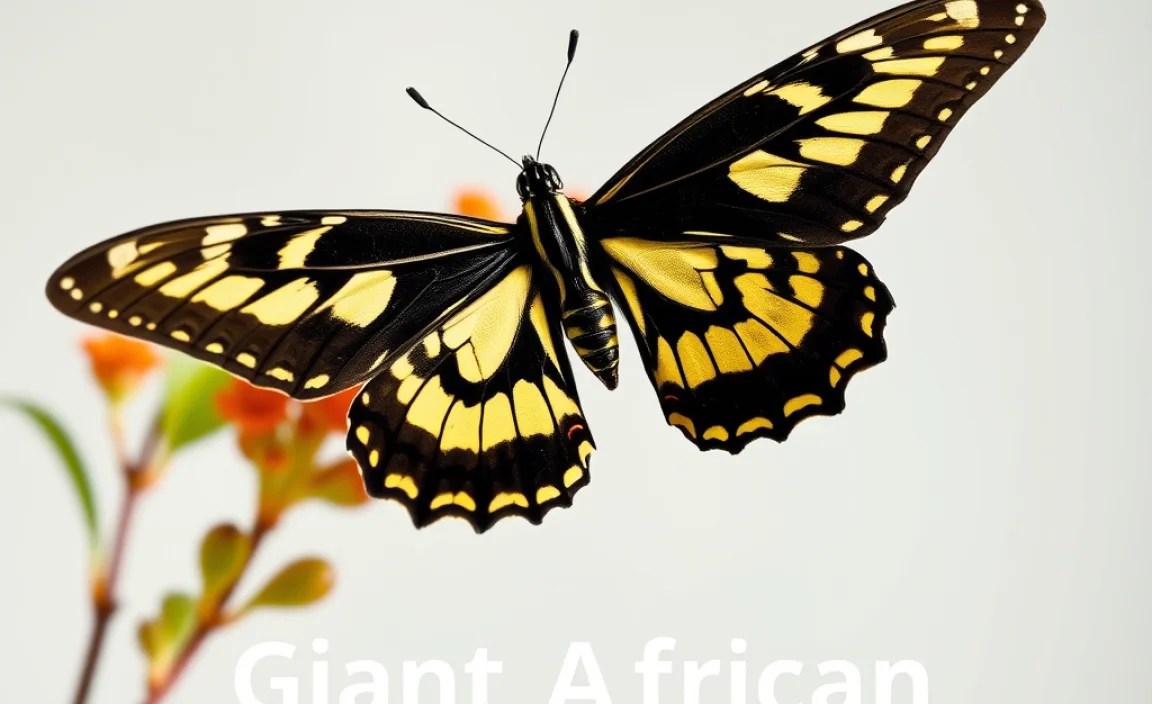
Recognizing the Giant African Swallowtail is the first step in appreciating and attracting these magnificent creatures. Here’s what to look for:
Size and Wingspan
The most distinctive feature of the Giant African Swallowtail is its size. It has the largest wingspan of any butterfly in Africa, ranging from 6 to 9.8 inches (15 to 25 cm). This impressive wingspan makes it easily distinguishable from other butterfly species.
Color and Pattern
The Giant African Swallowtail exhibits a striking color pattern that varies slightly between males and females:
- Males: Typically have orange wings with black stripes and spots. The hindwings have distinctive tails, a characteristic of swallowtail butterflies.
- Females: Show more variation in color, ranging from orange and brown to yellowish-white, with intricate patterns of black lines and spots. Their hindwings are often more rounded compared to the tailed hindwings of the males.
Distinguishing Features
Here’s a quick guide to help you identify the Giant African Swallowtail:
- Size: Largest butterfly in Africa.
- Wingspan: 6-9.8 inches (15-25 cm).
- Color: Orange and black (males), varied orange, brown, and yellowish-white (females).
- Hindwings: Tailed in males, rounded in females.
Understanding the Life Cycle
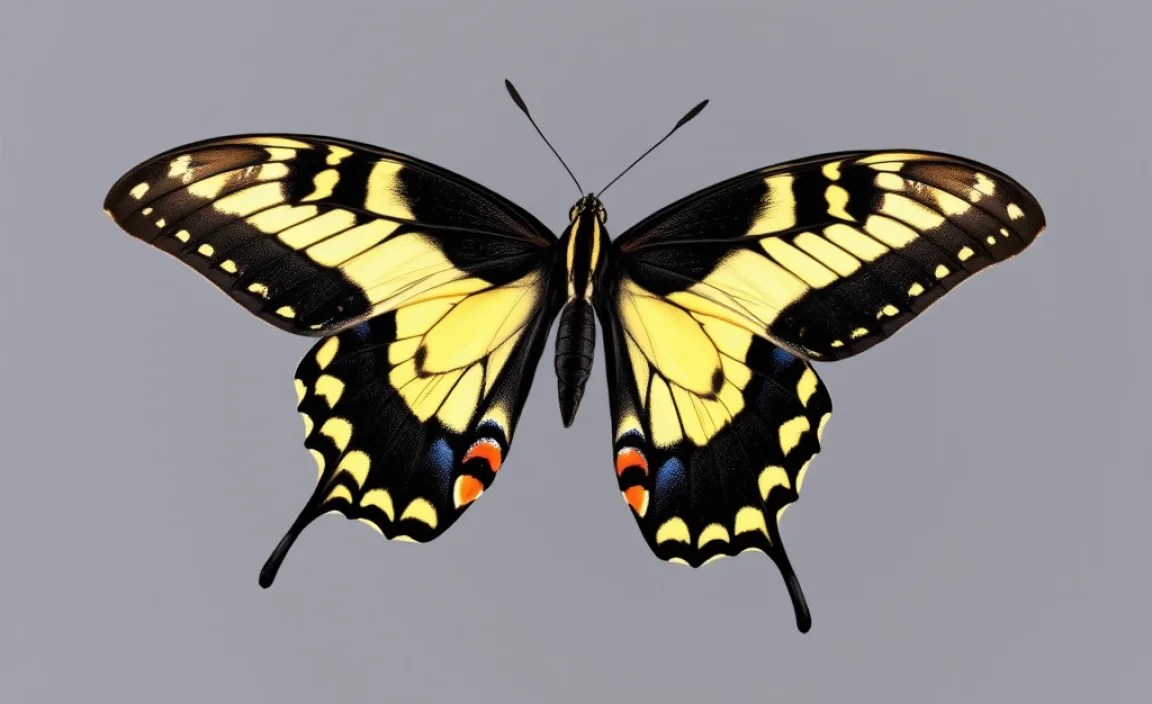
The life cycle of the Giant African Swallowtail is a fascinating process, typical of butterflies, but with unique adaptations. Understanding this cycle is crucial for providing the right conditions for each stage.
Egg Stage
The life cycle begins with the egg. Female Giant African Swallowtails lay their eggs on the leaves of host plants. These eggs are usually laid singly to ensure that each caterpillar has enough food.
Larva (Caterpillar) Stage
Once the egg hatches, the larva, or caterpillar, emerges. The caterpillar of the Giant African Swallowtail goes through several instars (stages between molts). During this stage, the caterpillar feeds voraciously on the leaves of its host plant. As it grows, it sheds its skin multiple times.
The caterpillar’s appearance changes as it grows. Initially, it may look like a bird dropping to avoid predators. As it matures, it develops bright colors and patterns. The larvae feed on host plants like *Cassia*, *Afraegle paniculata*, *Teclea nobilis*, and citrus species.
Pupa (Chrysalis) Stage
After reaching its full size, the caterpillar transforms into a pupa, also known as a chrysalis. The pupa is typically green or brown, blending in with its surroundings to avoid predators. Inside the pupa, a remarkable transformation occurs as the caterpillar’s body reorganizes into the adult butterfly form.
Adult Butterfly Stage
Finally, the adult butterfly emerges from the pupa. The newly emerged butterfly’s wings are soft and crumpled. It pumps hemolymph (butterfly blood) into the veins of its wings to expand them. Once the wings are dry and hardened, the butterfly is ready to fly and reproduce.
Habitat and Distribution
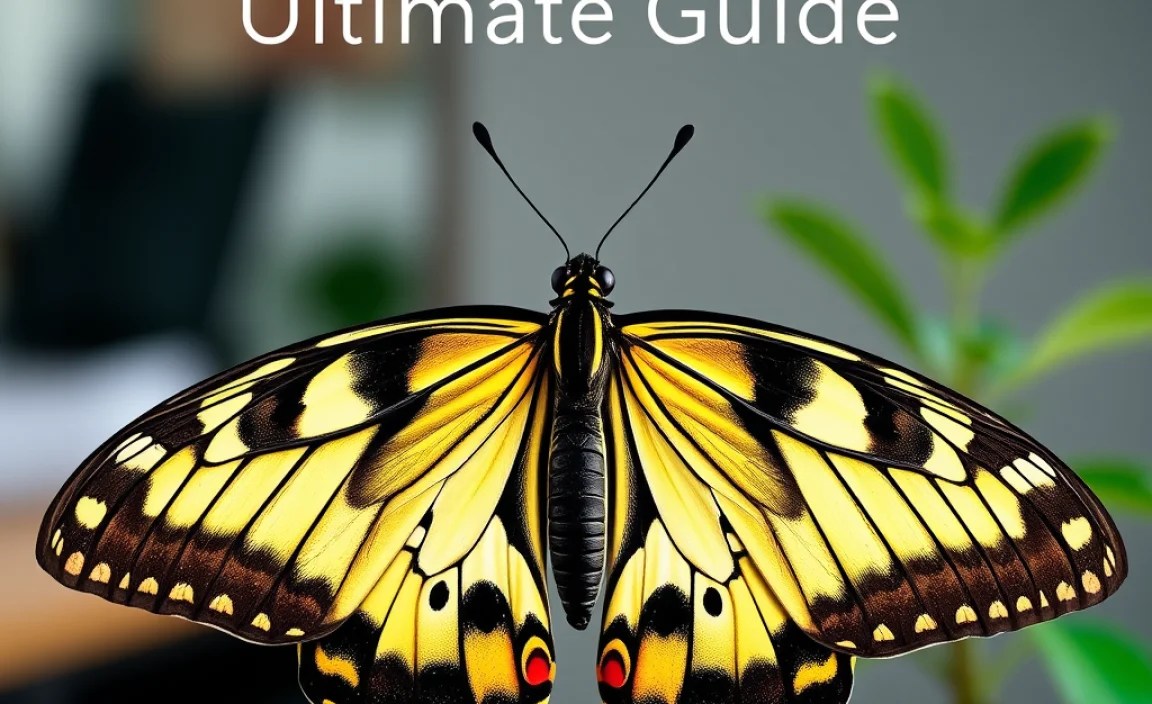
Knowing where the Giant African Swallowtail lives and what kind of environment it prefers is vital for conservation efforts and for attracting them to your garden.
Geographical Range
The Giant African Swallowtail is primarily found in the tropical forests of central and western Africa. Its range includes countries such as:
- Nigeria
- Cameroon
- Democratic Republic of Congo
- Uganda
- Ivory Coast
- Ghana
Preferred Habitats
These butterflies thrive in specific types of habitats:
- Tropical Rainforests: Dense, humid forests with a rich variety of plant life.
- Woodland Areas: Areas with a mix of trees and open spaces.
- Riverine Forests: Forests along rivers and streams, which provide moisture and host plants.
Environmental Needs
To survive and reproduce, the Giant African Swallowtail needs:
- Host Plants: Specific plants that caterpillars feed on.
- Nectar Sources: Flowers that provide nectar for adult butterflies.
- Shelter: Protection from extreme weather and predators.
- Moisture: Access to water sources.
Attracting Giant African Swallowtails to Your Garden

Attracting these magnificent butterflies to your garden requires creating a suitable environment that meets their needs. Here’s how you can do it:
Planting Host Plants
The most effective way to attract Giant African Swallowtails is to plant their host plants. These are the plants that the caterpillars feed on. Some popular choices include:
- Cassia Species: Various species of Cassia are known to be favored by the caterpillars.
- Citrus Trees: Orange, lemon, and other citrus trees.
- Afraegle paniculata: A lesser-known but effective host plant.
- Teclea nobilis: Another good option for attracting these butterflies.
Providing Nectar Sources
Adult butterflies need nectar for energy. Plant a variety of flowering plants that provide nectar throughout the butterfly season. Some good options include:
- Lantana: A colorful and nectar-rich plant.
- Hibiscus: Provides large, attractive flowers.
- Buddleja davidii (Butterfly Bush): A classic choice for attracting butterflies.
- Pentas: Offers clusters of nectar-rich flowers.
Creating a Butterfly-Friendly Environment
Beyond host and nectar plants, consider these elements:
- Sunlight: Butterflies need sunlight to warm their bodies. Provide sunny spots in your garden.
- Shelter: Plant shrubs and trees to offer protection from wind and predators.
- Water Source: A shallow dish of water with pebbles for butterflies to land on.
- No Pesticides: Avoid using pesticides, as they can harm or kill butterflies and caterpillars.
Step-by-Step Guide to Creating a Butterfly Garden
Follow these steps to create a garden that attracts Giant African Swallowtails:
- Plan Your Garden: Choose a sunny location and design your garden with a mix of host plants and nectar sources.
- Prepare the Soil: Ensure the soil is well-drained and rich in organic matter.
- Plant Host Plants: Plant Cassia, citrus trees, and other host plants.
- Add Nectar Sources: Plant a variety of flowering plants that bloom at different times.
- Provide Water: Place a shallow dish of water with pebbles in a sunny spot.
- Avoid Pesticides: Use natural methods to control pests.
- Maintain Your Garden: Water regularly, weed as needed, and prune plants to encourage growth.
Conservation Status and Efforts
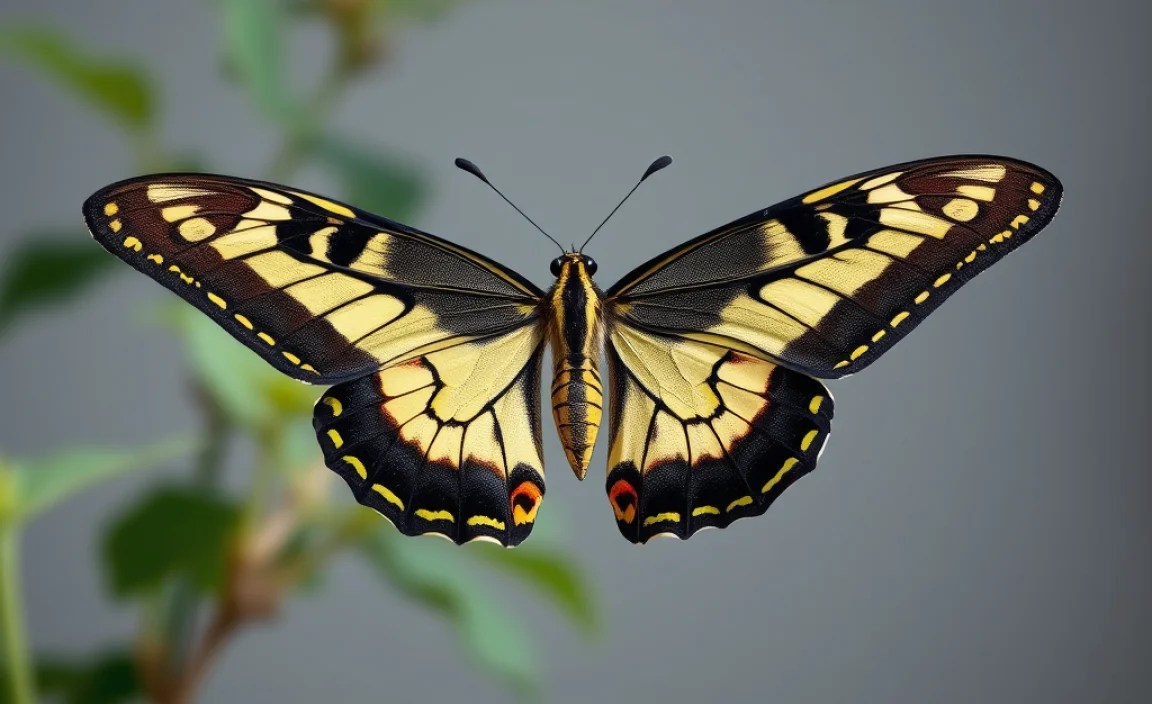
The Giant African Swallowtail is not currently listed as endangered, but it faces several threats that could impact its population. Understanding these threats and conservation efforts is crucial for protecting this species.
Threats to the Population
The primary threats to the Giant African Swallowtail include:
- Habitat Loss: Deforestation and habitat destruction due to agriculture, logging, and urbanization.
- Pesticide Use: Pesticides can directly harm or kill butterflies and caterpillars.
- Climate Change: Changes in temperature and rainfall patterns can disrupt butterfly habitats and life cycles.
Conservation Efforts
Several conservation efforts are underway to protect the Giant African Swallowtail and its habitat:
- Habitat Preservation: Protecting and restoring natural habitats through conservation areas and reserves.
- Sustainable Agriculture: Promoting farming practices that minimize pesticide use and preserve natural habitats.
- Community Education: Educating local communities about the importance of butterfly conservation and sustainable practices.
- Butterfly Gardening: Encouraging individuals to create butterfly-friendly gardens that provide host plants and nectar sources.
How You Can Help
Here are some ways you can contribute to the conservation of the Giant African Swallowtail:
- Create a Butterfly Garden: Plant host plants and nectar sources in your garden.
- Avoid Pesticides: Use natural pest control methods.
- Support Conservation Organizations: Donate to organizations that work to protect butterfly habitats.
- Educate Others: Share information about butterfly conservation with friends, family, and community members.
Interesting Facts About the Giant African Swallowtail
The Giant African Swallowtail is not only the largest butterfly in Africa but also one of the most fascinating. Here are some intriguing facts about this species:
- Mimicry: Some female Giant African Swallowtails mimic poisonous butterflies to avoid predators. This adaptation is a form of Batesian mimicry, where a harmless species evolves to resemble a harmful one.
- Flight Speed: Despite their large size, these butterflies are strong fliers and can cover considerable distances in search of food and mates.
- Cultural Significance: In some African cultures, butterflies are symbols of transformation, hope, and renewal. The Giant African Swallowtail, with its impressive size and beauty, often holds a special place in local folklore and traditions.
- Unique Wing Patterns: The intricate patterns on the wings of the Giant African Swallowtail are unique to each individual, much like fingerprints in humans.
- Diet: Adult Giant African Swallowtails primarily feed on nectar from flowers, but they may also supplement their diet with minerals from mud puddles.
Frequently Asked Questions (FAQ)
What do Giant African Swallowtail caterpillars eat?
Giant African Swallowtail caterpillars primarily feed on the leaves of specific host plants, including various Cassia species, citrus trees (like orange and lemon), Afraegle paniculata, and Teclea nobilis. Ensuring these plants are available is crucial for their survival.
How can I tell the difference between male and female Giant African Swallowtails?
Males typically have orange wings with black stripes and distinctive tails on their hindwings. Females exhibit more color variation, ranging from orange and brown to yellowish-white, with rounded hindwings.
Where do Giant African Swallowtails live?
These butterflies are primarily found in the tropical forests of central and western Africa, including countries like Nigeria, Cameroon, Democratic Republic of Congo, and Uganda.
Are Giant African Swallowtails endangered?
The Giant African Swallowtail is not currently listed as endangered, but they face threats from habitat loss, pesticide use, and climate change. Conservation efforts are essential to protect their populations.
What kind of garden attracts Giant African Swallowtails?
A garden that attracts Giant African Swallowtails includes host plants for caterpillars (like Cassia and citrus trees), nectar-rich flowering plants for adults, a water source, shelter from wind and predators, and no pesticides.
Why is it important to avoid pesticides in a butterfly garden?
Pesticides can harm or kill butterflies and caterpillars, disrupting their life cycle and reducing their populations. Using natural pest control methods helps create a safe environment for these beneficial insects.
How can I support Giant African Swallowtail conservation?
You can support conservation by creating a butterfly garden, avoiding pesticides, donating to conservation organizations, and educating others about the importance of butterfly conservation.
Conclusion
The Giant African Swallowtail is more than just a large butterfly; it’s a symbol of the rich biodiversity of African ecosystems. By understanding their life cycle, habitat needs, and the threats they face, we can take meaningful steps to protect these magnificent creatures. Whether you’re planting host plants in your garden, supporting conservation organizations, or simply spreading awareness, every effort contributes to ensuring that future generations can marvel at the sight of these giants fluttering through the forests. Let’s continue to cultivate a world where butterflies thrive, and their beauty enriches our lives.


